
Michael Jordan's Kids Like to Gamble, but What About Other NCAA Athletes
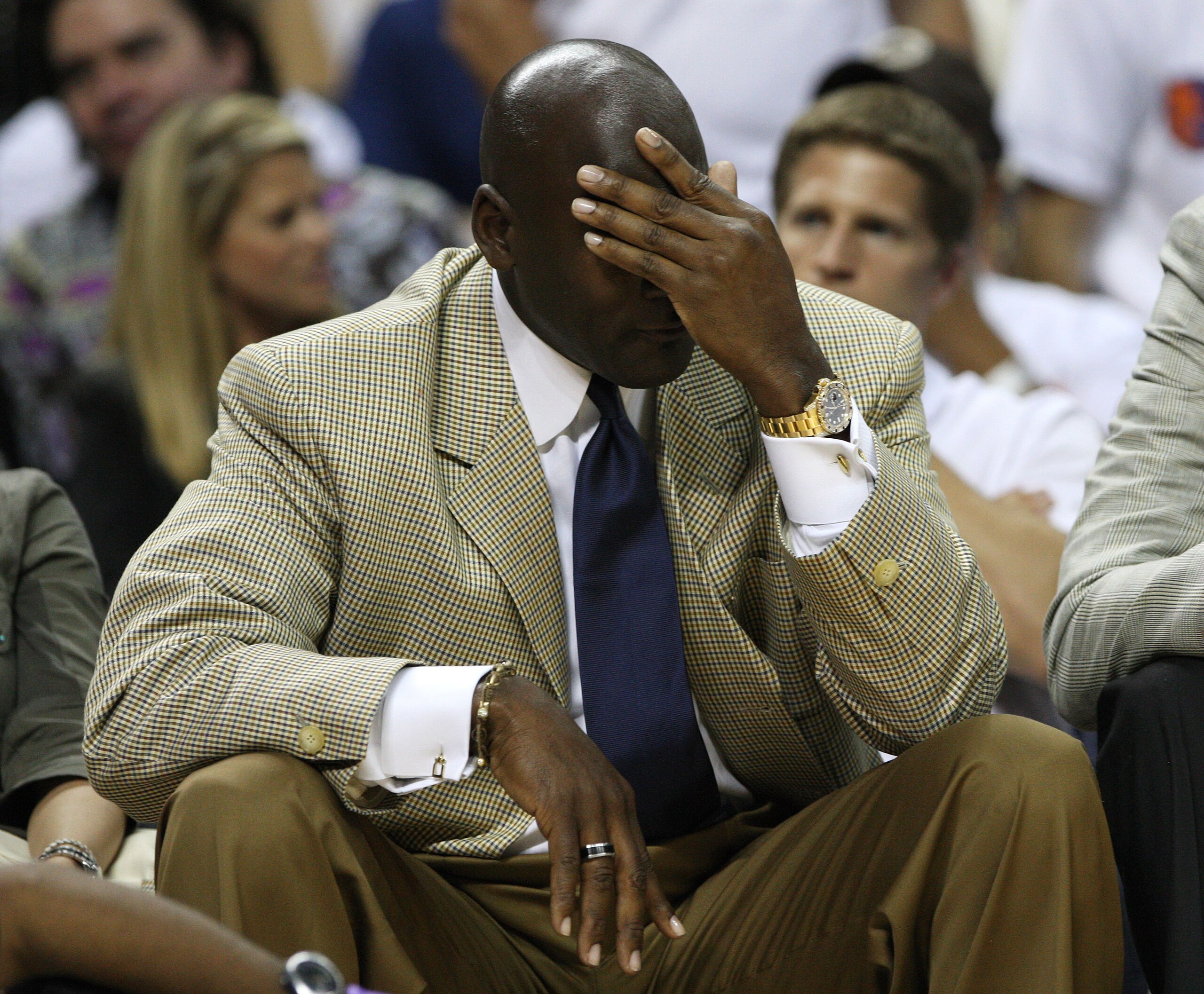
By now everyone has heard that Michael Jordan’s sons, Marcus and Jeffrey, burned through over $50,000 in Las Vegas last weekend.
If the two University of Central Florida guards do have gambling problems, at least they have access to the piles of money their father has made over the years.
What about other college athletes? How often do they gamble and how much are they wagering?
In 2004, the NCAA released the results of their 2003 National Study on Collegiate Sports Wagering and Associated Behaviors.
This study was the organization's first comprehensive examination of the gambling tendencies of the student-athletes it oversees.
Over 21,000 male and female athletes completed the anonymous survey providing details into their gambling behaviors.
Athletes from approximately 60 percent of the over 1,000 NCAA institutions responded to the questionnaire.
A similar study was performed in 2008, partly to determine if the NCAA's steps to educate players on gambling were helping to reduce the prevalence among student athletes.
The 2008 study included additional questions focused on finding out where student athletes get money for gambling and also the amounts being wagered.
Results from these two studies will now be presented in the following slides and will provide some answers to the following questions:
How many NCAA athletes gamble and how often?
What do NCAA athletes wager on?
How much money do NCAA athletes wager?
Where do these amateur athletes get their gambling money?
How many NCAA athletes wager on professional sports?
How many NCAA athletes wager on NCAA sports?
How many NCAA athletes are contacted by outside sources for inside information on games they will participate in?
How many NCAA athletes have been asked to influence the outcome of games by outside influences?
Which NCAA sports have the most gamblers?
How Many NCAA Athletes Gamble and How Often?
1 of 10
In 2008, 60.8% of male and 37.6% of female athletes reported they had gambled at least once in the past year. Both were decreases from the 2003 study.
While the number of athletes who gambled at least once per month also decreased, the number who gambled at least once a week increased slightly.
There was also an increase in the total number of athletes who identified themselves as non-gamblers from 2008 to 2003.
| Males | Females | |
| Do not gamble | 33.8% | 61.5% |
Gambled at least | 60.8% | 37.6% |
| Gambled at least once per month | 2.5% | 0.3% |
| Gambled at least once per week | 2.9% | 0.6% |
What do NCAA Athletes Wager On?
2 of 10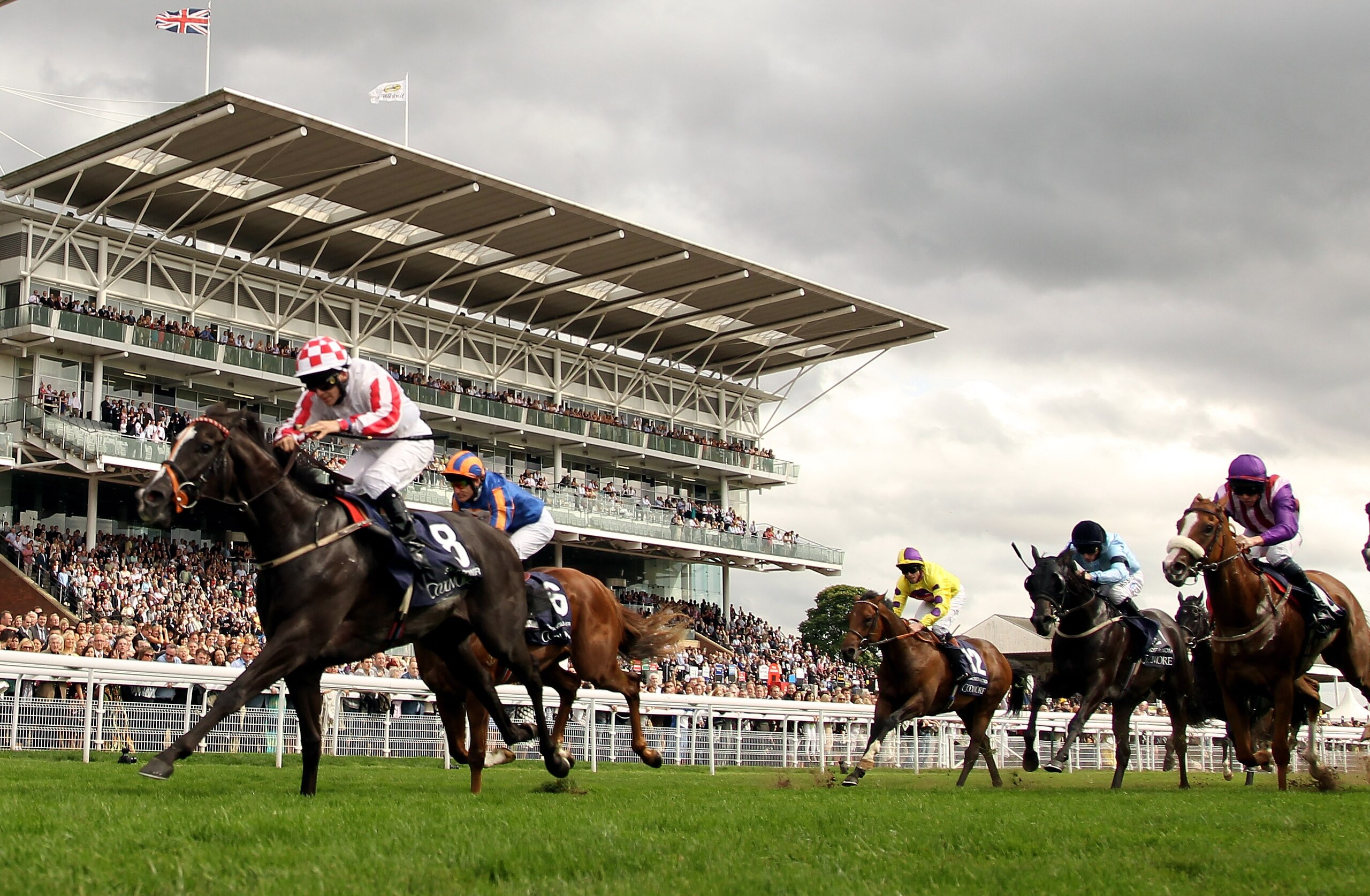
The short answer: Everything.
In 2008, NCAA athletes had wagered at least once in the past year on everything from dog racing to commercial bingo. That's right.
Almost 7 percent of both male and female athletes had gambled on commercial bingo in the past year.
| Male (%) | Female (%) | |
| Cards | 45.9 | 10.7 |
| Horse or Dog Racing | 8.5 | 3.2 |
| Games of Personal Skill | 33.1 | 7.2 |
| Dice, Craps | 11.7 | 2.2 |
| Slots | 15.1 | 9.9 |
| Lottery Tickets | 31.4 | 24.0 |
| Commercial Bingo | 6.9 | 6.8 |
| Sports | 29.5 | 6.6 |
*These numbers are percentage of athletes who gambled on these events at least once in the past year
How Much Money Do NCAA Athletes Wager?
3 of 10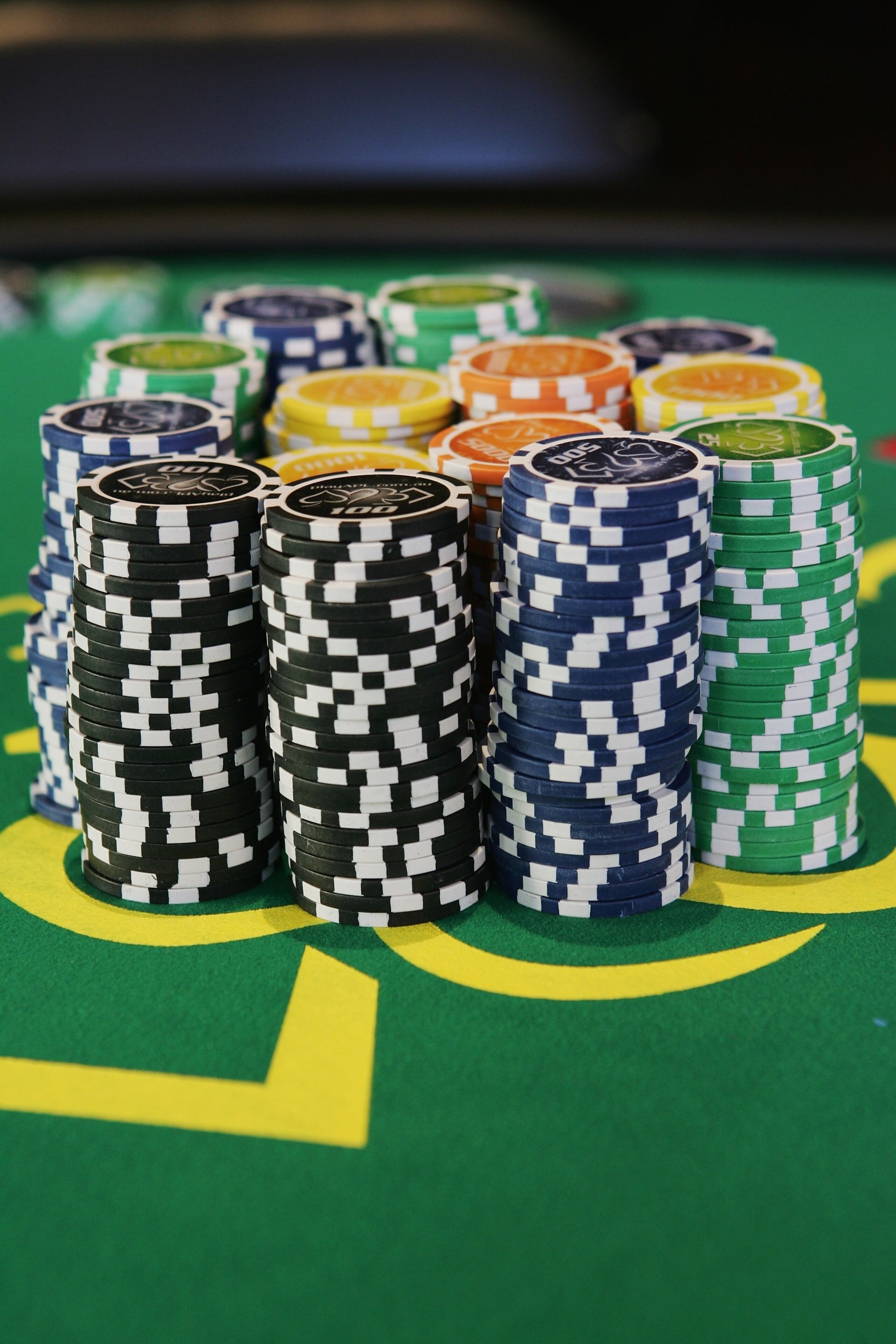
Most student athletes who responded to the survey admitted to only modest gains or losses.
Only 7.2% of males and 1.1% of females admitted to losing more than $300 in a single day of gambling.
These losses might be understated, because 18.7% of males and 4.6% of females reported winning over $300 in one day.
Either these guys know how to walk away from the table when luck is not going their way, or they might be some underestimating going on. (Table below)
| Male (%) | Female (%) | |||
| Win | Loss | Win | Loss | |
| Less than $10 | 5.8 | 6.5 | 19.1 | 22.4 |
| $10-$99 | 43.9 | 50.7 | 38.9 | 29.7 |
| $100-$299 | 21.0 | 13.3 | 9.1 | 2.7 |
| $300-$499 | 8.3 | 3.4 | 2.5 | 0.4 |
| $500-$999 | 6.0 | 2.0 | 1.2 | 0.3 |
| $1000-$4999 | 3.3 | 1.2 | 0.7 | 0.3 |
| $5000+ | 1.1 | 0.6 | 0.2 | 0.1 |
.jpg?w=2560 "NCAA Combating Sextortion")
.jpg?w=2560 "49ers Chargers Football")
Where Do NCAA Athletes Get Gambling Money?
4 of 10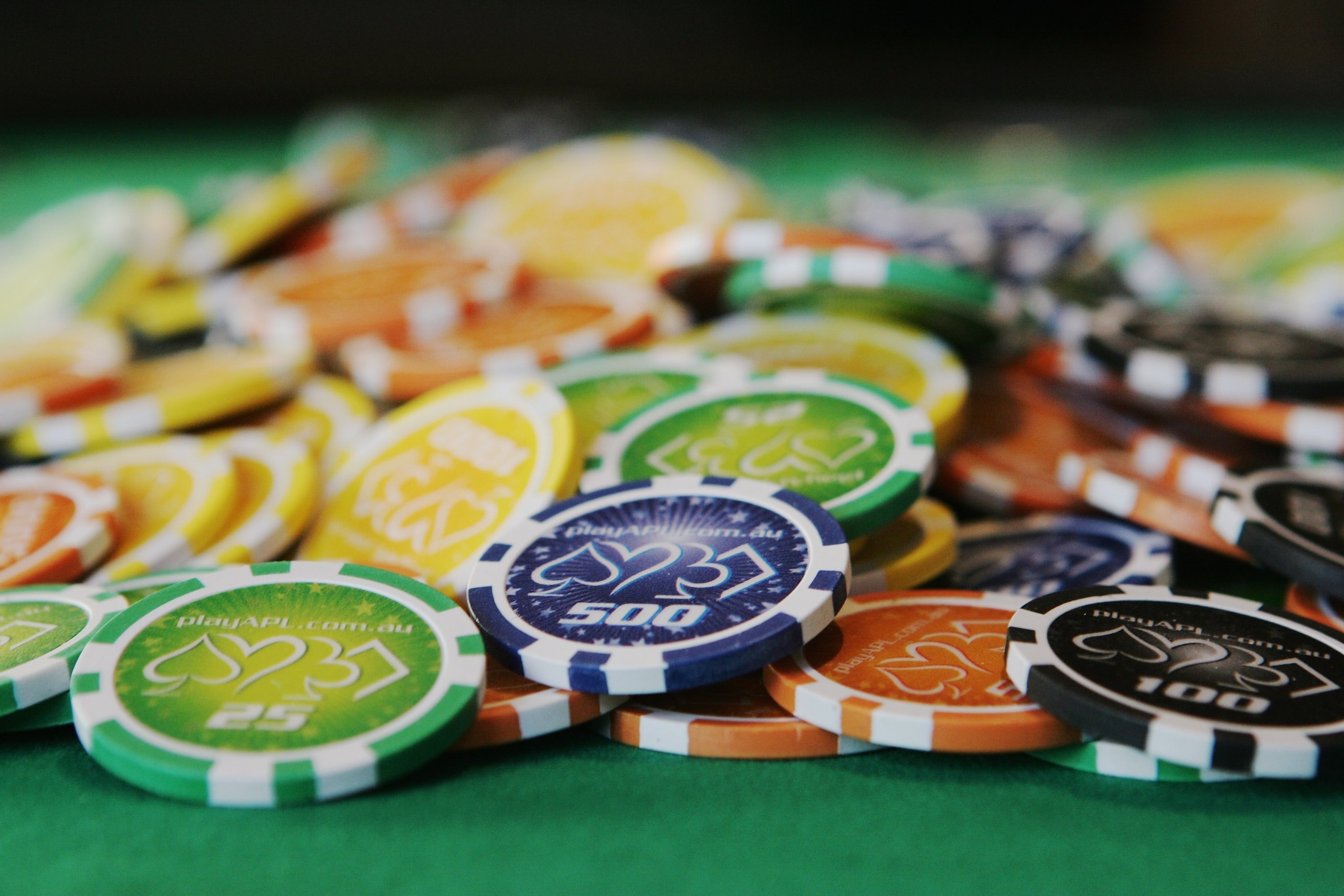
The vast majority of athletes reported gambling money from reasonable personal sources, such as savings and money from family members.
There were some reported sources that point to signs of problematic behavior.
Almost 10% of those who responded said they had sold personal property for gambling money. Over 6% admitted to having a line of credit with a bookie or obtaining gambling money from illegal sources.
These sources, along with using money from student loans, bank loans, and athletic scholarships suggest either a lack of awareness of potential consequences or a lack of control for some NCAA athletes.
| Personal Savings | 38.3% |
| Money from family or friends | 25.0% |
| Sale of Personal Property | 9.7% |
| Non-Athletic School Loans | 6.4% |
| Credit Line with Bookie | 6.2% |
| Illegal Activities | 6.2% |
| Athletic Scholarship Money | 4.6% |
| Bank Loans | 3.6% |
| Boosters/alumni, Loan Sharks | 2.0% |
How Many NCAA Athletes Wager on Professional Sports?
5 of 10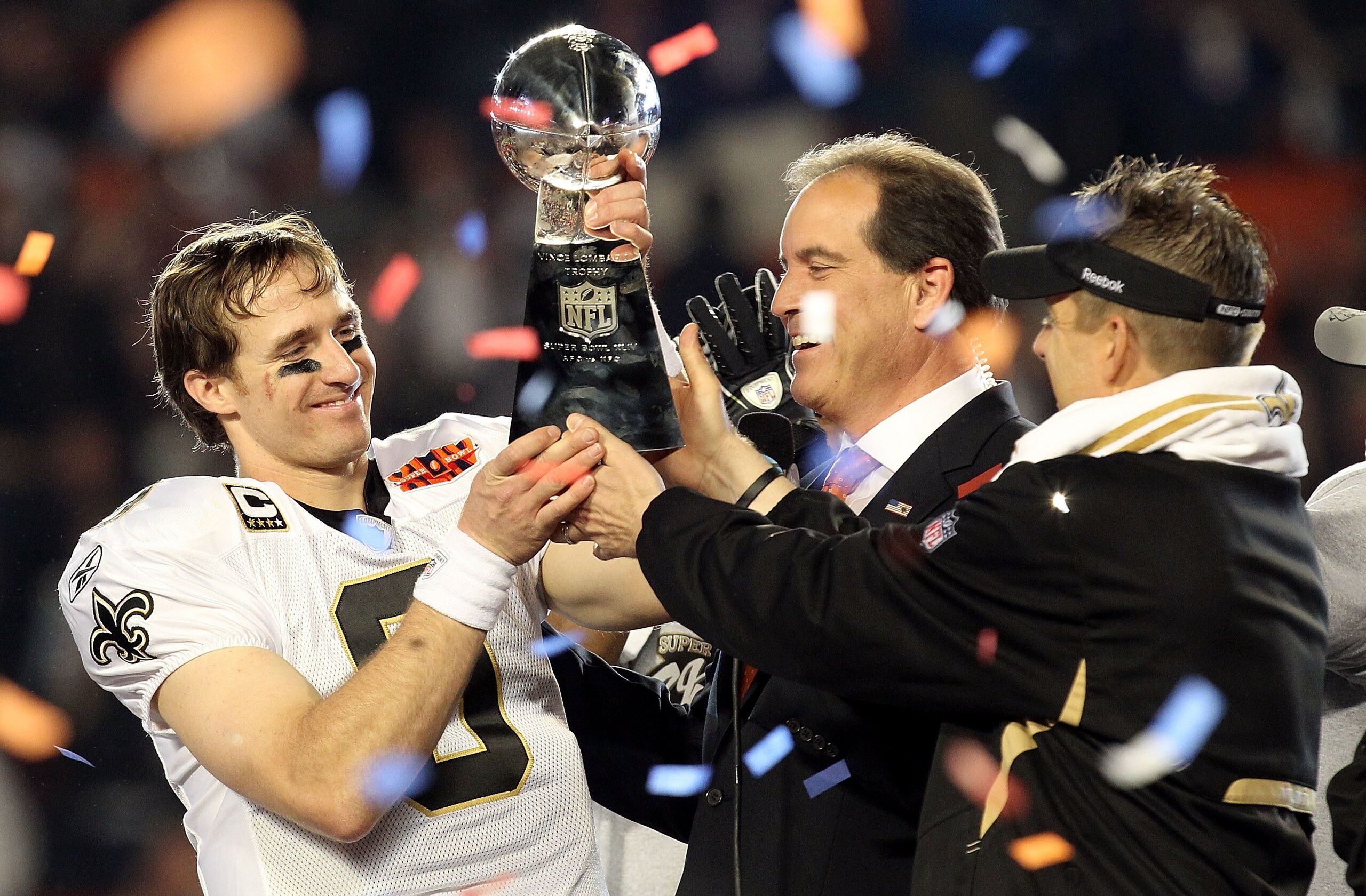
In 2008, over 75% of male and 67% of female athletes had wagered on a professional sports event at least once in the past 12 months.
The NFL was far and away the most popular sport for gambling.
It is not specified in the study, but this is probably due to the popularity of betting on the Super Bowl.
| Males (%) | Females (%) | |
| Auto Racing | 7.5 | 5.2 |
| MLB | 29.0 | 20.3 |
| NBA | 31.0 | 20.0 |
| NFL | 69.2 | 59.4 |
| Any Professional Sport | 76.4 | 67.6 |
How many NCAA Athletes Wager on NCAA Sports?
6 of 10
In 2008, almost 75% of males and over half of female athletes had wagered on an NCAA sporting event.
Not surprisingly, the NCAA tournament was the most popular event to gamble on.
Every year millions of brackets are filled out for office or dorm pools, and athletes obviously do not want to be left out of the March Madness.
| Males (%) | Females (%) | |
| Basketball (season) | 37.5 | 19.4 |
| Basketball (tournament) | 62.6 | 41.6 |
| Football | 48.4 | 27.8 |
| Other | 19.1 | 11.1 |
| Any College Sport | 74.1 | 54.9 |
How Many NCAA Athletes are Contacted for Inside Information About Games?
7 of 10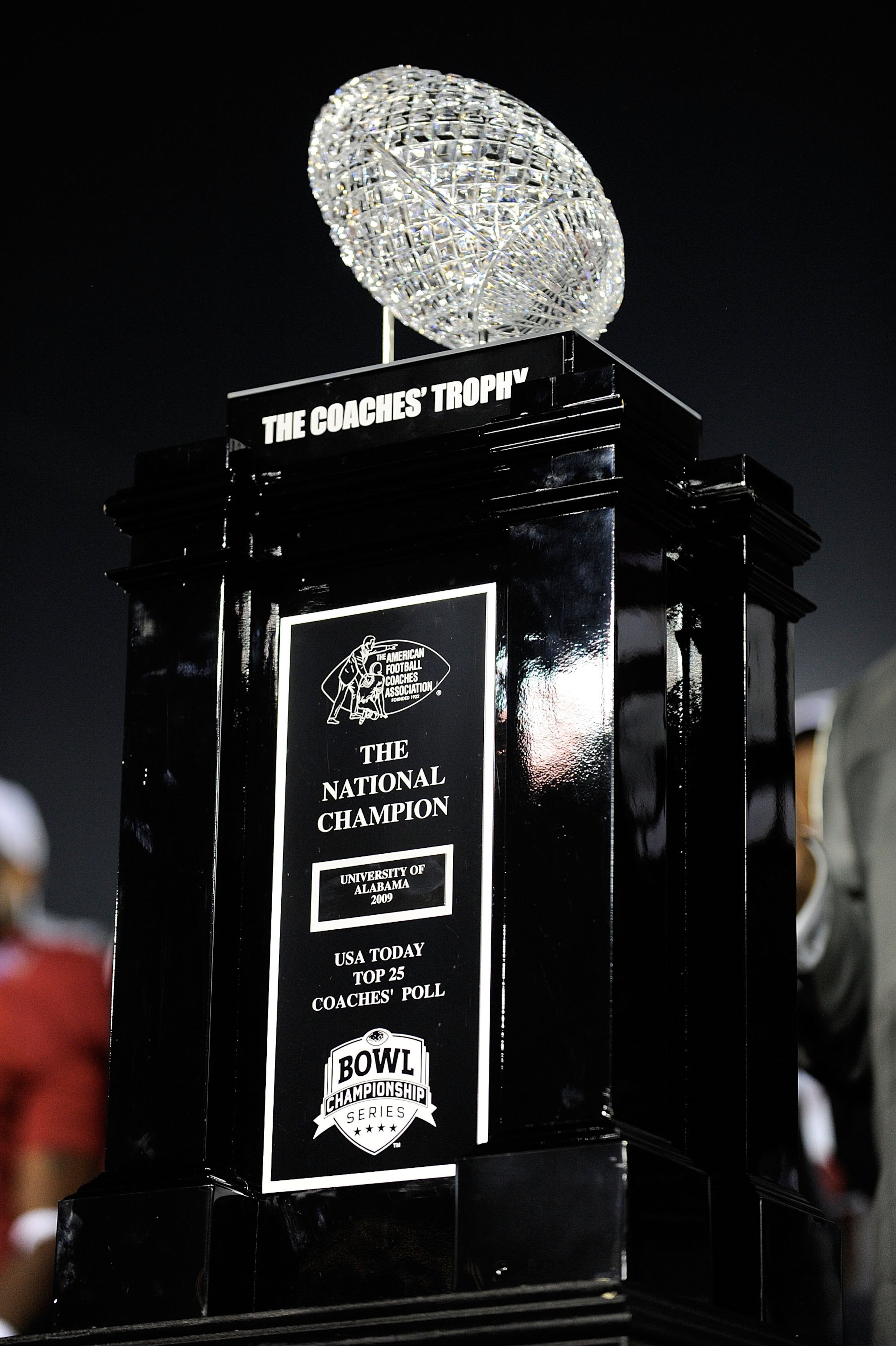
In 2008, 3.8% of Division I Men's Basketball and 3.5% of Football players had been approached by outside sources to share inside information.
These numbers have grown from 1.2% and 2.0% in 2003.
The percentage of Division I Men's Basketball players who claimed to have actually provided inside information decreased from 1.2% in 2003 to 0.9% in 2008.
The percentage of football players also decreased from 2.5% to 1.1%.
How Many NCAA Athletes Have Been Asked to Influence the Outcome of Games
8 of 10
The percentage of Division I Men's Basketball and Football players asked to influence the outcome of a game decreased from 2.4% and 2.3% in 2003 to 1.6% and 1.2% in 2008.
The NCAA either did not ask or did not report the percentage of players who actually took steps to influence games.
Which NCAA Sports Have the Most Gamblers?
9 of 10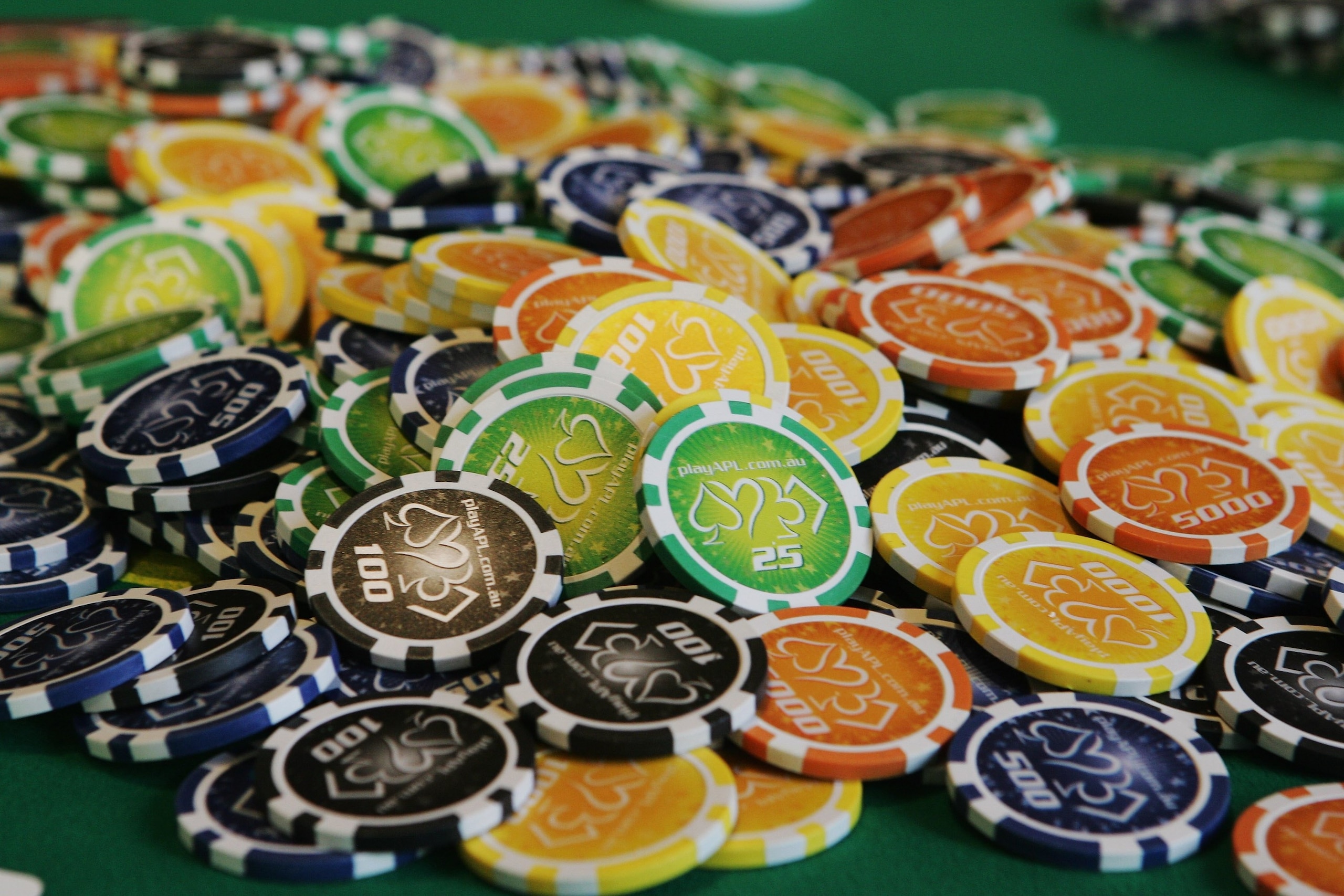
Men's Golf wins this prestigious award going away. In 2008, 19.6% of these athletes admitted to betting on sports at least one a month.
This should not come as a surprise to anyone who has ever been on a golf course with enough guys and beer.
This was over a 5% increase from 2003. All sports did not see significant changes, except for 5% and 6% decreases for hockey and wrestling respectively.
| Sport | Male (%) |
| Baseball | 12.7 |
| Basketball | 9.9 |
| Football | 9.0 |
| Golf | 19.6 |
| Ice Hockey | 7.6 |
| Lacrosse | 10.1 |
| Soccer | 10.6 |
| Swimming | 4.3 |
| Tennis | 8.4 |
| Track/Cross Country | 5.4 |
| Wrestling | 6.2 |
Conclusions
10 of 10
So what are the takeaways from these two studies from the NCAA?
NCAA athletes gamble, just like everyone else
Through a dedicated NCAA education program, there has been a reduction in the number of athletes that gamble
Most NCAA athletes are responsible gamblers, only wagering their personal money in modest amounts
Just like the general population, there are athletes that have gambling problems
Some athletes wager money from boosters, bookies, or illegal activities
A small percentage of athletes were approached by outside sources to provide inside information or to influence the outcome of games
Golfers love to gamble
Michael Jordan has some spoiled kids, who are the exception and not the rule when it comes to NCAA athletes and gambling
.jpg?w=2560 "Raiders Camp Football")
.png?w=2560 "MLB Playoff Picture Shaping Up")
.png?w=2560 "New-Look Luka Dončić 👀")