
College Basketball Players Most Likely to Reach 2,000 Career Points in 2016-17
Most of the best players in college basketball don't stick around long enough to reach many career milestones, jumping to the pros as soon as possible. But there's something to be said for those who stay in for the long haul, and one of the benefits is making it into the exclusive 2,000-point club.
Over the past 10 seasons, a total of 128 Division I players have reached 2,000 points for their career, with 12 joining the group during the 2015-16 season. The most recent entrants included Oklahoma's Buddy Hield (2,291) and Iowa State's Georges Niang (2,228) as well as mid-major standouts such as Evansville's D.J. Balentine (2,464) and Iona's A.J. English (2,004).
To get to 2,000 requires both longevity and some decent per-game scoring numbers. Barring injury, a player will get at least 120 games over four seasons and thus would need to average better than 16 points per game to get to this milestone, though a monster senior year tends to help beef up the numbers.
Using players' career numbers to this point as well as a projection of what they'll contribute in 2016-17, we've ranked the ones most likely to get to 2,000 this season. There are a handful of near-locks at the end of the list, while the first ones will need to explode in their final year to join the club.
Long Shots
1 of 21
Several of the players who made our top 20 will need big years to get to 2,000 points, but they're not the only ones with a chance to reach that milestone. Considering Hield scored 925 points in 2015-16, that technically puts almost anyone with more than 1,000 career points in contention to get to 2K if he can replicate Hield's tremendous senior year in which he averaged 25 points per game.
Here's a list of others who are worth tracking during the 2016-17 season:
- Jalan West, Northwestern State (1,592 career points, likely to miss season with knee injury)
- Elijah Wilson, Coastal Carolina (1,375)
- Kyle Hittle, Incarnate Word (1,339)
- Jordan Price, LaSalle (1,309)
- Rashawn Thomas, Texas A&M-Corpus Christi (1,269)
- Josh Hart, Villanova (1,248)
- Malcolm Hill, Illinois (1,243)
- Jordan Mathews, Gonzaga (1,202)
- Quinton Hooker, North Dakota (1,171)
- Tyler Cavanaugh, George Washington (1,084)
20. Garret Covington, Western Illinois
2 of 21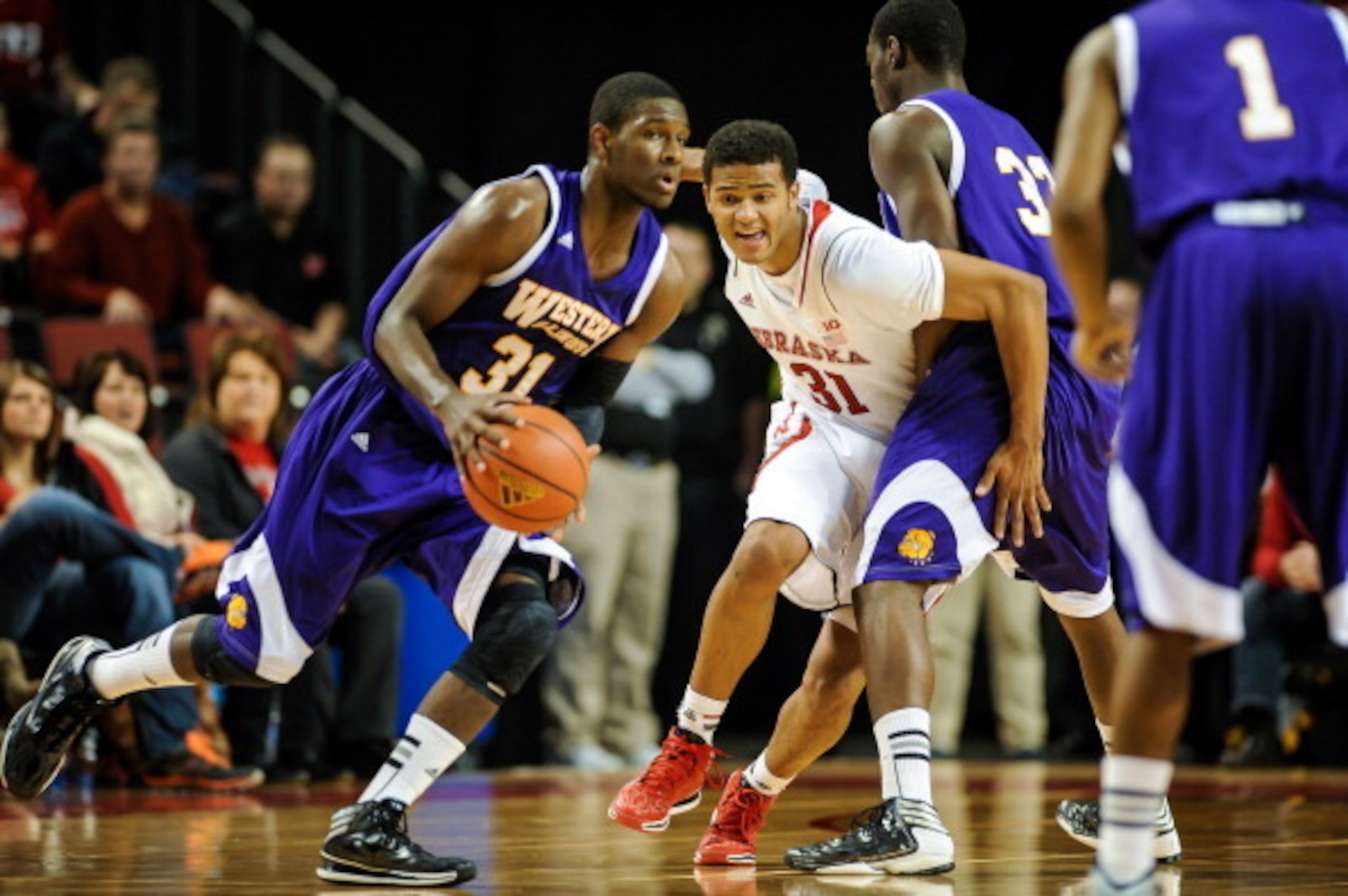
2015-16 scoring average: 17.9
Career points: 1,339
After scoring 16 points in helping Western Illinois to a shocking upset win at Wisconsin to open last season, it seemed like we were going to be hearing a lot about Garret Covington. But while he continued to produce individually, the Leathernecks peaked with a 5-0 start and ended up going 10-17 with a last-place mark of 3-13 in the Summit League.
Maybe the 2016-17 season will be better from a team standpoint for Western Illinois, but if not, at least it has a chance to get some notoriety by getting Covington into the 2,000-point club. For that to happen, though, it will need to get him some more games.
The Leathernecks are only slated to play 26 games, not including the Summit League tournament, instead of the 29 to 31 that most other Division I schools schedule. If they don't get past the first round of their conference tournament, that will mean the 6'5" Covington has to average 23 points per game. He's met or exceeded that number 12 times in his career, including six times last year.
19. T.J. Cline, Richmond
3 of 21
2015-16 scoring average: 18.4
Career points: 1,263
T.J. Cline played at about 235 pounds this past season, and that worked out well, with the 6'9" forward averaging 18.4 points per game while shooting 55.9 percent from the field. Will being a little lighter lead to more production, enough so that he could slip over 2,000 career points?
According to John O'Connor of the Richmond Times-Dispatch, Cline dropped 13 pounds this summer prior to Richmond heading to Germany for an overseas exhibition tour.
Cline had 13 20-point games in 2015-16, including 36 against Atlantic 10 champion Dayton, and topped 1,000 points during his two years at Richmond after beginning his career at Niagara. The chance of getting up to 2,000 would be better had he not averaged only 7.9 points per game during his freshman season.
.jpg?w=2560 "NC State Abuse Lawsuit")
18. Bryce Alford, UCLA
4 of 21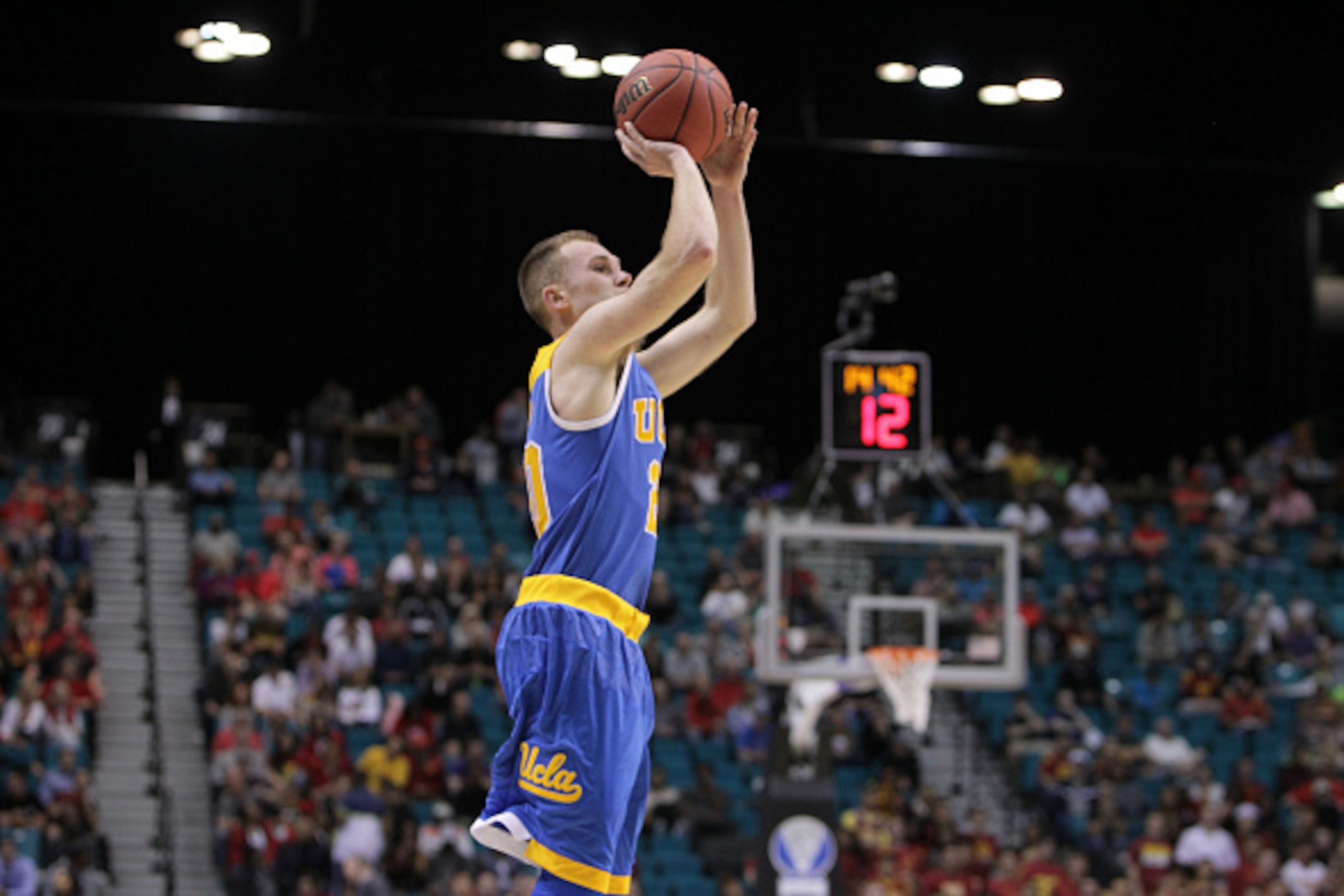
2015-16 scoring average: 16.1
Career points: 1,364
Though it might seem like the ball is always in his hands, Bryce Alford has never been UCLA's leading scorer for a season. He was fourth as a freshman when averaging eight points per game, was second to Norman Powell as a sophomore and was 0.7 points per game behind Isaac Hamilton in 2015-16.
That bodes well for Alford's chance to be UCLA's first 2,000-point scorer since Jason Kapono (2000-03) even though he's going to be on a team overloaded with offensive options as a senior. In addition to Hamilton and Aaron Holiday, who averaged 10.3 points per game as a freshman, the arrival of prospects Lonzo Ball and T.J. Leaf add even more people looking for the ball.
Ball figured to take over Alford's spot as the point guard, which would move Alford to an off-the-ball position where he could turn into more of a shooter. He's made 213 three-pointers for his career at a 38.1 percent clip.
17. Evan Bradds, Belmont
5 of 21
2015-16 scoring average: 17.6
Career points: 1,340
They don't get more automatic than Evan Bradds, who led Division I with a 71.2 percent shooting rate this past season. This wasn't a fluke, either, as the 6'7" wing shot 68.8 percent as a sophomore and 65.1 percent as a freshman.
Bradds rarely shoots from outside the arc, going 8-of-29 from three-point range the last two seasons, knowing instead that it's better to get closer to the basket. Only four times last season did he fail to make at least 50 percent of his shots, though one of those times was in the NIT loss to Georgia when he was 2-of-5 along with 9-of-10 from the foul line.
Surprisingly, Bradds has a better field-goal percentage for his career (68.9) than on free throws (68.5), one way that he could improve and better the chance to get to 2,000.
16. Justin Robinson, Monmouth
6 of 21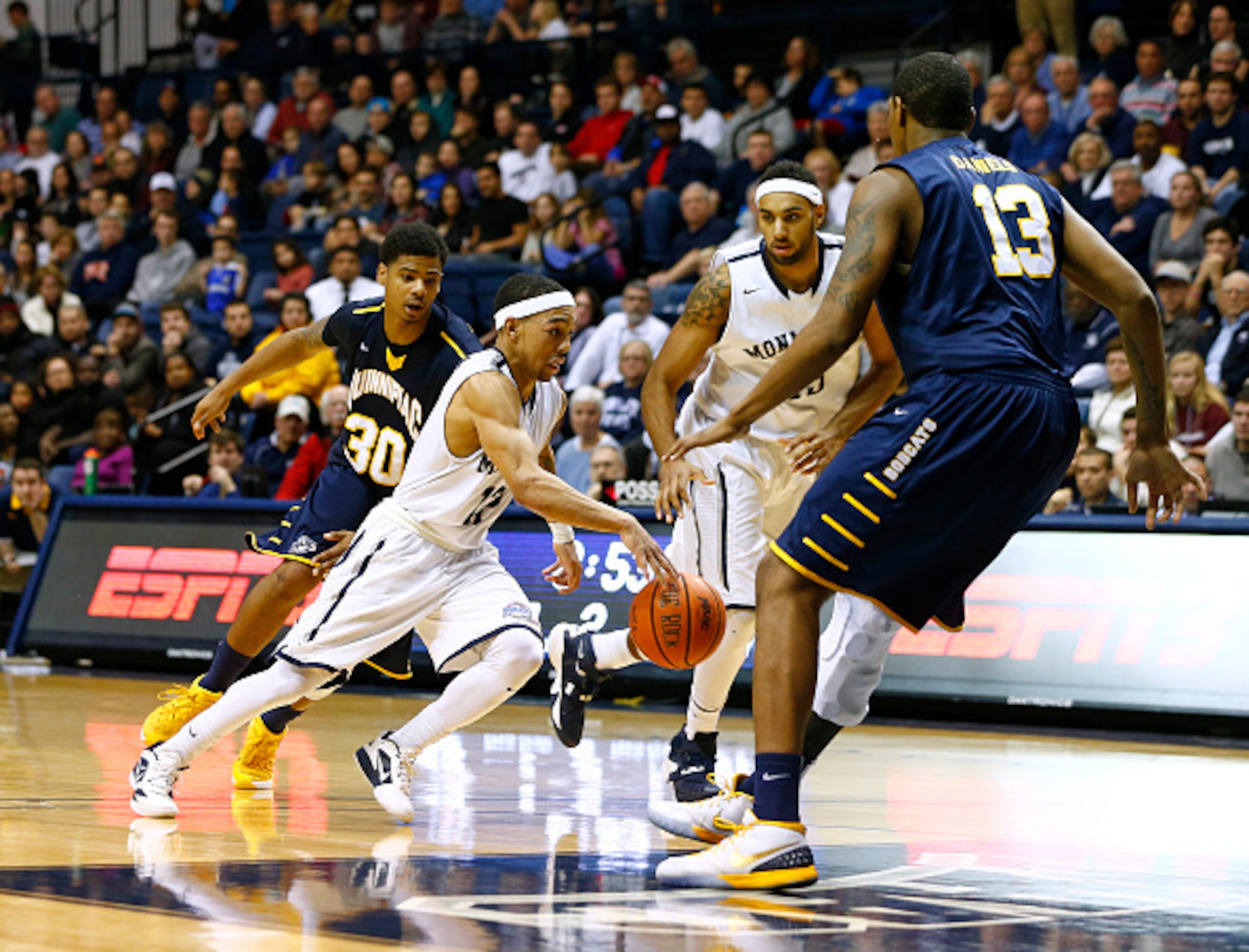
2015-16 scoring average: 19.3
Career points: 1,334
Monmouth's flashy 2015-16 season that included wins over several power-conference programs was paced by an electric guard who scored the 19th-most points in Division I. And that was with Justin Robinson struggling with his shot in March.
The 5'8" Robinson made 43.9 percent of his shots overall, but during the MAAC tournament and the NIT, he dipped to 30.7 percent. He also had his two lowest-scoring games of the year during that span, including six points (on 2-of-16 shooting) in a loss to eventual NIT champion George Washington.
Those were the exceptions, while the norm was Robinson topping 20 (he did that 19 times) while averaging 19.8 points as Monmouth went 5-1 against teams from the ACC, Big East, Big Ten and Pac-12. And with 2016-17 being his last go-around, expect Robinson to have another monster year that includes passing that 2,000-point threshold as early as late February.
15. Jeremy Senglin, Weber State
7 of 21
2015-16 scoring average: 17.9
Career points: 1,359
Weber State has made the NCAA tournament 16 times, including two of the last three seasons, and has produced a fair number of NBA players, including Damian Lillard. Yet the school has only had one 2,000-point scorer, something Jeremy Senglin could change with a strong senior campaign.
Senglin led Weber State in scoring this past season but was one of two players on the team to average better than 17 points per game, along with forward Joel Bolomboy. Bolomboy is now in the pros, meaning the 2016-17 offense figures to be even more perimeter-oriented than before.
The 6'2" Senglin shot 43.4 percent from outside and made 106 three-pointers last season, which ranked 15th in the country. He's 11th on the school's career scoring list, but if Weber State gets into the NCAA tourney again, he could end up first, passing the 2,019 points that Bruce Collins had from 1976-80.
14. Omar Prewitt, William & Mary
8 of 21
2015-16 scoring average: 17.8
Career points: 1,361
William & Mary is one of five programs that existed in the 1930s—when Division I and the NCAA tournament were formed—that still hasn't made the Big Dance. This is something Omar Prewitt is painfully aware of, as the Tribe lost in the Colonial Athletic Association conference tourney in his freshman and sophomore seasons and lost in the tournament semifinals last year.
Prewitt scored four points on 1-of-7 shooting in the 2015 finale and had five points on 1-of-12 shooting in the Tribe's season-ending contest in March. Those are two of 29 games he's failed to score at least 10 points in his career compared to 69 that he has, including 21 with 20 or more points.
A 6'6" wing, Prewitt has become more and more a part of William & Mary's offense as his career has progressed. Two starters have departed, which makes it likely Prewitt will add to the 32.2 minutes per game he averaged in 2015-16. If the Tribe can finally reach the NCAA tourney, that may be where Prewitt gets to 2,000.
13. Keon Johnson, Winthrop
9 of 21
2015-16 scoring average: 18.7
Career points: 1,361
A lot of the players on this list are on the small side, but none are smaller than Keon Johnson. He's generously listed at 5'7" and 160 pounds, but that seems a bit much since most pictures of him have his head not going much higher than some centers' hips.
But this little package is a big scoring machine, one who really burst out as an offensive option as a junior. His 599 points were 194 more than in either of his first two seasons thanks to a boost in attempts but also better shooting numbers. He went from 40.2 percent overall and 36.2 percent on three-pointers in 2014-15 to 45.2 percent overall and 39.4 percent on threes last season.
Winthrop has lost in the Big South Conference tournament final each of Johnson's three seasons, preventing him from getting some extra postseason games to pad his numbers. He had a season-low two points in the 2016 final.
12. Raven Lee, Eastern Michigan
10 of 21
2015-16 scoring average: 15.1
Career points: 1,418
After leading a 21-win Eastern Michigan team in scoring at 16.7 points per game in 2014-15, Raven Lee saw some of his touches go inside with the arrival of big man James Thompson IV. He also lost his starting job after missing the first six games of last season yet still led the Eagles in scoring.
Whether he starts or comes off the bench this winter, one thing is certain: Lee is going to get his points when asked.
The 6'3" guard ranks 15th on the school's career scoring list, per his online bio, numbers aided by this technically being his fifth season of competition. Lee scored 44 points in eight games as a freshman in 2012-13 before getting shut down with a foot injury, earning a medical redshirt that allows him to play this year.
11. Tim Kempton Jr., Lehigh
11 of 21
2015-16 scoring average: 17.7
Career points: 1,390
The son of a former Notre Dame and NBA player, Tim Kempton Jr. already has 463 more points than his father did in college with one less season of action. But Tim Kempton Sr. was part of a pair of NCAA tournament teams in the 1980s, while his son's Lehigh squads have gone 47-47 during his career.
A 6'10" center/forward who is one of the most complete players in college basketball, Kempton nearly averaged a double-double last season while shooting 55.5 percent from the field. He scored at least 20 points in 11 of 29 games in 2015-16, which accounted for six of his 13 double-doubles.
The Mountain Hawks will play at least 30 games this season, including in the Patriot League tournament, and if they can get into the postseason, that will up the total a few more. Kempton scored 514 points as a junior, but unless his production goes up a bunch—which is possible with frontcourt mate Jesse Chuku graduating—he'll need his team to have a breakout year to ensure he gets to 2,000.
10. Jack Gibbs, Davidson
12 of 21
2015-16 scoring average: 23.4
Career points: 1,348
Jack Gibbs will need to come close to scoring half as much in 2016-17 as he did in the first three years of his career. But considering Gibbs had more points as a junior than he did as a freshman and sophomore combined, this shouldn't be a problem for him.
The 6'0" Gibbs ranked seventh in Division I in scoring last season with 23.4 points per game, up from 16.2 per game as a sophomore. He also played 31 of 33 games after being limited to 25 contests in 2014-15, when he missed seven in the middle of the season because of injury. Using his career scoring average of 15.3 points per game, those nine missed games the last two years could keep him from getting to the milestone if he regresses at all in 2016-17.
But Gibbs appears to be getting better as his career progresses, with the junior effort including nine 30-point games and three over 40. And with Davidson's third- and fourth-leading scorers moving on, Gibbs has a chance to be even more productive if he picks up the slack.
9. Martez Harrison, Missouri-Kansas City
13 of 21
2015-16 scoring average: 15.4
Career points: 1,555
At 5'11", Martez Harrison is quite often the smallest player on the court, yet that hasn't prevented him from leading his team in scoring all three seasons. It hasn't helped Missouri-Kansas City to team success, though, since the Kangaroos are 36-58 during his career.
But we're here to rave about individual accolades, so the focus is on Harrison's ability to score in double figures in 83 of 93 games, with 31 of those going for at least 20 points.
Harrison has shot 40.6 percent for his career, making 30.8 percent of his threes and 71.3 percent of his foul shots. The 463 points he had in 2015-16 were the fewest of any season but still enough to project him getting to 2,000 in March...maybe with UMKC making a push to win the Western Athletic Conference's tournament and earn its first-ever NCAA tourney bid?
8. Tim Williams, New Mexico
14 of 21
2015-16 scoring average: 16.8
Career points: 1,557
Had Tim Williams not decided to leave Samford after two solid seasons, there's a good chance he'd already have reached 2,000 points, as he would have played his senior year in 2015-16. Instead, his fifth season of college figures to include this milestone that began in Alabama but will end in New Mexico.
The 6'8" Williams averaged 15.9 points over 64 games at Samford, including 17.6 per game as a sophomore for a 13-20 Bulldogs team. His coach, Bennie Seltzer, was fired, and that prompted Williams to look elsewhere, with New Mexico winning out over Dayton and Iowa.
A 58.4 percent shooter for his career, seven of Williams' 10 20-point games with the Lobos last season came in Mountain West Conference play. Assuming another year averaging around 17 per game, it will be during the stretch run of MWC action that Williams gets to 2,000. Since guard Elijah Brown (21.7 points per game) is back, don't expect Williams' scoring rate to go up too much.
7. QJ Peterson, VMI
15 of 21
2015-16 scoring average: 19.8
Career points: 1,611
An injury midway through his sophomore year and a coaching change before his junior season kept QJ Peterson from already being at 2,000 career points, or at least a lot closer. He missed 12 games in 2014-15, when he averaged 19.6 points per game, and when Duggar Baucom took his run-and-gun system to The Citadel for 2015-16, the Keydets went from averaging 77.5 possessions per game to 69.8.
Yet Peterson still managed to increase his scoring average while also improving his shooting numbers to career bests (40.5 percent overall, 36.1 percent from three). VMI was only 9-21, though, and was outscored by 6.1 points per game.
The Keydets haven't made the NCAA tournament since 1977 but return three of their top five scorers. Peterson remains the focal point, with 37 of the team's 92 20-point outings the last three seasons and eight of 17 occasions getting to 30 points in that span.
6. Dallas Moore, North Florida
16 of 21
2015-16 scoring average: 19.8
Career points: 1,625
No team made more three-pointers last season than North Florida, draining 411 in 34 games. The Ospreys shot 41 percent from outside, with their top six players all hitting at least 34.1 percent of their deep attempts. That includes Dallas Moore, who shot 39.5 percent and made 62 threes, though unlike most of his teammates, it wasn't his main way to score.
The 6'1" Moore took more than two-thirds of his shots from inside the arc, hitting 57.5 percent of those and 51.6 percent overall to lead North Florida in scoring. But with three of its other four double-figure scorers graduating, including a pair that combined for 207 threes, Moore might end up having to shoot from outside more frequently during his senior year.
Moore has 34 career games with 20 or more points, several of which have come against power-conference teams. North Florida's non-league schedule includes trips to Arkansas, Auburn, Connecticut, LSU and Syracuse as well as home games against Florida and Miami (Florida), though Moore's crossing of the 2,000-point barrier wouldn't come until somewhere in Atlantic Sun Conference play in January or February.
5. Alec Peters, Valparaiso
17 of 21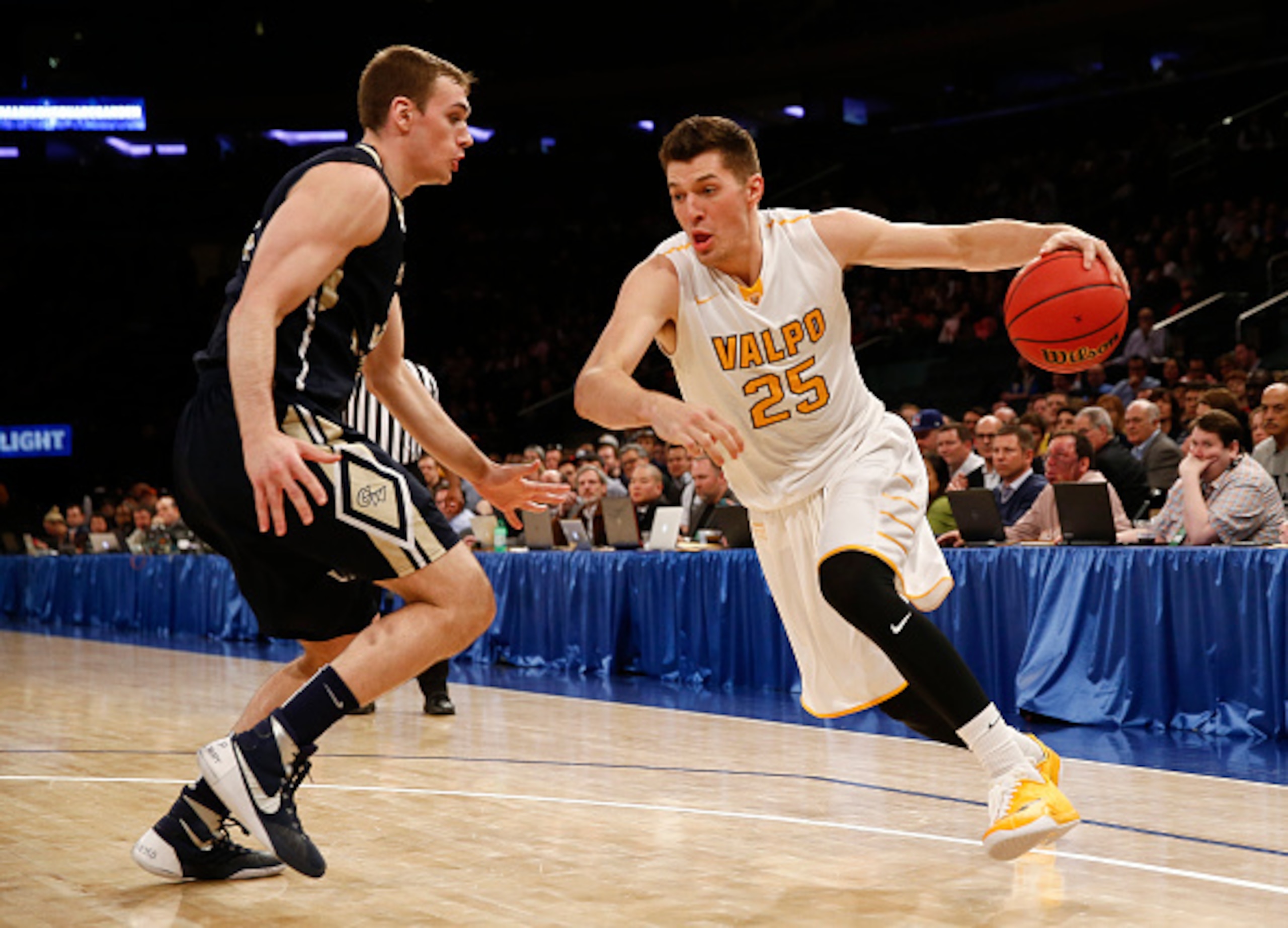
2015-16 scoring average: 18.4
Career points: 1,682
It's still somewhat surprising that Alec Peters opted to return to college for his senior year and that he chose to remain at Valparaiso for that final season. He entered the NBA draft, waiting until the last minute to withdraw, and with his degree secured, he could have transferred to a bigger program to enhance his profile with pro scouts.
But by staying at Valpo, he gives the Crusaders their second career 2,000-point scorer—the other is Bryce Drew, who was also their coach before leaving in the spring to coach Vanderbilt—and gives the 6'9" Peters an opportunity to finish what he started. And according to what NBA people told him, doing that with Valpo is better for his resume than being a role player with a power program.
"Be a guy at a mid-major school next year that’s dominating at my level," Peters said he was told, per College Basketball Talk's Rob Dauster. "Show that I can put up 20 and 10 and dominate a game against bigger opponents when we play them. Lead my team farther into the NCAA tournament this year."
With Valpo losing four seniors, including two starters, Peters is likely to put up bigger scoring numbers and could be one of the leading scorers in the country in 2016-17. That puts him on pace to get to 2,000 midway through the season, likely during the early part of Horizon League play.
4. Damon Lynn, NJIT
18 of 21
2015-16 scoring average: 18.3
Career points: 1,720
NJIT gained national attention in December 2014 when it went to Michigan and pulled out a 72-70 win over the 17th-ranked Wolverines. Suddenly, the country was learning about Division I's only independent team, which earned an invitation to join the Atlantic Sun Conference starting in 2015-16 thanks to the attention (and 21 wins).
Damon Lynn had 20 points in that win at Michigan thanks to six three-pointers, one of seven games that season he had at least six treys and among the 17 times he's done that in his career. Overall, he's drained 349 long balls, the 116 he made last year sixth-most in the country. Using his season average, he's in line to finish second all-time in threes behind only Oakland's Travis Bader (504).
That makes it likely that when the 5'11" Lynn gets to 2,000 career points, probably in January, it's going to come on a three. Nearly 66 percent of his field goals have been from the perimeter, with 18 of his 97 career games seeing him fail to make a two-pointer.
3. Jared Brownridge, Santa Clara
19 of 21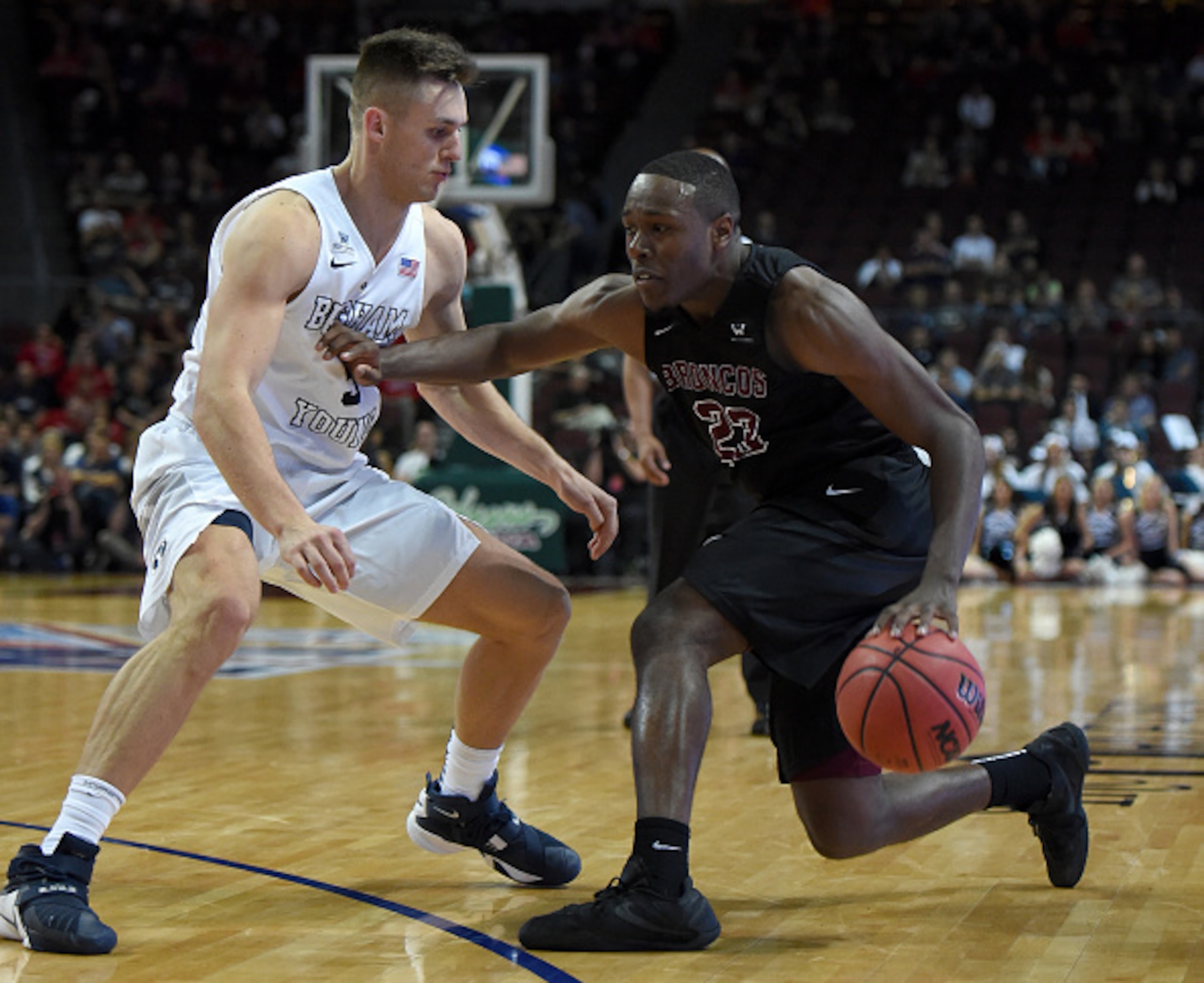
2015-16 scoring average: 20.6
Career points: 1,716
As the only thing worth noticing from a Santa Clara team that's gone a combined 39-57 in his career, Jared Brownridge isn't well-known outside the West Coast Conference. That changed when he almost single-handedly led the Broncos to a major upset of then-11th-ranked Arizona last November.
The 6'3" Brownridge scored 44 points (on 11-of-29 shooting) with seven three-pointers and a perfect 15-of-15 performance from the line, though Arizona ended up holding on for a 75-73 overtime win. It was one of four 30-point games for Brownridge last season and seven for his career, though Santa Clara is 2-5 when he goes off like that.
Brownridge's shooting numbers have dipped each season, but the scoring went up as a junior because he took more than 28 percent of Santa Clara's shots. Nothing suggests that will change in 2016-17, so Brownridge should be on pace to get to 2,000 in late December or early January.
2. Zeek Woodley, Northwestern State
20 of 21
2015-16 scoring average: 22.2
Career points: 1,764
In a perfect world, Zeek Woodley should be the second Northwestern State player to reach 2,000 career points in as many seasons, following teammate Jalan West. But West suffered a season-ending knee injury in the Demons' first game last November, then tore the same ACL this summer and is expected to miss 2016-17 as well.
That means one of the best scoring duos in the country has been cut in half for the second year in a row, though Woodley still managed to get his last year. His 22.2 points per game matched his average from his sophomore year, when West scored 20 per game with 7.7 assists and the Demons went 19-13. Last season they were 8-20, the program's worst record since 2002-03.
The 6'2" Woodley is incredibly efficient, shooting 53.1 percent overall and 40.7 percent from three-point range last season. He also made 88.7 percent of his foul shots. Once again Northwestern State's main scoring option, he figures to be the 16th player this century to record three seasons averaging at least 20 points per game.
1. James Daniel, Howard
21 of 21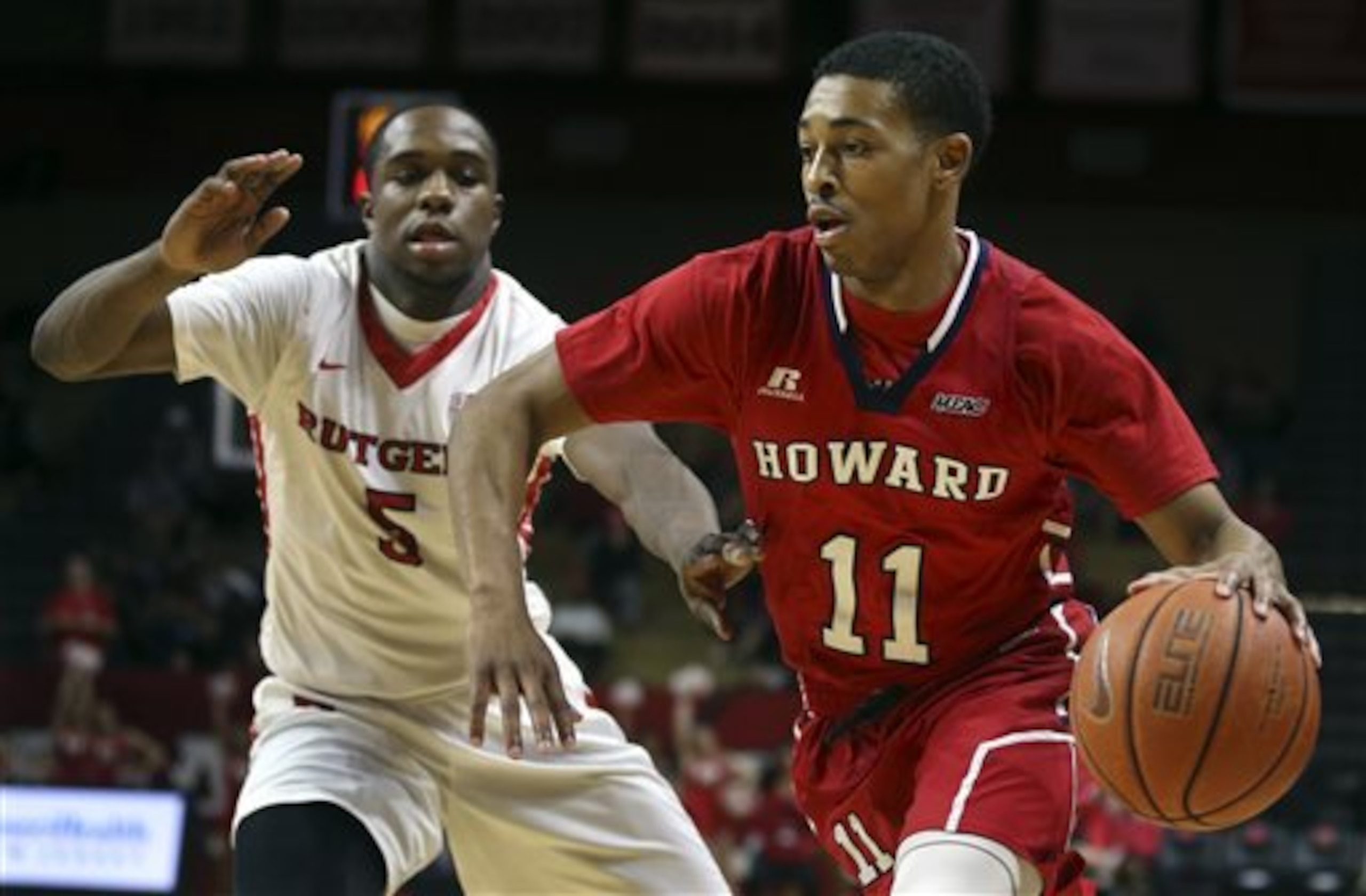
2015-16 scoring average: 27.1
Career points: 1,899
There are no sure things in college basketball—other than maybe that Duke will start in the Top 10—but James Daniel getting to 2,000 is as close as you'll get to a lock. And based on his reputation as a volume shooter, he's apt to get there before the end of November.
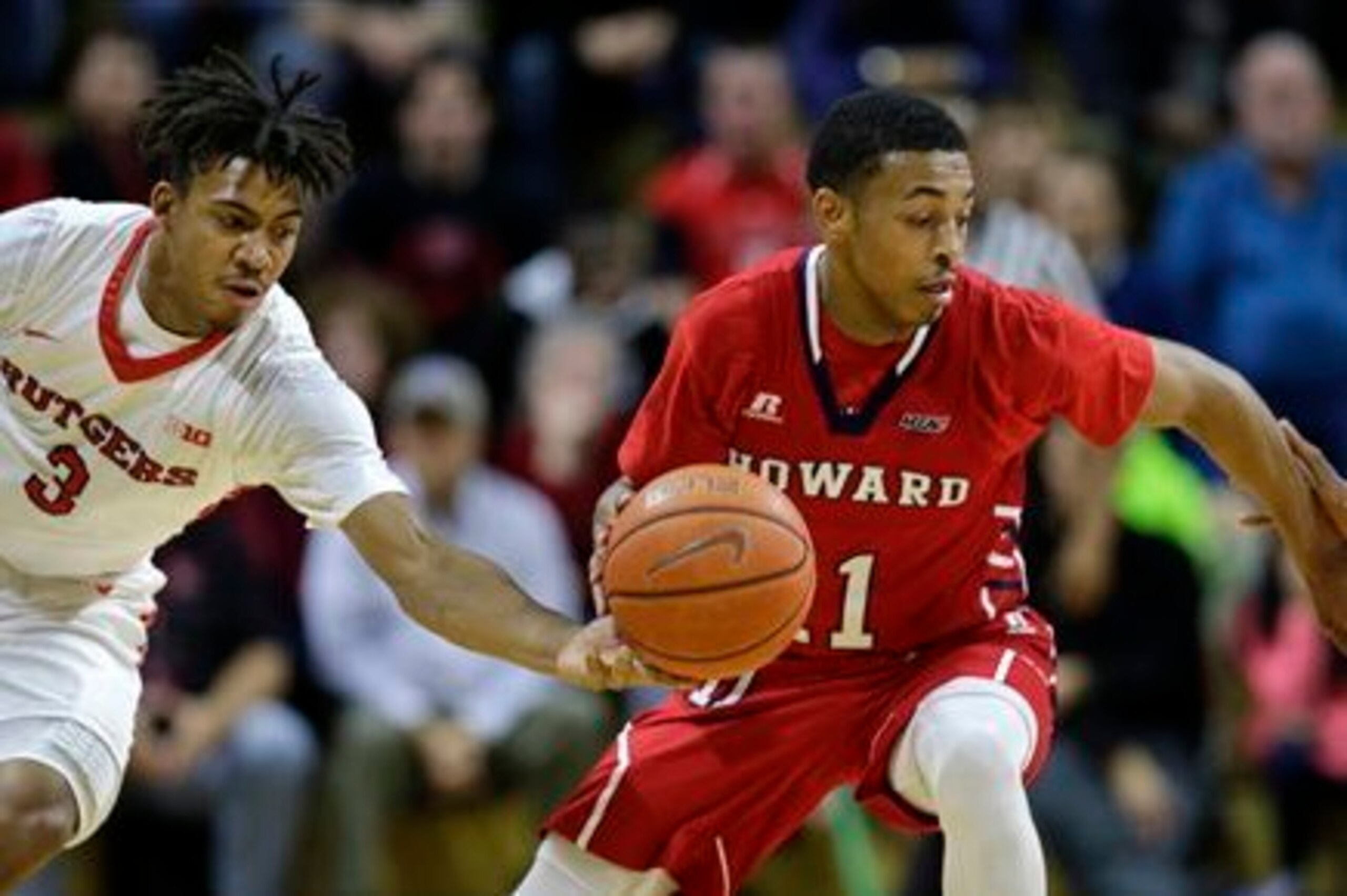
Howard plays five games in the first month of the 2016-17 season, including at Michigan, Marquette and Georgetown. Last year, the 5'11" Daniel only played one game against a power-conference team, scoring 21 in a loss to Rutgers, but he did top 30 points nine times and never had fewer than 15.
Daniel played 30 of the Bison's 32 games, missing contests against Purdue and Harvard, or he would be even closer to the milestone. He still ended up winning the Division I scoring title in terms of points per game by 2.1 over Hield.
A career 36.8 percent shooter, Daniel isn't particularly accurate, but he never fails to get his shot off. He averaged 19.4 field-goal attempts last season, including eight from three-point range.
All statistics courtesy of Sports-Reference.com unless otherwise noted. All recruiting information courtesy of 247Sports unless otherwise noted.
Follow Brian J. Pedersen on Twitter at @realBJP.


.jpg?w=2560 "49ers FB Fined for Beer Celly")