
Predicting the Best Scorers at Each Position for the 2016-17 CBB Season
Basketball is a beautiful game full of amazing feats of athleticism. But stripped down to its bare bones, it really comes down to which players and teams are most capable of getting the ball into the basket.
College basketball never disappoints when it comes to big-time scorers. This past season, there were 34 Division I players who averaged at least 20 points per game and quite a few more who were close to that mark. That group included 13 seniors and another six who turned pro early, but that still leaves plenty of productive players coming back for 2016-17.
How many of those scorers will be among the tops in the country this next season? We've predicted who will rank in the top five in points per game at each of the five traditional positions and go into detail as to why they'll be so productive.
No. 5 Center: Marques Bolden, Fr., Duke
1 of 25
2015-16 stats: N/A
The top-ranked center from the 2016 recruiting class picked Duke over Kentucky in mid-May, one of the last major prospects to come off the board in the spring. By picking the Blue Devils, he helped them address a significant need, one that limited their ability to succeed last season.
Duke's frontcourt was its biggest weakness in 2015-16, made more so by Amile Jefferson's season-ending injury in December. Brandon Ingram had to move to the 4 and excelled, but it was in a different manner from a traditional power forward, and combined with center Marshall Plumlee, they didn't make for the best offensive duo.
That will be much different this time around. The 6'10" Bolden isn't as polished offensively as Jahlil Okafor was as a freshman two years ago, but he's far more capable than Plumlee. Though the Blue Devils won't be lacking in options—remember, they return a 21-points-per-game scorer in Grayson Allen—they're much more imposing when the offense can feed through the block.
No. 4 Center: Thomas Bryant, So., Indiana
2 of 25
2015-16 stats: 11.9 PPG, 68.3% FG, 70.6% FT
Thomas Bryant was no better than the third or fourth option on Indiana's team this past season, a squad dominated by guards and outside shooters. The inside game was mostly an afterthought for the Hoosiers, at least on the offensive end, but when Bryant got his chances, he rarely failed to produce.
His 70.7 percent two-point shooting percentage ranked fifth nationally but came on fewer than seven shots per game. That figures to change in 2016-17. With Indiana losing leading scorer Yogi Ferrell and No. 2 option Troy Williams, the 6'10" Bryant will be more in the center of Tom Cream's game plan.
Cody Zeller was Indiana's last frontcourt player to average better than 15 points per game, doing so in back-to-back seasons in 2011-12 and 2012-13.
No. 3 Center: Luke Fischer, Sr., Marquette
3 of 25
2015-16 stats: 12.1 PPG, 60.8% FG, 68.0% FT
Luke Fischer began his career at Indiana, where he played sparingly in the first half of his freshman year before opting to transfer to Marquette. Once he became eligible in December 2014, he showed what he was capable of offensively, averaging 11 points per game on 60.9 percent shooting.
The natural progression would have seen Fischer bump up his scoring even more as a junior, but a future first-round pick by the name of Henry Ellenson was in the way. Marquette went with a twin-tower-like lineup, and thus the paint points were split between the 6'11" Fischer and 6'10" Ellenson (17.0 per game).
With Ellenson gone, and Marquette's roster even more weighted toward the backcourt, Fischer's final season is when he'll get to shine on his own down low.
.jpg?w=3840 "Rams Seahawks Football")

No. 2 Center: James Thompson IV, So., Eastern Michigan
4 of 25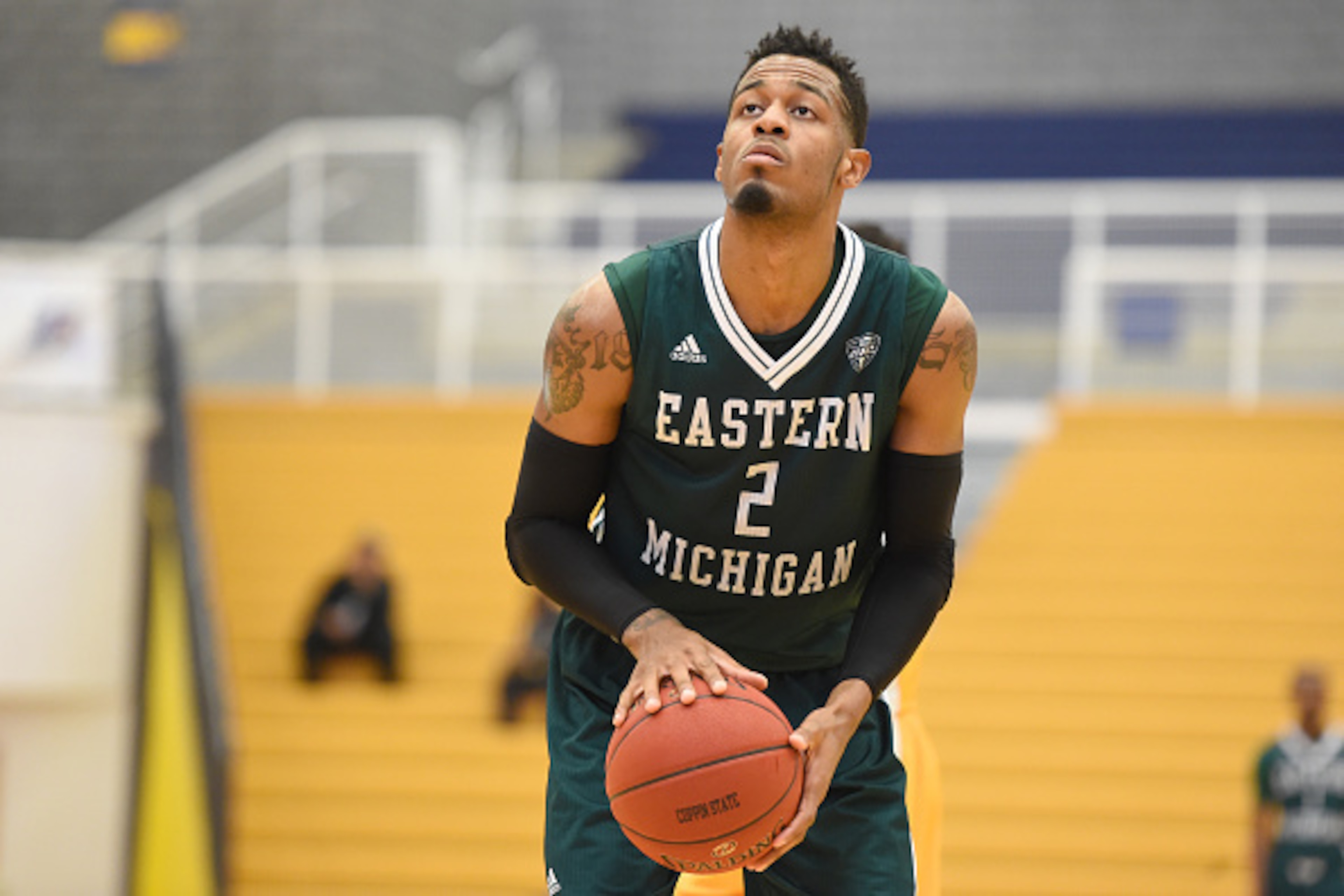
2015-16 stats: 14.8 PPG, 64.8% FG, 68.5% FT
Eastern Michigan hasn't made the NCAA tournament since 1998 but has produced three consecutive winning seasons. This past Eagles team, which went 18-15, had six players who averaged at least 8.8 points per game. Five of them are back, including one who was supposed to play for South Carolina before getting into legal trouble.
James Thompson, a 3-star prospect in the 2014 class, ended up spending a year at a prep school after being arrested for aggravated assault and domestic abuse in June 2014. Once he arrived at Eastern Michigan, the 6'10” Thompson didn't need much time to make an impact, scoring a career-high 32 points in the fifth game of the season.
Along the way, he made 26 consecutive field goals, which at the time tied an NCAA record that has since been broken. He led the Mid-American Conference in shooting, averaged a double-double and had 19 games with at least 10 points and 10 rebounds.
Thompson, who attempted 8.5 shots per game, should pick up the attempts that departed senior Brandon Nazione took alongside him.
No. 1 Center: Tim Kempton, Sr., Lehigh
5 of 25
2015-16 stats: 17.7 PPG, 55.5% FG, 75.5% FT
Each of Tim Kempton's college seasons has ended with an honor from the Patriot League, winning its Rookie of the Year award in 2013-14 and Player of the Year the last two seasons. He's the third player in conference history to win two POY awards before his senior year, with the others being future NBA players Adonal Foyle and C.J. McCollum.
The 6'10" Kempton has NBA roots, as his father (also named Tim) played from 1986-98 after starring at Notre Dame.
Kempton averaged 13 points as a freshman, 15.3 as a sophomore and 17.7 last year. If he can get to 20 per game as a senior, he has a shot at being Lehigh's third 2,000-point scorer in its history. Last year, he hit the 20-point mark 11 times, with 10 of those coming against Patriot League opponents.
No. 5 Power Forward: Ivan Rabb, So., California
6 of 25
2015-16 stats: 12.5 PPG, 61.5% FG, 66.9% FT
Ivan Rabb surprised many by coming back for a second year of college. He was the highest-ranked player from the 2015 recruiting class (seventh) not to enter the NBA draft, but he made it clear he didn't think he was ready to make the jump.
"There are some improvements on the floor I want to make, and why not make them in college before I get to the next level?" Rabb told Sports Illustrated's Brian Hamilton. "I want to have fewer weaknesses, so when I get there, I can just continue to get better."
Rabb will have plenty of opportunities to work on his flaws, since he's one of the few impact players back for California. Jaylen Brown left after his freshman year, Tyrone Wallace graduated, and Jordan Mathews transferred to Gonzaga for his final season. That trio combined to score 40.7 points per game.
The 6'10" Rabb averaged 16.5 points in games when he took at least 10 shots, but that only happened 11 times in 2015-16.
No. 4 Power Forward: Yante Maten, Jr., Georgia
7 of 25
2015-16 stats: 16.5 PPG, 49.6% FG, 78.3% FT
Yante Maten took a huge step forward in his sophomore year after putting up five points per game in 2014-15 while also nearly doubling his rebounding numbers (from 4.3 to 8.0). He showed across-the-board increases, including going from a liability at the foul line to a major asset for Georgia.
He was one of two Georgia players who averaged better than 16 points per game last season, along with guard J.J. Frazier. Both should end up doing the same this coming year, but Frazier has much more competition to be among the top scorers at his position compared to the 6'8”, 240-pound Maten at the 4.
All four frontcourt players named to the All-SEC first team have moved on, paving the way for Maten to move up to the next tier. If either Mike Edwards or Derek Ogbeide can develop into a comparable player next to him down low, that will prevent teams from overloading on him when he gets the ball and thus improve his scoring opportunities.
No. 3 Power Forward: Tim Williams, Sr., New Mexico
8 of 25
2015-16 stats: 16.8 PPG, 60.4% FG, 66.9% FT
Tim Williams put together two productive seasons at Samford before transferring to New Mexico and sitting out 2014-15. That made him somewhat of a forgotten commodity until he returned to action last November, scoring 17 points on 7-of-8 shooting in his debut with the Lobos.
Two games later, he poured in 22, with 25 in the following contest, and there was no ignoring Williams any longer. He finished the season with 10 20-point games, but because New Mexico struggled to a disappointing 17-15 record, it didn't get much attention outside the Mountain West Conference.
That league figures to be wide-open again beyond San Diego State, giving the Lobos a chance to bounce back. Another big year from the 6'8” Williams, who led the MWC in shooting last year, will make that possible.
No. 2 Power Forward: T.J. Cline, Sr., Richmond
9 of 25
2015-16 stats: 18.4 PPG, 55.9% FG, 37.0% 3PT, 64.2% FT
T.J. Cline has managed to make steady improvement throughout his career, first at Niagara and the past two seasons at Richmond. If he can do that another time, he'll challenge for the title of top-scoring power forward in Division I and help the Spiders return to the NCAA tournament for the first time since 2011.
The 6'8” Cline is looking to be the third player since 2000-01 to make at least 60 percent of his two-pointers and one-third of his threes in all four seasons.
With three starters gone, including fellow forward Terry Allen, Cline is poised to be the Spiders' first 20-point scorer in more than 25 years. Improving on his foul shooting will be key to that happening.
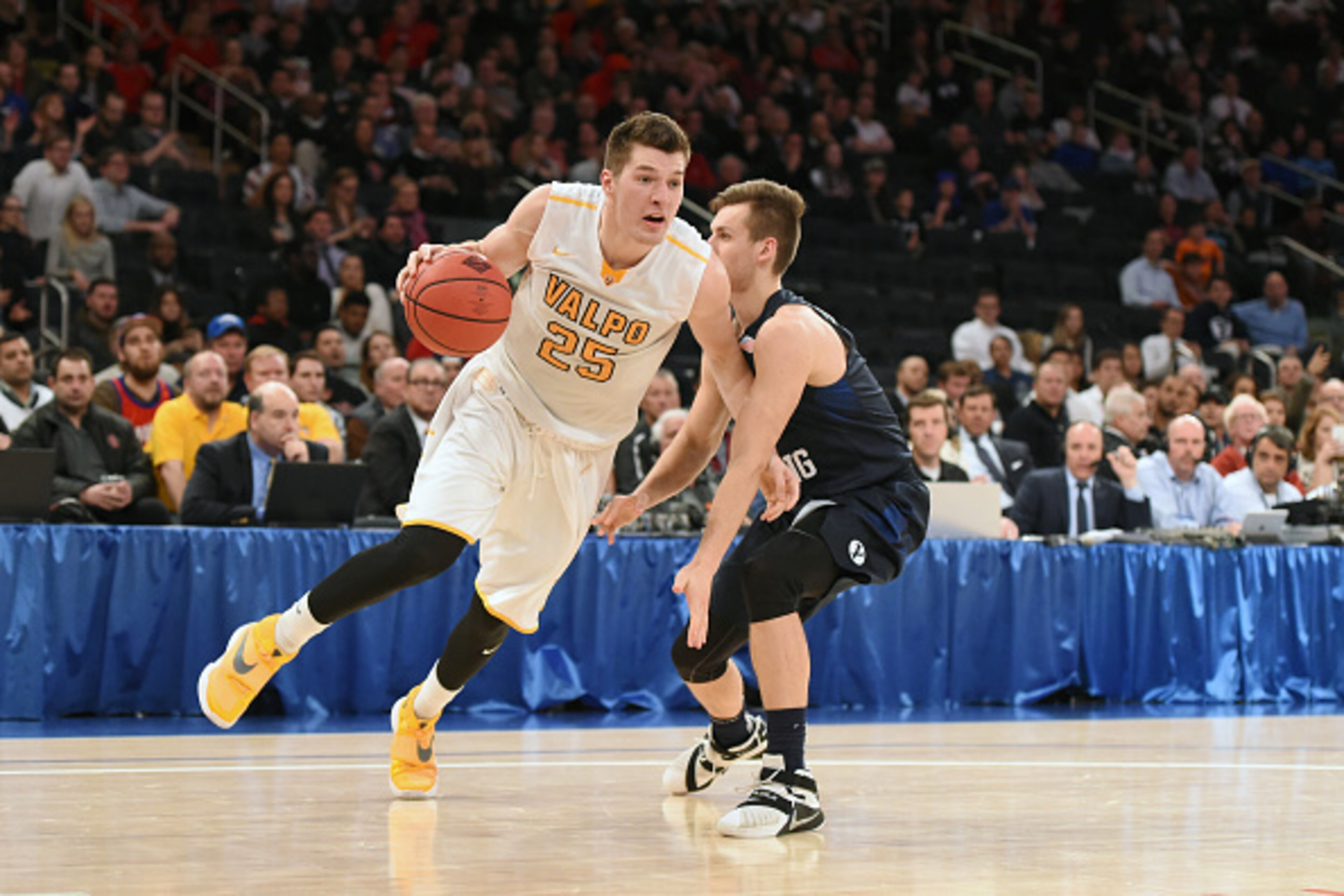
No. 1 Power Forward: Alec Peters, Sr., Valparaiso
10 of 25
2015-16 stats: 18.4 PPG, 50.5% FG, 44.0% 3PT, 85.0% FT
Rated by Bleacher Report's Kerry Miller as the fourth-best senior and one of the top mid-major players in college basketball for 2016-17, it's evident that much is expected of Alec Peters in his final season. And with Valparaiso breaking in a new head coach, the team is going to be leaning on him more than ever before.
Matt Lottich is quite familiar with Peters, having worked with him as a Crusaders assistant the past three seasons, including last year when Valpo made the NIT final. The 6'9" Peters is one of three returning starters but the only one who averaged double figures, as well as the only one to hit more than 28 three-pointers (he made 91) and make more than 54 foul shots (he sank 142).
"I need to be unstoppable in all three levels of the game," Peters told Paul Oren of NWI.com in May, the day after he withdrew from the NBA draft.
Peters' 679 points last year were second-most in school history, giving him 1,682 for his career. He sits fourth on the school's career scoring list, needing 461 to pass Bryce Drew (his coach at Valpo the last three seasons) for the all-time mark.
No. 5 Small Forward: Miles Bridges, Fr., Michigan State
11 of 25
2015-16 stats: N/A
Michigan State was at its best last year when Denzel Valentine was doing it all, though ideally it needed more contributions from others in order to succeed in the long term. That didn't happen, and the Spartans were shocked by Middle Tennessee State in the first round of the NCAA tournament.
It's almost a whole new team for Tom Izzo in 2016-17, one that's going to be heavily reliant on at least one freshman. Miles Bridges is in the best position to be that go-to guy among the newcomers as a bridge between a relatively deep backcourt and a frontcourt that will benefit from his ability to crash the boards and score on putbacks.
MSU has had only one freshman average 12 points per game in Izzo's 21-year tenure, when Gary Harris scored 12.9 per game in 2012-13. The 6'6" Bridges should easily top that number.
No. 4 Small Forward: Jayson Tatum, Fr., Duke
12 of 25
2015-16 stats: N/A
Duke has had six players average 20 points per game since 2000-01, including Grayson Allen last year. The Blue Devils figure to have more balance on offense with a deeper and more varied roster of weapons. With Jayson Tatum in the prime spot in between the sharpshooting guards and physical post players, he's in the best position to score in bunches.
"He has become a master of the mid-range game full of jab steps, step-back jumpers and pivots," Bleacher Report's Kerry Miller wrote. "He almost acts like a low-post player, but instead of working the defender to get off a high-percentage shot two feet from the hoop, he does it from 20 feet away. And when he does end up in the paint with the ball, those same moves work just as well."
The 6'8" Tatum has the luxury of not having to play out of position, like 6'9" Brandon Ingram did much of 2015-16 after Amile Jefferson was hurt. He also won't have to play too much on the perimeter, the one area he's still working to improve in.
No. 3 Small Forward: Josh Jackson, Fr., Kansas
13 of 25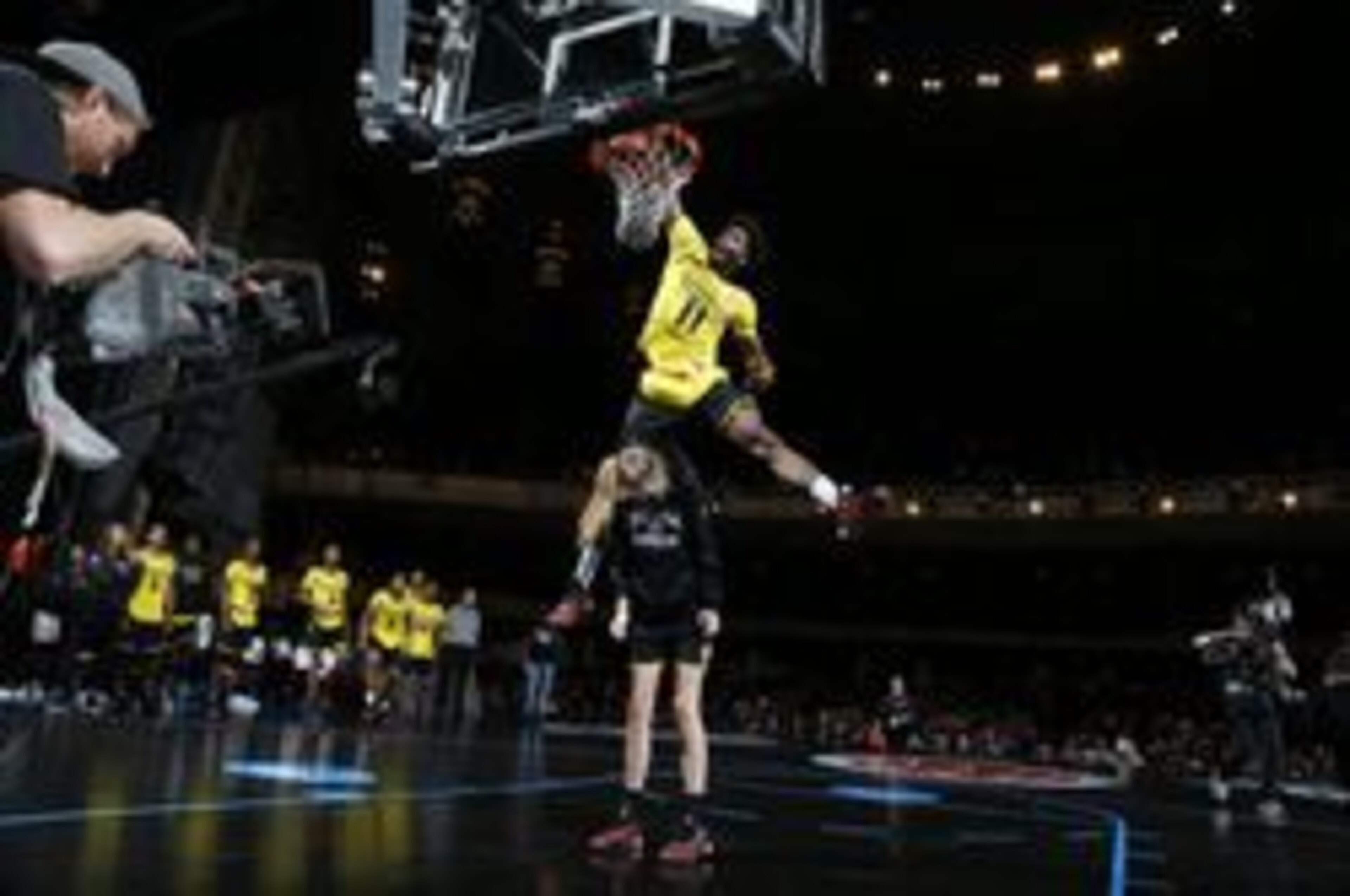
2015-16 stats: N/A
The top-ranked player in the 2016 recruiting class is listed as a shooting guard in most places, including on Kansas' online roster. But with the combination of his length and the Jayhawks' planning to start a pair of point guards again this season, the 6'8” Jackson is effectively a wing who will move back and forth between the backcourt and frontcourt.
And wherever he goes, he'll end up as Kansas' go-to scorer, replacing a good portion of the production lost from both Perry Ellis and Wayne Selden.
Bill Self's avoidance of relying too much on one scorer has kept Kansas from having someone average 18 points per game since Sherron Collins, but Jackson has a shot. It will help if the Jayhawks have reliable post scorers instead of cycling through a series of players, as was the case in 2015-16, since that will enable Jackson to stay more on the perimeter where he can produce more efficiently.
No. 2 Small Forward: Jaron Blossomgame, Sr., Clemson
14 of 25
2015-16 stats: 18.7 PPG, 51.3% FG, 44.1% 3PT, 78.2% FT
Jaron Blossomgame's decision to come back for his senior year was a wise one, though he could end up scoring less than during his breakout junior season. A year after being Clemson's only prolific scorer, there are several offensive options for Tigers coach Brad Brownell to choose from.
A trio of transfers—guards Marcquise Reed from Robert Morris and Shelton Mitchell from Vanderbilt, and forward Elijah Thomas from Teas A&M—makes it very likely the gap between Blossomgame and the second-leading scorer will be less than the 8.5 points per game it was in 2015-16.
But don't expect Blossomgame to just become a deferring player. He might not take 12.6 shots per game but could still end up scoring more if his looks are better and not always the result of fighting through multiple defenders.
No. 1 Small Forward: Evan Bradds, Sr., Belmont
15 of 25
2015-16 stats: 17.6 PPG, 71.2% FG, 70.5% FT
There are efficient scorers, and then there's Evan Bradds. Last year, there were fewer sure things in college basketball than when he took a shot, leading the nation in field-goal percentage by 0.33 points. Not bad for a 6'7” guy who is regularly dealing with bigger defenders or trying to get rebounds over more sizable players.
It's his work on the boards that has helped make Bradds so automatic as a scorer. Last season, he pulled down 8.7 percent of his team's missed shots, often going right back up for a basket, and he knew his strengths by attempting only eight three-pointers.
Bradds' accuracy helped Belmont rank sixth nationally in field-goal percentage last year, at 49.4 percent. Take him out of the equation, and that rate drops to 45.3 percent.
Second-leading scorer Craig Bradshaw averaged 16.4 points per game last year but has graduated, so Bradds may need to shoot more. His efficiency may dip but not enough to negate a very likely scoring increase.
No. 5 Shooting Guard: Peter Jok, Sr., Iowa
16 of 25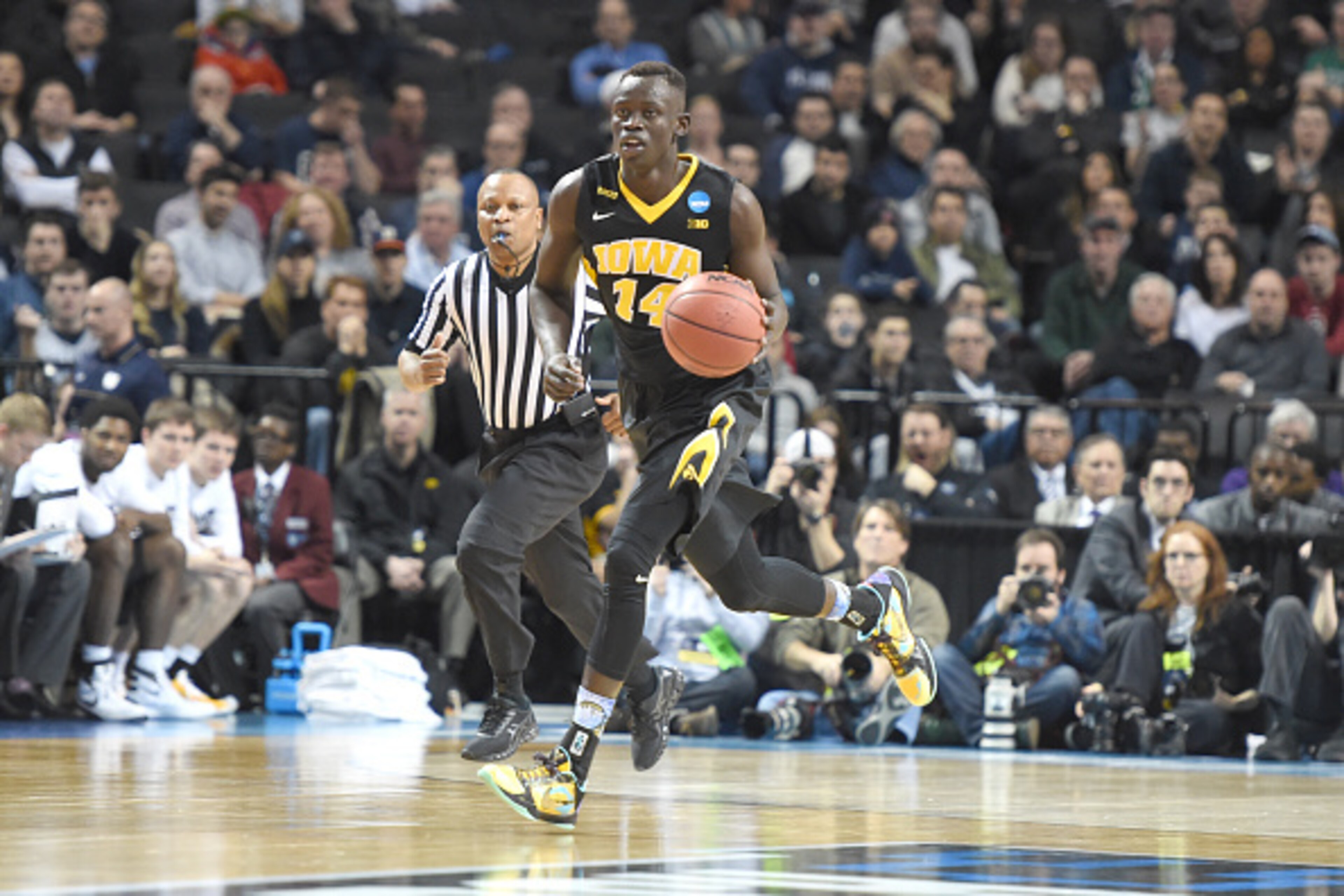
2015-16 stats: 16.1 PPG, 43.1% FG, 40.2% 3PT, 85.2% FT
It's been 10 seasons since Iowa had a player average 20 points per game, when Adam Haluska scored 20.5 per game in 2006-07. If the Hawkeyes want to make a fourth consecutive NCAA tournament, they may need Peter Jok to cross that scoring threshold.
The 6'6” Jok is coming off a breakthrough season, one in which he scored 156 more points than in his first two years with Iowa, but he's the only starter coming back from a 22-11 team that was ranked as high as fourth in the country. The next-highest returning scorer, Dom Uhl, averaged 6.0 points last season.
It may come down to whether Jok can catch fire from all over the court like he often did in 2015-16 from beyond the arc. He had as many games with four or more threes (nine) as he did two-pointers.
No. 4 Shooting Guard: Elijah Brown, Jr., New Mexico
17 of 25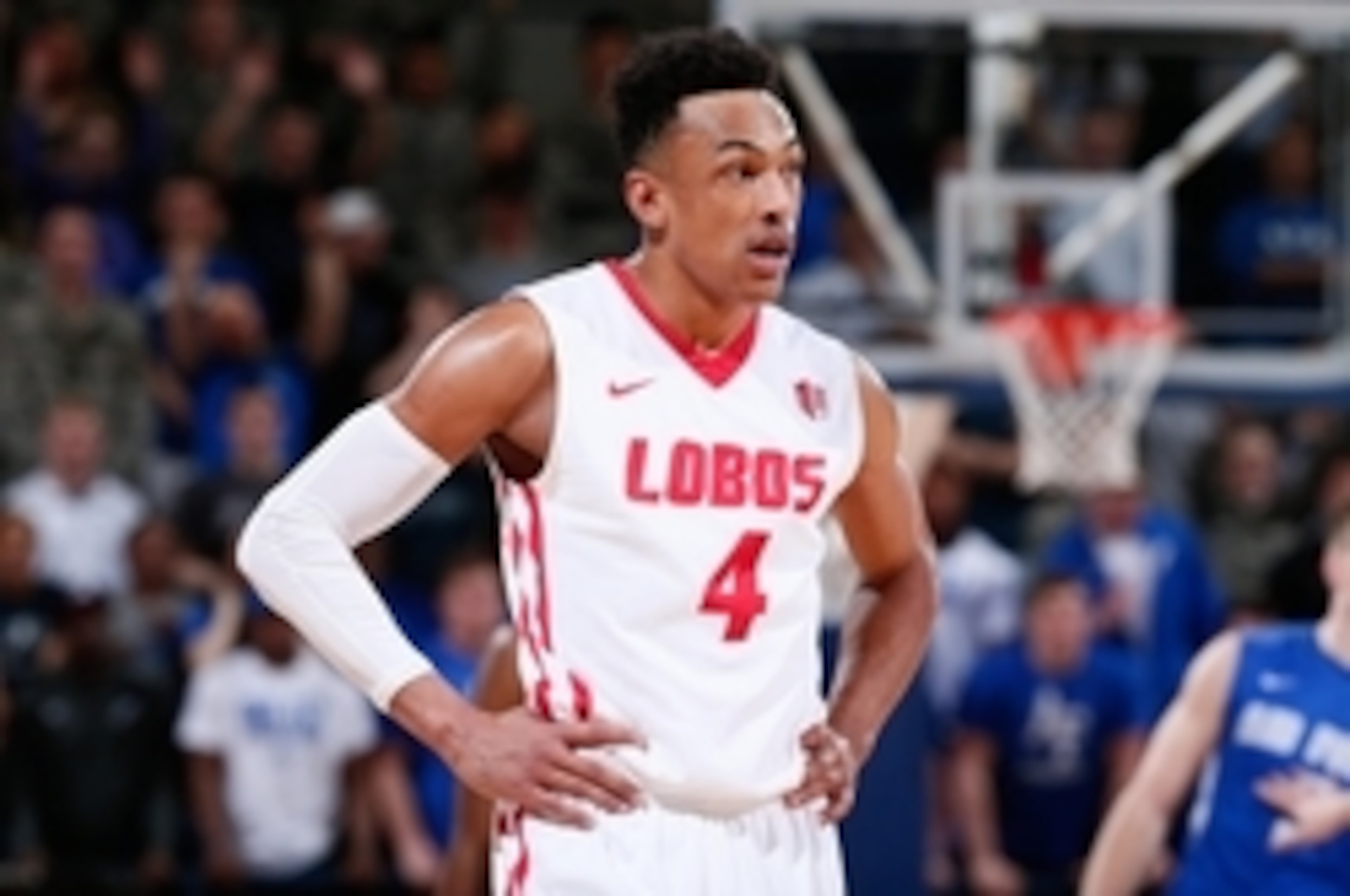
2015-16 stats: 21.7 PPG, 42.8% FG, 39.4% 3PT, 85.1% FT
The second-leading scorer in the Mountain West last season, Elijah Brown got his points from all over. He made 105 two-pointers and 89 threes while making 217 free throws, including eight games with at least 10 made foul shots.
It was the kind of production many expected from him at Butler, where he began his career as a 3-star prospect in 2013. Instead, he struggled mightily, shooting 33.7 percent overall and 27.8 percent from three-point range, and played less than 19 minutes per game.
The year off was just what he needed, as the 6'4" Brown became much more efficient with his shots. He took more than 14 per game in 2015-16 and will probably launch up even more next season with guard Cullen Neal (coach Craig Neal's son) transferring to Ole Miss.
No. 3 Shooting Guard: Markelle Fultz, Fr., Washington
18 of 25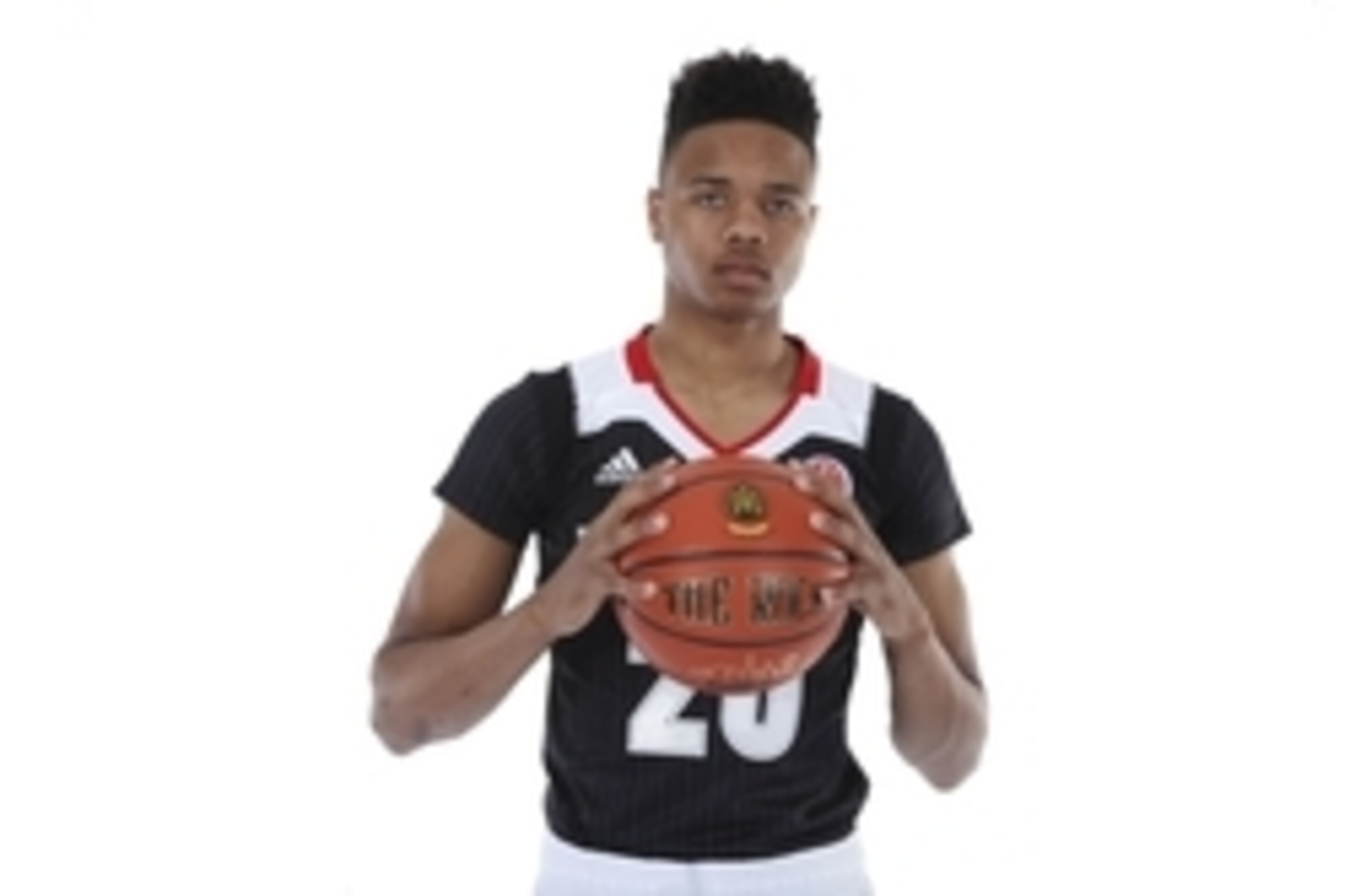
2015-16 stats: N/A
Markelle Fultz isn't going into a very favorable situation from a winning standpoint, but for one-and-done players of his ilk, he couldn't ask for better conditions. There won't be any shortage of opportunities for the top-rated combo guard to score and run the offense, since the Huskies' top three scorers from 2015-16 are gone.
Guard Andrew Andrews (20.9 points per game) graduated, while guard Dejounte Murray (16.1) and forward Marquese Chriss (13.8) turned pro. Sophomore David Crisp is the only returning guard who played more than 30 minutes last season.
Fultz has a great shot to be the highest-scoring freshman in the country this year, though it will take more than points to get the Huskies to their first NCAA tournament since 2011.
No. 2 Shooting Guard: Marcus Evans, So., Rice
19 of 25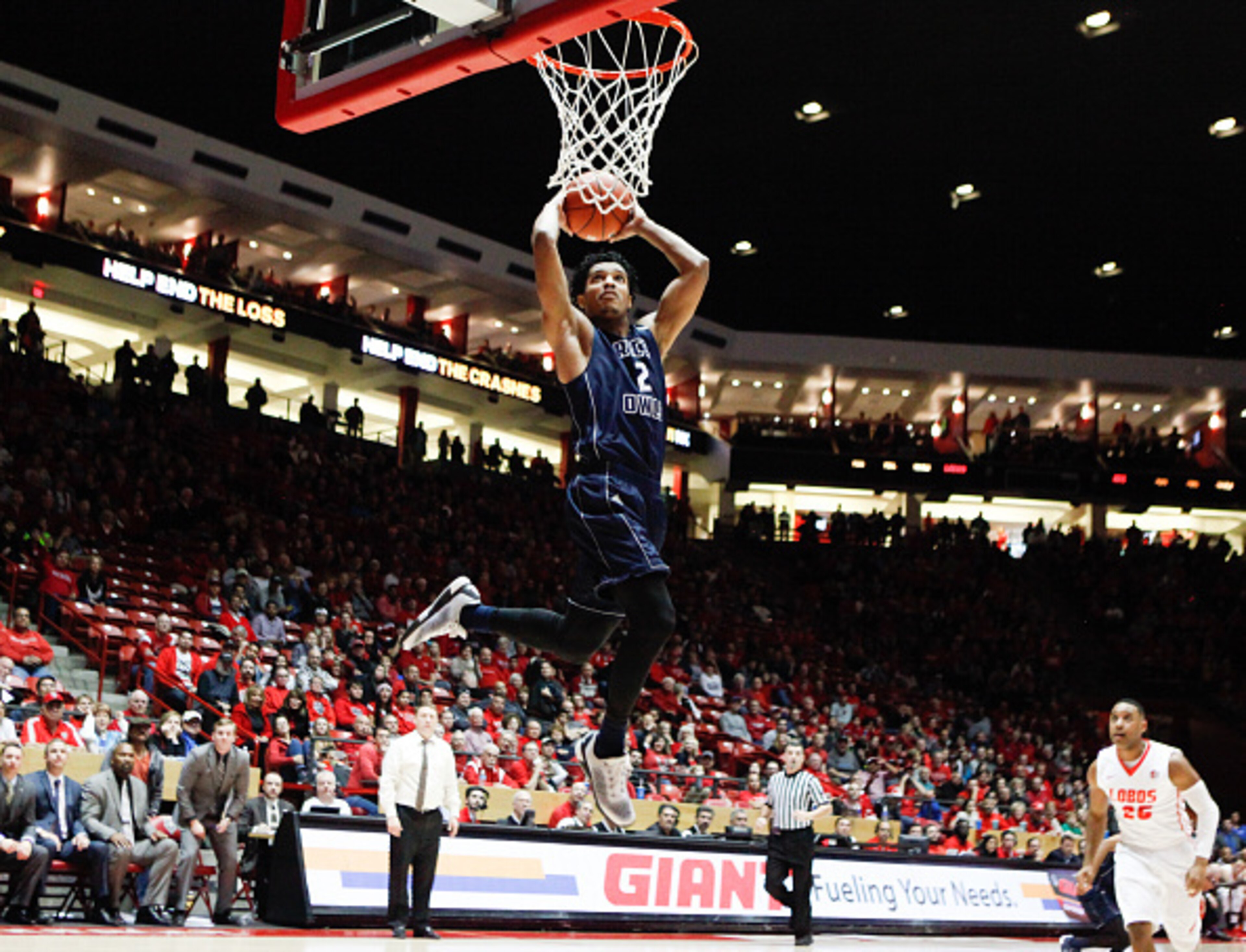
2015-16 stats: 21.5 PPG, 47.2% FG, 31.0% 3PT, 79.8% FT
A number of talented and productive freshmen played their one year of college in 2015-16 and moved on to pursue a pro career. Marcus Evans didn't come in with nearly the fanfare yet managed to outscore them all.
The 6'2” Evans was the first freshman to average more than 21 points per game since Kansas State's Michael Beasley in 2007-08. Beasley was the No. 4 player in his recruiting class and went second in the 2008 NBA draft, while Evans was ranked 334th overall in the 2015 class.
Evans is considered a point guard but played off the ball as a freshman alongside Max Guercy, who has since graduated. He may take on more ball-handling, or that could go to redshirt freshman Chad Lott and thus enable Evans to continue his high-scoring pace.
No. 1 Shooting Guard: Zeek Woodley, Sr., Northwestern State
20 of 25
2015-16 stats: 22.2 PPG, 53.1% FG, 40.7% 3PT, 88.7% FT
Zeek Woodley is one of 23 players in Division I since 2000 to have multiple seasons scoring at least 22 points per game, averaging the same 22.2 per-game rate each of the past two years. If he does it again, he'll join a select group, one most recently joined by Doug McDermott.
Last year's output was by necessity, since Northwestern State lost the other half of its explosive backcourt duo. Point guard Jalan West tore his ACL in the Demons' season opener, leaving him as the only player to average more than 12.6 per game on a team that regularly finishes among the top few in scoring offense each season.
West is back in 2016-17, which will take some pressure off the 6'2" Woodley to do everything himself. But since he was able to score at this rate alongside West in 2014-15, there's no reason he can't do it for a third consecutive season.
No. 5 Point Guard: Dennis Smith, Fr., North Carolina
21 of 25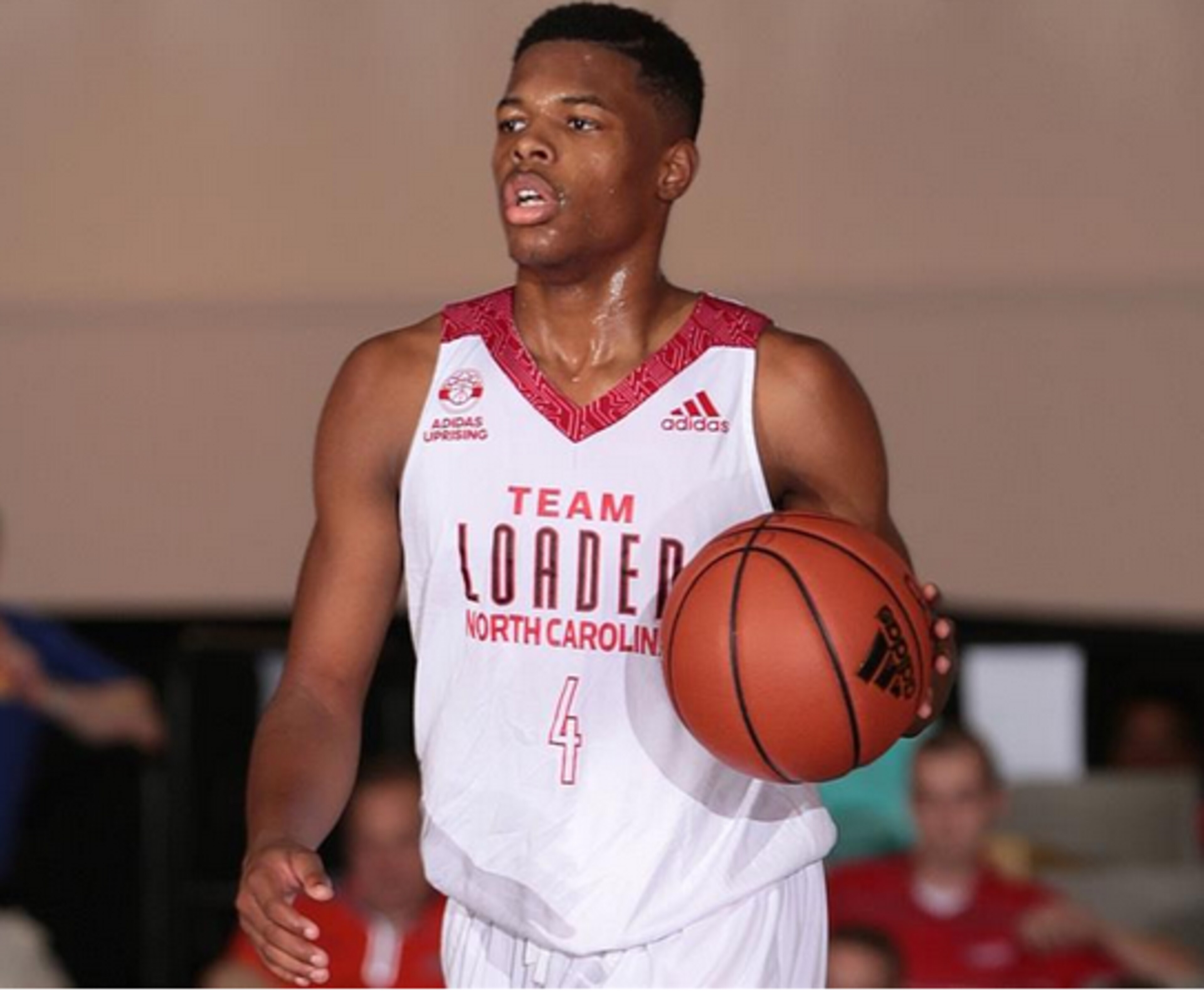
2015-16 stats: N/A
Only 11 months removed from a torn ACL, picking Dennis Smith as one of the top-scoring point guards in the country is a bit of a risk. But North Carolina State didn't lose faith in his abilities after he got hurt, so why should we?
Smith showed his loyalty to the Wolfpack by graduating early from high school and enrolling in college in January. This allowed him to rehab with NC State's training staff while getting to watch and learn his new team up close. That should pay off when he makes his debut in November and make him more prepared to replace one of Division I's top scorers from a season ago.
Cat Barber ranked sixth in the country at 23.5 points per game, nearly double that of any other NC State player. The 6'2" Smith might not match that tally, but he should be the team's top scorer when he's not distributing to others.
No. 4 Point Guard: Dallas Moore, Sr., North Florida
22 of 25
2015-16 stats: 19.8 PPG, 51.6% FG, 39.5% 3PT, 71.1% FT
On a team that treated three-pointers like they were layups, Dallas Moore getting only about 29 percent of his points from beyond the arc seemed odd. Then again, the 6'1" Moore was often setting up his North Florida teammates for their open looks, and when defenses would lean toward those shooters, he'd take it to the hoop or pull up for a mid-range basket.
"Moore is one of the best triple-threat point guards in the game today," Bleacher Report's Kerry Miller wrote.
The Osprey ranked fifth in scoring last year, at 84.3 points per game, and Moore assisted on 32.3 percent of others' made shots. But their second- and third-leading scorers have graduated, so even more production will fall on Moore's shoulders.
No. 3 Point Guard: Jalan West, Sr., Northwestern State
23 of 25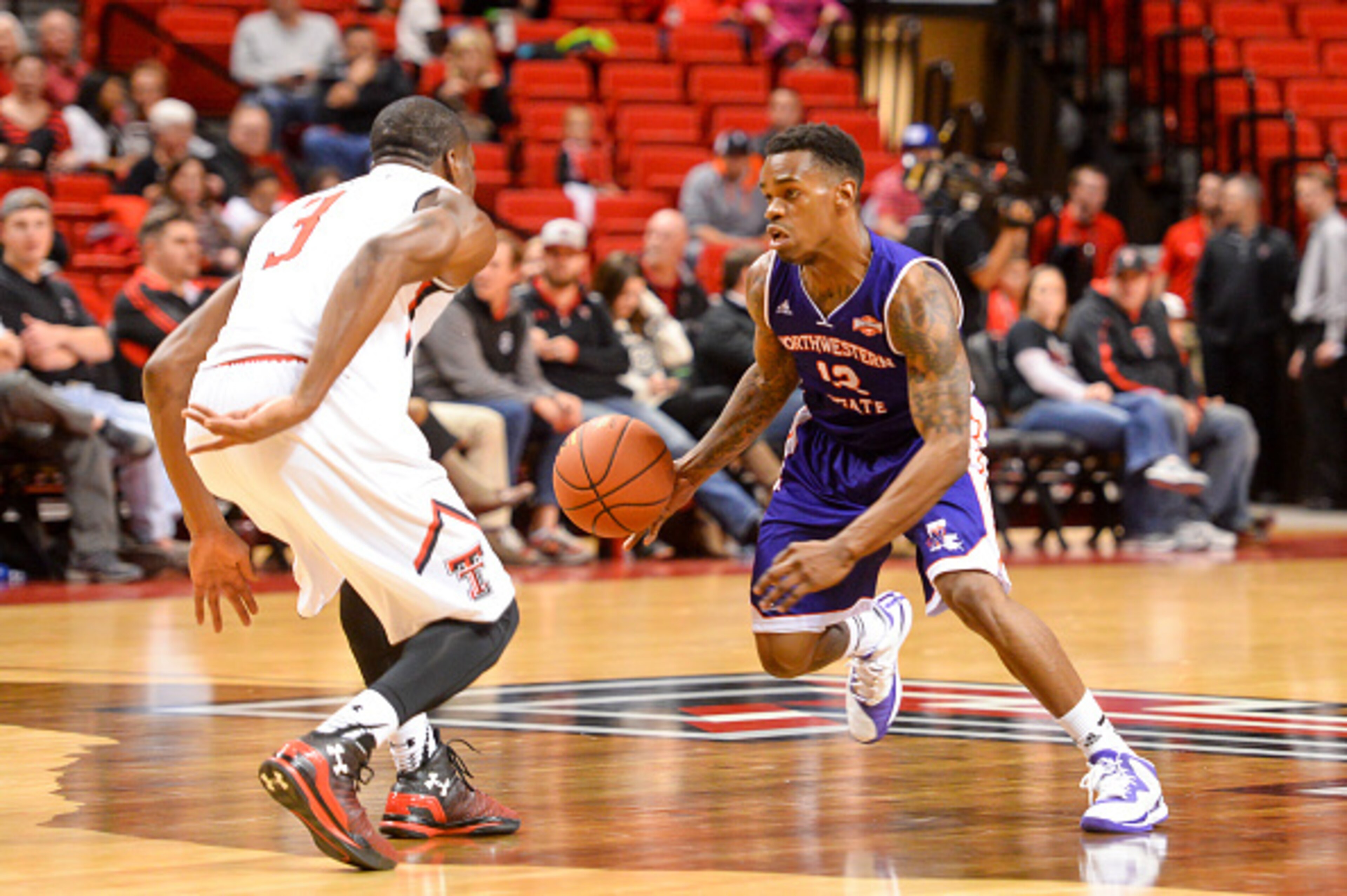
2014-15 stats (injured in 2015-16): 20.0 PPG, 45.6% FG, 42.2% 3PT, 86.2% FT
Jalan West's college career had been on a steady climb from his freshman year, when he averaged 10.2 points per game on an NCAA tournament team, to the 20 he averaged as a junior. All signs pointed to his senior campaign to be his best, with the 5'10” West scoring 25 points in Northwestern State's opener in November.
But West tore his ACL in that game and was lost for the year. He was granted a sixth year of eligibility—his 2011-12 season was scrapped because of an NCAA clearinghouse issue—and thus has been given a second chance to cap off his career.
"He gets an opportunity to finish what he started," his coach, Mike McConathy, told Kyle Kensing of TodaysU.com.
West rejoins fellow senior Zeek Woodley, who has averaged 22.2 points per game the last two seasons, as arguably the most prolific scoring duo in the country.
No. 2 Point Guard: Jack Gibbs, Sr., Davidson
24 of 25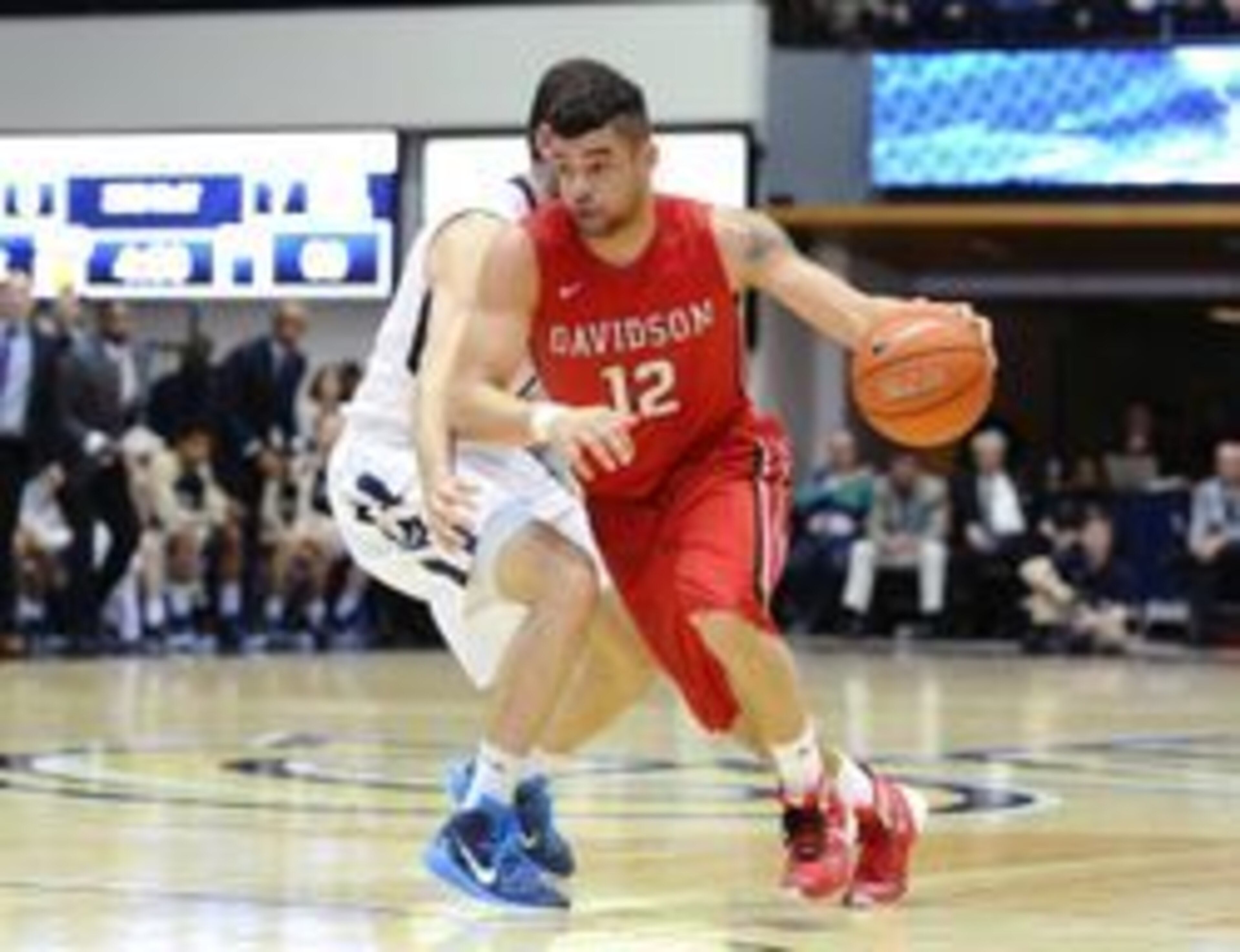
2015-16 stats: 23.4 PPG, 43.1% FG, 33.2% 3PT, 84.0% FT
The uniform is the same and the ability to score in droves is quite similar, but that's where the comparisons between Jack Gibbs and former Davidson star Stephen Curry should end. For one, Gibbs is 5'11”, while Curry was 6'3” at the tail end of his college career, and while Curry could score from anywhere, he's much more known for the outside shooting.
Gibbs has developed into just as good of a scorer inside the three-point line as from beyond it, evidenced by this past season when his three-point accuracy dipped from 42.5 percent the year before, but he made 50.6 percent of his twos and took more than twice as many shots from that range. Increased aggressiveness also translated into more trips to the line, most noticeably in his career-best 43-point effort in January against Massachusetts when he was 15-of-16 from the line.
If Gibbs can find his old outside form and continue to drive and score near the basket, he could challenge for the top scoring spot at his position and, in effect, the country. He might even challenge Curry's scoring rate of 28.6 per game in his final college season in 2008-09.
No. 1 Point Guard: James Daniel, Sr., Howard
25 of 25
2015-16 stats: 27.1 PPG, 38.8% FG, 33.2% 3PT, 84.6% FT
James Daniel led Division I in scoring last year, more than two points per game ahead of Oklahoma's Buddy Hield. And based on past history, he's got a good shot to repeat that feat.
The last player to lead the nation in points per game and return to school was VMI's Reggie Williams, who after averaging 28.1 as a junior in 2006-07 was tops at 27.8 the following year. St. Peter's guard Keydren Clark repeated in 2003-04 and 2004-05 but missed out on a three-peat when his per-game average of 26.2 was third behind Adam Morrison and J.J. Redick.
The 5'10” Daniel is the epitome of a volume scorer, one that gets his quantity despite a lack of quality. He attempted 19.4 shots per game last season, putting up 36 (but making only 13) in scoring 38 against Radford in December. He had nine 30-point games, with Howard going 4-5 in those contests, but that's better than the Bison's 8-15 mark when he scored fewer.
All statistics courtesy of Sports-Reference.com, unless otherwise noted. All recruiting information from 247Sports, unless otherwise noted.
Follow Brian J. Pedersen on Twitter at @realBJP.
.png?w=3840 "Bills Football")
.jpg?w=3840 "Bills Reveal New Unis")
.jpg?w=3840 "Aiyuk: I'm Commanders' 'Final Piece'")
.jpg?w=3840 "AP: Bieniemy's Wife Hospitalized")