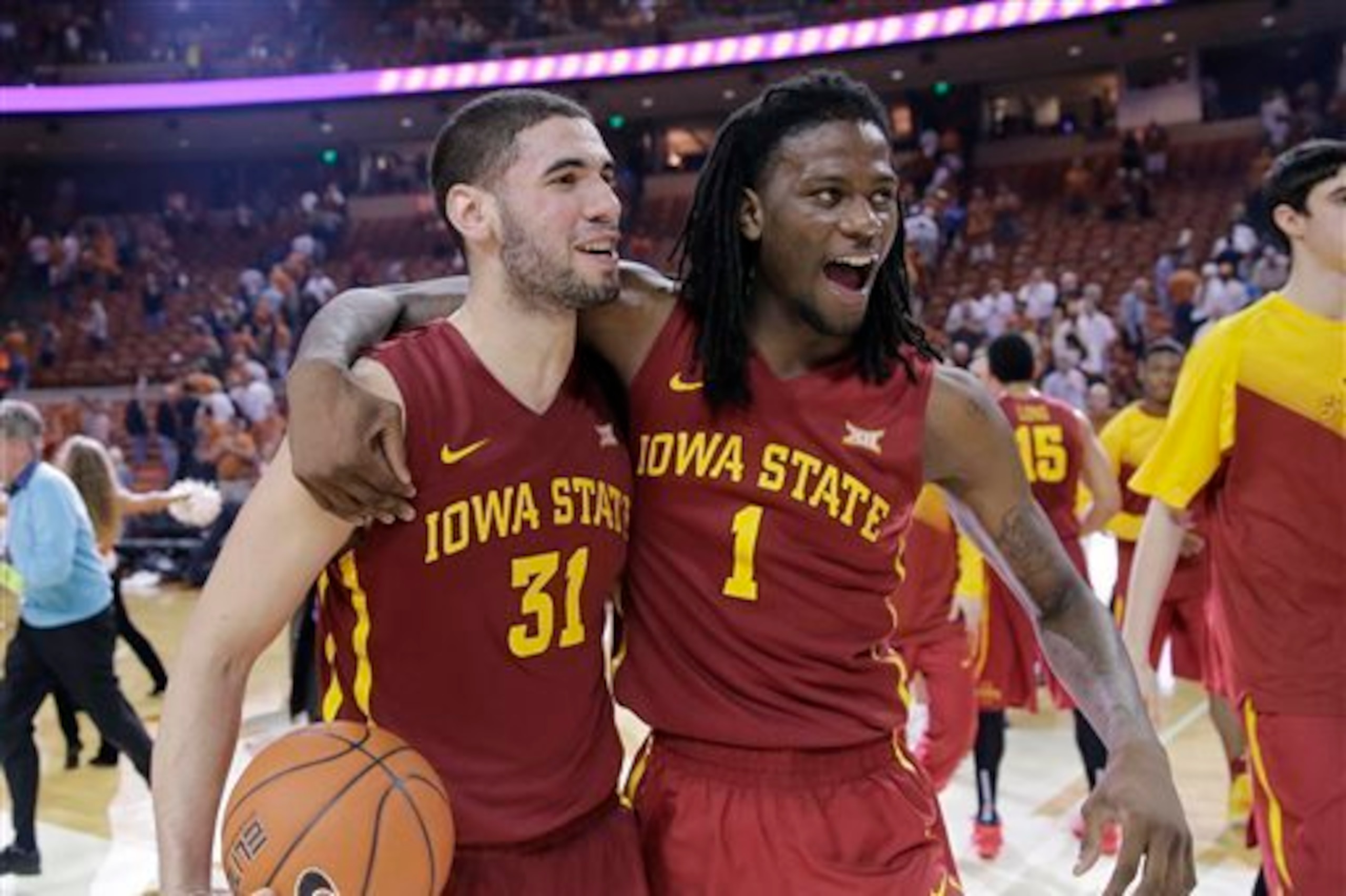

Preseason Power Rankings for Every College Basketball Conference in 2015-16
The Big 12 narrowly edged out the ACC for first place in our 2015-16 preseason ranking of all 32 men's college basketball conferences.
Two noteworthy websites had the willpower to rank all 351 teams in the country: KenPom.com and CBSSports.com. Rather than recreating the wheel, we used those individual team rankings to create conference rankings.
From those two lists, a composite ranking for each team was calculated by adding its two ranks together and dividing by two. For example, Louisville ranks 25th on KenPom and 50th on CBS Sports for a composite rank of 37.5.
Once each school had a composite rank, each conference's score was determined by calculating the average composite rank of all of its schools. In other words, Louisville's 37.5 was added to the score of the other 14 ACC schools and then divided by 15 for a final score of 52.5 for the second-best projected conference.
The lower the number, the better the rank on the following slides, which begin with a few conferences that should have no hope whatsoever of beating any teams from the Big 12 or ACC.
Bottom of the Barrel
1 of 18
32. Southwestern Athletic Conference (307.4)
Texas Southern is the only SWAC team not ranked in the bottom 100 nationally, and the Tigers lost five of last year's eight leading scorers, including SWAC Player of the Year Madarious Gibbs. Alcorn State (345), Mississippi Valley State (349) and Grambling State (351) are all ranked in the bottom seven of the country.
31. Mid-Eastern Athletic Conference (292.0)
North Carolina Central has dominated the MEAC for the past few years, but the Eagles may have some competition from both Hampton and Norfolk State this year. Beyond those three teams who will battle for a spot in a play-in game, though, those with weak stomachs should avert their eyes.
30. Southland Conference (262.3)
Thumbs up for Stephen F. Austin, without whom this conference is an unmitigated disaster. Seven of the 13 Southland teams rank in the bottom 40 nationally.
29. Western Athletic Conference (260.5)
New Mexico State lost four of its six leading scorers and won't be nearly as good as yesteryear. Fortunately for the Aggies, the rest of this conference is about as bad as it has been since the great realignment schism of the 2013 offseason. UMKC does still have Martez Harrison, and Dan Majerle has Grand Canyon trending in a positive direction, but there really isn't much to see here.
28. Big Sky Conference (255.9)
Beyond Montana and Eastern Washington, the Big Sky gets pretty ugly in a hurry. Southern Utah is projected to finish in the top half of the conference standings, and the Thunderbirds are only marginally better than the team that went 2-27 two years ago. But, hey, Martin Breunig vs. Venky Jois for Big Sky supremacy should be fun to watch.
27. Northeast Conference (252.6)
Robert Morris is arguably still the best team in the Northeast, but Bobby Mo's chances of doing anything on a national level took a pretty big hit when Marcquise Reed decided to transfer to Clemson. That opens the door for Mount St. Mary's to really contend this year, but the dearth of the rest of the conference all but ensures that will be a race for a No. 16 seed.
Some Cinderella Potential
2 of 18
26. Atlantic Sun Conference (241.4)
The bottom half of this eight-team conference is rather putrid, but whether North Florida or NJIT represents the Atlantic Sun in the tournament, that team will make things very stressful for the No. 2 seed it faces.
25. Ohio Valley Conference (234.8)
This has been Murray State's conference for decades, but the Racers lost an awful lot this offseason. Belmont should be the team to beat in an Ohio Valley fairly devoid of teams capable of beating an above-average opponent.
24. Big South Conference (231.6)
Five teams won at least 12 conference games last season, and three of those will be duking it out for first place this year. With Coastal Carolina, High Point and Winthrop all ranking in the top 160, the Big South has just enough firepower to perhaps not produce a No. 16 seed for the first time since 2008.
23. America East Conference (228.4)
Like the Atlantic Sun, most of the America East is downright awful. However, Stony Brook and Vermont are quality teams that should have little difficulty winning at least 20 games—particularly given all the free wins they'll be getting in conference.
22. Southern Conference (228.2)
Another two-horse race, Wofford and Chattanooga appear to be the only viable contenders in a conference full of cannon fodder. The Citadel is the only painfully bad SoCon team, but it would be very surprising if any team other than Wofford or Chattanooga won a game against even a bottom-tier power-conference team.
21. Sun Belt Conference (214.9)
Georgia State—also known as Transfer U.—will still be pretty good despite losing R.J. Hunter and Ryan Harrow, but Louisiana-Lafayette is the team that absolutely nobody wants to draw in the NCAA tournament. An uptempo team with one of the biggest mid-major stars in the country (Shawn Long), the Ragin' Cajuns have the ingredients of a very dangerous No. 13 or No. 14 seed.
Maybe Look Elsewhere for Buy Games
3 of 18
20. Patriot League (213.2)
Patriot League? More like Parity League. Last season, all 10 teams won at least six conference games and every team posted an overall win total between 11 and 20. Lehigh is arguably the best team, but don't be surprised if Army goes from worst to first to make its first NCAA tournament appearance in school history.
19. Summit League (211.7)
Wisconsin fans will remember the name George Marshall, and so will South Dakota State's opponents. The former Badger averaged 13.2 points per game last season for the Jackrabbits and should be the driving force of a sneaky good team. Whether they have any competition will depend on how well North Dakota State can handle losing 2015 Summit League Player of the Year Lawrence Alexander.
18. Metro Atlantic Athletic Conference (209.9)
Really surprising that the MAAC didn't rank a little bit higher. Iona is a perennial Cinderella candidate, and the Gaels have some serious challengers this year in Rider, Siena and Monmouth. Outside of the top nine conferences on our list, the MAAC will likely produce the most must-watch conference tournament this year. And that four-way fight for first place will inevitably produce a battle-tested NCAA tournament representative.
17. Conference USA (195.2)
UAB has the most complete team, but Old Dominion has the best player in do-it-all senior Trey Freeman. We'll see how those two fare during the nonconference portion of the season, but look for both the Blazers and the Monarchs to win at least 15 conference games, leading to the annual debate over whether C-USA deserves to send two teams to the tournament (the answer has been "no" for three straight years).
16. Horizon League (186.7)
Someone better beat Valparaiso early, because the Crusaders shouldn't even break a sweat after November. Aside from the road game against Belmont at the end of December, Pomeroy's metrics give Valparaiso at least a 66 percent chance of winning in each of its final 24 games. That's both a testament to how good the Crusaders are this year and an indication of how comparatively weak the rest of the Horizon League is.

.jpg?w=2560)

15. Colonial Athletic Association
4 of 18
Average Rank: 185.1
The Favorite: Hofstra (97)
The Challengers: William & Mary (120), James Madison (131), Northeastern (132.5)
The Basement: College of Charleston (274), Elon (266)
Once upon a time, the CAA was a Cinderella academy. They're no longer with the conference, but both George Mason (2006) and VCU (2011) started their Final Four runs by losing in the CAA tournament before sneaking in as at-large teams. Arguably even more impressive, George Mason earned a No. 8 seed in the 2011 tournament before getting wamboozled by Ohio State in the round of 32.
But it has been all downhill from there with four straight seasons of sending only its tournament champ to the Big Dance—no doubt a direct result of losing four quality teams in George Mason, VCU, Old Dominion and Georgia State and replacing them with two dreadful teams in Elon and College of Charleston.
Might this be the year the CAA at least gets back onto the fringe of the bubble conversation?
Hofstra is ready to win this conference with a bevy of former transfers. Just barely cracking into the top 100 feels a bit low for the Pride, but they'll have an early chance to show what they can do in a neutral-court game against Florida State. That tilt could really set things in motion for both of those teams.
Good as Hofstra might be, it won't be a cakewalk by any means. William & Mary and Northeastern both lost their star players from last season but are otherwise pretty well intact and ready to repeat as 20-win teams. James Madison "only" won 19 games last year, but the Dukes bring back all six of their primary players from last season.
Don't rule out Delaware getting into the mix, either. The Blue Hens were a train wreck early in the season while trying to replace four of their five leading scorers from the previous year, but they rebounded from a 1-13 start to win nine of their last 15 regular-season games.
It's not an immensely talented conference by any means, but the CAA has enough not-so-bad teams to have a remote shot at dual representation in the 2016 NCAA tournament.
14. Big West Conference
5 of 18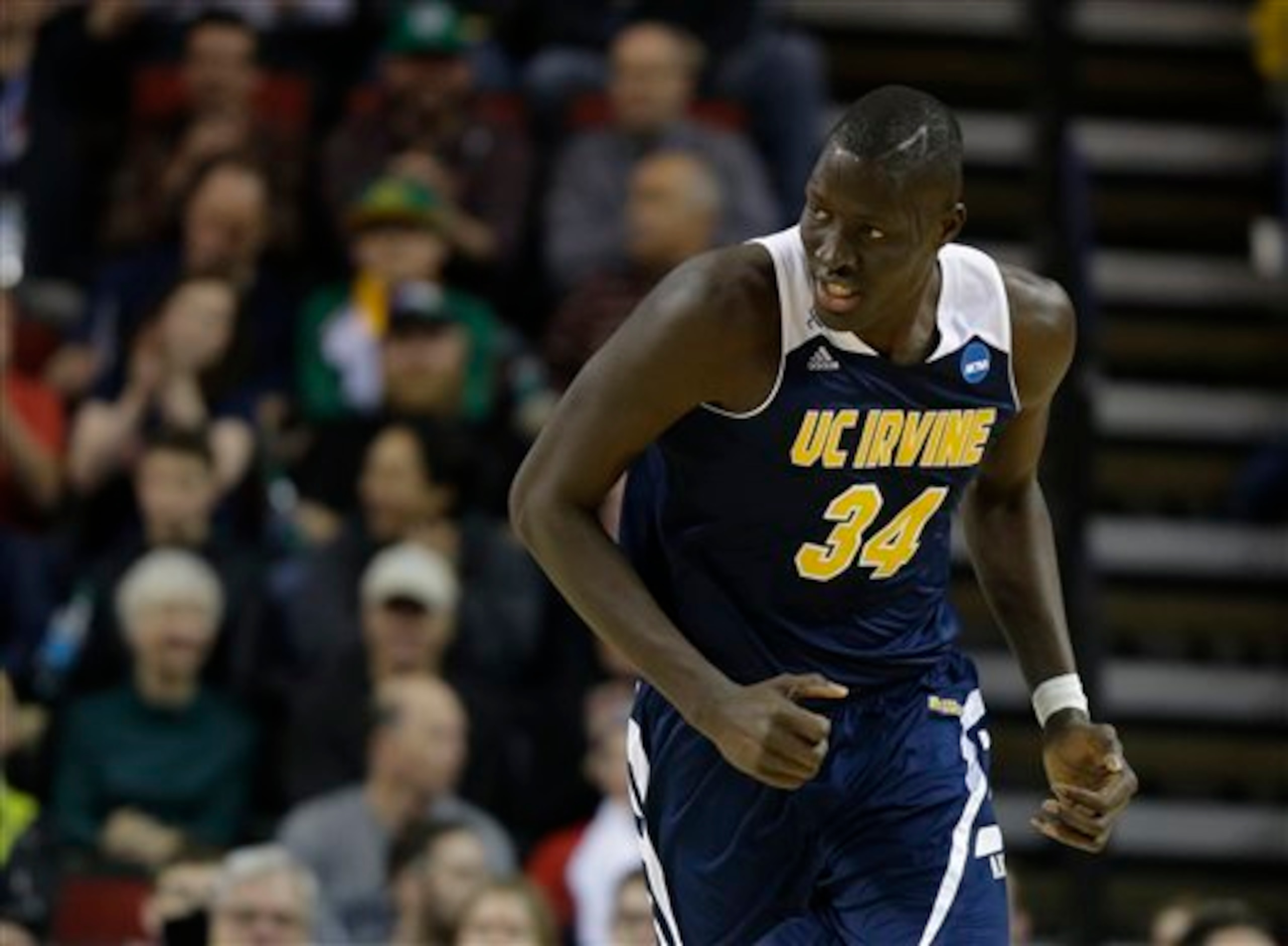
Average Rank: 183.7
The Favorite: UC Irvine (95)
The Challengers: Hawaii (104.5), Cal Poly (126), UC Santa Barbara (134)
The Basement: Cal St. Fullerton (314.5), Cal St. Northridge (287)
Last year was the Big West's best year in quite some time.
UC Irvine earned a No. 13 seed and nearly upset Louisville in the NCAA tournament. UC Davis won 25 games while becoming the most accurate three-point shooting team in more than a decade. UC Santa Barbara had another competitive season of feeding Alan Williams. And Hawaii shocked everyone by winning 22 games after firing its head coach two weeks before the regular season began.
Unfortunately, UC Davis' entire perimeter game graduated, as did UC Santa Barbara's Williams, so both of those UC teams will likely be taking a pretty big step backward this season.
UC Irvine, however, still has Mamadou Ndiaye, who, when healthy, is one of the biggest individual game-changers in the country. His game is quite unpolished, but the physical prowess of the 7'6", 300-pound giant is impossible to prepare for. It doesn't even matter that key teammates Will Davis and Travis Souza both graduated. The road to the Big West title runs through Ndiaye.
Though Hawaii went 0-3 against the Anteaters last season, the Rainbow Warriors are easily this conference's best chance of sending some new faces to the 2016 tourney. They averaged 9.6 steals per game last season and bring back all the key components of that defensive assault. Point guard Roderick Bobbitt led the nation in total steals and will be seeking to create more chaos this year.
13. Ivy League
6 of 18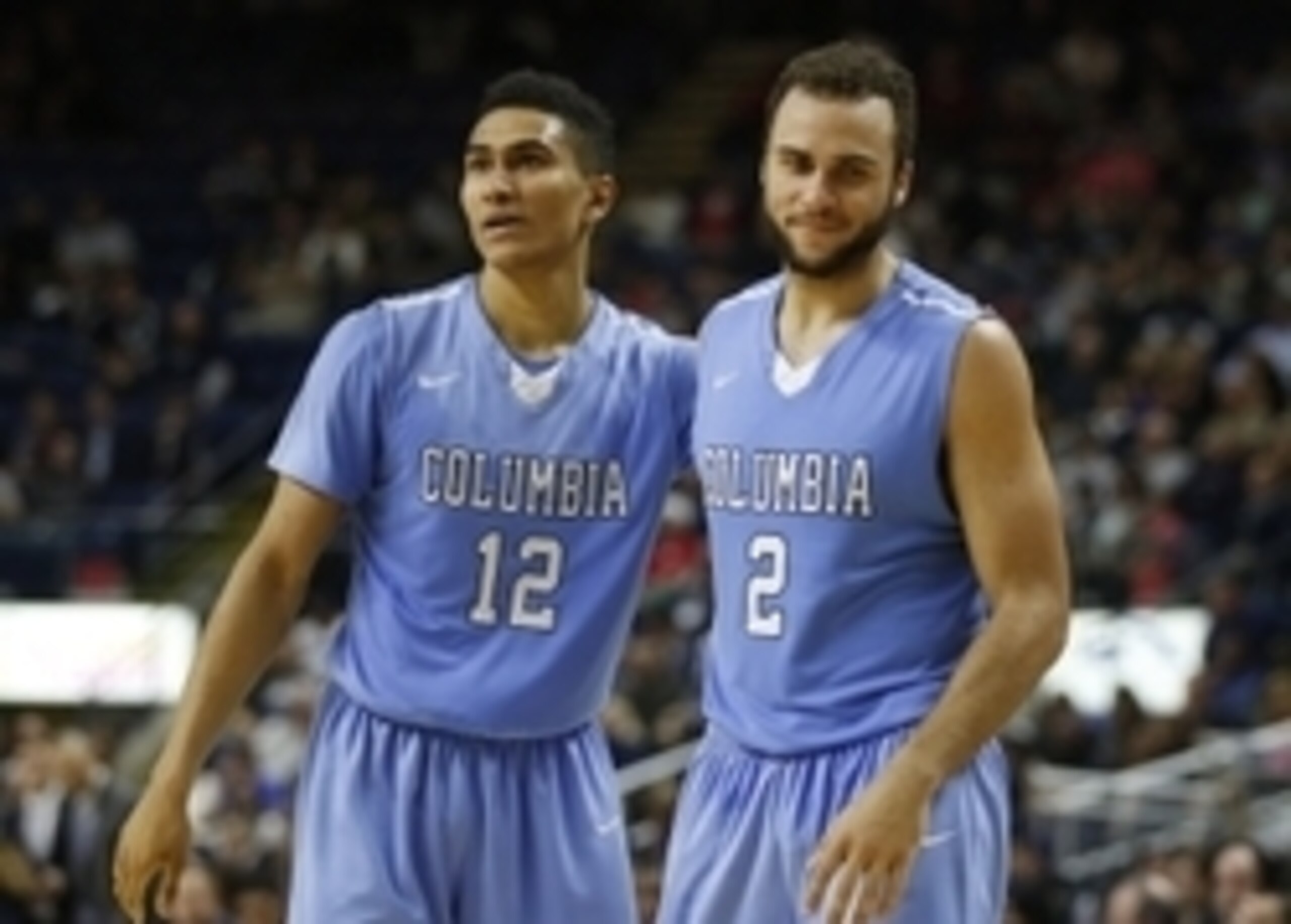
Average Rank: 180.6
The Favorite: Yale (97.5)
The Challengers: Columbia (99.5), Princeton (112)
The Basement: Cornell (300.5)
This is one of the only instances where I strongly disagree with the projected favorite, but that's because the Pomeroy rankings don't take into consideration the return of Alex Rosenberg and possible return of Grant Mullins. If they did, Columbia would certainly be at least 20 spots ahead of Yale in this national pecking order.
As you may or may not recall, Rosenberg suffered a foot injury last October that he was going to need at least two months to recover from. Unsure if he'd be healthy enough to return and because the Ivy League (outrageously) does not allow medical redshirts, he opted to drop out of college to preserve his final year of eligibility.
Rosenberg led the Lions in scoring in 2013-14 and shot 43.2 percent from three-point range. This isn't just some guy who played a few minutes and might now be a key contributor. They're effectively getting a star player back from the dead.
In his absence, Maodo Lo blossomed into an absolutely lethal scorer.
Forget about being a solid Ivy League tandem. This is a Ryan Harrow-R.J. Hunter type of dynamic duo that can go to war with just about any backcourt in the country.
Yale is a very good Ivy League team, but the Bulldogs lost four of their seven leading scorers from last season. They should be no match for a Columbia team that opens the season on the short list of minor conference teams with legitimate Sweet 16 potential.
12. Mid-American Conference
7 of 18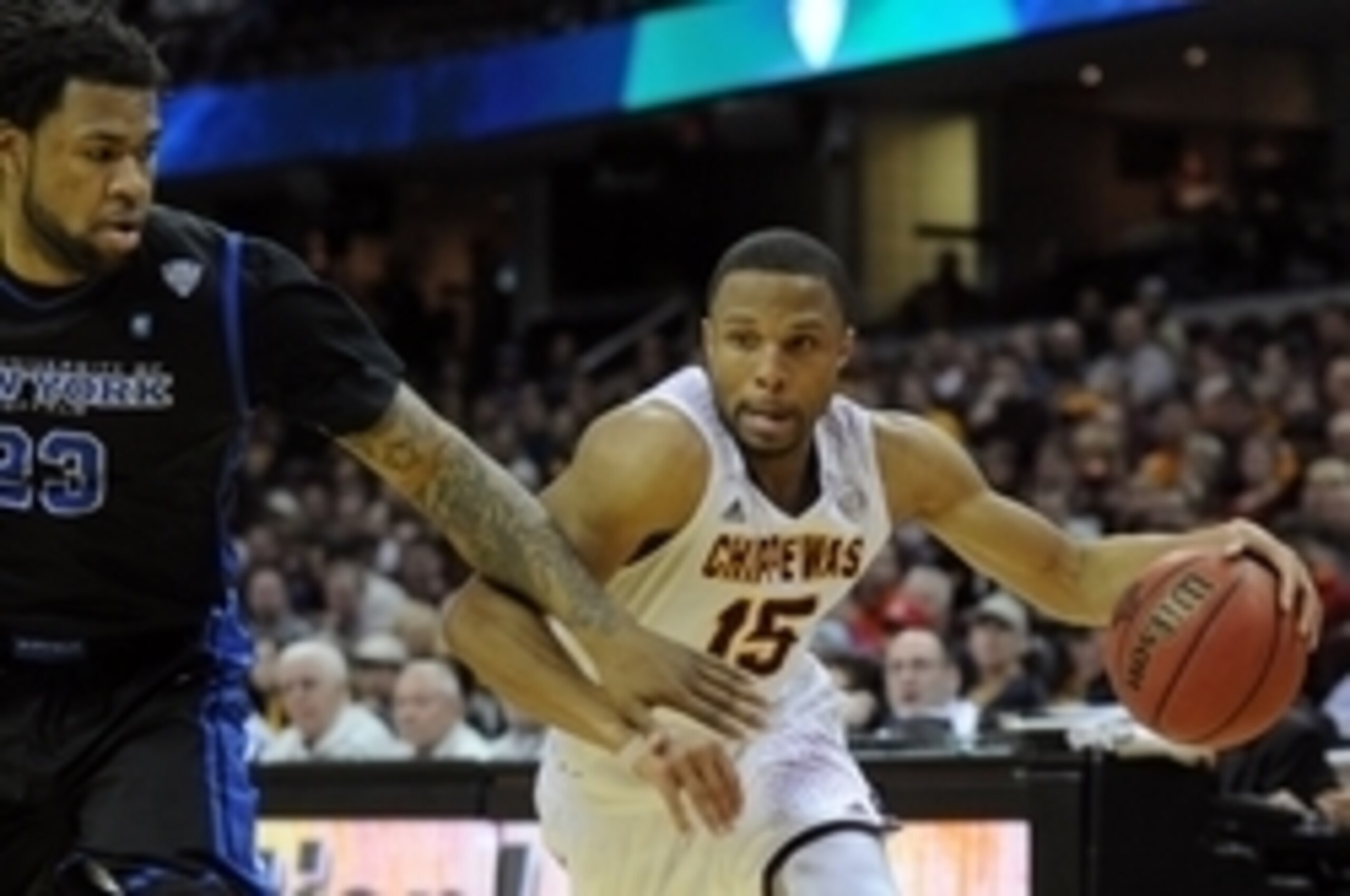
Average Rank: 174.2
The Favorite: Central Michigan (82.5)
The Challengers: Akron (104), Kent State (105.5)
The Basement: Bowling Green (257), Ohio (234.5), Ball State (227.5)
It was quite the tumultuous offseason for Buffalo.
When the 2014-15 season ended, the Bulls had fringe Top 25 potential. Bobby Hurley had done a great job with them in just two seasons, Justin Moss was the reigning MAC Player of the Year. Shannon Evans was a great perimeter weapon coming back for another year. And Torian Graham was the potential impact transfer putting a nice bow on a team that I projected for a No. 8 seed in our way-too-early bracket in April.
Well, Hurley left for Arizona State and took Evans and Graham with him, and Moss was dismissed from the team as a result of an on-campus theft. Just like that, Buffalo went from Cinderella to Sleeping Beauty.
The MAC's average rank isn't nearly what it could have been, but Central Michigan should reap the benefits of the Bulls' demise.
Led by a point guard (Chris Fowler) who already has 533 career assists to his name, the Chippewas were almost the most three-point reliant team in the country last season, averaging exactly 27 attempts per game. John Simons, Josh Kozinski and Braylon Rayson each averaged more than five three-point attempts per game in 2014-15, and all three still have at least one more year of eligibility remaining.
Don't ask the Chippewas to rebound or block shots, but if Indiana could earn a No. 10 seed last season behind little more than a commitment to shooting three-pointers, perhaps Central Michigan can do the same.
(Sidenote: Central Michigan plays BYU on Dec. 18. If you can find that game on TV, you will not be disappointed.)
11. Missouri Valley Conference
8 of 18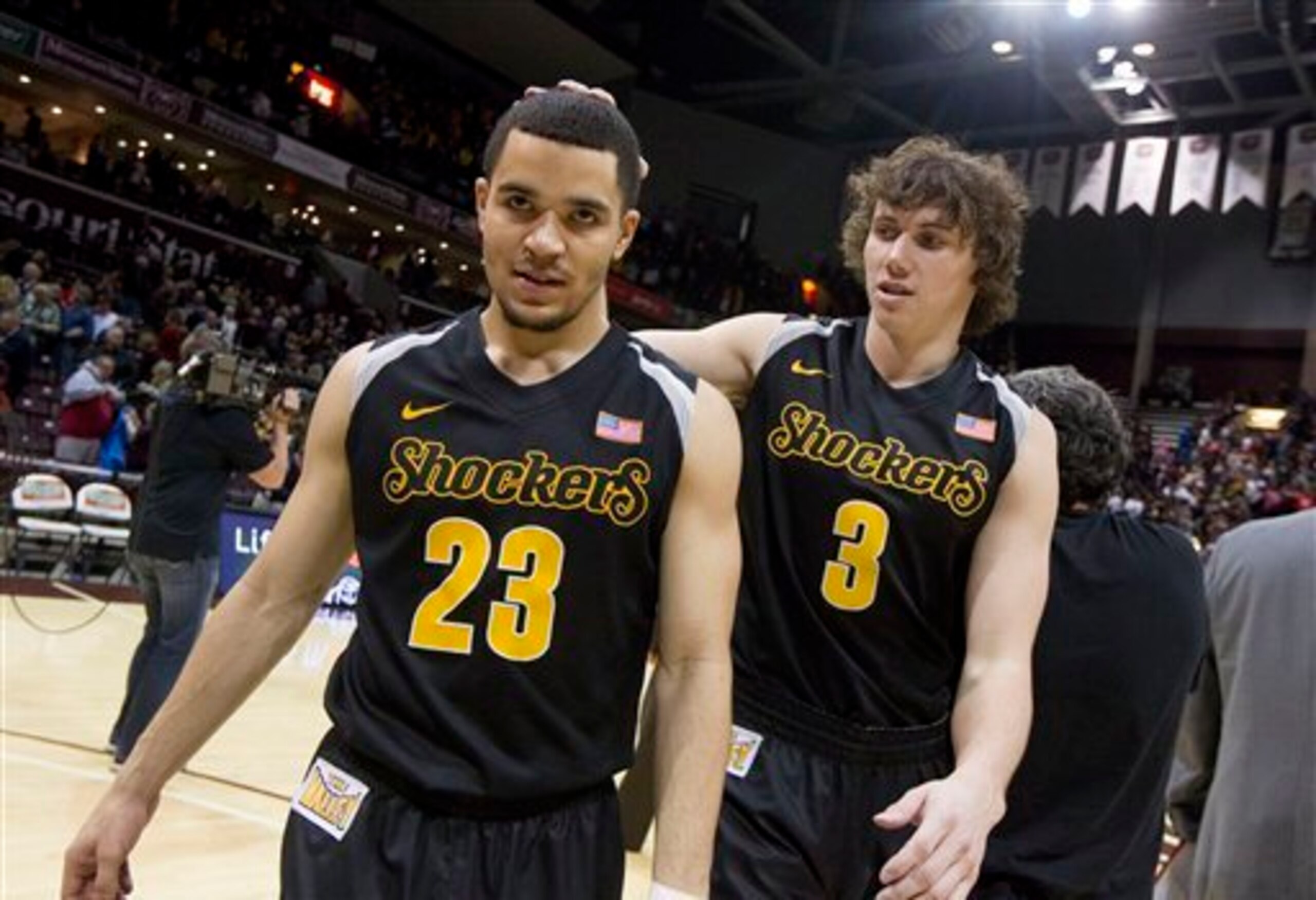
Average Rank: 144.0
The Favorite: Wichita State (12)
The Challengers: Northern Iowa (71), Illinois State (77), Evansville (87.5)
The Basement: Bradley (298.5)
You probably didn't feel it, but there was a big jump between this slide and the previous slide. With a difference in average rank of 30.2, the gap between No. 11 Missouri Valley and No. 12 Mid-American is significantly wider than the gap between No. 12 Mid-American and No. 17 Conference USA.
In other words: Welcome to the realm of the potential multi-bid conferences.
Wichita State is great. The Shockers have won at least 25 games in six straight seasons and at least 30 games in each of the past three years. With Ron Baker and Fred VanVleet back for one final rodeo, it's not a question of whether they'll win the conference but rather whether they'll lose a single game in the process.
It's the battle for second place where things could get interesting.
The Illinois State hype confounds me. Not only did the Redbirds lose leading scorer Daishon Knight and moderate three-point threat Bobby Hunter to graduation, they also lost Reggie Lynch—an excellent offensive rebounder and the national leader in block percentage. They still have a few good pieces, but they also have a lot of holes to plug.
Likewise with Northern Iowa, it's tough to envision the Panthers remaining the second-best team in this conference after losing three of their four leading scorers and every single forward who scored at least 40 points last season.
Evansville, on the other hand, deserves much more hype than it's getting. All seven of last year's leading scorers are back, led by dynamite inside-outside duo D.J. Balentine and Egidijus Mockevicius. The Purple Aces won games against Northern Iowa and Belmont last season before winning the CIT tournament, and they're ready to parlay that into a NCAA tournament appearance this year.
10. West Coast Conference
9 of 18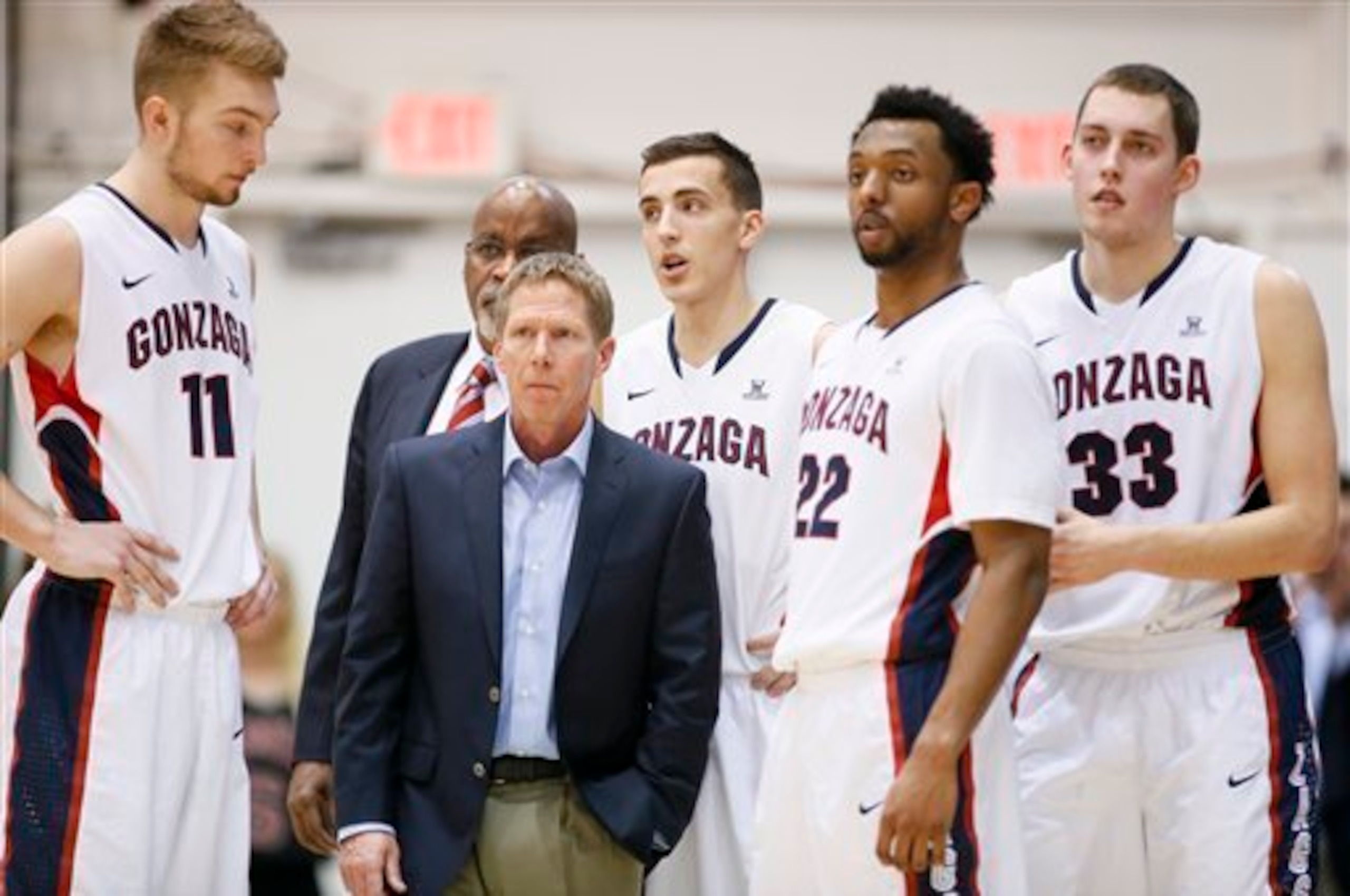
Average Rank: 143.1
The Favorite: Gonzaga (9)
The Challengers: BYU (47), Pepperdine (90.5)
The Basement: Loyola Marymount (251), San Diego (207.5)
The technical term is the West Coast Conference, but we all know it might as well be called Gonzaga's Playground.
Dating back to the 2000-01 season, the Bulldogs have a 200-22 (90.1 percent) regular-season record in conference. To put that domination in perspective, Kansas has a 152-32 (82.6 percent) conference record during its current streak of 11 consecutive Big 12 titles.
Throw in Gonzaga having arguably the best frontcourt in the nation this season, and, yeah, we like the chances of Kyle Wiltjer, Domantas Sabonis and Przemek Karnowski bringing another WCC banner to the Kennel.
But remember, we're in multi-bid conference territory, and it's not outlandish to think the WCC could send three teams to the tournament this year.
BYU is the obvious second candidate. Despite losing Tyler Haws and a few other assets, the Cougars still have Kyle Collinsworth, Chase Fischer and Corbin Kaufusi. They also add a pair of potential impact transfers in Kyle Davis and Jamal Aytes and are finally getting Nick Emery back from his LDS mission. Per usual, they'll have a solid rotation that might be good enough for a crucial home win over Gonzaga at the end of the regular season.
Usually the third candidate is Saint Mary's, but the Gaels are headed for one heck of a down year after losing five of their six leading scorers to graduation. In their stead, Pepperdine is the tertiary team du jour.
Led by 6'6" Charles Barkley wannabe Stacy Davis, the Waves get back all seven of their top scorers from a team that swept BYU and nearly beat Gonzaga on two separate occasions. They had some terribly disappointing losses—none worse than the 55-53 home loss to IUPUI—but there were definitely signs of a possible breakout year.
9. Mountain West Conference
10 of 18
Average Rank: 139.7
The Favorite: San Diego State (38)
The Challengers: Boise State (50), Utah State (85.5), UNLV (92), Colorado State (103), New Mexico (103.5), Fresno State (114.5)
The Basement: San Jose State (336)
It's a shame that San Jose State's rank hangs like a millstone around the Mountain West's neck, because this is a conference that could make some serious noise this season. There will definitely be at least two teams from the MWC for a 15th consecutive season, but as many as five of these top seven teams could conceivably go dancing—provided several improve as much as is expected.
Fresno State and Utah State are certainly the teams we're not used to seeing near the top 100, but they both bring back all five leading scorers from a roster that finished above .500 in conference play last season. Marvelle Harris and Jalen Moore aren't household names, but they might be battling each other for the MWC scoring title.
UNLV and New Mexico are two teams that are usually pretty good but are coming off of very disappointing 2014-15 seasons. UNLV had its worst rating in KenPom history, and New Mexico had its worst rating since posting a 9-18 record in 2002-03.
But even though the Rebels lost Rashad Vaughn, Christian Wood, Cody Doolin and Jelan Kendrick, things are looking up for what is unquestionably the most underrated frontcourt in the country. Stephen Zimmerman is going to star as a freshman, Dwayne Morgan and Goodluck Okonoboh should both be headed for breakout sophomore years and we all know how good of a shot-blocker St. John's transfer Chris Obekpa can be. Add in Oregon transfer Ben Carter and 4-star freshman Derrick Jones, per 247Sports, and they've got one heck of a deep and talented front line.
Meanwhile, the Lobos are hoping to get back on the right track with the return of Cullen Neal (played just three games last season) and the additions of Butler transfer Elijah Brown and Samford transfer Tim Williams (17.6 points and 7.3 rebounds per game in 2013-14). They aren't quite as loaded as UNLV, but the Lobos have a starting five capable of winning a lot of games.
And those are just the third- through sixth-best teams in the conference. With San Diego State and Boise State still leading the way, there should be quality MWC matchups on a very regular basis this season.
8. American Athletic Conference
11 of 18
Average Rank: 117.5
The Favorite: Cincinnati (19.5)
The Challengers: SMU (23.5), Connecticut (24), Tulsa (47)
The Basement: Tulane (256), South Florida (236), UCF (219.5), East Carolina (191.5)
The divide between the top and bottom halves of the AAC is beginning to shrink; however, there's still no question who the five worst teams in this conference are. Houston has the best chance of turning a corner this season, but those other four remain firmly stuck in the basement until further notice.
It's because of those bottom-feeders that this conference doesn't get the respect it deserves. The top four teams in the AAC are all arguably better than every team from the Atlantic 10, and yet the A-10 finished one spot ahead on this list.
Cincinnati is a legitimate dark horse for the Final Four. The Bearcats have consistently been one of the stingiest defenses in the country for the past five years, and they get back all of the key contributors from last season. If Gary Clark becomes a little more assertive and freshman duo Jacob Evans and Justin Jenifer provide a bit of an offensive spark off the bench, this will be one very nasty eight-man rotation.
Connecticut is arguably the best team in the AAC, though, thanks to the impact additions of Jalen Adams, Sterling Gibbs and Shonn Miller. If Daniel Hamilton and Rodney Purvis continue to play as well as they did over the final six or seven weeks of last season, there might not be a weakness on this roster.
And though they're ineligible for the postseason, the Mustangs of SMU still have a lot of talent with which to spoil some dreams and boost the RPI and SOS of others. Seniors Nic Moore, Jordan Tolbert and especially Markus Kennedy—considering the conditioning and academic issues he has fought through over the past several years—deserve a better send-off into the real world than a postseason ban, but don't expect them to just lie down and die for 30 games.
From the second tier, Tulsa's primary seven-man rotation will be seven seniors, Memphis is looking to improve with the addition of K.J. and Dedric Lawson and Temple hopes to build on a 26-win season that somehow didn't include a NCAA tournament berth. At least one of those teams will likely ensure that the AAC gets three teams into the Big Dance.
7. Atlantic 10
12 of 18
Average Rank: 105.7
The Favorite: Rhode Island (42)
The Challengers: Davidson (45.5), Dayton (50), VCU (54.5), George Washington (57.5), Richmond (64)
The Basement: Fordham (238)
There are a lot of respectable teams in the Atlantic 10, but not a single one that screams "Lock for the NCAA tournament." Eventually, the war of attrition between six teams who will open the season on or near the tourney bubble should produce a solid at-large resume or two, but you're only fooling yourself if you feel confident about the order in which they'll finish.
By a slim margin, Rhode Island opens the season as the best team in the conference. By adding transfers Kuran Iverson and Four McGlynn to a roster that already had two of the best players in the A-10 (E.C. Matthews and Hassan Martin), the Rams have a six-man rotation with a very, very remote shot at an undefeated record. Pomeroy has them projected to win each of their nonconference games, and with neither Dayton nor VCU looking anywhere near as strong as recent years, who knows?
Davidson is the other A-10 team with a very strong rotation. The Wildcats lost A-10 Player of the Year Tyler Kalinoski, but they still have quite a few excellent perimeter options, including Jack Gibbs and Brian Sullivan. Perhaps just as important, they get Jake Belford back from a foot injury that cost him most of the 2014-15 season. They desperately need the 6'9" forward to stay healthy this year, because they were routinely abused in the paint last season without him.
George Washington is the contender seemingly no one is interested in talking about this preseason. The Colonials did lose a key player in Kethan Savage, but they held onto the rest of their five leading scorers and added a pair of crucial transfers in Wake Forest forward Tyler Cavanaugh and Dartmouth three-point slinger Alex Mitola. When they host Virginia on Nov. 16, get ready for a tight, low-scoring affair and a subsequent realization that this could be a dangerous A-10 team.
And though they didn't crack the consensus top six, watch out for the Saint Joseph's Hawks this year. DeAndre Bembry is extremely talented, but he got minimal help from a team that needed to replace Langston Galloway, Ronald Roberts and Halil Kanacevic in one summer—partially explaining their 94-42 loss to Gonzaga in the first week of the season. They should be considerably more competitive this year.
6. Southeastern Conference
13 of 18
Average Rank: 72.3
The Favorite: Kentucky (2)
The Challengers: Vanderbilt (21), Texas A&M (33), LSU (43.5), Florida (49.5), Georgia (49.5)
The Basement: Missouri (161), Auburn (121.5), Mississippi State (112.5), Alabama (111.5)
Even bigger than the jump from the MAC to the MVC is the seismic shift from the A-10 to the SEC. But despite having the team with the highest average rank in the country, the SEC has the worst score of the six major conferences.
Much of this is due to the sheer number of not very good teams. The SEC has six teams ranked outside the top 80. The Big East has four such teams, but none of the other major conferences have more than three. That pool of sub-mediocre teams more than undid the good that Kentucky brings to the table.
Moreover, the SEC only has one top-20 team and only three teams in the top 40—though, LSU is arguably criminally underrated at 43.5, and Florida deserves better than just barely sneaking into the top 50. Regardless, the net result is that an average team from the SEC would lose to an average team from the other major conferences, which feels about right. A middle-of-the-road Big East team such as Providence or Marquette would probably be favored in a neutral-court game against South Carolina or Ole Miss from the SEC's middle tier.
Still, this is a conference that should be more competitive than last year.
Arkansas is likely going to drop like a rock, but in place of the Razorbacks are Vanderbilt and Texas A&M as fringe Top 25 teams and Florida presumably bouncing back from last year's brutal 16-17 record. South Carolina is also a sleeper on the rise with most of last year's elite defense back for another season and incoming freshman Perry Dozier very likely to improve what was a pretty hapless offensive attack.
5. Big East Conference
14 of 18
Average Rank: 66.5
The Favorite: Villanova (8.5)
The Challengers: Georgetown (27.5), Butler (29), Xavier (35), Providence (52), Marquette (58.5)
The Basement: St. John's (130), DePaul (115), Creighton (106.5), Seton Hall (102.5)
The Big East is the only conference for which we explicitly listed the average rank of every team, as it gives a pretty great snapshot of where the conference is at as a whole.
Without question, Villanova is still on top of the mountain. Though the Wildcats lost three full-time starters from last year, they still have Ryan Arcidiacono and Daniel Ochefu, will finally insert Josh Hart—arguably their best player of the past two seasons—into the starting lineup and add a phenomenal freshman point guard in Jalen Brunson. They won't be as deep as they have been for the past few seasons, but they have quite a few legitimate All-Big East first-team candidates.
After Villanova it's a trio of very good teams that could be listed in any order without much argument from us. Georgetown and Xavier both have one crucial returning veteran and a few noteworthy freshmen to go along with a smorgasbord of talented sophomores. Inexperience may keep them from peaking early, but no one will want to face the Hoyas or Musketeers in March.
Meanwhile, Butler is loaded with veterans and could make a very deep tournament run if one of its underclassmen bigs blossoms into a quality rebounder and defender.
A few ticks below that group are two ships passing in the night in Providence and Marquette. The Friars were very strong last season with Kris Dunn and LaDontae Henton but could be on their way to the Big East cellar after losing three of their top four scorers and presumably losing Dunn this offseason.
The Golden Eagles, on the other hand, are rebuilding nicely after back-to-back down years and should be in the mix for a tournament bid this season with a roster devoid of important seniors. They're going to be in great shape in 2016-17, even if Henry Ellenson doesn't come back for a second season.
From there, it gets pretty ugly. Seton Hall still has Isaiah Whitehead and Creighton has a pair of very noteworthy incoming transfers in Mo Watson and Cole Huff, but there's a very pronounced line between the strength of the top six and bottom four teams in the Big East. Their collective mediocrity and effect on computer ratings might limit a potential six-bid league to just four tournament teams.
4. Pac-12 Conference
15 of 18
Average Rank: 65.2
The Favorite: Arizona (10.5)
The Challengers: Utah (15), Oregon (24.5), California (30.5), UCLA (44.5), Oregon State (48.5)
The Basement: Washington State (154), Washington (151)
Pomeroy's ratings really screwed over California and the entire Pac-12 as a result.
CBS has the Golden Bears at 14, but Pomeroy's formula has them at No. 47. With that difference of 33 spots, they were the only team in the consensus top 35 in which the two rankings differed by more than 20. As we'll get into on the following slide, it's a combination of California not being good in recent years and relying heavily on incoming freshmen, but just know that 30.5 is way too low for a definite top-20 team.
Everything else feels right, though.
Arizona doesn't have any star players, but the sum total of the talent in its 10-man rotation is plenty for consideration in the top 10.
Utah has a much shorter rotation but does have a pretty big star in Jakob Poeltl. And remember the name Lorenzo Bonam. Delon Wright was a JUCO transfer who turned into a Wooden Award candidate, and Bonam could be on a similar career arc.
Both Oregon schools will be in the tournament conversation, but the Ducks could be Sweet 16 good if their new Tyler Dorsey and Dylan Ennis backcourt lives up to the hype.
UCLA is banking on a lot of inexperience in its frontcourt, but if Bryce Alford and Tony Parker both have repeats of last season, the Bruins should be in great shape.
The sleeper team that could really propel the Pac-12 into the top three is USC. Though the Trojans have been awful for the past four seasons, all eight of their leaders in minutes played last year were freshmen and sophomores—each of which is back for at least one more year. Maybe we're a year early and they'll actually hit their stride next season when Louisville transfer Shaqquan Aaron becomes eligible, but definitely don't expect another 3-15 conference record from this squad.
3. Big Ten Conference
16 of 18
Average Rank: 64.2
The Favorite: Indiana (13) and Wisconsin (13)
The Challengers: Maryland (14), Michigan State (14.5), Michigan (23.5), Purdue (24)
The Basement: Rutgers (248.5), Nebraska (133.5), Penn State (130.5)
There were two pretty big head-scratchers in Pomeroy's rankings, both in the Big Ten conference.
You may disagree with the numbers spitting out Duke as the projected No. 1 team, but it's not a completely insane argument to make. On the other hand, no human who has done any amount of research this summer is projecting Wisconsin as the ninth-best team in the country, nor Maryland at No. 24. Quite the contrary, the CBS Sports ranking has Maryland at No. 4 and Wisconsin at No. 17, and they even start their Badgers blurb by penning, "Plenty could criticize us for putting Wisconsin so high."
As Pomeroy noted in a blog post after his 2016 ratings went live, "The components and weighting is based on a regression of the past nine seasons." Well, for the past nine seasons, Wisconsin has been pretty great, and Maryland was nothing special for most of those years, hence the divide between the two rating systems.
The end result for the conference's ranking, however, is a net wash. Maryland's rank should arguably be 10 spots better and Wisconsin's 10 spots worse, but that switcheroo wouldn't change the Big Ten's composite score.
That said, this conference certainly appears to have the largest number of potential national champions, so we fully expect arguments that the Big Ten should be at least one rung higher. Maryland is a very serious championship threat, as are Michigan State and Indiana if the former gets improved play out of Tum Tum Nairn and the latter improves as much in the paint as it should with Thomas Bryant and Juwan Morgan.
Not far behind that trio of contenders is a trio of other teams that could do some serious damage. Both Purdue and Michigan should be considerably better than this past season, and though we find it crazy for Wisconsin to project in the top 10, Bo Ryan has done more with less. Throw in Ohio State and Iowa as perennially solid teams, and the top half of this conference is quite stout.
Unfortunately, Rutgers is murdering the Big Ten's rank at 248.5. If we straight up remove Rutgers from the Big Ten, the average rank improves from 64.2 to 50.0—good enough for No. 1 on the list. But each conference is required to take its bad with its good, so be sure to thank the Scarlet Knights for your third-place finish, B1G fans.
2. Atlantic Coast Conference
17 of 18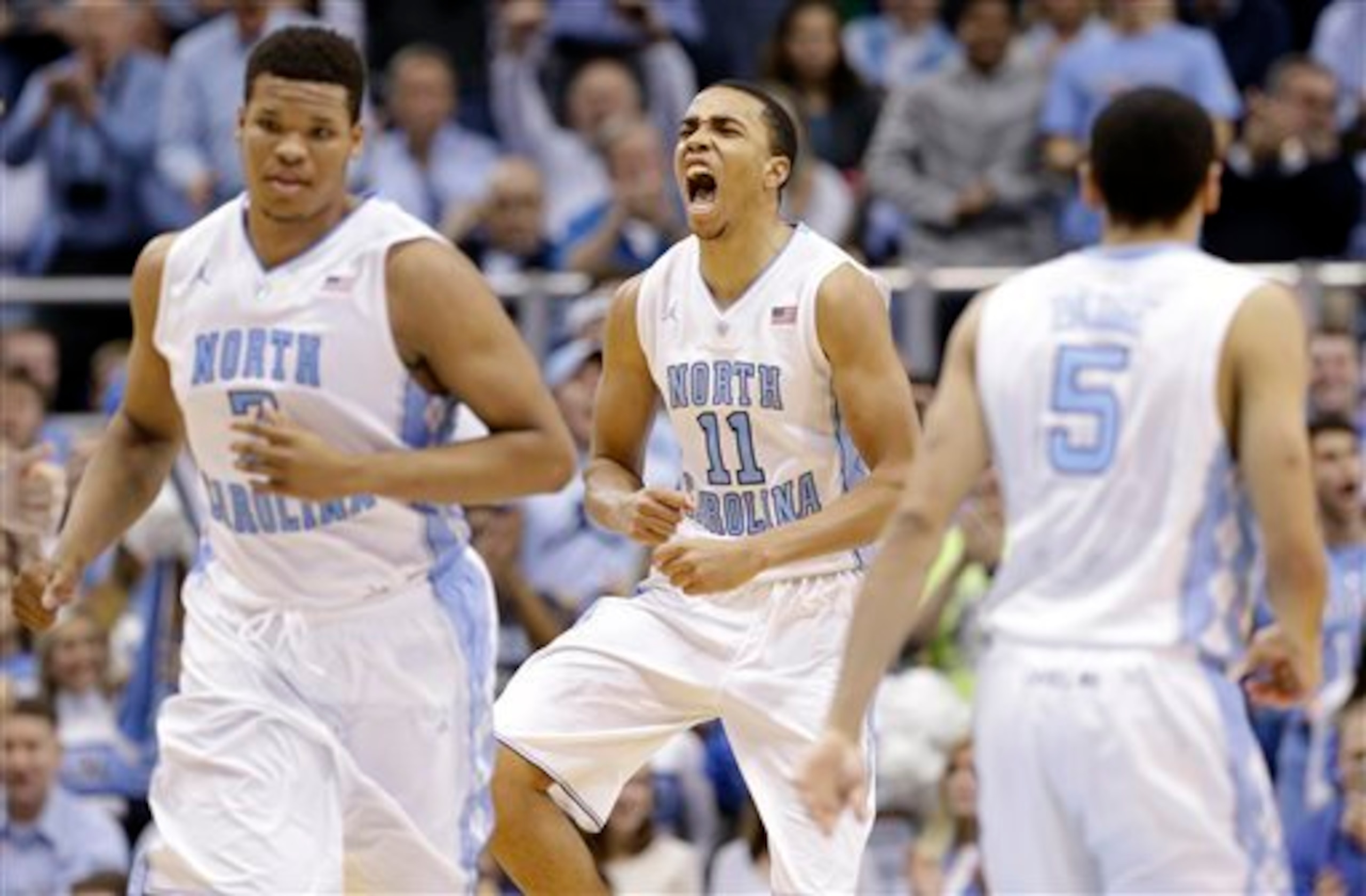
Average Rank: 52.5
The Favorite: North Carolina (4), Duke (4) and Virginia (4)
The Challengers: Notre Dame (18), Miami (21)
The Basement: Boston College (184.5), Virginia Tech (120)
Rather than wasting this space talking about teams that you already know are very good, let's address the fact that the ACC is at No. 2, even though most would put this conference at No. 1 without so much as a second thought.
First of all, be sure to note how small the gap is between these top two conferences. The ACC's average rank is 11.7 points better than the Big Ten's and just 1.8 points worse than the Big 12's. If you were to plot them on a number line, the gap between No. 2 and No. 3 is more than six times as wide as the gap between No. 1 and No. 2.
Translation: They are effectively 1A and 1B, except we're forced to label 1B as No. 2.
The main reason everyone loves the ACC this year is because it has three of the five or six best teams in the country in North Carolina, Duke and Virginia. If you're betting on a conference to send two teams to the 2016 Final Four, meet your runaway favorite.
However, the ACC only has two other teams in the consensus top 35, for a total of 33 percent of the conference in that range. Meanwhile, 40 percent of the Big 12 is in the consensus top 15 and 60 percent is in the top 35.
Granted, the ACC does have five other tournament-caliber teams in Florida State, NC State, Louisville, Syracuse and Pittsburgh, but it just doesn't have the same concentration of elite teams as the Big 12—even though we would totally take the ACC's top three in a round-robin tournament against the Big 12's top three.
Really, though, like Rutgers in the Big Ten, the ACC's case for No. 1 was quite damaged by the existence of Boston College.
Arguably the only truly bad team out of the 25 options between the ACC and Big 12, the Eagles' consensus rank of 184.5 was 64.5 points worse than any other team in the two conferences. If they were merely "Virginia Tech bad" and had a score of 120, the ACC's average rank would have been 2.4 points better than the Big 12's.
Alas, Boston College is what it is and the ACC gets penalized for the right to beat up on the Eagles all season long.
1. Big 12 Conference
18 of 18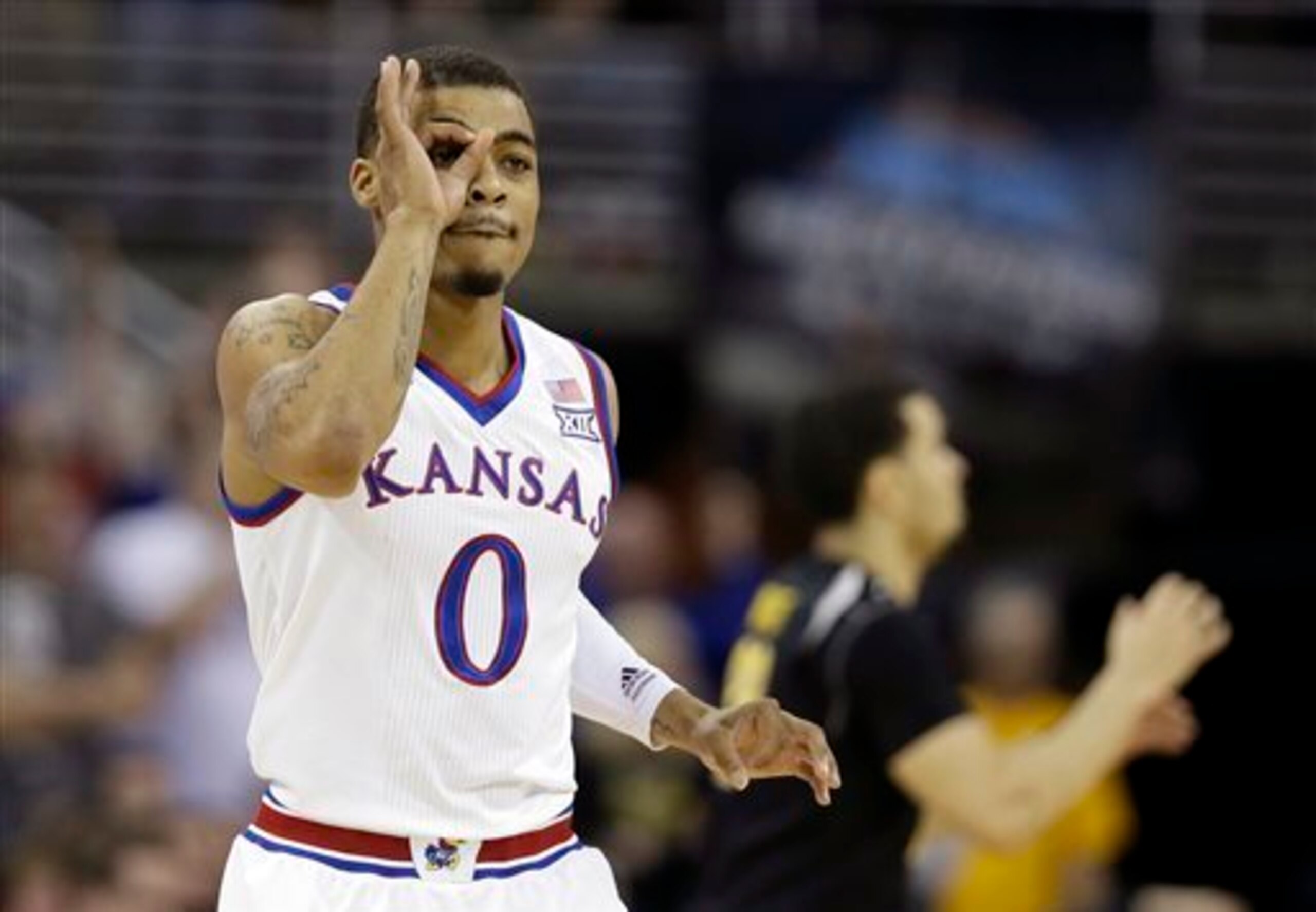
Average Rank: 50.7
The Favorite: Kansas (3.5)
The Challengers: Oklahoma (9.5), Iowa State (12.5), Baylor (14.5)
The Basement: Texas Tech (120), Kansas State (113), TCU (96.5)
People love to hate on the Big 12 because of its recent tournament struggles. Understandably so, as the conference is 0-for-19 in terms of sending teams to the Elite Eight over the past three years.
However, for the first four months of the season, the Big 12 is as good as it gets. Last season, both the ACC and Big 12 had five teams in the final AP Top 25 poll. The year before that, both conferences had four teams in the final poll. Considering the ACC has 50 percent more schools than the Big 12, that's pretty impressive for the conference in the nation's Midwest.
As far as the upcoming season is concerned, there could be as many as six teams in the final AP Top 25.
Kansas, Oklahoma, Iowa State and Baylor are the clear choices, as they will all open the season in the polls, but West Virginia and Texas could both sneak into the conversation with what should be two of the most aggressive defenses in the entire country.
And let's not rule out the possibility of Oklahoma State making some noise in Phil Forte's final season. The Cowboys are going to be extremely reliant on new pieces like Chris Olivier, Igor Ibaka and Jawun Evans, but if two of those three guys deliver on their potential, Travis Ford could have a dangerous team on his hands.
The bottom third isn't great, but it isn't awful. That's every bit as much to thank for the Big 12's No. 1 ranking as are Kansas and Oklahoma.
We look forward to your snarky "predictions" of the Big 12 being terrible because they'll just blow it in the tournament anyway, but it won't take away from the enjoyment we'll have watching these teams deliver exhilarating games throughout the course of the regular season.
Kerry Miller covers college basketball for Bleacher Report. You can follow him on Twitter: @kerrancejames.
.jpg?w=2560 "Falcons Saints Football")
.jpg?w=2560 "Rams Eagles Football")
.jpg?w=2560 "Injury-stricken Seahawks signing veteran RB")


.jpg?w=2560 "2 NFL Officials Suspended")
