

Updated College Basketball Player of the Year Rankings for 2016-17
As if winning one national championship and vying for a second weren't enough, Villanova's Josh Hart is No. 1 in Bleacher Report's latest ranking of college basketball's top candidates for 2016-17 National Player of the Year.
If you can believe it, college basketball's 2016-17 regular season is halfway complete. There will be plenty of bonus games in March and April, but the vast majority of teams have already played at least 14 of their 31 or so games before conference tournaments begin.
Before barreling through that midway point of the campaign, we need to make note of who stands where in the National Player of the Year debate.
If you've seen some of the POY rankings various sites have published in the past week, the top five—Hart, Caleb Swanigan, Frank Mason III, Luke Kennard and Lonzo Ball—should come as no surprise. But how many of those other lists have St. Mary's center Jock Landale as a top-10 guy? And how many notice professional stat-sheet stuffer Dedric Lawson as an honorable mention, let alone rank Memphis' star as the No. 9 option for the Wooden Award?
In ranking these top 20 college basketball players, individual stats, team success and signature performances/moments were the primary deciding factors. In a nutshell, though, ranking comes down to answering one question: If my favorite team is playing a must-win game, who do I least want to see on the opposing side?
Honorable Mentions
1 of 21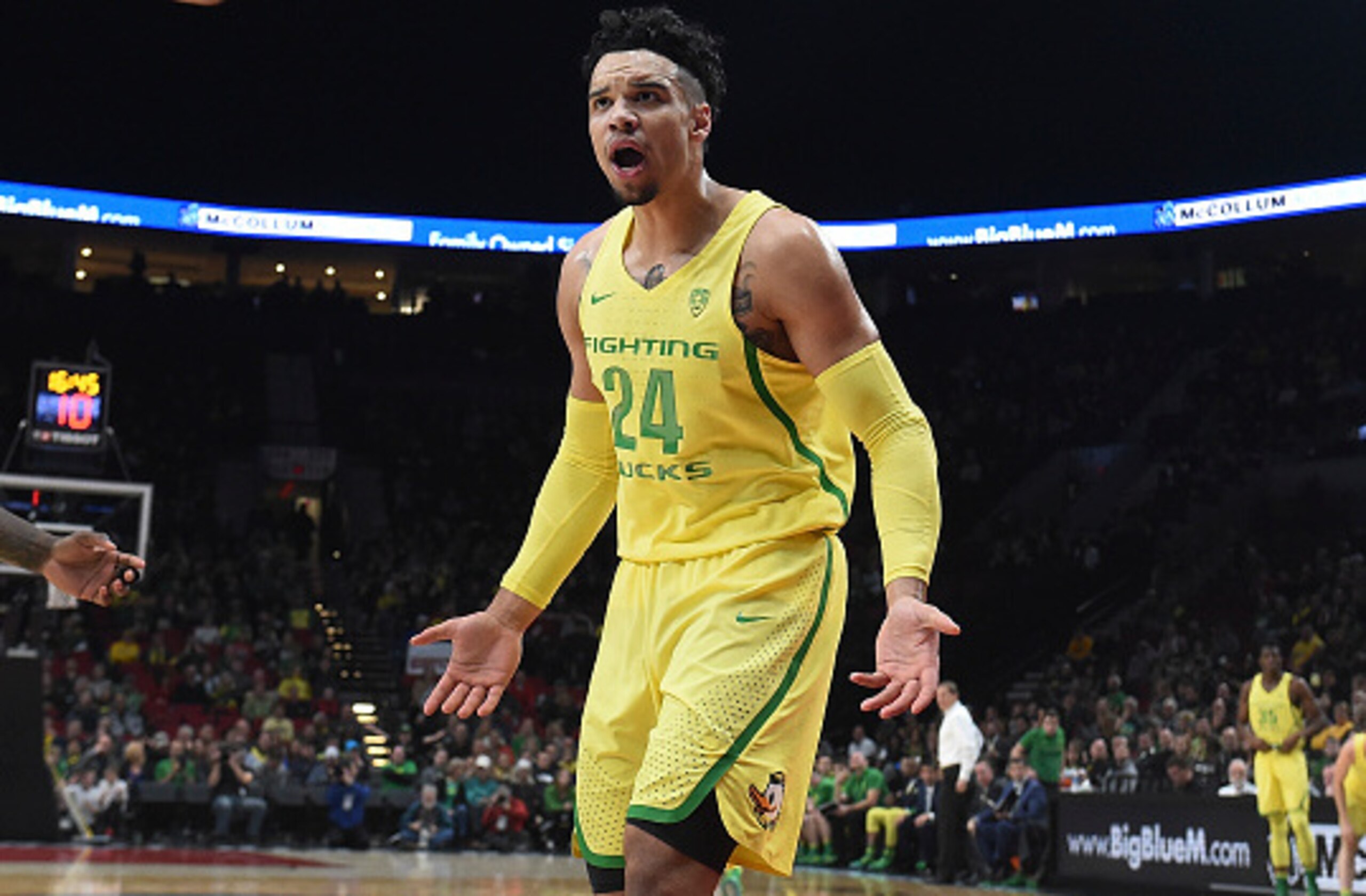
Dillon Brooks, Oregon Ducks
Brooks has come on strong since recovering from foot surgery early in the season. However, he missed three games and didn't play that well in his first four back. As Michigan State product Denzel Valentine proved last year, that lost time doesn't necessarily exclude a player from POY consideration. With the Ducks 16 games in, though, those games are a huge chunk of his resume.
Lauri Markkanen, Arizona Wildcats
The Finnish freshman has been fantastic for the Wildcats while doing his best Dirk Nowitzki impression as a lethal 7-foot three-point shooter. But he only has two double-doubles and hasn't scored 20 in a game since before Thanksgiving. It's tough to be considered for POY without any signature performances.
Jo Lual-Acuil Jr., Baylor Bears
An outstanding shot-blocker (3.6 per game) and bucket-getter (11 PPG), Lual-Acuil is clearly the runaway favorite for JUCO Transfer of the Year. But we want to see more from him. It's hard to argue a guy is the most valuable player in the country when his team doesn't utilize him a ton (19.3 usage percentage).
Tacko Fall, UCF Knights
The same goes for Fall. He's an outstanding defensive presence who is making 80 percent of his two-point attempts, but how is this 7'6" stud only averaging 7.7 shots per game? Fall is averaging a double-double (14.3 PPG, 11.2 RPG), but he could be doing so much more. Plus, UCF is anything but a guarantee to reach the NCAA tournament.
Yante Maten, Georgia Bulldogs
Maten already has three 30-point games this season, but when your team is destined for the NIT, you need to be a once-in-a-generation type of talent in order to vie for the Wooden Award. Maten is indispensable on this roster, but he's no Ben Simmons or Markelle Fultz.
Marcus Foster and Maurice Watson Jr., Creighton Bluejays
The backcourt duo is pacing one of the most efficient offenses in the nation, but which one is Creighton's MVP? Based on advanced metrics such as win shares and box plus/minus, it should be either Justin Patton or Khyri Thomas. If the Bluejays keep playing well, someone will eventually rise up as their POY candidate. Without a clear-cut favorite for now, though, it's tough to talk up either as a top-20 player in the nation.
Jevon Carter, West Virginia Mountaineers
Carter is West Virginia's defensive leader and has an assist-to-turnover ratio better than 3.0, but it's tough to get noticed when you're barely averaging 10 points per game. Plus, as is the situation at Creighton, one could make the case for quite a few different players as the most important Mountaineer.
Melo Trimble, Maryland Terrapins
Trimble is shooting better than last year (47.6 percent from the field). But Maryland is worse, and so is his turnover rate (18.1 percent). The Terrapins are 13-2, but their tempo-free and margin-of-victory rankings suggest this team has a lot of work to do in Big Ten play to have a POY candidate.
Kelan Martin, Butler Bulldogs
The top scorer for the Bulldogs is averaging nearly 18 points per game, but he hasn't been any better than he was last year. In fact, he has become a worse rebounder and is committing significantly more turnovers on average. And if you're going to be a POY candidate for little more than points per game, it had better be close to 25.
20. Amile Jefferson, Duke Blue Devils
2 of 21
Per Game: 13.8 points, 10.6 rebounds, 2.2 assists, 1.7 blocks, 62.4% FG
Per 40: 17.8 points, 13.7 rebounds, 2.8 assists, 2.2 blocks, 1.2 steals, 0.258 win shares
Lost in the shuffle of Grayson Allen's tripping, head coach Mike Krzyzewski's back surgery, Luke Kennard's breakout year and injuries to Jayson Tatum, Harry Giles and Marques Bolden, Amile Jefferson has been one heck of a guiding light for the Blue Devils.
Last year, we caught a glimpse of what Jefferson could be when he averaged 11.4 points and 10.3 rebounds through the first nine games. But after missing the rest of what was supposed to be his final season because of a broken foot, the fifth-year senior has been even better this time around.
In fact, through 15 games, his rates of points, rebounds, assists, blocks and personal fouls per 40 minutes are better than any season in his career.
Considering the preseason injuries to the three freshmen, one could easily make the case that Jefferson has been the most important piece of Duke's puzzle.
His numbers have tapered off a bit now that everyone is back—Giles was the only Blue Devil to record a double-double in Wednesday night's 110-57 rout of Georgia Tech—but Jefferson had a seven-game stretch early in the season where he was averaging 17.7 points and 11.9 rebounds per game. That included impressive performances against Florida, Michigan State, Penn State and Rhode Island.
There's a good chance Jefferson will be long gone from the POY conversation by the end of the year, but because of him, the Blue Devils were able to maintain their status as a top team for the first month of the season.
19. Jawun Evans, Oklahoma State Cowboys
3 of 21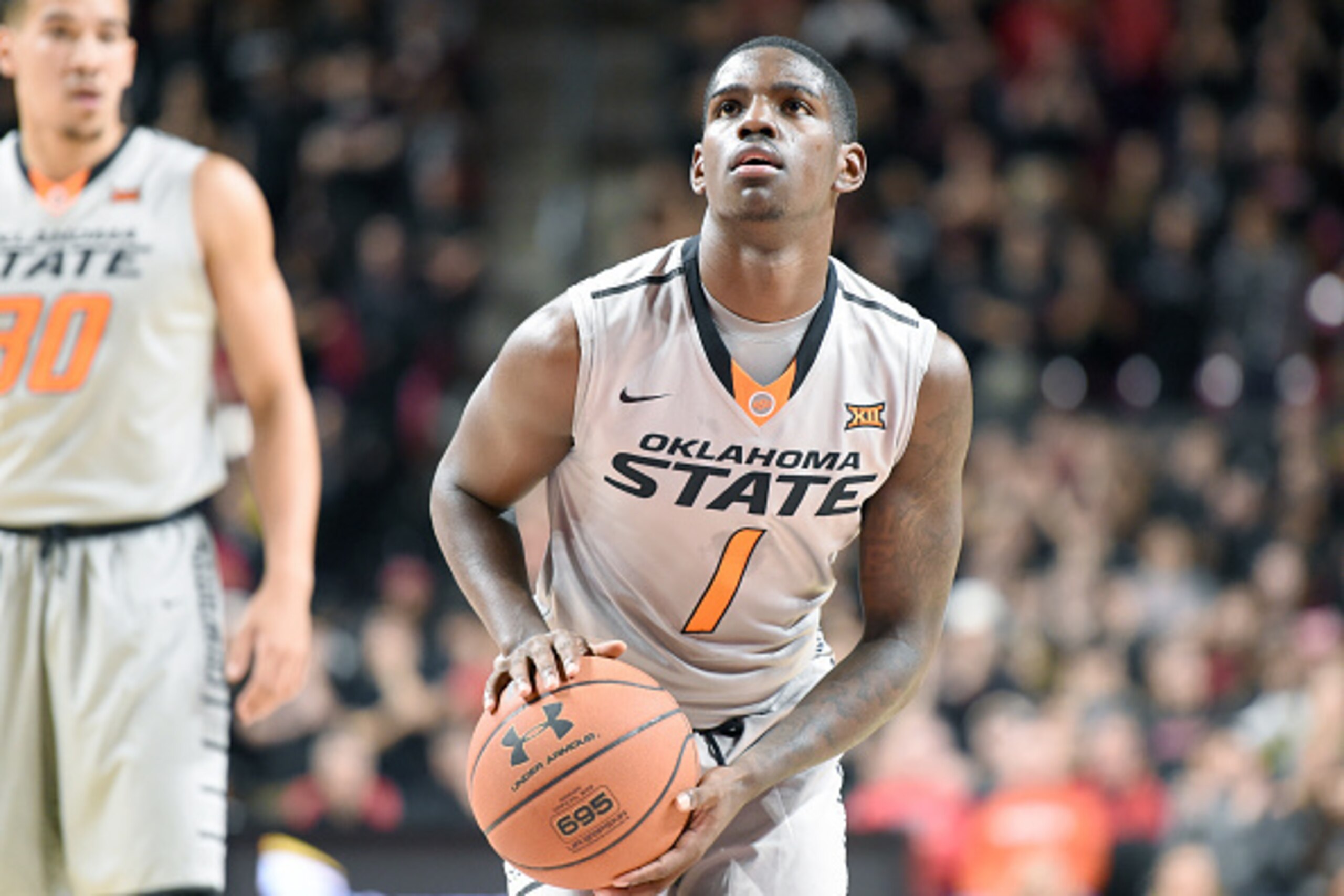
Per Game: 19.7 points, 5.1 assists, 3.0 rebounds, 2.2 steals, 47.0% FG, 53.3% 3PT
Per 40: 29.4 points, 7.6 assists, 4.5 rebounds, 3.3 steals, 0.249 win shares
Early on in the season, few players could compete with the numbers Jawun Evans was putting up. But he suffered a shoulder injury in an early-December practice, missed one game and hasn't looked the same since.
Pre-injury: 23.6 PPG, 3.0 SPG, 5.1 APG, 2.0 turnovers, 14.8 two-point attempts
Post-injury: 13.4 PPG, 1.0 SPG, 5.0 APG, 4.2 turnovers, 7.0 two-point attempts
He's still shooting well from three-point range (6-of-11 in his last five games) and has been about as accurate from the free-throw line, so it doesn't appear the injury to his non-shooting shoulder is physically affecting him.
It could be another story mentally, though, as that drop-off in two-point attempts is the most concerning.
Through the first month of the season, Evans was driving the lane with near-reckless abandon, either finishing through contact or drawing in defenders before finding wide-open teammates for buckets. Since his return, he hasn't been playing with the same aggressiveness on either end of the floor.
If Evans can start playing like he was in November, Oklahoma State could rebound from its 0-2 start in Big 12 play, and Evans could get into the conversation for POY.
Because even with his struggles over the past couple of weeks, his season averages aren't that far removed from what Duke's Jay Williams did in 2000-01 (21.6 PPG, 6.1 APG, 2.0 SPG, 47.3% FG, 42.7% 3PT).
.jpg?w=2560 "Alabama Shooting Times Lawsuit")
.jpg?w=2560 "NCAA Combating Sextortion")
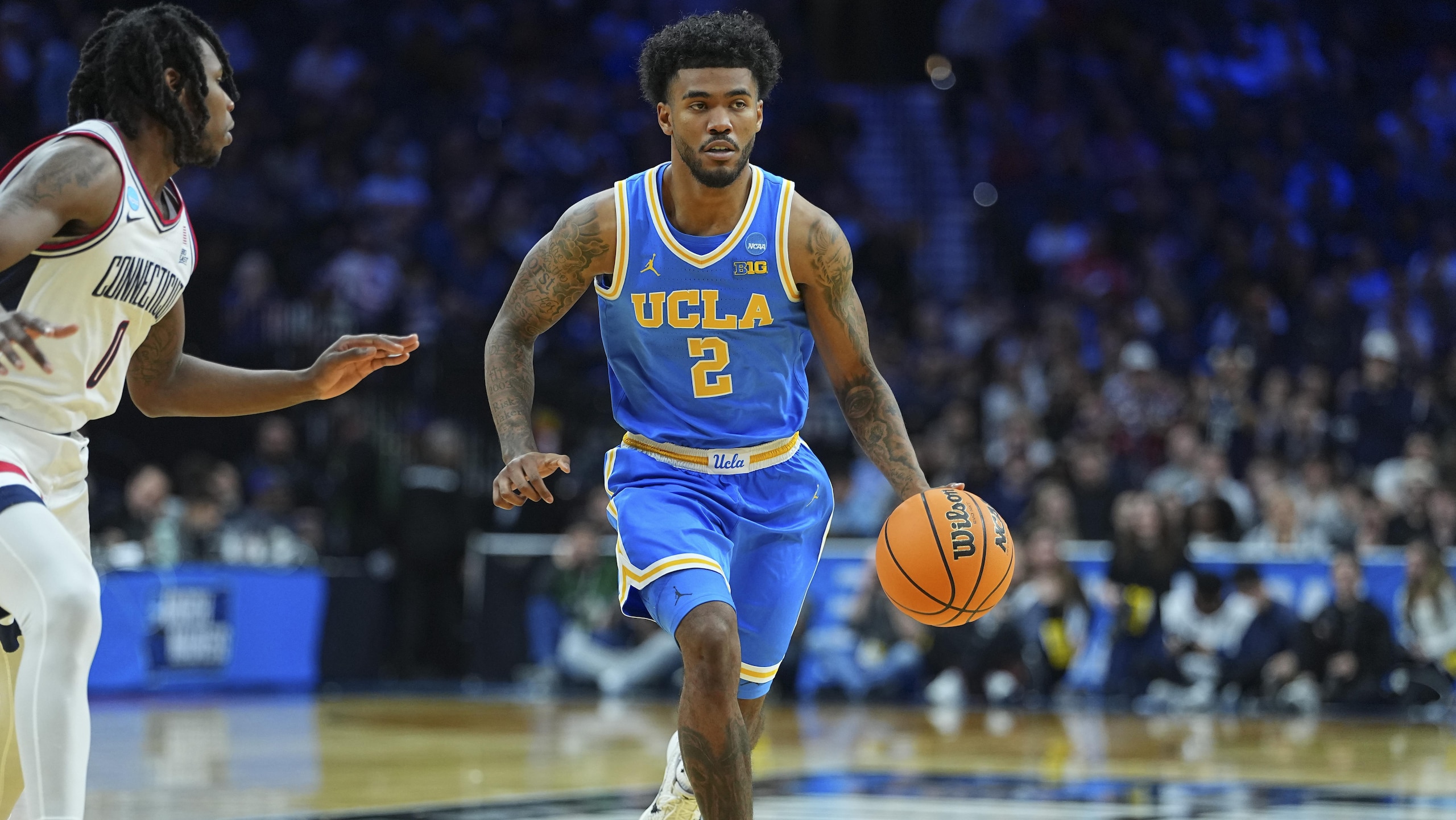
18. TJ Leaf, UCLA Bruins
4 of 21
Per Game: 17.5 points, 9.1 rebounds, 2.7 assists, 1.3 blocks, 65.6% FG, 47.1% 3PT
Per 40: 22.6 points, 11.7 rebounds, 3.5 assists, 1.6 blocks, 1.1 steals, 0.256 win shares
Never one to shy away from long-winded anecdotes, ESPN's Bill Walton was surprisingly succinct in his analysis of TJ Leaf during UCLA's 81-71 victory over California at Pauley Pavilion on Thursday night: "He's just a winner who can do everything."
In what is quickly becoming the age of positionless basketball, Leaf has been sensational for the Bruins. They have six players averaging at least 10 points per game, but their 6'10" stretch 4 is the only one to score in double figures in every contest this season. In fact, the freshman has scored at least a dozen in all 16 games and had seven double-doubles.
Leaf hasn't had any monster performances yet—unless you count his 25 points, 10 rebounds and eight assists against a downright terrible UC Santa Barbara team—but he did get his signature moment of the season against the Golden Bears, putting Kingsley Okoroh on a poster with this drive and dunk.
Leaf's scouting report out of high school said he could score in bunches, but he needed to build strength and wouldn't be much of a factor on defense. But he has been arguably UCLA's most valuable defender, and the "soft" theory died along with Okoroh's dignity on that dunk.
If and when he finally has a big game against a marquee opponent, Leaf might usurp Lonzo Ball as the MVP of this team, becoming a top-five candidate for the Wooden Award in the process.
17. Josh Jackson, Kansas Jayhawks
5 of 21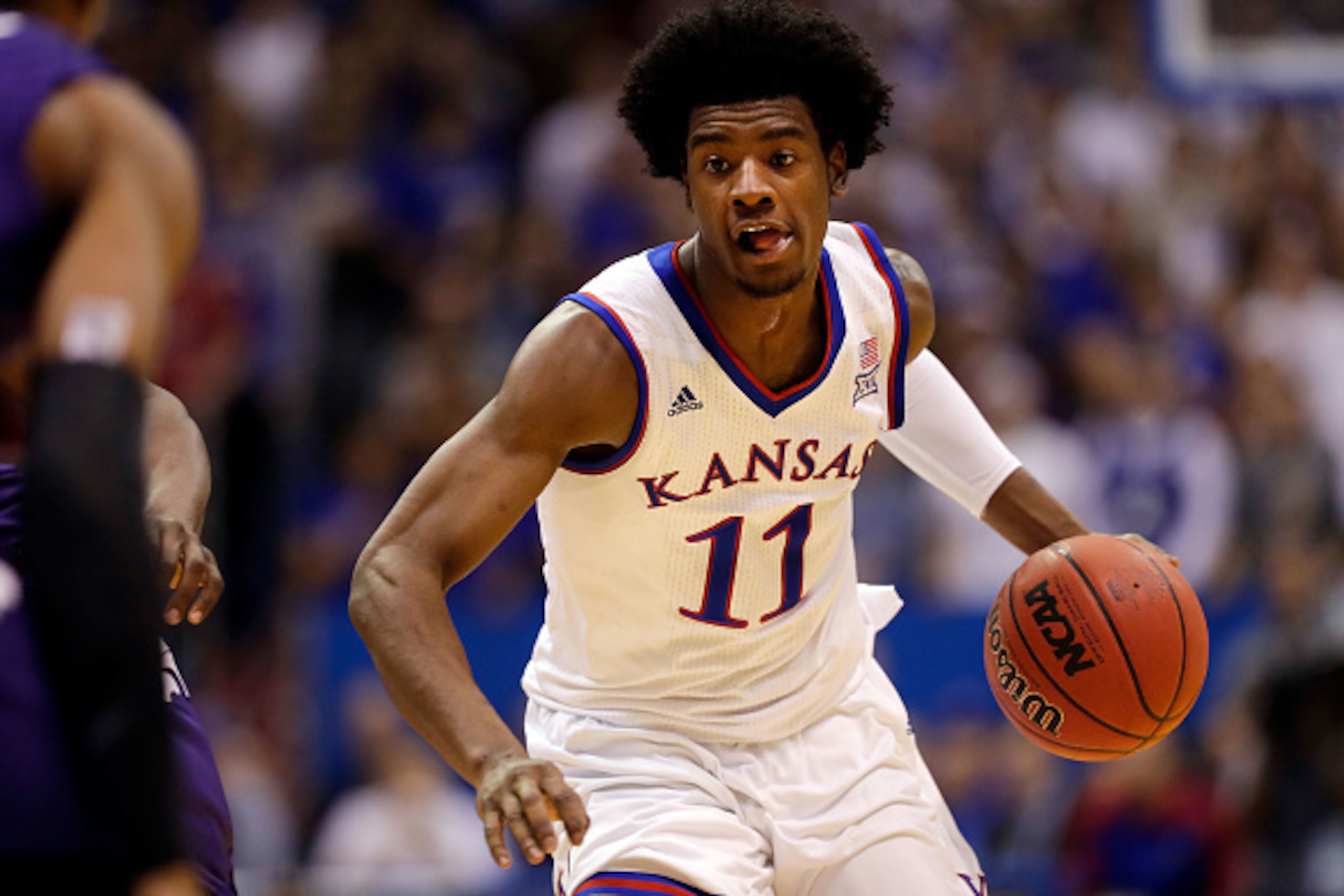
Per Game: 15.2 points, 6.4 rebounds, 3.3 assists, 1.5 steals, 1.4 blocks, 52.1% FG
Per 40: 22.1 points, 9.2 rebounds, 4.8 assists, 2.2 steals, 2.0 blocks, 0.214 win shares
For a guy rated as the No. 1 overall recruit in this year's class, Josh Jackson is flying below the national radar during his freshman season. He's getting attention but nothing compared to what Ben Simmons, Jahlil Okafor and Andrew Wiggins received in recent years.
Part of that is because he isn't the most valuable player on his own team. Frank Mason III appears near the top of this list and has clearly been the most important Jayhawk, if not the best player in the nation. As is also the case for the second-best players at Baylor, Creighton, Duke, Kentucky and UCLA, it's tough for someone to make his case as one of the 10 best players in the country without serving as the go-to guy on his team's roster.
Perhaps a bigger part of Jackson's lack of acclaim is that other freshmen have been more impressive. Jackson's highlight-reel dunks are nice, but his career high in scoring (22) isn't even half of what Malik Monk did to North Carolina (47). Moreover, Jackson's unyielding aggressiveness doesn't show up in box scores as well as the near triple-doubles that Lonzo Ball and Markelle Fultz have been posting on almost a nightly basis.
But the biggest reason Jackson isn't receiving much love is because he can't shoot. He's 8-of-30 (26.7 percent) from three-point range and 53.8 percent from the free-throw line for the year. He's not improving either, as he's shooting 27.3 percent from distance and 45 percent from the stripe over his last five games.
Despite those struggles, however, Jackson is making a huge impact for one of the country's top teams. And if you think the ability to shoot is that important, go check out the career earnings of former No. 2 overall draft pick Michael Kidd-Gilchrist.
16. Bonzie Colson, Notre Dame Fighting Irish
6 of 21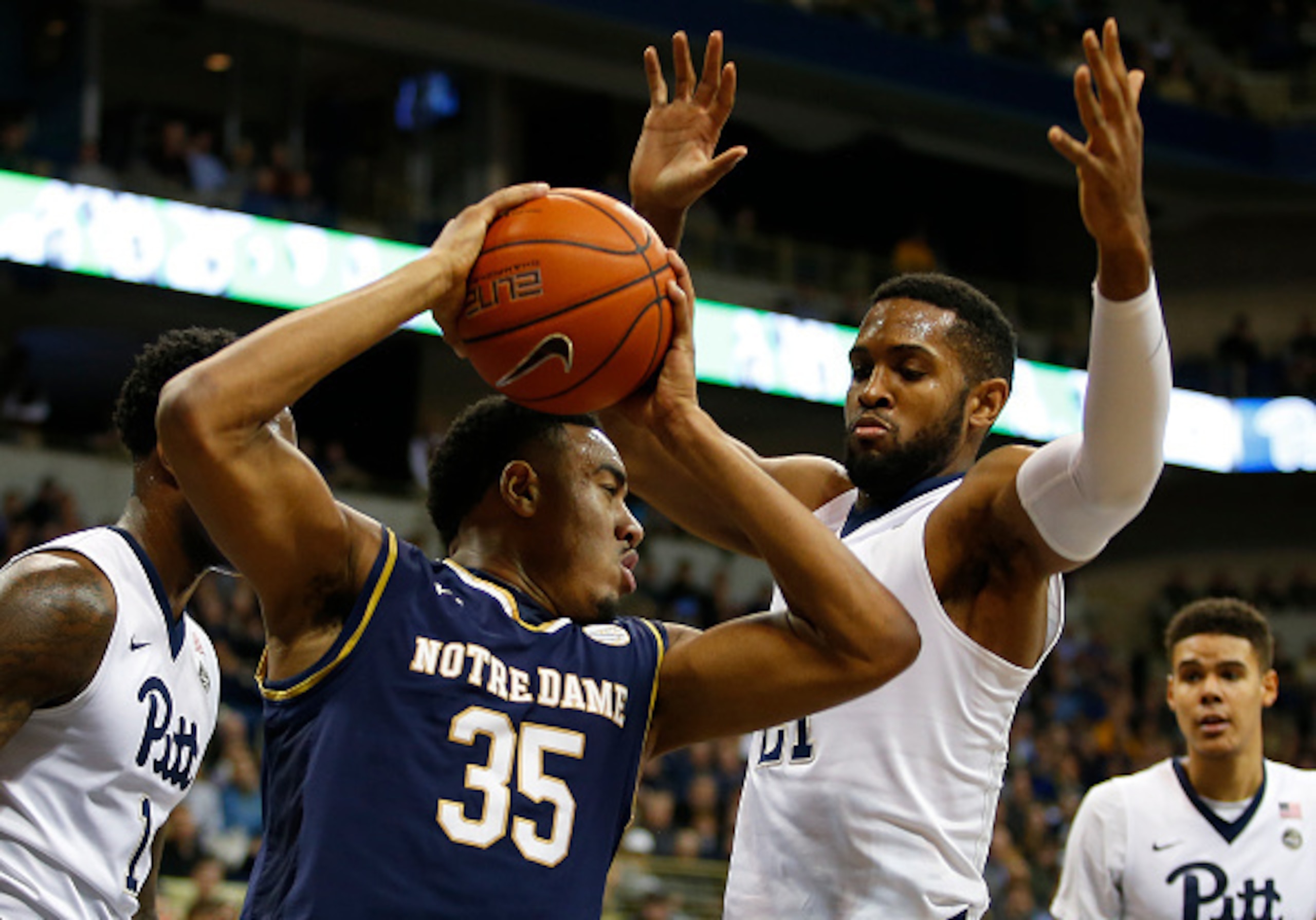
Per Game: 16.7 points, 10.7 rebounds, 1.9 assists, 1.5 blocks, 1.3 steals, 48.7% FG
Per 40: 21.6 points, 13.9 rebounds, 2.5 assists, 1.9 blocks, 1.6 steals, 0.268 win shares
If you thought Bonzie Colson was going to slow down once conference play began, you were dead wrong.
Notre Dame's 6'5" power forward has scored at least 10 points in every game this season and has recorded a double-double in 60 percent of his outings. And through two games against two of the ACC's biggest rosters (Pittsburgh and Louisville), Colson averaged 19.5 points, 14 rebounds and two blocks.
Interior play was supposed to be the team's biggest weakness after it lost Zach Auguste, but someone forgot to tell Colson. The Fighting Irish are better in terms of defensive rebounding percentage, block percentage and two-point field-goal defense than they were last year.
Many have viewed Matt Farrell as the player most responsible for Notre Dame's early success. That's because he has exploded from averaging 2.6 points and 1.6 assists per game as a sophomore to 13.9 points and 5.3 assists per game as a junior. However, Colson is leading the team in points and blocks and has more than twice as many rebounds as any teammate. He's also second in steals (just one off the lead) and even doles out a good number of assists for a "big" man.
Also worth noting: Colson is shooting 89.2 percent from the free-throw line while leading the team in attempts. He's on pace to take at least 135 freebies this season. If he's able to maintain that percentage in the process, he'll become just the fourth forward or center in the past 24 years to take at least that many while shooting better than 89 percent. If you're wondering why Notre Dame has the best team free-throw percentage in the country, there's your answer.
15. Joel Berry II, North Carolina Tar Heels
7 of 21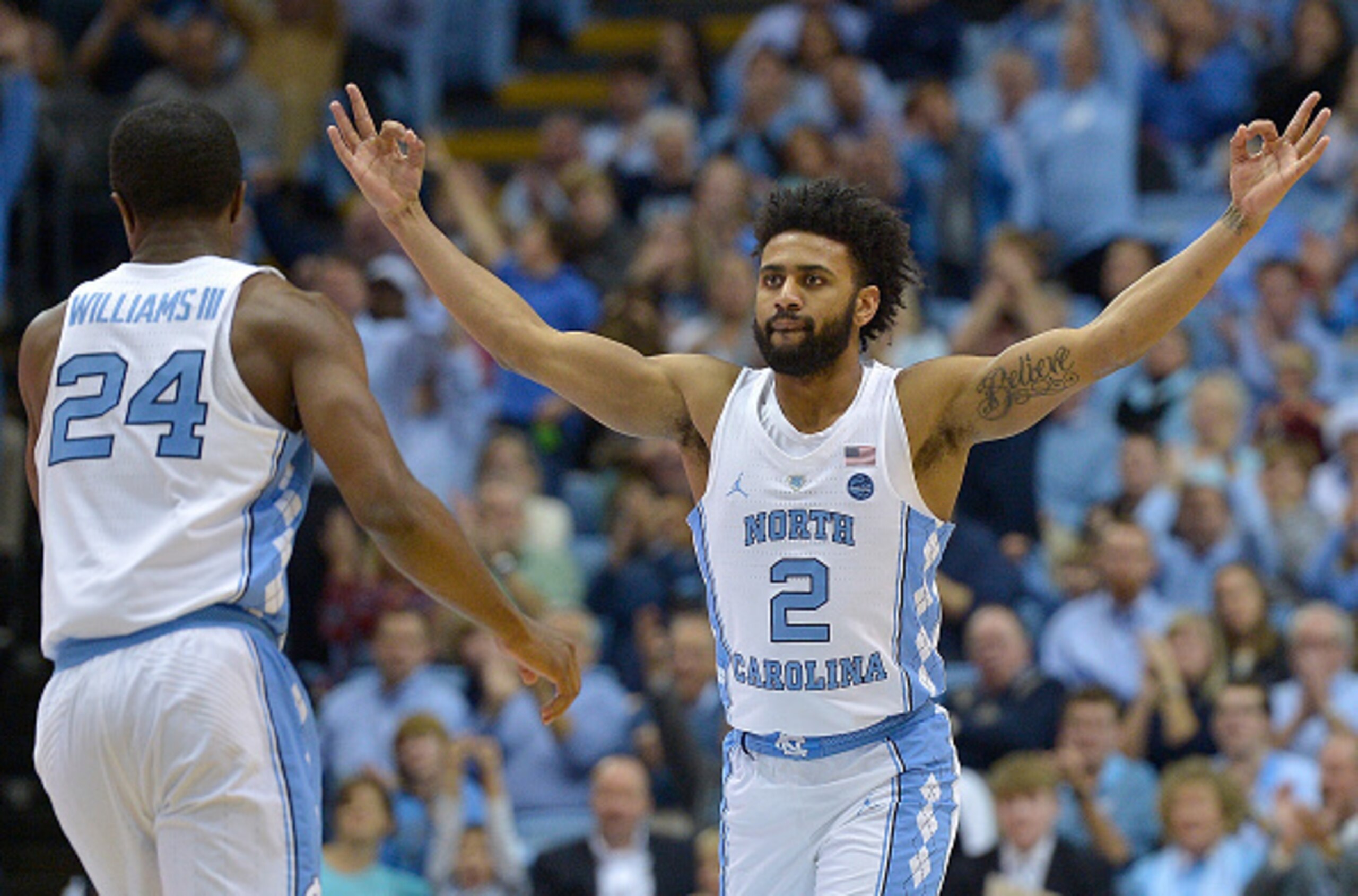
Per Game: 15.1 points, 4.4 assists, 3.8 rebounds, 1.5 steals, 48.6% FG, 42.9% 3PT
Per 40: 21.7 points, 6.2 assists, 5.4 rebounds, 2.1 steals, 0.245 win shares
The start of conference play has not been kind to North Carolina. The Tar Heels lost at Georgia Tech before needing overtime to defeat Clemson. Were it not for Joel Berry II, though, the Tar Heels would be 0-2 in the ACC and would've had a few more close calls during nonconference play.
Berry torched Clemson for a career-high 31 points despite not attempting a single free throw. He drained seven of 10 from beyond the arc and had one eight-minute stretch midway through the second half in which he scored 19 of the team's 23 points. It was his sixth game of the season with at least 22 points, which includes strong performances against Kentucky, Wisconsin and Oklahoma State.
Across the board, Berry's shooting percentages are up for a second straight year. He was a decent shooter as a freshman, but now he's battling Luke Kennard for the title of deadliest shooter in the ACC.
People forget this guy scored 20 points in the national championship game against Villanova last April and that he finished the 2015-16 season on a 14-game streak of O-ratings of 100 or better.
Perhaps more noteworthy than what Berry has done on the court is how the team fared when he wasn't out there. He missed two home games in early December with an ankle sprain, and the Tar Heels nearly lost to both Davidson and Tennessee. They struggled to move the ball against the former and couldn't buy a long-range bucket against the latter.
As was the case with Denzel Valentine last season, sometimes how poorly a team plays without its star forces people to appreciate his importance.
14. Alec Peters, Valparaiso Crusaders
8 of 21
Per Game: 25.0 points, 10.4 rebounds, 1.8 assists, 43.9% FG, 32.1% 3PT
Per 40: 27.4 points, 11.4 rebounds, 2.0 assists, 0.237 win shares
There's a good chance you haven't even seen Alec Peters play this season.
In Valparaiso's biggest game of the year, it took a little over 10 minutes for the Crusaders to fall behind Kentucky by a 25-4 margin. If you watched from that point forward, power to you. And their other big game (at Oregon) was only on the Pac-12 Network, so congratulations to the few dozen households that got to see that one (it was also a blowout).
Despite playing outside the national spotlight, Peters has been a stud. In those losses to Kentucky and Oregon, he scored a combined 47 points. Though Valpo lost to Kentucky by 24, KenPom named Peters its MVP against the Wildcats—one of seven times this season he has received that distinction.
Of course, when you score at least 20 points in each of your first 12 games of the season, it'd be hard to not earn a few game MVPs.
His shooting percentages (listed above) are well below what he posted last year (50.5% FG, 44.0% 3PT), but these things happen when one's field-goal attempts per game increase from 11.9 to 18.2. The team lost five of last year's nine leaders in minutes played, and that elevated Peters from one of Valparaiso's best options to one of its only ones.
Yet, this team is 11-3 with victories over Rhode Island, Alabama and Brigham Young. If the Crusaders keep winning and Peters continues to average as many points per game as Buddy Hield did last season, it's not ridiculous to think Peters could be a Wooden Award finalist.
13. Nigel Williams-Goss, Gonzaga Bulldogs
9 of 21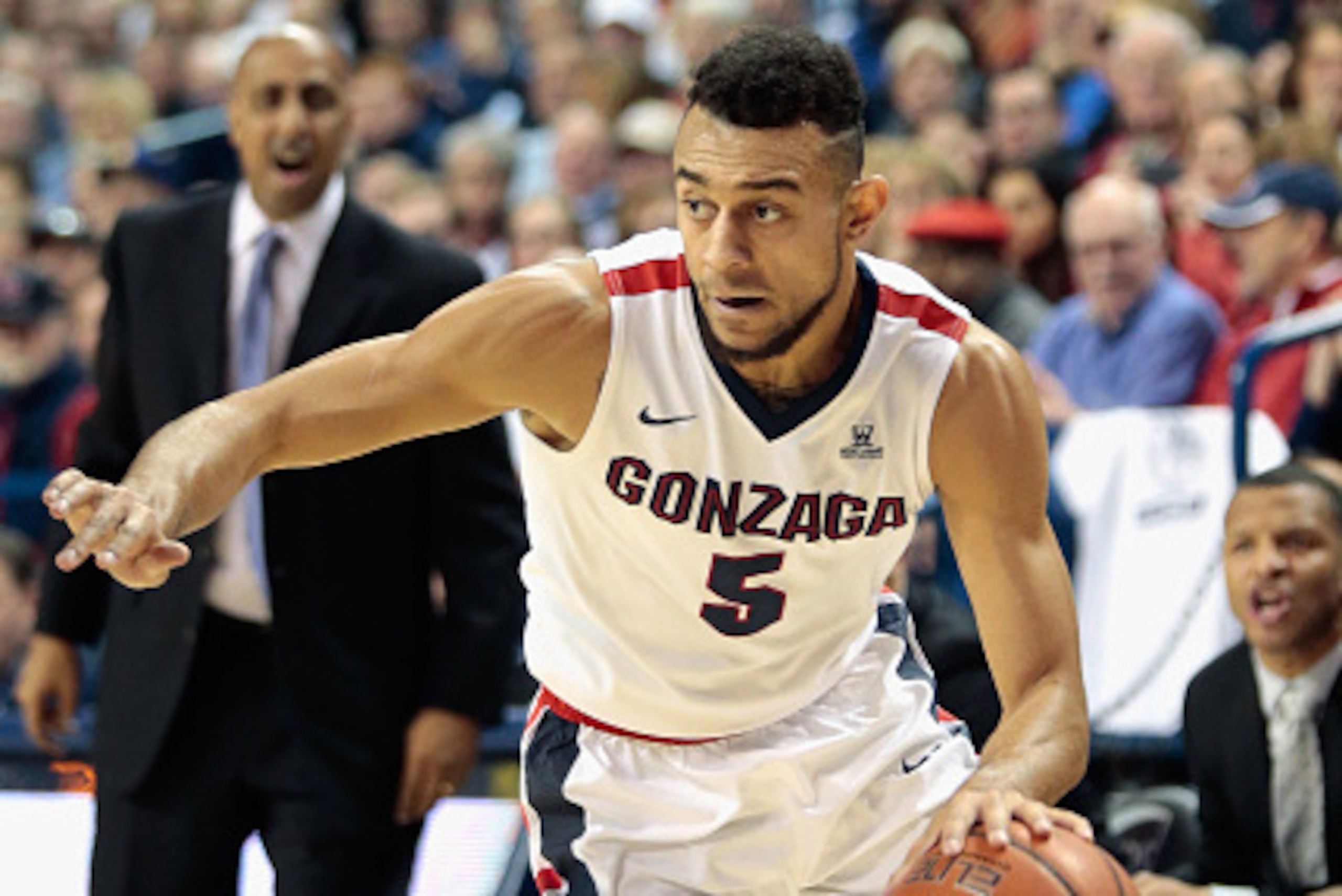
Per Game: 15.3 points, 6.1 rebounds, 4.8 assists, 1.7 steals, 49.7% FG, 42.0% 3PT
Per 40: 19.3 points, 7.7 rebounds, 6.1 assists, 2.1 steals, 0.249 win shares
Let the record show that prior to Thursday night, Nigel Williams-Goss was merely going to be an honorable mention. He has been playing well, particularly against Gonzaga's toughest opponents, but his numbers weren't that noteworthy compared to the other guys on this list.
Moreover, teammates Zach Collins, Przemek Karnowski and Killian Tillie had been more valuable than him on a per-minutes basis. He just plays significantly more minutes than any of them.
But then he went bonkers against San Francisco, finishing with 36 points (on just 15 shots, no less), 11 rebounds and six assists. It was a career high in points for Williams-Goss and one shy of his career high in rebounds. It was just the sixth time since the start of the 2010-11 season that a player went for at least 35, 10 and six—and some guy named Ben Simmons was responsible for one of the previous five.
Granted, San Francisco is far from elite on defense. Regardless of the opponent, though, that is a signature performance upon which he can build a POY campaign.
It's not like he has been padding his stats against weak teams either. In Gonzaga's five games against major-conference foes (Florida, Iowa State, Arizona, Washington and Tennessee), NWG averaged 17 points, 5.8 rebounds and 4.2 assists and shot 9-of-17 (52.9 percent) from three-point range.
As one of the two remaining unbeaten teams, Gonzaga was inevitably going to get someone into the National Player of the Year conversation. Now that Williams-Goss has established beyond doubt that this is his team, the next order of business is seeing if he can gain any more ground on the studs from major-conference programs.
12. Ethan Happ, Wisconsin Badgers
10 of 21
Per Game: 13.1 points, 9.4 rebounds, 2.9 assists, 1.6 steals, 67.7% FG
Per 40: 21.1 points, 15.1 rebounds, 4.6 assists, 2.6 steals, 1.3 blocks, 0.32 win shares
Did you know that Ethan Happ is leading the nation in win shares per 40 minutes?
Happ's per-game numbers aren't particularly noteworthy because he's only playing 24.9 minutes per contest. He's the only non-senior in the starting lineup for a team that didn't lose anyone from last season while adding D'Mitrik Trice, Andy Van Vliet and Brevin Pritzl, so he has seen his playing time decrease a bit from last year.
But he's doing more with those minutes, as his points, his rebounds and his assists per 40 minutes have gone up a combined 10 from last year.
Much has been made of Nigel Hayes' increase in unselfishness since his 10-assist game against Syracuse, but his assist rate has merely increased from 18.2 to 19.8. Happ is more like a secondary point guard in the paint, skyrocketing from a 10.5 assist rate as a freshman to 25.4 this year.
Moreover, Happ's improvement on the glass—his total rebounding percentage has gone up from 17.0 to 22.5—is a big reason Wisconsin has been so tough to beat this season. The Badgers are usually one of the better defensive rebounding teams in the country, but this year, they rank 10th on offense and fourth on defense for an average rebounding margin of plus-12.4 per game.
Happ was secretly Wisconsin's most valuable player last season. He's now one of the best players in the country.
11. Markelle Fultz, Washington Huskies
11 of 21
Per Game: 22.3 points, 6.5 assists, 6.1 rebounds, 1.6 steals, 1.4 blocks, 49.6% FG, 43.3% 3PT
Per 40: 26.1 points, 7.6 assists, 7.1 rebounds, 1.9 steals, 1.6 blocks, 0.213 win shares
When one plays for a team with no hope of reaching the NCAA tournament, one also has no hope of winning the Wooden Award. Thus, with Washington boasting an 0-7 record vs. KenPom Top 190 teams, I refuse to put Markelle Fultz in the top 10.
But the dude is putting up historically great numbers and has already virtually locked up a spot in the top three of the 2017 NBA draft, so he won't go any lower than this.
In the past 23 years, only eight players have appeared in at least 20 games in a season while averaging at least 20 points, five assists and five rebounds—though A.J. English and Nate Wolters each did it twice. All of those players were either juniors or seniors at the time. Evan Turner was the only one to do so at a major-conference program (Ohio State).
Yet, as a freshman, Fultz is at least 10 percent better than the minimum requirement in each of those categories. Factor in his defense and his shooting, and he might be the most impactful all-around college basketball player of the three-point era.
Unfortunately, Fultz plays for a team that is an outright disaster on defense, routinely wasting all of his contributions by not bothering to get back in transition or pressure the perimeter.
If you think we're putting too much emphasis on (lack of) team success, keep in mind that No. 1 pick Ben Simmons wasn't even one of the 10 finalists for the Wooden Award while playing on an LSU team that won 19 games last year.
10. Malik Monk, Kentucky Wildcats
12 of 21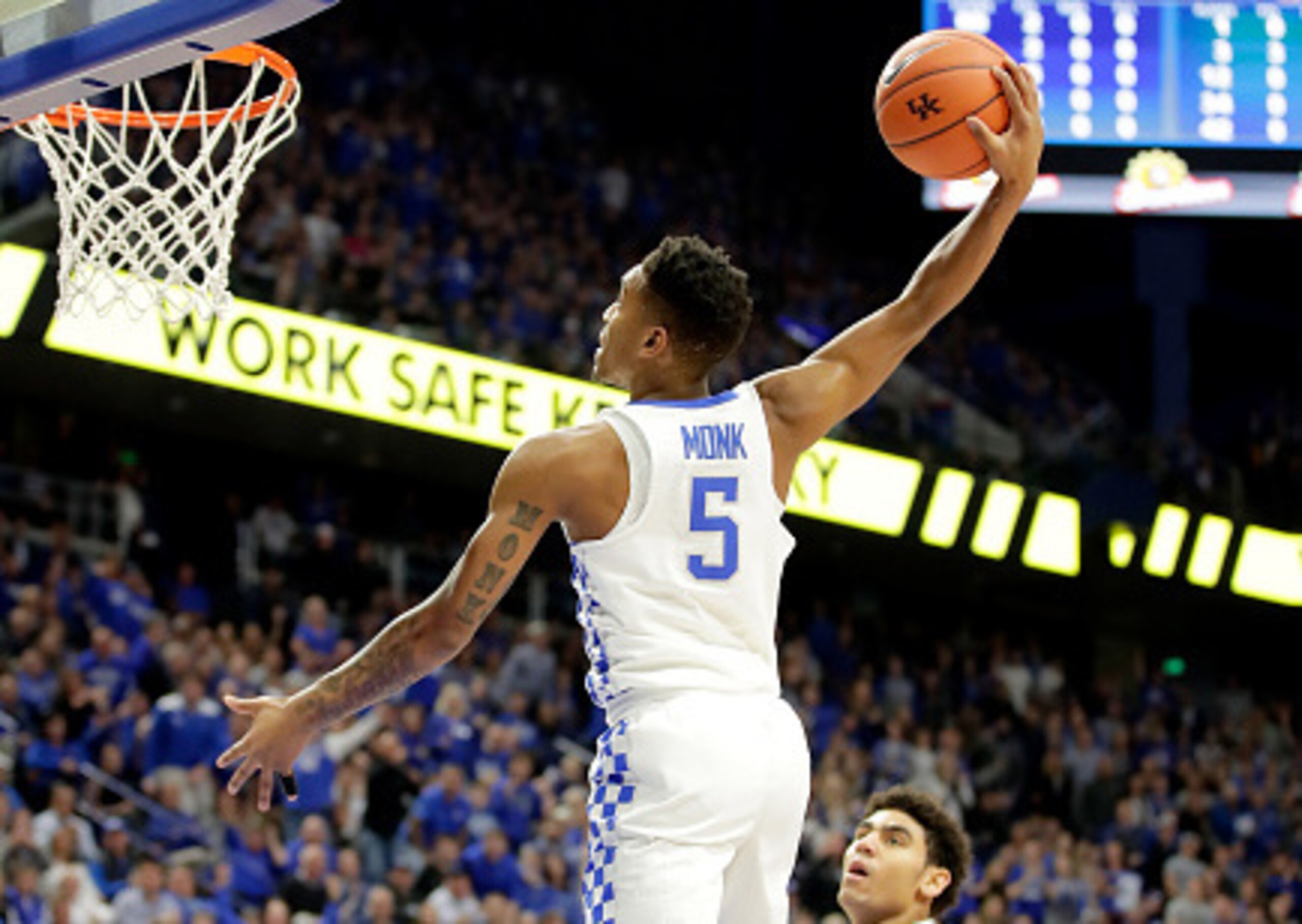
Per Game: 22.6 points, 2.6 rebounds, 2.0 assists, 1.2 steals, 51.6% FG, 43.4% 3PT
Per 40: 31.2 points, 3.5 rebounds, 2.8 assists, 1.7 steals, 0.265 win shares
According to Sports-Reference.com, only three freshmen at major-conference programs in the past 23 years have averaged at least 22 points per game: Carmelo Anthony, Kevin Durant and Michael Beasley.
Despite a slow start to the season, Malik Monk is well on his way to joining that elite club. Over his last four outings—which includes the 47-point masterpiece against North Carolina—Monk is averaging 30.8 points per game.
As with all volume scorers, there have been some duds along the way. Monk was 1-of-9 from three-point range in the loss to Louisville and didn't play enough minutes to get cooking in blowout wins over Stephen F. Austin, Valparaiso and Duquesne. But when he's feeling it, no one gets hotter. He has made at least four triples in half of Kentucky's games.
"We usually run a play for me on the first play of the game, and if I make it, I'm gonna be on," Monk told John Schriffen of CBS Sports after the win over North Carolina.
The issue keeping Monk from climbing any higher is that scoring is all he does. Granted, he's great at it, but for example, Luke Kennard averages more rebounds per game (5.9) than Monk averages rebounds and assists and steals per game combined (5.8).
Monk doesn't need to average a double-double, but it's hard to be regarded as the best player in the country when a cold shooting night means you're making virtually no impact.
9. Dedric Lawson, Memphis Tigers
13 of 21
Per Game: 20.2 points, 11.1 rebounds, 4.0 assists, 2.6 blocks, 1.3 steals, 49.1% FG
Per 40: 23.6 points, 13.0 rebounds, 4.7 assists, 3.0 blocks, 1.5 steals, 0.26 win shares
It's impossible to reduce a player's total impact on the game to one number, but that didn't stop me from trying. I came up with a stat called PRABS, which is the summation of a player's points, rebounds, assists, blocks and steals per 40 minutes. Each of the 30 players on this list has a PRABS of at least 31, with the top 20 averaging 40.04.
Only the ones who really stuff the stat sheet are able to eclipse 44, though. Markelle Fultz, for instance, is a nightly triple-double threat with a PRABS of 44.3. Caleb Swanigan is well on his way to setting the modern record for games in a season with at least 20 points and 20 rebounds, and he is leading the nation in double-doubles, giving him a PRABS of 44.7.
But Dedric Lawson takes the cake at 45.8.
Memphis' do-it-all center has been filling up box scores like a man possessed. He has at least 14 points and six rebounds in every game but one—a loss to Ole Miss in which he was barely able to play because of foul trouble. The big man also has multiple assists in 14 of 15 games, has blocked at least one shot in every game and has a combined four or more blocks and steals in seven of 15 games.
How's this for wild? Lawson had 15 points, 11 rebounds, six assists, three steals and a block in Thursday night's win over Connecticut, and his PRABS went down more than four-tenths of a point. It was just the fifth time this season a player recorded at least that many points, rebounds, assists and steals in the same game, yet it was a below-average performance for him.
And while Fultz is putting up ridiculous numbers on a team that can barely buy a win, Memphis is surprisingly legit. The Tigers lost Josh Pastner as their head coach and all five of last year's leading scorers except for Lawson, and they're 11-4 with wins over South Carolina, Oklahoma, Iowa and Connecticut.
That isn't to say they're going to vie for a national championship, but the Tigers are a better team than anyone expected. Thank Lawson for that.
8. Johnathan Motley, Baylor Bears
14 of 21
Per Game: 16.0 points, 9.3 rebounds, 2.1 assists, 52.9% FG
Per 40: 22.0 points, 12.8 rebounds, 2.9 assists, 1.3 blocks, 0.236 win shares
Manu Lecomte has been great as Baylor's lead guard. Jo Lual-Acuil is a shot-blocking stud at center. And Ishmail Wainright has been one of the best X-factors in the nation, making a huge impact while averaging just 8.5 points per 40 minutes.
But the biggest reason Baylor is about to be the No. 1 team in the country (if it can win at home against Oklahoma State this Saturday) is the play of Johnathan Motley.
By most of the advanced metrics, Motley was already Baylor's most valuable player last season. Player efficiency rating (24.5) and box plus/minus (8.6) both regarded him as the top Bear. He finished third in O-rating and just a hair behind the team leader in win shares per 40 minutes. But with Rico Gathers and Taurean Prince blocking his path to the court, he only averaged 20.9 minutes per game.
Without those departed seniors, Motley is now the go-to guy for the undefeated Bears, which bodes well in an undersized conference. He's already averaging 16 points, 12.5 rebounds and two blocks in two Big 12 games, and it's tough to see anyone in this conference slowing him down. That's why he was No. 3 in our preseason ranking of the Big 12's POY candidates.
He still hasn't had a signature performance, though. Motley has only topped 20 points in a game once this season, and there were long stretches of that 26-point game against Michigan State in which it felt like he could go for 50. He's already the best player on arguably the top team in the country, but it feels like he has more to give.
7. Jock Landale, Saint Mary's Gaels
15 of 21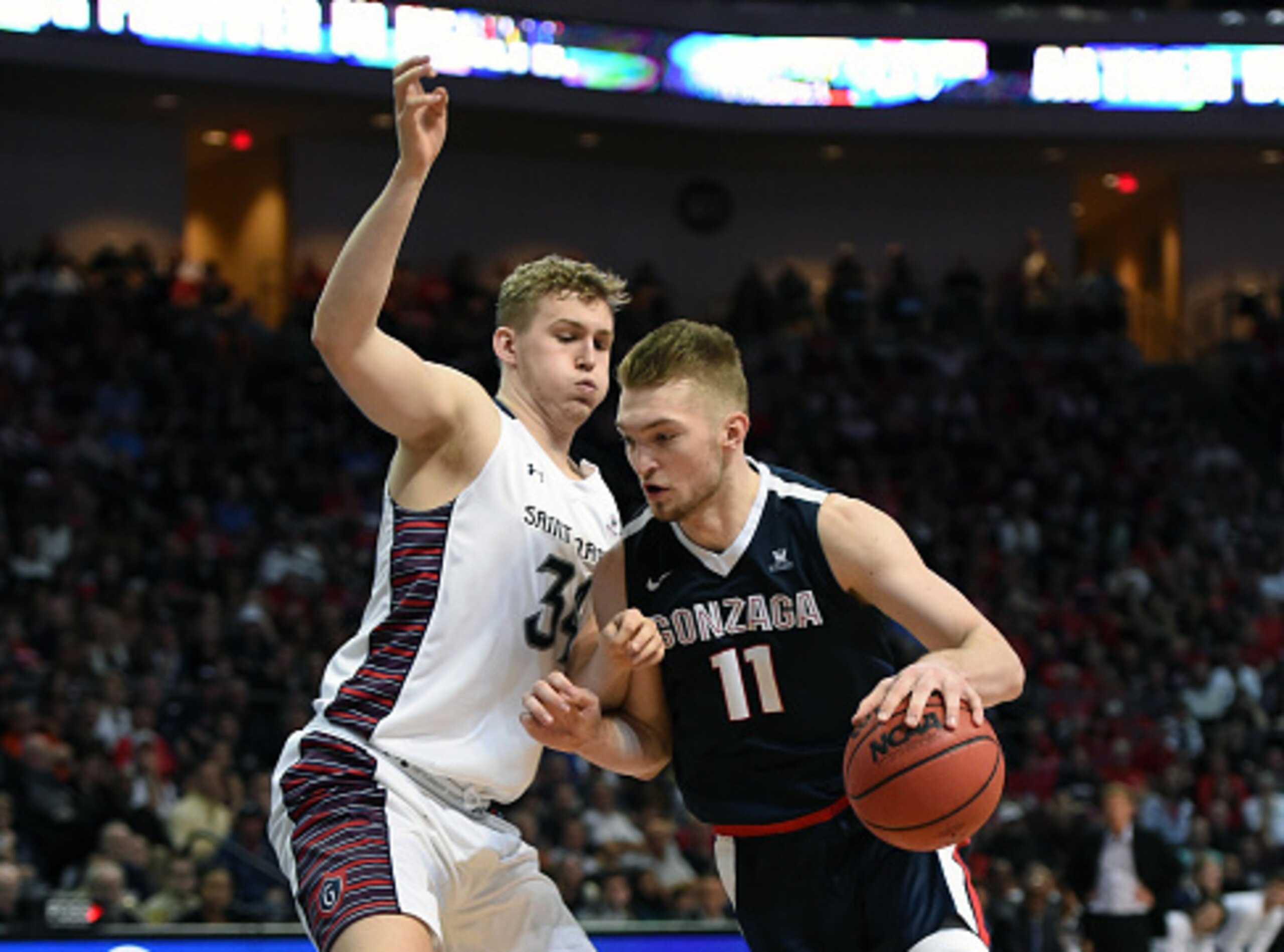
Per Game: 18.2 points, 9.6 rebounds, 2.1 assists, 1.0 blocks, 65.6% FG
Per 40: 25.9 points, 13.6 rebounds, 2.9 assists, 1.4 blocks, 0.322 win shares
Saint Mary's winning a ton of games is no surprise. The Gaels went 29-6 last year, brought back everyone of note from that team and opened this season ranked No. 17 in the AP Top 25. In September, I thought Saint Mary's would be one of the last remaining unbeatens, getting all the way to next weekend's road game against Gonzaga before suffering its first loss.
What is a surprise, though, is how much of an unstoppable force Jock Landale has become.
The junior from Australia—does Saint Mary's recruit from anywhere else in the world?—was an efficient weapon last season, but he played sparingly behind Dane Pineau and Evan Fitzner. In the Gaels' three games in the 2016 WCC tournament, Landale logged a total of 18 minutes, six points and one rebound. As such, no one had him pegged as an impact player for this season, let alone a starter.
But he bypassed Pineau to become the primary 5, dropped 33 on Nevada in the season opener and never looked back. Landale has scored at least 13 points in every game this season and earned eight KenPom MVPs through the team's first 14 games—including Thursday night's win over BYU, in which Landale had 26 points, nine rebounds and six assists.
However, in order to truly emerge in the Wooden Award conversation, he's going to need to have a huge game in an upset of Gonzaga. Having big performances against the likes of Cameron Oliver, Eric Mika and Dayton's frontcourt might be noteworthy for the CBB junkies, but Joe Casual Fan doesn't much care what you do at Saint Mary's until you do it against the Zags. Thus, tune in next Saturday to find out whether Landale will be worthy of any further POY promotion.
6. De'Aaron Fox, Kentucky Wildcats
16 of 21
Per Game: 15.6 points, 6.8 assists, 5.0 rebounds, 1.9 steals, 43.7% FG
Per 40: 20.7 points, 9.0 assists, 6.6 rebounds, 2.5 steals, 0.217 win shares
Over the last six seasons, Kentucky had played at an average-to-below-average pace. Additionally, the Wildcats didn't force many turnovers, with the exception of their 38-1 season in 2014-15.
But with De'Aaron Fox running the show, this team is going faster and forcing more turnovers than usual.
The Wildcats rank ninth in the nation in adjusted tempo and even have a higher adjusted offensive efficiency than any other John Calipari-coached team in the KenPom era. Think back on some of the point guards Coach Cal has had over the past 15 years, and that's a little ridiculous. As a result, Kentucky is averaging 94 points per game and has been held under 87 in just two of its 14 games.
Though he isn't much of a shooter (49.7% 2PT, 13.8% 3PT, 71.3% FT), Fox ranks second on the team in points per game. More important, though, are the points he helps put on the board. Thanks to a triple-double and three other games with at least 10 dimes, he is averaging nearly seven assists per game and 3.1 turnovers per 40 minutes.
He also has 26 steals against 34 turnovers, which might be his most important contribution to this team. Kentucky struggles on the defensive glass and doesn't have quite the interior defensive presence it usually has, but Fox's relentless pressure on the perimeter has the Wildcats in their usual spot as one of the best defenses in the nation.
Malik Monk is the star of the show and the Wildcat probably more likely to win National Player of the Year; he's putting up more than 31 points per 40 minutes. However, Fox has been the real MVP in Lexington to this point in the season.
5. Lonzo Ball, UCLA Bruins
17 of 21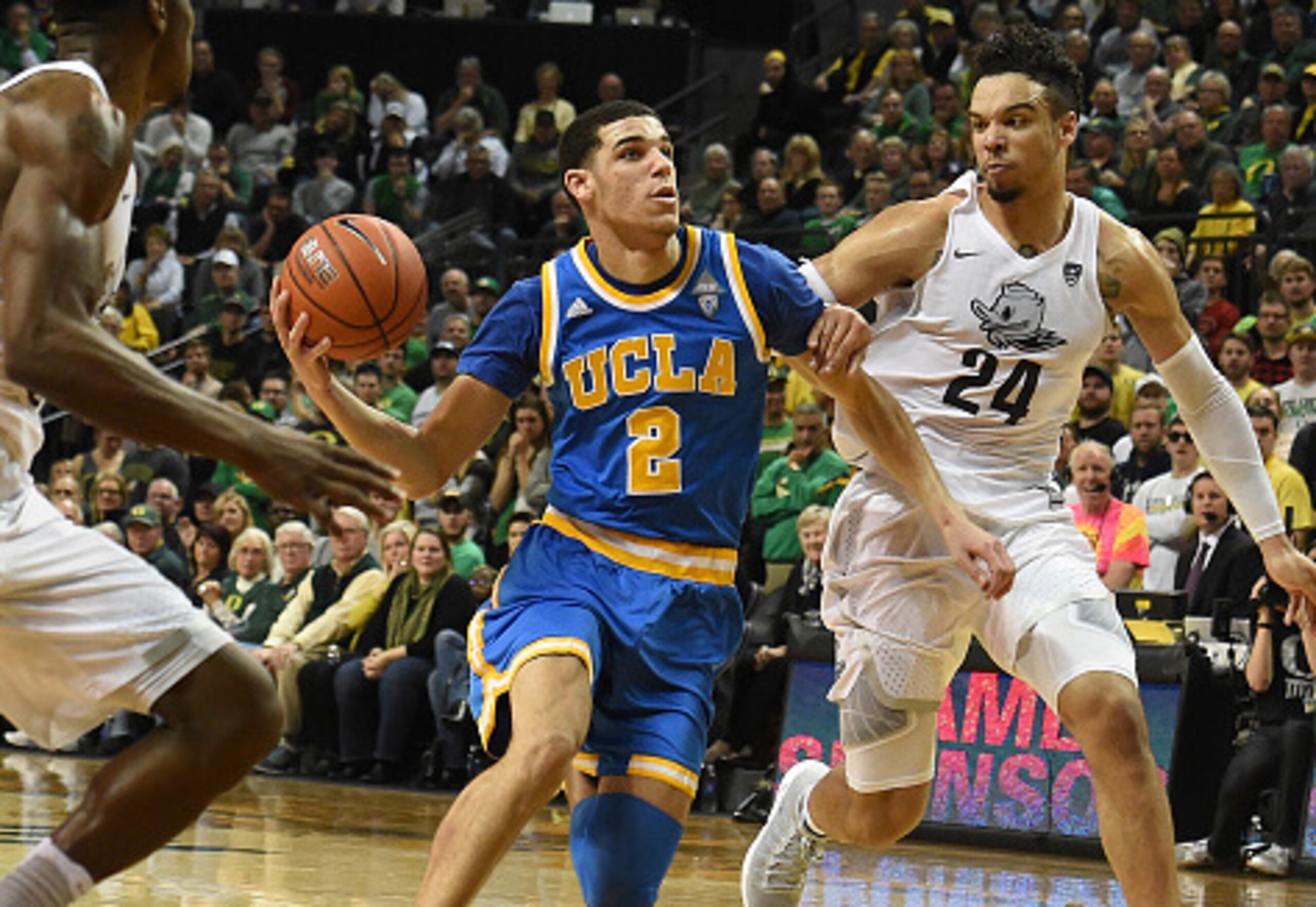
Per Game: 14.3 points, 8.0 assists, 5.6 rebounds, 1.5 steals, 1.0 blocks, 51.6% FG, 41.1% 3PT
Per 40: 16.2 points, 9.1 assists, 6.4 rebounds, 1.7 steals, 1.1 blocks, 0.224 win shares
With 15 games remaining until the start of the Pac-12 tournament, UCLA already has as many wins as it had in the entire 2015-16 season. Yes, TJ Leaf has been more than a little bit involved in that turnaround, but Lonzo Ball is the face of this Bruins team and has been the most fun-to-watch player in the entire country.
Whether he's casually draining 28-footers to beat the halftime buzzer, juking defenders out of their shoes, throwing down alley-oop dunks or setting up teammates for dunks of their own, Ball seems to have three or four highlight-reel plays every game.
While running one of the fastest-paced offenses in the nation, Ball is averaging nearly 3.5 assists per turnover and has committed a grand total of 10 in his last six games. His Jason Kidd-like court vision is every bit as impeccable as advertised. He seems to be seeing the game better than anyone else—playing point guard like a chess master who knows your next three moves before you do.
Moreover, Ball has taken over games when necessary. He's more than content to rack up assists, but he'll also flip a switch and drain three three-pointers in the span of four possessions, like he did against Oregon last week.
At this point, the big question is whether he'll finally get a triple-double and if it'll come against one of the Pac-12's better teams. UCLA hosts Arizona in two weekends in a rivalry game that should help determine who wins the conference. That would be one heck of a time for Ball to have his Wooden-worthy performance.
4. Luke Kennard, Duke
18 of 21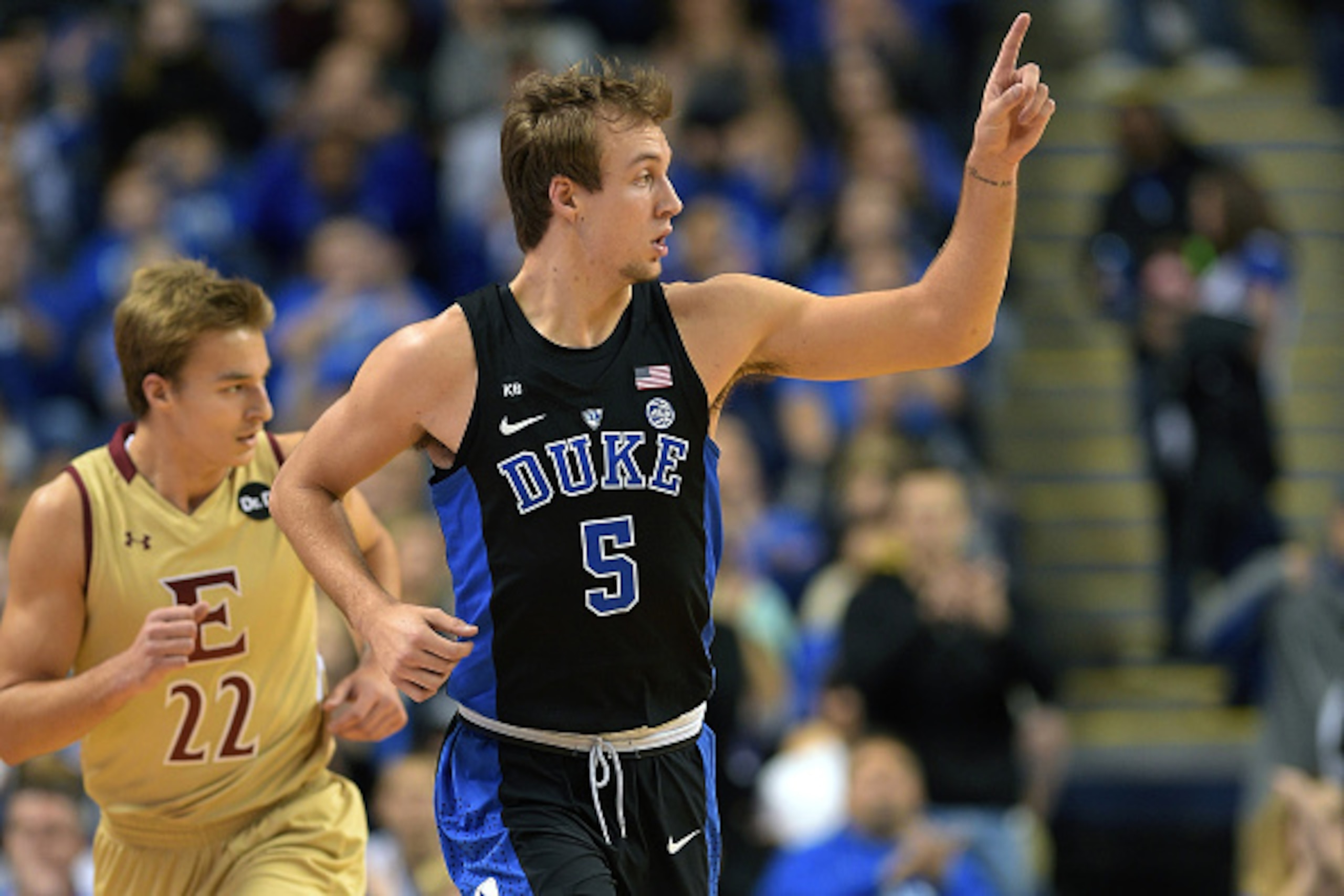
Per Game: 21.0 points, 5.9 rebounds, 2.5 assists, 1.0 steals, 53.7% FG, 45.3% 3PT
Per 40: 23.8 points, 6.7 rebounds, 2.9 assists, 1.1 steals, 0.297 win shares
Duke isn't nearly the juggernaut we thought it would be, but if there's one person who isn't to blame for that, it's Luke Kennard.
Save for a three-game cold spell in late November—in which he still averaged better than 16 points per game—Kennard has made at least 40 percent of his three-point attempts in every contest. Since the beginning of December, he's shooting 56.1 percent from beyond the arc and has scored 25 points per game.
Not too shabby for a guy we didn't think would be a starter before all the freshmen forwards got injured.
The wild thing is that for as much as he has been scoring—at least 11 points in every game and at least 20 in eight out of 15 games—he hasn't been close to a ball hog.
It was hardly uncommon to see AP Big 12 Player of the Year Buddy Hield attempt at least 20 shots in a game last season. He did so on 10 occasions. But Kennard has yet to hit that plateau, even though he's a more efficient scorer (1.57 points per field-goal attempt) than Hield was (1.54).
Granted, when Jayson Tatum, Grayson Allen and Harry Giles are on the floor, there aren't as many shots to go around. But Kennard's willingness to embrace a secondary role—he had 16 points on just seven shots Wednesday night against Georgia Tech—might be his most important attribute on a roster full of alpha dogs.
We'll see how the rotation and ball distribution balance out now that everyone is healthy, but there's no question Kennard has been Duke's most valuable player through the first half of the season.
3. Frank Mason III, Kansas Jayhawks
19 of 21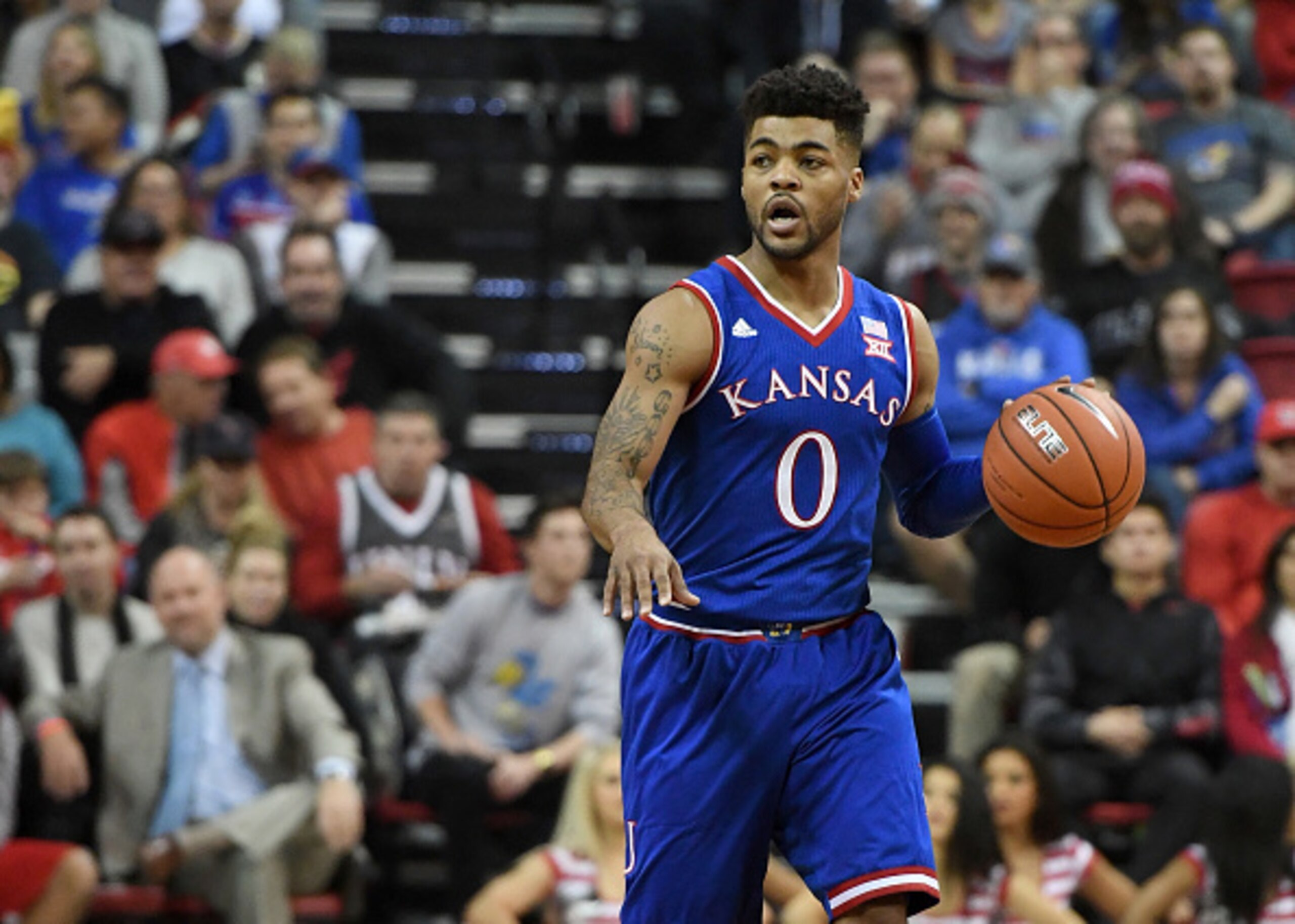
Per Game: 19.5 points, 5.8 assists, 4.4 rebounds, 1.3 steals, 52.9% FG, 50.8% 3PT
Per 40: 22.5 points, 6.7 assists, 5.1 rebounds, 1.5 steals, 0.255 win shares
You can try to make a case for guys like Lonzo Ball, De'Aaron Fox and Jawun Evans, but there is not a better lead guard in the country than Frank Mason III.
In years past, Mason was the type of guy you needed to watch to appreciate. His numbers were solid, but they were hardly eye-popping.
This year, though, the stats speak for themselves. He is lights-out from three-point range, is racking up assists in bunches and has shown more of a willingness to call his own number, particularly in crunch-time situations.
"Get out of [Mason's] way, and he'll shoot it," Kansas head coach Bill Self said after the win over Duke in the Champions Classic, according to Rob Dauster of NBC Sports. "He's made a lot of big plays for us. He's a stud."
The Jayhawks haven't been involved in many close games this season, but Mason has been the guy they turn to when necessary. In the season opener against Indiana, he scored their final 11 points in regulation. In the key win over Duke, he either scored or assisted on each of their final six field goals. And in Tuesday's nail-biter against Kansas State, Svi Mykhailiuk's "walk-off" winner was the only bucket in the final eight minutes Mason didn't have a part in.
A couple more months of carrying this team on his back and the 5'11" senior might win the Wooden Award and find a spot on an NBA roster.
2. Caleb Swanigan, Purdue Boilermakers
20 of 21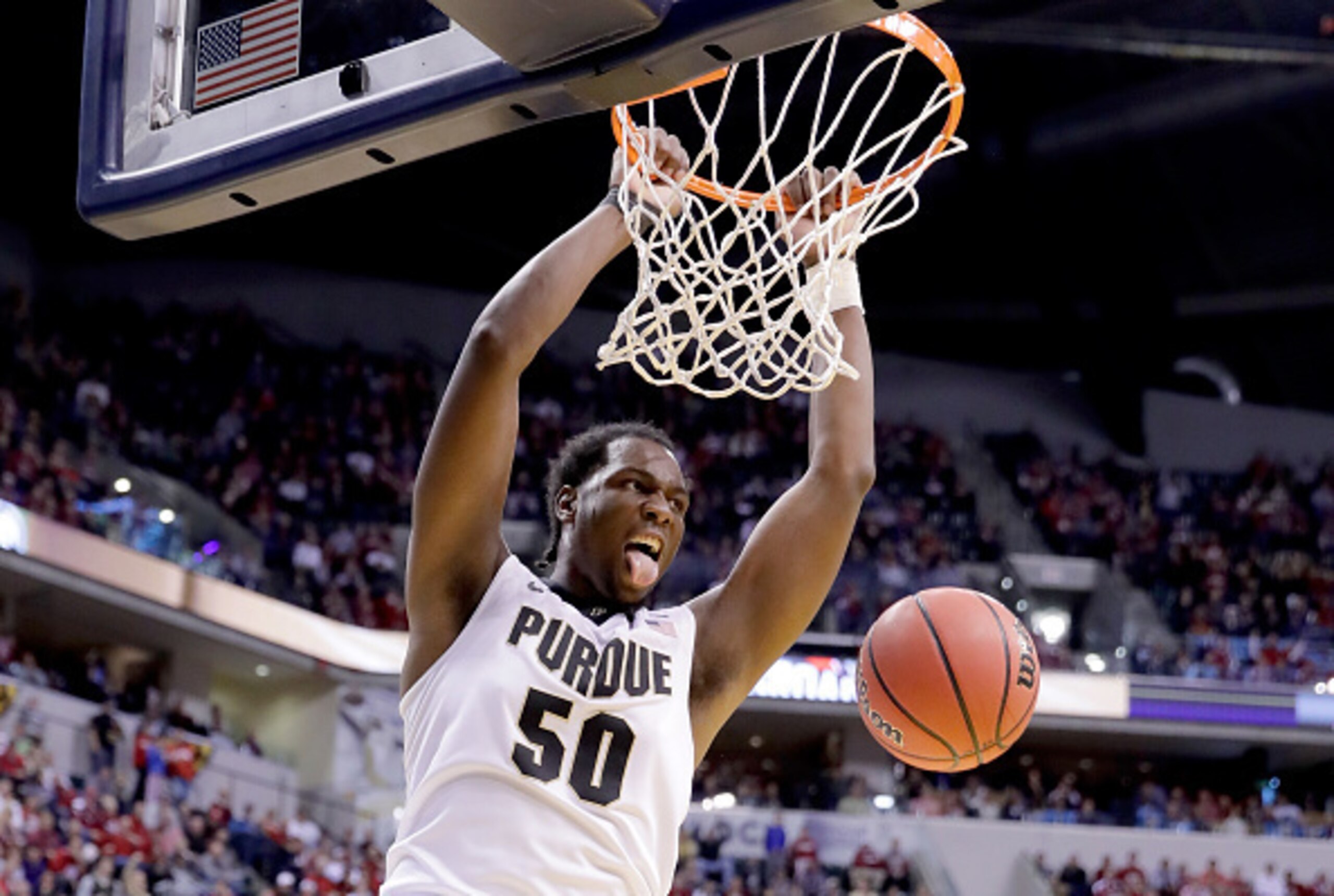
Per Game: 18.3 points, 12.9 rebounds, 2.8 assists, 54.6% FG, 40.0% 3PT
Per 40: 23.5 points, 16.5 rebounds, 3.5 assists, 1.0 blocks, 0.261 win shares
Guard play is all the rage in basketball these days. Russell Westbrook and James Harden are in the NBA headlines seemingly every night for yet another silly triple-double. And at our preferred level of the sport, guys like Lonzo Ball, De'Aaron Fox, Markelle Fultz and Dennis Smith Jr. are getting tons of attention for near triple-doubles of their own.
But Caleb Swanigan is single-handedly keeping the big man from going extinct, racking up double-doubles at a Michael Beasley-like rate.
"Biggie" had 16 points and 11 rebounds in Thursday night's win over Ohio State. It was his seventh consecutive double-double and his 13th in 16 games this season. Over his last six games, he's averaging 22.3 points and 15.7 rebounds.
Swanigan only has four games with more than 13 rebounds, but he has put up at least 20 points and 20 rebounds in each of those. As noted earlier this week, a player has gone for at least 20 and 20 in just seven games this season, and Swanigan is responsible for more than half of those.
And as Matt Norlander of CBS Sports wrote Thursday night, "The most 20-20 games in a season since 1994 is six by Santa Clara's John Bryant in 2008-09."
In addition Swanigan's plethora of double-doubles, his shooting percentages have improved from last season, as have his assist and block rates. He's still committing an alarming number of turnovers for a big man (four per 40 minutes), but that's the only nit one could pick with how he has played in the first two months.
1. Josh Hart, Villanova Wildcats
21 of 21
Per Game: 19.8 points, 6.9 rebounds, 3.5 assists, 1.3 steals, 54.5% FG, 39.2% 3PT
Per 40: 23.7 points, 8.2 rebounds, 4.1 assists, 1.5 steals, 0.318 win shares
Despite Josh Hart's disappointing showing in Wednesday night's loss to Butler—where "disappointing" still means 13 points, eight rebounds and three assists—he remains the early runaway favorite for National Player of the Year.
If anything, the fact Villanova scored a season-low 58 points and suffered its first loss in Hart's most challenging game of the year only further cemented his status as the most valuable player in the country. And his last game felt so foreign because he had been Mr. Everything for the Wildcats for the first 14 games of the season.
Prior to the Butler matchup, Villanova had played four games against "Tier A" opponents, according to KenPom. In those contests, Hart averaged 27.3 points while shooting 61.1 percent from three-point range. He was critical on the other end of the floor as well, averaging 5.8 defensive rebounds and 2.5 steals.
Finding another gear against quality opponents is what Wooden Award candidates should do. Season averages are nice to look at, but Denzel Valentine's triple-double against Kansas and Buddy Hield's 46-point game against it propelled those two to the top of last year's debate.
Hart's magnum opus came against Notre Dame in a mid-December battle of unbeatens. The Fighting Irish pushed all the right buttons to pull off the upset, only to have Hart reel off 16 of his career-high 37 points in the span of less than seven minutes. He took that game over, willing the team to victory and vaulting to the head of the class in this debate, where he has resided for nearly a month.
Stats courtesy of KenPom.com and Sports-Reference.com and current heading into Friday's games. Recruiting information is courtesy of Scout.
Kerry Miller covers college basketball for Bleacher Report. You can follow him on Twitter @kerrancejames.
.jpg?w=2560 "Buccaneers Lions Football")
.png?w=2560 "Nuggets to Sign DeMar 🚨")
.jpg?w=2560 "Grading SmackDown 🔠")