

Ranking the Nation's Top 20 Point Guards for 2014-15 NCAA Basketball Season
It's time get acclimated with the best players in college basketball. For the second straight year, I will be ranking the top 20 players at each position as well as the top 100 players in college basketball.
This is a process that I take great pride in. It's not just who scored the most points or who's the best NBA prospect. I spent the summer months watching film on every candidate, studying their advanced numbers, the systems they play in and what kind of opportunity each guy has this upcoming season.
At point guard more so than any position in college basketball, experience matters (UConn fans nod knowingly). Seven out of the last eight national champs have had an upperclassman running the show. The Kentucky Wildcats were the lone exception (aren't they always?).
Looking at this list, age bias has definitely influenced me. Not one freshman made the top 20. Eleven of the first 12 point guards are upperclassmen.
Let's take a look at the top floor generals for the 2014-15 season.
Just missed the cut: Daniel Mullings, New Mexico State; Siyani Chambers, Harvard; Quinn Cook, Duke; Derrick Marks, Boise State; Kenny Chery, Baylor; Derrick Walton, Michigan; Charles Mann, Georgia; Tyler Ulis, Kentucky; Tyus Jones, Duke; James Robinson, Pittsburgh; Shannon Scott, Ohio State; Monte Morris, Iowa State; Matt Carlino, Marquette; Josh Gray, LSU; Ryan Harrow, Georgia State; Askia Booker, Colorado; Angel Rodriguez, Miami; Olivier Hanlan, Boston College
This is the first installment in B/R's positional-ranking series in the lead-up to the 2014-15 season. Check back next week for our rankings of shooting guards, small forwards and power forwards. The centers will come the following week, and the series will culminate on November 12 with our ranking of the top 100 players in college basketball.
20. Isaiah Taylor, Texas
1 of 20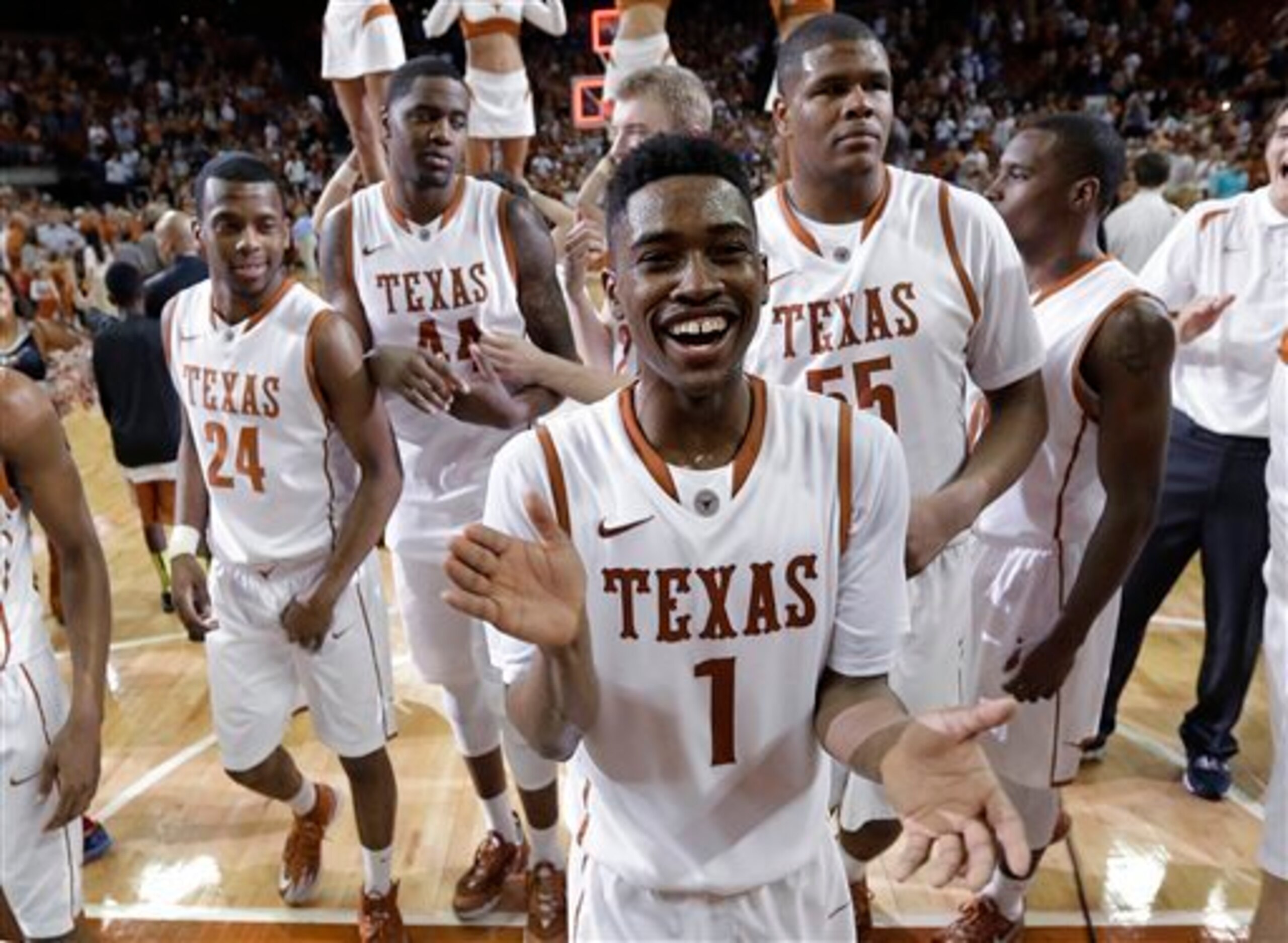
Class: Sophomore
2013-14 Stats: 12.7 PPG, 4.0 APG, 3.3 RPG, 1.1 SPG
Like his team, Isaiah Taylor sort of came out of nowhere last season. Taylor was an unranked recruit coming out of high school, and not a lot was expected of the Longhorns last year.
Taylor proved to be one of the best freshman guards in the country thanks to his speed with the basketball. Unlike Myck Kabongo, UT's previous blur of a point guard, Taylor did a good job of taking care of the ball and running the team.
With Taylor running the show combined with a huge and talented front line, the Longhorns are considered a legitimate threat to end KU's run of 10 straight Big 12 titles.
19. Briante Weber, VCU
2 of 20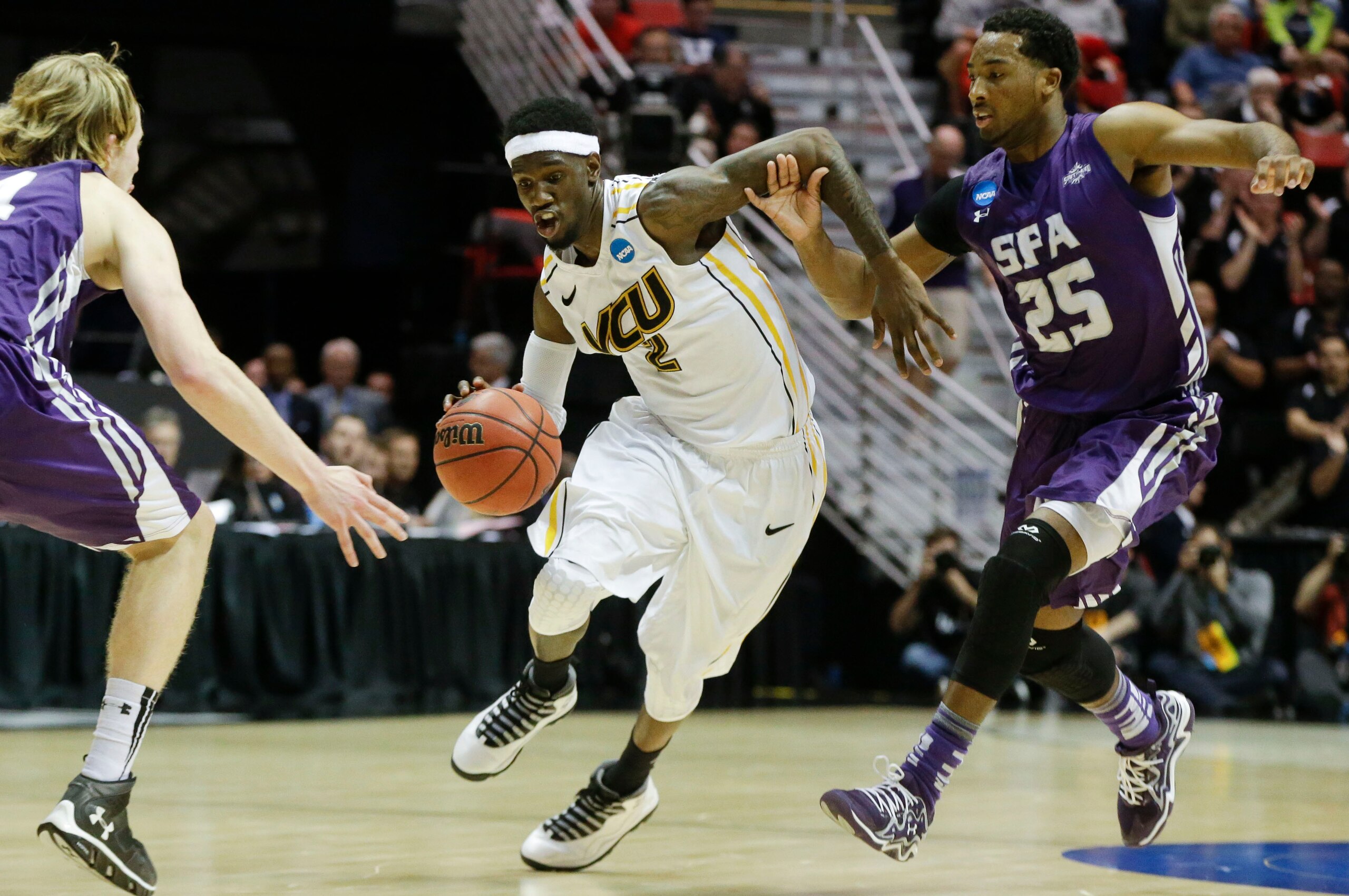
Class: Senior
2013-14 Stats: 9.4 PPG, 3.9 APG, 4.1 RPG, 3.5 SPG
What a weapon Briante Weber has been in VCU's Havoc system. Weber has led the country in steals rate each of the last three seasons, per kenpom.com (subscription required), and he's a good bet to do it again.
Weber is like a guy you know is going to go out and get you 20 points every night. You know going into each game that he's likely to steal the Rams several possessions.
Offensively, he's a solid point guard, and his speed makes him tough to defend off the dribble.
18. Traevon Jackson, Wisconsin
3 of 20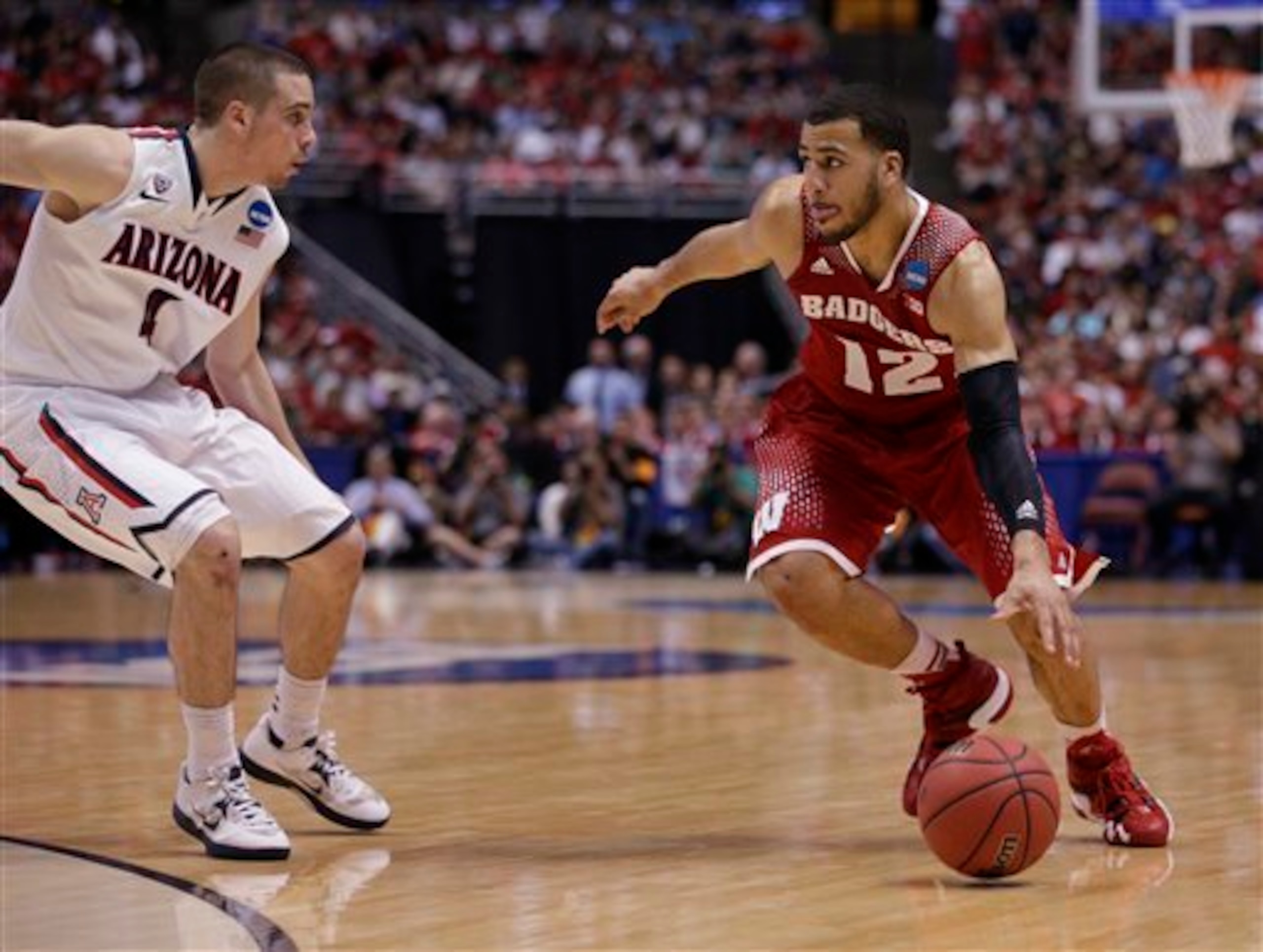
Class: Senior
2013-14 Stats: 10.7 PPG, 4.0 APG, 3.8 RPG
Traevon Jackson is a trusty old veteran after starting at point guard for the last two years for Wisconsin. He knows how to run Bo Ryan's system and has a great feel for the game and how to control pace.
Jackson is also a reliable shooter—38.2 percent from three last season—and he has the ability to create off the dribble late in the clock if Wisconsin's offense breaks down. He's not a star by any measure, but you know what you're going to get from him.
17. Nigel Williams-Goss, Washington
4 of 20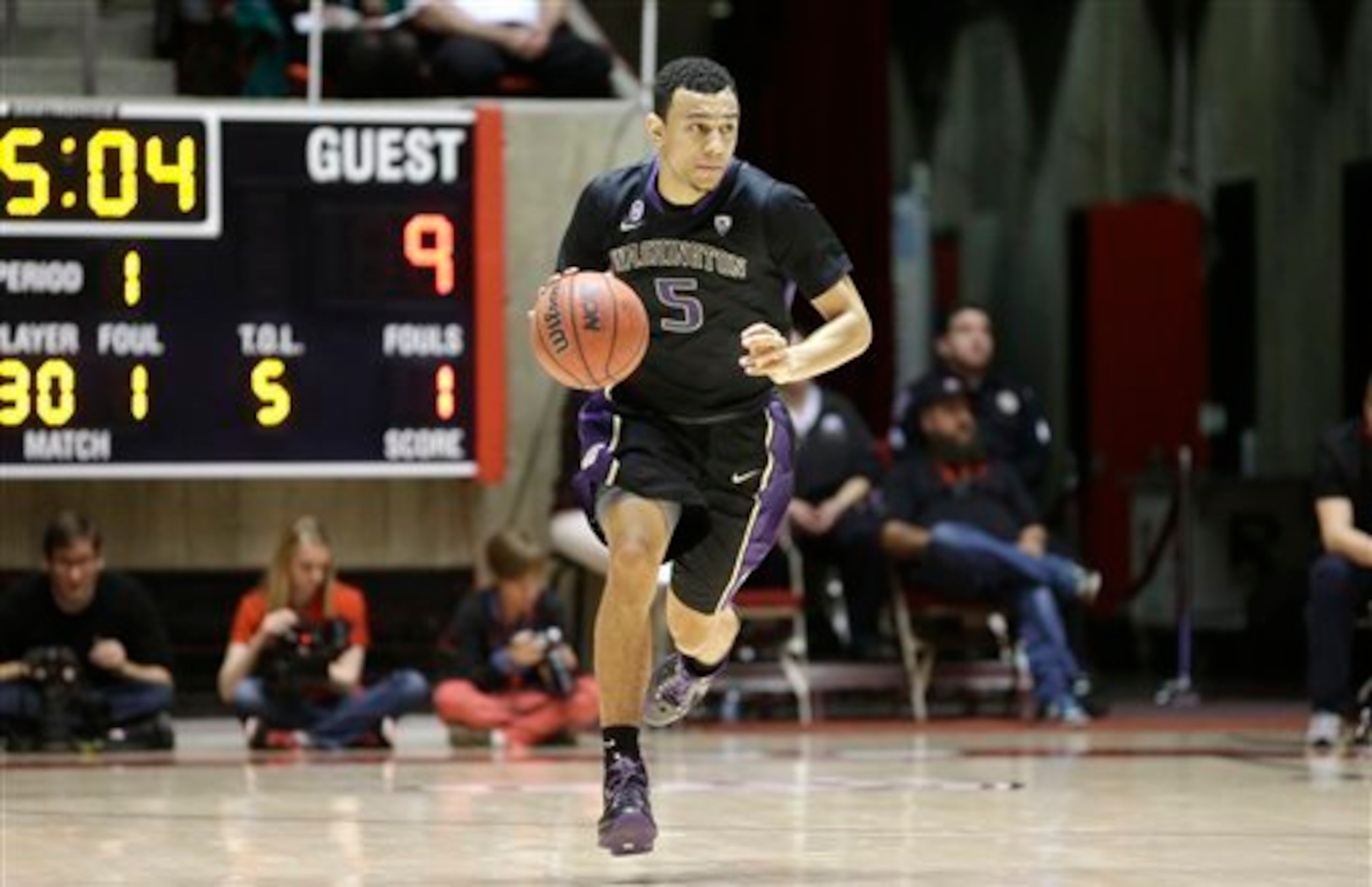
Class: Sophomore
2013-14 Stats: 13.4 PPG, 4.4 APG, 4.4 RPG, 1.1 SPG
Nigel Williams-Goss doesn't have a lot of talent around him this season, but he has the type of ability to play Washington into relevancy.
At 6'3", the Huskies use Williams-Goss in a variety of ways, including utilizing his size (6'3") to post up smaller guards. When Williams-Goss is attacking with the ball in his hands, he's similar to former Syracuse guard Tyler Ennis. Both play with good pace but never appear to be in a hurry.
Ennis ended up getting drafted in the first round this past season, partly because he played for a winner and was around good talent. Williams-Goss doesn't have that luxury. He'll need to have a monster season to get Washington back to the tournament for the first time since 2011. Either way, the scouts will likely be watching.
16. Andre Hollins, Minnesota
5 of 20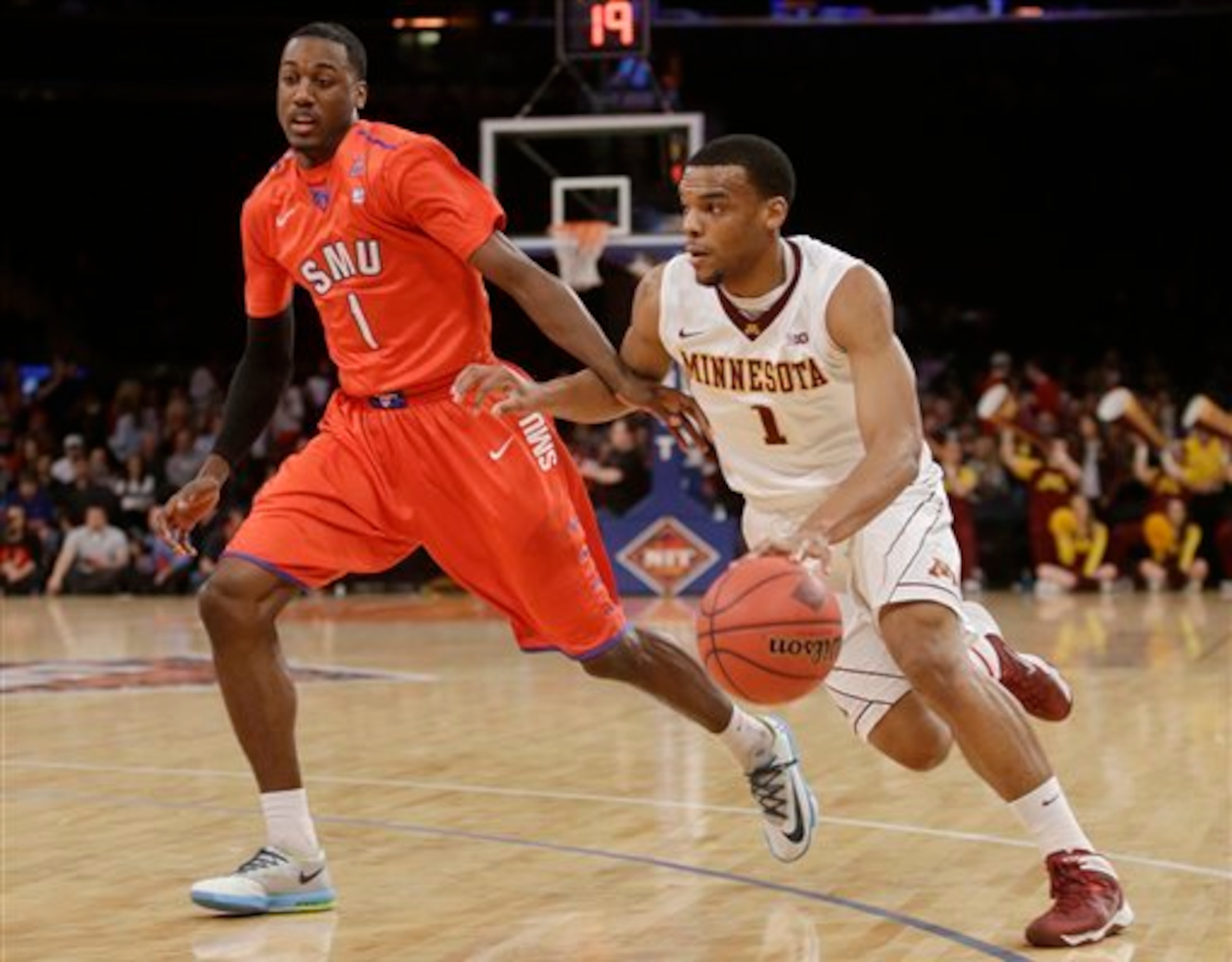
Class: Senior
2013-14 Stats: 13.6 PPG, 3.5 RPG, 2.4 APG
Andre Hollins is one of the best scoring point guards in the country, and he's been able to concentrate on scoring playing alongside fellow point guard Deandre Mathieu.
The value of Hollins was obvious last season for the Gophers. Hollins averaged 16.2 points per game in Minnesota's first 19 contests of which they won 14. He injured his ankle against Wisconsin, missed two games and averaged 11.3 points with the injury that assistant coach Dan McHale told the Minneapolis Star Tribune he had "no business playing" on.
After the Wisconsin game, the Gophers lost eight of their next 13 before their NIT championship run. With a healthy Hollins, they'll have a good shot to get back to the NCAA tournament.
15. Jarvis Summers, Ole Miss
6 of 20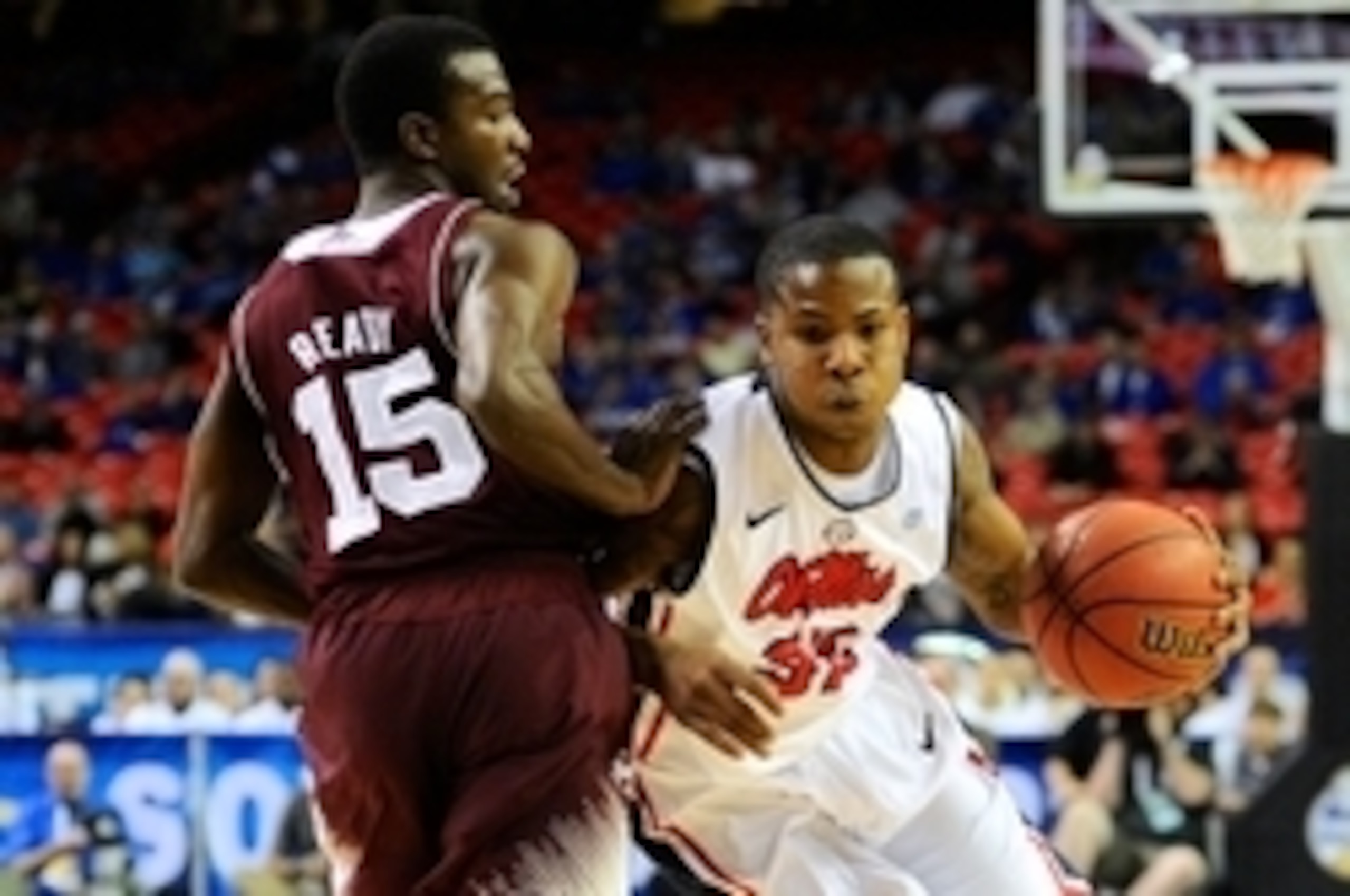
Class: Senior
2013-14 Stats: 17.3 PPG, 3.8 APG, 2.4 RPG
Jarvis Summers played in the shadow of Marshall Henderson mania, but Summers was the real star for Ole Miss.
When you study what Summers was able to do offensively, he put up numbers that rivaled another point guard who got quite a bit of love last season: Shabazz Napier.
Napier was so valuable to UConn's offense because he could create offense all on his own when nothing else was going right. Same for Summers. In fact, Summers was the best one-on-one scorer in the country. He ranked No. 1 in isolation efficiency (minimum 100 possessions), scoring 1.197 points per possessions in iso sets, per Synergy Sports (subscription required). Napier ranked fifth at 0.988 points per possessions.
Summers can shoot from anywhere. He doesn't have blow-by speed but can create separation with his dribble and strength and is terrific shooting pull-up jumpers or runners. He also shot 42.3 percent from deep.
14. Terry Rozier, Louisville
7 of 20
Class: Sophomore
2013-14 Stats: 7.0 PPG, 1.8 APG, 3.1 RPG, 1.0 SPG
Louisville had an experienced backcourt last season, and Terry Rozier was the one freshman who was able to carve himself out a role.
Rozier played really smart basketball for a freshman, rarely turning the ball over and picking his spots when to attack. He was terrific for the Cardinals when they were able to play at a fast tempo. He's really gifted in the open court with a good combination of speed and strength. He's not afraid to attack the rim even if a big man is awaiting him and has a solid outside shot, knocking down 37.1 percent of his threes last season.
Combine those attributes with the ability to play great defense, and he's the perfect fit in Rick Pitino's system and a prime breakout candidate.
13. Kasey Hill, Florida
8 of 20
Class: Sophomore
2013-14 Stats: 5.5 PPG, 3.1 APG, 2.0 RPG, 1.2 SPG
I had Kasey Hill on this list last season, and that was a bit premature. Scottie Wilbekin ended up being one of the best point guards in the country, and that limited Hill's opportunities to really showcase everything he can do.
This season, Wilbekin is gone, and Hill should take over a lot of his responsibilities in Billy Donovan's offense, which has always been kind to guards.
The Gators will likely look to spread the floor with shooters and let Hill create off the dribble. He showed a great ability to get into the paint last season and got to the free-throw line at a higher rate than any other Gator.
It usually takes most players at least a year until they're really productive in Donovan's system. If Hill is able to add a respectable jumper—he made only five of 35 threes last year—he has the ability to be just as valuable as Wilbekin was to the Gators.
12. Chris Jones, Louisville
9 of 20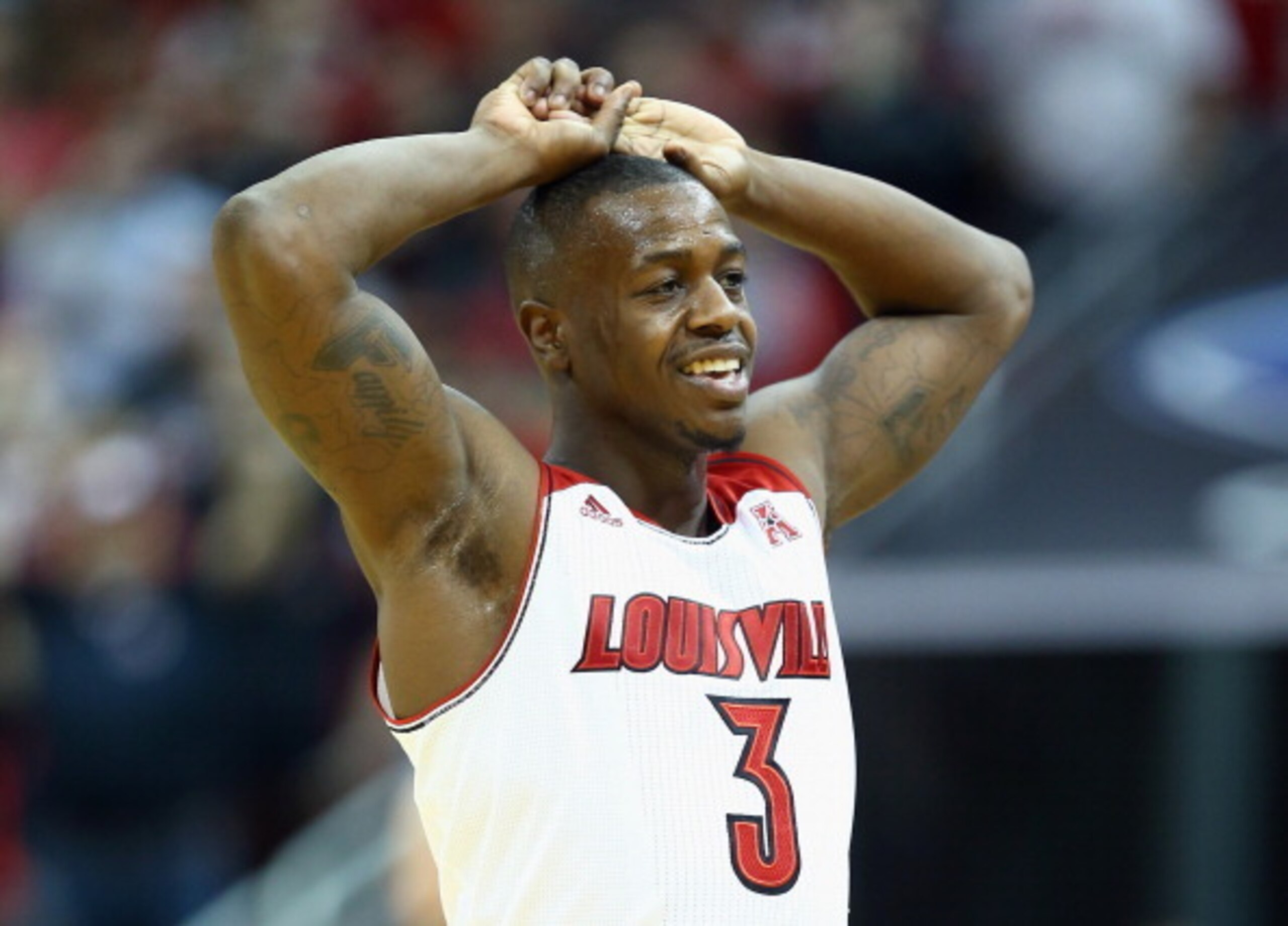
Class: Senior
2013-14 Stats: 10.2 PPG, 2.9 APG, 2.3 RPG, 2.2 SPG
Chris Jones is the second Louisville point guard to make this list, and both will have plenty of opportunities to succeed in Rick Pitino's offense.
Jones is the one most likely to see his numbers approach Russ Smith-dom, as he's a more aggressive scorer than Terry Rozier, and it wasn't that long ago he was putting up Russdiculous-like usage numbers in JUCO ball.
Pitino told the media this summer that Jones has started to eat better, and his weight loss should make him one of the quicker guards in the country. Smith was so valuable last season attacking off the dribble, and that's one area where Jones could stand to get better. Added quickness should help there.
It should also help him on the defensive end, where he was already a great weapon in Pitino's press. Jones ranked eighth nationally in steals rate last season, per kenpom.com.
11. Nic Moore, SMU
10 of 20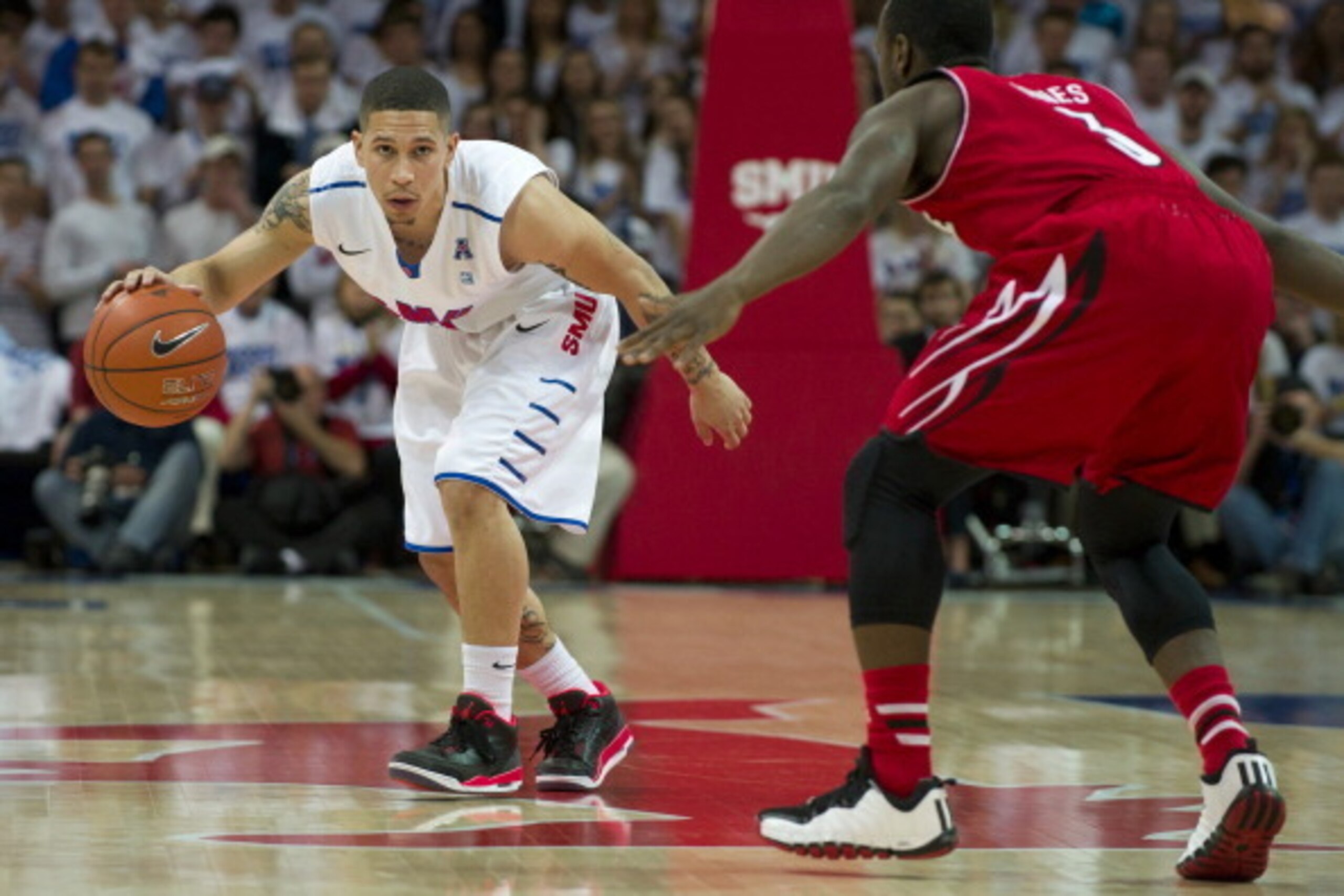
Class: Junior
2013-14 Stats: 13.6 PPG, 4.9 APG, 2.3 RPG, 1.5 SPG
It was a real bummer for SMU to lose out on the talents of Emmanuel Mudiay, who decided to play overseas this year instead of learn under head coach Larry Brown. But the Mustangs are still in really good hands at point guard with Nic Moore, who would have fit really nicely next to Mudiay.
Moore is a terrific shooter—43.6 percent from distance last season—and Mudiay's ability to penetrate would have led to a lot of Moore threes.
Instead, SMU will once again rely on Moore to be the creator, and that's not a bad consolation prize. He can create for himself and was terrific using ball screens last season, scoring at a 1.02 points-per-possession clip in ball-screen situations, according to Synergy. That ranked 15th nationally for players who used a minimum of 100 ball-screen possessions.
10. T.J. McConnell, Arizona
11 of 20
Class: Senior
2013-14 Stats: 8.4 PPG, 5.3 APG, 3.6 RPG, 1.7 SPG
T.J. McConnell will probably put up the worst scoring numbers on this list, but he's as valuable to his team as any point guard in the country.
McConnell has been the perfect setup man for the Wildcats, who were missing just that: a setup man. Sean Miller has put together an extremely talented roster, and McConnell is one of the best passers and floor generals in the game. He has a great understanding of how to run a team and where to get his teammates the ball in position to succeed.
McConnell is also an excellent defender who applies ball pressure similar to Aaron Craft. What makes McConnell an even better college guard than Craft is that he has a better jumper and is a better decision-maker on the offensive end. We might have to consult the ladies to find out if he's as high on the heartthrob scale.
9. Ryan Boatright, Connecticut
12 of 20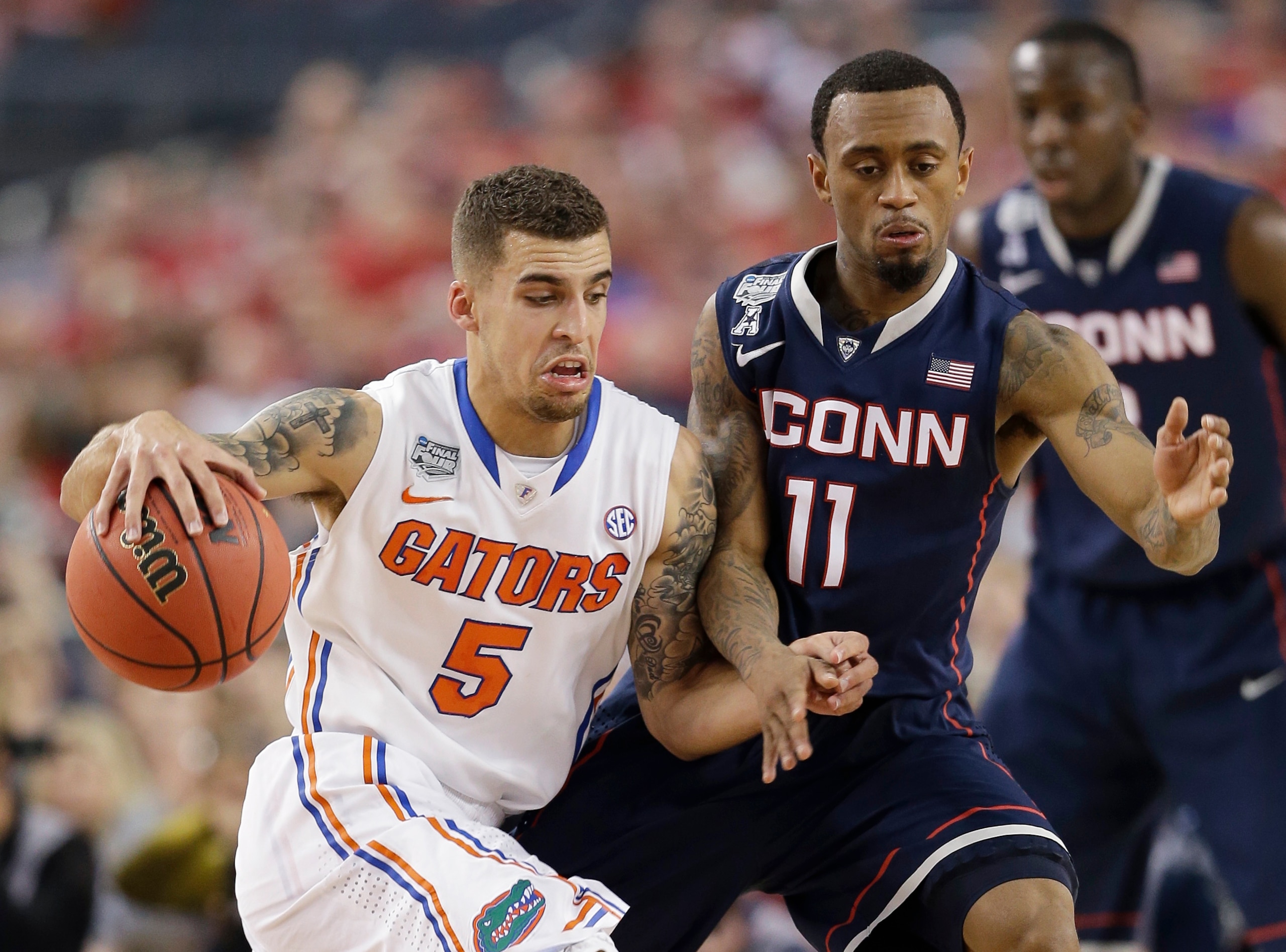
Class: Senior
2013-14 Stats: 12.1 PPG, 3.4 APG, 3.5 RPG, 1.6 SPG
The keys have been handed from Shabazz Napier to Ryan Boatright.
Boatright proved to be a great sidekick last year. The big question will be whether he can be what Napier was from a leadership standpoint. He also will need to take on more offensively.
He may not ever be the shot-maker Napier was—few have been—but he's extremely valuable because of his defense. His on-the-ball peskiness in the NCAA tournament was a big key to UConn's run in March. Based on the roster Kevin Ollie has built, lockdown defense could once again be its identity, with Boatright setting the tone.
8. Yogi Ferrell, Indiana
13 of 20
Class: Junior
2013-14 Stats: 17.3 PPG, 3.9 APG, 3.0 RPG
The narrative of Yogi Ferrell's career at Indiana will start to take shape this year. Last season, Ferrell was the star on a disappointing team. Two years ago, he was the point guard on one of the best IU teams in recent memory and had a big part in taking that team to the next level.
This is a huge season for Tom Crean's future at IU, and Ferrell is his most important piece. It's a matter of "what have you done for me lately" when it comes to the blue bloods, and if the Hoosiers miss the tourney for the second straight year after being a No. 1 seed in 2012-13, that's not going to sit well. Ferrell will have a big say in whether the Hoosiers get things turned around or have another season of mediocrity.
He's proved to be a quality college point guard, but the Hoosiers need other players to step up around him. And whether he can make the young guys around him better will determine whether he's a great college point guard or just someone who can put up big numbers.
7. Keifer Sykes, Green Bay
14 of 20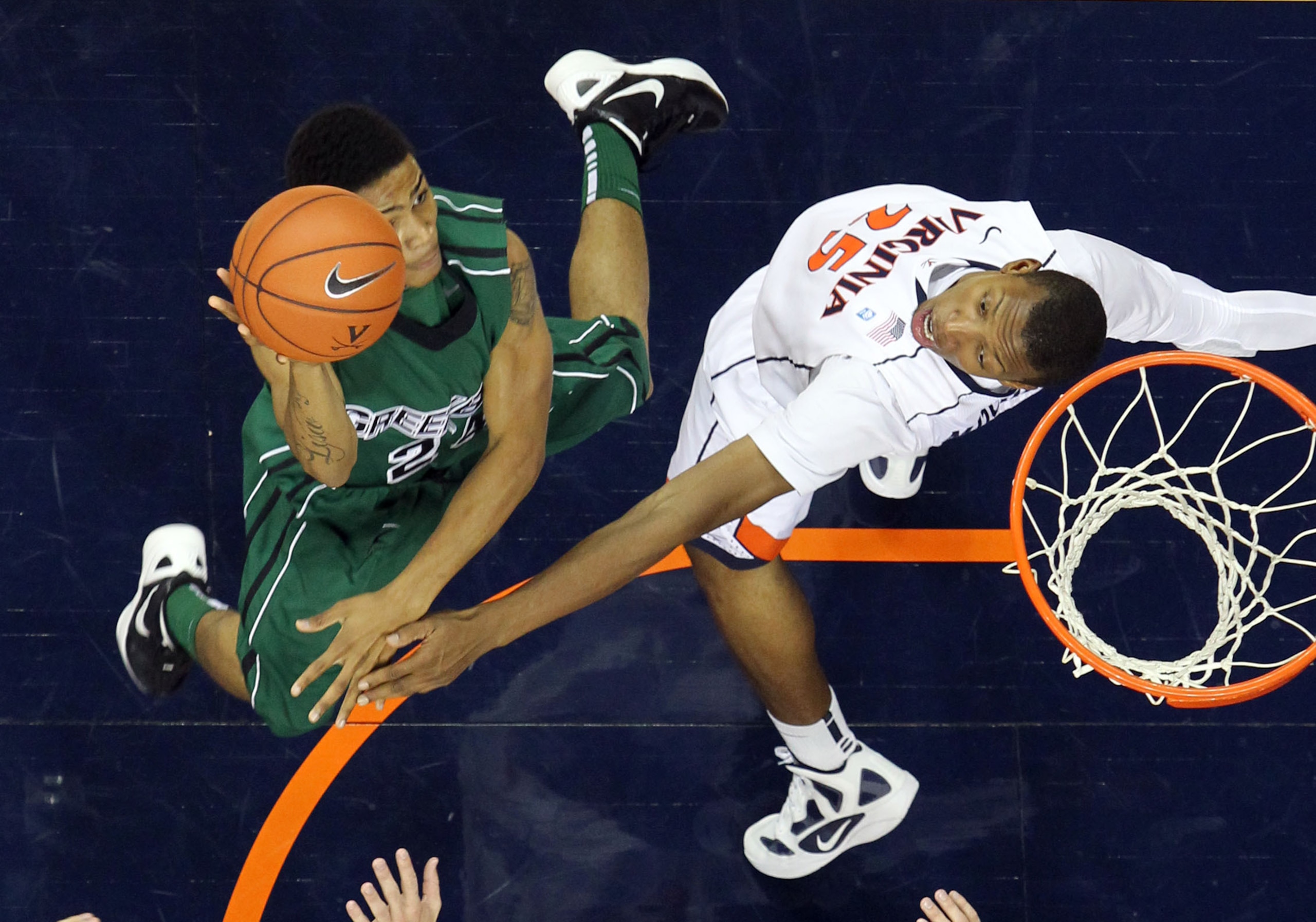
Class: Senior
2013-14 Stats: 20.3 PPG, 4.9 APG, 4.4 RPG, 1.2 SPG
Keifer Sykes is college basketball's version of Russell Westbrook. Sykes doesn't have the height of a Westbrook—he's listed at a generous 6'0"—but he's a freak athlete with great bounce. That combination leads to some pretty sweet highlights.
But Sykes isn't just a YouTube sensation. The point guard produced at a high level last year and was at his best against good competition. In non-conference games against NCAA tournament teams (Wisconsin, Harvard, Virginia and Tulsa), he averaged 26 points, and Green Bay went 2-2 with wins over Tulsa and Virginia.
Sykes hurt his ankle against UW-Milwaukee in Green Bay's Horizon League tourney loss, a game the regular-season league champs lost in overtime. That kept the Phoenix out of the NCAA tournament and kept much of the nation from learning about one of the most entertaining guards to watch in the country.
6. Delon Wright, Utah
15 of 20
Class: Senior
2013-14 Stats: 15.5 PPG, 5.3 APG, 6.8 RPG, 2.5 SPG
Delon Wright is much more than "NBA veteran Dorell Wright's younger brother." The younger Wright also has the ability to play in the league and should have Utah knocking on the NCAA tourney door for the first time since 2009.
At 6'5", Wright is a triple-double threat and one of the best two-way point guards in the country. Defensively, he does a great job of getting into passing lanes and is also a solid on-the-ball defender. His ability to create turnovers is a major plus for Utah because Wright is great in transition.
Offensively, he does't have much of a jumper but finishes really well around the rim. He's not lightning quick but plays with good pace and keeps defenders on their heels. He didn't get a lot of attention nationally last season, but Pac-12 coaches realized how good he was, picking Wright first-team All-Pac-12.
5. Juwan Staten, West Virginia
16 of 20
Class: Junior
2013-14 Stats: 18.1 PPG, 5.8 APG, 5.6 RPG
Juwan Staten's success is pretty easy to explain. The guy is awesome off the dribble and great at getting into the paint.
Staten relies almost exclusively on his speed and sweet handles. He put up great numbers last season without much of a jumper—he attempted only 15 threes. West Virginia coach Bob Huggins said at Big 12 media day that Staten has more confidence in his jumper this year.
Last season was the first that Staten experienced as a go-to scorer. He averaged only 7.6 points per game as a sophomore. He may have to raise his game to another level if the Mountaineers are going to flirt with a tourney bid—they were on the bubble last year and ended up in the NIT. West Virginia's second- and third-leading scorers from last season (Eron Harris and Terry Henderson) both transferred, so Staten's importance is elevated to another level.
4. Kevin Pangos, Gonzaga
17 of 20
Class: Senior
2013-14 Stats: 14.4 PPG, 3.6 APG, 3.3 RPG, 1.0 SPG
As a sophomore, Kevin Pangos was the point guard on a No. 1 seed and sidekick to All-American Kelly Olynyk.
Pangos took on the starring role on last year's team and put up really good numbers despite the fact that he battled foot and ankle issues throughout the year. He told NBCSports.com's Rob Dauster that he was playing at 60 percent. That obviously limited his ability as a playmaker.
When he's at 100 percent, Pangos is one of the best scoring guards in the country. He averaged 22 points per game with a 63.6 field-goal percentage in the first month of the season last year. That player is who we should expect to see this season if he can stay healthy. And with the addition of some transfers and a strong freshman class, Mark Few's Zags could once again climb to the top of the ladder, and this time around, Pangos could be their All-American.
3. Andrew Harrison, Kentucky
18 of 20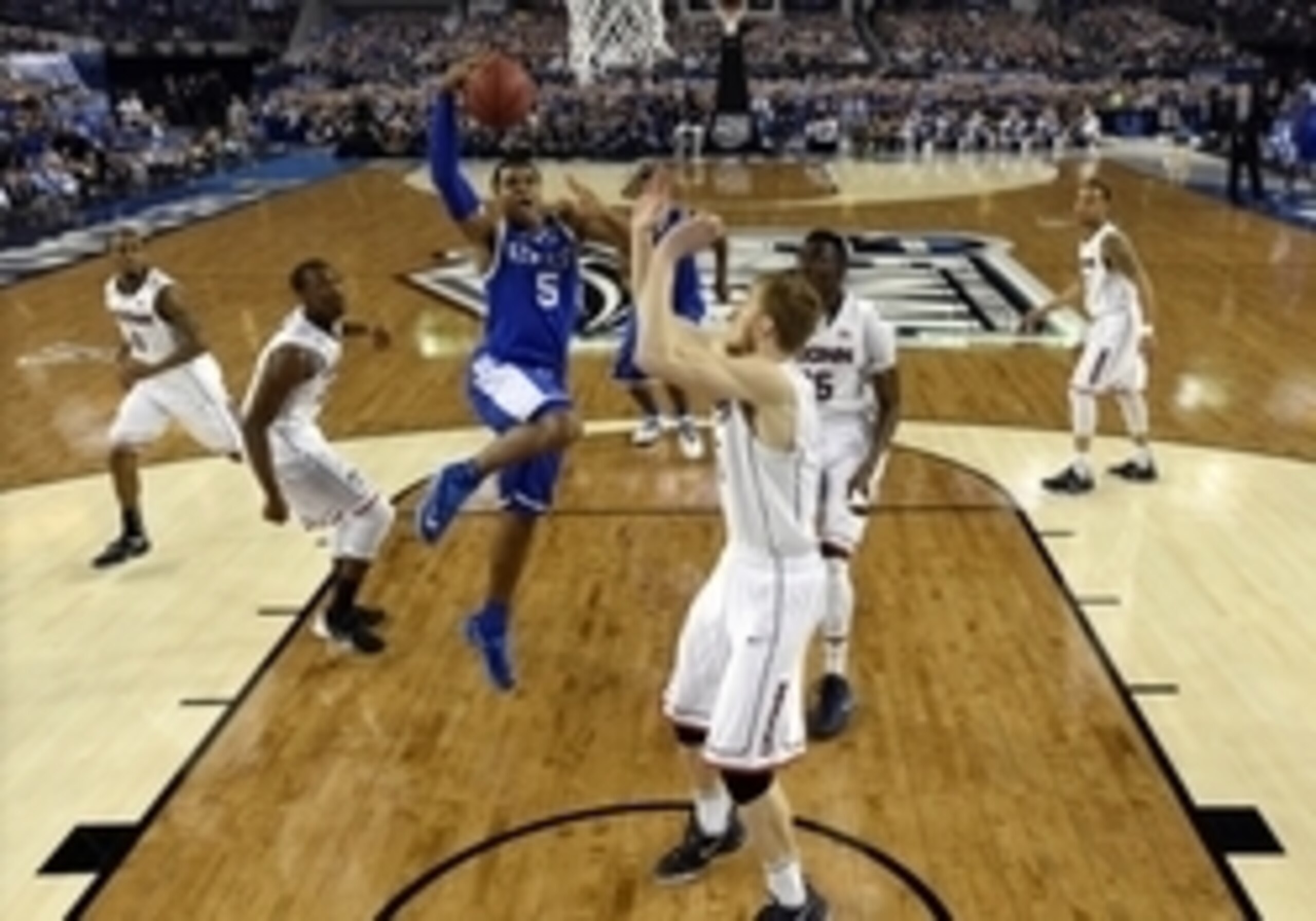
Class: Sophomore
2013-14 Stats: 10.9 PPG, 4.0 APG, 3.2 RPG
Andrew Harrison received a lot of criticism during his freshman year, and some deservedly so. But it's important to remember what we should have been reminding ourselves last season over and over again when it comes to UK: It's rare that freshmen are great players, especially at point guard.
To put some perspective to that statement, take a look at the freshmen seasons of the last four first-team All-Americans compared to Harrison's first year:
- Shabazz Napier: 7.8 PPG, 3.0 APG, 1.7 assist/turnover ratio
- Trey Burke: 14.8 PPG, 4.6 APG, 1.7 A/T ratio
- Kemba Walker: 8.9 PPG, 2.9 APG, 1.6 A/T ratio
- Nolan Smith: 5.9 PPG, 1.3 APG, 0.9 A/T ratio
- Harrison: 10.9 PPG, 4.0 APG, 1.5 A/T ratio
The transition from high school to college is not easy, and it wasn't as seamless for Harrison as most thought it would be. But that doesn't mean he's not a great talent. If that wasn't true, the Cats wouldn't have made it to the championship game. That run gave some credence to the hype for Harrison and helped him realize the power of playing unselfish.
This season, we should see a more mature Harrison from his body language to his understanding of how to run a team. He could also provide value to Kentucky as a scoring guard when he moves off the ball. That will happen when pass-first freshman point guard Tyler Ulis plays alongside him. How he embraces playing with Ulis could be one of the major keys to UK's success.
If he succeeds in both roles, he could end up in the All-American conversation.
2. Fred VanVleet, Wichita State
19 of 20
Class: Junior
2013-14 Stats: 11.6 PPG, 5.4 APG, 3.9 RPG, 1.3 SPG
It takes a special kind of quarterback to lead a team to a perfect regular season, and Fred VanVleet was as close to perfect as possible in his role for Wichita State.
The numbers will not blow you away, but coaches left Wichita dreaming of point guard play like VanVleet provided. VanVleet could get a bucket when his team needed it and was a reliable shooter—41.1 percent from distance and 82.9 percent at the free-throw line.
What he did best was set up his teammates for success and make sure the Shockers rarely had a wasted possession. His 4.02 assist-to-turnover ratio ranked fourth nationally, and he had only four games when he turned the ball over more than twice.
VanVleet was also the best defender at his position in the country. He has great awareness off the ball and his on-the-ball defensive metrics were better than any point guard in the country.
This season, the Shockers will likely rely on VanVleet to up his scoring a bit now that Cleanthony Early is gone, although don't expect him to ever be a great scorer. Simply judge VanVleet by wins and losses.
1. Marcus Paige, North Carolina
20 of 20
Class: Junior
2013-14 Stats: 17.5 PPG, 4.2 APG, 3.2 RPG, 1.5 SPG
It's not unusual for a program like North Carolina to have the best point guard in the country, but it wasn't anything anyone would have predicted a year ago at this time.
Last season, Paige was expected to be maybe just a little more than a role player. He was forced into a staring role early on when P.J. Hairston, the man who was expected to be UNC's go-to scorer, was kept off the court. Once Hairston got booted, there was no question Paige was the man in Chapel Hill.
Paige's numbers were unreal considering he had been nothing more than a solid setup man as a freshman (8.2 points and 4.6 assists per game). Particularly impressive was how efficient he was with so much pressure to produce. He was often the one and only perimeter threat—only one other Tar Heel made more than 10 threes last season, and that player, Leslie McDonald, missed nine games—and he was the team's best creator, which left his shot creation up to himself.
Luckily for the Heels, Paige was unreal in that capacity. He was the most efficient shooter off the dribble in the country (on a minimum of 100 possessions), shooting 48 percent on jump shots off the dribble (59.3 adjusted field-goal percentage), per Synergy.
This season, Paige should have more help with the addition of freshman wings Justin Jackson and Theo Pinson. Mixing in experience for the returners with the talent of the freshmen should make the Heels a more consistent winner. Last season, Paige kept the Heels relevant. This year, he should be the star on a top-five team.
.jpg?w=2560 "Colts Chiefs Football")

.jpg?w=2560 "Porter Blasts Steelers 😳")
.jpg?w=2560 "Browns Improve to 3-1 After TNF Win 📈")