

Germany Coach Joachim Low Obligated to Speak out After Bundesliga Doping Probe
On Monday, Joachim Low was implicated in a scandal that could take a heavy toll on the reputation of German football. A report released by a commission to investigate doping in the Bundesliga (h/t Deutsche Welle) revealed that Freiburg and Stuttgart, both clubs for which the current Germany coach played during his career as a footballer, used anabolic steroids in the 1970s and 1980s.
Before publishing their report, researchers conducted a probe of the files of Dr. Armin Klumper, the disgraced ex-sports medicine department head at the University of Freiburg. The doctor had been found guilty of fraud and was fined in 1989, and now he could face far greater sanctions.
.jpg?w=2560 "WCup FIFA Investors Soccer")


The 79-year-old Klumper, who was found to have administered a cocktail of drugs (including steroids) to Olympic heptathlete Birgit Dressel between 1981 and her death in 1987 at the age of just 26, has been suspiciously silent ever since the report's release.
According to Bild (in German) the doctor was well-regarded among Bundesliga footballers, and when in tax trouble in 1989, he even managed to raise support in the amount of €250,000 from Bayern Munich greats Karl-Heinz Rummenigge, Paul Breitner and Dieter Hoeness (the latter of whom had played for Stuttgart from 1975 to 1979).
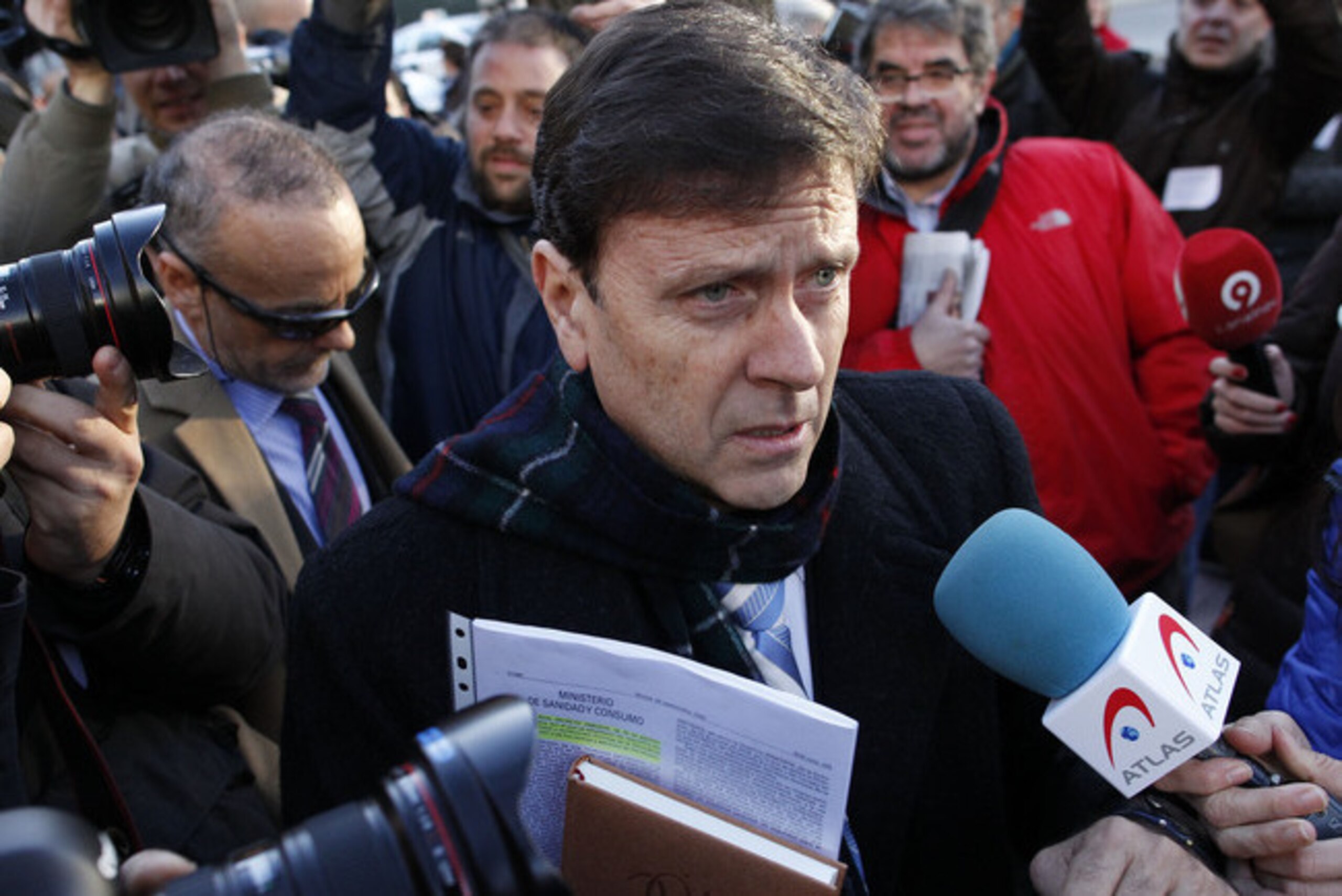
In the same Bild report (h/t Marca), Low denied ever taking steroids, adding: "Doping has no place in sport. I condemn it completely. I did as a player, and I still do as national coach."
Until recently, the Bundesliga had a nearly pristine image with regard to doping. Toni Schumacher had accused several German footballers of substance abuse in his 1987 autobiography, Anpfiff (kick-off), but there had been little to speak of aside from his vague accounts.
Yet as Deutsche Welle sports editor Joscha Weber recently asserted, no-one should be surprised by doping allegations.
He cited Scumaker's allegations of use of the stimulant Captagon, proof of Epo use by Juventus players in the 1990s, statements of doping in Ligue 1, the discovery of 70 "very suspicious" deaths in Italian football, the lost client list of Eufemiano Fuentes (which allegedly included giants like Barcelona and Real Madrid), unknown injections given to West Germany's World Cup-winning 1954 team and positive doping tests on Pep Guardiola, Edgar Davids and Diego Maradona.
Opining that the massive increase in distance covered and number of sprints by players in professional football cannot only be due to improvements in training methods, Weber claimed that doping surely must continue to be a common practice in professional football.
Doping in Germany is an issue that has been taken very seriously, especially in recent years as the health risks associated with steroid use have come to the fore. Arguably the worldwide leader in exposing steroid use in football is the website Fussballdoping.de, pioneered by acclaimed research journalist Daniel Drepper.
And it was the German press that reacted most strongly when a Spanish court decided to destroy evidence from Fuentes' trial in 2013 (via The Telegraph), the last major doping scandal suspected to be linked with football.

Whereas the Spanish court's decision was effective in preventing an inquiry into the possibility of foul play during the era of the Spanish national team's dominance of international football (pending an appeal by the World Anti-Doping Agency that as of February 12 (via Cyclingnews.com), had gone 21 months without the scheduling of a hearing), it's unlikely that the issue of doping in German will simply go away.
Low may or may not have taken performance-enhancing drugs (PEDs) during his football career, but he could not have played at clubs where players were doping without knowing about it.
For the sake of football's diminishing integrity, and for the sake of the thousands of children worldwide who may grow up to be professional footballers pressured into taking harmful (and potentially fatal) PEDs, the Germany trainer is morally obligated to speak out.
As the coach of the recent World Cup champions, he has a voice and the power to have a real impression on the future of the sport. His response thus far has been disappointing.

There are many cynics, and German newspaper Zeit made a valid point in comparing professional football to American mega-banks, as something that is "too big to fail." Indeed, there's an enormous amount of money in football, as highlighted by the Premier League's massive £5.14 billion (per BBC) TV deal.
However, blind acceptance that nothing can be done to solve the problem of doping in football is a self-fulfilling prophesy and makes business all too easy for cheaters. Major League Baseball is also a massive money machine, but that didn't stop it from making aggressive reforms to eliminate steroid abuse.
And although the number of home runs has dropped more than 18 percent since its peak in 2000, per Baseball-Almanac.com, the sport has thrived: A year ago (via Forbes), four new teams secured multi-billion-dollar TV rights fees, joining giants like the New York Yankees and their record 20-year, $7.7 billion deal.
The precedent in baseball suggests that if football wants to crack down on doping, it will still survive and even thrive after cheaters are exposed. Those close to doping, and Low in particular following Monday's report, ought to do what's best for the sport and speak out.
.png?w=2560 "Dillon Brooks Wants to Box Jimmy 🥊")


.jpg?w=2560 "Ranking Every Team's Path to Playoffs 🗺️")
.jpg?w=2560 "Grading SmackDown Before SummerSlam")



.jpg?w=2560 "Live Updates: WWE SmackDown 🔵")