Stunning NLDS Exit Could Mean Big Dodgers Management, Roster Overhaul
The end came swiftly, like a guillotine being dropped without hesitation or any climactic buildup.
Over the course of eight pitches, the season was done. Just like that, leaving many, not just players or fans, in a daze and shock.
And it left a visiting clubhouse full of blame and the looming threat of changes to come.
With three seventh-inning swings, the Los Angeles Dodgers were wiped out of October in their most disappointing season in franchise history. It was a year that started with heavy championship expectations and ended with a face-plant in St. Louis on Tuesday as the modestly priced Cardinals celebrated into their fourth consecutive National League Championship Series.
“It’s devastating more than anything,” Dodgers catcher A.J. Ellis told the Los Angeles Times’ Bill Plaschke. “It’s sudden, abrupt, all the words you can think of.”
“It’s sickening, that’s what it is,” outfielder Andre Ethier told Plaschke.
“We know the type of team we are, and we came up short,” first baseman Adrian Gonzalez told Pedro Moura of the Orange County Register. “That is how I’m going to remember this season.”
The memory will linger through October and sting whenever one franchise holds up a World Series trophy, and this Dodgers failure might eventually lead to not only blame but also turnover.
Guggenheim Baseball Management bought the Dodgers in 2012. Last season, the team lost to virtually the same Cardinals but without Hanley Ramirez, arguably the best offensive player in the sport when healthy last year, or Matt Kemp. So there were built-in excuses.
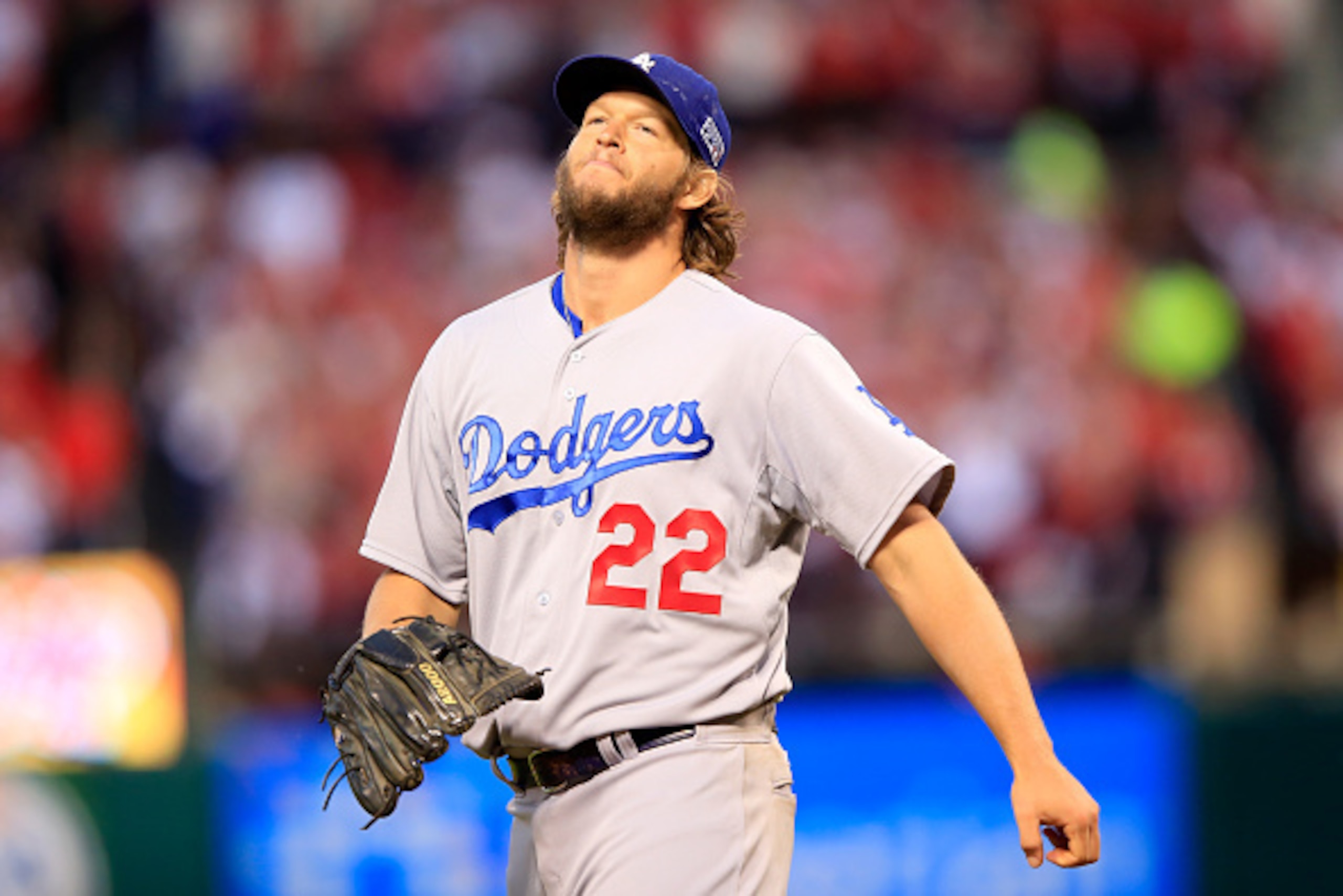
This year, there are none. The team was so flawed it asked ace Clayton Kershaw to be perfect on short rest. He wasn’t able to finish the seventh inning, something only two major league pitchers have done on short rest since 2009. That it even came down to that means blame has to find a home.
The two main scapegoats are and should be general manager Ned Colletti and manager Don Mattingly. The blame has to hit both of them square on the chin as this failure of a season will forever be part of their resumes.
“This is really hard,” Guggenheim chairman Mark Walter told Plaschke. “I can’t say anything right now.”
Soon, though, he will have to. So will team president Stan Kasten. Accountability has to be had.
Colletti signed to what is assumed to be a multiyear contract extension in 2012, but that came a couple of weeks after he pulled off a monster trade with the Boston Red Sox to acquire Gonzalez, Carl Crawford and Josh Beckett.
The taste of that was still sweet on the Guggenheim tongue, so an extension followed. Now the taste of this failure is bitter enough that Colletti has to be evaluated harshly for not giving the Dodgers the tools needed to win in this postseason, mainly a trusted bullpen arm beyond closer Kenley Jansen.
Colletti has given the Dodgers a postseason-worthy roster in five of his nine seasons on the job. But in that time, the rival San Francisco Giants have won two World Series titles and are playing in their third NLCS in the last five years. And they didn’t have to spend upward of $240 million to accomplish those goals.
Those facts won’t reflect well during Colletti’s exit interview this year as Guggenheim Baseball Management dangles that bloody guillotine over his head, deciding if it should be let go.

As for manager Don Mattingly, team sources told Bleacher Report throughout the season—and as recently as August—that he had the support of upper management. Walter likes Mattingly beyond the dugout, and that is partly why he was extended last January through 2016.
This series loss shouldn't change that. It's not Mattingly's fault that he could not turn to a reliable bullpen arm in the seventh innings of Games 1 or 4 in this latest series loss to the Cardinals.
However, he doesn’t duck the blame. He nearly cost the team Game 2, its only win in the series, by prematurely lifting Zack Greinke for that shaky bullpen. And he brought in the hardly used Scott Elbert in Game 3, and Elbert allowed the game-winning home run to put the Dodgers on the brink of elimination.
Mattingly also failed to play percentages in this series, sending out pitchers who fed into Cardinals strengths on more than one occasion. He also could not rein in Yasiel Puig, who flailed wildly at pitches out of the zone until Mattingly finally made the call to bench him in Game 4. By then, Puig had already hurt the team’s chances enough, and Mattingly’s indecision was clear on this matter.

Because he has the backing of Walter and a fresh contract, Mattingly likely won’t pay for his mistakes with his seat on the bench. But a message has to be sent that he must be better going forward.
There are also player decisions to be made, mainly on shortstop Hanley Ramirez, who shouldn’t be playing shortstop. Ramirez is a free agent and has proved he can be a reliable middle-of-the-order bat for this team while also proving a move to third base is best for the club’s chances to win. Expect the Dodgers to re-sign Ramirez, just not as a shortstop.
As for the outfield logjam—four players for three spots—the Dodgers can’t afford to trade Matt Kemp and have him perform in another uniform in 2015 the way he delivered for them in the second half of this season when he was arguably the best hitter in the league.
That means Colletti or whomever might replace him has to find a way to move Ethier because Carl Crawford is still good when healthy, and Puig, for all the headaches he might cause, is still a budding superstar.
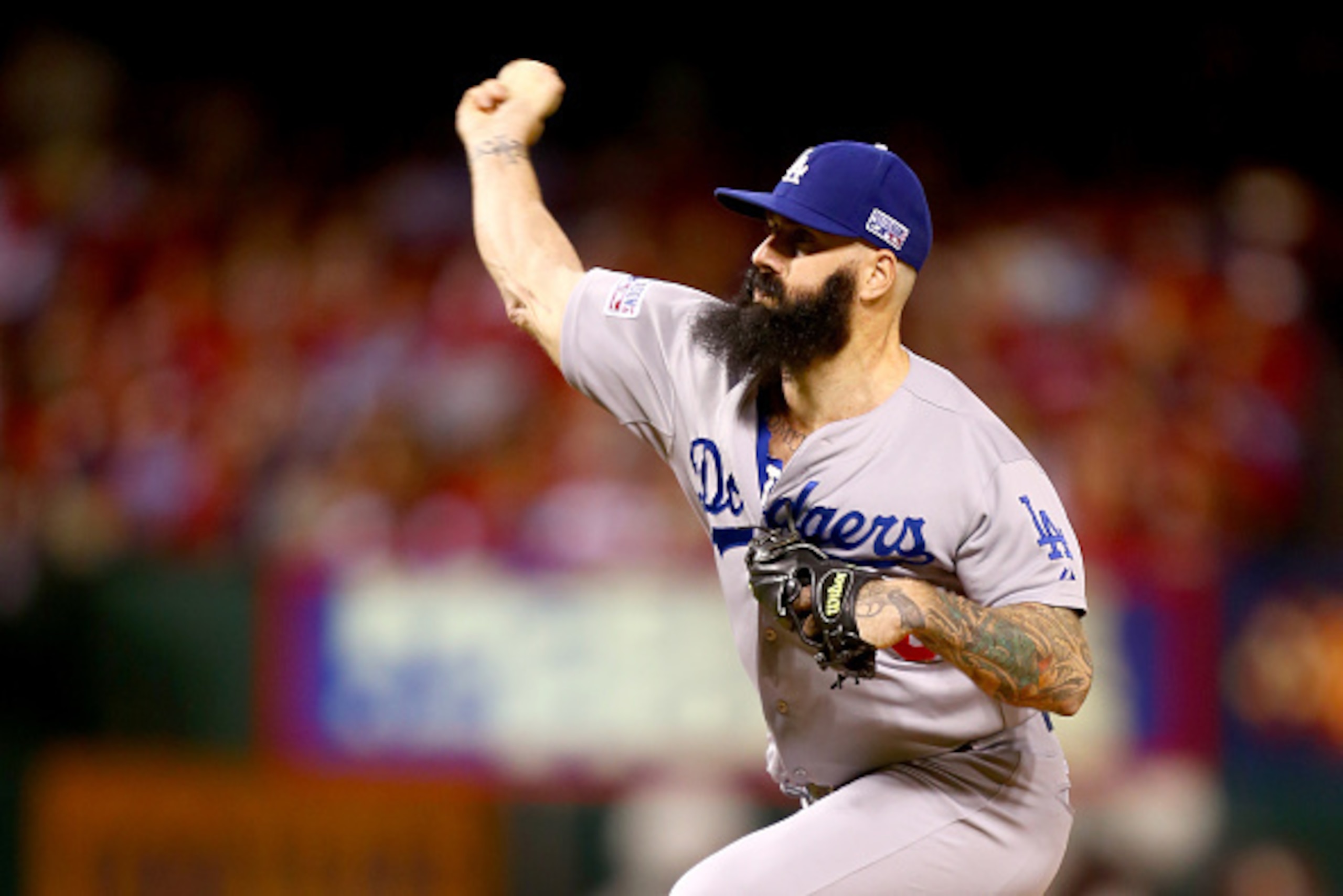
As for the bullpen, that needs to be totally overhauled before Jansen. Brian Wilson should not be back. Chris Perez shouldn’t be back. Jamey Wright shouldn’t be back.
But Colletti has never really shown a propensity for building strong bullpens, so, again, maybe he isn’t the guy who should be making those calls going into next year. And if he is, perhaps the Dodgers should turn to former rival executive Kevin Towers to help Colletti since Towers’ strength is piecing together relievers.
As for the rotation, the Dodgers don’t need major help here. But the stench of this postseason might linger long enough that they make a serious play at a free agent like Jon Lester, Max Scherzer or, more likely, James Shields.
Regardless of where Guggenheim Baseball Management decides to place blame, it has to land somewhere. It can’t be ignored. Not after this season came crashing down the way it did for the richest team in the game.
"From ownership on down, the Dodgers failed their fans and themselves...changes, big changes, are surely coming...
— Bill Plaschke (@BillPlaschke) October 8, 2014"
Whether it is Colletti (quite possible), Mattingly (not likely) or several players (a must), the Dodgers will look different next spring. And almost the entire reason can be traced back to the previous five days, when expectations became too heavy to hold up and the season died.
Anthony Witrado covers Major League Baseball for Bleacher Report. He spent the previous three seasons as the national baseball columnist at Sporting News and four years before that as the Brewers beat writer for the Milwaukee Journal Sentinel. Follow Anthony on Twitter @awitrado and talk baseball here.

.jpg?w=2560 "MLB Draft")
.png?w=2560 "Week 1 Winners & Losers 📊")
.jpg?w=2560 "Jayden Daniels Left Off LSU Montage")
.jpg?w=2560 "Projecting NFL Win Totals 🔮")