Why Has Team Europe Dominated Team USA at the Ryder Cup?
GLENEAGLES, Scotland—Losing is the great American sin. A Harvard-educated author of young adult fiction, John Tunis, said that first. Losing is what America has done in the Ryder Cup.
With Tiger Woods. Without Tiger Woods, who is not on the team that this week in the rolling countryside of Perthshire will face Europe. With a deficit going into the last of the three days of play. With a lead, as was the situation last year at Medinah.
“I saw a friend,” Davis Love III, who played numerous times and captained in 2012, said of a match long ago. “He wanted to know what the Ryder Cup was. Then he wanted to know how we lost it.”
.jpg?w=2560 "WWE Money in the Bank Grades Graphic")
.jpg?w=2560 "Cardinals Giants Football")
.png?w=2560 "WWE Money in the Bank 2026 Winners and Losers")
Nobody asks the first question any more. We know all about the Ryder Cup. We’re still asking about losing it.
And losing it. And losing it, over and over, seven of the last nine times in the biennial event. But why?
Why are Americans who on their own are able to win the Masters, the U.S. Open, the British Open and virtually everything else unable collectively to win the Ryder Cup?
Is it in their swings? Or their minds? Is it a matter of getting off the tee or getting along with others on the squad?
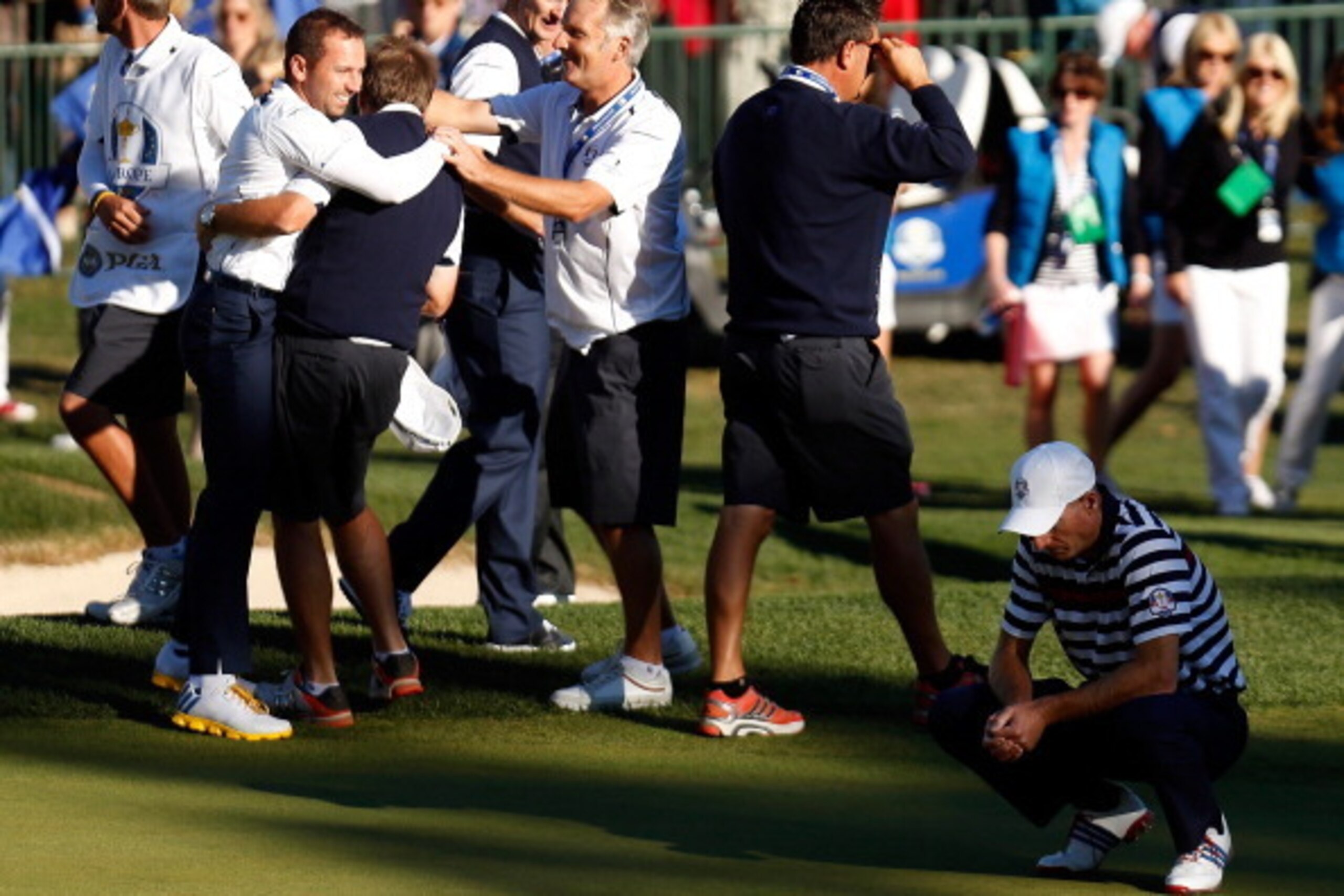
The thought here is it’s in their putting strokes. When the Euros, Colin Montgomerie, Seve Ballesteros, now Sergio Garcia or Martin Kaymer, needed to hole one they holed it. And the U.S. was in a hole.
“There are guys who are going to win Quad Cities, win the Memorial,” said John Miller, the NBC golf commentator and a former Ryder Cupper, “and there are guys that can play well in the Ryder Cup. One has nothing to do with the other.”
Maybe the issue is what teammates have to do with the others. How they unify. How they approach the event, as if it’s a group of good friends coming together; their battle isn’t against each other—it’s against the other team.
For Europe, where nation against nation is what sport is all about, the Cup ranks behind only the World Cup and Olympics, especially since it’s a chance to stomp the bully, the U.S. of A. But in America, where the emphasis is internal competition, the Super Bowl, the NCAA Final Four, Auburn vs. Alabama and the World Series, the Ryder Cup is far down the list.
Except for the weekend it’s played. And then the doubts prevail. What’s the matter? Do we get beat because our players don’t get along with each other, because in the U.S., a country of individuals, golf is as individual a game as exists? Or do we simply get outplayed?

Is it an issue of chemistry, of the wrong people? Or an issue of skill, in a different way the wrong people.
“If it’s between talent and chemistry,” said Dave Stockton, captain of the winning 1991 U.S. team, “I’ll take chemistry. You can have the best players in the world, but if the captain pairs them wrong, you don’t win.”
Example A was 2004 when the first day the captain, Hal Sutton, paired Tiger Woods and Phil Mickelson in both the alternate shot and four-ball matches. Dream Teams? Nightmares.
They looked uncomfortable. They played erratically. And even if they had won both instead of losing both, Stockton thought it was a poor decision.
“The two best players for America and all they can get is a single point together in each match. If they were paired with others they each could have had a point,” he said.
Jim Furyk, in his ninth Ryder Cup for the U.S., understands the importance of having golfers who complement each other, both on the course and in the meeting rooms.
“I think chemistry is extremely important,” Furyk said. “I think not only how the players mix together as 12 but how we play together as a team, how the pairings are put together, how those personalities and those styles match up with each other and probably for different formats as well. I think that provides the players the best opportunity to compete and do well.
“I think it’s wise not only to pair guys not only by how their games are physically together but also by their temperament.”
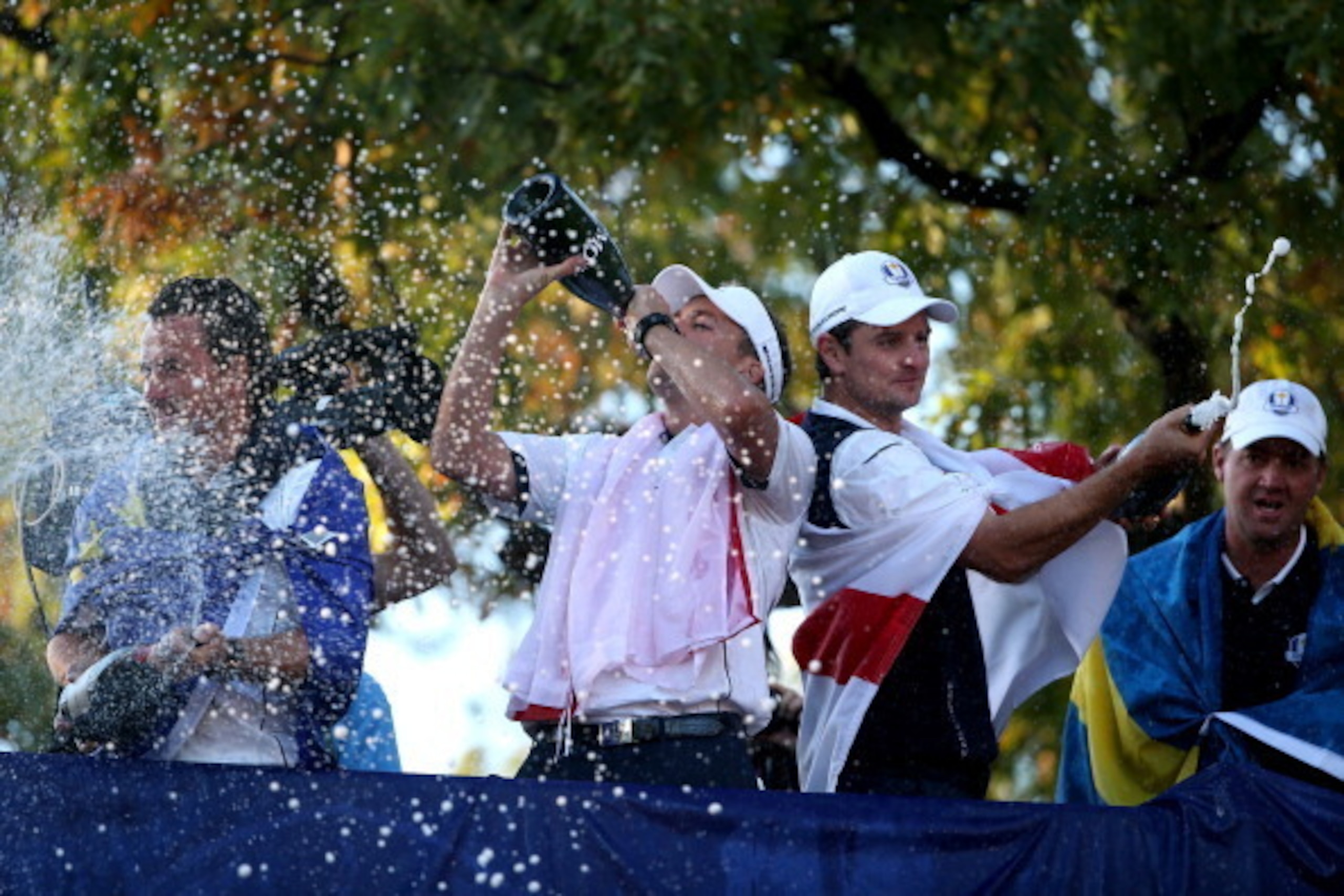
Watch the Euros celebrating after their victories, spraying champagne, mixing with fans. Their camaraderie is as evident as their joy. It’s their team, from the captain—this year, it’s the Irishman, Paul McGinley—on down. McGinley was chosen by the European PGA players and not, as U.S. captain Tom Watson, officials from the PGA of America.
“I don’t know where the captain actually made that big a difference with the exception of placing the right people in the right pairings,” said Watson, who in 1993 captained the last American team to win in Europe.
“I think doing that is more an art form than science.”
Unless perhaps the science is chemistry.
“When I made the captain’s picks,” Watson said of the players he added to those who qualified through their ranking, “that was about chemistry. Obviously Webb Simpson and Bubba Watson have a very good chemistry, and Keegan Bradley and Phil Mickelson have great chemistry. It’s shown in the past.
“You have to kind of bank on past experiences," Watson said. "That’s part of it. Also the way they are playing is a factor. But there’s no one factor. There’s a combination.”
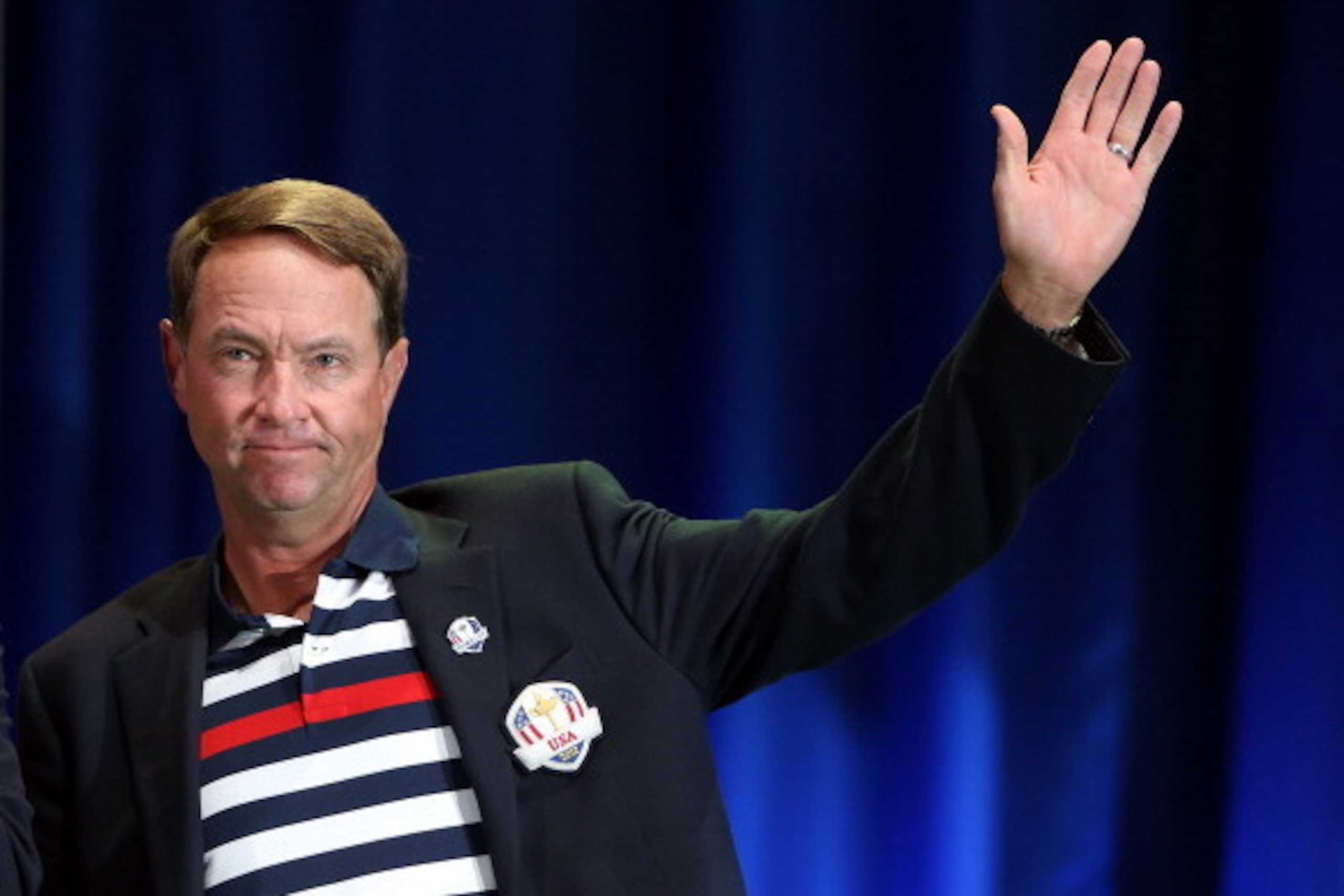
Past Team USA captains have had varying degrees of success with creating a positive team dynamic.
For Love, chemistry is “very important.” He was captain of the U.S. team two years ago at Medinah, the one that led going in the final day—and lost. But it got whipped in singles, not alternate shot or four-ball matches. How does chemistry become part of the equation when Jim Furyk, 1-up after 16, misses putts on 17 and 18 and loses to Garcia?
“Davis didn’t make any mistakes,” Stockton said about Love’s singles matchups. His players made them, coming apart. Just as football and basketball players make mistakes that are part of the game.
Love, in fact, did a brilliant job of pairing Mickelson and Keegan Bradley, although on the second day, Mickelson, age 42 then, wanted out of the four-ball to be rested for the singles.
“For America the last few years,” Stockton said, “I think [Paul] Azinger did the best job with his pods idea.”
Azinger has said numerous times in interviews and then the book Cracking the Code, The Winning Ryder Cup Strategy, that after being chosen captain of the 2008 U.S. team, he saw a PBS program on how the Navy SEALS bond by placing men in small groups or “pods.” Azinger, inspired, then put golfers in four-man pods based on personality types instead of their golf skills.
“We break the men into small groups,” one of the Naval officers explained. “That’s the core. These guys eat, sleep and train together until they know what the others are thinking.”
What Azinger was thinking was American Ryder captains had attempted for years to get their 12 players to become a team. He matched players in practice rounds and kept them together. “I let the players do it.”
European Tour players, traveling and dining together, always felt a kinship to certain team members, Graeme McDowell and Rory McIlroy, both Northern Irishmen. In the past, Ballesteros and Jose Maria Olazabal, the Spaniards. In effect they had their own pods, based on nationalities.
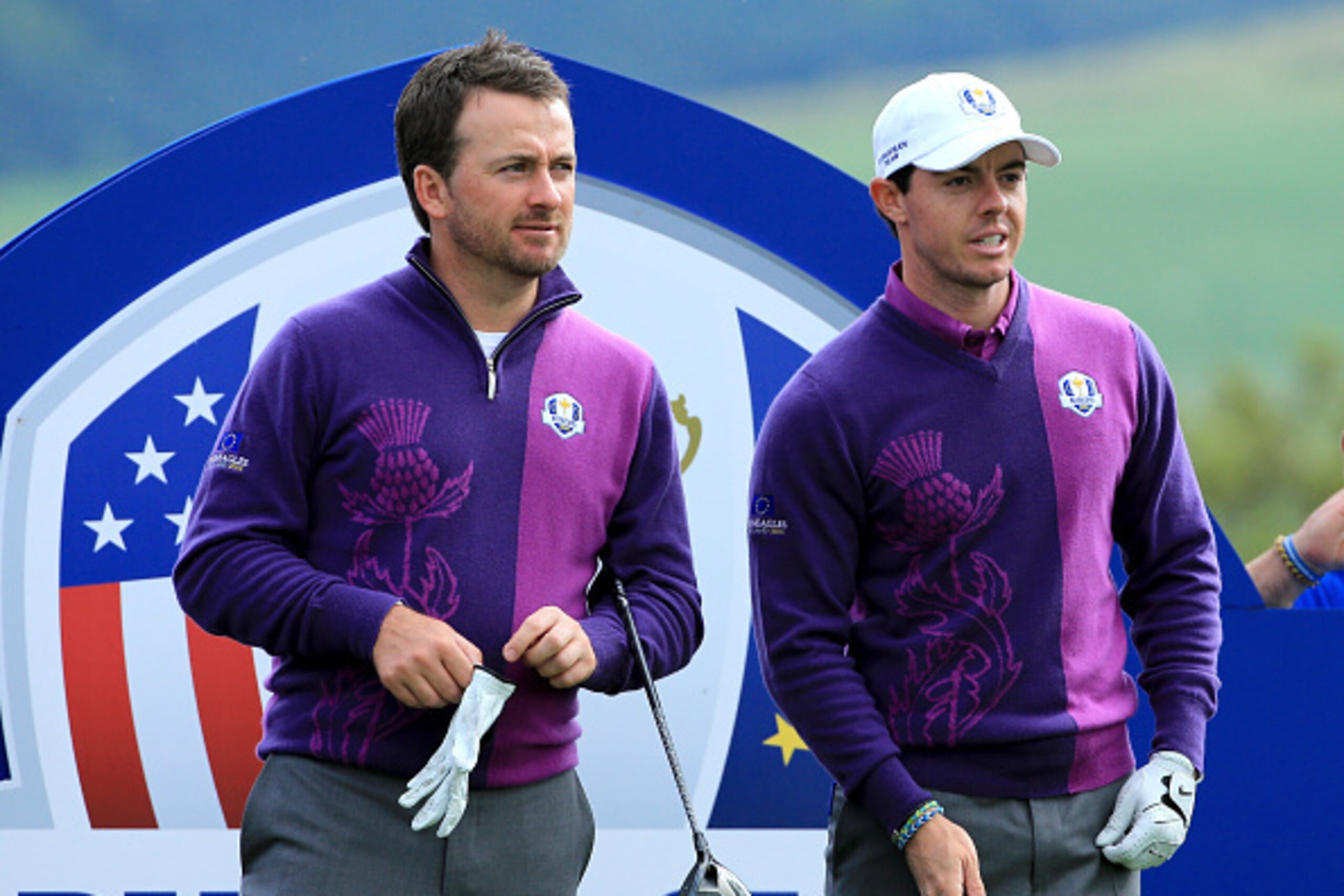
“Azinger talked to various players,” said Stockton, who worked with the team, “and they let him know who they’d want, even if from a golfing standpoint, a long hitter with a short hitter, it didn’t seem to make sense. But when guys bond they sell out for each other.”
Still, they have to get the ball in the cup. Billy Beane, the Oakland Athletics general manager, doesn’t believe in intangibles. Either a man can play or he can’t. Never mind his relationship with teammates. One senses the same belief from Johnny Miller.
“I don’t even know if the U.S has any chemistry,” he said. “I would have been happy if the U.S. had eight rookies, because the guys that should be the anchors, guys like Furyk and Mickelson, hardly had a 50 percent winning record. I would get guys that have never lost before and see what they can do.”
Watson doesn’t exactly disagree.
“It’s not rocket science,” Watson said of formulating the pairings. “The bottom is how they are playing. You want to go with the horses that are running strong.”
For America of late, those horses have finished out of the money.
Art Spander, winner of the 2009 Lifetime Achievement Award in Journalism from the PGA of America, is covering his seventh Ryder Cup. Unless otherwise noted, all quotes were obtained firsthand.
.jpg?w=2560)
.jpg?w=2560 "Report: Cowboys Open to More Trades")
.png?w=2560 "Week 6 Winners & Losers 📊")