
Ranking the 10 Best Sacramento Kings Point Guards of All Time
The Sacramento Kings have a rich tradition of top-class point guards comprised of deadly scorers, ball-handling magicians and pinpoint passers. Some will likely be remembered only by true Kings fans, while others will dominate the record books for decades.
The ranking system includes players who represented the Kings at any time during franchise history, including when the team was known as the Rochester Royals, Cincinnati Royals or Kansas City Kings.
Players were evaluated by what they did while members of the Kings organization, not the accomplishments they had with teams around the league. They also had to play point for most of their tenure with the Kings, so hybrid guards like Tyreke Evans weren't considered.
Those who stuck around for longer were rewarded, even if their long-term stats fell a little short of others' spurts of brilliance.
10. Bobby Jackson
1 of 10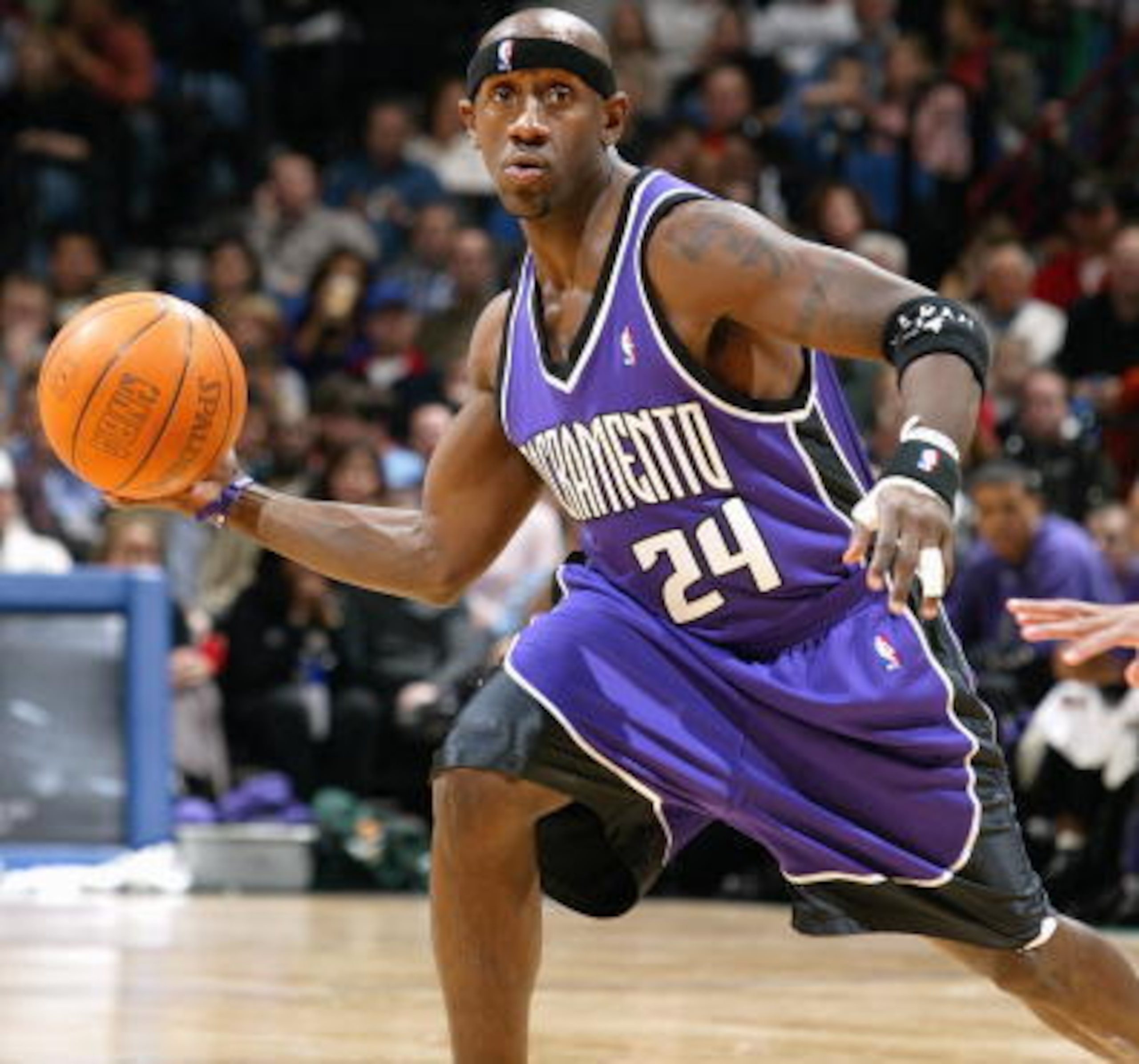
Career with Kings: 365 G, 22.7 MPG, 44.0 FG%, 10.6 PPG, 3.2 RPG, 2.2 APG, 1.0 SPG
It might seem strange to include a backup among the Kings' all-time greats, but Bobby Jackson earned his spot as a key role player on Sacramento's fast-paced teams at the beginning of the 21st century. He would have started if the Kings didn't have an even better point guard, whom we'll get to later on.
Jackson won the NBA Sixth Man of the Year Award in 2002-03, when he averaged 15.2 points, 3.7 rebounds, 3.1 assists and 1.2 steals in 28.4 minutes per game. He also shot a career-high 46.4 percent from the field, including 37.9 percent from three-point range and 84.6 percent from the free-throw stripe.
Like many "sixth men," Jackson was nicely suited for his role as an energy guy off the bench, though he lacked the ball-distribution skills of an elite point guard. He was a master at attacking the basket, absorbing contact and finishing with improbable twisting layups.
Jackson came back to Sacramento for his last season, then retired and became a Kings assistant coach as well as a beloved community figure. He could often be seen attending games at Granite Bay High School, where his son and nephew played immediately following his retirement.
9. Jason Williams
2 of 10Career with Kings: 208 G, 33.0 MPG, 38.4 FG%, 11.3 PPG, 2.7 RPG, 6.3 APG, 1.5 SPG
Some players can't be properly evaluated by their box scores alone. Jason Williams' points and assists totals are unspectacular, and his field-goal percentage is downright atrocious, but his streetball style fit well with Sacramento's uptempo play.
White Chocolate earned his share of air time on ESPN for his no-look passes from impossible angles. He thrived playing alongside Chris Webber and Vlade Divac, two of the best passing big men at the time, and made Sacramento the NBA's most exciting team at the turn of the century.
Williams would have likely ranked higher if he hadn't been traded after just three seasons in Sacramento. He never really progressed much further as a member of the Memphis Grizzlies and Miami Heat, as his best days were likely spent in Rick Adelman's high-scoring offense.
8. Spud Webb
3 of 10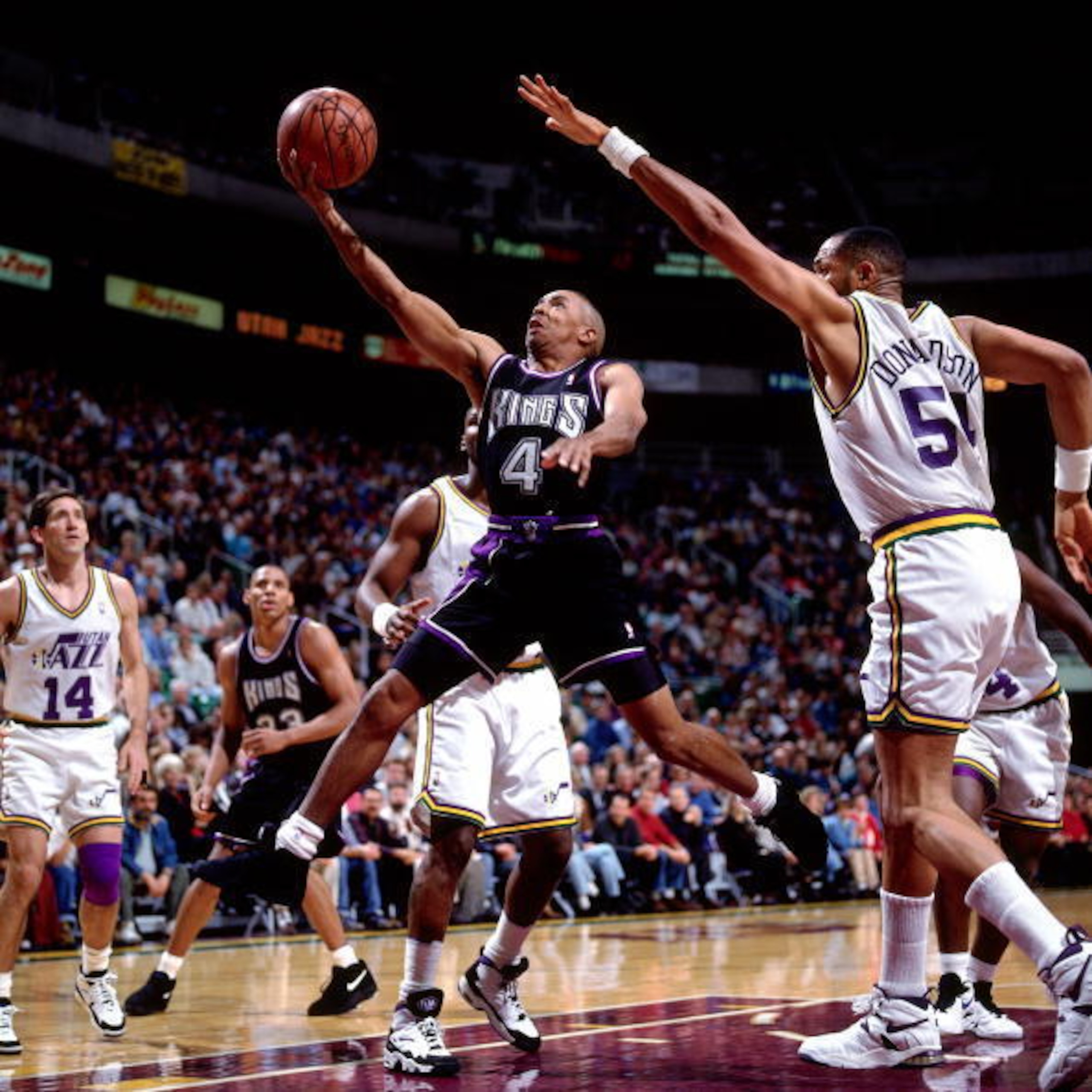
Career with Kings: 301 G, 33.5 MPG, 44.5 FG%, 13.7 PPG, 2.7 RPG, 6.7 APG, 1.3 SPG
Few 5'7" basketball players make it to the NBA, but if they do, a 42-inch vertical leap sure comes in handy. Spud Webb improbably goes down as both the fourth-shortest player in NBA history and the 1985-86 Slam Dunk Contest champion.
Nowadays, Webb is often compared to Nate Robinson because of his size, hops and ability to score off the bench, which he often did as a member of the Atlanta Hawks. But Webb was a much better passer than Robinson and started all four seasons in Sacramento.
Webb's hops haven't faded with age either, as the 47-year-old threw down a windmill jam while wearing a suit last year.
.jpg?w=2560)
7. Isaiah Thomas
4 of 10
Career with Kings: 216 G, 29.1 MPG, 44.7 FG%, 15.3 PPG, 2.5 RPG, 4.8 APG, 1.0 SPG
This one hurts a little bit. Thomas, of course, just left the Kings after averaging a career-high 21.3 points and 6.3 assists per game in his third season.
Thomas' underdog story made him an instant fan favorite in Sacramento. He was the last pick in the 2011 NBA draft and stands just 5'9". It almost seemed cruel when the Kings assigned Thomas to guard Los Angeles Lakers superstar Kobe Bryant, who is 6'6", in his first regular-season game.
His diminutive stature disguised a bulldog's intensity, though, as the Hustlin' Husky quickly grabbed the starting role thanks to a barrage of three-pointers, agile layups and floaters from the top of the key.
The Kings opted to replace Thomas with Darren Collison, a slightly better distributor but less of a scoring threat. I.T.'s main struggle at point, especially in his first two seasons, was an inability to establish a fluid offense where players fed off each other instead of taking their defenders one-on-one.
6. Larry Drew
5 of 10
Career with Kings: 376 G, 30.2 MPG, 48.3 FG%, 14.7 PPG, 2.1 RPG, 6.4 APG, 1.4 SPG
Long before he was the head coach of the Atlanta Hawks and Milwaukee Bucks, Larry Drew was a standout point guard for the Kings in both Kansas City and Sacramento.
Drew peaked in 1982-83 with 20.1 points, 8.1 assists and 1.7 steals per game in his third season. His numbers then dipped every year until the Kings traded him in 1986, though he remained a starter until midway through his last season.
One of Drew's limitations was his lack of a reliable outside shot, which allowed defenders to sag off him and wait for drives. He hit 48.8 percent of his two-pointers with the Kings but attempted just 112 threes in five seasons, connecting on 26.8 percent of them.
5. Phil Ford
6 of 10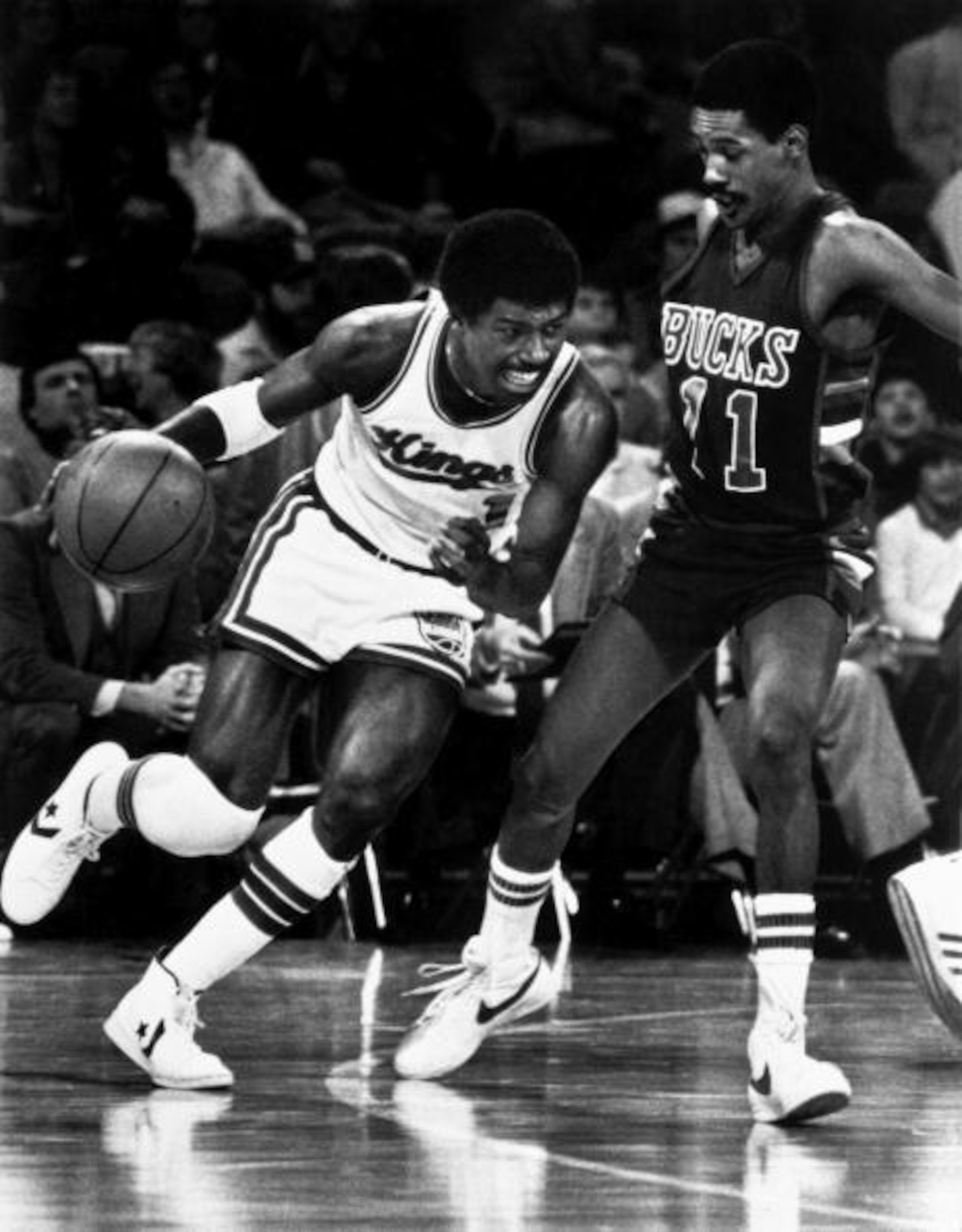
Career with Kings: 299 G, 32.0 MPG, 46.3 FG%, 14.9 PPG, 2.0 RPG, 7.8 APG, 1.6 SPG
A relative unknown among modern-day Kings fans, Phil Ford was taken No. 2 overall in the 1978 draft and quickly became one of the NBA's bright young stars. He won Rookie of the Year, was named to the All-NBA Second Team and ranked fourth in the league with 8.6 assists per game.
The Kings had finished last in the NBA Midwest Division the year Ford was drafted but made the playoffs in three consecutive years after he joined the team. His career-best averages of 17.5 points and 8.8 assists per game on 47.8 percent shooting laid the foundation for Kansas City's Western Conference Finals run in 1980-81, though he missed the first two rounds of the playoffs with a broken bone near his eye.
After three superb seasons with the Kings, Ford's game slipped in 1981-82, when the Kings moved to a slower half-court offense. He split time with new acquisition Larry Drew and was traded to the New Jersey Nets following a disappointing year. Two-and-a-half years later, Ford was out of the NBA.
4. Reggie Theus
7 of 10
Career with Kings: 346 G, 34.3 MPG, 47.4 FG%, 18.8 PPG, 3.3 RPG, 8.1 APG, 1.1 SPG
At 6'7", Reggie Theus played a fair amount of shooting guard and almost didn't qualify as a true point. But he served as the Kings' main distributor while in Kansas City and Sacramento and elevated himself into one of the top spots in the process.
As a member of the Kings, Theus dished out at least eight assists per game three times and score 20 points per game twice. He and Magic Johnson are the only players over 6'6" with 750 assists or more in a season.
Theus served as the Kings head coach in 2007-08 after leading New Mexico State to an NCAA tournament bid in 2005-06. Sacramento finished 38-44 in his first season, and Theus was fired in December 2008 despite having signed a three-year contract with the Maloofs, then the team owners.
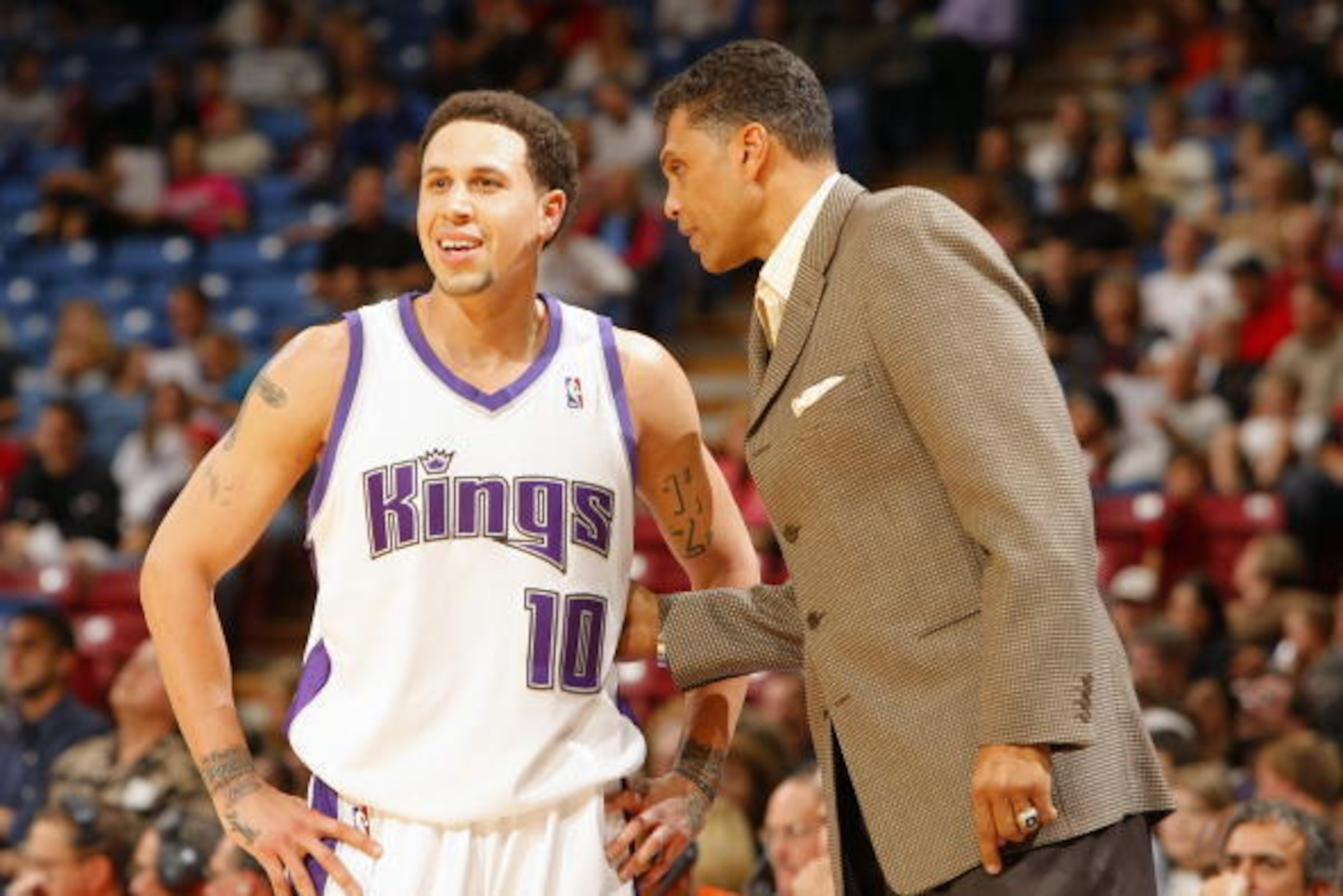
3. Mike Bibby
8 of 10Career with the Kings: 476 G, 35.7 MPG, 43.9 FG%, 17.6 PPG, 3.2 RPG, 5.4 APG, 1.2 SPG
In the modern era, Mike Bibby is about as close as it comes to a Kings lifer. He played six-and-a-half years with the Kings after coming over in the Jason Williams trade and stayed in Sacramento longer than any other member of the early 21st century dynasty.
Bibby's long jumper off Chris Webber's screen won Game 5 of the 2001-02 Western Conference Finals and put Sacramento up 3-2 in the series. While he may not have won it all, Bibby's shot and subsequent howl will live on in Kings lore.
Side note: Watch Bobby Jackson's defensive shutdown of Kobe Bryant at the end of the clip above. Bibby benefited from having another skilled point guard behind him because he could rest when needed, though the two often played together with Doug Christie on the bench.
2. Nate Archibald
9 of 10
Career with Kings: 433 G, 33.8 MPG, 47.0 FG%, 22.1 PPG, 2.2 RPG, 7.0 APG, 1.5 SPG
Nate Archibald's claim to fame lies in his historic 1972-73 season, when he became the first player to lead the league in points per game and assists per game in the same season.
While scoring 34 points per game as a point guard is impressive, Tiny's 11.4 assists per game are even more noteworthy considering he was passing to teammates far below his skill level. Sam Lacey was the team's next-highest scorer with 13.5 points per game, and the Kings finished fourth in the division despite Archibald's offensive output.
Fatigue from playing 46 minutes a night in 1972-73 may have caught up with Archibald in the following season, as he tore his Achilles tendon 35 games in. He recovered to become an All-NBA First-Team selection in 1974-75 and 1975-76 before the Kings traded him for point guard Brian Taylor, center Jim Eakins and two draft picks who eventually became Otis Birdsong and Phil Ford.
Note: NBA statisticians did not keep track of steals until 1973-74. Archibald's statistics represent his totals from then on.
1. Oscar Robertson
10 of 10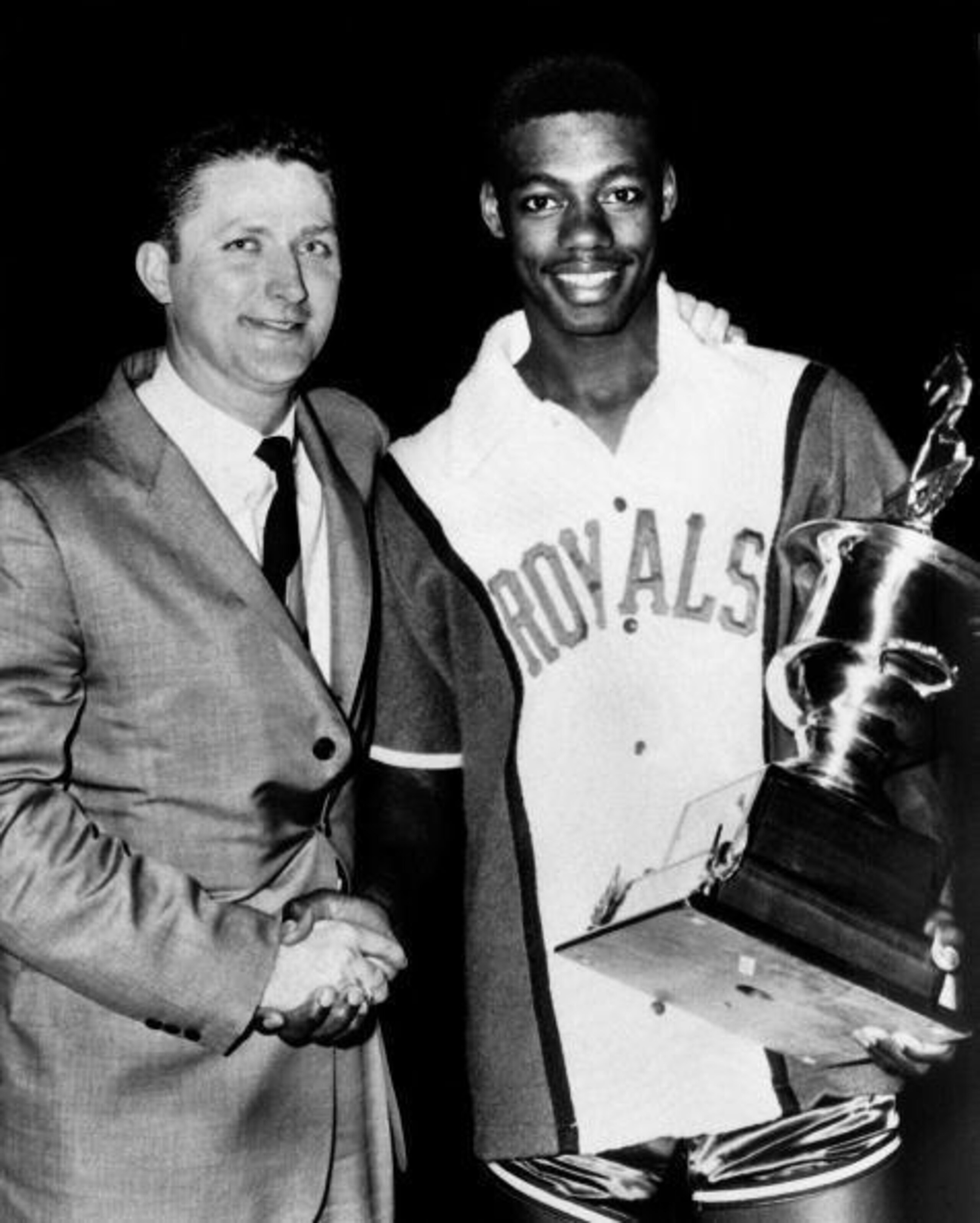
Career with Kings: 752 G, 44.0 MPG, 48.9 FG%, 29.3 PPG, 8.5 RPG, 10.3 APG
Oscar Robertson was not only the best Kings point guard but easily the best player at any position in franchise history. Robertson is unquestionably one of the top 15 players of all time, though he is often overlooked by fans today.
Most people know Robertson for his legendary 1961-62 campaign, when he averaged 30.8 points, 12.8 rebounds and 11.4 assists per game in his second NBA season. No other player in history has averaged a triple-double for an entire season.
Robertson's 41 triple-doubles in 1961-62 are by far the most in NBA history, with Wilt Chamberlain 10 behind him in 1967-68. Chamberlain is the only player besides Robertson to have 20 or more triple-doubles in a season, but Robertson did so in five different seasons to Chamberlain's two.
Oscar led the league in assists per game in seven out of 10 seasons with Cincinnati and scored 30-plus points per game in six of his first seven seasons. He never missed an All-Star Game while wearing a Royals jersey, winning the game's Most Valuable Player award three times as well as league MVP once.
All statistics courtesy of basketball-reference.com.