
25 Greatest Things About Golf
Golf is a tradition filled sport.
Like most sports, most of the best, most noteworthy traditions are brought out in the biggest events of the season.
In the case of golf, those are the four majors: The Masters, The US Open, The British Open, and The PGA Championship.
Even at that, some of those majors are far more tradition packed than others.
Also, while the majors are where the most famous traditions are, they are not the only places where great traditions take place.
Great traditions exist in nearly every week of a golf season.
25. Tournament of Champions
1 of 25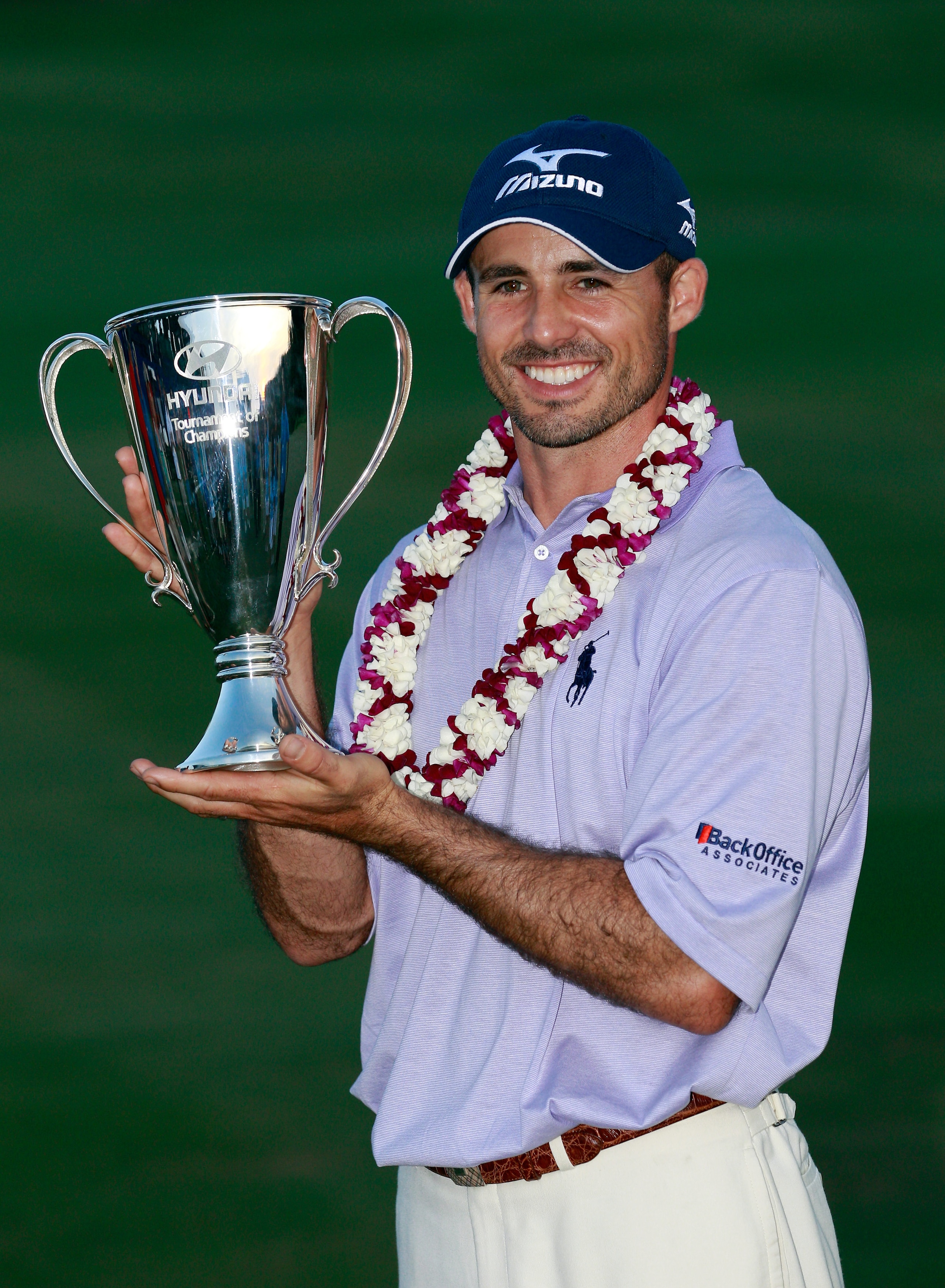
This is one of my favorite tournaments of the year. It's the first tournament of the PGA Tour season, which is exciting on its own.
Since 1999, it's been played at Kapalua in Hawaii. Before then, it was played in Las Vegas and Southern California. A trip to any of those locations in mid-January is nice for just about anyone, even those who live in warm weather climates, which most golfers do.
What makes this tournament especially fun is that there is only one way to qualify for it, you have to have recorded a win in the previous season.
It is the only tournament with that requirement. Other tournaments have winning something as one mode of qualifying, but it's not the only way to get in.
To play in The Tournament of Champions and get an extra week in Hawaii (the second of the season is also in Hawaii), you have to have notched a win.
Golf is about consistency and it's always possible to have a great season while making a lot of money without winning a single tournament.
That's fine, but it's nice to have a tournament that rewards winners. After all, that is what professional sports are all about. Right, Herm?
24. President's Cup
2 of 25
As of right now, The President's Cup does not have the prestige of the Ryder Cup. There are a few reasons for that.
The easiest of those reasons is time. There have been 38 Ryder Cups and only eight President's Cups.
Another reason is lack of close contests. Although many recent Ryder Cups have not been close, historically several have been. Many of the closest Ryder Cups are famous, or infamous.
Only two President's Cups have been decided by one point or less. In 1996, the USA won 16.5 to 15.5. In 2003, the two teams tied at 17 points.
That is the most famous President's Cup of all time, with Ernie Els and Tiger Woods consistently matching each other until it became too dark to play. Add to the fact that it was in Els' home country of South Africa, and that year's event is really hard to match.
Unfortunately, the three since then have all been convincing American victories. Also, unlike the Ryder Cup (certainly in recent years), the Americans have dominated the President's Cup, going 6-1-1.
It's unfortunate that legends like Gary Player never had a chance to participate in an International competition.
Almost as unfortunate is the fact that golfers like Greg Norman and Nick Price, who were two of the best golfers of their time, didn't get an International Competition until well after their primes were over, although they each have played in President's Cups.
Fortunately, guys like that got to be trailblazers for an era of golfers that aren't American or European. Els, Vijay Singh, Retief Goosen, and Adam Scott have all been highly ranked players that participated in International competitions in their primes..
I know that I excluded golfers from that list, and I know that that list will expand greatly in the next decade.
Golf is growing internationally. With that, the International teams will win more President's Cups and there will be more hotly contested events.
In 10 years, the President's Cup is likely to be considerably higher on this list.
23. Fall Finish
3 of 25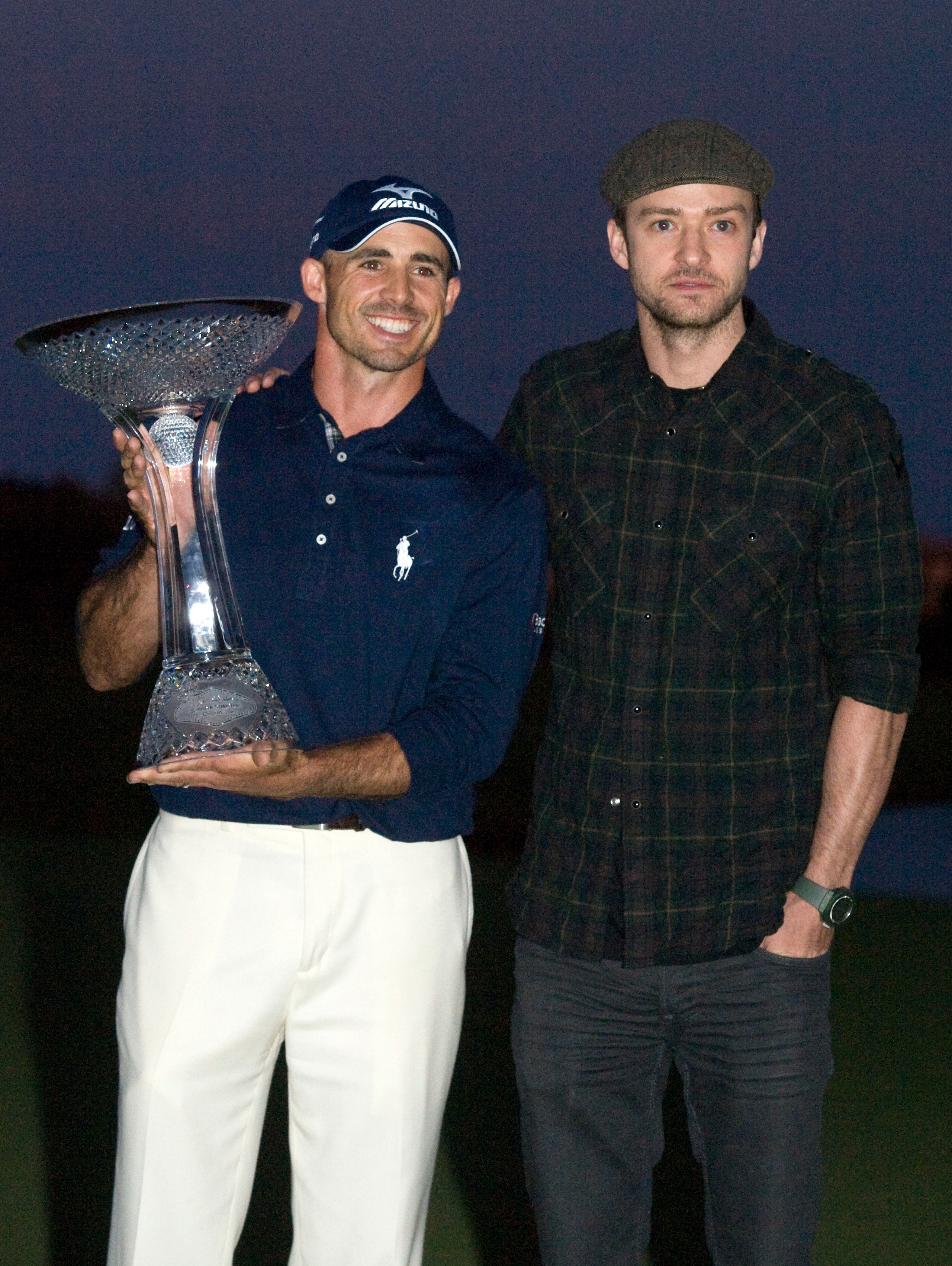
When the Tour Championship ends in late September or early October, the golf season essentially is over. The biggest names are done playing until at least the early European Tour events in mid to late November.
Despite that, the PGA Tour season does not officially end with the Tour Championship for everybody. For guys like Tiger Woods and Phil Mickelson, it's over. For guys who are trying to keep their Tour Cards, it is only just beginning.
One of the ways of qualifying for the majors is to win a tournament. The post-Tour Championship events don't count in that regard, but they do move golfers up in the World Rankings, which gives them another way to qualify.
In addition to the golfers, there is one other potentially huge group that cares about what happens in the fall: The sponsors.
Jonathan Byrd won one of these tournaments last year by hitting a hole-in-one on a par-three in a playoff. On its own, that's exciting, but it's not enough to draw the average sports fan away from the NFL's regular season or the MLB's playoffs.
The tournament that happened in was the Justin Timberlake Shriners Hospitals for Children Open. The first name in that tournament potentially gives the sponsors a new demographic that may currently give them essentially no viewers.
With the name of an A-List star attached to one of the tournaments, viewers may be a little more likely to tune it in, especially if their favorite football teams aren't playing or are involved in a blowout.
If they tune in to see that tournament and the golf is good, they may be more likely to watch the next week's tournament. The numbers are minor, but the impact may be big.
In a bad economy, tournaments are losing sponsors. With that, the future's of those tournaments are in serious doubt. Mind you, these are "regular season" tournaments that big names do play.
If potential sponsors see even a small bit of growth in viewers for the events without the big players, they may be more willing to save the tournaments that they will be a part of.
Yes, it's small and in the end, the tournaments may not be saved. But a name like Justin Timberlake being attached to even one small tournament has big potential.
.jpg?w=2560 "Lions Football")
22. Early Season Pro-Am's
4 of 25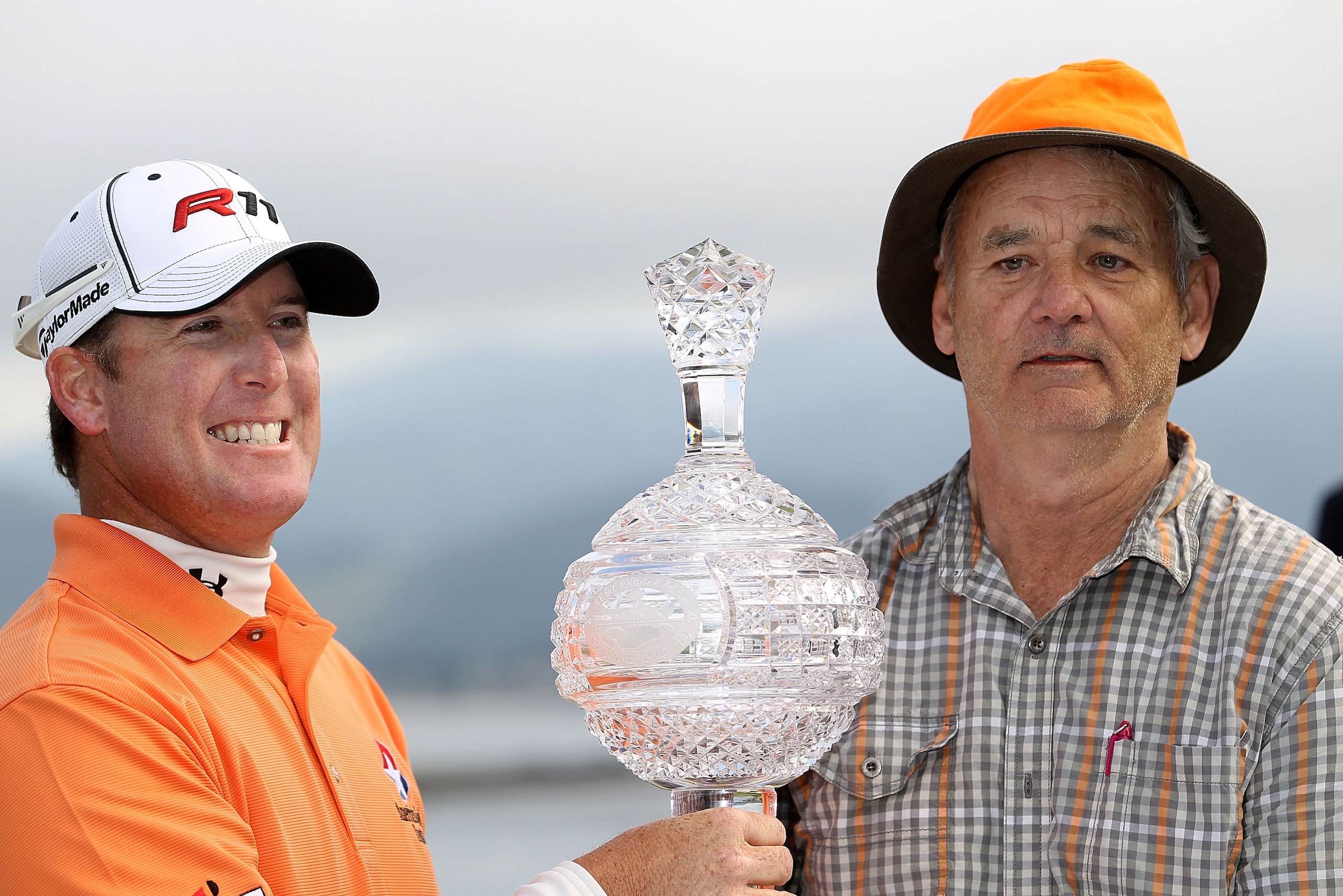
While we're on the subject of attracting new viewers, The Bob Hope Classic and the AT&T Pebble Beach National Pro-Am (formerly the Crosby Clambake), do just that.
While they are structured a little differently, the general concepts of the two tournaments are similar. Fans get to see their favorite golfers interact with their favorite celebrities.
Generally speaking, a lot them are A-List celebrities.
As a fan of golf, I enjoy watching the professionals do what they do best. But every now and again, I like seeing that they have a different side to them.
No, I wouldn't want to see guys like Bill Murray and George Lopez doing their typical shtick every week. But once or twice a year? Yes, please.
The winning amateurs usually aren't celebrities, although there are exceptions (see the picture above). But these celebrities do have a passion for the game of golf, which is great. They also have a passion for entertaining, which is greater.
Plus, remember what I said about golf honoring its past? The same holds true in these tournaments, as their origins are based around the best entertainers of their day using the golf course as another stage.
Especially after the deaths of Hope and Crosby, there could have been a potential end to to entertainment aspects of these tournaments.
Thankfully, that was never done. To best of my knowledge, there have never been any serious conversations to to do. There never should be, and my hat is off to the pro's that can embrace the funner nature of these tournaments, while still trying to win a golf tournament.
21. Pre-Tournament Masters Traditions
5 of 25
Realistically, this could be at least three separate traditions. While the Masters will make a few more appearances on the list, I found it best to confine traditions that occur before the tournament starts.
The Champion's Dinner is something that I would love to be a fly on the wall during. Imagine having the likes of Jack Nicklaus, Gary Player, Arnold Palmer, Tiger Woods, Phil Mickelson, Seve Ballesteros and Nick Faldo, all under one roof, sharing stories, jokes and everything else.
The defending champion chooses the menu, which is another nice tradition in and of itself. Given the International nature of the tournament, a wide variety of dishes are possible.
In 2011, Mickelson showed a lot of class in honoring the absent and ill Ballesteros with Spanish food. Again, that's honoring the past and generally a classy move.
Then, we get the par-three shootout, which serves many great purposes. One, we get to see the "big three" of Palmer, Player and Nicklaus on the course at the same time, in the same group. I hate to say it, but we will not have those three together for a lot longer.
The other end is that we get to see today's players on the course with their family and friends caddying for them. It allows us to see the lighter side of the players, not even 24 hours before perhaps the most intense four days of the golf season.
2008 was the first year that it was televised. That only adds to the greatness of Masters week.
Lastly, we get the ceremonial opening tee shot from past legends. In 2011, it was Palmer and Nicklaus. One would have to assume that Player is not far behind.
In past years, this has given us some of our last glimpses of greats like Byron Nelson, Sam Snead, Gene Sarazen, etc.
Although a lot of them do not compete in the actual tournament every year, these three traditions give us an opportunity to see some of the best players that the game has ever seen.
20. 16th Hole: TPC Scottsdale
6 of 25
There is not a single hole on tour that is like this one. While that is a very good thing, this hole is nothing short of spectacular.
On the card, it's not too daunting. It was really not designed as anything more than a bridge between the 15th and 17th holes.
For the pros, it is nothing more than a wedge or short iron. It's a pretty easy hole, right?
Well, yeah. Except, if you happen to miss the green, you will booed like Derek Jeter at Fenway Park.
If you hit it close, you will probably get the loudest ovation that you will receive all year.
If you are the biggest star in the game, and you happen to hit a hole in one, a rock concert will break out behind you as you fist pump your way to the green.
Billy Mayfair is an Arizona State graduate. That is where a good amount of that rowdy crowd goes to school. He has figured it out.
In 2009, he put on an Arizona Cardinals jersey, just before Super Bowl XLIII. In 2011, he put on a Pat Tillman ASU jersey, and then nearly aced the hole.
It's a different crowd than you see anywhere else. Booing doesn't take place anywhere else in golf. When it does, it's seriously frowned upon.
Here, it's part of the deal, and the players know it. They bring apparel to toss to the crowds as they walk to the green.
A hole like this wouldn't work at every tournament. But the players know what they are getting into in this tournament.
19. US Open at Public Courses
7 of 25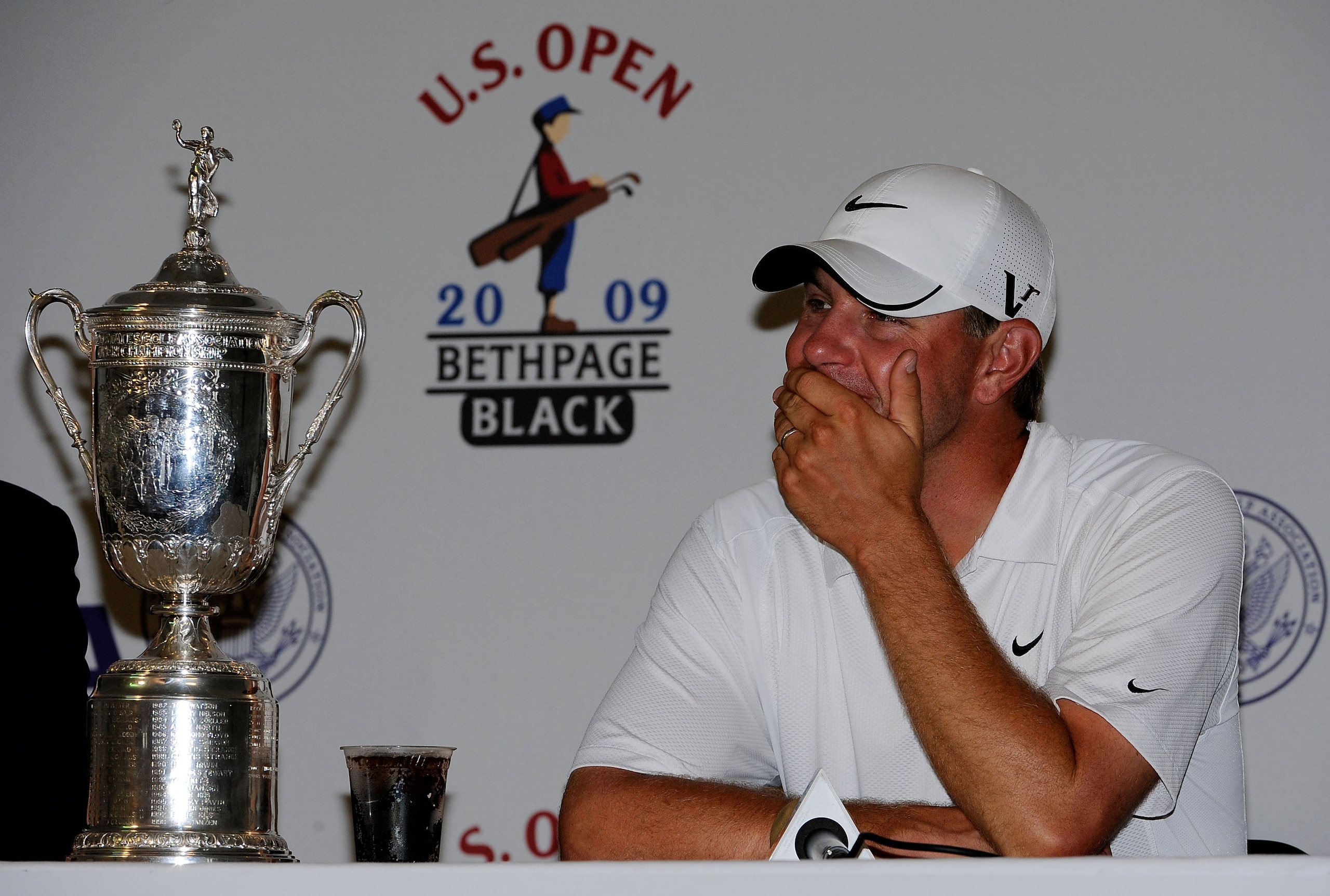
Only a few of these are ever played at public venues.
In 2002, Bethpage Black was the first completely public venue to host a US Open. They hosted it again in 2009.
Torrey Pines, a municipal course, hosted the US Open in 2008.
Both seem to be in the rotation for future US Opens.
Pebble Beach is a semi-public venue, and it has hosted five US Opens.
Realistically, it's hard to host the US Open at a public venue. It is routinely the hardest tournament in the world, and it's hard to create that kind of set up at a public course.
But when it happens, it allows regular players to legitimately compare themselves to how the pros play in the toughest tournament of the year.
18. Tournaments of Legends
8 of 25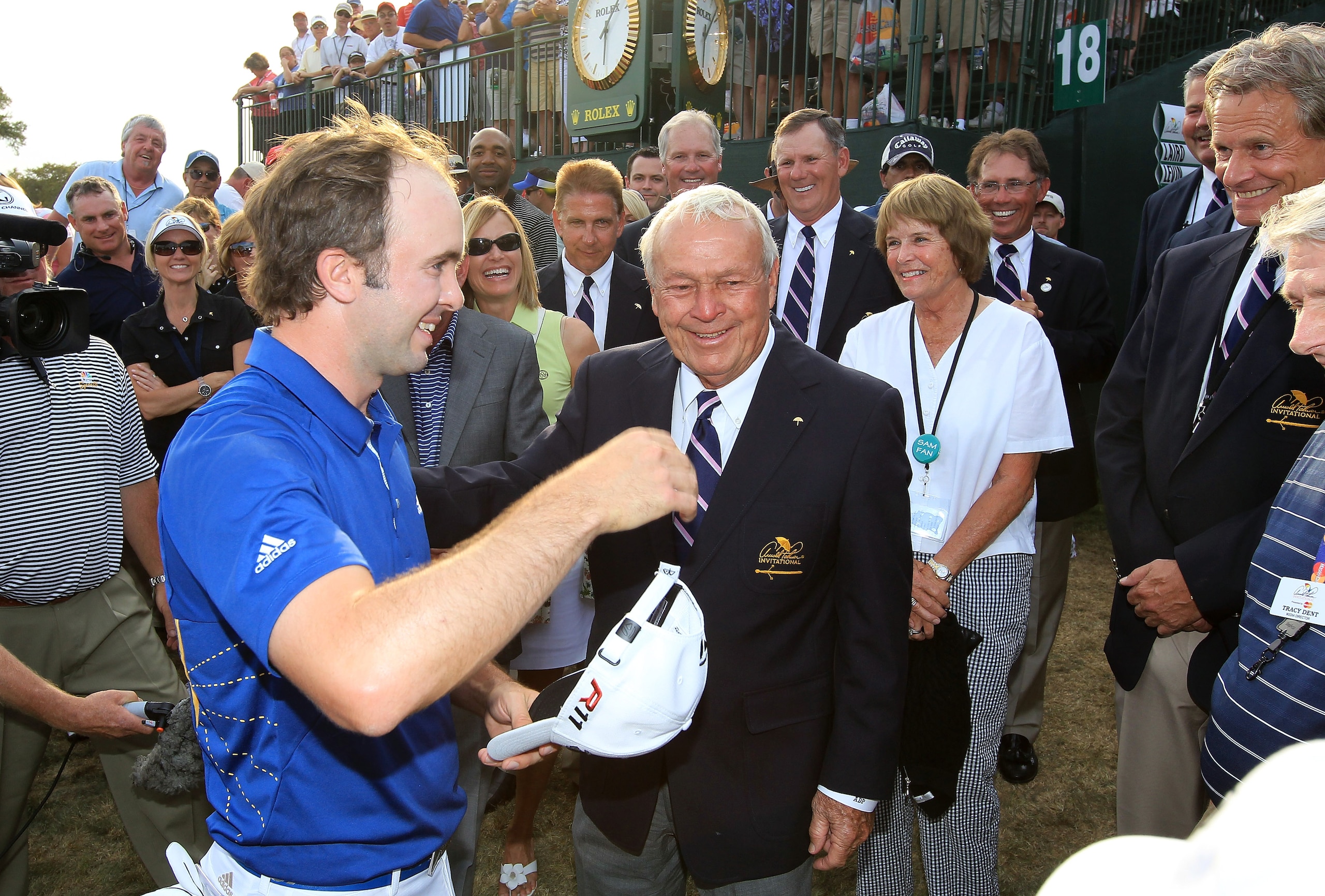
When Tiger Woods first came on to the scene, he always wanted to play in the tournaments hosted by Byron Nelson, Arnold Palmer and Jack Nicklaus.
This is something he still generally tries to do, although he has strayed a little from that in recent years.
Although Nelson is no longer with us, that tournament still bears his name. Arnold Palmer hosts Florida's Bay Hill Invitational every year and Jack Nicklaus hosts Ohio's Memorial Tournament every year.
It's nice that the current players still want to honor these legends every year.
These are the guys that paved the way for the current group of golfers. They made the purses and advertising dollars so big that even mid-range players make millions of dollars per season.
The fact that the current golfers realize that and take steps to honor them is refreshing.
Plus, it is very nice to hear Palmer and Nicklaus in the broadcast booth during these tournaments. When they talk about the game, it's hard to not pay full attention.
The sad reality is that these guys won't be around for ever, obviously nobody will. So it's nice to see and hear these guys a few times a season.
Obviously, they are retired from competition and no longer the public figures that they used to be, so we should really enjoy the moments that they spend on our TV sets.
17. US Open on Father's Day
9 of 25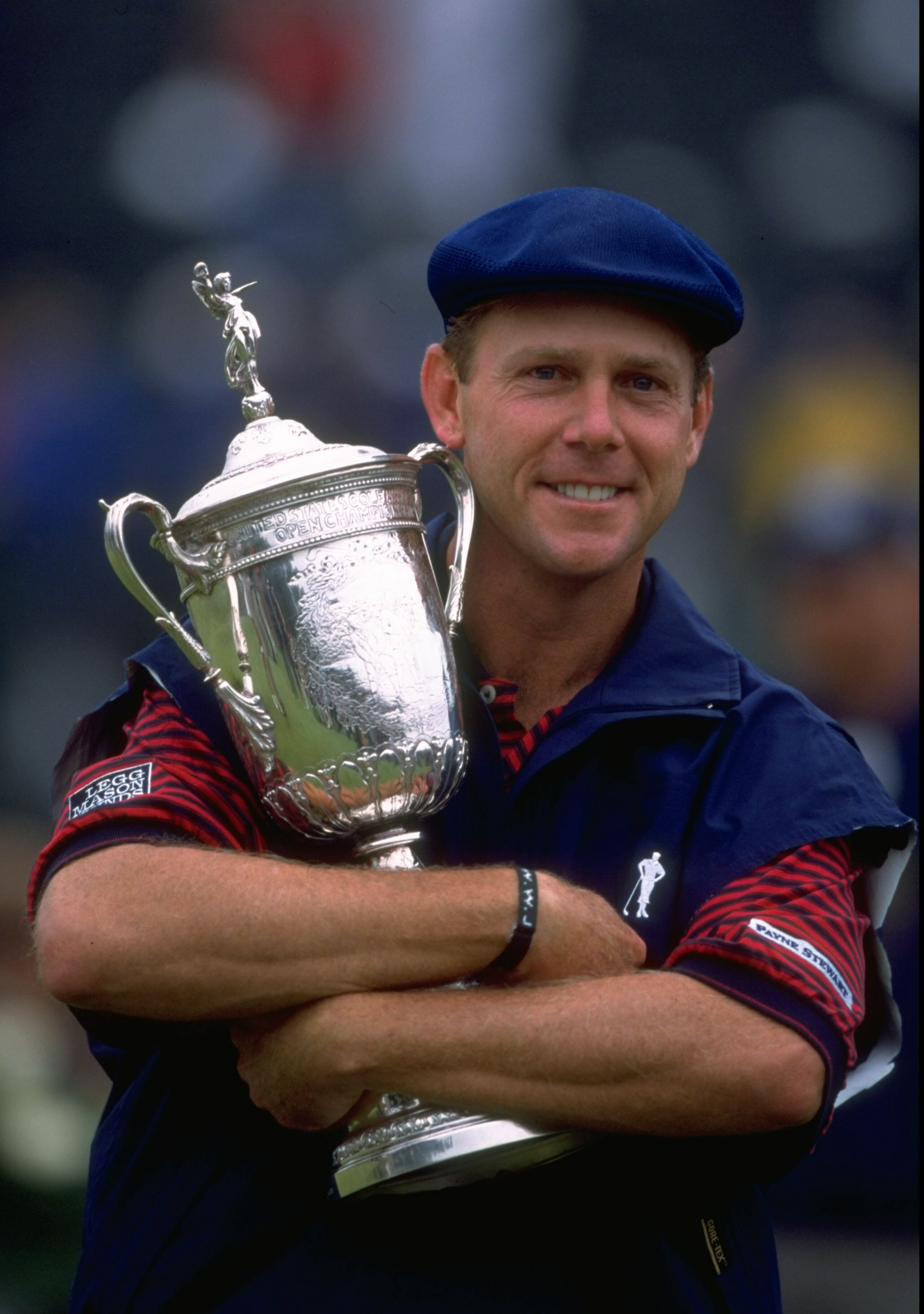
I wish I could say that this one has personal meaning to me and only me, but it doesn't.
Truthfully, anyone who routinely watches (or watched) this with their dads and/or had their dads get them into golf can relate to my experience.
While I am not a father yet, I always enjoy watching this with my dad.
But beyond personal experiences, the placement of this tournament has had some freaky coincidences.
Both Tiger Woods and Phil Mickelson were in contention for a US Open, hours away from becoming a father for the first time.
Mickelson's experience in 1999 gave us one of the most memorable golf tournaments ever.
With his wife ready to give birth at any time, he was in the final pairing with Payne Stewart. Stewart ended up beating him by one shot with a long putt on the last hole.
Stewart, grabbing Mickelson by the face and telling him that he was about to be a father, which was more important than any tournament, was unforgettable.
As we all know, Stewart died just a few months later in a plane crash. With that, a great moment turned surreal.
Realistically, the USGA could schedule this tournament for any weekend in June, but scheduling it on Father's Day weekend is just genius.
It gives the golfers on the course and the spectators at home a chance to reflect, and enjoy one of the best tournaments in the world with those that mean the most to them.
Nice job, USGA.
16. Charlie Sifford Exemption
10 of 25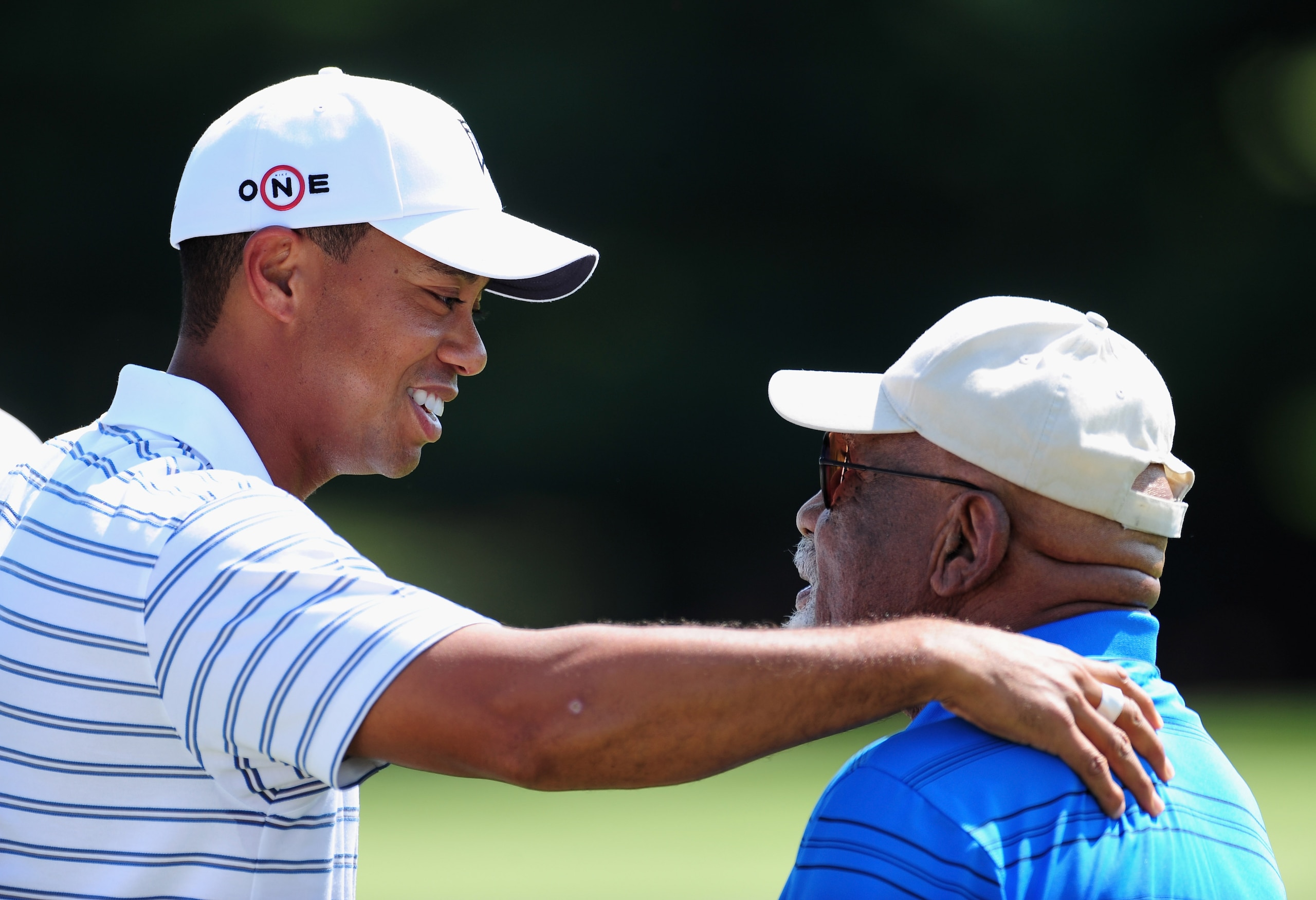
They can call it whatever they want now, but this started as the Charlie Sifford Exemption in 2009, and that's what I will always know it as.
The exemption, given at the Northern Trust Open, gives a spot to a golfer that represents diversity in the game. Charlie Sifford was the first black man to join the PGA Tour, so it's fitting that this exemption bears his name.
I wasn't sure whether this should be included or not. The exemption is great, but it's hard to identify something that only dates back to 2009 as a tradition.
The reason I do is that, official exemption or not, this tournament has always embraced diversity.
It was here in 1938 that Babe Zaharias became the first woman to enter a PGA Tour event.
In 1992, it was the first PGA Tour event that Tiger Woods entered.
Now, whether they call it the Charlie Sifford Exemption or the Northern Trust Exemption, they are looking to further diversify the game by giving more minority golfers a chance at a PGA Tour event.
Not only is this a PGA Tour event, but it's a big one. Riviera is a major championship venue and the Northern Trust Open routinely draws one of the best fields in golf.
The pre-exemption years, combined with the current status of the exemption and what it could potentially bring in the future make me call this a great tradition with no apologies.
15. Amateurs in the Masters
11 of 25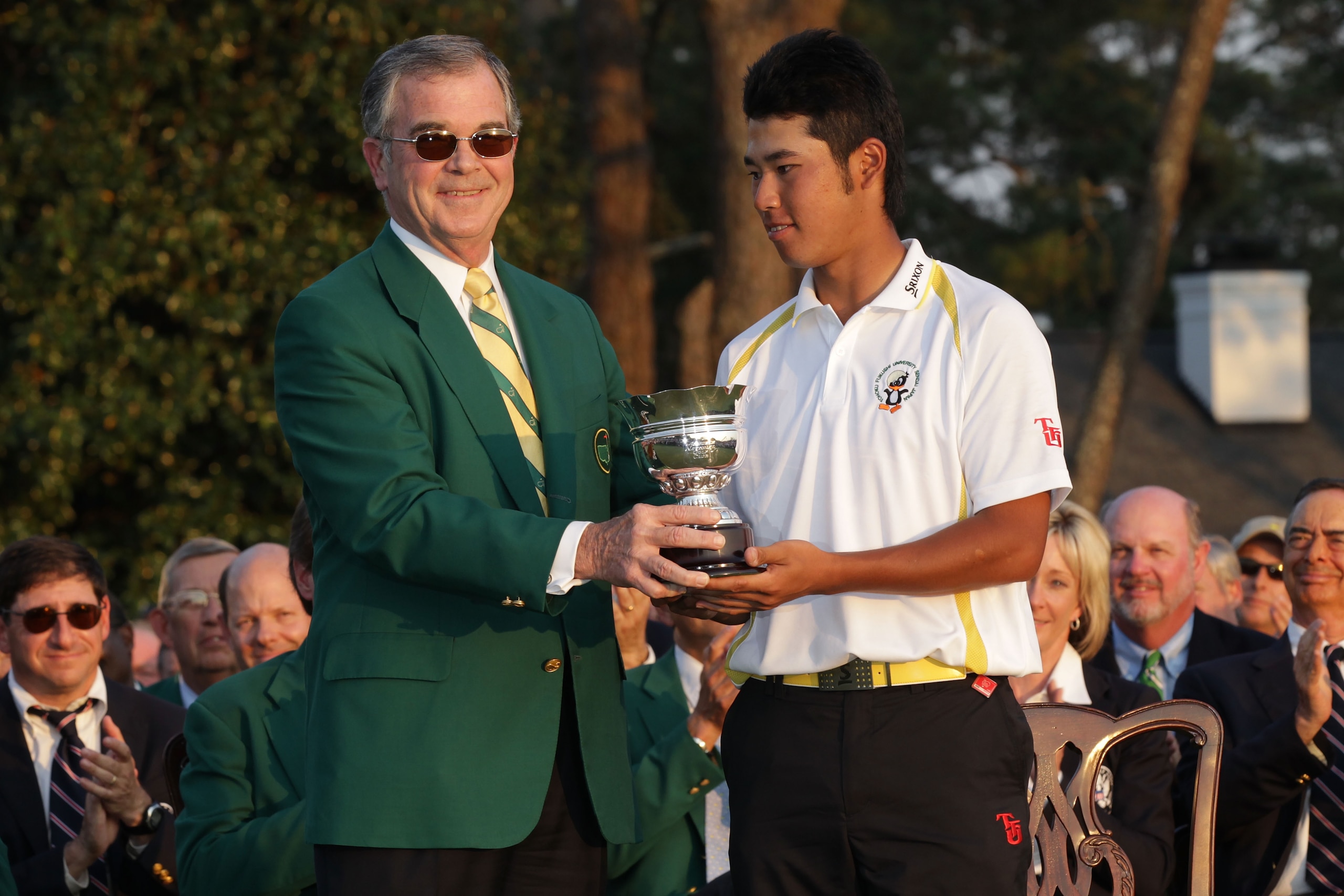
I hope it's not a secret by now, if it honors the past, I am generally for it. If it honors a glorious past, then I am always for it.
With Bobby Jones being one of the co-founders of The Masters, inviting amateurs to the tournament pretty much goes without saying.
But it's the traditions around those amateurs that are nice.
They all stay together in the Crow's Nest. I have never been there, but that sounds like a lot of fun for these young players. It's also a place where some nice friendships and rivalries can develop.
Then, assuming he makes the cut, the low amateur is a part of the celebrations at the end of the tournament. Again, it's a nice way for the fans to learn about the players that could be a big part of the game's future.
What all of this does is honor Jones, who is still one of the top-five golfers of all time. He is also a big part of the history of Augusta and The Masters.
It's a tradition that fortunately stayed with the Masters well after Jones' death. It's also a tradition that will continue, which is good.
14. Open Qualifiers
12 of 25
While it is a great movie, Tin Cup certainly didn't miss any opportunities at making the movie more "Hollywood."
Despite that, the way that the character qualified for the US Open is accurate. Anyone good enough can do it. The qualifiers aren't even held at particularly elite courses.
The British Open is basically the same thing. Both the British and US Open's have a lot of history, which makes them majors and makes them prestigious.
Beyond that, what separates them is that your club champion could conceivably participate in them. If they can participate, they can win.
Sure, it's not likely that anything like that would ever happen, but it's fun to think about.
What makes it fun to think about is that while Tin Cup is a "Hollywood" movie, it is theoretically possible.
13. PGA Championship Pairings
13 of 25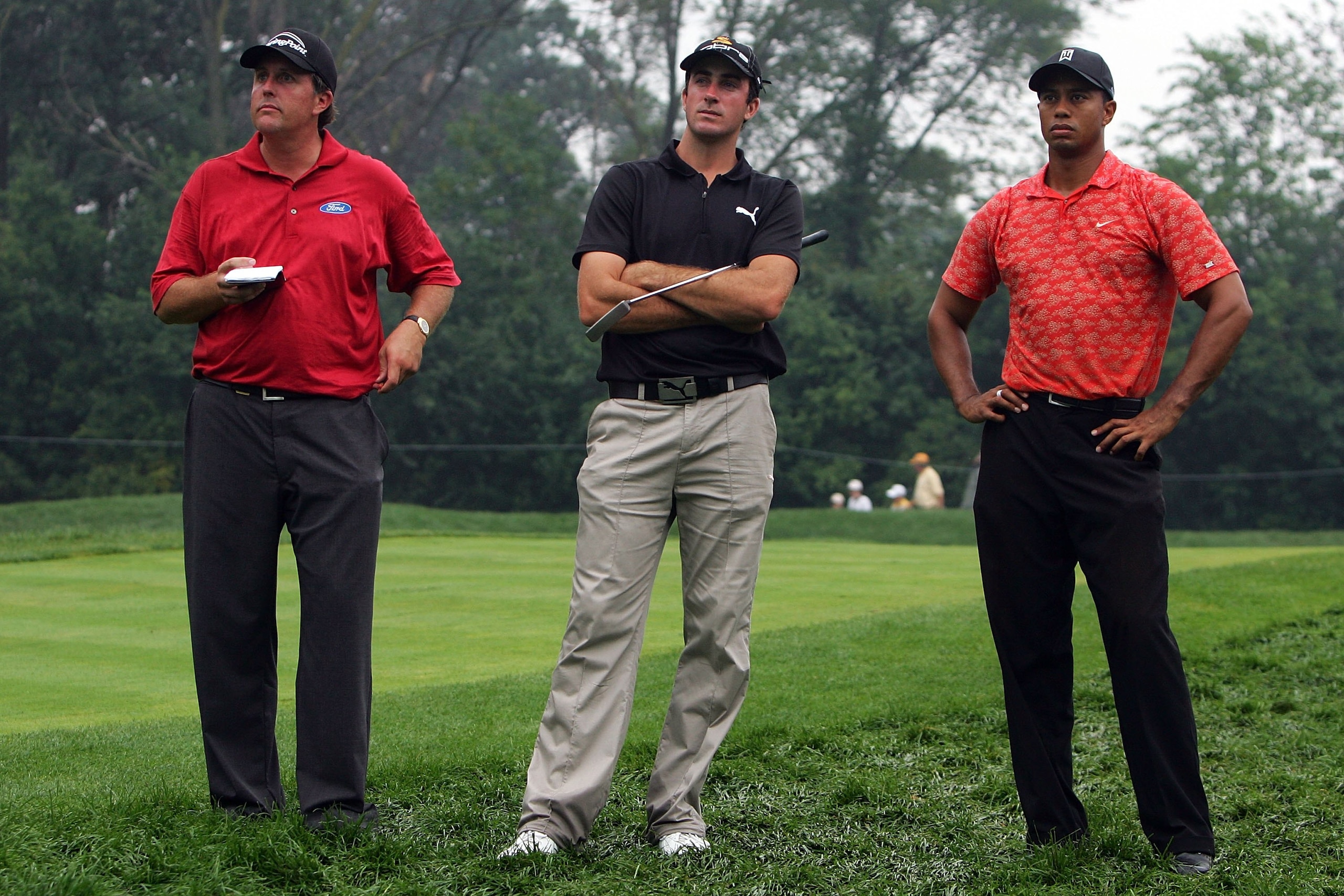
The first two rounds of the PGA Championship provide a few pairing opportunities that provide the fans with some amazing potential.
The first is that they pair past champions with each other. Take a look at that list, and imagine the possible groupings that can come with it.
The second All-Star Grouping comes when they pair the winners of that year's three prior majors together. In 2006, that group was Tiger Woods, Phil Mickelson and Geoff Ogilvy. Who could possibly not be drawn to that trio?
More than anything, what the first two rounds of any tournament need to accomplish is that they need to get the fan's interest.
With all the possibilities of elite groupings, it's hard to not be drawn in. Once you are in for two days, the golf should get you through the weekend.
12. Tour Championship
14 of 25
I am not sure what I think about The FedEx Cup. It's still in its early stages, but it seems to me to be an attempt to emulate what team sports do, trying to find an objective way to crown a player of the year. I am not sure how realistic that is in golf.
But The Tour Championship has existed long before the FedEx Cup, and I like it a lot.
It's not dissimilar to the Tournament of Champions, in that it rewards a very select group of players.
The differences are that this is at the end of the season, and winning isn't the only way to qualify.
Only the top-30 players are invited. If one of them drops out, they don't invite number 31, they play with 29. It's a nice motivator for the players to have consistent seasons, or now, consistent playoff runs.
Whether you like the FedEx Cup or not, it provides the fans something that no other tournament does. It's the last chance for us to see the best of the best until the next golf season.
It's a nice reward for everyone.
11. Augusta Sunday Pin Locations
15 of 25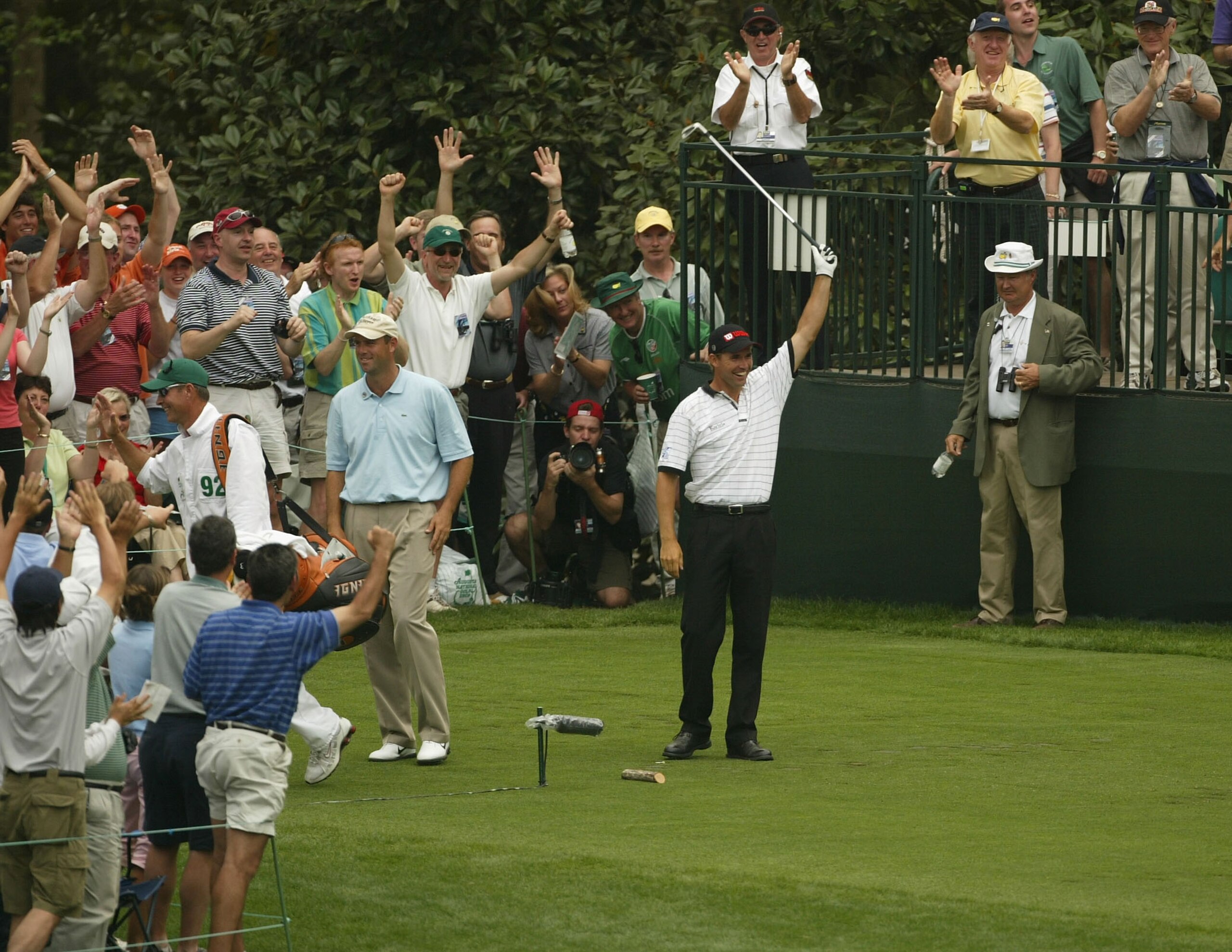
A lot goes into making the Masters special. One of the things is that it's the only major played at the same venue every year.
What that gives us is familiarity, and excitement.
The pin locations are generally in the same location every final round. There is some deviation, but the pins are generally placed in high risk, high reward spots.
When the pin on the 16th hole is at its Sunday location, it may well be my favorite hole in all of golf.
With the golfers as good as they are, a very real possibility exists for a hole-in-one that could be instrumental in deciding the tournament.
In 2004 and 2005, we saw golfers late in the day make an ace there. Kirk Triplett and Padraig Harrington accomplished this in 2004. They actually did that consecutively, though they were in different groups. Playing in the second to last pairing in 2005, it was Trevor Immelman who made a one.
We still haven't seen a champion do that on Sunday, although my guess is that we will. What we have seen is the champions make birdies there in some of the most exciting Masters ever played.
That's just one hole. Think about 12, 13, 15, 18. We all know where the flags are going to be set on Sunday before the tournament even starts.
The best thing is that the players do too.
10. Accenture Matchplay
16 of 25
While this tournament doesn't have a long past, it's been very exciting in the 13 years that it has been a part of the tour.
Match play is just a viewer-friendly style of golf, most of the time. During a blowout, it's not a lot of fun, but what sports are?
This tournament gives us things that we don't see a lot of on regular tour stops. Things like gamesmanship and one-on-one play are rarely seen in stroke play events.
In stoke play, all the shots matter. A blowup hole can hurt an entire round of golf. In match play, a blow up hole could conceivably be good enough to win, depending on what your opponent is doing.
It's fun to think that one group can play a hole and have a golfer make a par and lose the hole because his opponent made a birdie. In that scenario, the next group to play that hole may have a golfer win while making a bogey.
In stroke play, you can't concede putts to your opponents. In match play, that's an integral part of the strategy. Concede the three-foot putts early, then when they have a big one late to extend the match, make them putt it.
In stroke play, there are order of play rules, but there is no penalty for violating them. In match play, if you play out of turn and hit a good shot, your opponent can make you replay it.
Week in and week out, stroke play is the best way to determine who plays the best golf. We only get to see match play a few times a year. But when we do see it, it's a treat.
9. Exemptions
17 of 25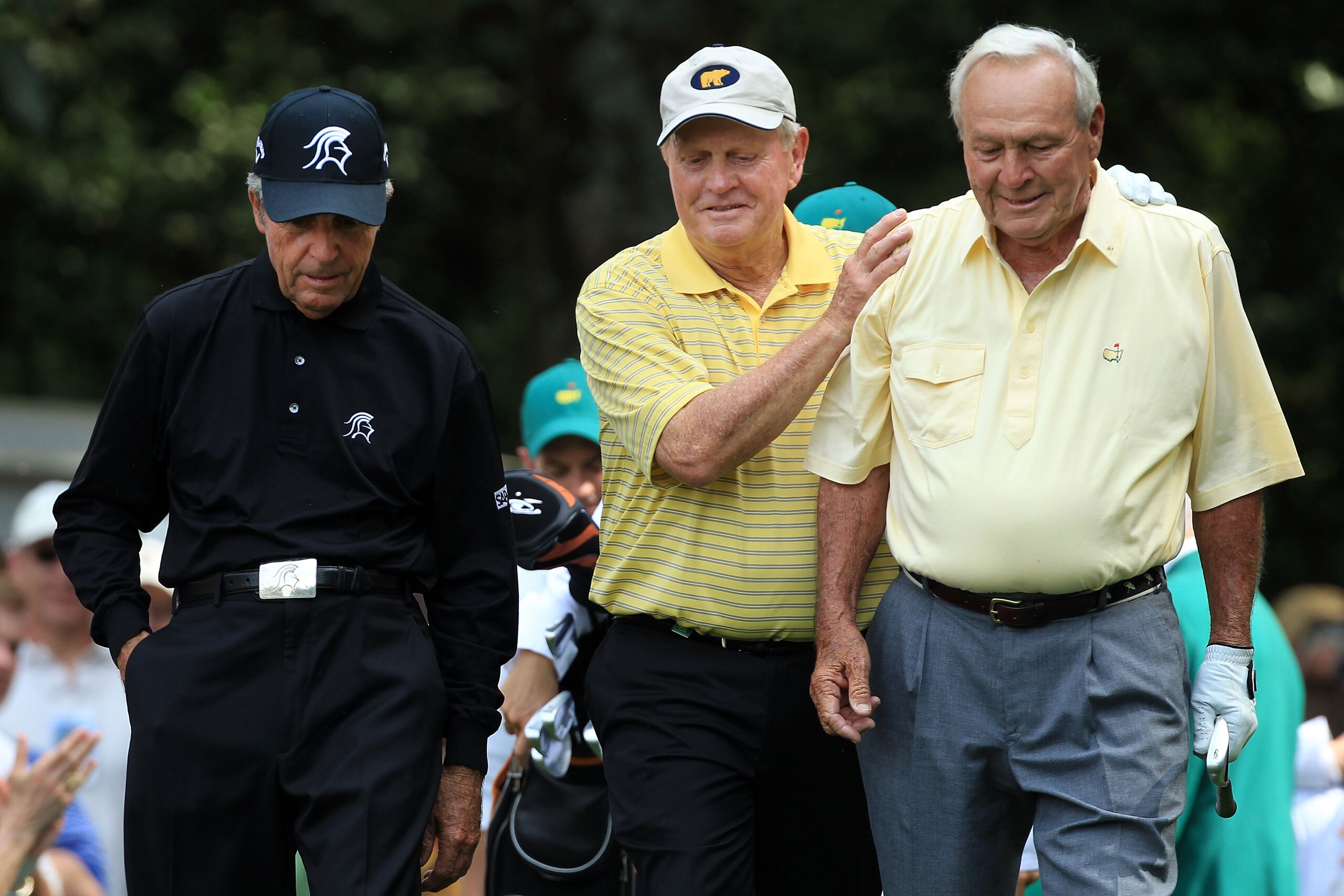
Different tournaments give different exemptions.
The Masters gives anyone who ever won the tournament a lifetime invitation back. The PGA Championship does the same thing.
It's a great way to see the great golfers of the past, even if they aren't competitive or threatening to make any cuts.
The natural problem there is that you will occasionally see older players struggling to break 100. But so what? Particularly at the Masters, they aren't taking the spot of anyone else.
The British Open has found a remedy for that problem. Past champions are invited back until they turn 60. That gave us Tom Watson in 2009, a 59-year-old man coming within a par on the final hole of winning the tournament.
Whether they are competitive or ceremonial, it's great to see these guys out in actual competition. No, it's not especially fun to see them struggle to keep their rounds in double-digits, but it's not fun for them to experience that either. They generally know when to bow out.
What makes golf so unique is that players that are two or three generations apart can be competitive with each other. Sure, everyone has their better days, but it's not like other sports.
It's not likely that Jack Nicklaus would be competitive against Tiger Woods in a round of golf today.
But I like his chances a lot more than I would like a modern day Tom Seaver trying to strike out a modern day Albert Pujols.
8. Teaching Pros in PGA Championship
18 of 25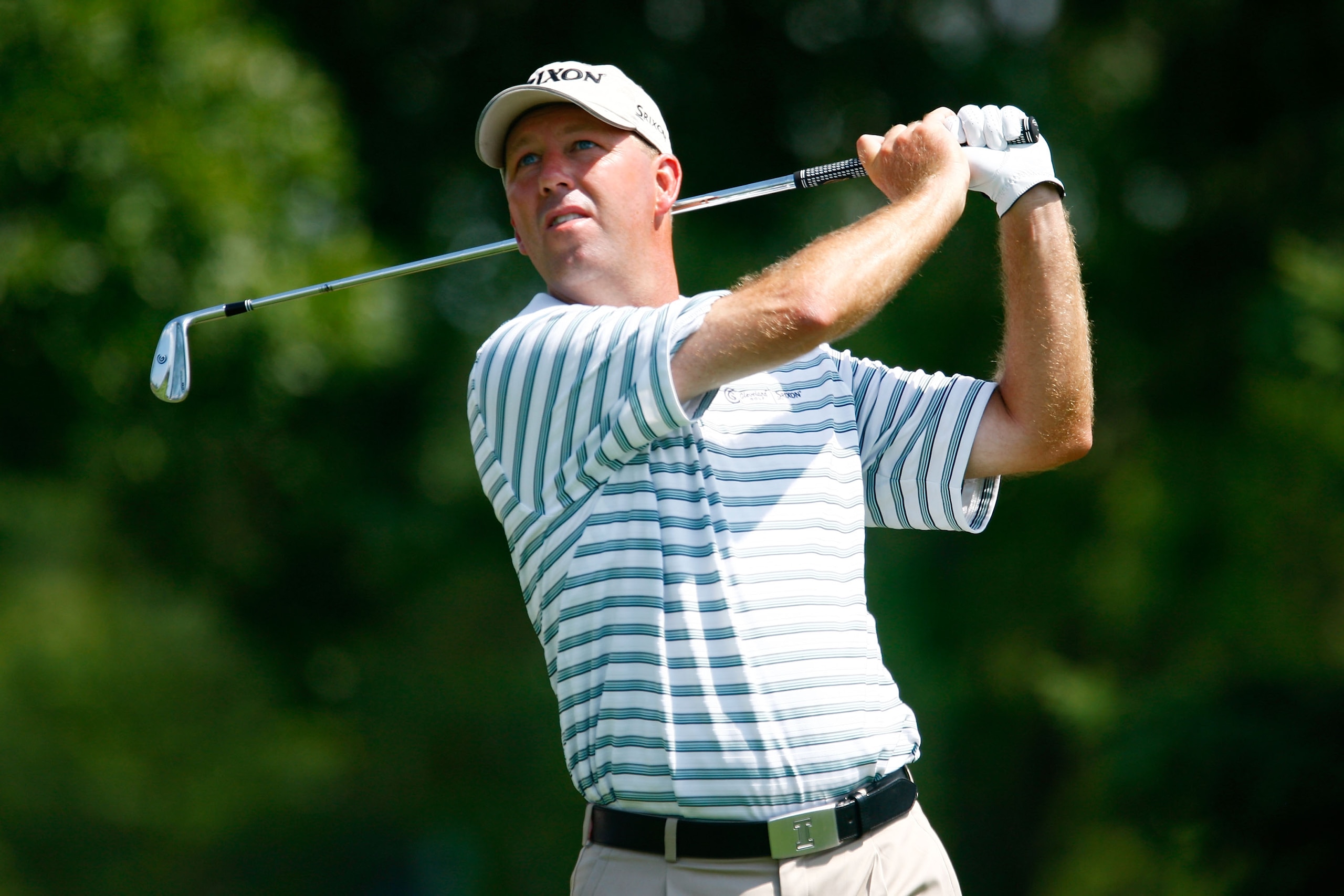
The odds are pretty good that you don't recognize the man in that picture. That's Mike Small, who won the PGA Professional National Championship in 2005, 2009 and 2010.
That's significant because it's a tournament that allows teaching professionals to qualify for the PGA Championship. Every year, the top-20 finishers in that tournament get to play in the PGA Championship.
This is a nice way to honor our PGA teaching professionals.
At most courses, the best several golfers who routinely play there are significantly better than the teaching professionals that work there.
Teachers don't get to play a lot of golf. Maybe on an off day, they will play a round. During a lesson, they may take a few swings to show their student what they are trying to teach them.
Every now and then, they may hit a bucket of balls. During a slow time in the teaching schedule, they will sometimes go out and play a few holes with some of the members, but it's not a lot of golf.
Even getting to participate in the PGA Professional National Championship is a tremendous honor for them. For the 20 that are lucky enough to qualify, it has to be a dream come true.
Because they don't play a lot of golf, they don't traditionally do too well in the PGA Championship against people who play for a living. But that doesn't really matter.
The closest team sports example to this is when a career minor league baseball player, now in his mid-late 30's, gets called up to the majors in September.
Even if he does well, he probably won't be brought back the following April, but it gives him a chance to live his dream, and play at the highest possible level.
7. 17th Hole: TPC Sawgrass
19 of 25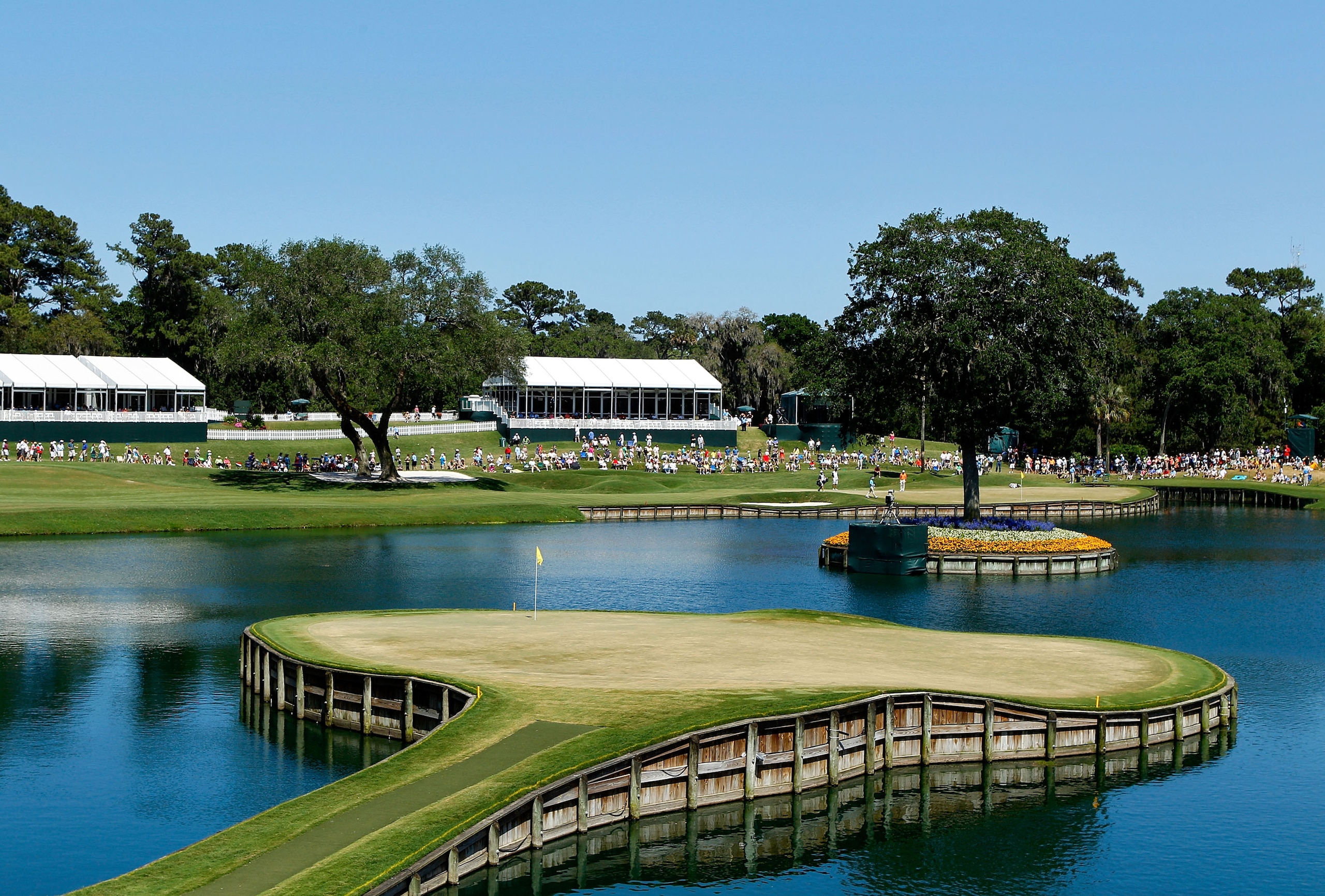
Generally speaking, this is a well liked hole.
Some people don't like it, saying that the people who do like it are the same people that watch NASCAR for the wrecks.
There may be an element of truth in that, but people who watch NASCAR don't do it just for the wrecks. They watch because at the speed that the drivers are going, a wreck is always possible. But given how fast they drive, crashes are actually rare.
Now, this hole is not unlike the 16th hole at Scottsdale. It's nothing more than a wedge or short-iron in. There is one difference. At Scottsdale, if you miss the green, the fans will boo you. At Sawgrass, if you miss the green, you are in the water.
The Players Championship has often been called the fifth major. Whether you buy that or not, it is one of the biggest tournaments for the players.
Imagine the pressure of being one shot up, standing on this tee. If you hit the green, you are fine. If you don't, you probably lose.
With how short the hole is, a player hitting the green can realistically make a birdie. A player missing the green can realistically make a triple-bogey.
That's quite the difference.
6. Augusta
20 of 25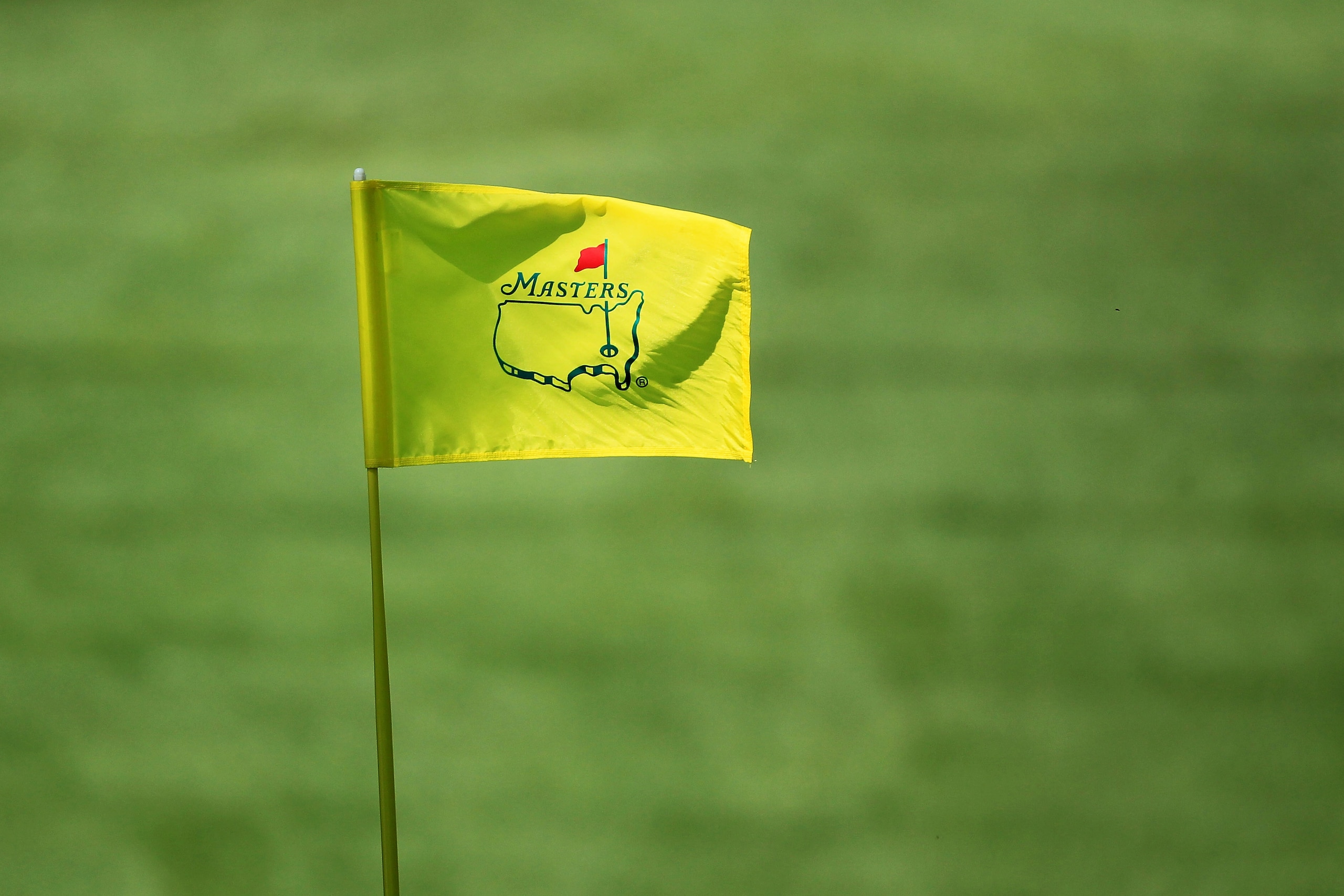
I've never been to Augusta, but I have been told by people who have that television doesn't do it any justice.
My response is that it must be Heaven on Earth, because television makes it look pretty special. Pebble Beach is the only course that I can think of that can rival it, but I have been there several times, so that's not a fair comparison.
I know it's been lengthened a few times, but Augusta is pretty much unchanged from what it was when Alister MacKenzie designed it.
Year after year, the Masters is the most special tournament in the World. It's not necessarily the greatest golf tournament in the World, although a case can be made that it is.
It doesn't have the history of the British Open and it is not anywhere near as challenging as the US Open, but it has Augusta.
No other major plays at one venue every year. The Masters does, and what a venue it is. The landmarks are all over it, the bridges, the creeks and the trees.
Even the terminology is different.
It's not the rough; it's the first cut, second cut, etc.
They aren't galleries or fans, they are patrons.
Yeah, it is a bit pompous. But if anyone has ever earned the right to be pompous, it's the people that make Augusta the greatest golf course in the World year in and year out.
5. The Old Course at St. Andrews
21 of 25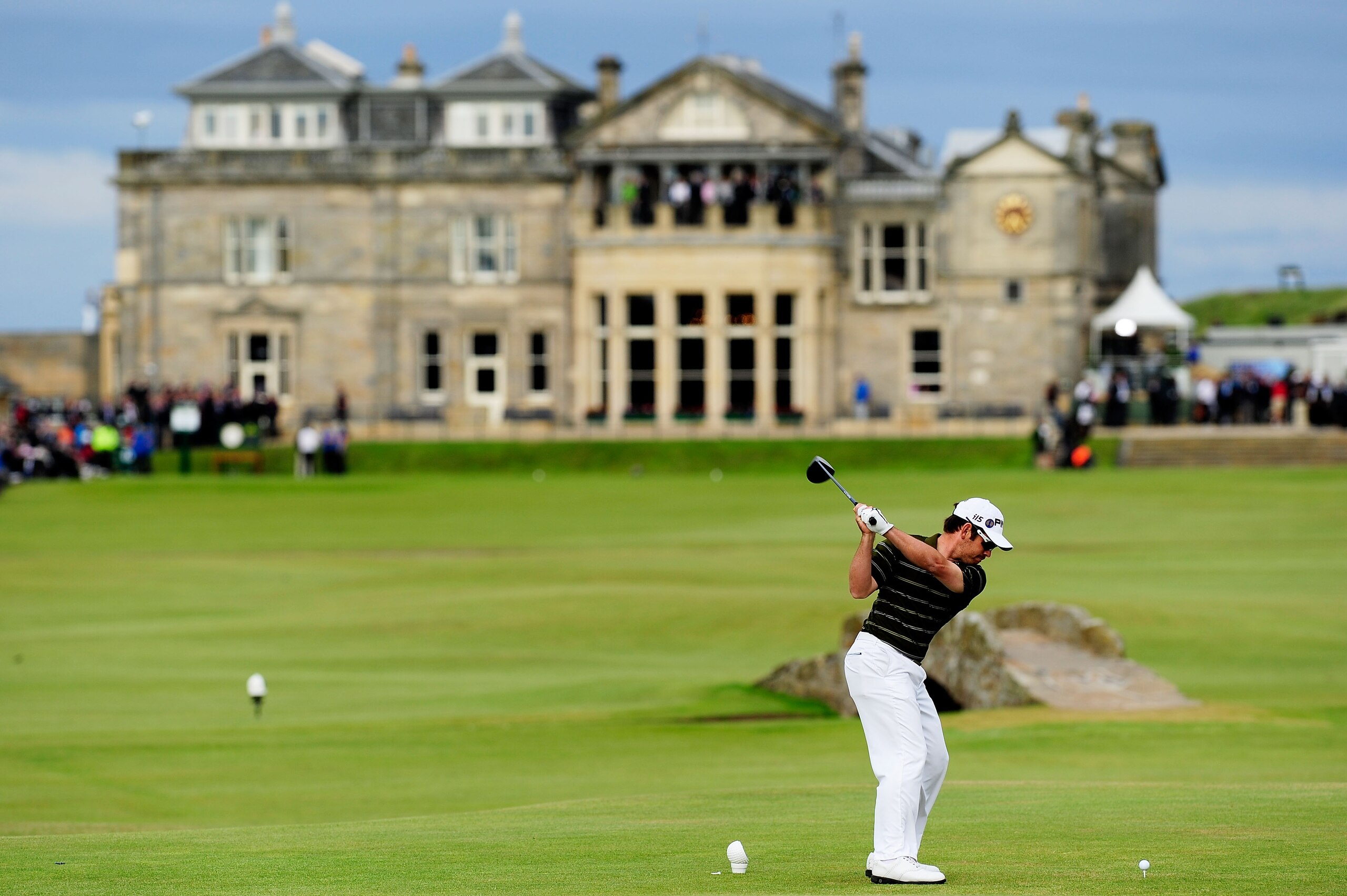
Unfortunately, this is another place that I have never been to, although it will happen someday.
It may be confusing that I just said Augusta is the greatest golf course in the world but I ranked the Old Course one spot above it.
The first reason I did that is that St. Andrews is the birthplace of the game that we now know as golf. Variations of it had been played elsewhere, but this is where the game that we all know today was born.
The second reason is that at many spots, Augusta was designed with a nod to St. Andrews. Might as well give the nod to the original, right?
A few years ago, I went to the Northeast United States. While there, I went to both Fenway Park, and the Old Yankee Stadium.
Fenway was the nicer of the two stadiums. Frankly, San Francisco's AT&T Park is the nicest park in baseball, but I digress.
While Fenway was visually the nicer park, Yankee Stadium was hands down the most historic stadium in America, baseball or otherwise. That says a lot, because Fenway has plenty of history.
Augusta has plenty of history and even on television is the most beautiful golf course that I have ever seen. But no golf course matches the history of St. Andrews.
While they don't play the British Open there every year, it is the most common venue in the rotation. Since 1990, the Open has been played there in years ending in zero and five.
This is not a complete list of golfers who have won the British Open at St. Andrews, but it's a pretty good list: Bobby Jones, Sam Snead, Jack Nicklaus (twice), Seve Ballesteros, Nick Faldo and Tiger Woods (twice).
With the obvious exception of Jones, every one of those players has also won at Augusta, multiple times.
St. Andrews is just different. Different than what's on the scorecard and more than what meets the eye.
4. Ryder Cup
22 of 25
Through 1971, The Ryder Cup was just the USA vs. Great Britain. In 1973, 1975 and 1977, it was the USA vs. Great Britain and Ireland. In 1979, it took the form that we know today, the USA vs. Europe.
Maybe it's because dating back to 1995, Europe has won six of eight Ryder Cups, but Americans definitely seem more excited for the Ryder Cup than the President's Cup.
That may change if the Americans go on a long Ryder Cup win streak, or if the International team goes on a long President's Cup winning streak, but for now, the hunger seems greater in the Ryder Cup.
There have been some hotly contested Ryder Cups, where bad blood genuinely seemed to spill between the two sides.
1991 gave us the "War on the Shore," while 1999 gave us the greatest single day comeback, and caused a lot of controversy due to the perceived lack of sportsmanship shown by the American side during the comeback.
What happened in 1991 is more what the Ryder Cup should be about. Sure, the competition was fierce, but that was between the ropes.
In 1999, it spilled over the ropes to the fans.
To this day, I think that the Europeans overreacted to the American reaction to Justin Leonard's putt that ultimately clinched the Ryder Cup for the Americans.
It was a spur of the moment celebration and if they did step through José María Olazábal's putting line, it wasn't intentional and it was on a long putt that he needed to make. Chances are that he wouldn't have made it anyway.
The Europeans do have a valid complaint about the Brookline fans that heckled the Europeans all throughout the week. That stuff is accepted at other sporting events, although it isn't that charming there either. But even in the Ryder Cup, it is not acceptable in golf.
A critic of the Ryder Cup could point out that it brings out fierce nationalism, which can turn ugly. But for the most part, the nationalism has been contained, which makes for exciting sporting events, like the Olympics.
The fact that it's a match play event only makes it better. The gamesmanship is never higher in the game of golf than during the three days of the Ryder Cup.
3. 18-Hole Playoffs in the US Open
23 of 25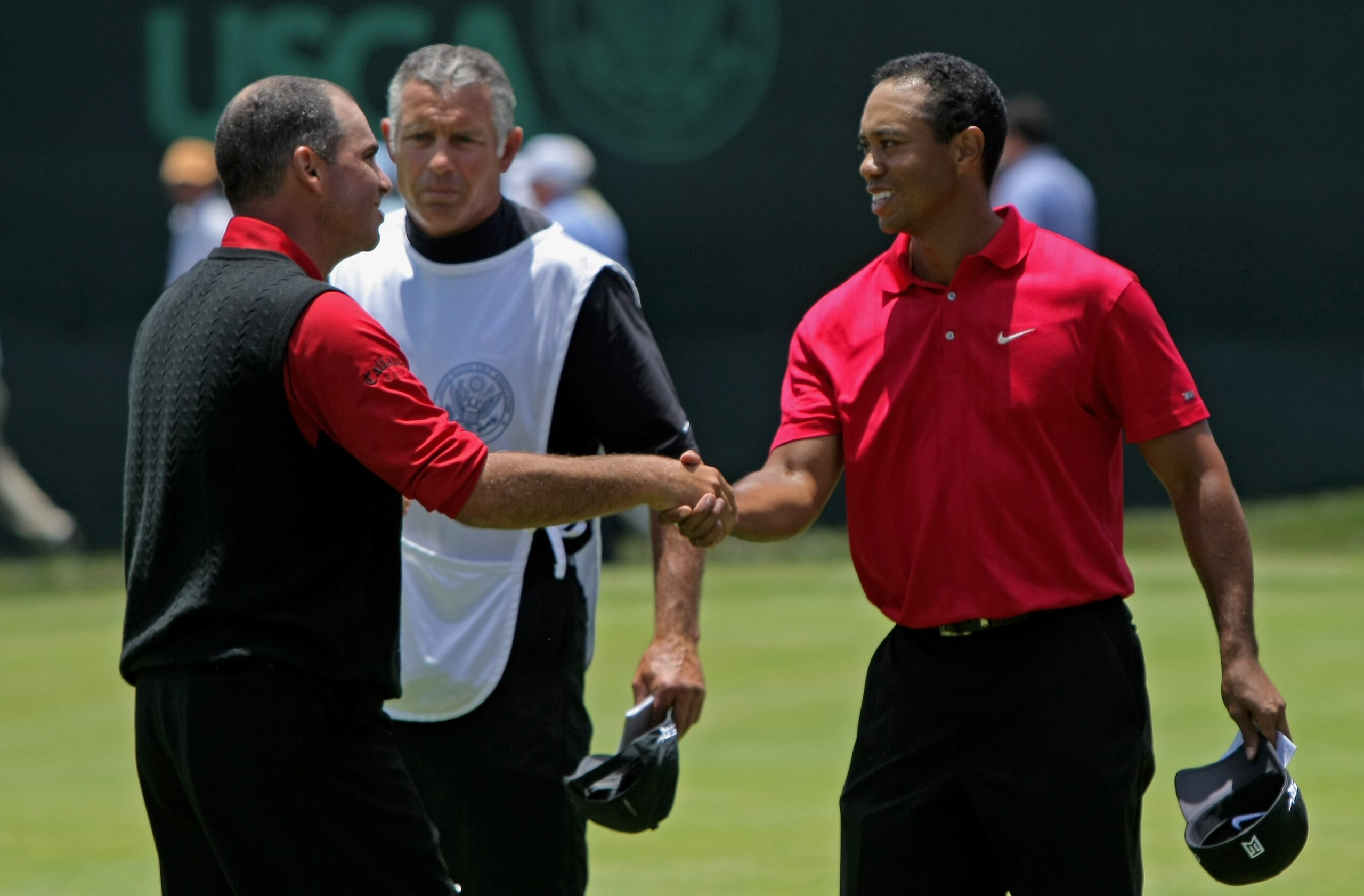
Earlier in the list, I mentioned how I love that the US Open ends on Father's Day. Considering that, how can I enjoy an 18-hole playoff? All these things do is guarantee that the tournament will not end on Father's Day.
Well, the person that likes seeing the US Open end on Father's Day is the sentimental person in me. The person that likes to see the US Open's playoffs decided over 18 holes on Monday is the golf fan in me, and just the sports fan in me.
Besides, ties don't happen that often. They have only happened twice in the 21st century (2001, 2008). The 2009 tournament did end on Monday, but that was due to weather.
A sudden-death playoff is just one hole. In that spot, I could beat Tiger Woods. If he hits a drive out of play, the tournament is likely mine if I can just make a bogey.
The playoffs that the British Open and PGA Championship have are better, but they provide similar problems. They are a few holes long, so you don't have the issue of one bad shot ending it.
But if one golfer gets a one or two stroke lead on the first hole, that can greatly change the way the rest of the holes go.
That is not the case in an 18-hole playoff. Case in point is the 2008 US Open. This is easily the best tournament that I have ever watched. To be fair, I was less than a year-old for the 1986 Masters, so I didn't really follow that tournament all that closely.
The first 72-holes of the 2008 US Open were incredible. Once Tiger Woods made his birdie putt to force the 18-hole playoff, I was sure that he would beat Rocco Mediate by four shots, if not more.
After the first hole, I was convinced of the same thing, Tiger took a one-shot lead. Mediate came back and took a lead through four, but it was short lived, as Woods had a two-shot lead by nine and a three-shot lead through 11.
Rocco began to chip away, evening the score by 14 and taking a lead after 15. He held that lead until the 18th hole. There, Woods evened the matched and forced a sudden-death playoff.
Finally, 91 holes after the tournament began, Tiger put the pesky Mediate away when he won the first sudden-death playoff hole.
Now, had the tournament immediately gone to a sudden death, they would have either gone to number seven or number 18. Tiger would have likely won either hole; he won them both in the 18-hole playoff, he won seven during both 18-hole and sudden-death playoffs.
But honestly, what's better? A quick finish, or a long, drama filled finish?
Not convinced? The sentimental side still weighing you down? Fair enough, but know that I spent Father's Day in 2008 with my dad, watching the US Open. What do you think I did the next day during the playoff? Who do you think I was with?
2. Claret Jug
24 of 25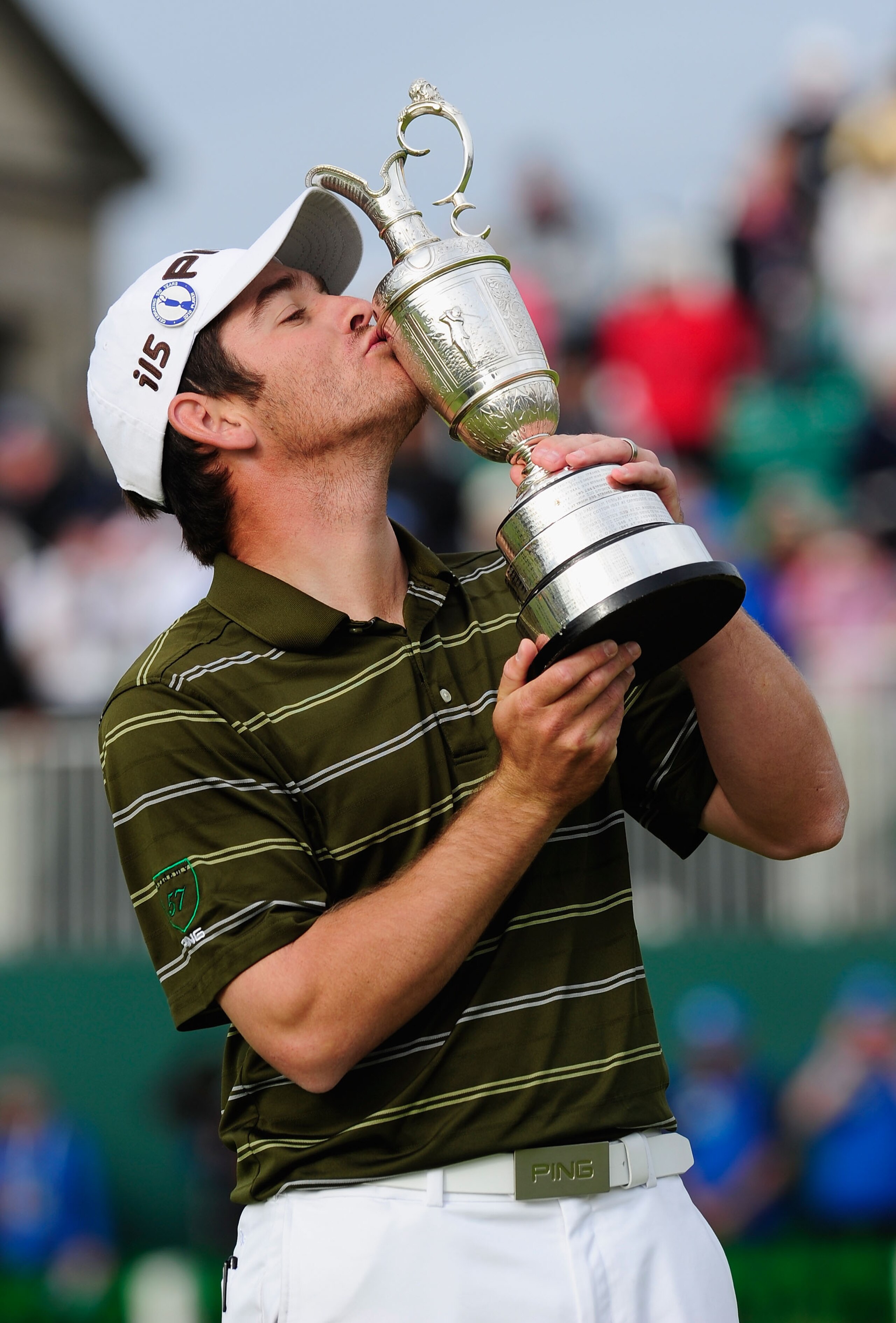
Similar to the Stanley Cup, the Claret Jug is the same one every year and has the name of every winner inscribed on it.
There have been three versions. The one that we see today was first awarded in 1928, to Walter Hagen. While it's a beautiful trophy, it doesn't particularly stand out when compare to the gigantic Wanamaker or US Open trophies.
Actually, compared to those two, the Claret Jug is pretty modest. So why is the trophy so much better?
It's not that the Claret Jug has been won by better names. They have all been won by a lot of great golfers. No, it's simpler than that. More importantly, it's more objective.
The 2010 PGA Championship was the 92nd.
The 2010 US Open was the 110th.
The 2010 British Open was the 139th.
It's got 29-years on one and 47-years on the other.
The trophy is great because it represents the oldest major championship.
Because of that, its trophy deserves to be ranked ahead of the prizes awarded at all of the majors. Well, almost all of the other majors.
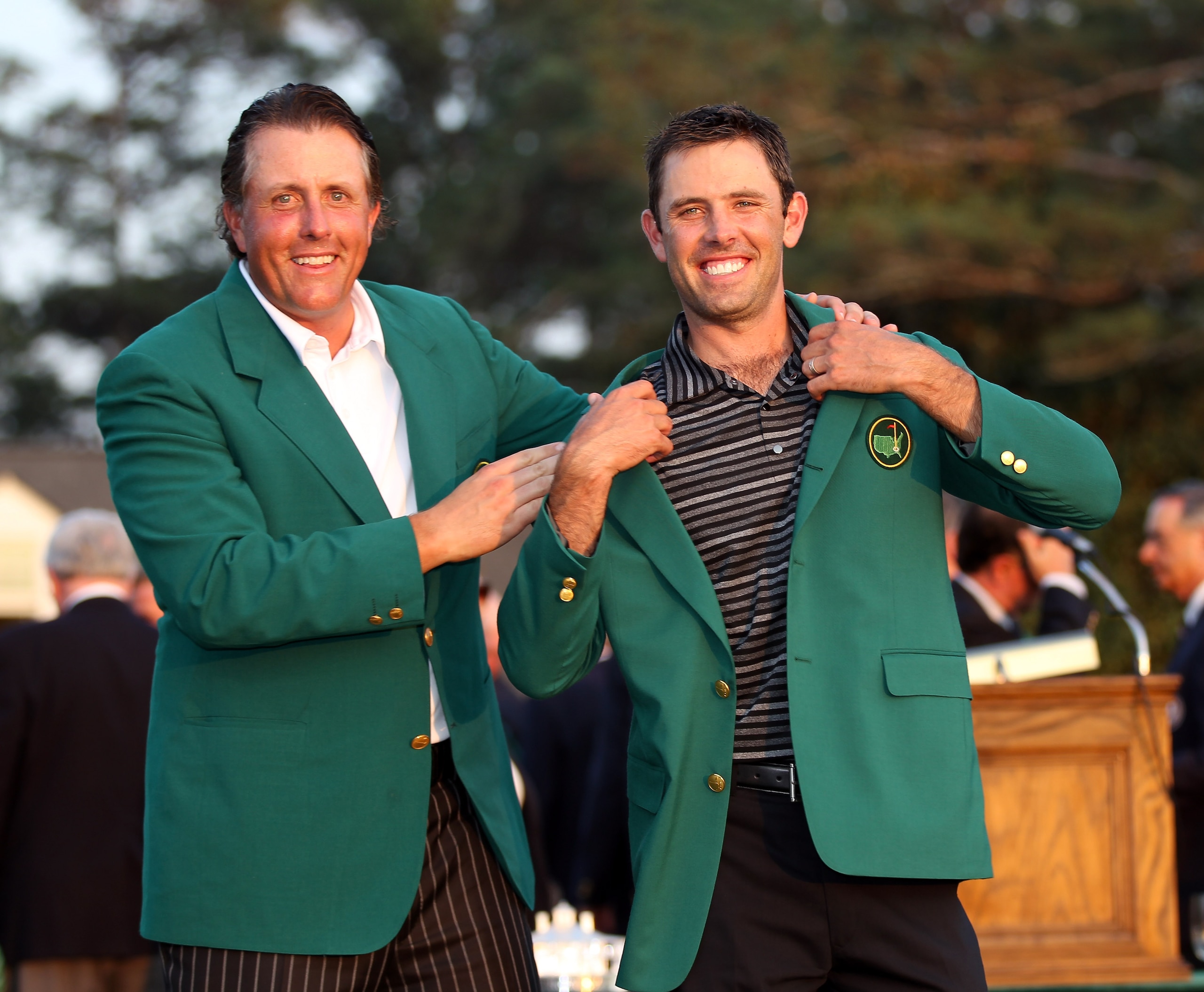
1. The Green Jacket
25 of 25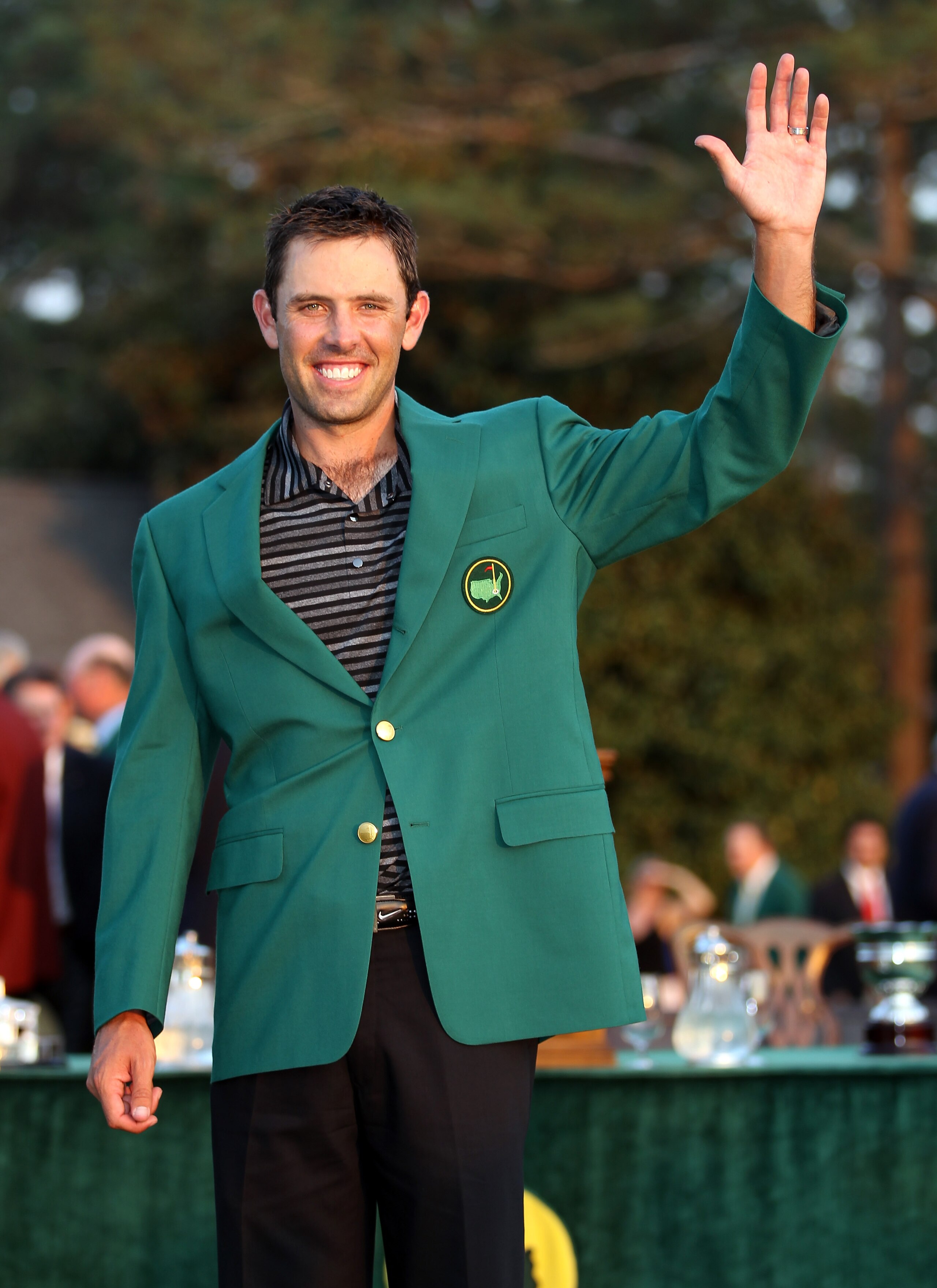
Personally, no trophy in sports compares to the Green Jacket. Above all other things, it may the biggest thing that separates Augusta from any other place.
They have always given out a trophy for winning the Masters, but the Green Jacket has only been awarded to the winner since 1949.
By sight alone, a casual golf fan may not know that the US Open Trophy goes to the winner of the US Open. I would hope that they could figure that out if they knew the name of the trophy. The same goes for the Wanamaker Trophy and the Claret Jug.
But just about anyone will know that the Green Jacket goes to the winner of the Masters.
Also, while the Masters is the newest of the four majors, it may be the one that carries the most tradition. A lot of that tradition centers on that Green Jacket.
The champions all wear their Green Jackets at the champion's dinner.
The members of Augusta all wear their Green Jackets all week during the Masters.
Then, when the tournament is over, the previous year's champion wears his Green Jacket when he puts the Green Jacket on the new champion.
The Masters is advertised as "A tradition unlike any other." I agree with that.
I have also devoted a lot of previous traditions to specific parts of The Masters, so it wouldn't be practical to call the Masters the number one tradition.
But the Green Jacket is the greatest single tradition at the Masters, so it stands to reason that it would be the greatest tradition in all of golf.
.jpg?w=2560 "49ers DE's Hilarious Plan for Australia Flight")
.jpg?w=2560 "QB's wife owns up to social media 'burner' situation")
.jpg?w=2560 "Raiders Name Cousins QB1")
