Greatest Championship Battles
We all love NASCAR, seeing man-and sometimes woman-jocking for position lap after lap, melded as one in a high speed game of chess, all in a quest for the elusive prize. As we all know winning does not mean you will be champion, it takes consistency,and a never say die attitude. Statistics have shown you can be champion without winning a race. In the early days virtually every season was a blowout by one driver, with a few exceptions, however since NASCAR has gone to the current points system-in 1972-chases have been much closer. It is not always how you finish, but how well of a fight you put up.
1948
1 of 15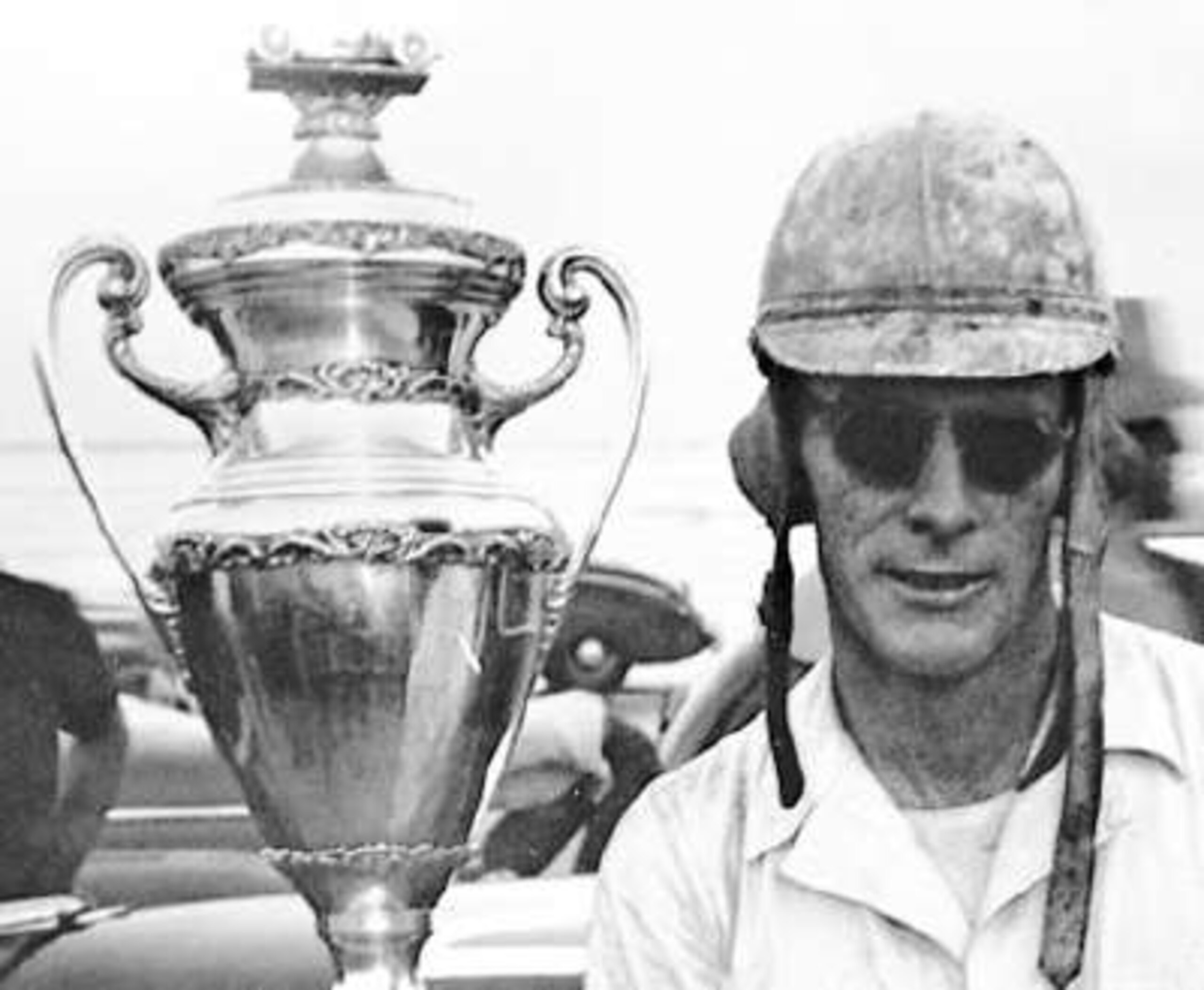
Let's kick off the show by stating where it all began. Red Byron engaged in a fierce battle for the championship with '47 NCSCC champion Fonty Flock. Byron and Flock would swap the point lead five times during the season, with Byron taking control for good after race #49 of the 52 race season, holding off Flock to win the championship by a mere 32.75 points. Fonty Flock won 15 races in '48, including 6 in the final two months to mount in fruitless charge. Byron posted 11 of his 13 career wins in 1948.
1950
2 of 15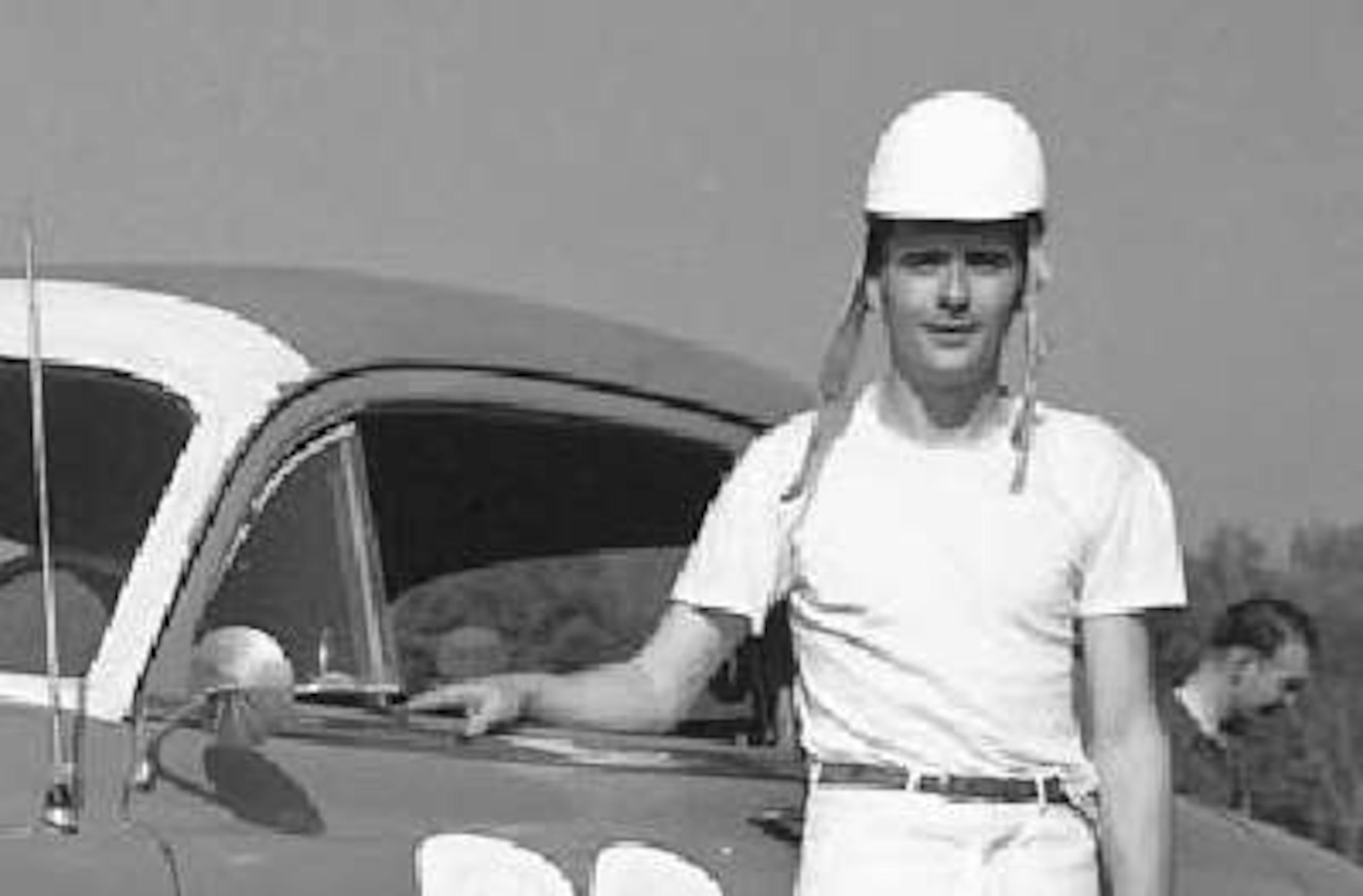
To say Billl Rexford had luck on his side when he won the 1950 championship, would be like saying the Titanic had minor problems crossing the Atlantic. Rexford took the points lead in the next-to-last race of the season, but dropped out early in the season finale. Fireball Roberts was the only one who could overtake Rexford, and all Roberts had to do was finish 5th, but a blown engine relegated him to a 21st place finish, allowing Rexford to win the championship by 110.5 points. Although there were only 19 races in the 1950 season; seven drivers swapped the points led nine times, Rexford, Roberts, Red Byron, Tim Flock, Curtis Turner, Lloyd Moore, and Harold Kite all held the point led in 1950.
1965
3 of 15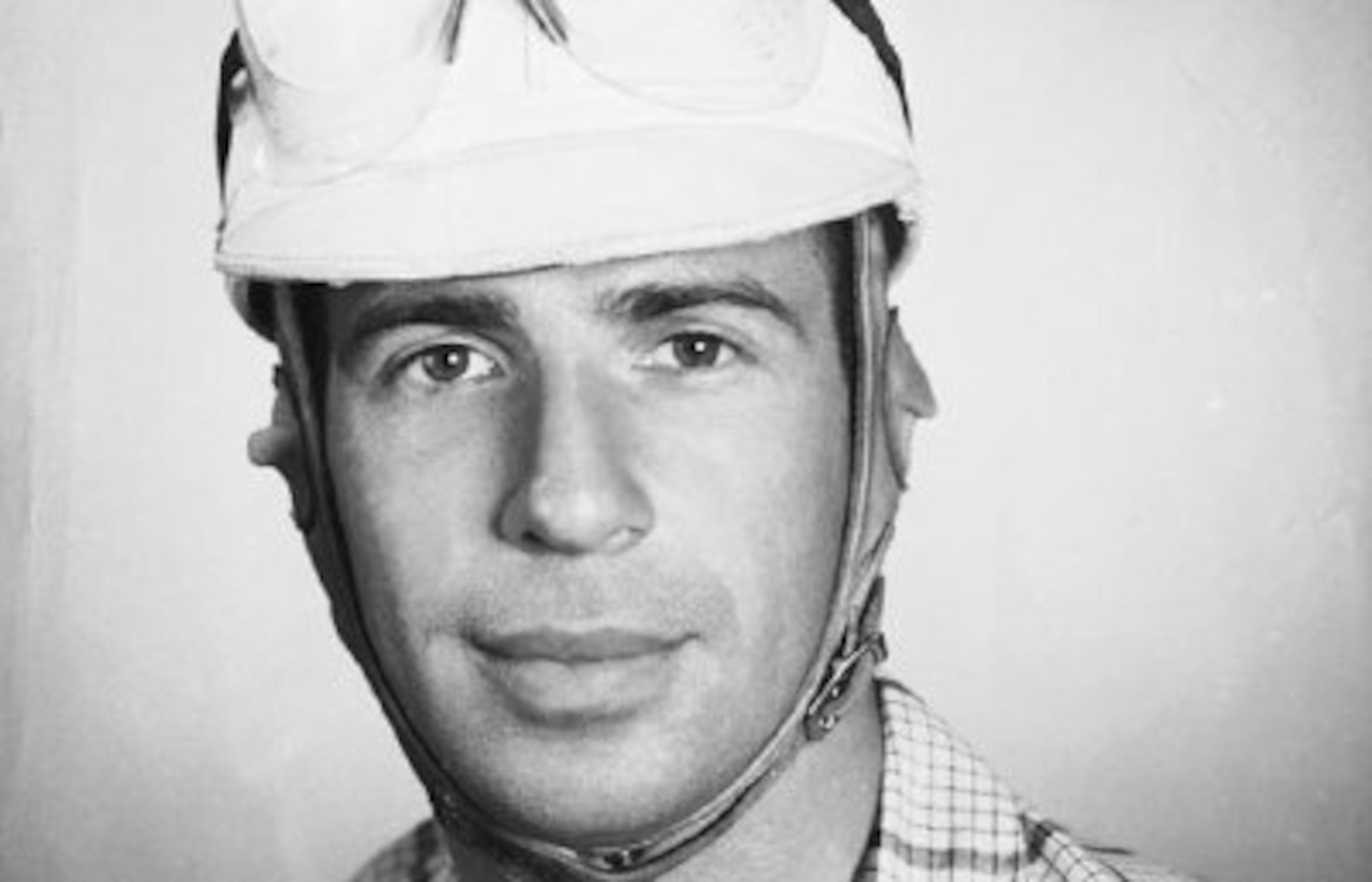
It had been 15 years since there was an "genuine" battle for the championship, and did NASCAR ever get a great one in 1965. An upstart country boy from Keokuk, Iowa challenged quite possibly the smoothest driver ever to put on a helmet in Ned Jarrett. Dick Hutcherson led the standings after 13 races, and appeared to be cruising to the title after Jarrett injured his back in June, but Ned persevered and overtook Hutch in the 34th race of the 55 race season, after trading the led 5 times. Jarrett then opened up sizable lead in won his second championship by 3176 points. The only other drivers to lead the standings during the season were, Darel Dieringer and Junior Johnson, Jarrett went to victory lane 13 times in 1965 (his last full season), Dick Hutcherson meanwhile set the rookie record with 9 wins.

1970
4 of 15
If Bobby Isacc believedhe could win the 1970 championship he had good reason to, the previous year the US landed on the Moon; Twice! Isaac took the lead from James Hylton and never looked back, winning the championship by 51 points. All told seven drivers swapped the points lead a record 12 times, other then Isaac and Hylton, Bobby Allison, Richard Petty, Dave Marcis, Neil Castles and Leeroy Yarbrough all took turns up front. Isaac never finished higher then 16th in the points the rest of his career
1973
5 of 15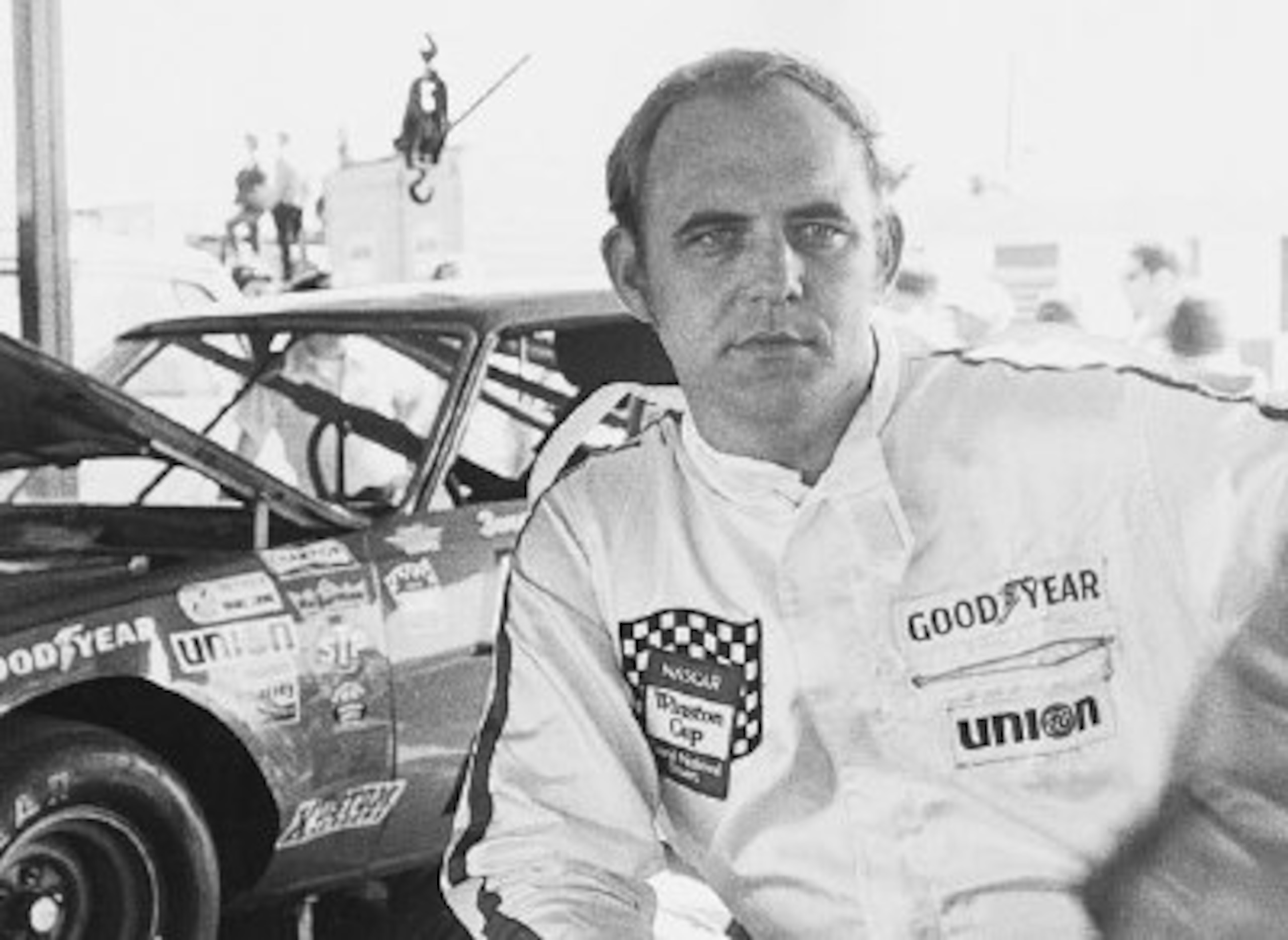
1973 was a victory for underdogs, it was also a weird year in NASCAR, a new points system factored laps completed into finishing order, and a former taxicab driver on a underfunded team won the prize. BP lead the standings since May, but Cale Yarborough stayed within striking distance week after week. Going into the season finale 5 drivers had a mathematical shot at the championship, Parsons crashed early on and his crew somehow made repairs to get the car back on track, Parsons completed just enough laps to clench the championship by 67 points.
1976
6 of 15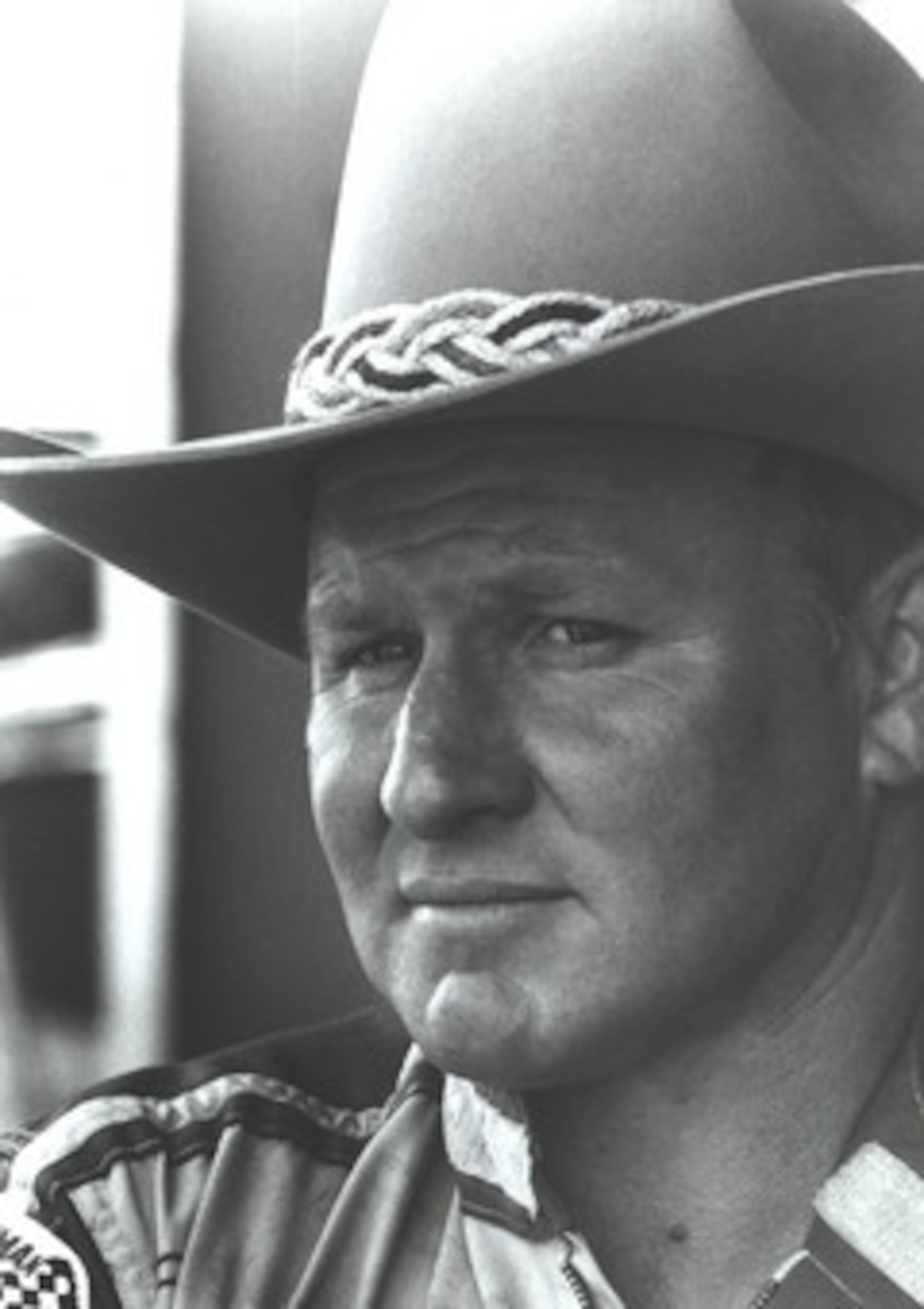
1976, the beginning of the Junior Johnson dynasty,and the first three-peat in NASCAR history. Yarborough, Parsons, Petty, and Pearson traded the lead 8 times in the first couple months before Pearson faded down the stretch. Yarborough took the points lead in August and pulled away winning the championship by 195 points over Richard Petty.
1979
7 of 15
In 1979 a trashtalker from Kentucky almost got the better of the king. DW grabbed the lead in the standings in May and would just cruise, or so he thought. Waltrip built his lead too 187 points, before it caved in on him, Richard Petty made an incredible rally, that saw him not finish worse then 6th the final 7 races, to win his 7th championship, a record that would stand alone for 15 years. The point led changed in each of the last 4 races, a Waltrip spin in the final race clinched the title for Petty, who won the championship by a scant 11 points.
1983
8 of 15
Bobby Allison got the monkey off his back, but he had to sweat it out. Darrell Waltrip was down 170 points in late July, but rallied to shave Allison's lead down to 41 points in September. Three straight victories by Allison iced the championship, six different drivers all led the points in 1983, in addition to Allison, Joe Ruttman, Cale Yarborough, Harry Gant, Bill Elliott, and Neil Bonnett all took turns in front. Although Darrell Waltrip never led the standings; he came within 47 points of being the second Junior Johnson driver to three-peat, and within 58 points of winning 5 championships in 7 years.
1988
9 of 15
"Awesome Bill from Dawsonville" overcame his demons from 1985 to win his only championship, but he almost let it slip away again. Rusty Wallace led the standings from June through August, but stumbled in September falling 124 point Elliott. Wallace mounted a torrid rally winning 4 of the final 5 races, but it was just not enough to overcome Elliott, who won the championship by just 24 points. Dale Earnhardt and Bobby Allison also led the standings, but fell back to third and thirty-third respeactivly (Allison fell that low after a career-ending crash).
1989
10 of 15
1989 was Rusty's turn for redemption, Dale Earnhardt led the majority of the season after taking the lead from Darrell Waltrip. Rusty took the lead with 5 races remaining, and staved off a rally from Earnhardt to claim the championship. Needing to finish 18th in the season finale Rusty played minds games with Dale the whole race, Dale dominated the race as Rusty hovered around 18th all race long, to win by a 12 points.
1990
11 of 15
Dale Earnhardt won his 4th championship in 1990, but it came shrouded in controversy. Mark Martin won at Richmond in February, but NASCAR deemed his carburetor spacer too thick by 1/2 inch; the team was docked 46 points. Then in October Earnhardt left the pits in Charlotte; the left-side wheels came off as he entered the first turn, so his crew ran to the car to reattach the tires, under disobeyance of NASCAR'S orders; Earnhardt was not penalized. Martin led from June through October, but an Earnhardt victory at Phoenix was enough to leap over Martin, and win the championship by 26 points. Without the penalty Martin would have won by 20 points
1992
12 of 15
The year of the Underdog, Alan Kulwicki found himself 278 points out with six races to go. After a crash at Dover and declaring ' This probably finishes us off in the championship deal" Kulwicki began to string together impressive runs, while the points leader Bill Elliott began to struggle. Suddenly what looked out of reach, started to look like a possibility; Kulwicki only trailed new leader Davey Allison by 30 points going into the final race, but an early crash took Allison out of the picture leaving only Kulwicki and Elliott. Kulwicki famously denoted he was the underdog by covering the TH in thunderbird to read underbird; Both ran strong in the race, and while Bill won the battle, Alan won the war by the slimmest of margins; 10 points, the difference-1 lap, Kulwicki stayed out under a caution and to lead a lap. Sadly Alan Kulwicki never got the chance to defend his championship, perishing in a plane crash in-route to a race in Bristol TN the following year
1996
13 of 15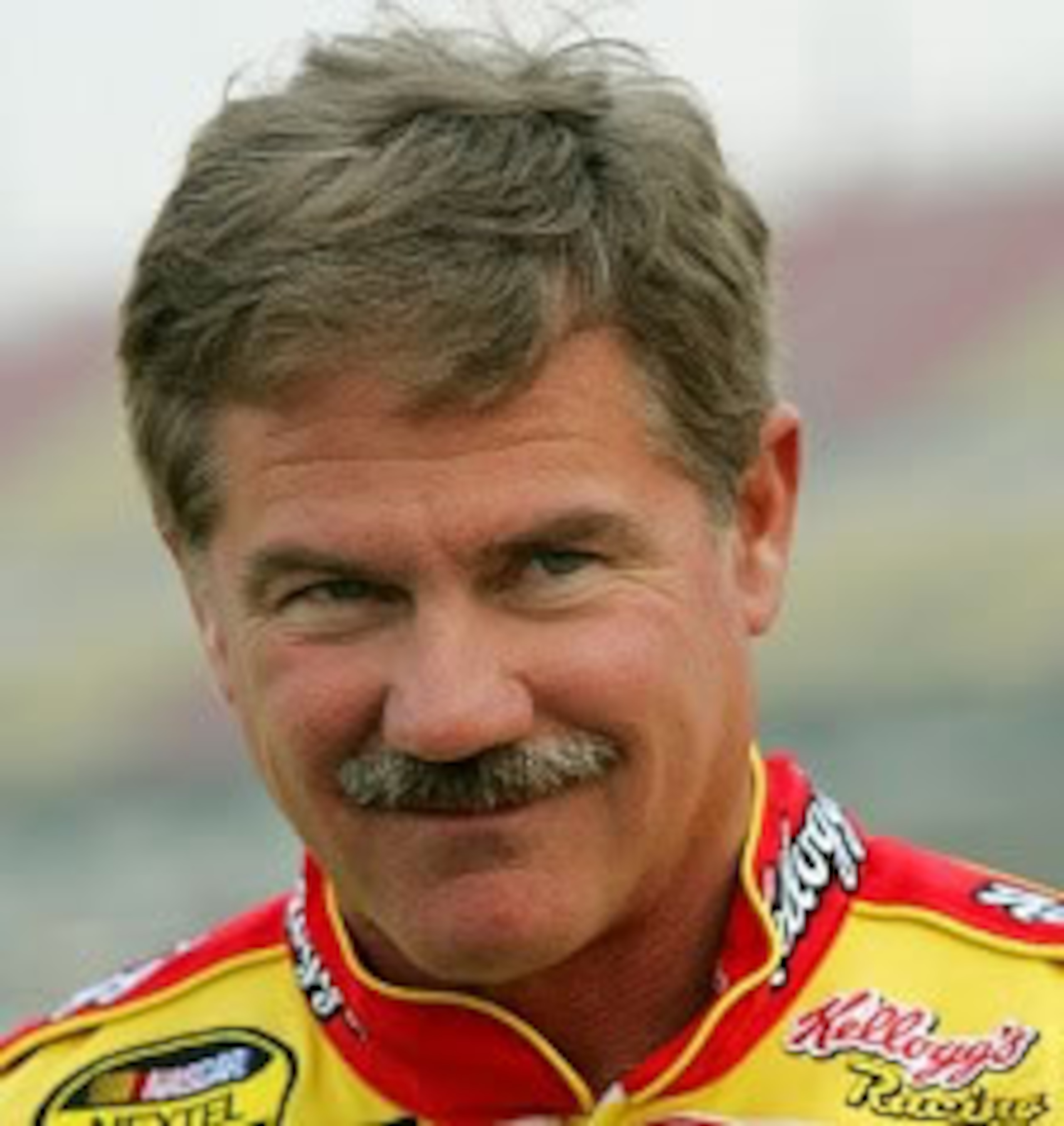
The Iceman Cometh, Terry Labonte was able to whittle away at Jeff Gordon's lead each week, and win his second championship. Labonte took the lead in the standings in late October and scored top fives in the final two races to hold Gordon off by 37 points. Gordon won 10 race to Labonte's two, but the veteran Labonte knew how to take care of his equipment, something the still wild Gordon was learning, thus Terry proved that slow and steady win the race.
1997
14 of 15
The start of the 1997 season look as though Jeff Gordon would run away with the championship, but the finale was one for the ages. Gordon battled Dale Jarrett and Mark Martin all season long, with Gordon finally taking the points lead after his historic million dollar Southern 500 win, and holding the lead by the smallest of margins. Going into the finale Gordon had a beat up car after a practice crash, but his crew was able to put the car back together, in the race it was obvious that the crash disruped the way the car handled, and could only muster a 17th place finish; still it was good enough to win the championship by 14 points over Jarrett and 29 over Martin, the closest the-way battle in NASCAR history up till that point.
2004
15 of 15
2004 was the first year for the "Chase", and it had a grand debut. Kurt Busch (the less evil one) came out on top in a battle that rewrote the record books. Jimmie Johnson, Jeff Gordon, Mark Martin and Dale Earnhardt Jr. (remember him?) all had a chance to win the title from Busch in the finale. Kurt had the mastermind of Jimmy Fenning in his corner and kept telling his driver not to push his luck, and take it nice and easy. Busch wound up winning the championship by only 8 points over Johnson and 16 over Gordon, the closest battle and closest three-way battle in NASCAR history.
.jpg?w=2560 "Cowboys Rams Camp Football")
.jpg?w=2560 "Patriots Moves Football")