A Question of Incentives: Why the NCAA Can't Enforce Its Own Rules

If you were a college student and someone offered you fabulous gifts with no strings attached, would you be able to say "No"? Charlie Adams weighs in.

by charlie adams (Scribe)

13 comments

360 reads

May 13, 2008

Share this Story

  • Email to a friend
  • Print this article
  • Send to Facebook
  • Send to Digg

Currently UnEdited

This article has not been edited yet.

NCAA, College Basketball, College Football

The fact that college sports are notorious for corruption in regards to recruiting, academics and booster gifting is no secret.

These practices have been occurring for a long time and will certainly continue in the foreseeable future. Why is this? The schools and NCAA hold all the power, but they are not allowed to use it. Why is this?

These questions go hand-in-hand and to separate them dilutes the argument and will lead to no real change. The current system has little to no incentives for individual players to abstain from accepting gifts from boosters, runners or agents.
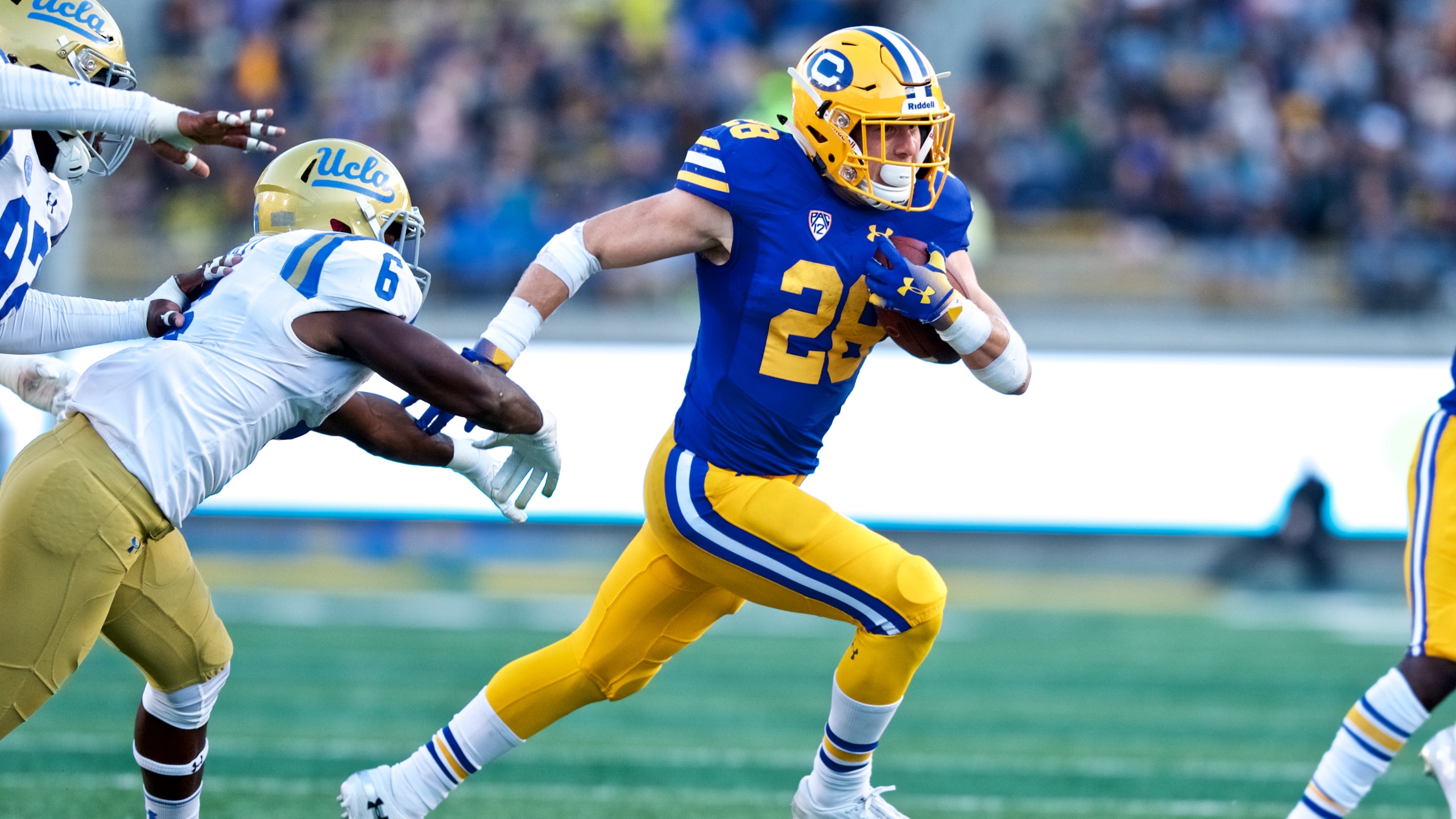
Think of Reggie Bush: he allegedly accepted gifts worth hundreds of thousands of dollars while at USC. What happened to him? He got drafted No. 2 overall and he's a hero in New Orleans.

Chris Webber? Multi-millionaire who recently retired and is one of the greatest NBA power forwards of all-time.

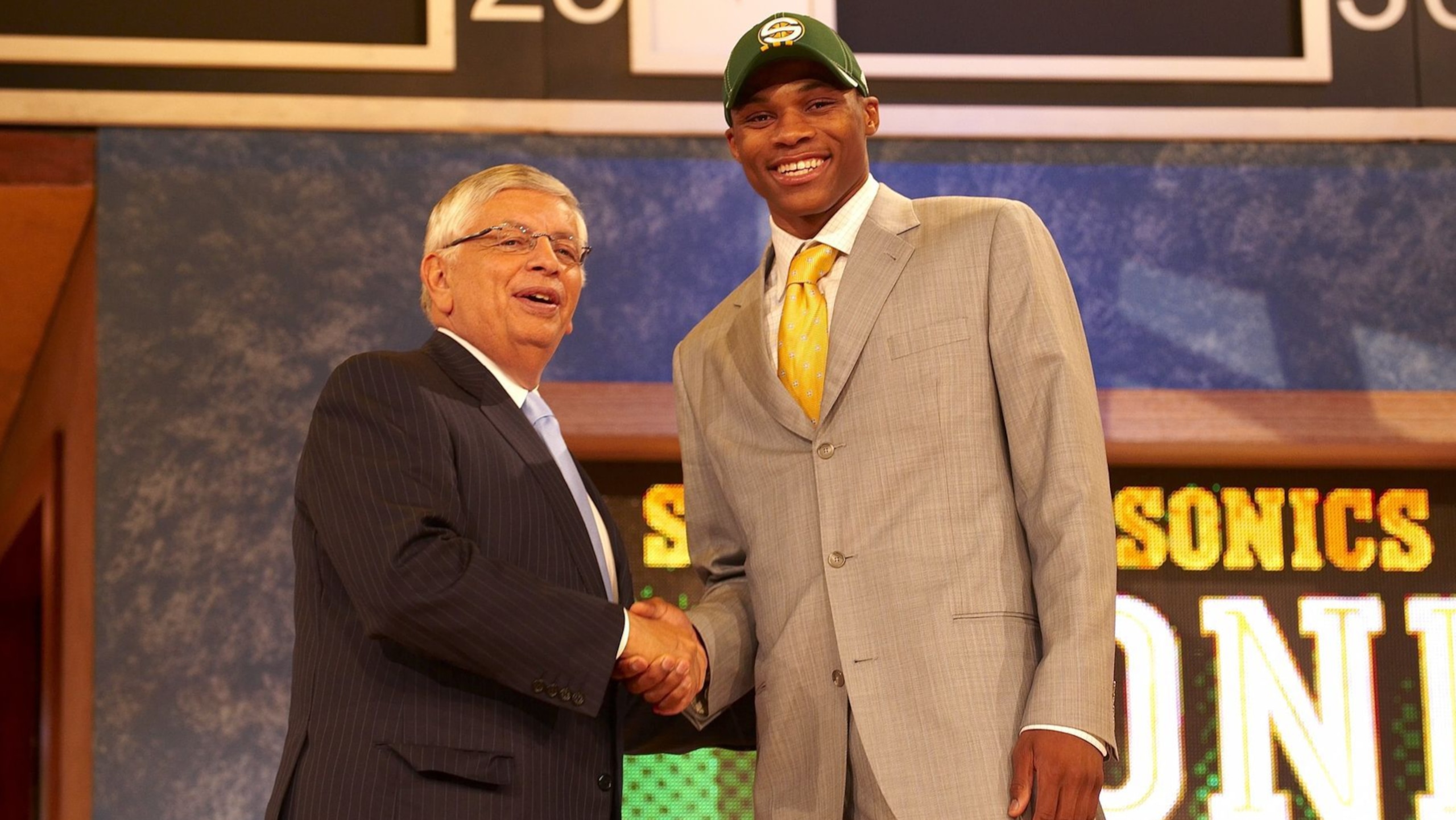
O.J. Mayo? Looking at a top-five draft selection and absolutely no consequences for his behavior other than re-enforcing the pre-existing "character flag" surrounding his draft prospects.

All of these infamous college athlete stories show you one thing: why wouldn't they take money? They suffered no consequences and there was no reason to take the "high road."

In short: there are absolutely zero incentives for the player or the agent to obey the rules in their current form. The worst case scenario is that a football player (no one and done careers, like basketball) gets caught accepting gifts early in his career, before establishing his pro-potential, and he is removed from the team. He loses his scholarship, can't pay for school and is left with just his original gift. That is the only scenario where there is marginal incentive for athletes to abstain.

But how often does a player get caught early? Most often, the allegations come to light well after the infraction occurs and the punishment isn't levied until much later.

What would possibly stop O.J. Mayo from accepting money? He knew he was gone after one season in the NCAA before he started. Take the money and run. 

How do we stop this mentality? Reggie Bush served his mandatory playing time, took the money, avoided getting caught until he was already a Heisman-winner and is now happily in the NFL.

How do we prevent this from happening again? Simple: prevent them from playing professionally. This seems to be a ridiculous solution, but unless it comes to that point, the ultimate goal of playing professionally is not being blocked and the players aren't going to heed to the rules.

This of course, is the problem. You can't prevent players from pursuing a professional career because that is unconstitutional. The NCAA can limit eligibility when they detect, investigate, and rule that a violation has been committed.

But by this point, it's too late. The only true way to completely stop the money flowing is to make the punishment so effective that no player would dream of entertaining the idea of accepting gifts.

The only punishment that would do this would be to prevent them from making even more money in the future. This of course is illegal; so enjoy the games, let's keep turning our collective blind eye, but realize that most kids are on the right path and most schools turn away the runners before they get in the door.
comments (13) write a comment »

  1. Why can't the NCAA enforce its own rules? Because after SMU, they will not come down appropriately on one of the big dogs, even when the perfect opportunity to set an example presents itself.

    I would be beyond surprised if the NCAA punished USC.
    They're probably busy working on some punishment for a Sun Belt team.

    1. ok here is a good example that might help explain my position to you Sebastian. here on bleacher report every joe with an opinion can write an article and it gets published and people can read it. None of us get paid, we do it for the love of sports and to engage in debate. Well what if you noticed Sebastian that your articles got millions of reads instead of a few hundred? would the current reward of getting your ideas and thoughts published be reward enough? what if this enabled bleacher report to nab new advertising deals and expand the website thru your work? would you not want to be compensated at that point? I dont know about you but in that case I would certainly want to. And thats the problem for a select few prospects. They have talent that far exceeds that of the average college athlete and from the moment they step onto a college campus, they are losing money and endorsements they could be making in the pros but instead this money is going to their college and the ncaa. thats what im saying is not fair.

  2. hmmm is anyone exploring the idea that these guys sometimes bring in millions for their schools and in return get a scholarship worth thousands while they are starving? I think we should reserve our judgment because none of us have been in a situation where we have million dollar talent and are being taken advantage of by a system which does not allow an extremely talented athelete to benefit financially from the money he brings the school. It equates to modern day slavery.

    1. Slow down, Bryan.
      Modern day slavery? Starving athletes?
      Way too much hyperbole in presenting your argument.

      The student athletes are responsible for bringing in money through jersey and ticket sales. Yes. But you and I both know the student athletes are getting a free ride for four years, which at many places equates to over $100,000 over the life of the scholarship. At USC, it's over $184,000. This scholarship is just handed to the student athlete. The needs of the athletes are met handily, and in many cases, schools give the athletes more than just the bare minimum. OJ Mayo and other student athletes, especially at major institutions, are not struggling to pay the bills. They are not struggling to put food on the table. What is the extent of their starvation? Clothes, video games, cars--- luxuries?

      It's a question, then, of the goal of college athletics. Is it a means to get a free education, a free diploma, while being prepared for the next step (a professional career)? Or does it all boil down to get paid? Let's not forget that you're in college to do a little learning along the way.

      Furthermore, because some of us haven't been in a position of restricted million dollar talent should not prevent any of us from having an opinion on the matter. Just because I myself haven't been in OJ Mayo's shoes does not mean I should throw my hands up and hope the situation resolves itself from within-- because it won't.

      All OJ Mayo had to do was keep quiet for one year before entering a world of guaranteed millions. It's a matter of discipline and surrounding yourself with the right crowd.

    2. Slavery? Are you kidding me? They get to play a sport they supposedly love, and cash in on it later (or now, apparently).

      And starving? Last I checked, scholarships tend to include a meal plan.

      And those millions of dollars that they bring into the school help build and maintain the facilities and equipment that make it possible for them to cash in in the pros. And it makes better facilities for smaller sports, making life easier for the "starving" track or softball player that's only on a partial scholarhsip.

      Not to mention bettering scholastic facilities, and bringing in better professors, etc.

      I'm not saying it all comes back to them in the long run, I'm not that jaded, but a lot of it does.

      Saying being a student-athlete is akin to slavery is not only ridiculous, but just flat out wrong and offensive.

    3. These players are starving so much that they are in the best shape of their lives.

  3. bryan, i dare you to show me one scholarship athlete who is starving.

    modern day slavery??? you could argue that ncaa scholarships have done more to educate and advance blacks than any piece of gov't legislation.

    1. im not talking about every athlete on a scholarship, im talking about elite level athletes that generate tons of money for their school.

  4. In regards to the debate on paying athletes:

    These athletes would still enter into their scholarship athletic programs if there were no fans, no revenues and no boosters. They view college solely as a way to prepare themselves for professional sports beyond college. If they do not view it this way, they are willingly entering into a situation that they are fully aware of.

    If I were to describe what a college athlete will 'endure' while enrolled at school. it would go something like this:

    "While being fawned over during your multiple campus visits (which you are flown in on the universities dime and you get to go to up to 5 different schools) you will be treated like royalty while we showcase our university and offer free counseling, tutoring and meals (via the training regiments). If you CHOOSE our school, you will receive a free-education while enjoying celebrity status which has been created by the universities continuing athletic and academic equity over the past couple hundred years. At the very best, you will lead our program to multiple bowl games (upon which you receive lavish prize packages from the sponsors) and go on to the NFL (where you would have no chance of ever reaching on your own, but easily make with our training, coaches and facilities). At the very least, you graduate from college (with all the help from free tutors you may require) and can cash in on the fact that job interviewers will choose you over other candidates because of your 'balancing act'. You will live in the best dorms, have preferntial class scheduling and not pay a dime for tuition, books or room and board. If you get a part-time job at a library and study while you work, you could come out financially ahead and with a first-rate education"

    Bottom line: as far as BEING A COLLEGE STUDENT goes student-athletes are head and shoulders better than the rest. The fact that something they do (for love, for future financial gains, whatever) while enrolled happens to make the school a great deal of money (all aspects: other sports programs, academic buildings, increased faculty pay=better faculty=better university) is incidental. These players are here because it is the only place they can effectively train for future success. Your worried about not paying them and they already live like kings.

    1. everything you just wrote would be great charlie, except im not talking about the average college athlete. For the average college athlete, this should and would be more than enough. Im talking about O.J. Mayo and Reggie Bush. The elite athletes. The ones who generate millions of dollars for whatever school they go to thru merchandise, advertisement, ticket sales to see them play, etc., that they never see a dime of. Its like for them you are saying so what if you earn a bunch of old white guys millions upon millions of dollars with YOUR talent while only receiving an education that may or may not be worth what the average student pays for it. At least you get to get free exposure of your talent and the ability to earn some millions after they cash in on you!

  5. maybe i should write my own article in defense of my positions. I seem to think that my point is misunderstood. I completely understand why you guys dont agree with me, and its primarily because you guys cant see where im coming from. I will get something posted in the next week to completely explain and while you guys still wont agree with me, you will at least understand my position better i hope.

    1. Okay Bryan, I see that you're saying there are two classes of these college athletes:

      1) the Reggie Bushes and OJ Mayos of the world, who are head and shoulders above the rest of the pack in terms of generating revenue for the schools,

      2) and then everyone else.

      How then do you propose to differentiate between the two classes and pay the athletes fairly?
      Would both classes be paid according to how much money they generate?
      How would you calculate the amount of money from sales that is appropriate for each athlete?
      What type of item(s) would each athlete be entitled to demand payment for? Jerseys? Video games? Posters?
      Would only the elite athletes be paid?
      Would elite athletes, in your case, only be members of football and men's basketball?

      Would an amazing offensive lineman, who more than likely will never see his jersey sold in a bookstore, be paid for his efforts in bringing his team to a BCS title game, even though he never sold a jersey or appeared on the cover of NCAA 2011? Or would only QB, RB, WR, and other hot positions receive payment? I could see that going over quite well in a locker room.

  6. great questions sebastian, ones that i obviously do not have the answer to at this time and will require some thought. However, just because there would be obvious difficulty in finding a balance in any type of stipend situation doesnt mean it shouldnt happen. Or at the very least allow college athletes to accept endorsement deals so the ones that are talented enough to secure them can benefit financially. Maybe that would help. At least that way the companies could decide who is worth paying. And that way sports that generate less money like softball and tennis would have their elite athletes afforded the same chance to get endorsement deals as they arent as popular. Im not sure this is THE answer but I also dont understand why this is not allowed at least. Maybe there could also be some type of tiered stipend system as well. Im not pretending to have all the answers I am only trying to steer the debate in a direction other than shame on these athletes for accepting money when they should be happy with their scholarship.
    My little brother is a high school senior next year and a pretty decent prospect in football and basketball. While it is likely he will get a scholarship somewhere to play sports because of his talent, it is not likely he will generate a large amount of money for his college or be a pro prospect. However if he were I would encourage him to get out of school as soon as possible because I want him getting paid for his talents and not generating money for the ncaa and not getting paid for it. And we all know that if these kids had any idea what to do with their money, they wouldnt need college degrees to fall back on. Correct me if im wrong, but im a few classes from obtaining my degree and ive never had a class in college on what to do with several million dollars. To me that makes the earning a degree incentive less of an incentive.

write a new comment


A partner of