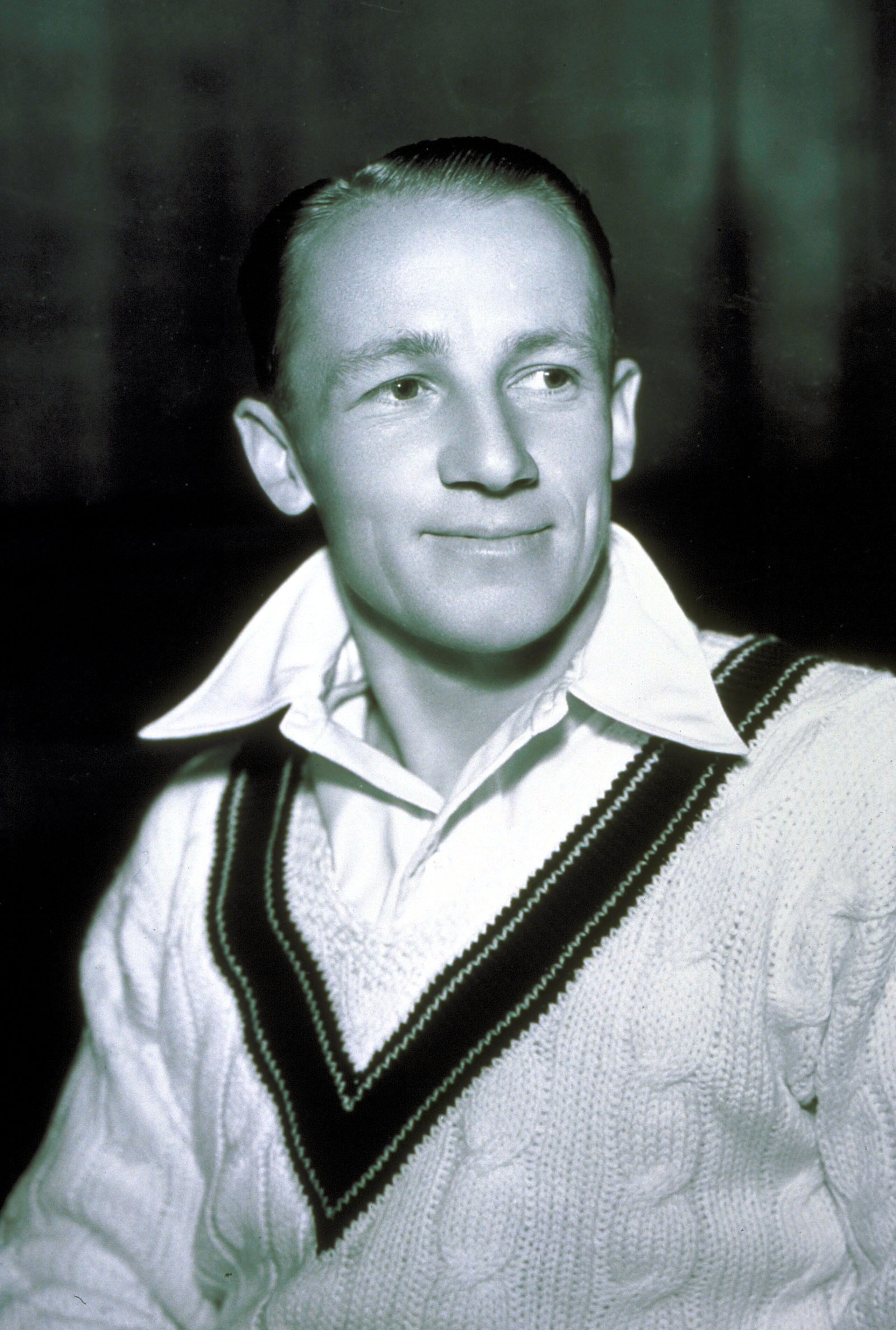

Sir Donald Bradman’s Summer of Delight
Donald George Bradman made his Test debut for Australia, aged 20, against the 1928-29 visiting England side.
Although Bradman aggregated 468 and played in four of the five matches in the series, there was no inkling of what was to follow in the summer of 1930 when Australia toured England.
The Summer of 1930 is recalled as “The Summer That Changed Cricket”.
Christopher Hilton in his book“Bradman and The Summer That Changed Cricket: The Amazing 1930 Australian Tour of England” documents Sir Donald’s innings and reactions to his stupendous Test aggregate of 974 in five Tests, a monumental feat that has not been surpassed in eight decades since.
The closest, to the phenomenon, are Wally Hammond aggregating 905 in nine innings in 1928-29 (England in Australia) and Mark Taylor eking out 839 in 11 innings in 1989 (Australia in England). Bradman needed just seven innings to secure his place in history forever.
I had the good fortune to lay my hands on a copy of Hilton’s tome.
Here are some interesting tidbits from the iconic account:
Bradman's Youth
1 of 5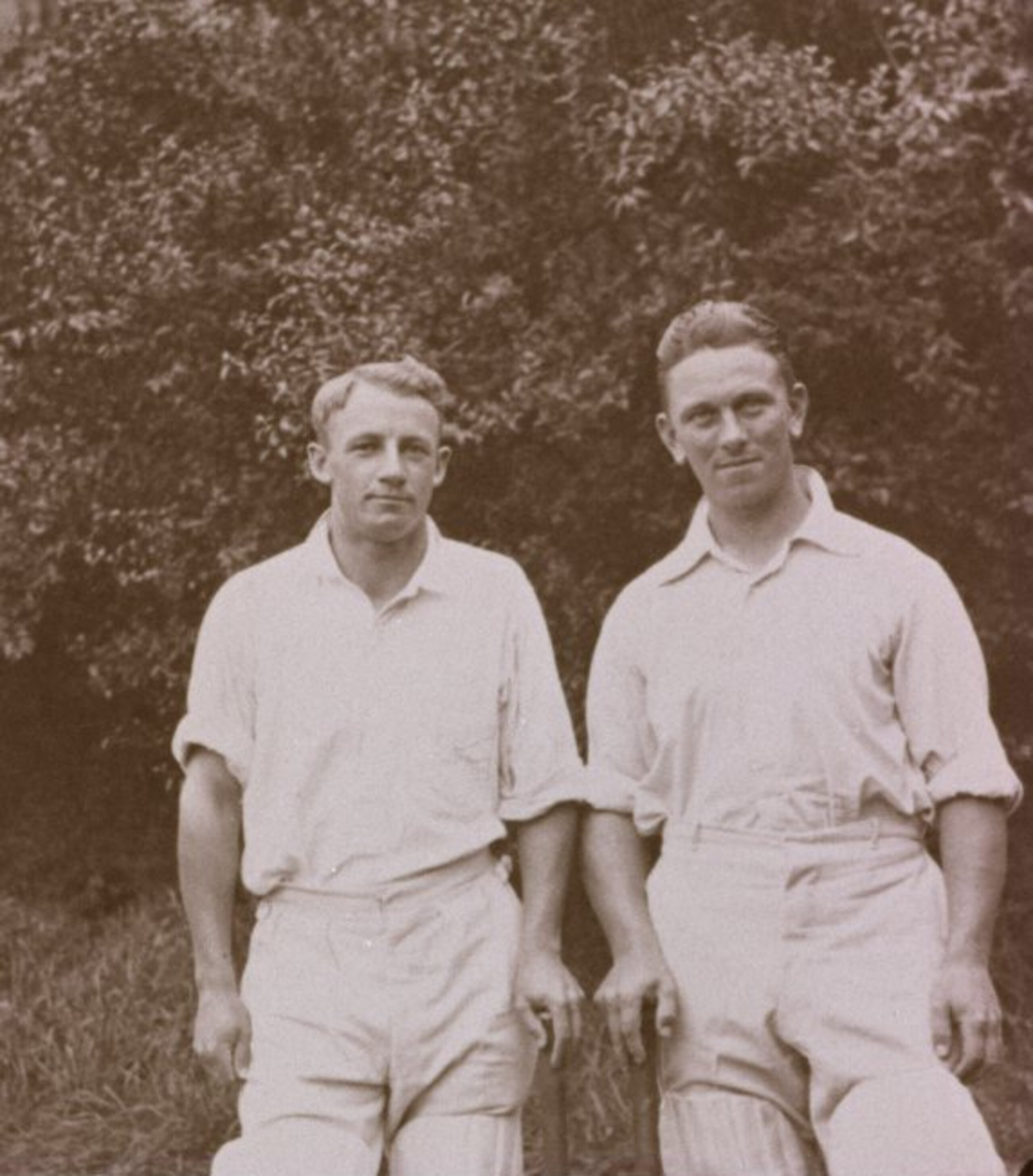
Most admirers of the great Australian are aware of how he spent his childhood hitting a golf ball with a stump against a curved brick wall.
A wonderful way to sharpen one’s reflexes.
What is not as well known is that Bradman was a decent tennis player, but chose cricket as his calling instead.
Hilton has not elaborated further in his book, but tennis’ loss was cricket’s gain, in every sense of the word.
Monies For Playing England
2 of 5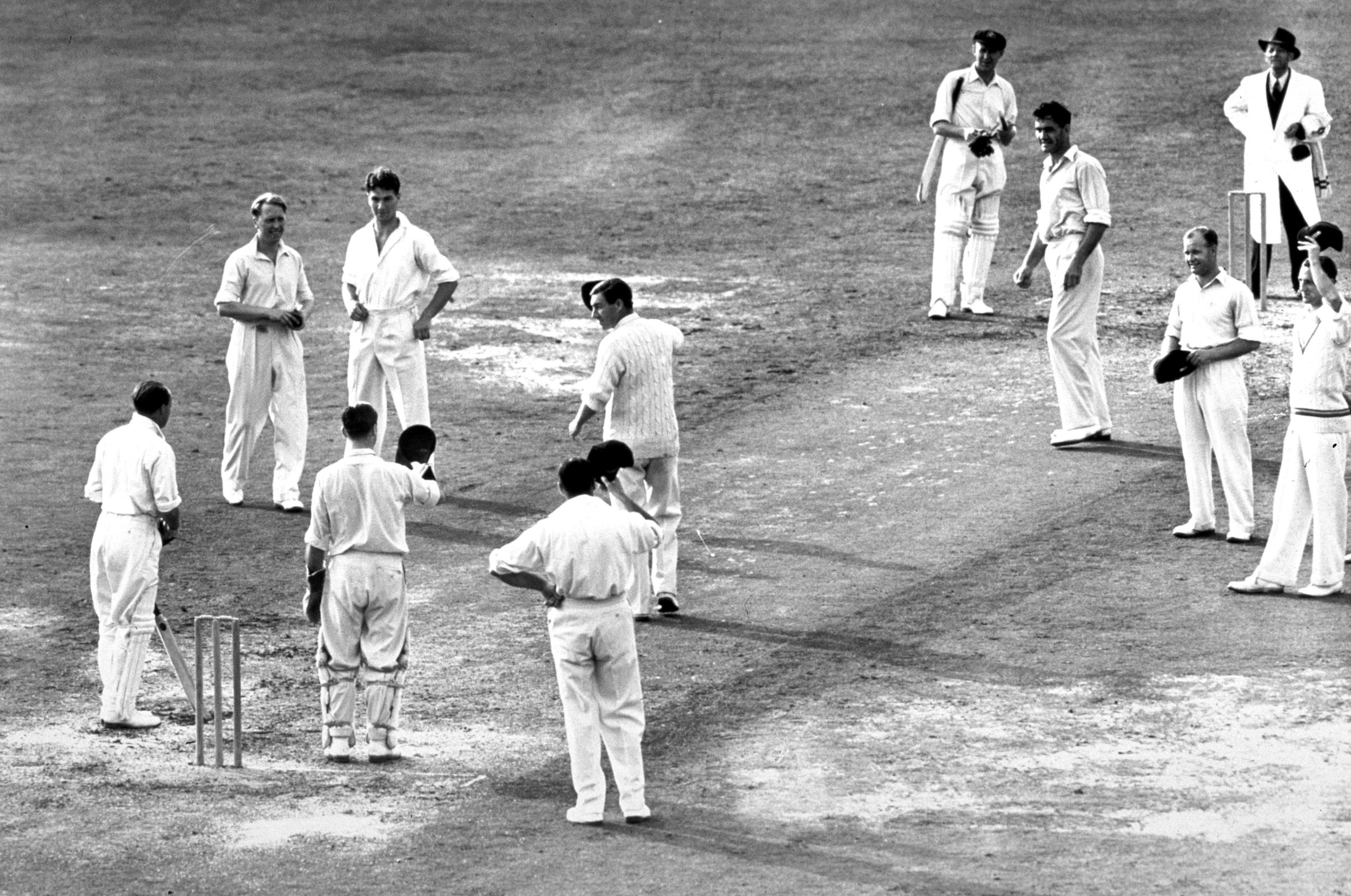
Bradman was selected to tour England representing Australia in 1930.
The other members of the touring party were:
Captain Bill Woodfull, Bill Ponsford, Bert Oldfield, Clarrie Grimmett, E L a’Beckett, Vic Richardson, Tim Wall, Charlie Walker, Alan Kippax, Stan McCabe, Archie Jackson, Alan Fairfax, Percy Hornbrook and Alec Hurwood.
The players were paid £600 and signed a contract with restrictive clauses.
The sum might seem a pittance by today’s standards but in those days that amount of money covered three year’s living expenses for a man, his wife and three children. Not a trifling amount by any means.
The cricketers had to sign a draconian contract, of which one of the clauses indicated that none in the touring party would communicate with the press about any matters concerning the tour.
Gagging players was practised by cricket boards, even then. It puts into context the current hullabaloo around cricketers not being allowed to tweet during World Cup games.
This clause was broken by the young Bradman in spirit, though not in the letter of the law, when he accepted payment for serializing his story to an English paper. The account summarised his early years and the preceding England tour of Australia.
Bradman was sharp, not just at the batting crease.
Businessman Arthur Whitelaw also presented Bradman with a cheque for £1,000 in appreciation of his achievement of scoring a triple century in a Test, the only instance of a batsman making 300 in a single day.
Bradman would have felt just at home in both the ODI and T20 formats.
Fame, adulation and fiscal gains enjoyed by the young cricketer on that defining tour did not endear him to his team-mates. That he was exceedingly young (just 21) and found it difficult to deal with his new-found celebrity status was not taken into consideration by either his manager or journeymen.
Cardus’ Initial Reaction to Bradman
3 of 5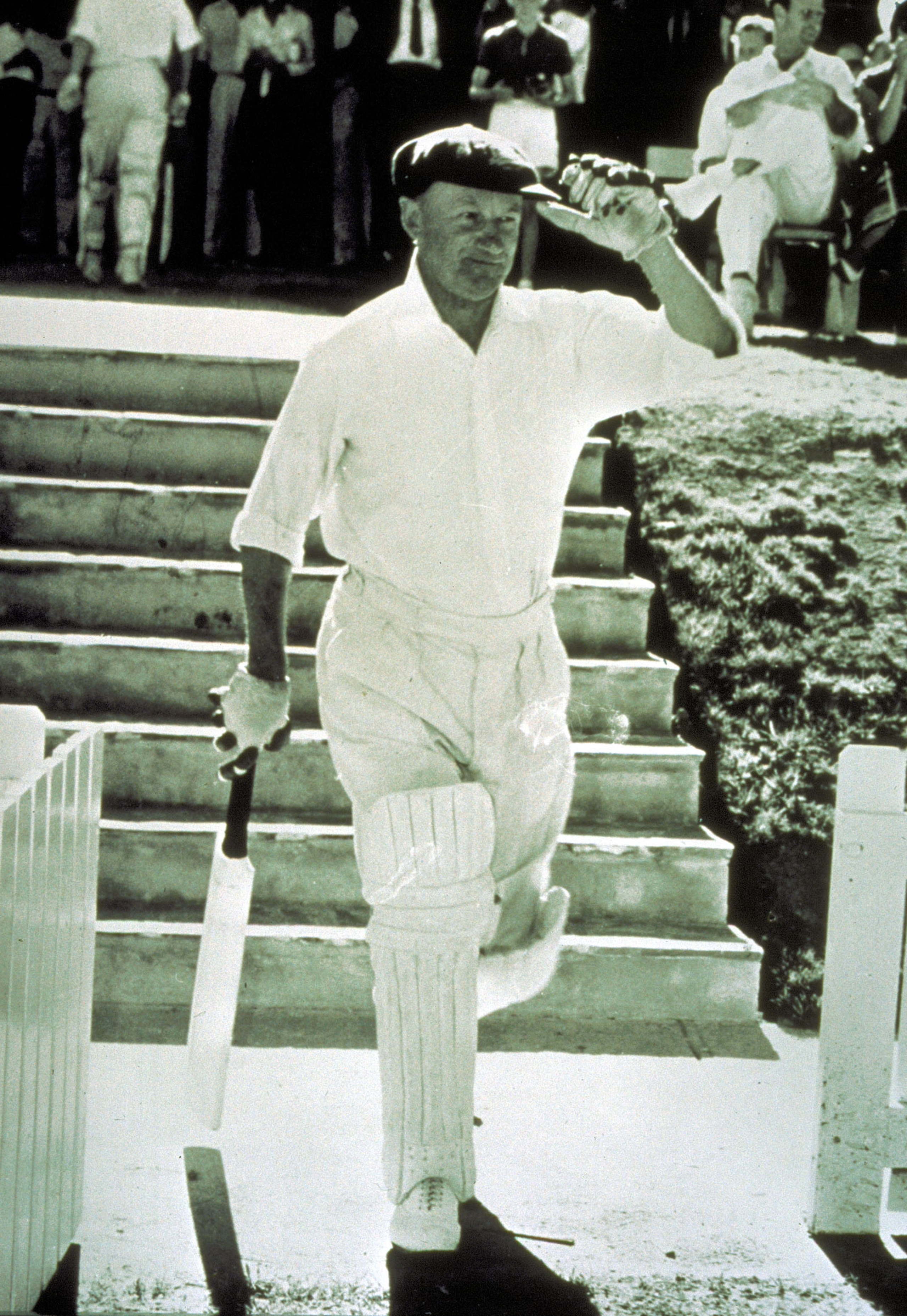
The music critic had this to say:
“His batsmanship might be described as thick-set: it is virile not supple, agile rather than flexible. Good honest muscle provides the motive-power”
“He is for his age a batsman of extraordinary technical scope and finish, but his style is so to say,democratic.”
Cardus did have to this to add, much later when Bradman played against an MCC XI:
“With experience he may become in time a master of the unorthodox—and all masters are that.”
Prescient indeed.
A quote every coach ought to recall, from time to time.
.jpg?w=2560 "Raiders Camp Football")
Hilton on Bradman
4 of 5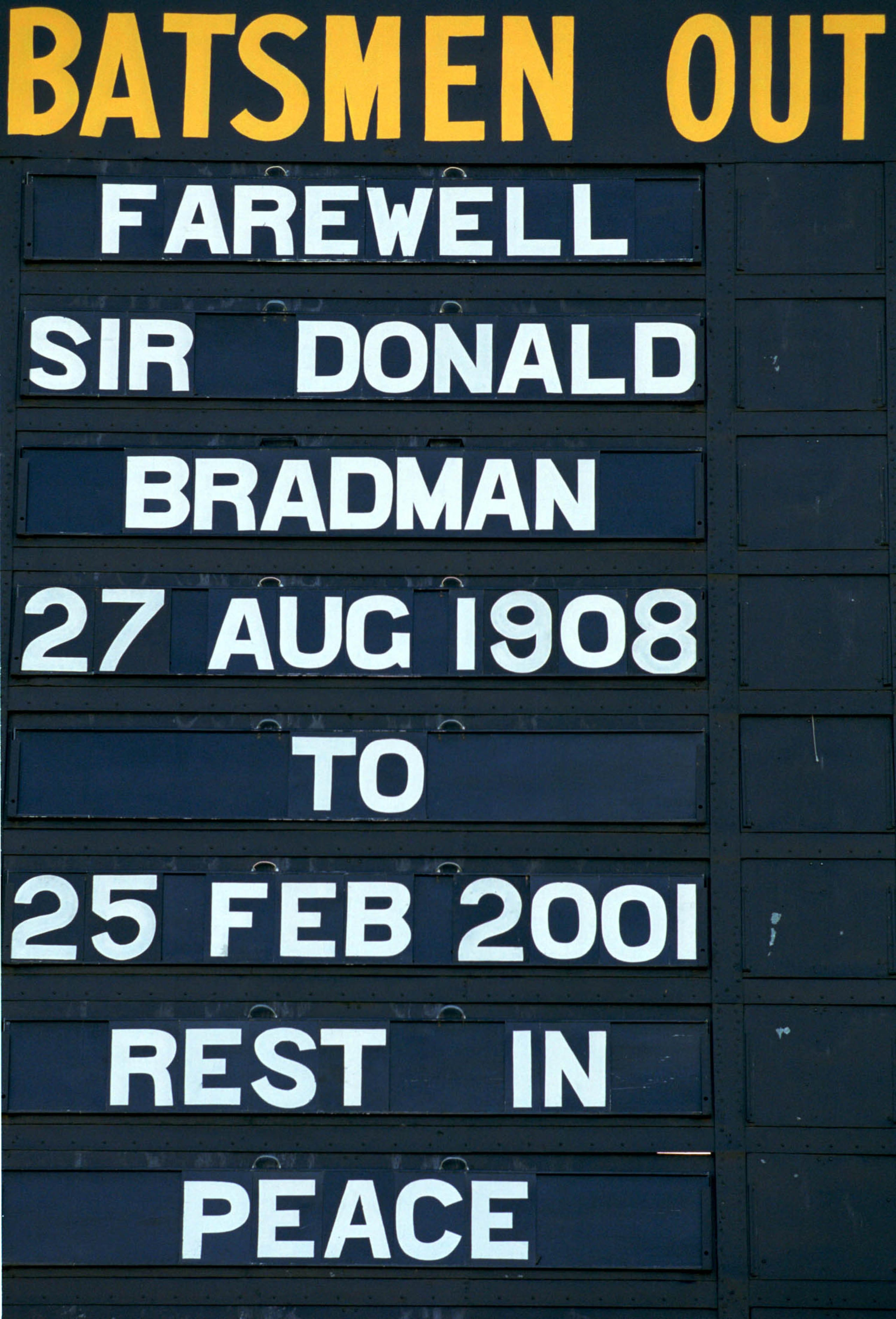
“Someone said that the great sin of the second half of the Twentieth Century was inefficiency. That’s a very contentious statement, to put it mildly, but you know what he meant. The days of beauty for beauty’s sake were going; you only have to look at the car designs, the architecture, the town plans, the offices,the clothes and so on to know that.
It was so in cricket, too. ……Bradman was efficient. By the Oval Test, 1930,the world had changed and the future did belong to efficiency.”
974 in Five Tests
5 of 5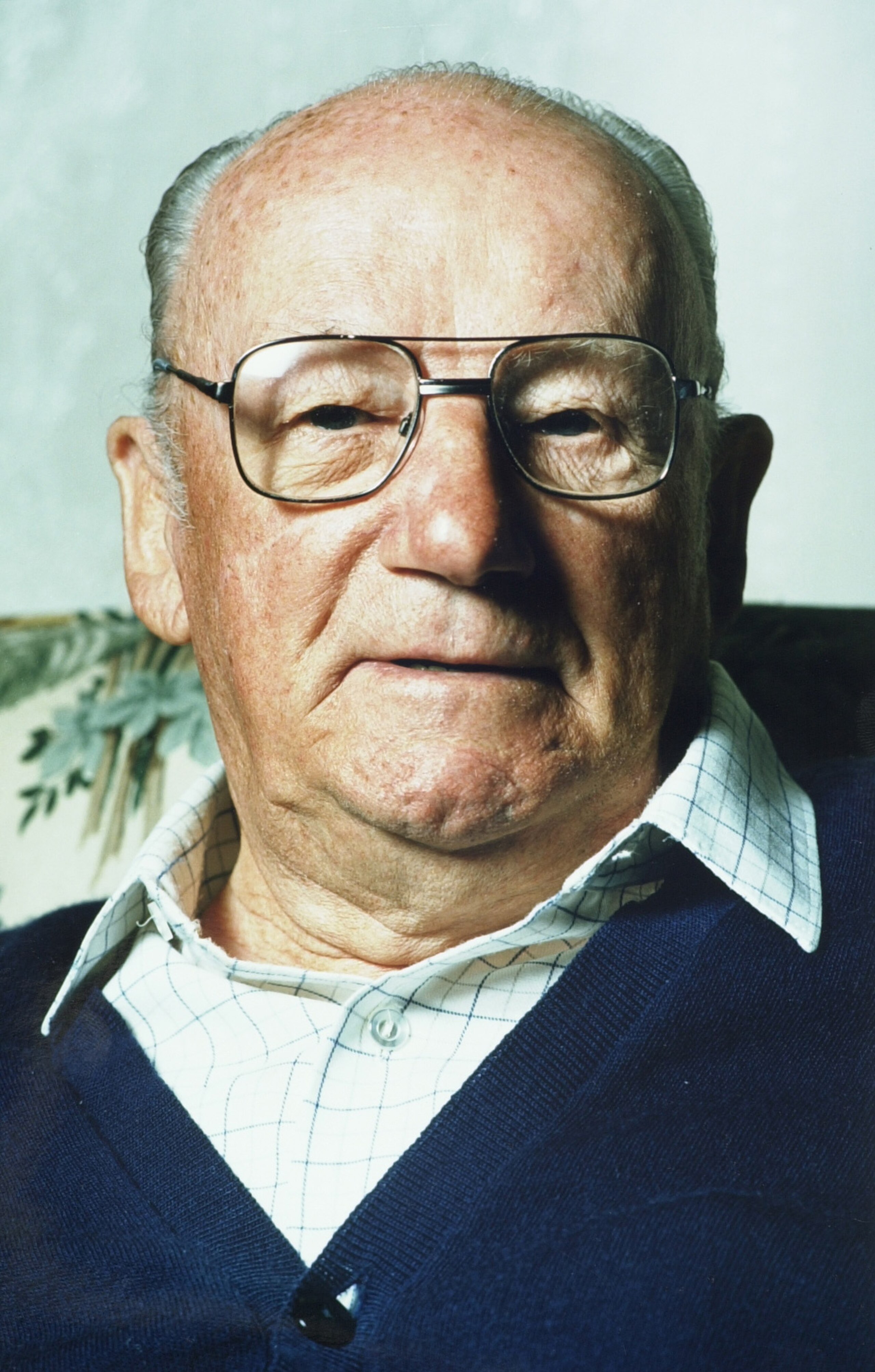
First Test at Trent Bridge: 8 and 131
First Innings bowled Tate
Second Innings bowled Robins
Second Test at Lord’s: 254 and 1
First Innings caught Chapman bowled White
Second Innings caught Chapman bowled Tate
Third Test at Leeds: 334
Caught Duckworth bowled Tate
Fourth Test at Old Trafford:14
Caught Duleepsinhji bowled Peebles
Fifth Test at The Oval: 232
Caught Duckworth bowled Larwood
The 1930 series brought the British Empire to its knees. It would never recover until 1954 despite the acrimonious Bodyline victory of 1932.
"Quote of the day:
"Human Dignity has gleamed only now and then and here and there, in lonely splendor, throughout the ages, a hope of the better men, never an achievement of the majority."- James Thurber
"
.jpg?w=2560 "49ers Chargers Football")

.png?w=2560 "MLB Playoff Picture Shaping Up")
.jpg?w=2560 "Bucs Rookie's 'Bane' Face Mask 😈")