
MLB All-Star Game: Why I Won't Be Watching Tonight
I used to anticipate that Tuesday night in July when the Major League Baseball All-Star Game would be played all Spring and Summer. But changes in how the game is played and how it is covered have diminished my interest in the game, probably irreversibly so.
I can’t help but laugh any time I hear someone talk about how great the MLB All-Star Game is, or refer to it as the Midsummer Classic. Maybe once, the game meant something important. Not anymore.
Years ago, American League against the National League only occurred twice all season: the World Series and the All-Star game. There were legitimate bragging rights on the line. Now baseball is inundated with inter-league play and each team plays a team from the other league 18 times a year. The rarity of AL vs. NL is gone.
.png?w=2560)
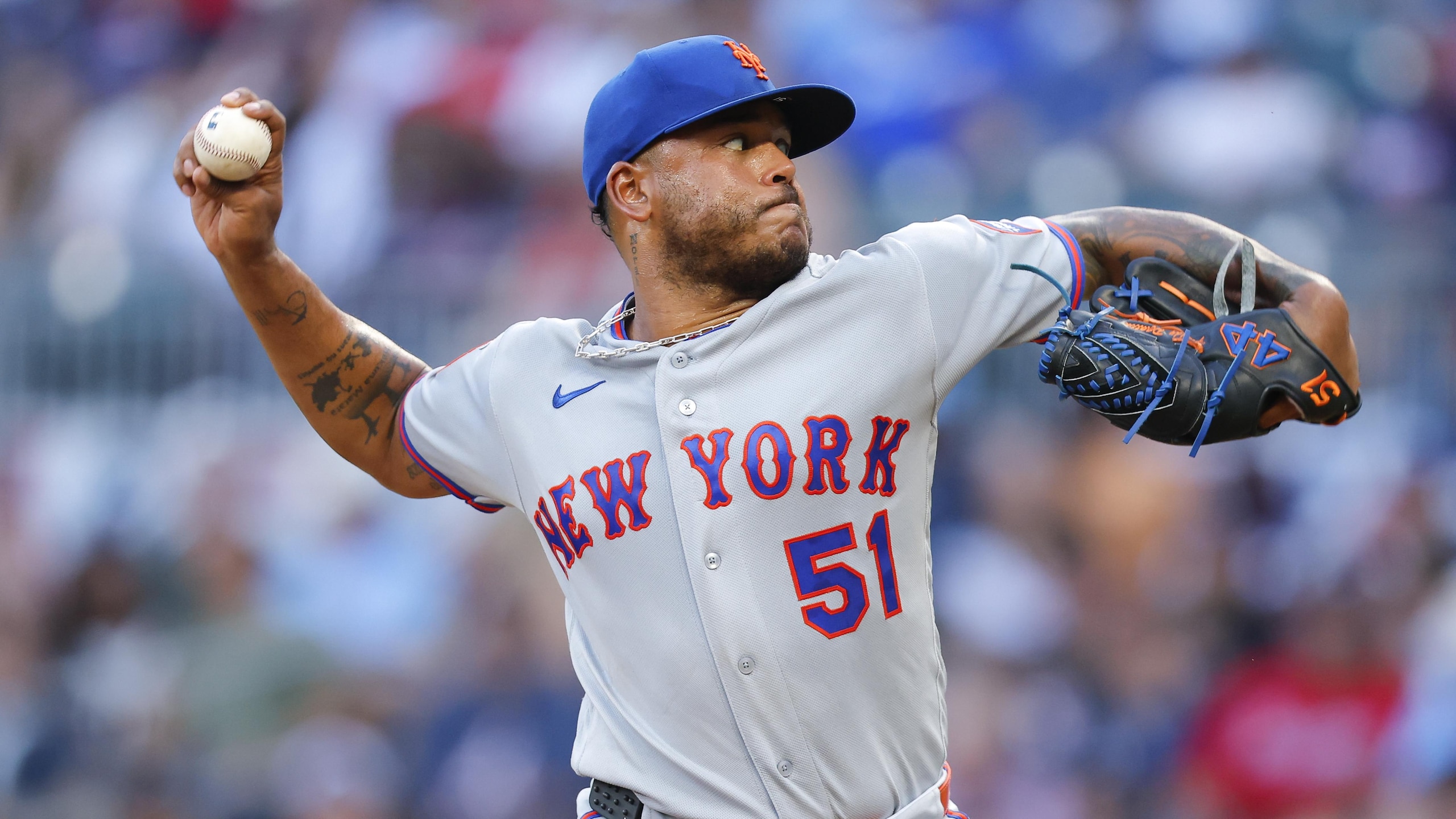
Also, years ago, players rarely switched teams, so in addition to having an allegiance to their own team, players also developed pride in their league. Now it is common to see players switch leagues from year to year and for a player like Dan Haren this year and last, to represent each league in consecutive seasons.
In addition to the game meaning more to the players years ago, it also meant more to the fans. The All-Star game represented a chance for fans to see the players from the other league who you otherwise likely would not see very much of unless that player's team made the post-season.
Living in an American League city when I was younger, I looked forward to the All-Star game as a chance to see Tony Gwynn and Barry Larkin and the other National League stars.
But today, there is SportsCenter, ESPN News, the internet, games on ESPN on Sunday, Monday, and Wednesday, Sunday Afternoon baseball on TBS, and Saturday on Fox. Fans can purchase the MLB Extra Innings package and watch nearly every game being played or go to a local bar on any given night and see games from around the country.
If you are a fan near an American League city, you no longer look forward to the All-Star game as your best chance all year to see the stars from the other league. The game now is just an exhibition featuring the league’s best players (and Jason Varitek), and it is no different than the NBA All-Star Game or the Pro Bowl. It is just another game on the calendar.
A measuring stick I rely on to determine whether a sporting event means something special is how much talk do I hear the next day while at work or on the street on my way to or from work. Not since the game wound up being cancelled after 11 innings in 2002 can I recall hearing anyone talk about the All-Star game.
Where as once I tried to punch as many All-Star ballots as I could hoping to do my part for the players from my home-town team, now I don't even particularly care if a player from my favorite team makes the All-Star game. If they do, I am happy for the player, but in actuality, I would rather the player not make the team and take advantage of the three days off.
And despite the All-Star game counting this time, it still has not peaked my interest in watching. It is simply beyond absurd that the spineless incompetent Bud Selig and MLB decided to determine something as important as home field advantage from something as insignificant as the winner of the All-Star game.
Why would the game determining home field make me more inclined to watch? If I knew for certain that my favorite team would make the World Series, maybe. But obviously no one knows that.
At one point in time, the MLB All-Star game was a night where I would make sure I was parked in front of the television watching the entire game because I didn’t want to miss seeing something special or see a favorite player from the other league get an at bat or throw a pitch. Now, will I watch? Maybe, but only if there is nothing else to do tonight.
_1.png?w=2560)
.jpg?w=2560 "Report: Saints Trade For 49ers RB")
.jpg?w=2560 "Jeanty Avoids Major Injury")

.png?w=2560 "New-Look Luka Dončić 👀")