
Homefield Advantage Not What It Used To Be
As a kid growing up in a household where football reigned superior to all sports, I was fortunate enough to be in a position where I could take in a lot about the history of the game.
In addition to learning about the classic Packers teams and the "Steel Curtain," I gained perspective on the importance and pride held in homefield advantage.
Losing a game in front of your home crowd was a no-no. In the early 1980s, the era to which I’m referring to, times in the U.S. were tough, much like they are today.
TOP NEWS
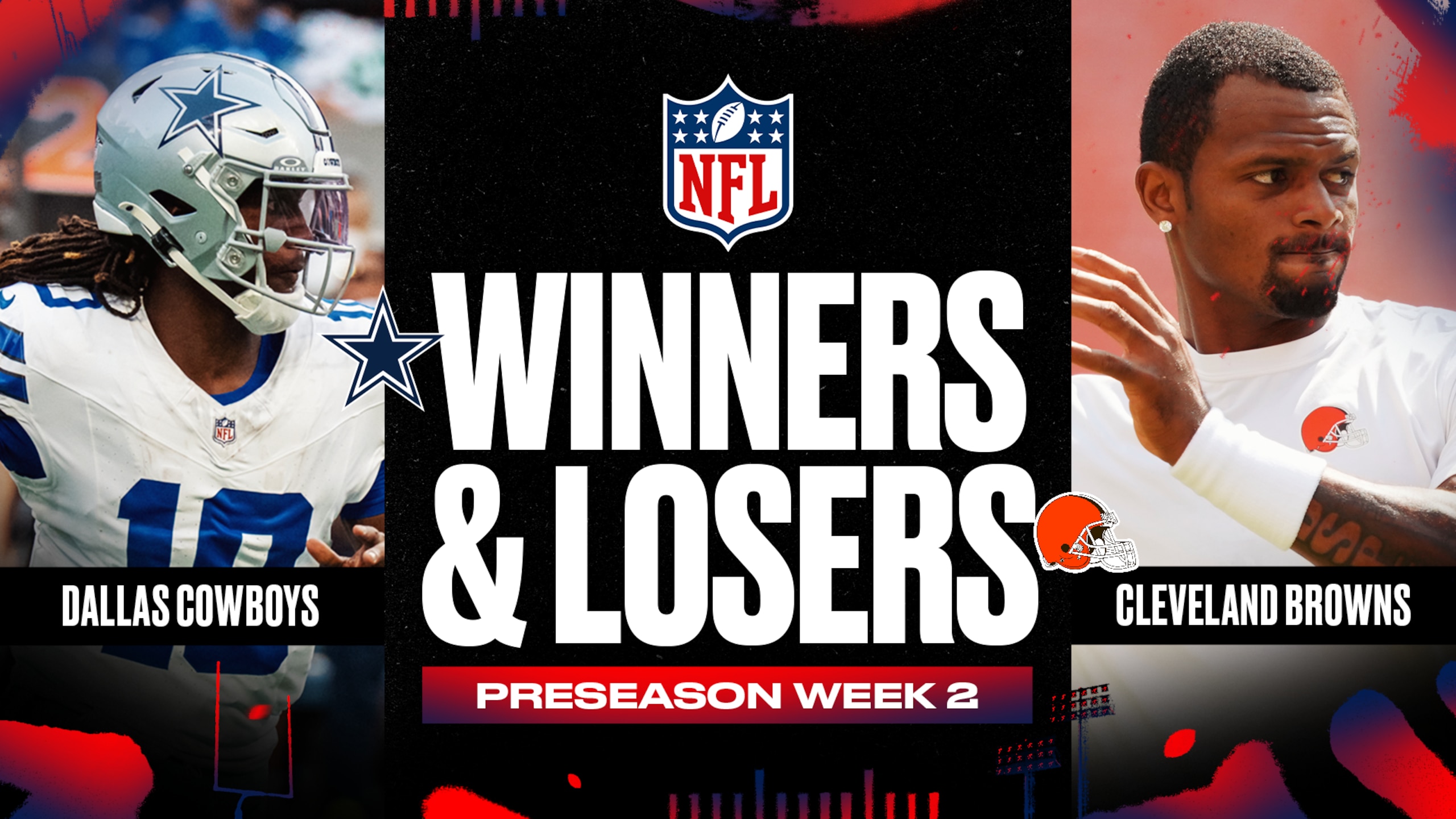
Preseason Week 2 Winners & Losers 📊
.jpg?w=2560 "49ers Chargers Football")
Report: Saints Trade For 49ers RB
.jpg?w=2560 "Raiders Camp Football")
Jeanty Avoids Major Injury
Basic commodities needed for everyday life were expensive, so to have a football ticket was more than just an opportunity to attend a game. It was a pass to escape the everyday hardships and disappear from the “real world” for four hours, and enter into a venue in which you saw your city and your team go to battle with the enemy.
Lackluster performances were simply not allowed. Players either left it all out on the field for their city and their fans, or they didn’t. Contrary to our soft, sex-scandal loving media today, the reporters and journalists back then were not afraid to call you out in front of the entire city through means of newspapers or radio if they sensed you did the fans a disservice.
In return for the players giving it their all, fans did the same. Every down, every snap, and every play was another chance for people to release their tensions and come together to intimidate the opponent to the point where you could see glazed over faces and eyes filled with fear.
For the younger crowd reading, this is no exaggeration.
Remember the classic scene at RFK Stadium in 1982?
Washington fans literally rocked the stadium to the point where many thought the bleachers would collapse as they collectively chanted, “We want Dallas!” over and over.
I don’t know how Dallas players felt when they saw that on the news channels. Intimidated? Probably, considering they lost the NFC Championship game 31-17 in front of that raucous DC crowd the very next weekend.
That was homefield advantage.
We don’t have much of that anymore. There are few signs of the past here and there, but nothing like it used to be. Today, when you step into FedEx Field for a 'Skins-Cowboys game, you’ll see about 30 percent Dallas fans.
The fear and intimidation factor is gone from many of the stadiums across the country. This is one of the reasons so many people prefer college football environments to that of the NFL.
But to be fair, there are still some cities, like Philadelphia, that offer the old school, blue-collared intimidation. However, in a day where it’s more important to take away 4,000 seats in order to put the new HD Jumbotron than it is to squeeze a couple more football diehards in, what can you expect?
All this lead me to wonder how important homefield advantage is today to the success of a team. By success, I mean making the playoffs.
I took a look at each of the 32 teams and their records—both home and away for the 2007 season. The results didn’t surprise me.
Slightly over one-third of the teams had a road record equal to or better than their home record, including the Super Bowl Champion New York Giants. Of the eighteen teams that had a record greater than .500 (5-3 or better) at home, only nine of them made the playoffs.
Conversely, only nine teams had a record greater than .500 on the road. Seven of them made the playoffs. Teams are starting to rely less and less on winning at home to secure a playoff spot, because winning a game on the road isn’t as hard as it used to be.
Why?
Because homefield advantage is becoming less and less of an “advantage”.
Homefield advantage didn’t seem to matter as much in the playoffs last year either. Tampa Bay, Pittsburgh, Indianapolis, and Dallas all got bounced in their first home game. Green Bay was defeated in the NFC Championship game at Lambeu; a sentence I never thought I would say. Only the New England Patriots were able to take care of homefield in the playoffs.
So is playing on your homefield even that big of a benefit anymore?
Though the 2007 NFL season was slightly more peculiar than the norm, I don’t think this was some sort of fluke that we won’t see happen again. Where there’s smoke, there’s usually fire. Some truth to the matter exists regarding teams losing in the playoffs at home more often than in prior years.
I’m no NFL historian, but I have come up with some reasons that I feel homefield has lost some of its luster.
A) Stadiums have become too commercialized and less FOOTBALL fan friendly. It’s nice having bigger seats and big screens, but not at the expense of more seats or having the fans closer to the field.
B) Rivalries have lost intensity. Don’t get me wrong; there are still plenty of good ones. However, free agency has opened the door for more movement (often players leaving to division rivals). It’s harder to hate the guy across from you when you spent the last year together in the same uniform.
C) Many fans have gotten soft. Nothing sickens me more than being in a critical third-down situation in the fourth quarter, standing and yelling at the top of my lungs, only to have the douche bag behind me tug on my jersey and ask me to sit down while he huddles with his wife, rocking his Abercrombie earmuffs. Further, I hear people calling in to radio stations whining about vulgarity and tough talk used by fans at games. People, it's football, not golf. If you want to wear sweater vests and drink Chardonnay, hit the greens; lay off the turf and take your nine-year-old princess with you (as you can see, this last topic infuriates me).
These are some of the factors have contributed to the hardly intimidating environments we find in our state-of-the-art stadiums today.
I’d like to say with certainty that we can bring back the toughness and sheer rage to games, but I can’t. Until players themselves stay with teams long enough to develop hate for rivals, and until ticket prices drop down to where Joe from the corner bar can get into the game rather than Gregory and Matilda from the Hamptons, we won’t see the same scenes that we once did.
Looking forward to when I settle down and have kids of my own, I fear that teaching them about the satisfaction and pride gained from having a tough home stadium, along with the responsibility as a fan to keep the intensity level up, might be one of the elements of NFL history lost over time.
.jpg?w=2560 "Buccaneers Rookies Football")
.jpg?w=2560 "Seahawks Titans Football")

.png?w=2560 "MLB Playoff Picture Shaping Up")

.png?w=2560 "New-Look Luka Dončić 👀")