
MLB All-Star Game Should Alleviate Fan Voting Impact
I understand the purpose behind putting the All-Star team rosters in the hands of the fans by allowing, and emphasizing, their right to vote.
The practice generates interest, making the casual baseball consumers more likely to watch the game and recognize the importance of the experience. They had a hand in the teams’ makeup, and therefore they like to see the final product.
Having the most famous players—the ones for whom the fans voted—starting only increases the popularity of the event, and it makes it seem, from some fans’ perspectives, more worthwhile and entertaining.
.png?w=2560)
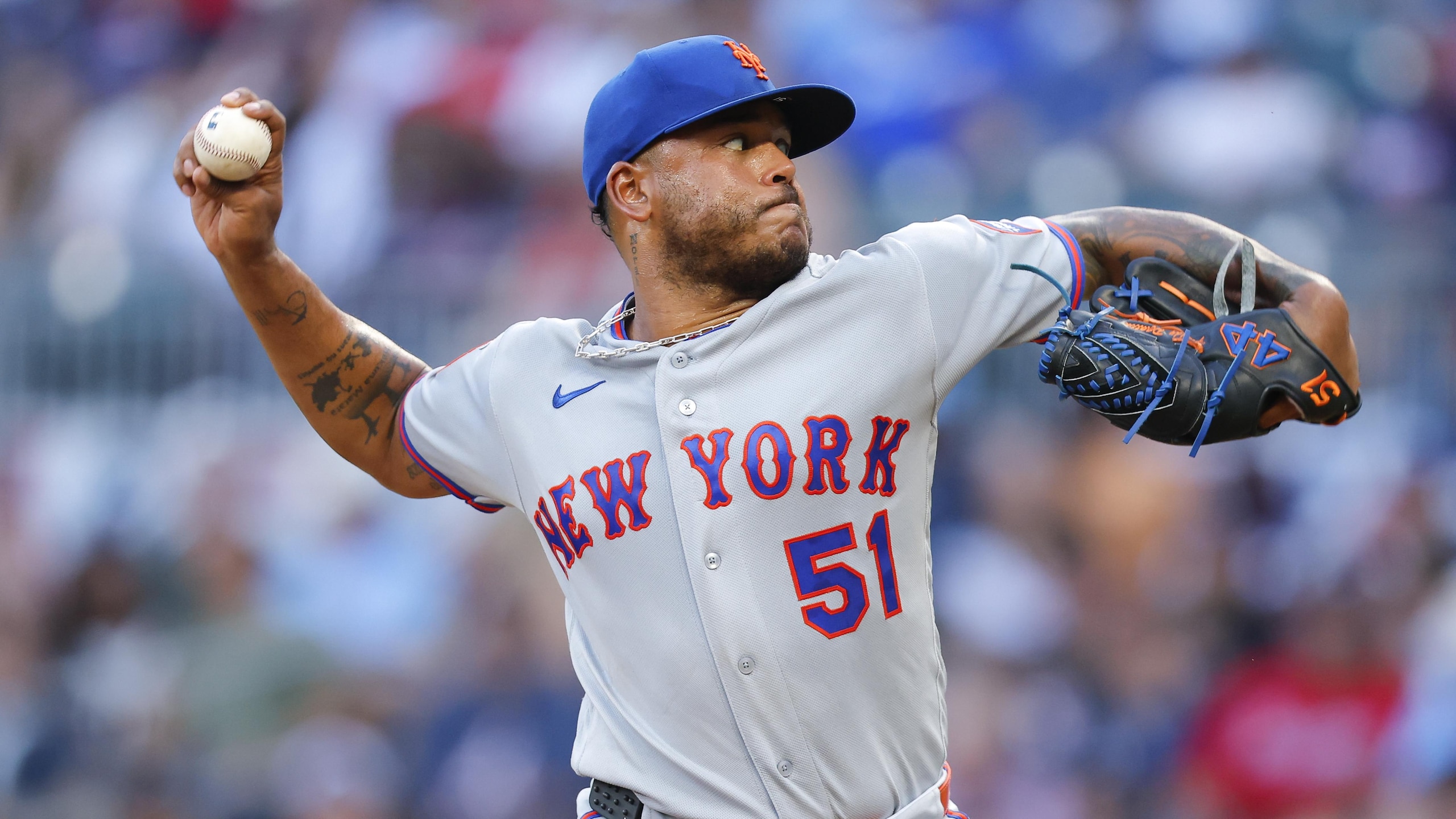
But this comes at a cost, mainly that the players who actually deserve to be starters get snubbed. Big-time.
Looking at the AL All-Star team is basically like looking at a conglomeration of the most ubiquitous names in television. If a player gets on TV a lot, mainly ESPN or FOX Sports, chances are he’ll find himself standing on the first-base line with his hat over his heart, staring at his dugout where all the reserves—whose play was superior to them in the first half of the year, and by rights, deserved more votes—sit with disappointed faces.
I don’t fault the elected starters for that; they have no control over the fans' decisions. But they could opt-out of the event or give their spot to someone more deserving. There is precedent (e.g. Vince Carter gave his spot to Michael Jordan in the ‘03 NBA All-Star Game).
But to take away the position from the most deserving candidates undervalues the All-Star Game. It becomes a popularity contest, plain and simple. Many people have written that and voiced that, but it bears repeating until the leagues figure it out.
Selig has attempted to increase the value of the event by making home-field advantage in the World Series dependent on which league wins the All-Star Game.
But that makes the event even more ludicrous.
Now you have the most popular players—not the best—deciding, through what was ostensibly a “fun” competition (remember John Kruk vs. Randy Johnson and the backwards helmet/switch-hit?), who gets a huge advantage when the most important seven games come around.
Don’t you think all the players and coaches in the league would rather have their best players competing for that right? And not allow the whims of so many millions of casual fans, who primarily vote based on name recognition—or even skin tone, explaining the election of Derek Jeter over reserve Michael Young—to affect such a vital aspect of the game.
If Selig truly wishes to inject (ooh, bad choice of words for baseball) importance into this event, he should give baseball writers the votes. Of all the groups associated with the sport, they are the most intelligent, and they possess the most knowledge outside of players and coaches (who, because of personal vendettas and rivalries, would probably overlook some players in favor of others).
They spend all day and all night watching, contemplating, considering, reconsidering, crystallizing ideas, and writing about baseball. The game is their passion, their life, and they study every miniscule detail. That’s why they decide who gets inducted into the Hall of Fame—the most significant and hallowed establishment in sports.
Shouldn’t they be able to put together a meaningful All-Star roster?
Not Yankee, Red Sock, Yankee, Red Sock, Yankee, Red Sock…another Red Sock.
The same players trot out to the field year after year, when the more deserving players sit and watch from the bench, or even worse, at home.
If writers got the vote, not only would the true All-Stars play, but the game would be more exciting as well. I remember watching Marshall Faulk rapidly increase his stock in the Pro Bowl when he was on the Colts. Previously, I had never heard of him, but he became my favorite player in that one game.
That is the type of scenario I wish the MLB would try to facilitate—an event comprised of the greatest players of the first-half of the year, regardless of popularity, competing against each other in front of millions.
Many of the most popular players would likely make the team, anyway, because the majority became popular due to their talent and success. But they wouldn’t start. And people like Jason Varitek (hitting a measly .218) would rightly watch from their couches.
_1.png?w=2560)
.jpg?w=2560 "Report: Saints Trade For 49ers RB")
.jpg?w=2560 "Jeanty Avoids Major Injury")
.png?w=2560 "New-Look Luka Dončić 👀")