The State Of United States Soccer: Top Athletes Just Aren't Interested

Erick Blasco details the cultural and societal reasons why soccer hasn't taken off as a major American sport.

by Erick Blasco (Senior Writer)

8

801 reads

Editorial

June 21, 2008

Soccer, American Soccer, Editorial

While the United States fancies itself as the premier nation in terms of global accomplishments—scientific, cultural, or sports-related—there is one category where the U.S. clearly lags well behind the rest of the world:

The sport of soccer.

There are many reasons for the United States’ apathy toward the sport. The main reasons is the United States’ belief in adopting the best customs from other cultures and then stripping down and repackaging those customs as something more “American.”

Cricket is one of the world’s most popular sports. Americans reformatted it as baseball. Soccer is the premier pastime in nearly every other country on the globe. Main components of the game were tweaked and altered into the sports today known as Basketball and American Football.

It isn’t that Americans don’t care about global traditions. It’s just American culture to take international customs and make them more “American.” Since the United States has basketball and American football, U.S. soccer is destined to be a lesser-tiered sport with less interest by fans to watch the sport, corporations and entrepreneurs to market and finance the sport, and most importantly, young athletes to take interest in the sport.

Other reasons include the marketability of the other major American sports. Baseball is timeless and branded as "American" as hot dogs, apple pie, and Chevrolet.

American football has become less a sport, and more a ritual in the United States. Every Saturday or Sunday (often times both), fans of college and professional football gather around inside stadiums, outside stadiums, in bars, and living rooms to watch games. Parties are thrown on game days, and even people with little interest in the sport support the fans in their lives by assisting with the parties, the tailgating, the camaraderie.

While basketball doesn’t have the rituality or the time-honored history of baseball and football, the sheer athleticism of its best superstars and the simplicity of the game to understand and play make it easy to attract fans and athletes.

Because these three major sports have such an oligopoly on American fan interest, other lesser team sports are choked off from the nation’s attention span like small weeds.
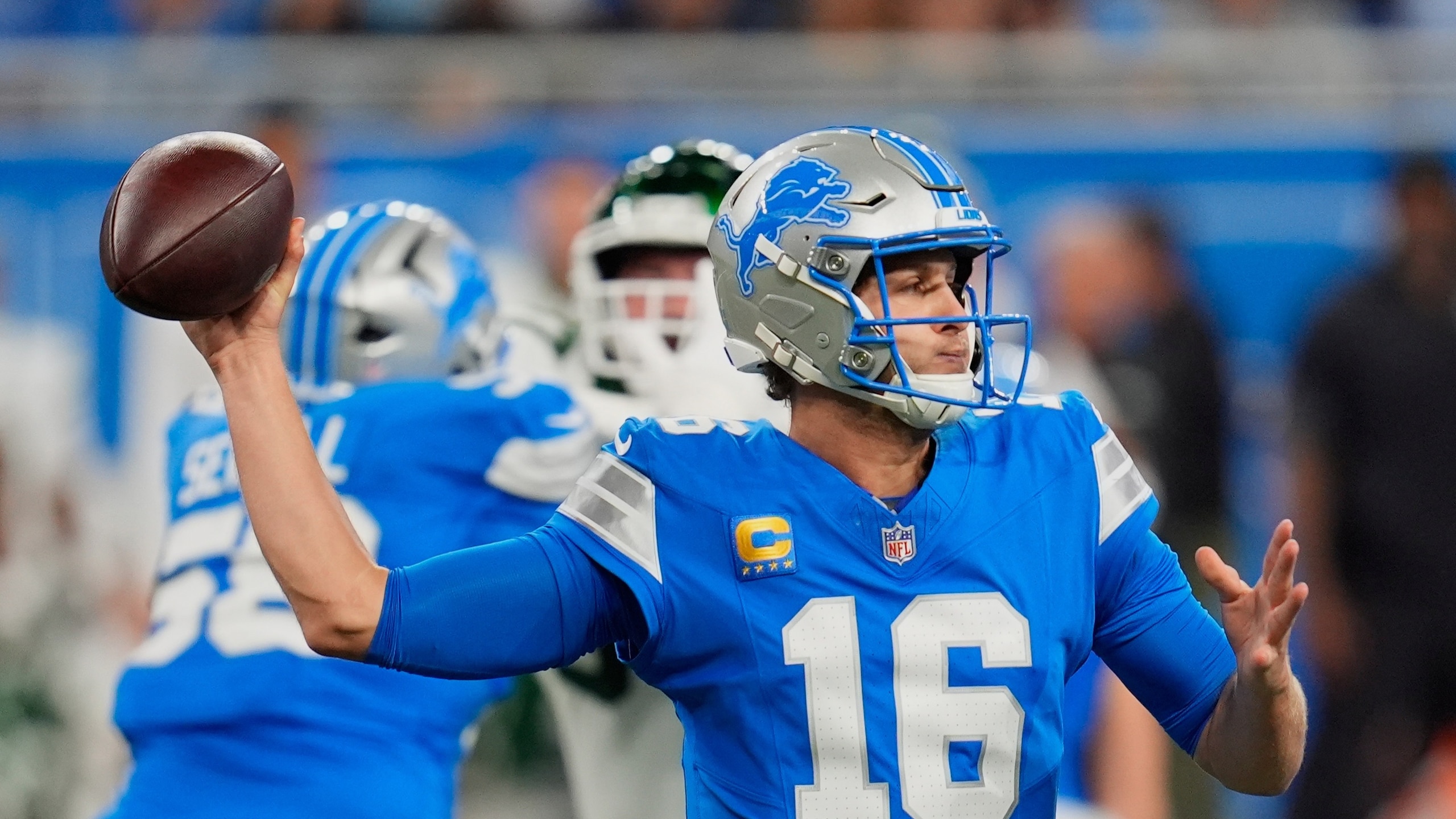
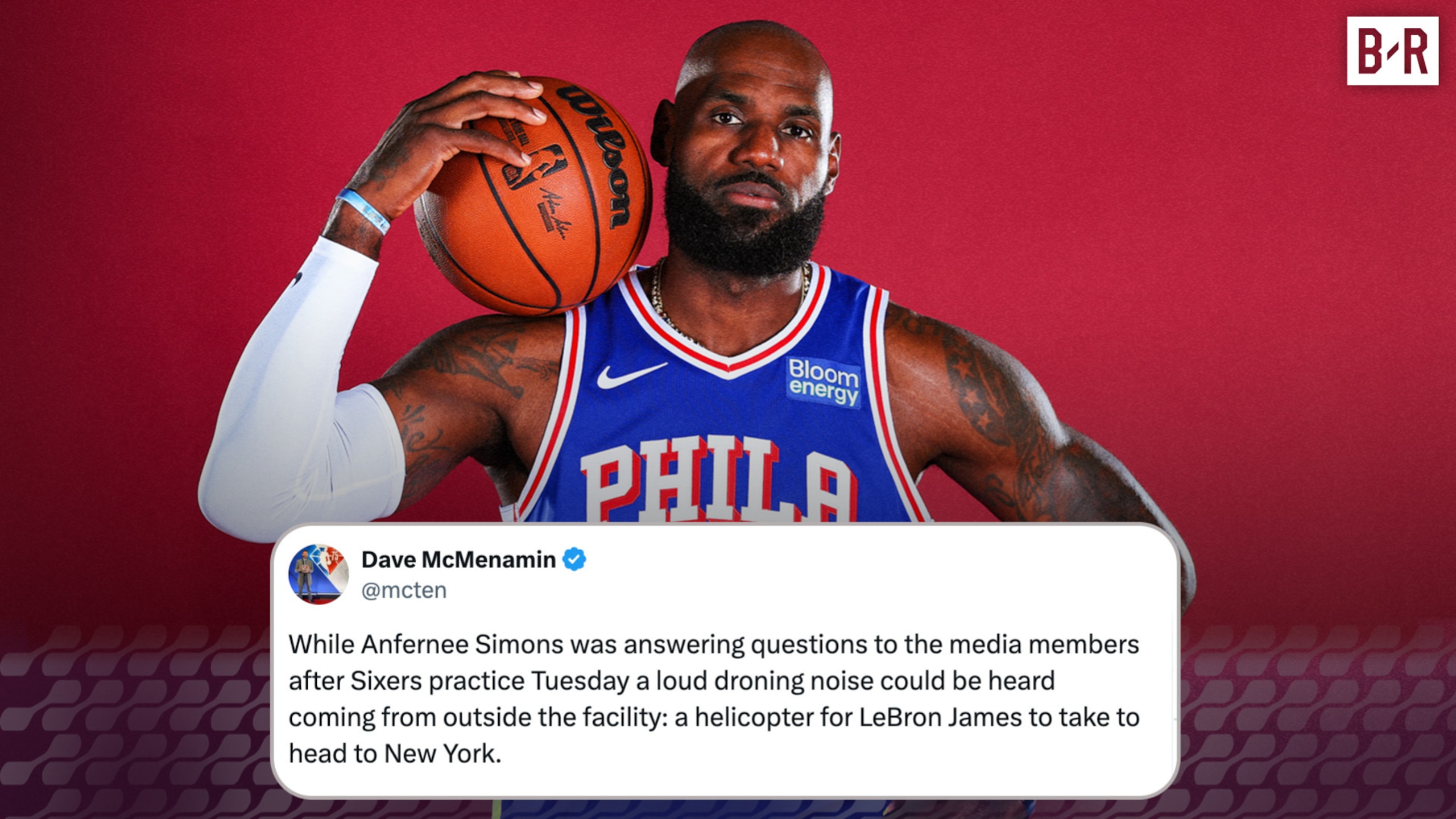
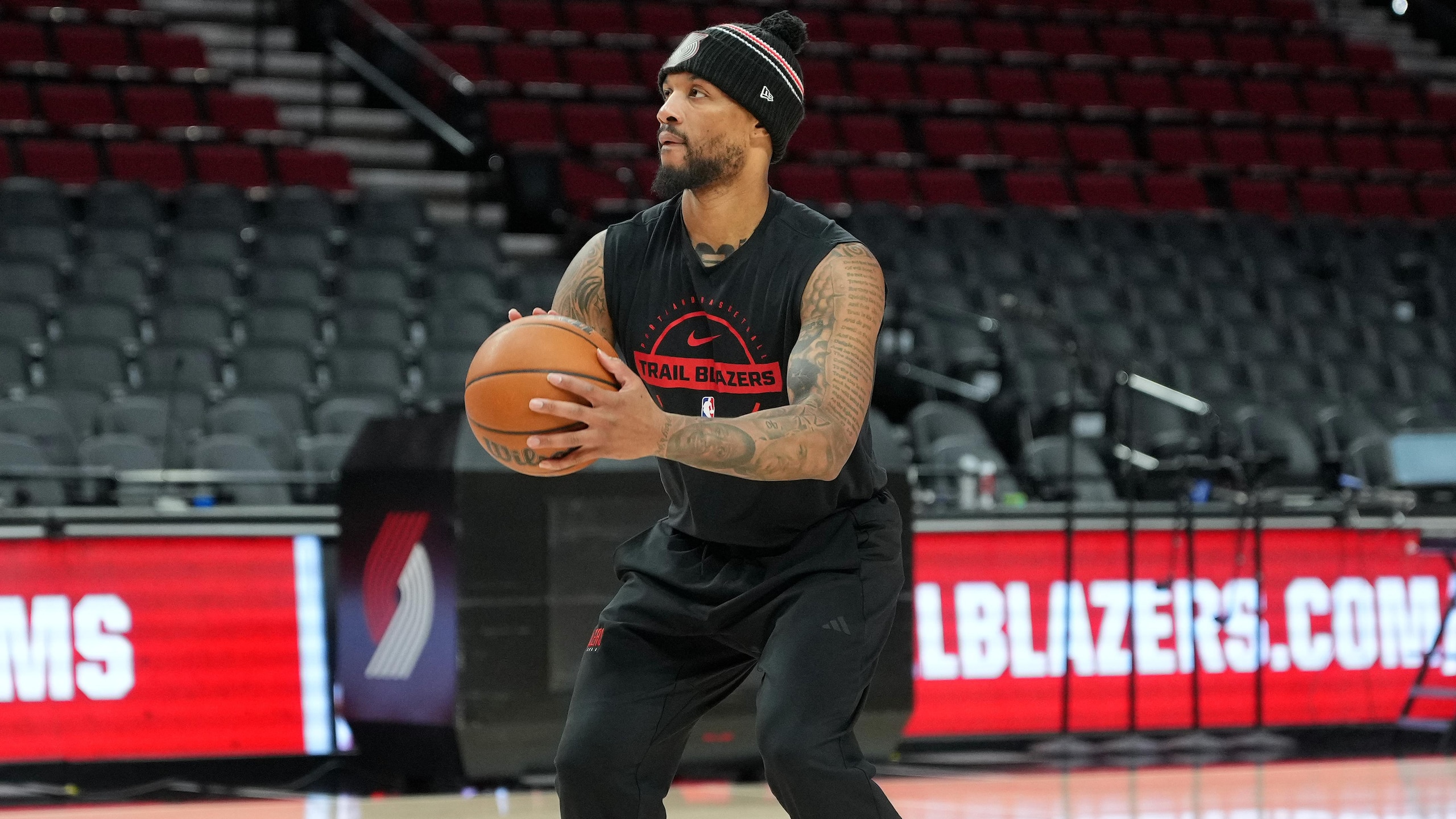
This fact prevents many young talented American athletes from developing not just the love, but the obsession with soccer that fosters steady continuous improvement. As a result, the majority of hyper-athletic American athletes are drawn into basketball, football, and sometimes baseball and tennis, with almost none going into American soccer.

And even though American soccer has a number of talented of athletes, because of America’s apathy towards the sport, it is hard for American soccer stars to develop the mentality where every single play is critically important and deserves extraordinary efforts that soccer stars from around the world face routinely.

The United States easily has enough athletes to become a world power if its top-flight athletes took up soccer instead of other, more prestigious sports.

The majority of guards and forwards in the NBA, skill position players in the NFL, and middle infielders and centerfielders in the NBA all have the required speed and athleticism necessary to excel in soccer. Most of those basketball and football players also have the intense conditioning and physical strength that is also required.

If those athletes developed feet-eye coordination and were taught to love soccer at a young age, then the U.S. would be a world power in soccer. Instead, those athletes are choosing to play more prestigious sports.

And why not? The average baseball player earns over $3 million a year, the average basketball player over $5 million, and the average American football player earns $770,000.

Salaries are somewhat skewed in football because football employs a lot more athletes per team than basketball and baseball.

Still, compared to the $40,000 average salary for MLS soccer players, it’s easy to figure out that basketball, baseball, and American football are where the big bucks are at, and that isn’t even including massive endorsements for top basketball, baseball, and football athletes.

Unfortunately, while the United States certainly has the capability to be a moderately successful international power, the elite athletes needed to become a superpower simply don’t look at soccer as an interesting career path.

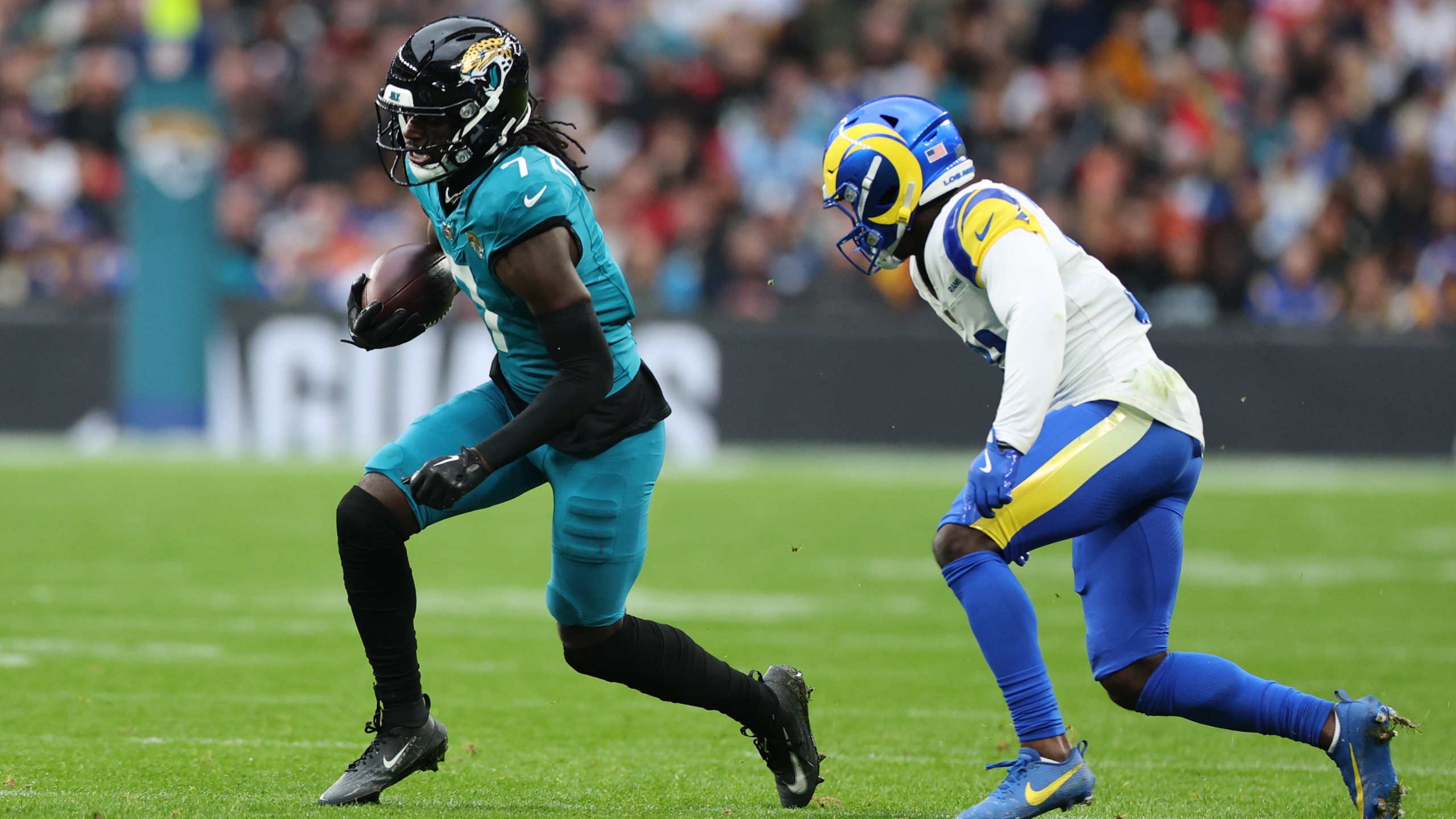
Without those athletes, US soccer is stuck oscillating between above average (Top 8 in 2002 World Cup), and below (0 points in 1998 World Cup), with little hope of coming anywhere close to consistent international domination.
Editorial

801 views

Share:

  • Digg
  • StumbleUpon
  • Facebook
  • Email
  • Print

comments (8) write a comment »

  1. first of all, Soccer players in Europe make money that trumps any number(excluding major super stars i.e: Crosby, Kobe, Brady) made by your average big three athletes here. SOme players making over 200,00 a week! I think you are incredibly biased by saying "more Prestigious" when talking about the big three in the US!

  2. When I say more prestigious, I'm talking about with respect to American sports only, not global. No doubt Soccer is THE sport around the world, but in the United States, little prestige is associated with being a great domestic soccer player in the states.

    Again, since soccer is THE sport worldwide, international stars get paid insane amounts of money. In the United States, the only athletes from team sports that make top dollars are from the Big 3, with the exception of guys like Beckham who's an import.

    Sorry for the confusion, I don't mean to insult the sport of soccer at all.

  3. Uh.....the confusion is pretty unavoidable. We live in a globalized world. You can make an 8 figure annual salary playing soccer if you're good enough, even if you're American. And the number of soccer teams that pay million dollar salaries is literally in the hundreds. The players come from all over the world.

    There are no laws prohibiting Americans from going overseas to play professional soccer, which is why several are currently doing so and earning big bucks - just like there are millionaire foriegn baseball and basketball players in the US. Just because MLS pays on average just over $100,000/year doesn't mean there's no opportunity to get extremely rich playing soccer for Americans.

    And please, I know there's a small minority of insular Americans who shudder in fear at the prospect of leaving the US borders, but they are honestly a minority. Whether for work or study, millions and millions of Americans go to great lengths and expense to go overseas. Throw in the prospect of the rock star lifestyle soccer players enjoy, and I dare say millions of young Americans are already enticed.

  4. Okay, but then aren't American soccer players leaving the States then to play in foreign markets with higher salaries and exposure? Those players still aren't getting domestic recognition in the States, and aren't making the sport "prestigious" to casual American sport fans. That trickles down to childhood where young athletes aren't as exposed to soccer as they are to the other big three American sports, leading to a majority of athletes choosing basketball, American football, and baseball over soccer.

  5. Just going to say this, the reason soccer is not on TV is because the networks in the US lose money on Commercials, Soccer has very few breaks, so commercial time is cut far back, way less than stop and go of baseball and football. If the corporations were to do what the europeans do, they'd be sponsoring jerseys, sideline advertisements, and such. That is why soccer isn't as widely shown on US television.

  6. That's interesting, and I hadn't thought about it. Doesn't US soccer run ads along the walls on TV though? I'm sure they do that when they show World Cup matches. I guess it doesn't generate the same revenue?

  7. Soccer isn't widely shown on US TV? There are two soccer-only cable channels (Gol TV and Fox Soccer Channel), while ESPN shows MLS, the US national team, the Champions League, European Championship and recently shelled out $100 million for the 2010 and 2014 World Cups. Then there's the Spanish-language channels (the Univision network), where soccer regularly attracts US viewership that the NHL would kill for, though usually when I make that observation someone pipes up with the borderline racist argument that Hispanic Americans aren't really Americans, and therefore don't count. There is hardly a country on Earth with more soccer available on TV than the US.

    Anyway, Erick, to the extent that article is simply that young people are still more likely to choose baseball, basketball and football over soccer, well, sure. I doubt many will take issue with that. That's pretty much still common sense at this point.

    However, the more interesting thing is the trends. Go to a (non-Hispanic, non-immigrant) 30-year old adult soccer league in any city (I'll use Seattle as a point of reference as I know it best) and you'll likely find only a slight awareness, if that, of the very existence of professional soccer. People will say they love watching the sport, of course, and will cite the World Cup. Go to a 20-year old adult league and there's already a huge difference. You'll find the players in Man Utd, Real Madrid, Aresenal, etc jerseys talking about "Who's better Ronaldo or Kaka", "Who's going to win the Champions League" or "Who's going to win the English Premiership". It's an interesting trend, the implications of which are worth further examiniation. And while this trend may not exist all over the country, it does seem to exist in urban areas. And in terms of setting the course for the rest of the nation, it's the big cities that matter.

    And speaking of Seattle, given that exhibition matches at Qwest Field such as Man Utd v Celtic and Real Madrid v DC United sold out the stadium, in the latter's case after a mere 10 days or so, AND given that Seattle's new MLS team has already has taken deposits for 17,000 season tickets (more than the Sonics have ever managed in their history) a full 10 months before they play their first game, I'd say there's no lack of understanding among Pacific NW youth about the fame, glory and riches that can go with being a soccer player.

    Everyone can see for themselves where we are. It's becomes more interesting when you look at where we were (say, 20-30 years ago) and where we seem to be going.

  8. the fact is that the sport in america is very diverse....

    just look at the Youth teams... each year, US's Youth teams are becoming more and more diverse... we are seeing fewer and fewer middle to upper class players making it through, and we are starting to see a diverse working class population excell..... we are starting to see more americans of asian, mexican, african etc... decent......

    american isnt losing interest, its changing interest.... there were more people watching the group stages of the COPA cup in 06' in the US, then there were watching the Stanley Cup.... there is a large interest in the US for this sport and the athletes are there... the population is large enough to where we can excell in MULTIPLE sports.... you will begin to see it occur in our USMN squad as well

    with players like : Altidore, Adu, Zizzo, Szetela, Bernardo, Ferrari, Shea, etc... some of the players ive mentioned are simply 1st generation americans....again, we are a diverse nation, and the MLS and the USMN will be just as diverse as the population, and more diverse then any other sport in the US

write a new comment


Edit this Article Article History

About the Author Erick Blasco (senior writer)

  • 126 articles written
  • 1177 comments posted
  • 82 fans

FREE SPORTS TEXT ALERTS

  • Get team scores and news sent to your cell phone during and after each game.
  • We do not charge for these services, but standard messaging rates or other charges apply.
  • Cancel anytime by replying STOP to any message.

Step 1: Choose a team

League:

Step 2: Enter your phone number

( ) -
Standard Messaging Rates or other charges apply. To Opt-out text STOP to 4INFO (44636). For more information text HELP to 4INFO (44636). Contact your carrier for more details.

Want to write for Bleacher Report

We are a community of fans who write about sports. And we're growing.

Learn More and Sign Up »