Why Sam Allardyce Has All the Right Tools for the England Manager's Job
There are two groups of people who seem opposed to the prospect of Sam Allardyce as England manager. There is the collective of aesthetes, the purists and the traditionalists, those who believe a national team is somehow representative of the nation and should offer a template of free-flowing, sensuous football. And then there are Sunderland fans, who recognise what a blow losing Allardyce would be.
The job Allardyce did at the Stadium of Light last season was remarkable. He arrived eight games into the campaign with the club on three points and drifting badly. Summer recruitment had been poor, and there was a clear sense former manager Dick Advocaat regretted going back on his initial decision to retire at the end of the previous season.
TOP NEWS

Ranking UCL Jerseys 📊

Way-Too-Early Transfer Picks 🔮

Will a non-QB be 2027's No. 1 pick? New NFL mock draft
It was a job that took time, not least because the culture of the dressing room needed overhauling, something that had defeated numerous previous managers.
But Allardyce was admirably assured. He always gave the sense of having a plan, which bred a sense of security. Of his four January signings, two were exceptional, one was decent and the other filled in occasionally. Even after five straight defeats in December, there was no panic; those were difficult games. Allardyce did what he always does. He got the defence sorted and then began to build.

It took time for him to be persuaded that Jermain Defoe could be used as a lone striker, but the forward’s pace and movement were good enough to fulfil that role. Jan Kirchhoff had a nightmare debut at Tottenham Hotspur, but Allardyce blamed himself—at least publicly, per Louise Taylor of the Guardian—saying he’d brought him in too soon, maintained his faith in the German and moved him into midfield.
In the second half of the season, Sunderland only lost four games. With slightly more composure in the final third, they might have stayed up rather more easily than they did. Jitteriness at the back meant they had a tendency, despite Allardyce’s structural work, to leak silly goals. They drew nine games in the second half of the season. In six of them, they were the better side.
If even half of those had been won, relegation wouldn’t even have been a threat by mid-April. Finally, though, Allardyce’s work paid off. There was a run of three clean sheets in four games. Survival was assured with another: a 3-0 win over Everton in which every goal came from a set play.
Allardyce, tie yanked down to mid-chest, danced on the pitch. Black Cats fans adored him. David Rose, the Sunderland-supporting deputy chief executive of the Football Supporters Federation, told me he couldn’t remember a louder atmosphere at the Stadium of Light than for the wins over Chelsea and Everton toward the end of the season.
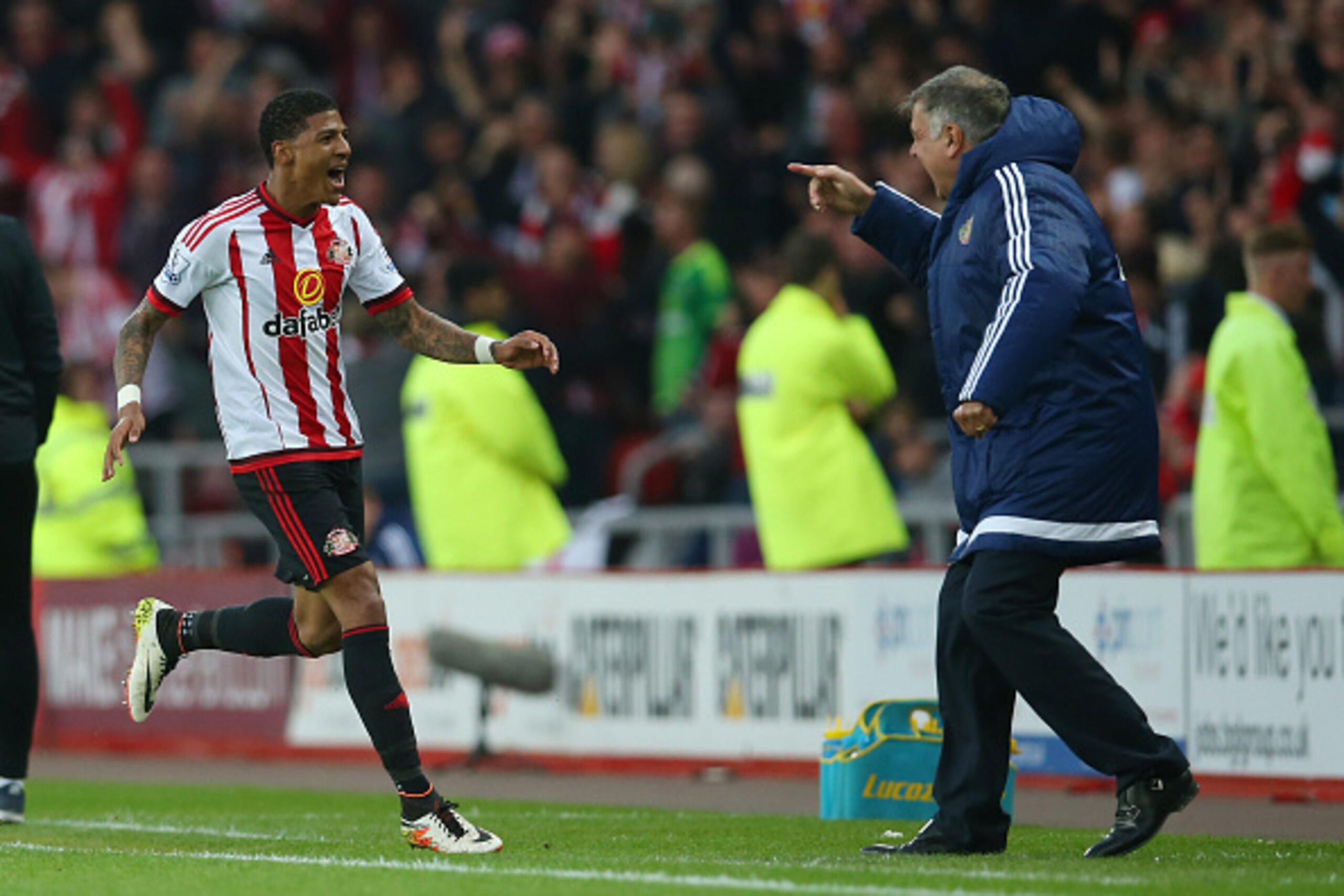
Allardyce had faced scepticism over his methods at both Newcastle United and West Ham United, but at Sunderland, he found a more pragmatic fanbase, a group of supporters without expectations of style who demanded little more than application and were delighted when it brought success.
And that’s the problem with the England job. Allardyce would face the most unrealistic, most idealistic fanbase in the country.
When England, in their final friendly before Euro 2016, without finding much in the way of rhythm, outplayed Portugal and beat them 1-0 at Wembley, the reaction was horror: They were too negative, too inflexible and too concerned with not conceding. But they beat the side that, a month later, were crowned European champions.
Of course, friendlies mean next to nothing. In fact, most games in international football mean next to nothing. International football, as a high-level sporting contest, is a farce.
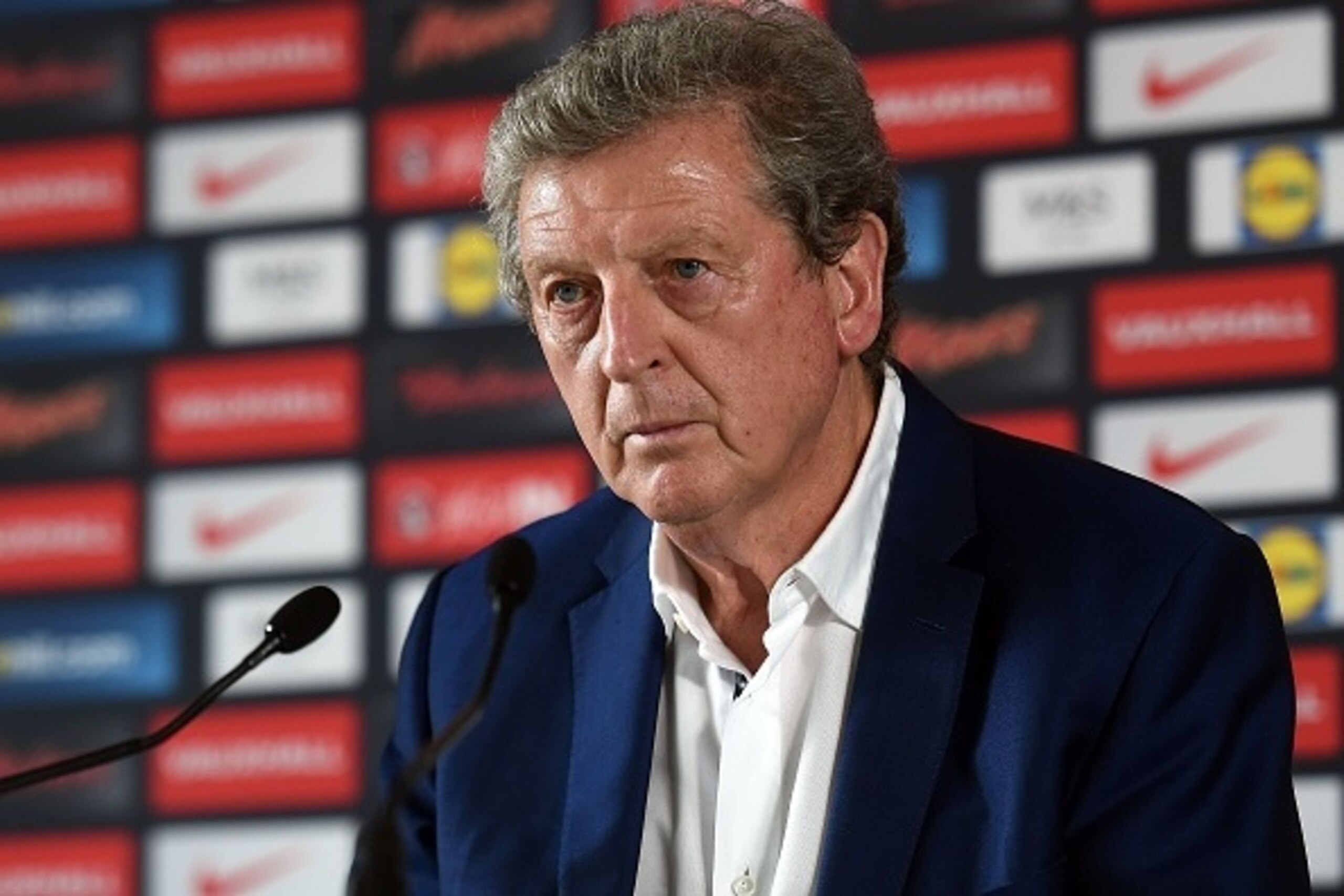
England, Roy Hodgson told us—with good reason given the pace they had in forward areas—would be at their best when they played a team that attacked them. But for two years they haven’t done so. The last team to attack them in a competitive game was Switzerland in the second half of their qualifier in Basel in September 2014.
That was the story of the Euros: a great rush to be the side without the ball. Pragmatism reigned. But then it usually does in international football. Not for Brazil in 1970 and 1982, Hungary in 1954 or the Netherlands in 1974 or 1988, perhaps, but for most successful sides.
Even the Spain team that dominated international football between 2008 and 2012 became increasingly pragmatic, often holding possession for the sake of holding it, killing the game through their skill at keeping the ball from the opposition.
Yet for some reason, English football culture seems to demand—contrary to all evidence and experience—constant thrills and a form of clever, technically excellent, beautiful football that almost never exists and certainly not amid the energy of the Premier League.
Perhaps it’s a hangover of the arrogance of the nation that invented the game. Perhaps it’s a conflation of aesthetics and quality. Perhaps the lack of games, and particularly meaningful games rather than qualifying slogs against mediocre outfits, means too much is read into too little.
The success of Portugal provides an interesting thought experiment. If that had been England, at what point in the tournament would the mood have turned from frustration to hope? England at the 1990 World Cup provided a similar case, a penalty shootout from reaching the final despite winning a single game in normal time.
Then, it was probably David Platt’s last-gasp winner in the second round against Belgium that flipped the atmosphere. The margins are tiny, and the quality is almost irrelevant. All that matters is the thing England have been dreadful at for half a century: getting results in knockout ties.

Would Allardyce achieve that? It’s impossible to say with any certainty, of course. But what he would do is forge a team spirit and devise a clear plan. He is sophisticated in his use of sports science and statistics. He has a long track record of getting results in key games. The football would not be pretty in any sense. It would not be the possession-based approach laid out in Football Association chairman Greg Dyke’s England DNA document in December 2014.
There would be some fans and journalists who would see his appointment as retrograde and be against him from the off, which might be understandable if the England manager’s job was seen as being to lead the philosophical direction of the English game. But if that ever were the case, it is not now. The English game is what it is, and while significant improvements could be made, that is the job of the FA and the clubs.
The England manager’s job is to make the best of the material he has available.
Allardyce has done that successfully throughout his career. His skin is thick enough to ignore the criticism that would inevitably come his way. He would motivate and organise the players. He is, by some distance, the best English candidate available. And it would be a black day for Sunderland if he leaves.


.jpg?w=2560 "Giants Release Darius Slayton")
.jpg?w=2560 "Waiver-Wire Pickups 👀")
.jpg?w=2560 "NFL coach loses 50th birthday on flight to Australia")
.jpg?w=2560 "Week 1 Rankings 📊")