

The Biggest Hole Every NBA Team Still Must Fill After 2015 NBA Draft
With the NBA draft complete, teams will now use July to fill any leftover holes via free agency or trades.
From frontcourt shooting and rim protection to wing scoring and backcourt depth, every lineup in the league has an area that could use an upgrade.
What follows is a look at the biggest weakness or shortage holding back each squad, as well as the type of player who could help it the most. Team stats and rankings from the 2014-15 season helped determine which hole was the biggest. Expected free-agent departures were also a consideration for each franchise.
Atlanta Hawks
1 of 30
Biggest Hole: Rebounding
Even if Paul Millsap (unrestricted free agent) returns, the Atlanta Hawks still finished No. 27 last year in rebound percentage (48.2).
Al Horford (7.2 rebounds per game) doesn't seem to offer the same interior presence he once did, and Mike Scott is a stretch big who plays away from the hoop.
In four consecutive losses to the Cleveland Cavaliers in the Eastern Conference Finals, the Hawks were out-rebounded by a total of 50. They had no answer for Tristan Thompson inside.
Atlanta also passed on power forwards Bobby Portis and Montrezl Harrell in the draft.
Restricted free agent Draymond Green would seem like an obvious target for Atlanta in free agency, but odds are rebounding remains an issue for the Hawks moving forward.
Brooklyn Nets
2 of 30
Biggest Hole: Defense
Credit Brooklyn Nets general manager Billy King, who made a slick move in dealing Mason Plumlee to Portland for Rondae Hollis-Jefferson, the No. 23 overall pick in this year's draft.
The Nets' new rookie just may be the team's top perimeter defender right off the bat. But Hollis-Jefferson alone won't turn Brooklyn's No. 24-ranked defense around.
It allowed opponents to shoot 59.9 percent within five feet, good for No. 24 in the league as well.
The Nets' guards lack athleticism, and while Brook Lopez has improved defensively, a Lopez-Thaddeus Young duo isn't the most intimidating.
Adding Hollis-Jefferson was a start for Brooklyn, but defense is still a weakness that needs addressing.
Boston Celtics
3 of 30
Biggest Hole: Rim Protection
A rotation of Kelly Olynyk and Tyler Zeller just won't cut it defensively. Both are below-average athletes in the middle, and neither are particularly long.
And though the addition of Jordan Mickey (No. 33 pick in draft) should help, at 6'8", he's no anchor.
The Boston Celtics need to add rim protection. In 2014-15, they finished dead last in the NBA in blocked shots while allowing opponents to shoot 59.2 percent within five feet.
Charlotte Hornets
4 of 30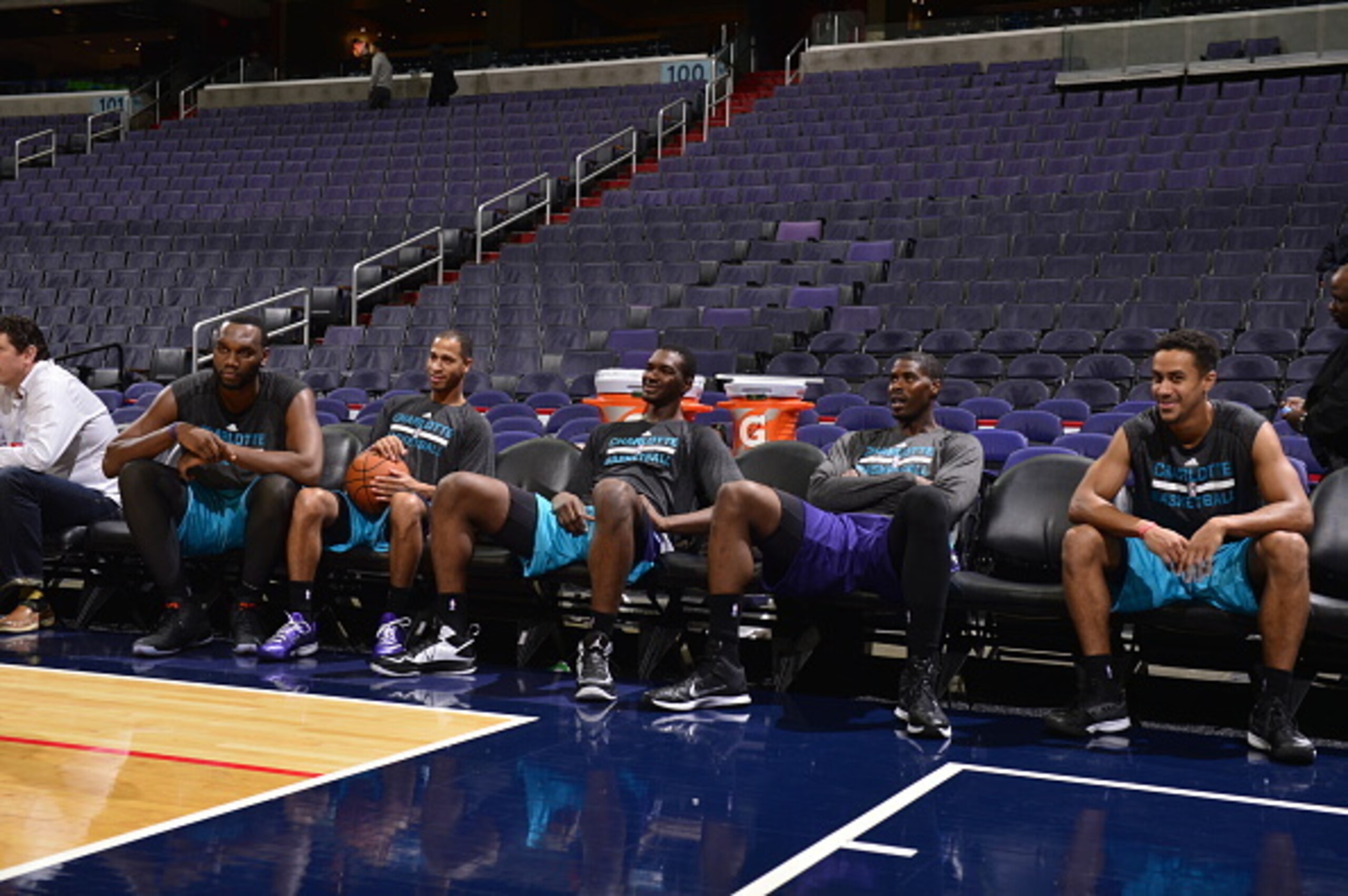
Biggest Hole: Bench
The Charlotte Hornets addressed three-point shooting by adding Nicolas Batum, Frank Kaminsky and Jeremy Lamb within the last week.
However, their bench is still fairly weak.
Nobody screams "consistent threat." Lamb has shot 42.2 percent from the floor for his career. Spencer Hawes, whom Charlotte also recently added, was irrelevant in 2014-15. Jeff Taylor hasn't been relevant since being drafted in 2012. And Brian Roberts can be categorized as a below-average backup.
Players like Marvin Williams and Troy Daniels just aren't needle-movers in terms of their ability to come off the bench and add something of significant value.
Chicago Bulls
5 of 30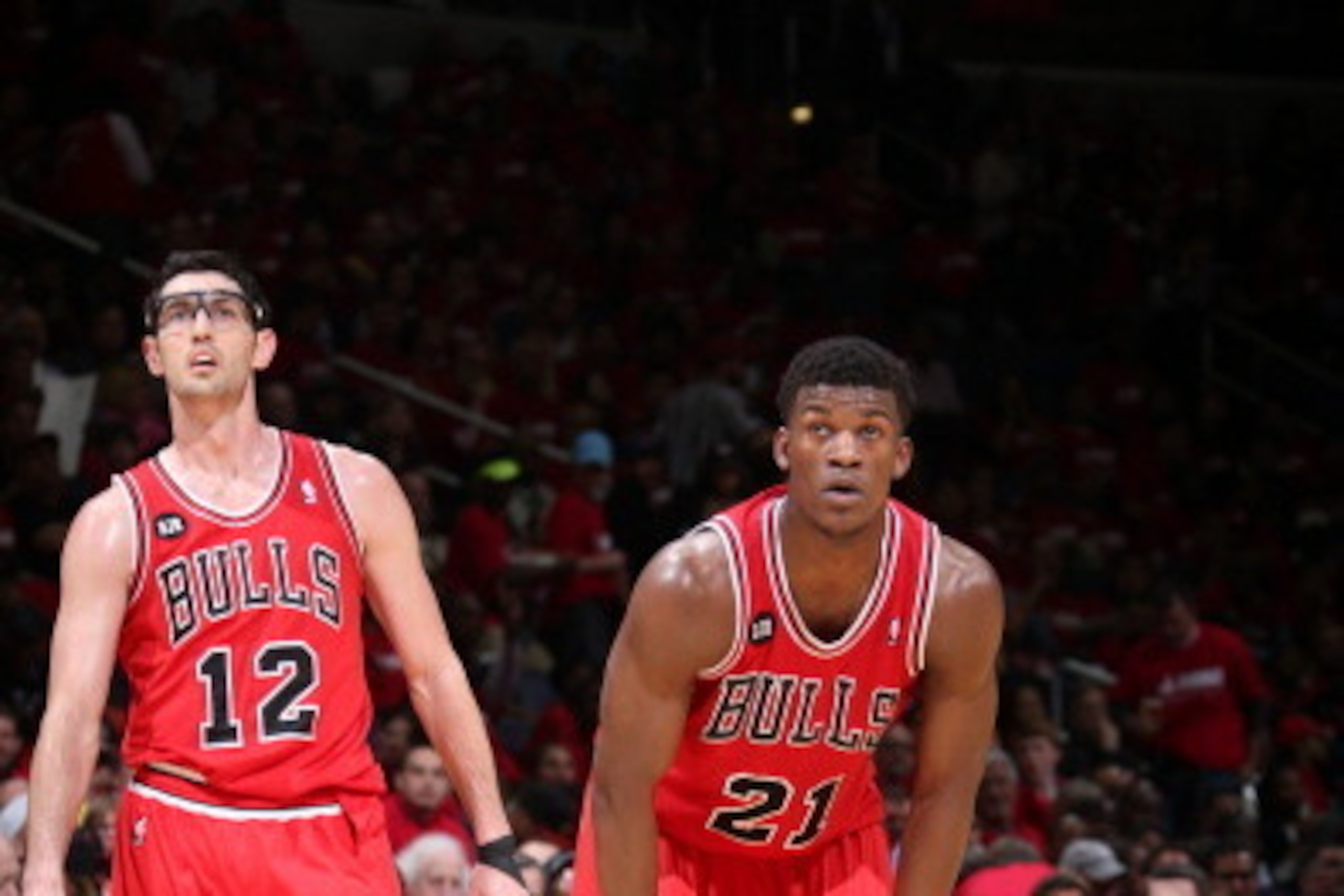
Biggest Hole: Secondary Playmaker
The Chicago Bulls rely heavily on Derrick Rose to create shots for the offense. Chicago could really use another guard who can enter a game and set up teammates for easy looks.
Kirk Hinrich is more of a ball-mover and shot-maker at this point in his career. He's not someone who's going to break down defenses off the dribble.
Bobby Portis was a strong best-available-talent pick in the draft, but he doesn't solve Chicago's lack of playmaking depth.
Obviously, the Bulls could really be in trouble if Jimmy Butler, a restricted free agent, leaves. But even if he returns, it wouldn't hurt to add another weapon off the bench.
Cleveland Cavaliers
6 of 30
Biggest Hole: Playmaking Depth
Outside of Kyrie Irving and LeBron James, the Cleveland Cavaliers lack playmakers. They don't have anyone who can come off the bench to make things happen as either a table-setter or one-on-one scorer.
Matthew Dellavedova, a restricted free agent, is more of a ball-mover on offense than a guard who's going to create, and Iman Shumpert (also an RFA) does most of his damage finishing plays—not initiating them.
The Cavaliers could use another guard who can enter a game and create easy shots for teammates.
Dallas Mavericks
7 of 30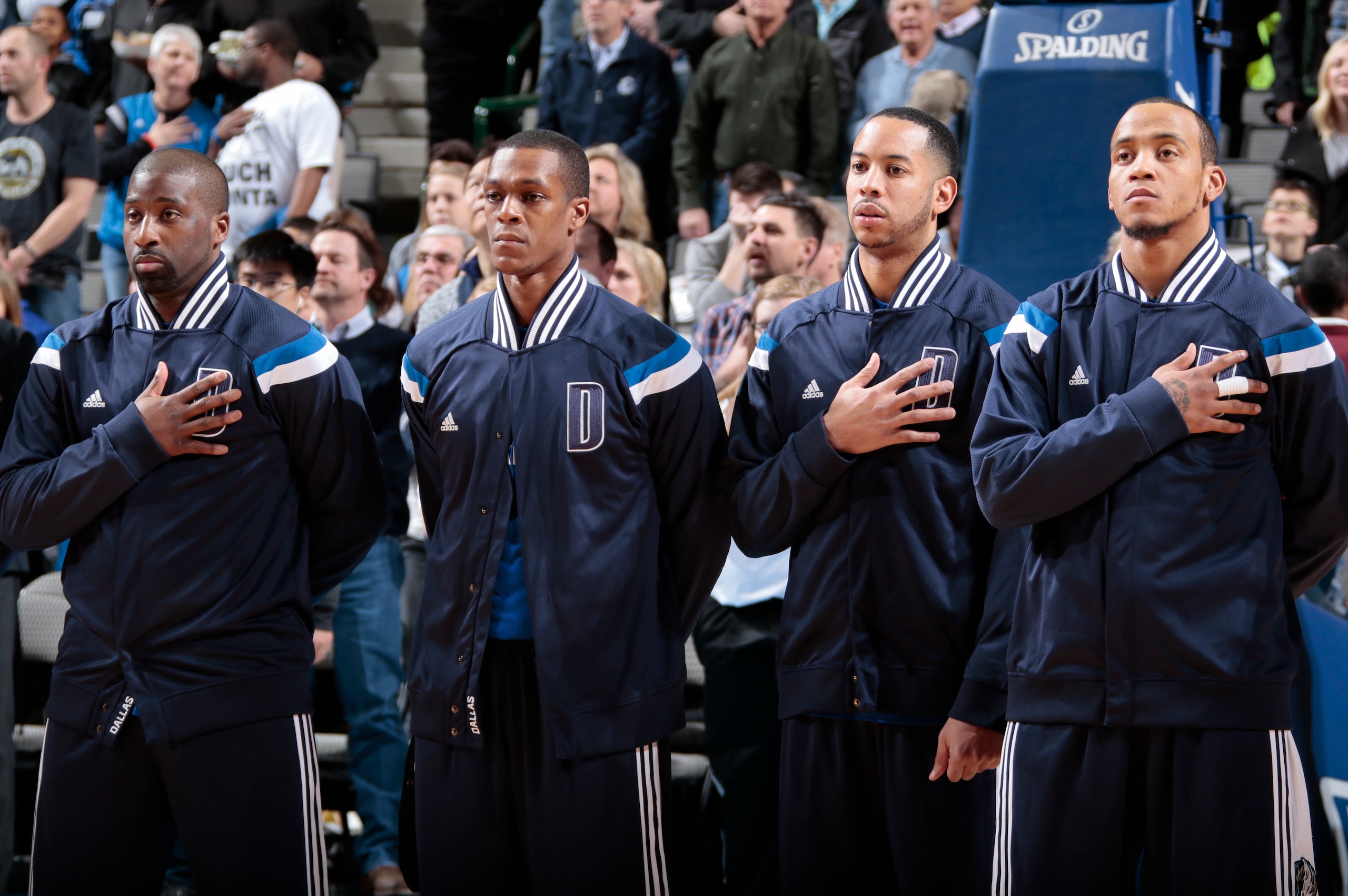
Biggest Hole: Backcourt
With Monta Ellis opting out of his contract, the Dallas Mavericks' backcourt looks scary heading into free agency.
The Rajon Rondo experiment didn't work, and the unrestricted free agent is not likely to be back.
The team doesn't need to be overly specific about filling this hole. The Mavericks need talent. Raymond Felton and Devin Harris just won't cut it as Western Conference lead guards.
At this point, Dallas could look at Mo Williams, Jeremy Lin, Cory Joseph or Norris Cole as possible upgrades.
And assuming Jimmy Butler ends up in Chicago or Los Angeles, the top shooting guards for Dallas to go after include: Danny Green, Wesley Matthews, Lou Williams, Arron Afflalo and Khris Middleton. Meanwhile, Marco Belinelli, Rodney Stuckey, Marcus Thornton, Gerald Green and K.J. McDaniels may be viewed as Plan Bs.
Denver Nuggets
8 of 30
Biggest Hole: Go-to Scoring
Even if Ty Lawson stays, the Denver Nuggets just don't have a quality go-to option in the half court.
To call Danilo Gallinari a top gun seems like a stretch. Besides, according to Yahoo Sports' Marc Spears, the Nuggets have put him on the trading block.
Kenneth Faried offers minimal shot-creating ability, while Jusuf Nurkic is still on the raw side.
The Nuggets have gotten very little from their 2-guards. Ideally, they'd add a scoring wing who can create one-on-one between Faried and Lawson or Emmanuel Mudiay.
Detroit Pistons
9 of 30
Biggest Hole: Go-to Scoring
The Detroit Pistons appear to be one go-to scoring weapon away from having a fairly complete lineup. They have talented offensive players but nobody who can really get their own shot consistently.
As a group, the team registered a 51.5 true shooting percentage in 2014-15, good for No. 26 in the NBA.
Reggie Jackson and Brandon Jennings can score, but both shot below 44 percent from the floor. Kentavious Caldwell-Pope and Jodie Meeks each shot below 42 percent.
Detroit's frontcourt just isn't good enough offensively to make up for the shortcomings in the backcourt.
Andre Drummond is efficient, but he's not exactly an option the Pistons can go to in the post against a set defense. Ersan Ilyasova was a fitting addition—he's just more of a shooter or shot-maker than a one-on-one threat.
Stanley Johnson could be the answer for the Pistons, though it won't likely happen right away. Until then, this squad could have trouble getting over the hump.
Golden State Warriors
10 of 30
Biggest Hole: Frontcourt Offense
The world champs don't have many holes, but as good as Draymond Green and Andrew Bogut have become defensively, neither are great shot-creators or scorers.
This team relies so heavily on guard play and jump shooting—it wouldn't hurt to have an option to feed in the post.
If Green leaves in free agency, the Golden State Warriors will certainly need to react, whether it's by adding another 4 or moving Harrison Barnes to power forward.
Either way, with Golden State expected to trade David Lee, per ESPN.com's Marc Stein, it could use another offensive-minded player up front. Kevon Looney may be that guy in a few years, but not in 2015-16.
Houston Rockets
11 of 30
Biggest Hole: Point Guard
No surprise here—the Houston Rockets' biggest hole is at the point, where, as of July 1, Pablo Prigioni will be the top option.
Assuming they aren't willing to overpay for Patrick Beverley, who's a restricted free agent, the Rockets will need to replace him.
Another playmaker would help take some of the pressure off James Harden in the backcourt. And having passed on Jerian Grant, Tyus Jones and Delon Wright in the draft, the Rockets will now have to go after one of the below-average free agents available.
RealGM.com's Shams Charania reported Houston may have interest in Rodney Stuckey (UFA), who can at least create and make shots.
Indiana Pacers
12 of 30
Biggest Need: Frontcourt Offense
The Indiana Pacers just really need talent, though it wouldn't hurt to add an offensive weapon up front.
Quite frankly, the Pacers can get away with a George Hill-Paul George backcourt. But with David West having opted out, Chris Copeland now looks like Indiana's most threatening big man.
Rookie Myles Turner will need a year or two before offering much as a scorer, and Roy Hibbert's limitations are well-documented at this point.
The Pacers could really use a forward whom they can either feature in the post or spread the floor with as a shooter and shot-maker.
Los Angeles Clippers
13 of 30
Biggest Need: Wing
The Los Angeles Clippers' biggest hole changes if DeAndre Jordan leaves in free agency. Obviously, they'd need a new anchor in the middle.
But let's assume Jordan returns on a max contract. Then, the next order of business for the Clippers would be to address their lack of depth and firepower on the wing.
Lance Stephenson may have been a strong acquisition, but as a career 29.7 percent three-point shooter, he's not the most reliable offensive weapon.
Paul Pierce would seem like an ideal fit between J.J. Redick and Blake Griffin. Pierce gives the lineup a much-needed go-to option in the half court, as well as a spot-up threat from behind the arc.
Other free-agent small forwards for the Clippers to consider include Mike Dunleavy Jr., Al-Farouq Aminu and Corey Brewer.
Los Angeles Lakers
14 of 30
Biggest Hole: Frontcourt Anchor
Having passed on Jahlil Okafor in the draft to strengthen their backcourt with D'Angelo Russell, the Los Angeles Lakers must now turn their attention to their frontcourt.
Julius Randle has the chance to be an above-average starting power forward, but he won't offer much rim protection. Ideally, the Lakers should look to pair Randle with a defensive anchor like DeAndre Jordan, assuming Marc Gasol stays in Memphis.
L.A.'s backcourt looks set. And it seems more likely the Lakers land a wing (Jimmy Butler, Tobias Harris, DeMarre Carroll) than a Jordan, Gasol or LaMarcus Aldridge.
Regardless, at this stage, the most glaring hole in the lineup is at center. The team will not pick up Jordan Hill's option, according to RealGM.com's Shams Charania, leaving Robert Sacre as the lone center on the roster.
Memphis Grizzlies
15 of 30
Biggest Hole: Wing
Assuming Marc Gasol returns to Memphis, the Grizzlies' biggest hole is on the wing.
Courtney Lee has settled in as a serviceable 2-guard, but he's not potent enough to carry the perimeter scoring for the Grizzlies.
Between Jeff Green, Tony Allen and Matt Barnes, there is an offensive upgrade to be made in Memphis.
The Grizzlies ranked just 23rd in the NBA in three-point shooting last season. Marco Belinelli and Mike Dunleavy Jr. are shot-makers the Grizzlies could afford (after signing Gasol).
Miami Heat
16 of 30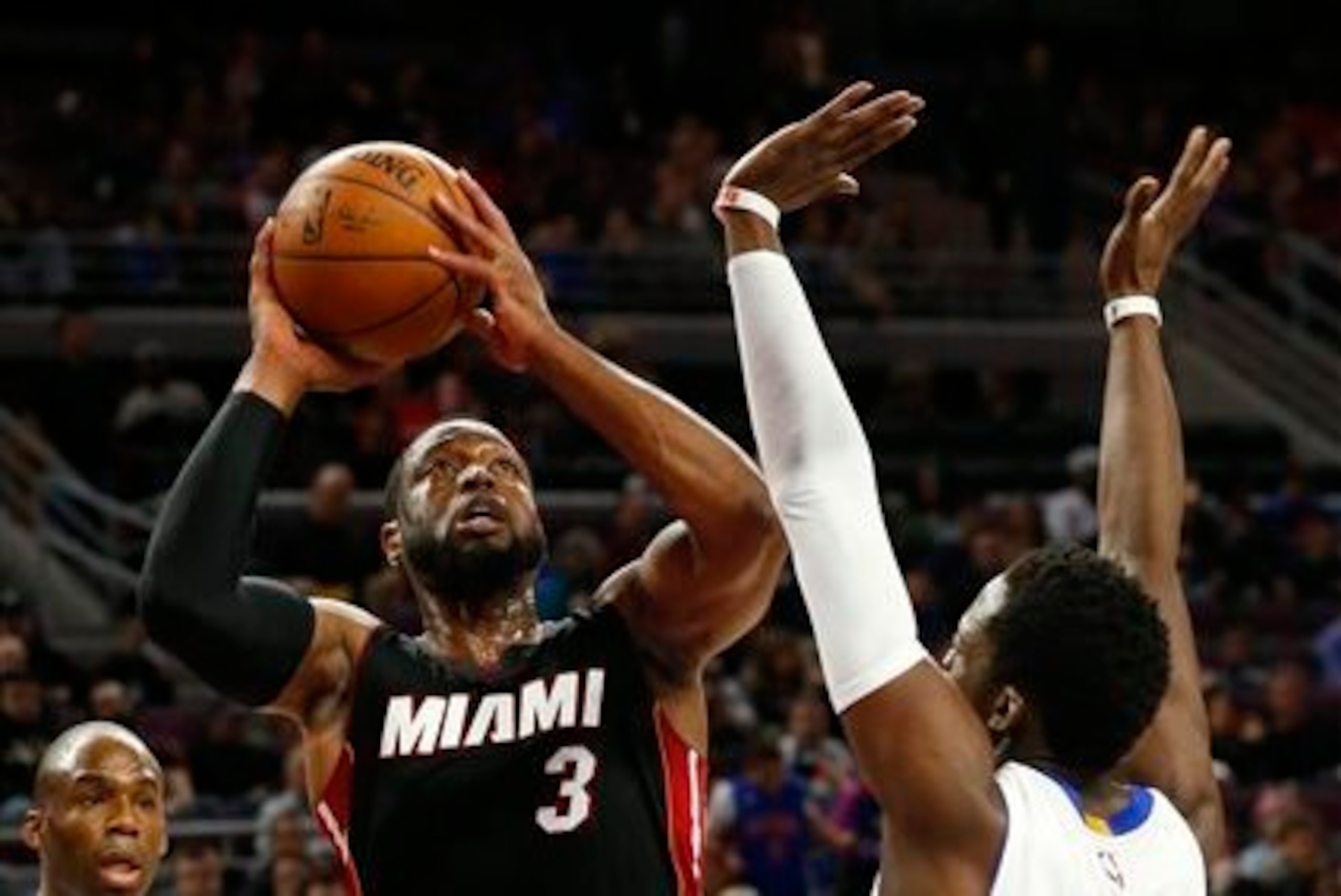
Biggest Hole: Shooting
The Miami Heat have playmakers in the backcourt, scoring forwards and a rim protector. But they don't have any snipers to play in between them to stretch the floor and catch and shoot.
This team finished No. 24 in the league in three-point percentage last year.
Ideally, it would be nice to have a shooting specialist back up Dwyane Wade at the 2, where Miami has zero depth.
The addition of No. 10 overall pick Justise Winslow will be a good one, but don't count on him as a reliable spot-up threat just yet. Based on his mechanics and 64.1 percent free-throw stroke at Duke, he'll need a few years of adjusting to the NBA's extended three-point arc.
Minnesota Timberwolves
17 of 30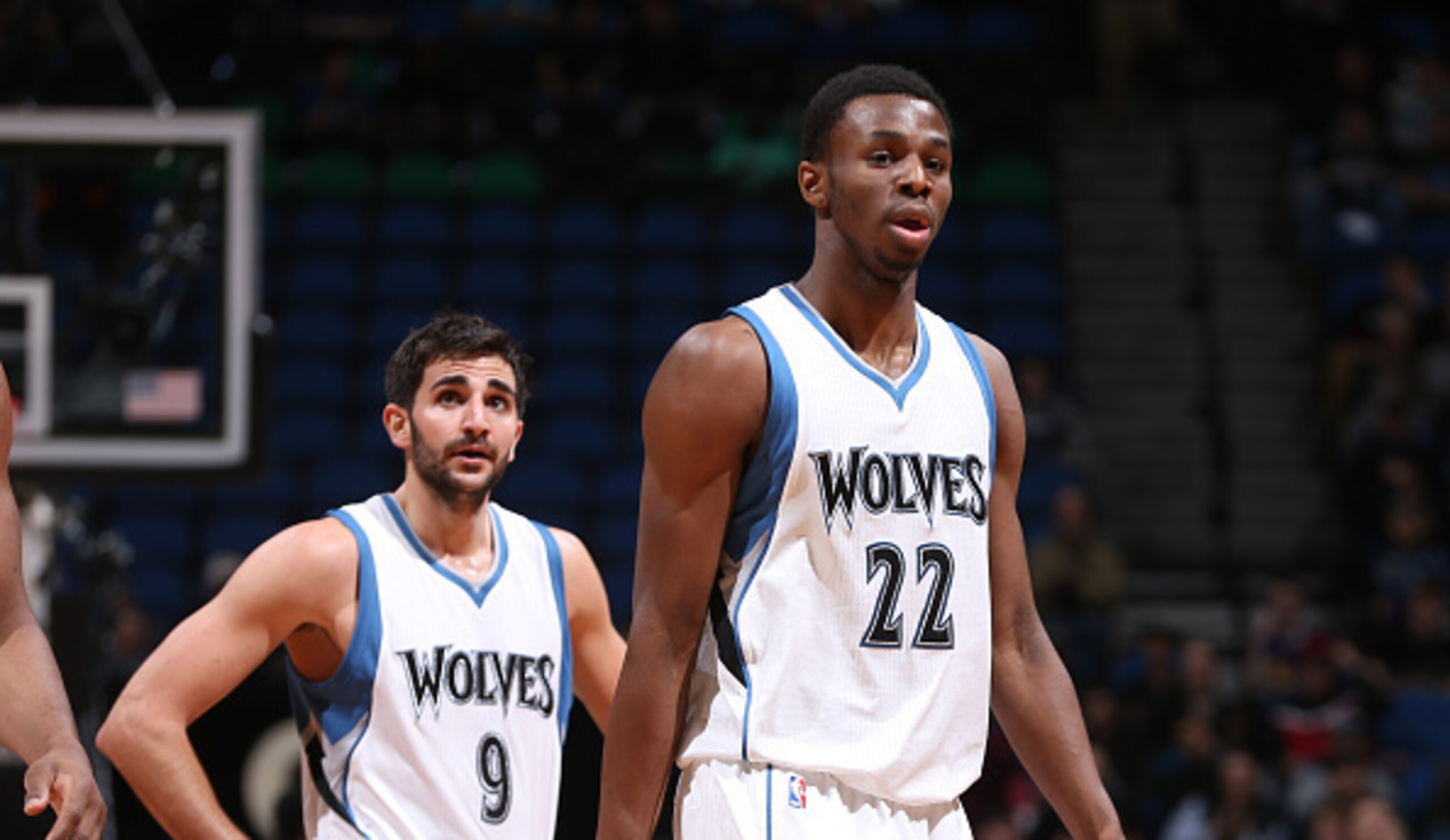
Biggest Hole: Shooting
The Minnesota Timberwolves just filled a crater in the middle with No. 1 overall pick Karl-Anthony Towns. He provides the athleticism, rim protection and potential spacing Nikola Pekovic could not.
One of the next steps in building this roster is to surround its core players with shooters. This should be especially important for a team that doesn't get shooting from Ricky Rubio at the point.
The Wolves shot 33.2 percent (No. 25 in NBA) from three as a team last season.
They'd really benefit from Adreian Payne's emergence in the frontcourt. His ability to stretch the floor at the 4 could work well with Pekovic off the bench.
Either way, the Wolves could use some additional shot-making. The extra room shooters can create wouldn't hurt Andrew Wiggins or Towns, either.
Milwaukee Bucks
18 of 30
Biggest Hole: Rebounding
The Milwaukee Bucks could really use some muscle and athleticism up front. Jabari Parker doesn't project as a huge presence under the boards, and though loose balls will naturally find John Henson, he's not a big who's going to consistently control the glass.
Only six teams grabbed fewer rebounds per game than the Bucks last season.
Greg Monroe and DeAndre Jordan could be interesting options for Milwaukee to pursue.
New Orleans Pelicans
19 of 30
Biggest Hole: Two-Way Center
The New Orleans Pelicans' guards and wings aren't efficient enough for the team to get away with a big man who's not a threat to score.
At the same time, this team needs a defensive anchor to make up for a lack of perimeter ball-stoppers.
Omer Asik's rim protection didn't move the needle enough in New Orleans. And though Jeff Withey may have a chance to become a serviceable NBA backup, he's not a starting center for a winner.
To take that next step, the Pelicans could really use a big man who can score in the post and defend it.
New York Knicks
20 of 30
Biggest Hole: Rim Protection
The New York Knicks have a ton of holes, but the one they may have the toughest time filling is in rim protection.
The addition of Jerian Grant should be a good one for New York. He offers much-needed passing and playmaking ability. Kristaps Porzingis will give the Knicks a stretch 4 and frontcourt athleticism.
But even if New York signs Greg Monroe and David West—two potential free-agent acquisitions—this is still a rotation that lacks interior defense.
By the the time free agency ends, odds are the Knicks will have a lineup worth watching. It just might struggle to deny opponents at the basket.
Oklahoma City Thunder
21 of 30
Biggest Hole: Three-and-D Wing
The Oklahoma City Thunder shot 33.9 percent from three as a team last year and need to surround their go-to guys with shooters. OKC has a few of them in Anthony Morrow, Steve Novak and Kyle Singler, but none of them are plus defenders.
Andre Roberson can defend, though his inability to threaten the defense from three hurts spacing and limits the offense.
Dion Waiters is a more of an erratic scorer than a shooter. He's made 32.6 percent of his career triples.
The Thunder would really benefit from adding a three-and-D 2-guard or backup small forward.
Orlando Magic
22 of 30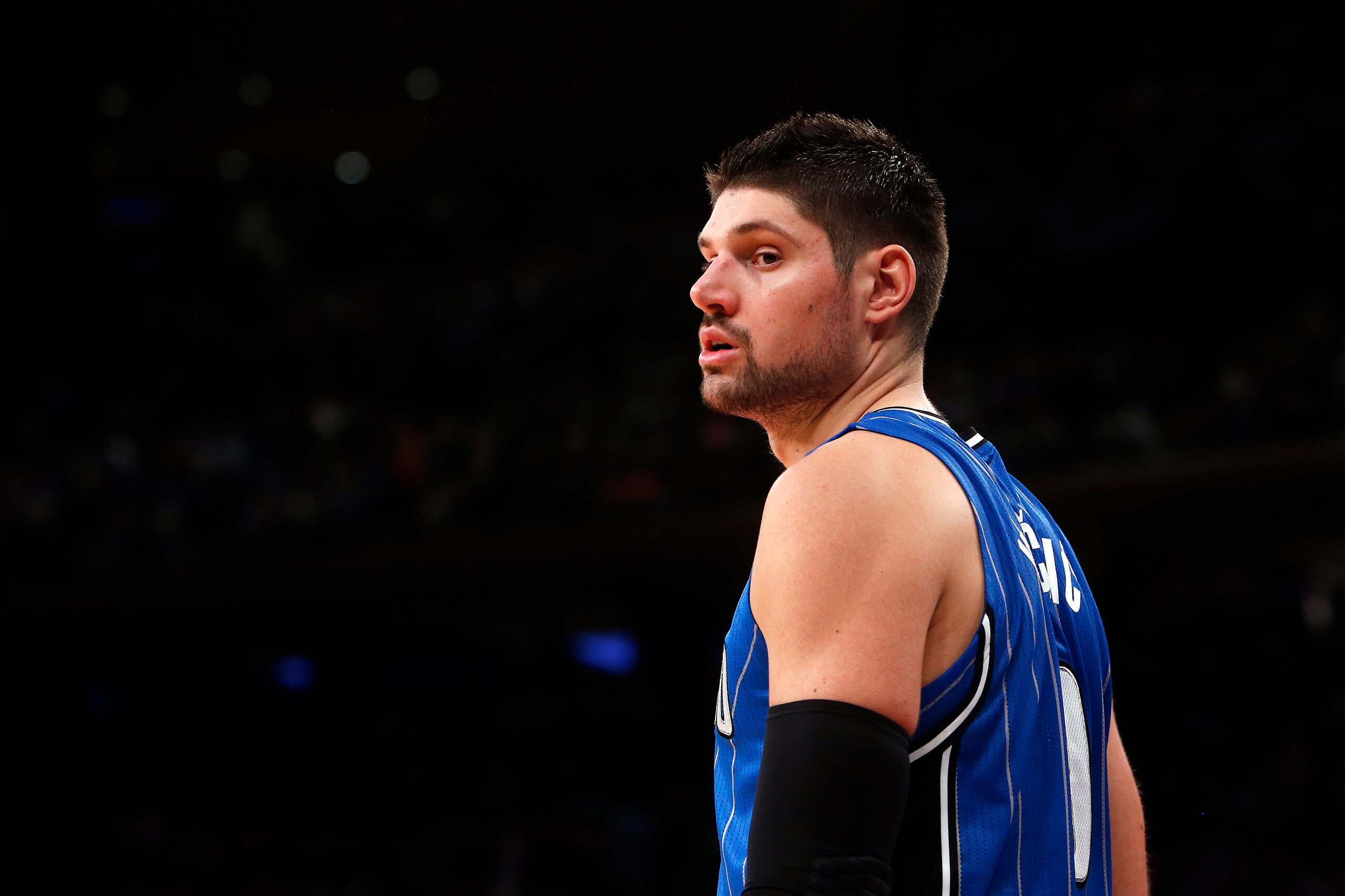
Biggest Hole: Rim Protection
The Orlando Magic's biggest hole comes in rim protection, where Nikola Vucevic has trouble denying opponents at the basket.
Vucevic, whose incredibly weak 25" max vertical prevents him from getting off the floor, may actually be better off playing power forward. With him at center, Orlando allowed teams to shoot 61.4 percent inside five feet, good for No. 28 in the NBA.
Kristaps Porzingis would have been an ideal fit alongside Vucevic as a stretch big who can block shots, but the Knicks grabbed him at No. 4, one spot ahead of the Magic's selection.
While Mario Hezonja should improve Orlando's offense in 2014-15, the Magic's interior defense is still looking fairly suspect.
Philadelphia 76ers
23 of 30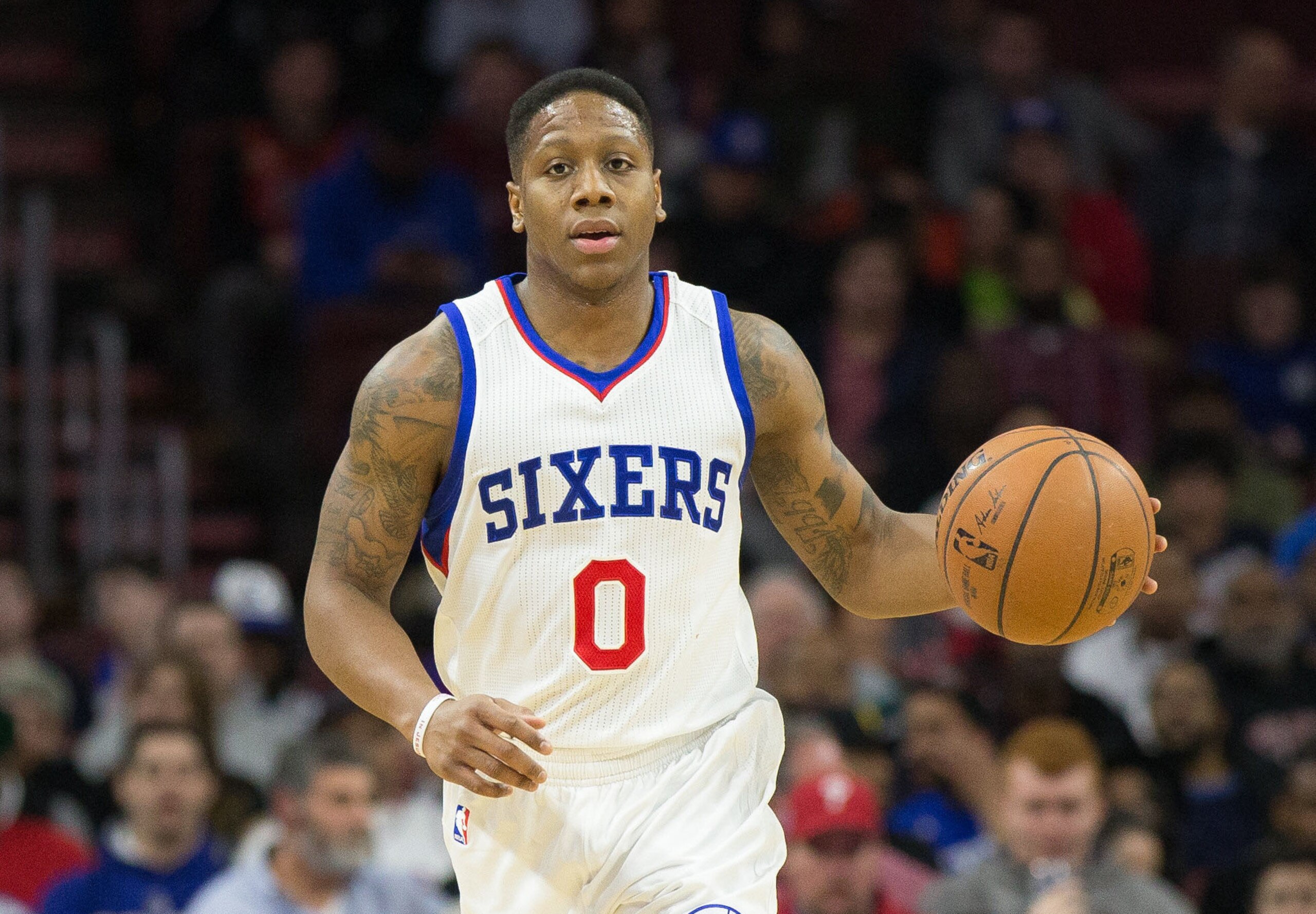
Biggest Hole: Lead Guard
After trading Michael Carter-Williams last season and then passing on Emmanuel Mudiay for Jahlil Okafor in the draft, the Philadelphia 76ers need a lead guard. They also need an off-guard and wing, but we'll prioritize the point, where unqualified options like Isaiah Canaan and Tony Wroten Jr. will be competing for minutes.
More than anything, the Sixers could really use a playmaker who can run the offense and set the table, as well as take over stretches as a scorer.
D'Angelo Russell would have been perfect for that role. Instead, Philadelphia will have to move forward with average backups as potential starters.
Phoenix Suns
24 of 30
Biggest Need: Frontcourt Offense
The Phoenix Suns just don't pack enough firepower at the 3, 4 and 5 positions. The lineup features a potent backcourt, but Phoenix's wing and bigs aren't strong shot-creators.
Though P.J. Tucker, Markieff Morris and Alex Len are solid role players, it's not a trio that's going to realistically compete against Western Conference contenders.
The Suns could really use a go-to scorer, either at small forward or power forward.
LaMarcus Aldridge would seem ideal, though unlikely. The same goes for Kevin Love. Unrestricted free agent DeMarre Carroll could be another prize to target.
Otherwise, assuming the Suns lock up Brandon Knight, it might not be a bad idea to shop Eric Bledsoe, who could land them an asset at a position of greater need.
Portland Trail Blazers
25 of 30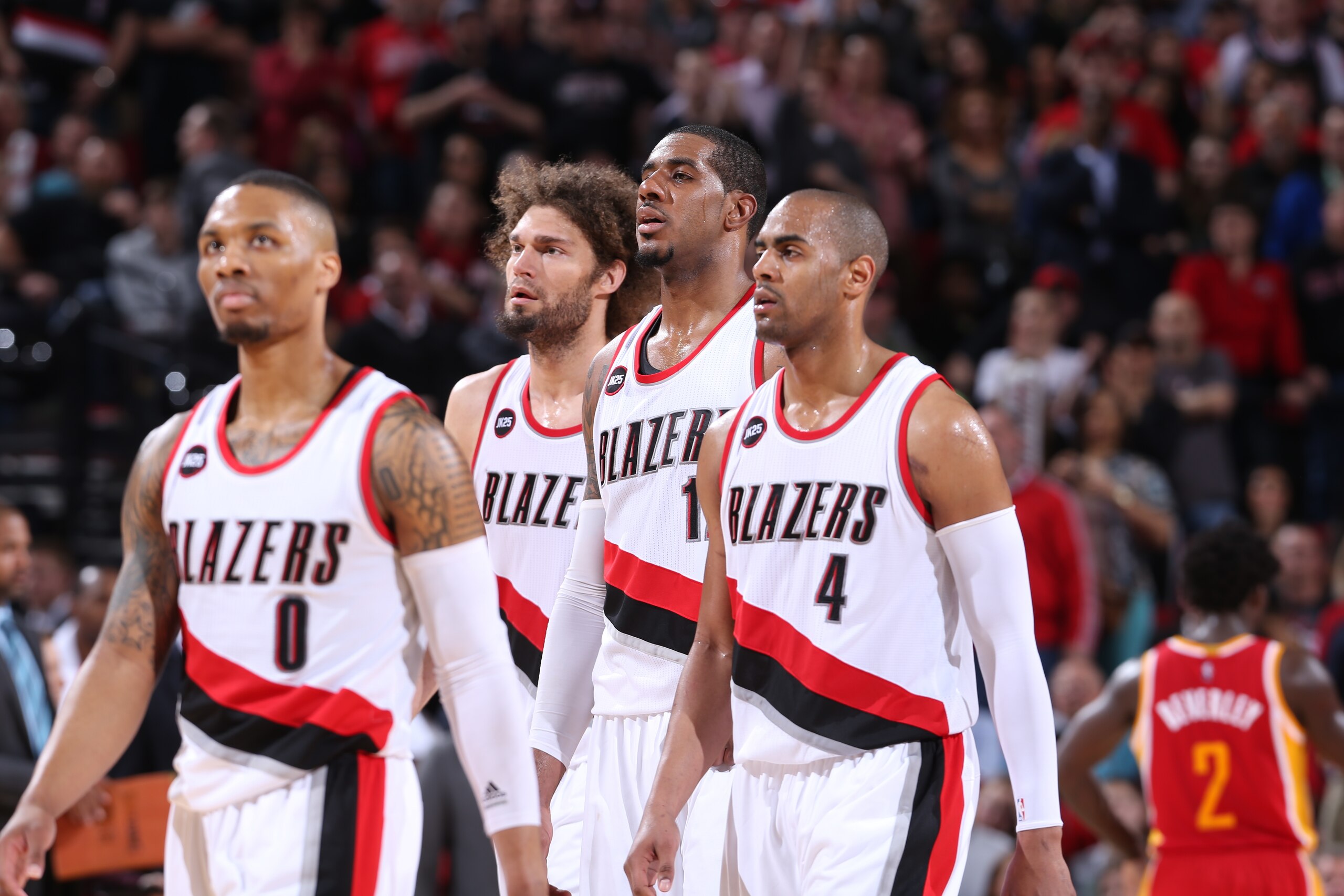
Biggest Hole: Wing
The Portland Trail Blazers' big hole changes if they lose LaMarcus Aldridge in free agency. But let's assume he returns. In that case, the Blazers would still have to address their wing, where Gerald Henderson, a 2-guard with an erratic jumper, is really the only one capable of playing small forward.
The Blazers traded Nicolas Batum and seem unlikely to bring back Arron Afflalo.
Portland simply needs offense at the 3 spot, where it lacks shooting and one-on-one scoring.
There will be a handful of quality wings to choose from, but the Blazers' primary goal is to re-sign Aldridge.
San Antonio Spurs
26 of 30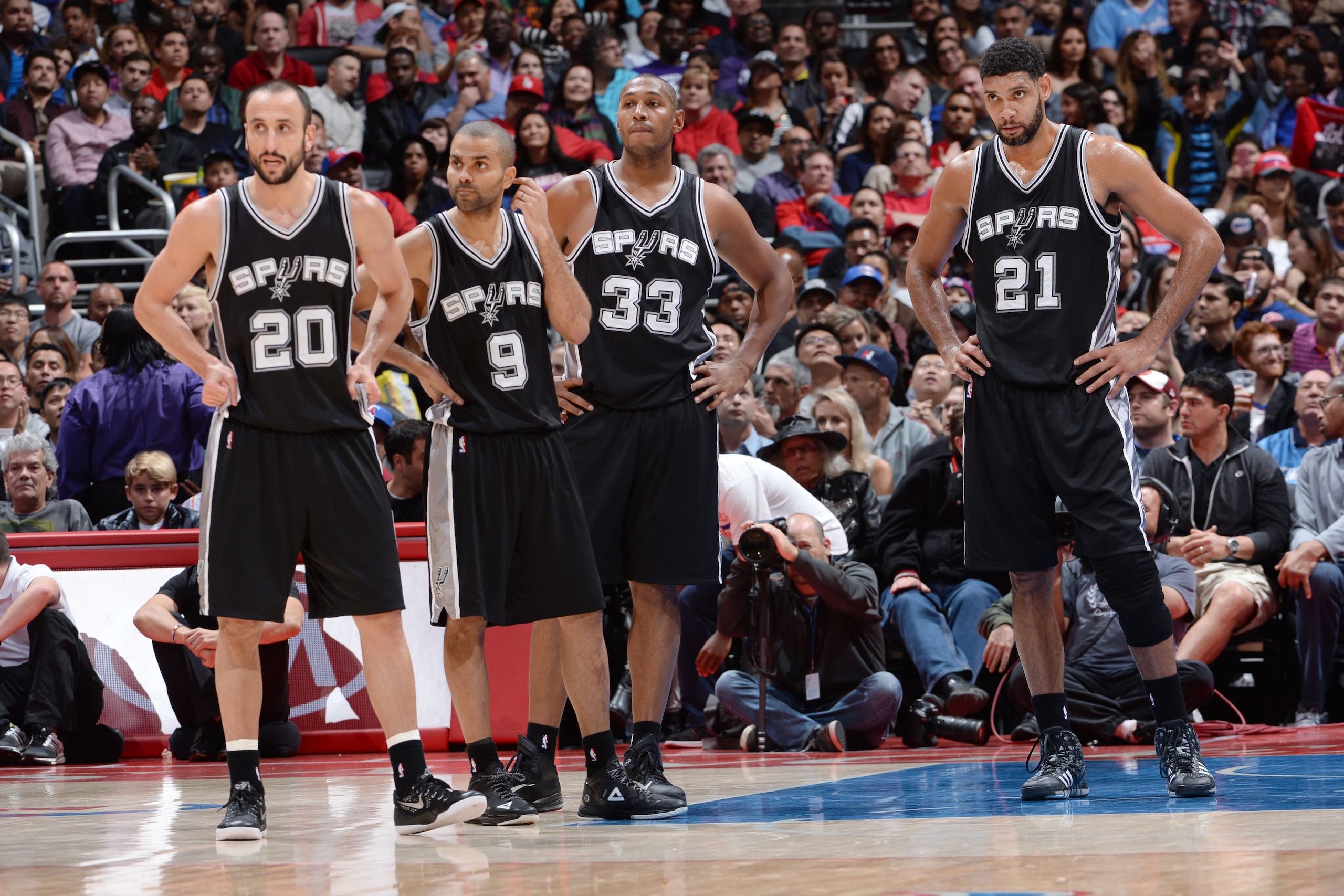
Biggest Hole: Athleticism/Youth
The NBA is getting faster and bouncier. The San Antonio Spurs are not.
Outside of 24-year-old Kawhi Leonard, San Antonio has a below-the-rim athlete at point guard, shooting guard, power forward and center.
The Spurs could really use an injection of burst in the backcourt and explosiveness up front. Adding another young player to develop long term might not be a bad idea, either, with the Spurs' Big Three nearing the end.
Sacramento Kings
27 of 30
Biggest Hole: Frontcourt Shooting
You could argue the Sacramento Kings' biggest hole is at backup point guard, but Ray McCallum should still have the chance to offer serviceable minutes off the bench.
The Kings don't have any stretch bigs who can step outside and knock down jumpers. They drafted Willie Cauley-Stein, who can help solve the team's problems in rim protection, but he won't improve offensive spacing.
Adding a three-point-shooting big man would ultimately give DeMarcus Cousins (if he's not traded) more room to operate in the post.
Either way, the Kings could use another player who can knock down spot-up jumpers. Only five teams in the league shot worse in catch-and-shoot situations.
Toronto Raptors
28 of 30
Biggest Hole: Frontcourt Talent
Amir Johnson is entering free agency, and Jonas Valanciunas and Patrick Patterson aren't a threatening enough duo at either end of the floor. Neither player averages more than 12 points per game.
Valanciunas has developed into a good-looking post scorer, but he's struggled with consistency through three seasons. And though Patterson has become a decent shooter, we're not exactly talking about a go-to option.
Neither player is very disruptive defensively, either.
With a frontcourt that provides little rim protection and fairly average offense, the Toronto Raptors have a hole in their lineup.
LaMarcus Aldridge would be able to fill it. He'll meet with the Raptors this week, according to RealGM.com's Shams Charania.
Utah Jazz
29 of 30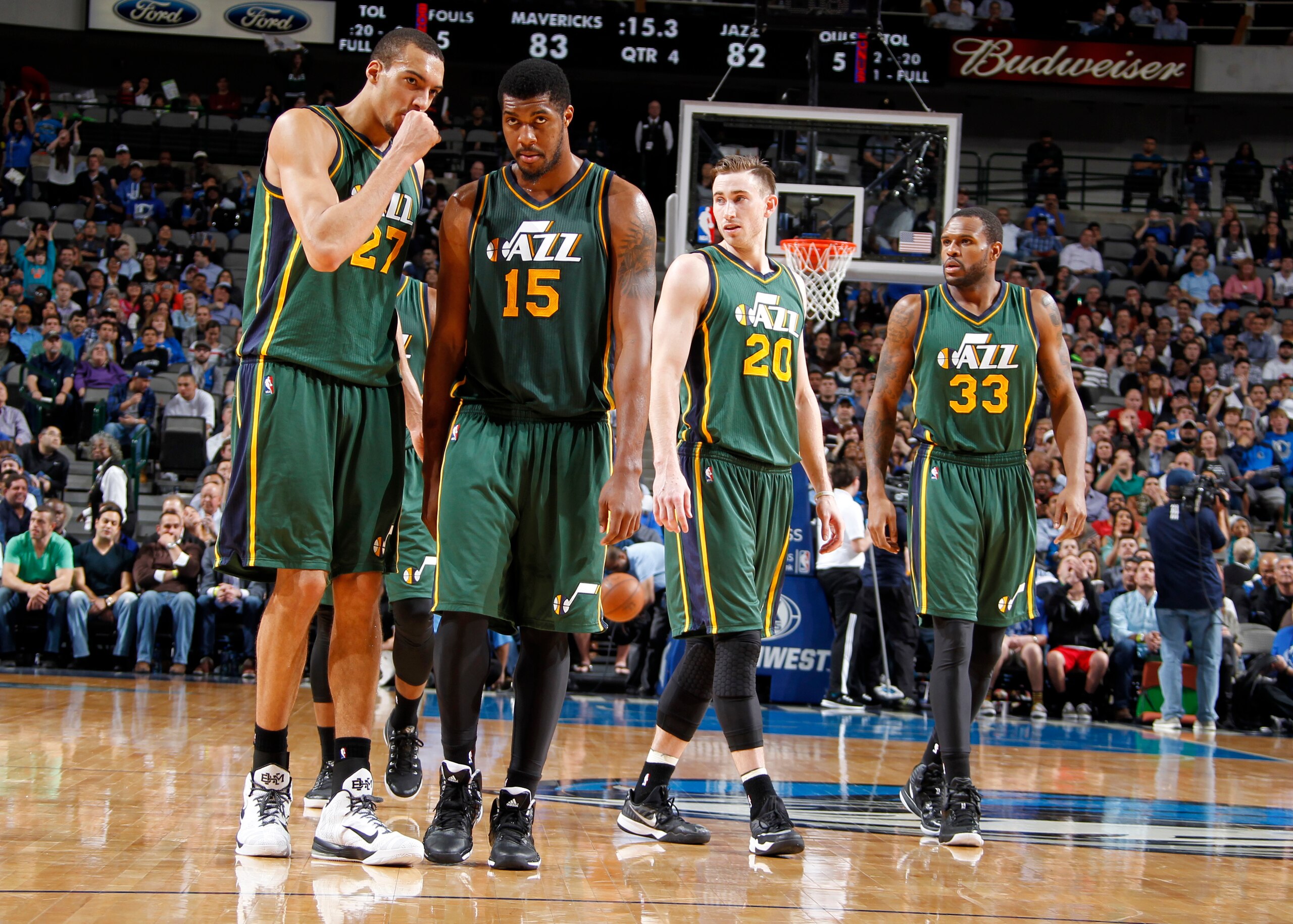
Biggest Hole: Frontcourt Shooting
Derrick Favors gives the Utah Jazz interior scoring, rebounding and athleticism, while Rudy Gobert offers top-notch rim protection.
But between the two, neither creates much spacing.
The Jazz could use a big man who is comfortable playing behind the arc. Trey Lyles has flashed the potential to be that guy, but after missing 25 of his 29 threes at Kentucky, it could be awhile.
Utah ranked No. 26 in the NBA in spot-up shooting last season.
Unfortunately, stretch bigs, which continue to rise in value, have become tougher to find. Lyles is a solid prospect, but Frank Kaminsky (No. 9 overall) or Myles Turner (No. 11 overall) might have been better fits.
Washington Wizards
30 of 30
Biggest Hole: Frontcourt Shooting
Marcin Gortat, Nene Hilario and Kris Humphries are interior-oriented bigs. The Washington Wizards don't have a power forward or center who can stretch the floor for their playmakers or create room to operate in the post.
Losing Paul Pierce in free agency would mean the Wizards could also use scoring on the wing, but after a promising postseason, Otto Porter may be looking at a breakout third year.
Though the Wizards should covet a stretch 4 or 5's shot-making ability, it's the spacing he'd create for John Wall, Bradley Beal and Marcin Gortat that Washington should ultimately value.
All statistics and rankings via NBA.com or Basketball-Reference.com, unless otherwise noted.


.jpg?w=2560 "York Responded to Ad on Prostitution Site Before Arrest")
.jpg?w=2560 "Players with Shocking Career Earnings 😳")
.jpg?w=2560 "WWE NXT Results, Winners, Live Grades, Reaction, Highlights Before Heatwave 2026")
.jpg?w=2560 "Best of New 'Hard Knocks'")