

Dwight Howard Trade Killed Lakers' Chances of Winning with Kobe Bryant
As big a basketball no-brainer as it seemed for the Los Angeles Lakers to acquire All-Star center Dwight Howard ahead of the 2012-13 season, the trade still required a massive amount of faith.
Specifically, the notion that no one—especially someone of Superman’s stature—would dare refuse to re-up for a fresh tenure the following summer.
“We’re the Lakers,” the thinking seemed to go. “If 16 banners and sun-soaked beaches can’t convince a star to stay, nothing will.”
Twelve months later, Howard—propelled by equal parts drama and economics—headed to the Houston Rockets, leaving the Lakers in a lurch from which they have yet to fully recover.
And so it is that what once would've seemed impossible has become, with the hand of hindsight, only too real: The Dwight Howard trade destroyed the Lakers' chances of winning another title with Kobe Bryant.
Not that there was much margin for error to begin with, of course. Even at 34 years old, the closing of Bryant's superstar window was already well underway. The Lakers didn’t need high-upside prospects; they needed proven ones, and in Howard and Steve Nash—acquired in an earlier, equally asset-draining trade—they were getting nothing if not two, title-ready talents.
But the pieces never quite clicked, and by the end of the spring of 2013 it had become screamingly obvious that the trio might never strike the desired hardwood harmony. Further complicating matters was the health of Bryant himself, cast into dire doubt following a late-season Achilles injury.
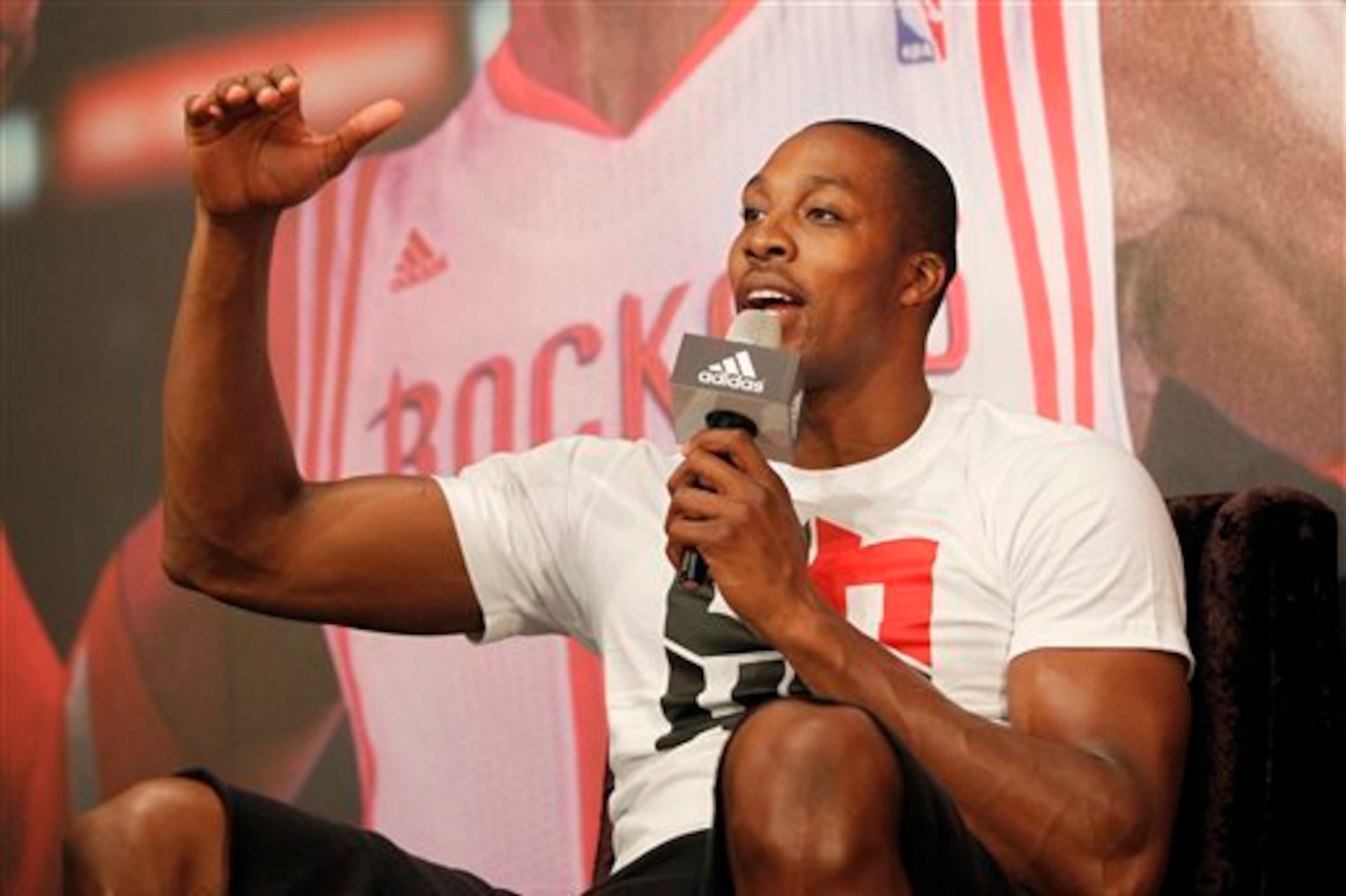
On July 13, 2013, L.A.’s dream of a banner Big Three officially died when Howard signed a four-year, $88 million deal to join James Harden in Houston.
On the surface at least, Bryant was a paragon of unflappability.
“Honestly, man, I don’t really give a s--t,” he told Pro Basketball Talk’s Brett Pollakoff. “If he would have come back, it would have been great. If he didn’t … It is what it is.”
Bryant’s flippancy aside, Howard’s departure didn’t just sting the Lakers’ ego; it derailed what was already the league’s most precarious financial high-wire act.
Hamstrung by the league’s salary cap, L.A. was forced to weather a tumultuous 2013-14 mostly without the oft-injured Nash and Bryant, who suffered another season-ending injury—this time to his right knee—just six games into the slate.
With their salary cap finally loosened heading into the summer, the Lakers were forced to undertake one last two-year plan: land a big-name free agent or two over the next two summers or risk watching Bryant’s twilight dim diminutively into the dark.
One summer down, one to go.
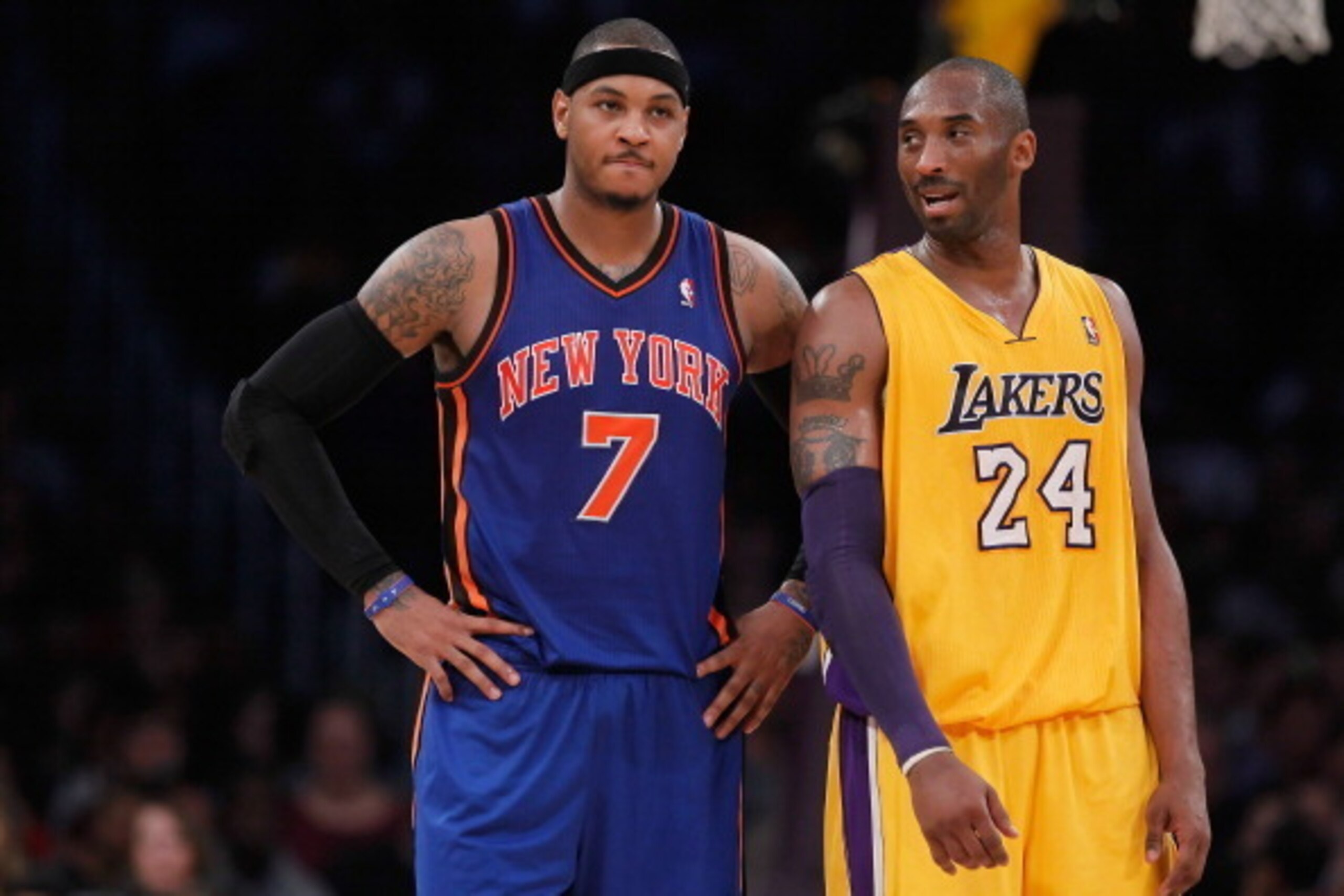
Having whiffed on the likes of LeBron James and Carmelo Anthony, L.A. resorted instead to reinforcing the fringes—trading for the expiring contract of Jeremy Lin, signing a recently amnestied Carlos Boozer and doubling down on the basketball crapshoot that is Nick Young.
To call the 2014-15 season a wash would be selling the story short. At this point, the Lakers would be lucky just to avoid the Western Conference cellar.
This year’s hopes wholly dashed, the team’s sights now turn to the summers of 2015 and 2016, when stars including Rajon Rondo, Marc Gasol, Kevin Durant and LeBron James could hit the market.
The Lakers’ legacy and forthcoming largesse alone will be enough to make them serious free-agent players. Whether any of them will want to tether their talents and fortunes to a famously mercurial superstar on the wrong side of 35, however, is another question entirely.
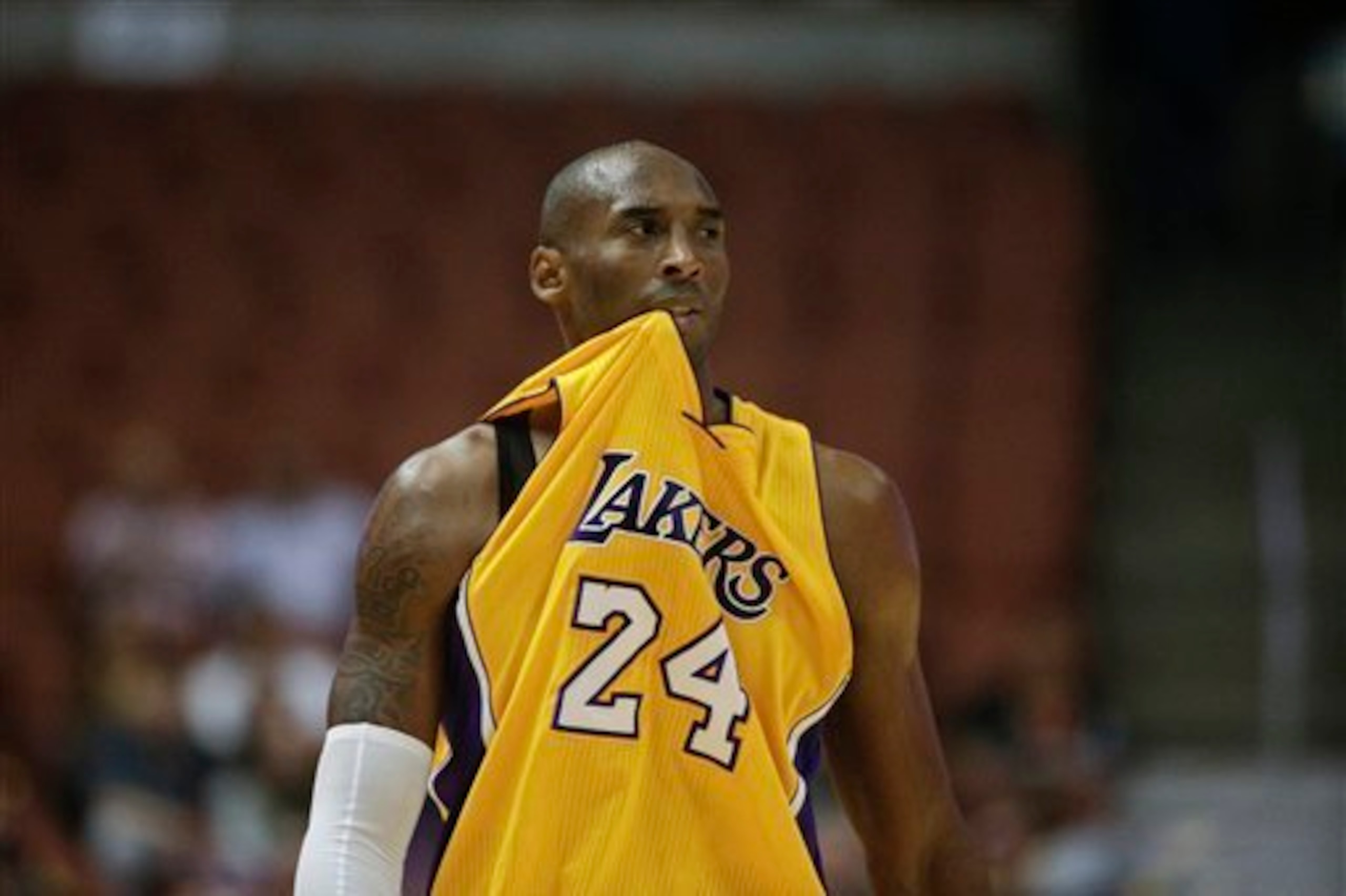
Especially when said superstar is slated to make $48.5 million—the terms of Bryant’s late 2013 extension—over the next two seasons.
Defeatist as that may sound, neither is it a baseless observation. Take, for instance, this particularly scathing paragraph from Henry Abbott’s much-discussed expose of the Bryant era for ESPN The Magazine:
"So did Kobe Bryant deserve the extension? And if not, why give it? The answer might lie in yet another question: Is it possible the Lakers felt free to squander cap space on the contract because there was no point in having cap space? When you can't even bribe players to play with Kobe Bryant, what's the point in bribe money? As one rival front office executive says: ‘I'm sure Mitch already investigated and found out he didn't need two max slots because the destination isn't all that attractive until Kobe has completely left the premises.’
"
Has the famously perfectionist Bryant become too much to deal with? Such speculation is probably best saved for the media's more plugged-in practitioners.
This much, though, is beyond doubt: When your team’s championship prospects are hanging by a hair-thin thread, even the residue of drama can be enough to crash the plan entirely.
Which brings us back to Howard, whose departure last summer Bryant deemed a “positive” according to a source quoted in a recent piece by CBS Sports’ Ken Berger.
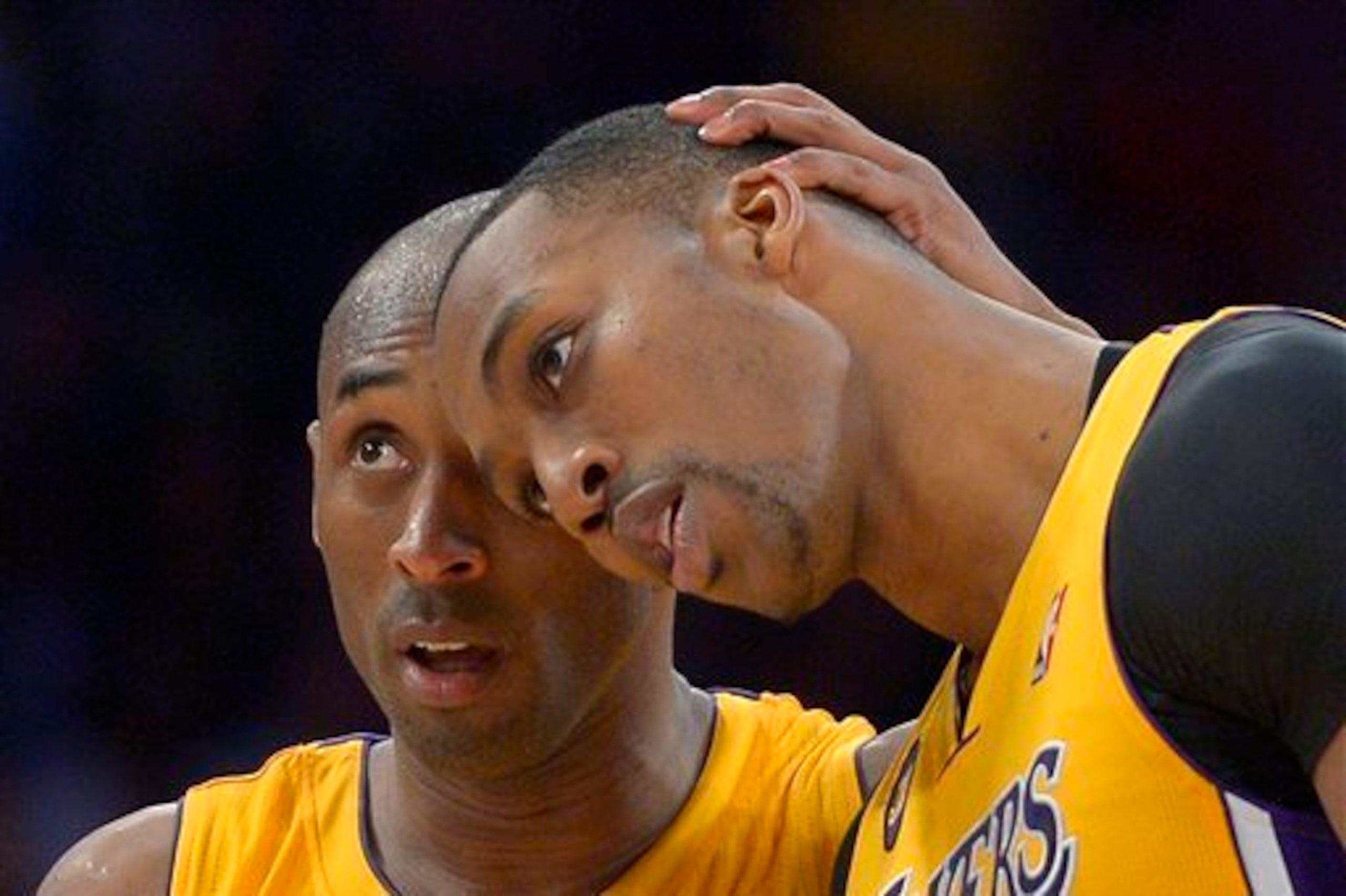
For a perennial All-Star whose PER has dipped below 20 only thrice in a 10-year career, Howard's being pegged as a problematic presence speaks to just how caustic he and Bryant’s chemistry had become.
This confronts us with a pair of possibilities: Either Howard’s attitude and motivation were so poor that not even Bryant felt himself capable of reaching him; or Bryant’s trademark taskmaster reputation was simply too much for the typically happy-go-lucky Howard to handle.
In both cases, the implications are dire. If Howard really is that aloof, what does that say about L.A.’s ability to properly identify compatible talent? On the other hand, if Bryant is really that impossible to please, what prospects do the Lakers have of reeling in more top-tier stars?
To suggest the Lakers would’ve contended with an agreeable Howard-Bryant dynamic—to say nothing of a healthy Nash, whose playing days might be officially over—is to speak in the service of speculation.
Looking back, though, it’s hard not to see the Howard trade as the foremost in a freeway-long line of dominoes, all felled to find the Lakers where they are today: desperate, downtrodden, a mere shadow of their once-mighty selves.
The question now becomes whether the franchise brass has the wit and wherewithal to pick them all back up again. All while Kobe's clock ticks ominously toward zero.
.png?w=2560 "B/R")
.jpg?w=2560 "Bills Fans RIP New Stadium")
.jpg?w=2560 "Buzz: Dolphins Trading for Pats OL")
.jpg?w=2560 "Report: Cowboys Extending Quinnen")
.jpg?w=2560 "WWE Raw Live Grades 🔠")
.jpg?w=2560 "NFL to Tweak Challenges")
.jpg?w=2560 "Teddy Bridgewater Retires")
.jpg?w=2560 "Follow Monday Night Raw 👊")