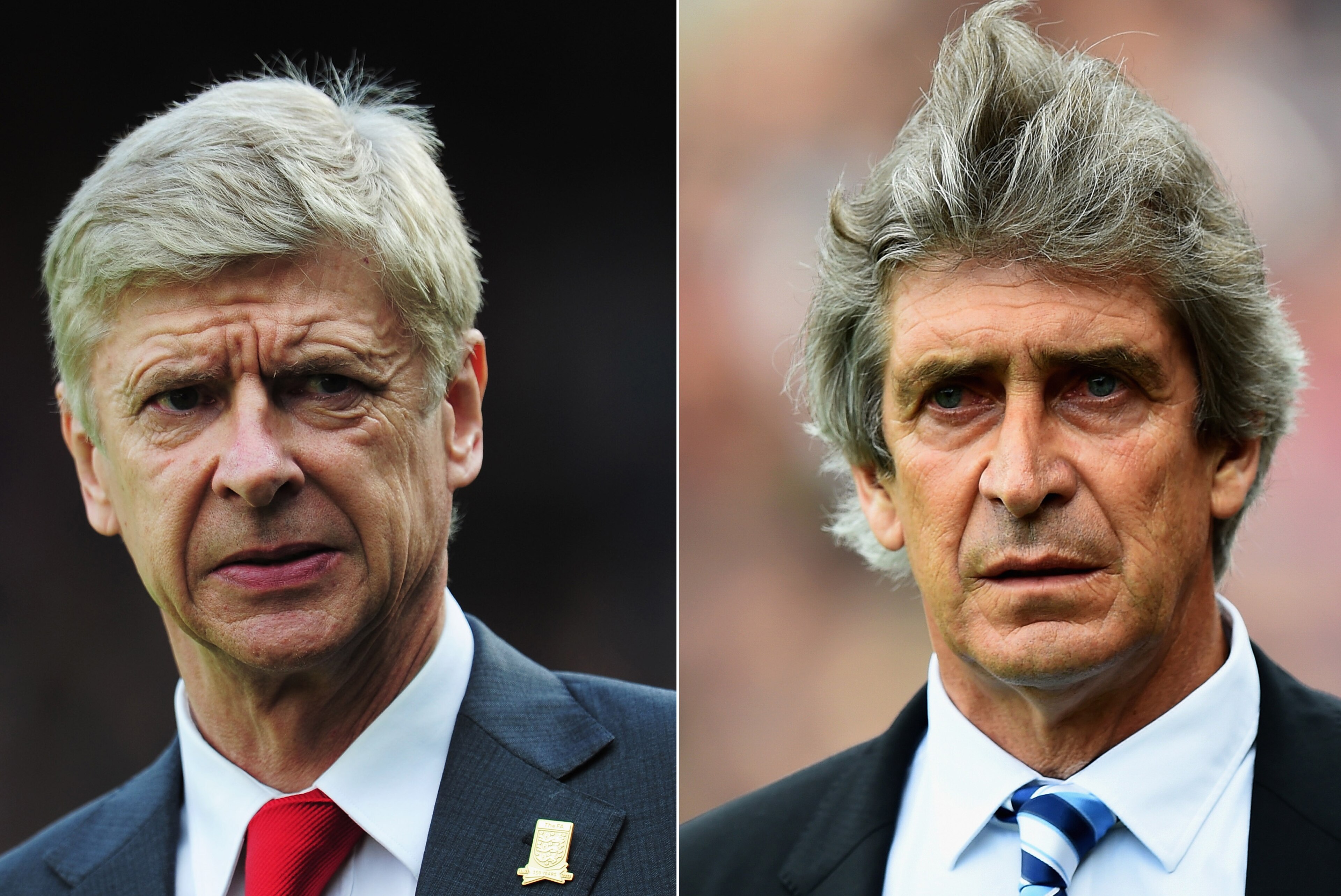

Pellegrini vs. Wenger: Breaking Down the Manchester City-Arsenal Dugout Battle
Arsenal have struggled mightily against the best teams in the Premier League for years. They have seemed either hapless, toothless or both during matches against the likes of Manchester United and Chelsea.
Yet the Gunners have interestingly not looked quite so bad against Manchester City in recent times. Sure, City thumped Arsenal 6-3 a year ago, but that was actually a relatively close game until the very end and Arsenal did not look as out of sorts as they did against Liverpool and Chelsea.
The two teams have played each other three times since that game, and City have not won once. They drew 1-1 at the Emirates a few months later in a competitive match that either side could have won. Arsenal then thoroughly dispatched of the champions 3-0 in the Community Shield before drawing again in September to the score of 2-2.
TOP NEWS
Carli Lloyd Rips Pulisic 😳
Winners and losers from World Cup round of 16
Ranking World Cup Quarterfinalists 📊
That does not indicate that one team far outclasses the other.
Indeed, Arsenal were leading Manchester City in their last meeting until Martin Demichelis equalized in the 83rd minute. Arsene Wenger was about to beat Manuel Pellegrini in the league for the first time.
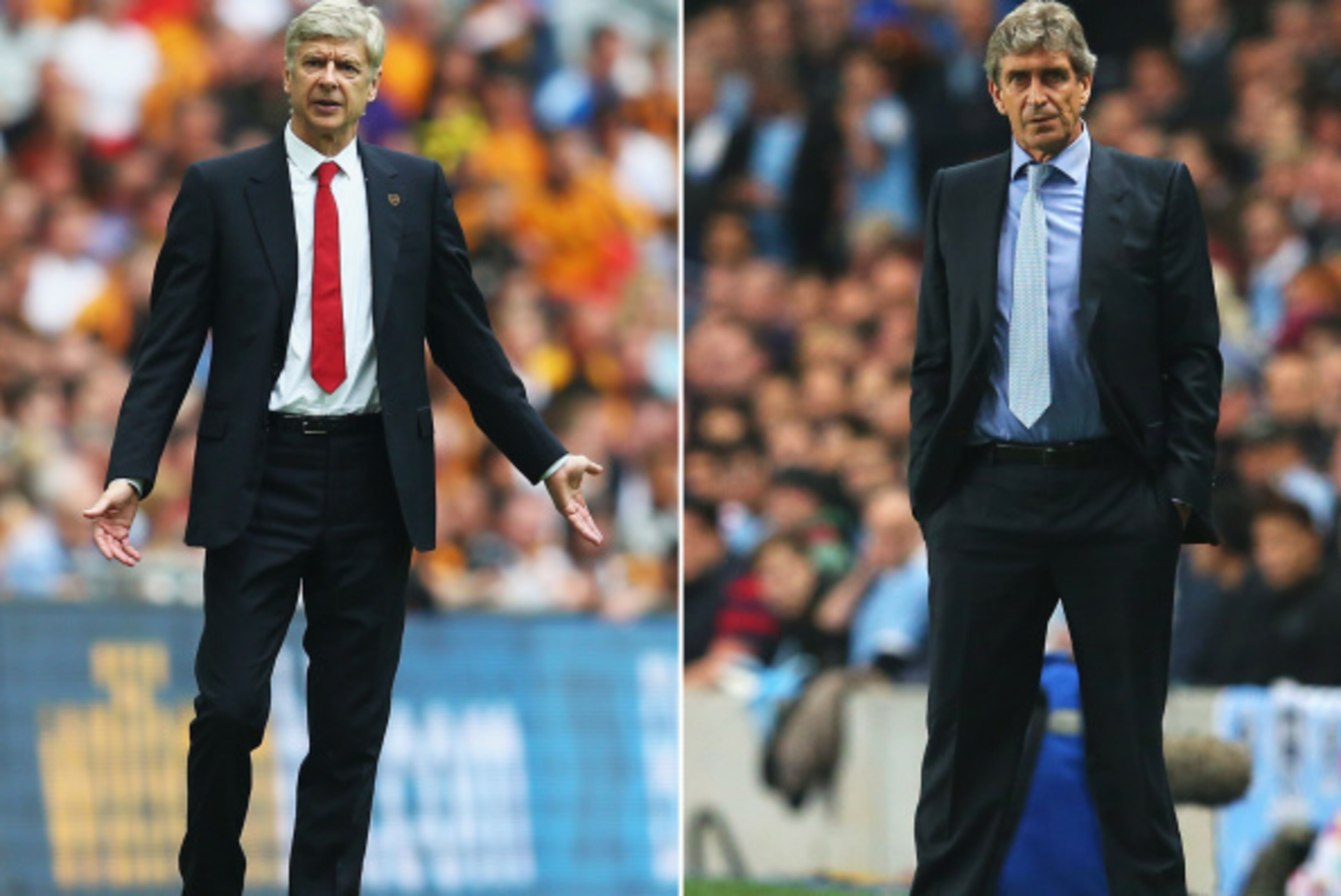
Pellegrini has used the exact same back four in all of his clashes with Arsenal: Gael Clichy, Vincent Kompany, Martin Demichelis and Pablo Zabaleta. The only one of those who might not be able to start against Arsenal this weekend is Kompany, who was on City's bench last weekend but did not play.
The alternative is Eliaquim Mangala, a rising star and, like the Belgian, a powerful defender.
But Pellegrini is unlikely to keep Kompany out of the starting XI. Why? Because he is a tactician who carefully chooses his players based on who the opponent is.
Clichy, Kompany, Demichelis and Zabaleta are essentially his preferred Arsenal tonic. Big and tough in the middle, with Clichy providing pace on the left and Zabaleta energy on the right.
Samir Nasri, David Silva and Fernandinho have played in all four of Manchester City's games against Arsenal in the Pellegrini era. But the fact that Frank Lampard made his first Premier League start in September says quite a lot about Pellegrini's managerial style.
The Englishman, who has not started many games this season, replaced Nasri in midfield. He did not score, but his inclusion makes total sense: Lampard is exceptionally adept at finding open spaces and finishing clinically.
Arsenal's greatest weakness is their tendency to leave themselves open on the break and to get caught out of position by skillful passing and movement. Pellegrini obviously planned for this.
He always fields coherent teams that are able to remain organized under pressure and do not easily break down. His teams work as a unit, but the composition of the unit is liable to change from game to game, depending on the opponent.
Arsenal fans know that Arsene Wenger does not operate this way. Granted, he does have a considerably smaller bank account to draw from than Pellegrini, and he can never get together a completely fit squad. But even when times are good, the Frenchman sticks to the same core group of players.
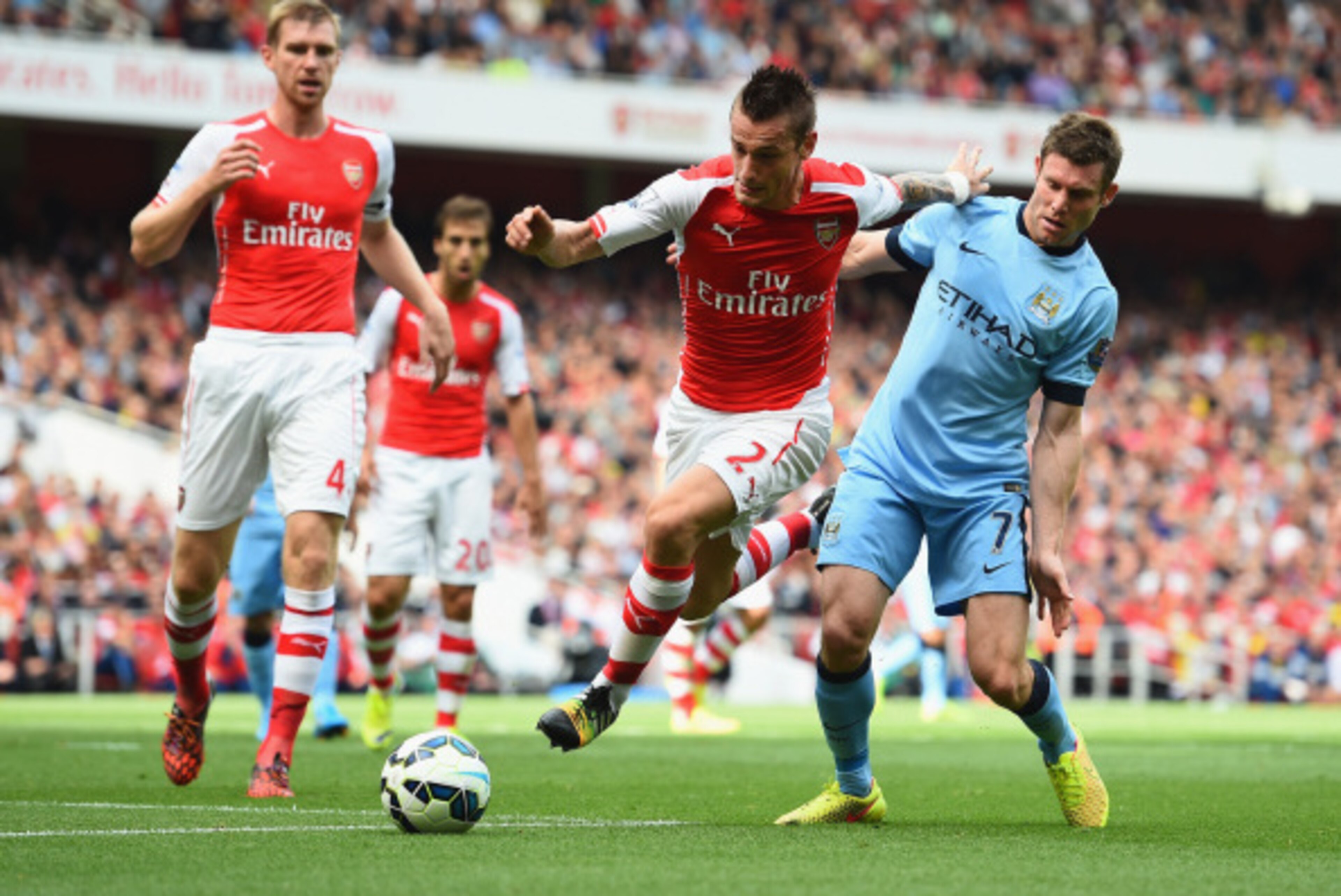
Wenger is not as hands-on as his counterpart. He has his favorite players, and he largely relies on their quality to put the ball in the back of the net. When that does not work, senior players often direct those around them without too many instructions from the sideline.
We know that Wenger will deploy at least one possession-conscious winger like Santi Cazorla or, God forbid, Mesut Ozil, along with Alexis Sanchez. We know that there will be one focal point up front, and his name is Olivier Giroud.
Most of Wenger's difficult decisions are the result of a scarcity of personnel. One wonders how Pellegrini would do in the same situation.
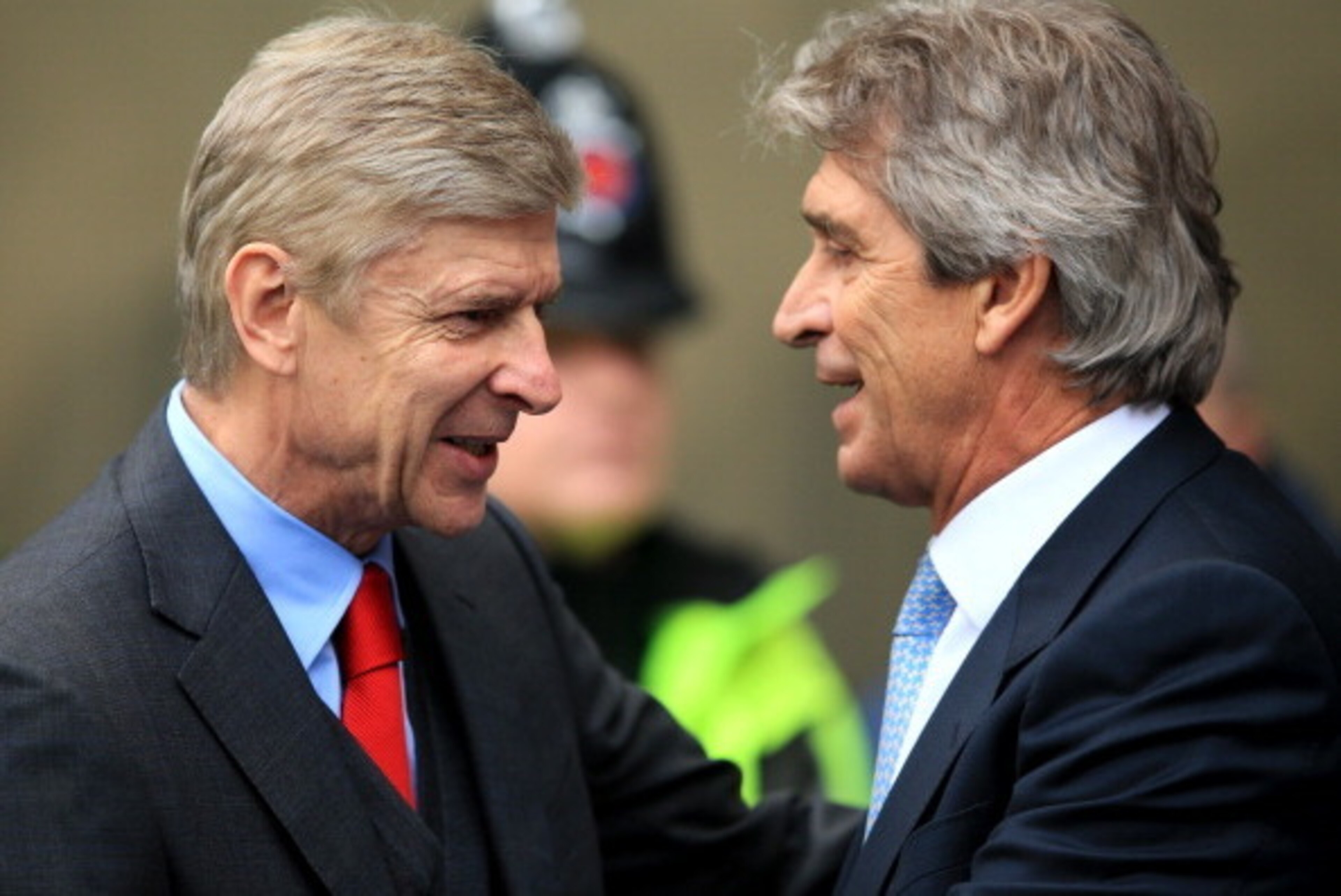
Both the Frenchman and the Chilean are old men now, quiet professors of the game with decades of experience under their belts at various levels. Wenger has coached for much longer at the highest levels of European football, but Pellegrini has adapted well since moving to Villareal in 2004.
They no doubt have a lot of respect for each other and will not be jousting on the touchline a la Alan Pardew.
Ultimately, Pellegrini has a luxury that Wenger has comparatively little of: choice.

.jpg?w=3840 "Biggest FA Mistakes of the Century 💸")
.jpg?w=3840 "Overlooked Rookies to Watch in Camp 🔎")