As LeBron's Free Agency Looms, Will Cavs Learn from Past Failed Trade Deadlines?
As the Cleveland Cavaliers' season continues to crumble and whispers about LeBron James' upcoming free agency grow louder, one can't help but notice that we've been here before.
Not the losing, mind you. The 2009-10 Cavs finished with an NBA-high 61 victories and boasted the league's seventh-best defense. This year's version is on pace to win just 48, mostly due to a defense whose consistency has been in the bottom five.
If James left a 60-plus-win team with a top-10 defense for the Miami Heat, why would he stick around with this woeful squad?
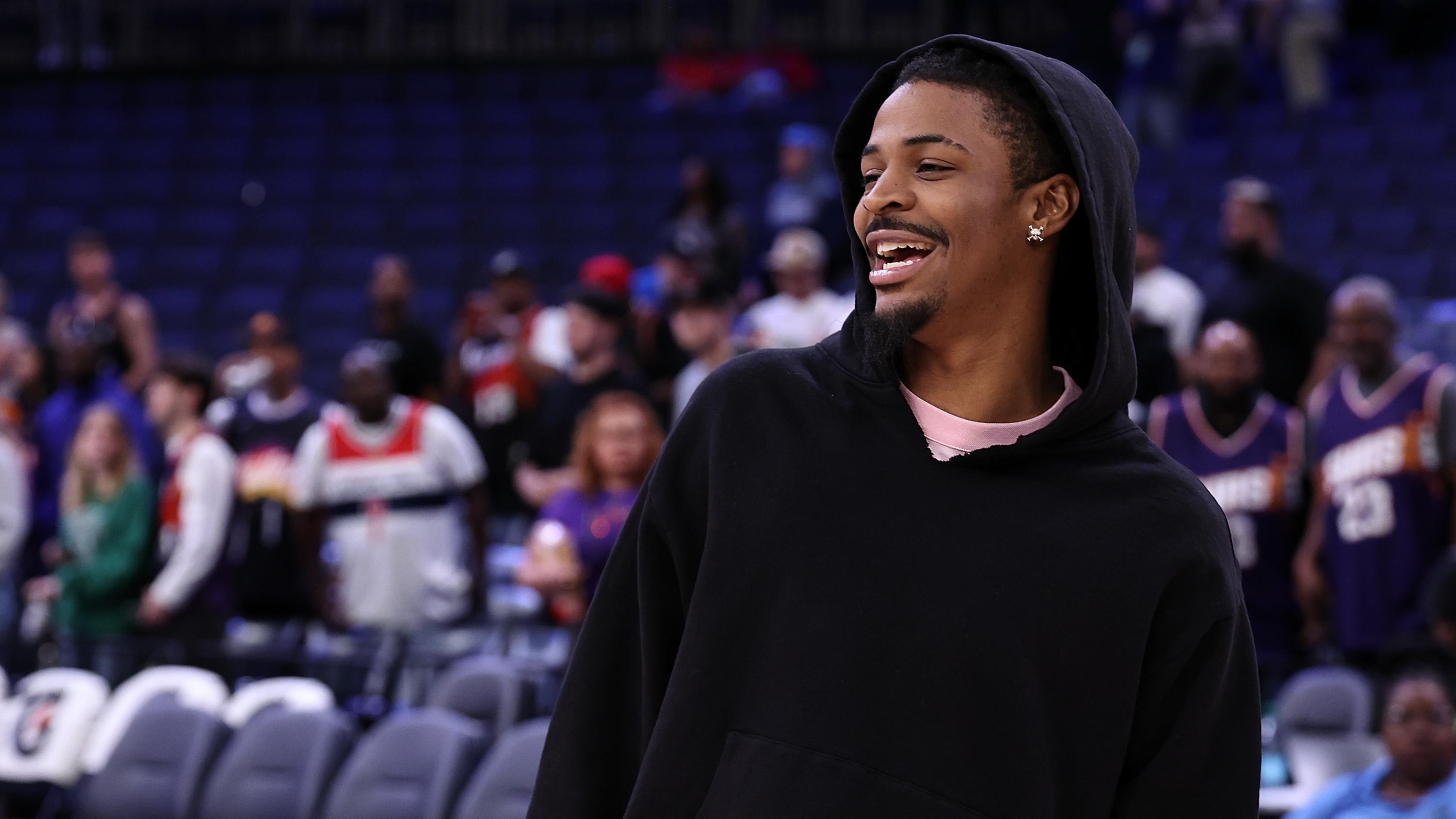
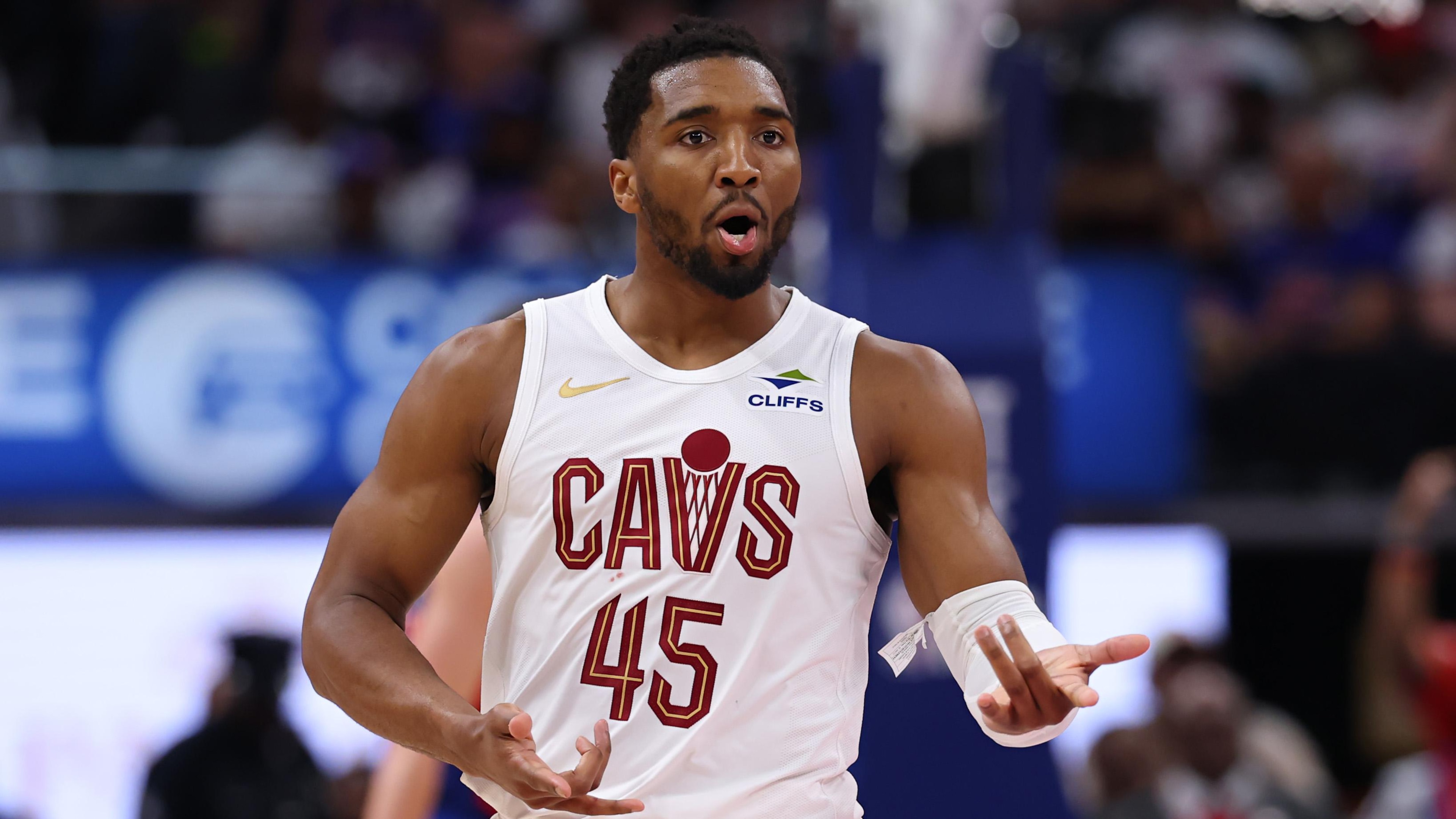
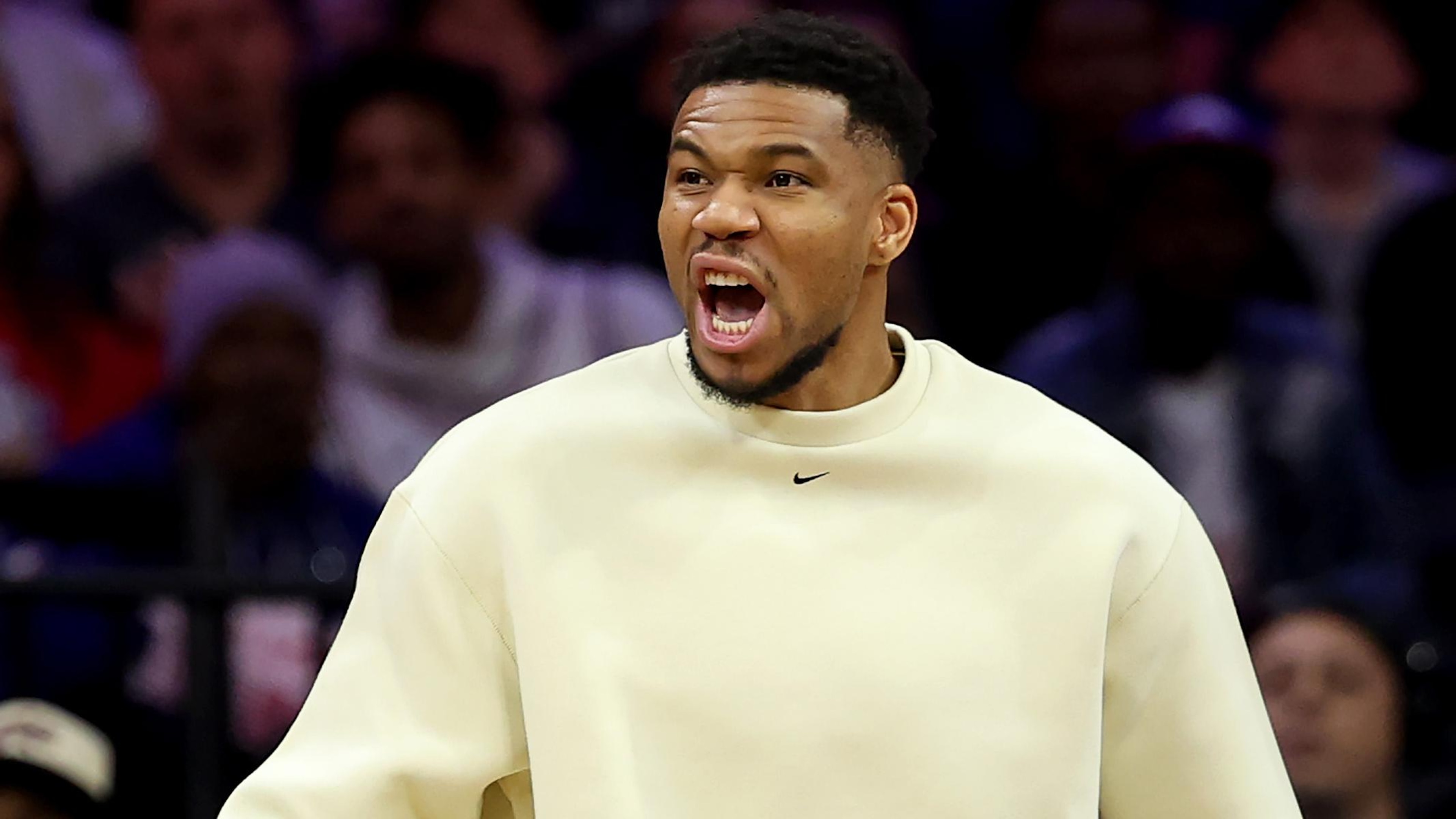
On paper, this is a far better team than James had nearly a decade ago. After all, Isaiah Thomas, Kevin Love and Dwyane Wade should easily be outperforming Mo Williams, Zydrunas Ilgauskas and Antawn Jamison.
No matter how different these two James-led Cavaliers squads are, they share a common theme. Both focused on the past rather than James' future.
The blueprint for opening the door and letting James walk is already there. This time, the Cavs can learn from it.
Quick-Fix Solutions
Cleveland's inability to keep James the first time was Larry Hughes' fault.
OK, it was only partially due to Hughes or more so his monster contract that prevented the Cavaliers from ever being able to make a splash in free agency again.
The Cavs missed the playoffs in James' first two years and were hellbent on spending whatever it took to land a second star. They tried unsuccessfully to land both Ray Allen and Michael Redd, who would have been ideal floor-spacing, fill-it-up shooting guards.
When both passed, the Cavaliers were desperate. They gave Hughes a five-year, $65 million deal although he was a lifetime 27.3 percent three-point shooter and had missed 15 games or more due to injury in four of his previous five seasons.
Hughes would go on to be a bust in Cleveland, finishing with averages of 14.3 points and 3.3 assists on 39.6 percent shooting. He missed a whopping 72 games due to injury in two-and-a-half years with the Cavs, the equivalent of nearly an entire season.
Strike 1.
With free agency no longer an option to upgrade the team, this is where the patchwork trade jobs began.
The Cavaliers opened the 2007-08 season just 30-24, eerily similar to the 30-21 mark this year's team has posted. Then Cavs general manager Danny Ferry had a decision to make. Even though his team had reached the NBA Finals the year before riding a 22-year-old James, Ferry knew his team needed help.
This was Ferry's big chance to upgrade the team and provide a young nucleus for James to grow with, hopefully securing his long-term future with the Cavaliers. Instead, he sent away two starters, Hughes and 26-year-old Drew Gooden, along with 2006 first-round pick Shannon Brown in an 11-player, three-team deal exactly one minute before the deadline. Veterans Donyell Marshall, Ira Newble and Cedric Simmons (another 2006 first-rounder) were also dealt.
Cleveland's main return? A 33-year-old Ben Wallace on a terrible contract, years removed from his All-Star form with the Detroit Pistons. Cleveland also got 32-year-old forward Joe Smith and 30-year-old guard Wally Szczerbiak, as well as a 24-year-old Delonte West.
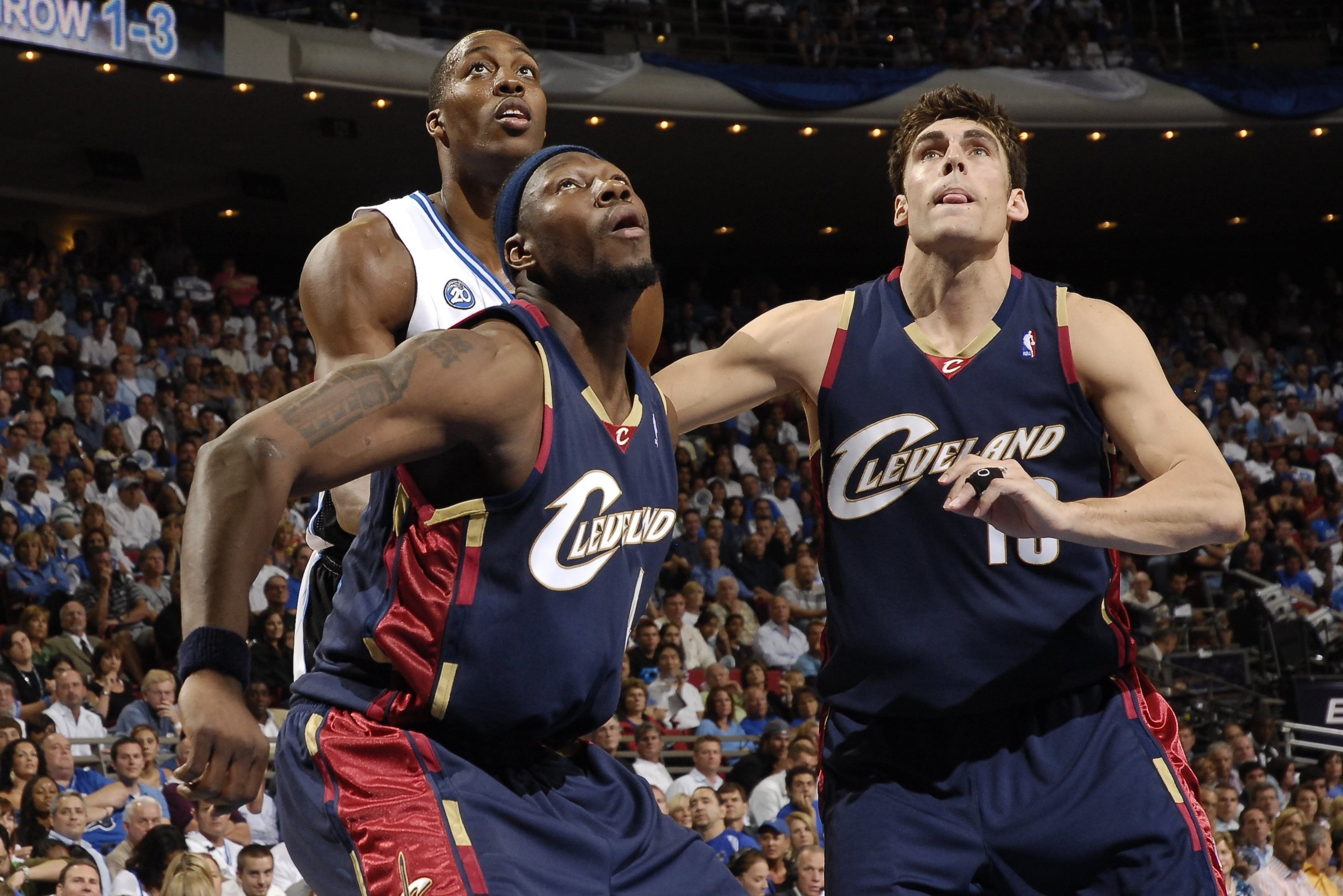
The move reeked of desperation, making the roster far older and less athletic. The names were exciting, but there was nothing to convince James his future was in good hands.
Strike 2.
After making the Finals, Cleveland was bounced in the second round of the 2008 playoffs by the Boston Celtics. Wallace, the key deadline acquisition, gave the Cavs just 3.1 points and 5.9 rebounds in the seven-game series, while Szczerbiak shot 35.3 percent. West, a throw-in by the Seattle SuperSonics, was turning out to be the bright point of the trade. Not an encouraging sign for the front office if you're James.
This throw-some-past-their-prime-veterans-on-the-problem-and-hope-they-don't-collapse method was one routinely recycled by Ferry and company to no avail.
Instead, Cleveland only doubled-down by flipping Wallace and shooting guard Sasha Pavlovic to the Phoenix Suns for a 37-year-old Shaquille O'Neal before the start of the 2009-10 season. The Cavs also had to throw in $500,000 and a 2010 second-round pick.
Cleveland had one final chance to convince James to stay with a major move at the 2010 trade deadline, but it was unable to land Amar'e Stoudemire from the Phoenix Suns. Instead, the Cavs settled for a 33-year-old Jamison before once again losing in the second round to the Celtics, James' last series before he joined Miami.
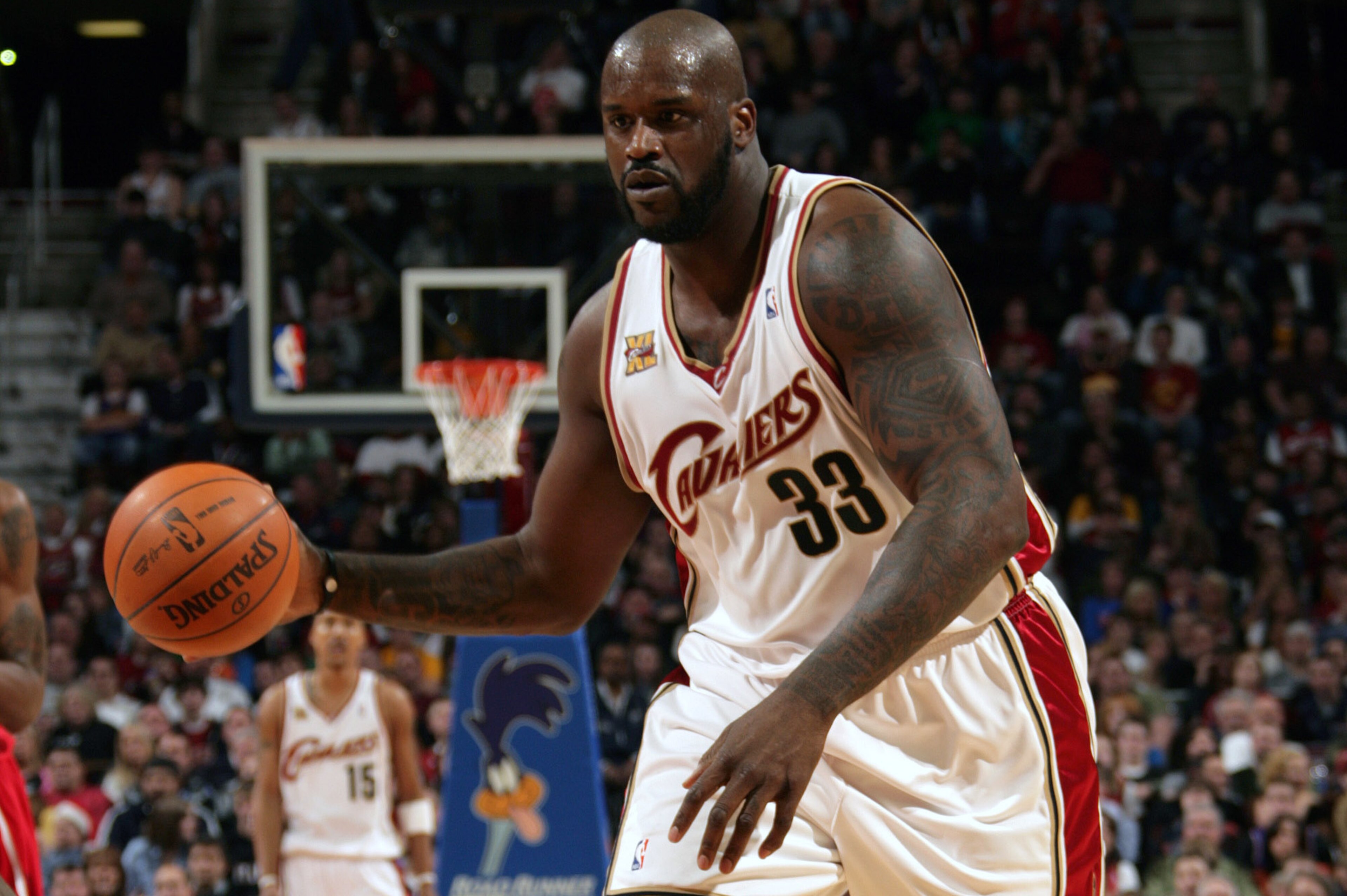
Strike 3.
All of Cleveland's supposedly big trades to surround James with talent and keep him in uniform had one thing in common: All these players were on the decline and quickly getting worse. With an aging roster around him and no clear plan for the future, James' decision to leave became easy.
Building a Sustainable Future
If Cleveland falls into the same trap of trading for Band-Aid guys whose names outweigh their current production, James is as good as gone. There are far better destinations out there for him to win now (Houston Rockets, San Antonio Spurs) and ones that have the flexibility to put a dynamic team around him (Los Angeles Lakers, Philadelphia 76ers).
The Wallaces and Jamisons of the world aren't going to cut it this time. The Cavs need to do their best to surround James with players he can make a Finals run with now and want to actually commit to for the long term.
When James hit free agency in 2010, the core of the Cavs roster consisted of Mo Williams, J.J. Hickson, Anderson Varejao, Jamison and West. There was no one for James to hitch his wagon onto. No second star (or third) that's become necessary to compete for a title in today's NBA.
This time Cleveland does have Kevin Love, an All-Star each of the past two years. That's a start, even if Love will turn 30 in September (and is sidelined for six-to-eight weeks with a fractured hand). The jury is still out on Isaiah Thomas, who's struggled to the tune of 15.2 points per game on 36.4 percent shooting.
If Love and Thomas are the best package you can put together to convince James to stay, he's probably gone.

If a veteran pickup like George Hill, Lou Williams or DeAndre Jordan is the best trade-deadline move Cleveland can make, he's probably gone.
They need someone who can be the second star James needs now that Kyrie Irving is gone and Thomas looks like a shell of his former self. Someone who is still rising to their prime.
Who does that leave?
Of the 18 NBA players between ages 18 and 28 who are averaging over 20 points per game and won't become an unrestricted free agent this summer, only three could potentially be available.
The first is Kemba Walker, 27, who's averaging 22.8 points, 5.9 assists and has an on/off rating of plus-20.3.
"I'm not looking to trade Kemba, but I would listen to opportunities," Charlotte Hornets majority owner Michael Jordan told Rick Bonnell of the Charlotte Observer. "It's not like we are shopping him. We would not just give him up. I love Kemba Walker. I would not trade him for anything but an All-Star player."
Perhaps Jordan would settle for a former All-Star in Thomas and a draft pick?

The other possibility includes the Portland Trail Blazers' star duo of Damian Lillard and CJ McCollum. Either would give Cleveland a true second star to pair with James on a multiyear contract. A deal for either would start with the Brooklyn Nets' first-round pick and go from there. Neither has officially been made available.
Making a run at a star is Job No. 1 and will no doubt require the Brooklyn pick. From there, trying to acquire younger role players who can contribute now and grow into future starters/rotation players is key. This would include big men like Larry Nance Jr. or Julius Randle of the Los Angeles Lakers, two players who are available from a Lakers team looking to clear salary, reports ESPN's Adrian Wojnarowski.
Kentavious Caldwell-Pope of the Lakers and Nerlens Noel of the Dallas Mavericks are two names (and Klutch Sports Group clients like LeBron) to watch on the buyout market this year as well.
If Cleveland follows the previous plan of over-the-hill vets without giving up the Brooklyn pick, a message will be sent to James that this franchise isn't willing to go all-in to win a title.
Being proactive rather than reactive and building a core to complement James in the future may be the only way to retain his services.
The Cavs are broken right now but can be fixed both now and in the future by learning from their past mistakes.
Greg Swartz is the Cleveland Cavaliers lead writer for Bleacher Report. Stats provided by NBA.com and Basketball Reference unless otherwise noted.
.png?w=3840)
.jpg?w=3840 "MLB Draft Grades 🔢")
.jpg?w=3840 "2026 MLB Draft Recap ✍️")
.jpg?w=3840 "Stefon Diggs Calls Out Every NFL WR2")