

Jenson Button's Fear of Retiring from F1 Will Deny Him the Farewell He Deserves
Make no mistake, Felipe Massa knew the moment—the day he would announce his retirement from Formula One—was coming.
As long ago as last November, he had hinted the 2016 season could potentially be his last, telling Brazil's UOL Esporte (h/t ESPN F1's Nate Saunders) he would only continue if he had a "competitive" car in a team who made him feel "loved."
The competitive element faded away at a very early stage of the year as Massa, the only driver to score points in each of the opening six races, scored just one in the next six.
TOP NEWS

New NFL contenders starting to emerge after Week 4
.jpg?w=2560 "Cardinals Giants Football")
NFL investigating 2 referees for separate viral exchanges

Deion Playbook Found at Hotel
And as that barren run continued—and Williams became increasingly aggressive in their pursuit of McLaren-Honda's Jenson Button and Force India driver Sergio Perez—it was obvious Massa was no longer held in such high regard by his team.
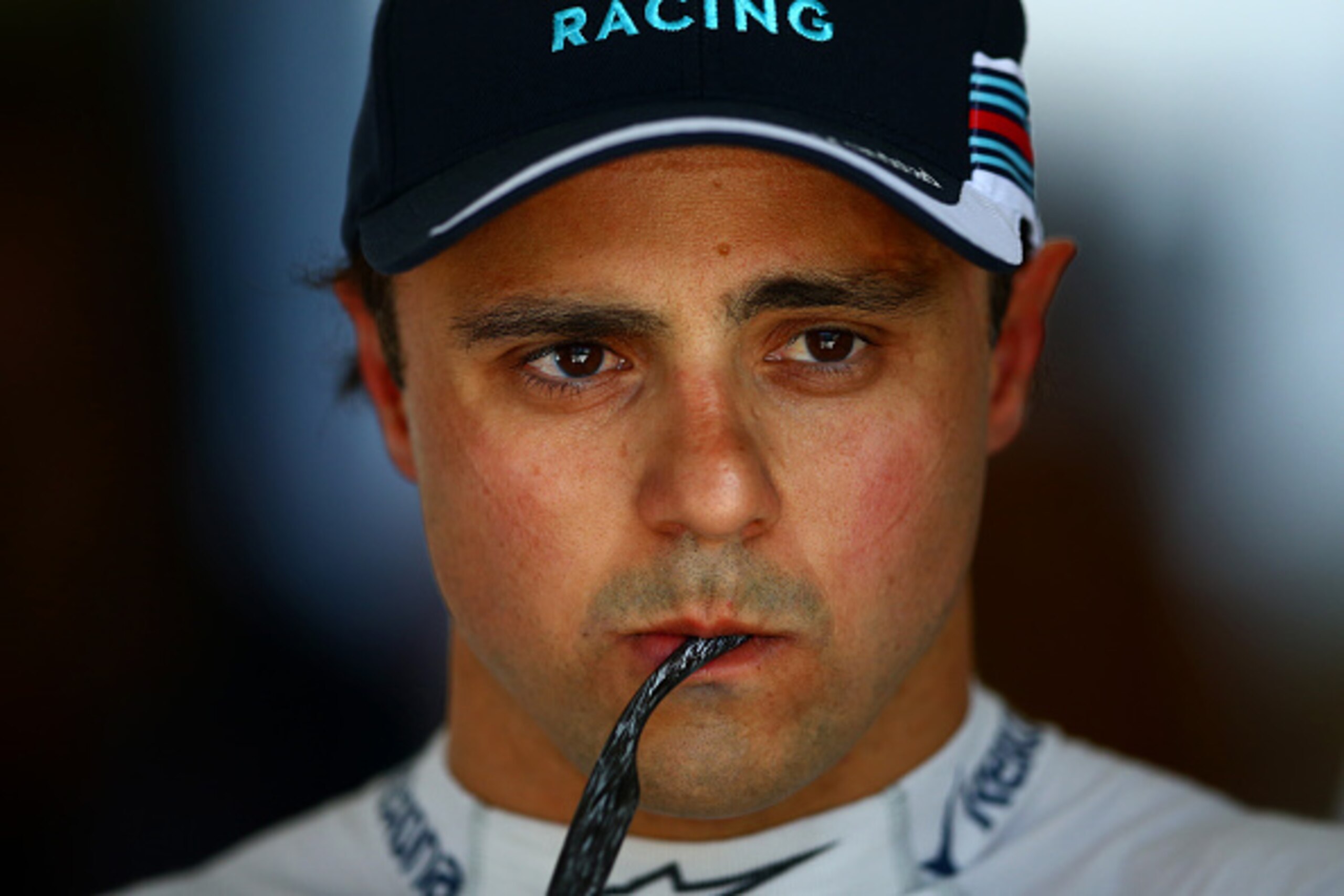
It was, at last, time to go.
But it didn't matter how much Massa prepared himself, how accepting he was of his retirement or how often he visualised the day itself and what was to come.
Because it wasn't until he appeared in the busy Williams hospitality unit ahead of last weekend's Italian Grand Prix, with his family sat on the front row, that he knew exactly how it would feel to walk away from the sport that had become his life.
"So, yeah, erm...what should I say?" he laughed anxiously at the beginning of the televised press conference with all those eyes fixed on him. "I think I'm more nervous now than all my race starts in Formula One, I would say.
"So after 27 years of my career, since I started in the go-kart and I was eight years old, 15 years in Formula One, so...this will be my last season in Formula One."
As with all these things, Massa found a way to get it over and done with and—as he wrote in his Motorsport.com column—he went on to enjoy "some very beautiful moments" throughout the weekend as his supporters, colleagues and fellow drivers submitted their tributes.
Among those were Felipe Nasr, the only other Brazilian on the grid, who told Autosport (h/t Eurosport) how Massa has become "a real friend" since his time at Williams in 2014, and Kimi Raikkonen, who told an FIA press conference it was "a big shame" his former Ferrari team-mate—"a very nice guy"—was leaving.
But by far the most compelling comment came from Button, who told the same source Massa had made "a brave decision."
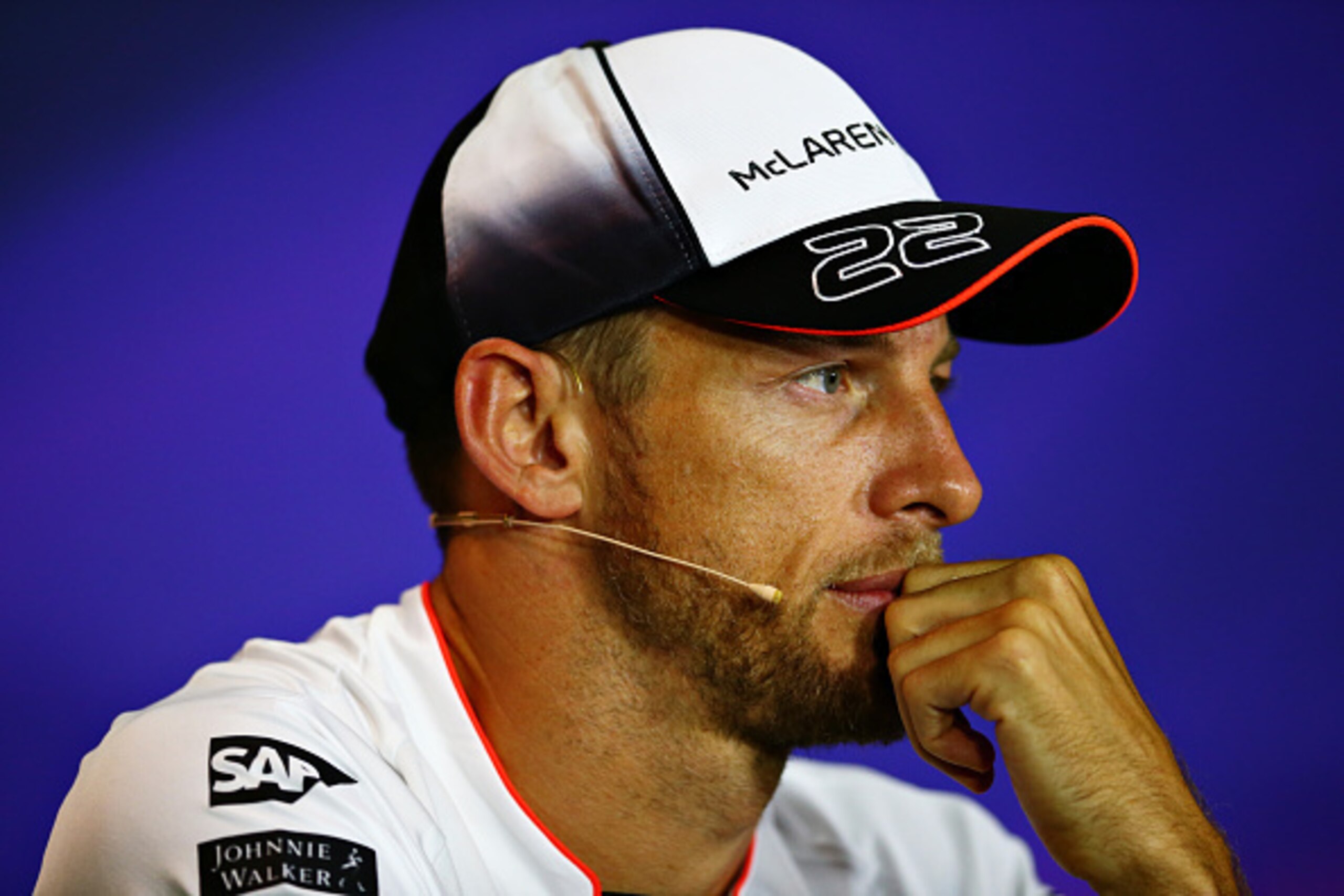
The right decision? For sure. A well-timed decision? No doubt.
But brave?
After two years of fielding endless questions regarding his own future, this was the biggest hint that Button would also be walking away at the end of 2016, and, sure enough, his exit was confirmed little more than 24 hours later—but in a way nobody could have envisaged.
In the latest demonstration of how muddled McLaren have become, the team announced "an innovative three-driver strategy" for 2017 and '18, which will see Button effectively swap places with reserve driver Stoffel Vandoorne, who has finally been rewarded with a race seat alongside Fernando Alonso.
Despite chairman Ron Dennis' insistence, per Autosport (h/t Eurosport), that the deal is "not designed to be an insurance policy on anything," it has been widely interpreted as a ploy to ensure McLaren have an in-house replacement available should Alonso follow through on his threat to quit F1 at the end of next season.
But although it will keep McLaren's options open, the overcomplicated arrangement will deny Button the farewell he deserves.
Even since the whispers of his exit first gathered pace in mid-to-late 2014, there have been great gasps of horror whenever his name has been mentioned in the same sentence as the word "retirement," as if F1 itself knows losing a figure of Button's stature would signify the end of an era.
Indeed, the phenomenon that is people power—the outpouring of support and the sheer affection shown to Button as his career hung in the balance—played an instrumental role in McLaren's eventual decision to keep him at the close of that season.
But Button's healthy enthusiasm and determination to remain in F1 appear to have become an outright fear of bidding farewell.
He seems to be reluctant to confront the dreaded R-word, to establish a sense of closure by making the announcement and dealing with the emotions and reflections that come with it.
In that sense, his revised deal with McLaren is—as he told Sky Sports at Monza—"the perfect idea" for him, for it will not only offer him to the chance to return to racing if the opportunity arises but will also allow Button to manage his departure exactly how he wants.
Next season, to all intents and purposes, will be a period of detachment as Button gradually disappears from the sport's consciousness and F1 realises it can move on without him. So when it becomes obvious he won't be coming back, he won't need to say so.
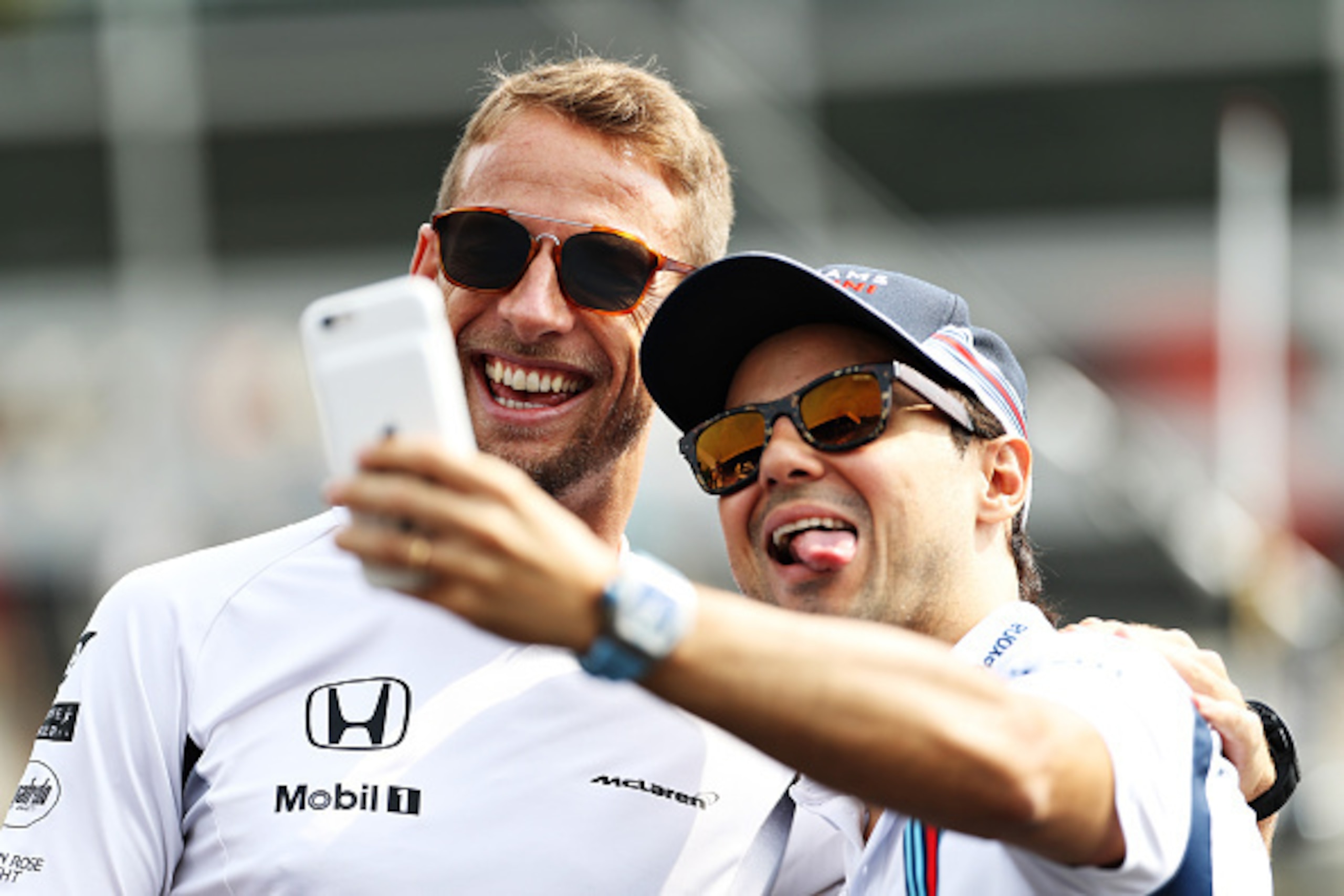
But while Massa will drive happily into the sunset, marking the end of this chapter of his life, in the season-ending Abu Dhabi GP in November, Button will awkwardly climb out of the cockpit at the end of the race knowing he may or may not be back behind the wheel in 2018.
As he told Sky Sports, Button will keep "current" during his year of "not retiring" in 2017.
He will hold an ambassadorial role with McLaren. He will spend time in the simulator, maintain his fitness and attend selected races with the team, presumably filling a similar role to that adopted by Alonso when he was ruled out of this year's Bahrain GP through injury.
And who knows?
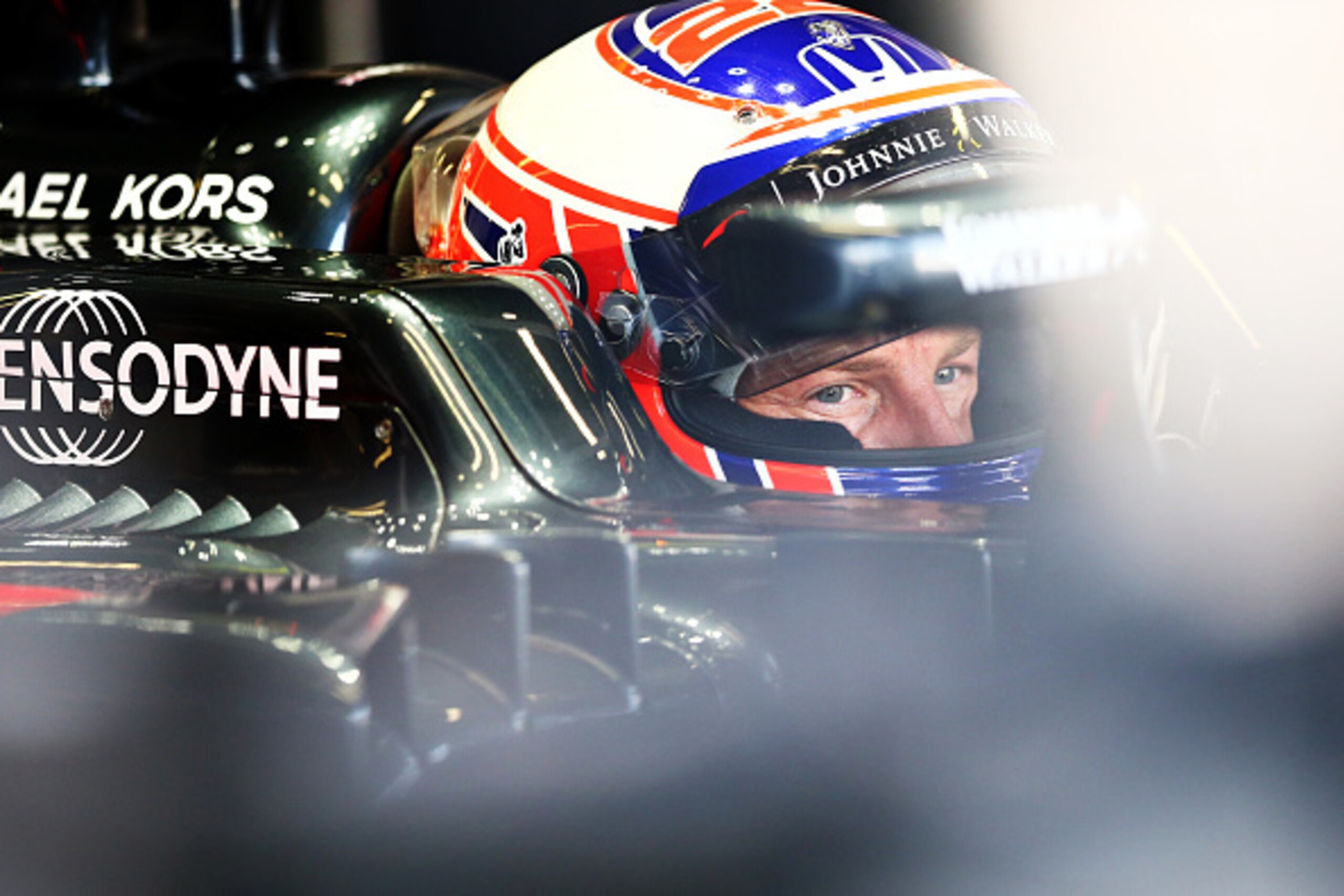
He may even sample the revolutionary cars he was so excited about driving in a one-off test appearance, joining Alonso and Vandoorne in providing feedback and establishing a clear development path for the new MP4-32.
Yet, unless Alonso decides the new regulations are not to his liking—and even then, who would bet against McLaren signing a more long-term replacement?—this will be the last we see of Button as a full-time F1 driver as one of the most popular figures of the modern era just fades away.
Button once wanted to stay in F1 because he loved it; now he wants to stay because he can't bring himself to say goodbye.
.jpg?w=2560 "Hill Injury Update Football")
.jpg?w=2560 "Titans Giants Football")
.jpg?w=2560 "Tyreek makes another cryptic post amid Chiefs rumors")



