

Robert Kubica's Rally Crash, 5 Years On: What Could He Have Achieved in F1?
Perhaps he simply lacked the global appeal of the sport's biggest names. Perhaps he was just denied the time, the opportunities and the good fortune to ensure his quality was indisputable.
Or maybe, like Nico Hulkenberg and Valtteri Bottas today, public perception of him was blurred by his failure to slaughter his supposedly unfashionable, less talented team-mates.
But there always seemed to be a strange reluctance to embrace Robert Kubica as one of the great drivers of modern Formula One, despite making the so-called holy trinity—Sebastian Vettel, Lewis Hamilton and Fernando Alonso—all run scared.
.png?w=2560)
.jpg?w=2560 "Saints Football")
In 2012, Alonso told Autosport's Jonathan Noble how Kubica was "the best driver of the group," admitting his friend was the one even he, a two-time world champion who has long been considered the most complete performer in F1, feared the most.
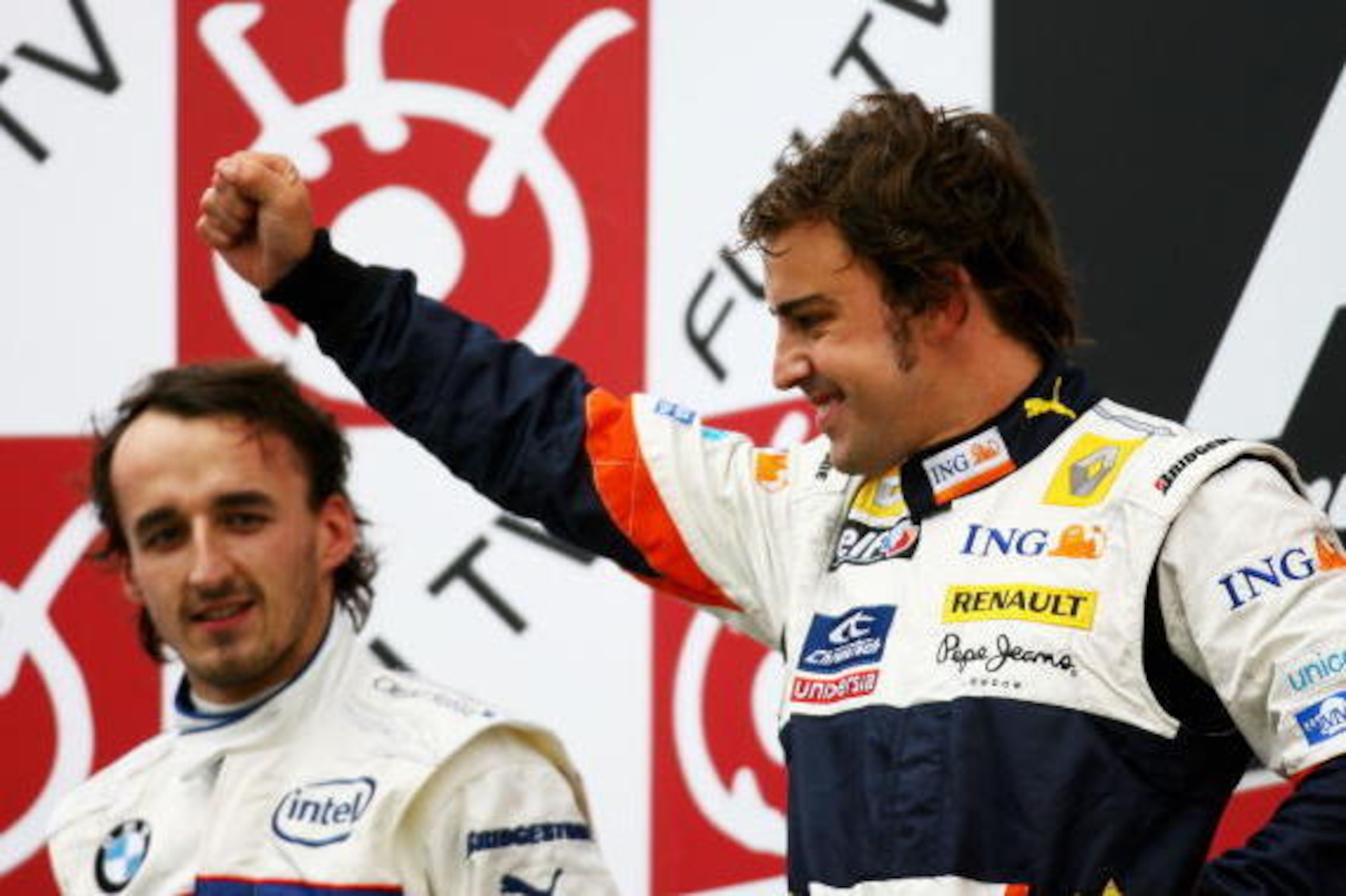
It was a view that was shared by Hamilton, according to Motor Sport Magazine's Nigel Roebuck. Although the three-time champion is never one to freely offer compliments to his peers, Hamilton had "privately confided" that Kubica was the one driver against whom he wouldn't fancy his chances, having raced against the Polish driver since karting.
And then there was Vettel, the most successful of the lot with four titles and, fascinatingly, the only one to exist in the same environment as Kubica having acted as BMW Sauber's third driver in late 2006 and early '07.
As Mark Hughes told a Motor Sport Magazine podcast, BMW's analysis of Vettel's free-practice appearances "consistently" concluded the teenage Seb was 0.4 seconds slower than Robert, which proved exactly why the team didn't bother trying to keep him when the German was lured back to the Red Bull empire.
Vettel didn't need to tell anyone how good Kubica was—the numbers told the entire story.
His rivals' high opinions of him are worth recalling on the fifth anniversary of Kubica's near-fatal rally crash in February 2011, which "partially severed" his right hand, per BBC Sport. Kubica's restricted movement after recovering meant it was almost impossible for him to drive a single-seater again.
Those memories are especially pertinent in a week Renault, the team he dragged to three podium finishes in his final season in 2010, celebrated their return to F1 in Paris.
Indeed, memories are all Kubica now has of F1, with his last known involvement in the pinnacle of motorsport almost three years ago when he tested the Mercedes simulator, according to BBC Sport's Andrew Benson.
But what if Kubica had emerged unscathed from the wreckage? What if Renault, like so many teams, had prevented their star driver from participating in another form of motorsport? How would his F1 career have played out? How would his continued presence have changed F1 as we know it today?

And where would he stand alongside the likes of Alonso, Hamilton and Vettel right now, on the eve of the 2016 season?
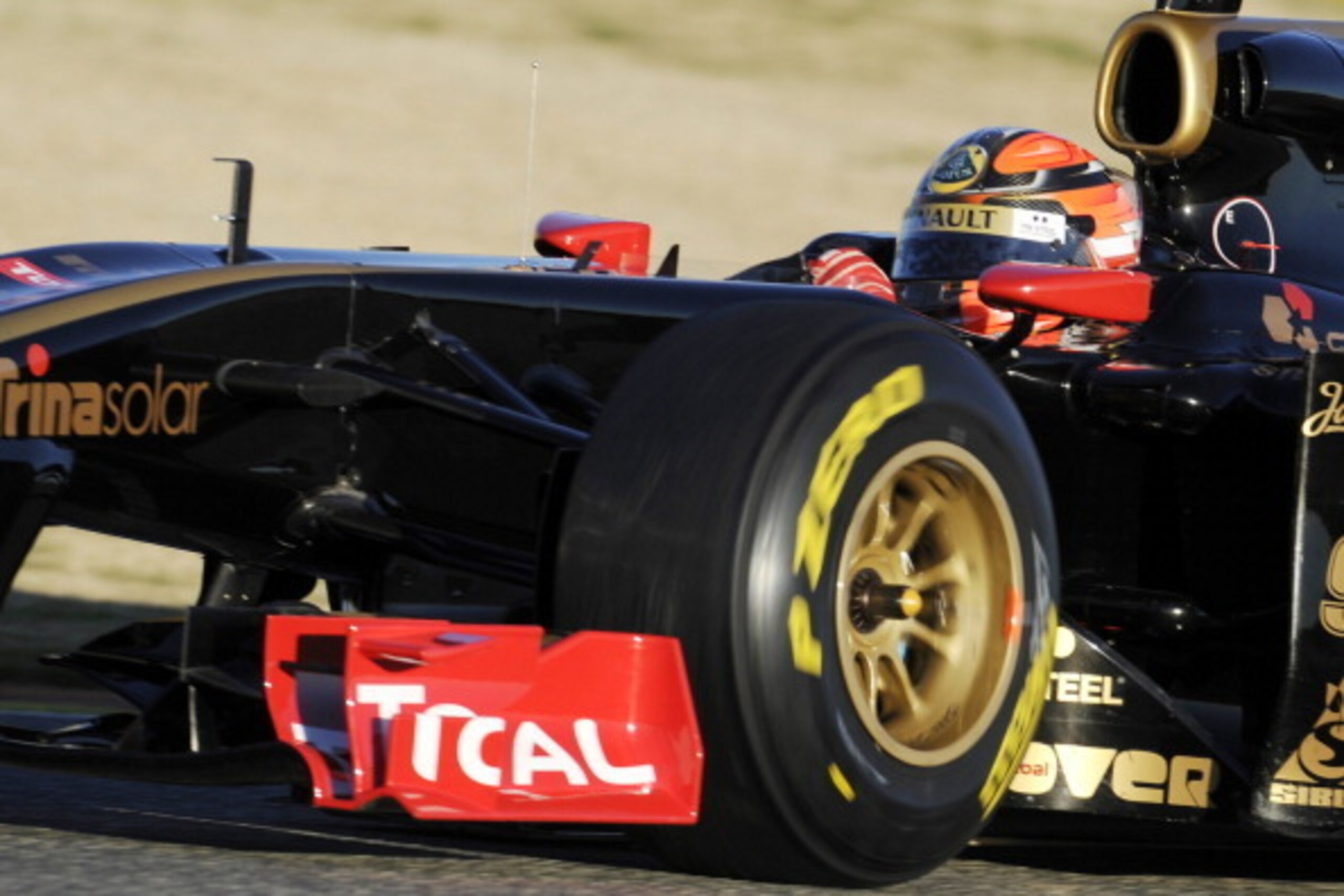
Just three days before his accident, Kubica—driving in those iconic black-and-gold overalls for the first and last time—had set the fastest time of the opening pre-season test in Valencia. However, it is difficult to imagine him faring any better than both his replacements, Nick Heidfeld and Bruno Senna, and team-mate Vitaly Petrov in 2011.
After Petrov and Heidfeld claimed a podium apiece in the opening two rounds of the season, Renault quickly tumbled down the pecking order—hindered by their car's forward-facing exhaust, an apparent engineering masterstroke that became a fundamental flaw, as technical director James Allison told ESPN F1.
The team's fall from grace, so soon following the frustrations of his final year at BMW in 2009—when the German manufacturer started the season with serious aspirations of winning the title and ended it by withdrawing from the sport—would have tested Kubica's patience.
As reported by F1 journalist Joe Saward, Kubica signed "an option" to join Ferrari in the summer of 2010 and, in 2013, simply laughed—without offering a hint of denial—when asked whether he ever had a pre-contract agreement with the team in a televised Sky Sports interview.
It was unclear whether that contract would have come into effect in 2012 or 2013, and at the end of '11, it may have felt like the right time for Kubica to make the next step and partner Alonso—who, despite his reputation as a paranoid, power-hungry control freak, was "reportedly enthusiastic" about the move, per Roebuck.
But had he honoured the final year of his existing contract—which was due to expire at the end of 2012, according to BBC Sport—his career would have become really interesting from the beginning of that season as Renault became Lotus.
Alongside 2011 GP2 champion Romain Grosjean—who was seemingly guaranteed a Lotus seat as a protege of team principal Eric Boullier—Kubica's stay would have severely limited the options available to Kimi Raikkonen, who was returning to F1 after two years in the World Rally Championship.
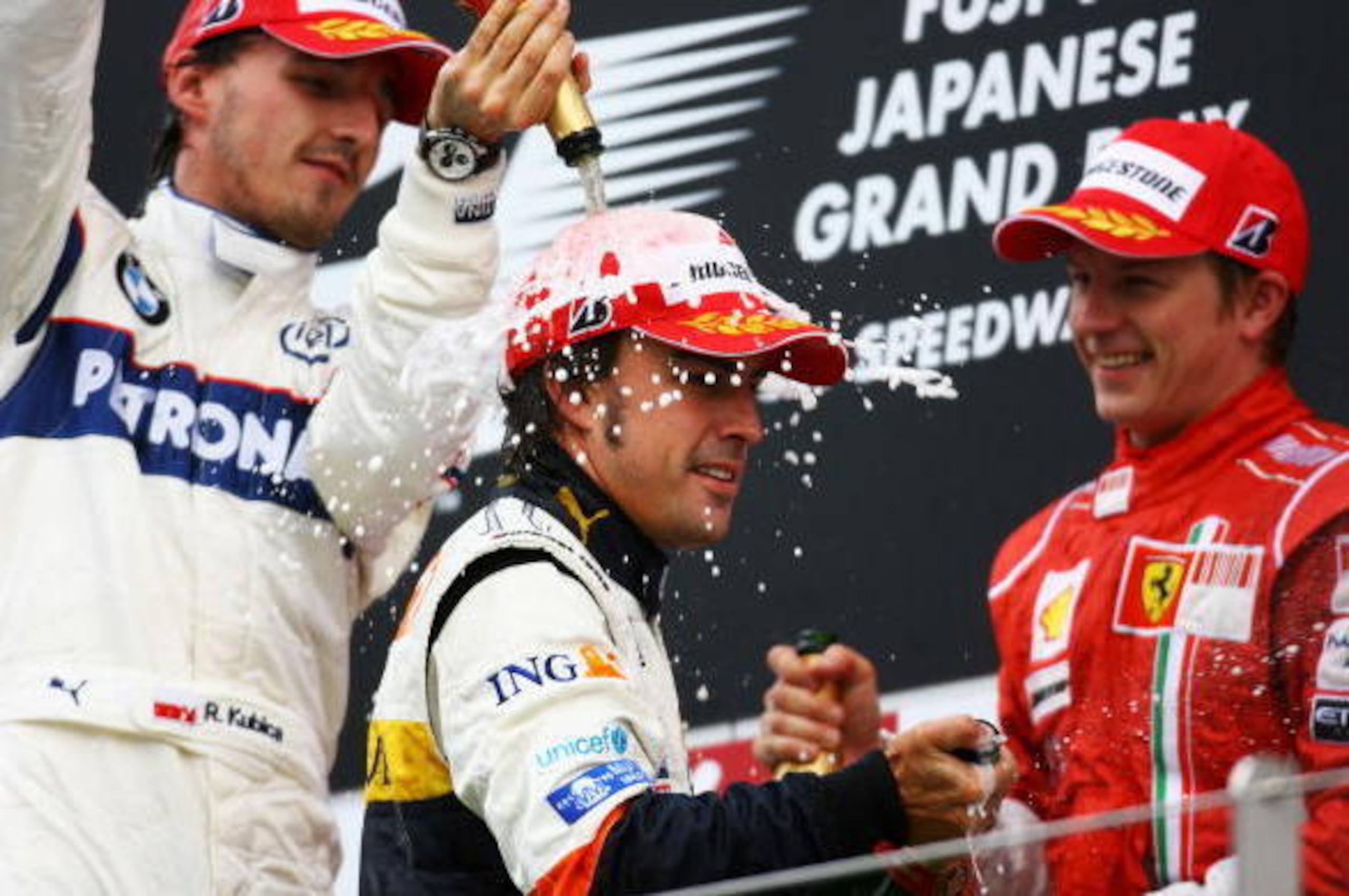
Prior to joining Lotus—who, as Roebuck notes, wouldn't have had "the need" nor "the budget" to accommodate two leading drivers—Raikkonen held discussions with Williams, per Benson.
Had the 2007 world champion joined the British team, it is probable that his comeback would have been both unsuccessful and short-lived, with Williams woefully inconsistent in 2012 before enduring the worst season in their history in 2013, by which point Kimi's motivation would have almost certainly evaporated.
In the meantime, Kubica probably would have bettered the 2012 achievements of Raikkonen, who despite claiming seven podiums, winning the Abu Dhabi GP and remaining in title contention until the latter stages of the year, occasionally struggled in terms of one-lap pace and racecraft as he readjusted to circuit racing.
With those results to his name, few would have begrudged Kubica a move to Ferrari at that point, and Felipe Massa, Alonso's doormat of three seasons, would surely have been put out of his misery ahead of 2013.
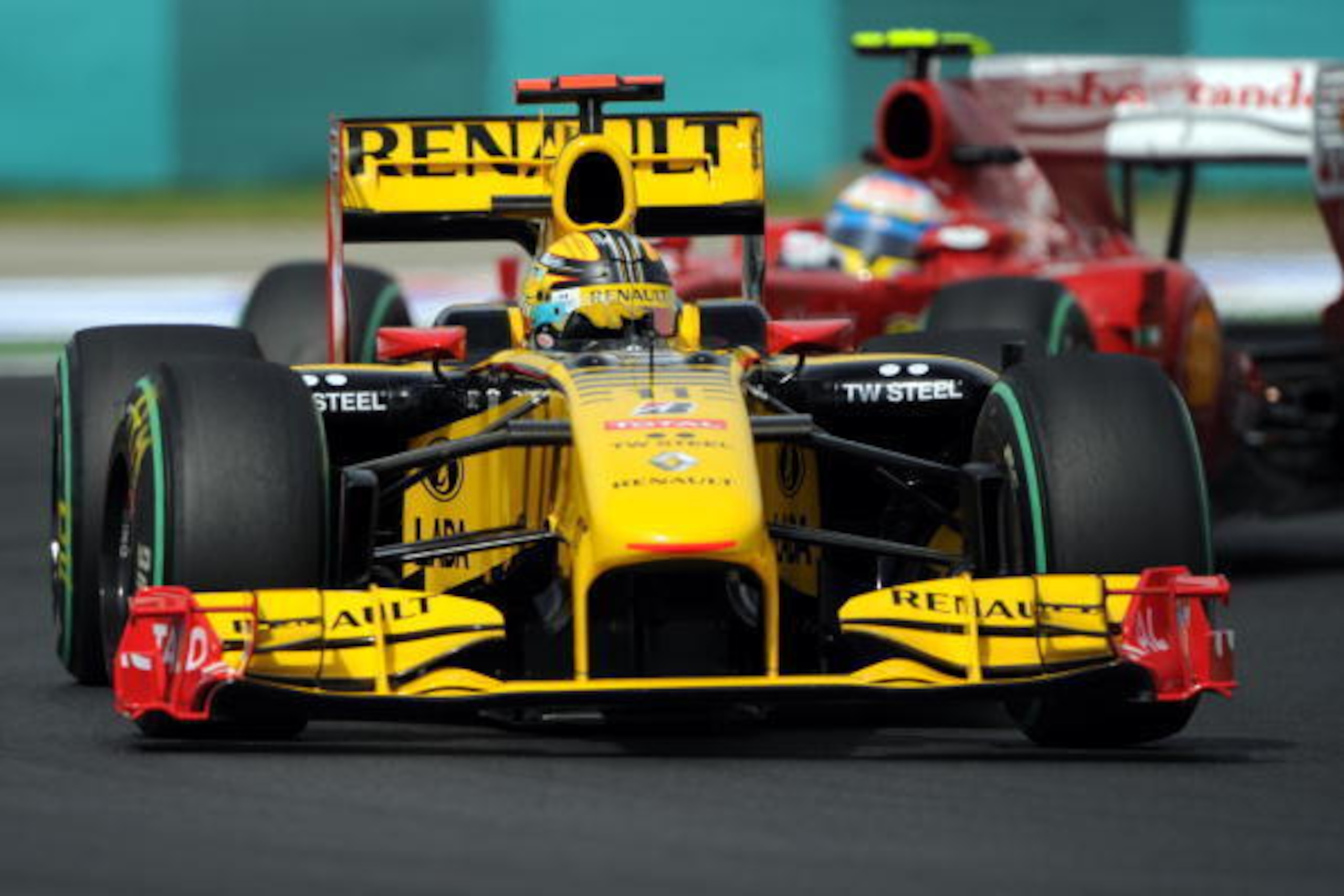
Kubica's arrival at the Prancing Horse, as strange as it may seem, would have had no real effect on Alonso's bond with the team after the Spaniard's near-misses to Vettel in 2010 and '12. And while the opening stages of 2013 may have offered him a chance to register an early victory, Red Bull's dominance was such that it would have mostly been a year of adaptation ahead of the major 2014 regulation changes.
As Roebuck notes, Kubica, like so many drivers, would have lamented the steady-as-you-go demands of the Pirelli tyres and fuel limitations, and his height of 1.83 metres would have been a major disadvantage against the backdrop of 2014's controversial minimum weight limit.
Add to that the great, big lump that was Ferrari's 2014-specification V6 turbo engine—which was both overweight and underpowered—and he would have been at risk of undoing all his good work up until that point, becoming the team's No. 2 driver.
Yet the stale relationship between Ferrari and Alonso, who returned to McLaren at the end of that season, would still have allowed Kubica to land on his feet and potentially emerge as the team's prime focus.
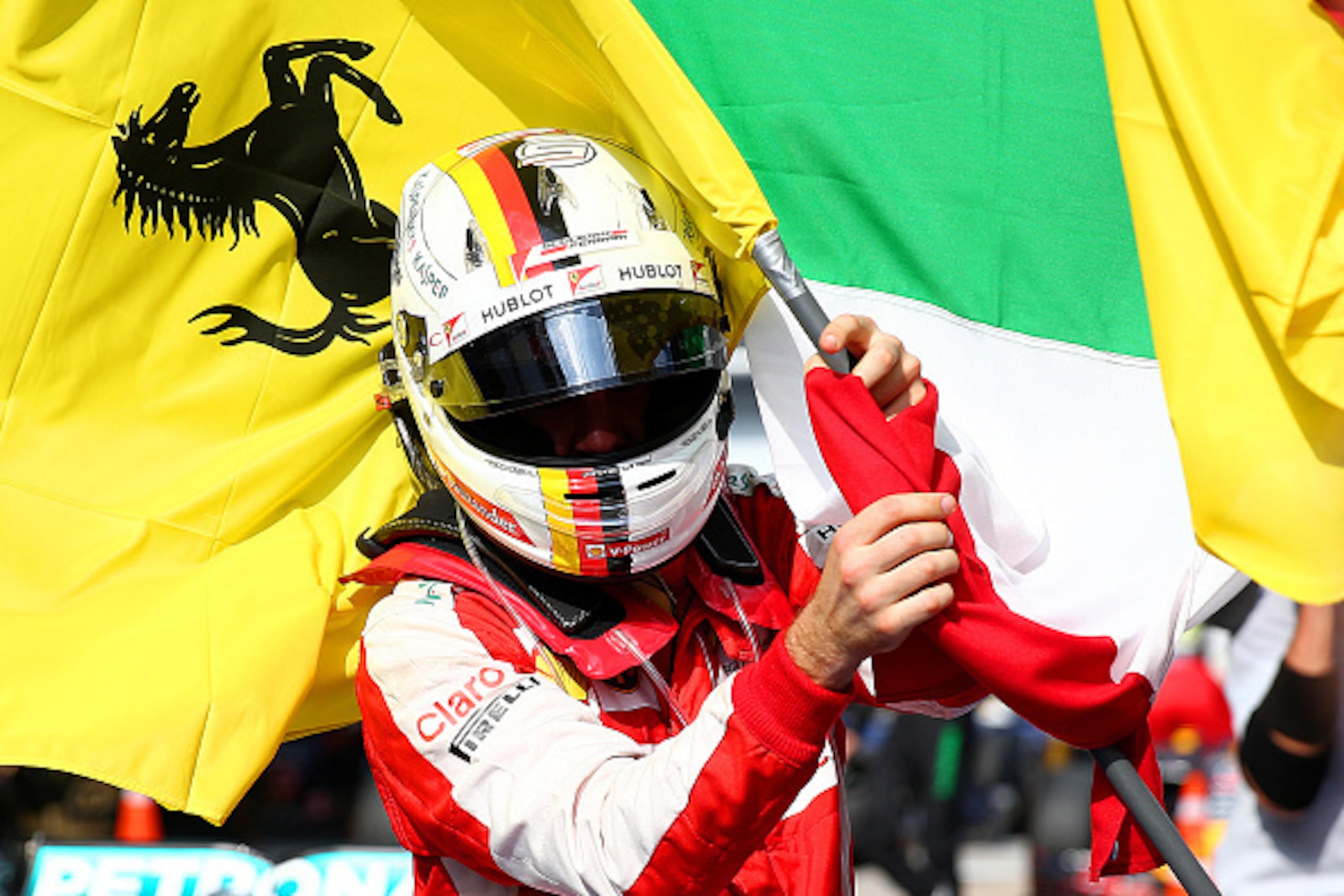
After all, if Ferrari had Kubica, would they really have needed Vettel to succeed Alonso? The Prancing Horse rarely employ two leading drivers, and Vettel's arrival might have been deemed unnecessary in the context of the four-time world champion's lacklustre 2014 and given the difference between him and the Pole in the BMW days.
Given his struggles in establishing complete No. 1 status over Heidfeld at BMW, it is difficult to ascertain whether Kubica would have reinvigorated Ferrari as impressively as Vettel did in 2015, although Roebuck quotes Boullier as claiming the Pole "pushed the team hard" at Renault, proving he made a meaningful impression in his short time at Enstone.
Again behind the wheel of a car designed by former Renault colleague Allison, there is no reason why he wouldn't have achieved the kind of results the German did last year. And, in all likelihood, we would have been banking on Kubica, not Vettel, to take the fight to Mercedes, Hamilton and Nico Rosberg in 2016.
Instead, his post-F1 career has reached yet another crossroads.
After three seasons in the WRC, where his ferocious speed was all too often undone by those senseless, clumsy crashes you associate with rallying, Kubica recently announced he will not participate in the upcoming Rally Sweden, per Motorsport.com's David Gruz.
His next move, at the time of writing, is unclear—in October 2015, he implied a return to circuit racing was possible, per Autosport's David Evans—but the dream of an F1 comeback is fading fast.

Courtesy of his victory in the 2008 Canadian GP, in a year he almost intruded on the two-horse title race between Massa and Hamilton, he will be remembered as a one-hit wonder among the lucky and those who just happened to find themselves in first place when the chequered flag fell.
But as Hamilton, Vettel and Alonso might tell you, Kubica was so much more than that.



.JPEG?w=2560 "O.J. Brigance Dies at 56")