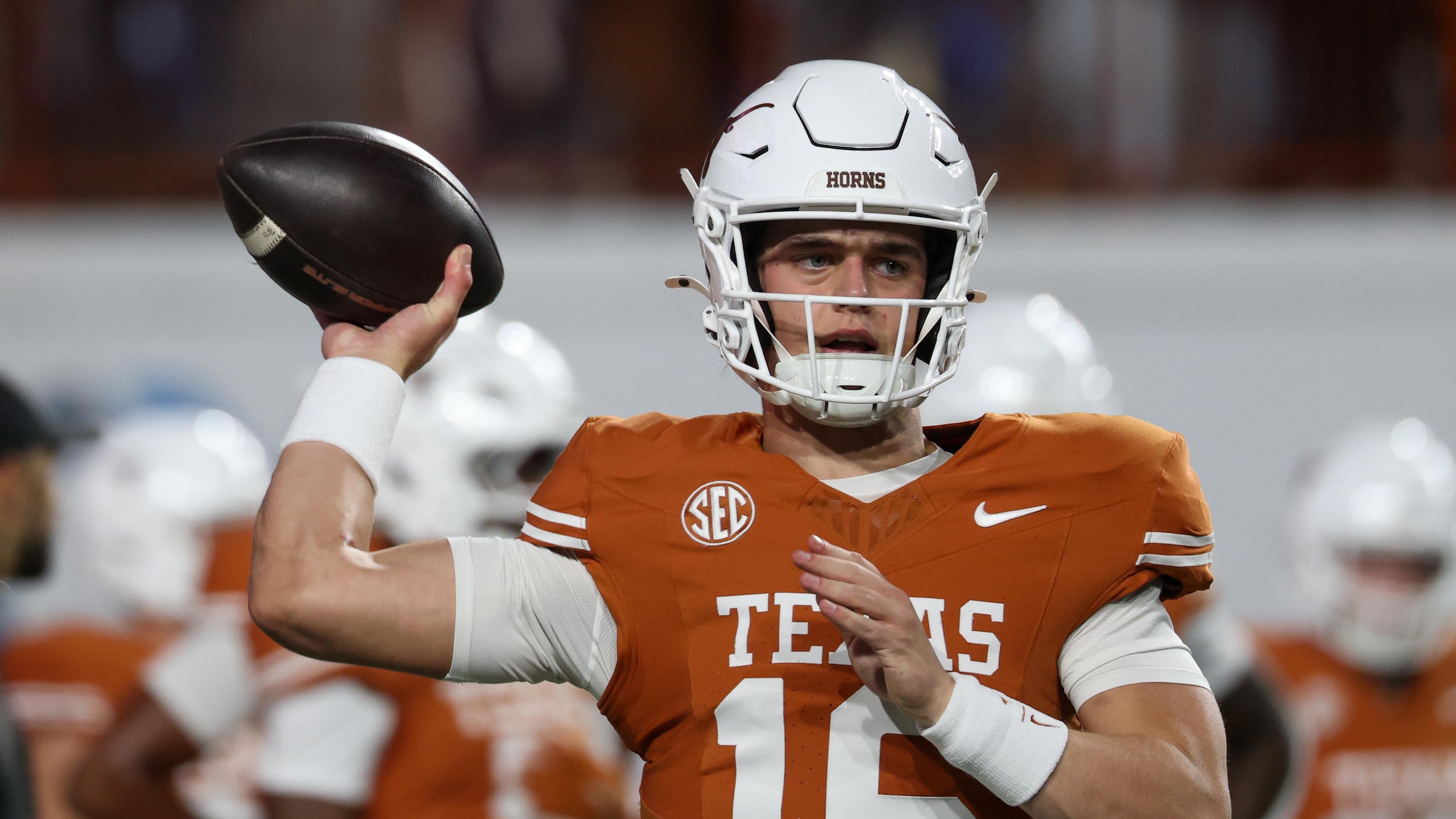
Jameis Winston's Continued Interception Problems Pose a Concern for Future Star
Peyton Manning threw 28 interceptions during his rookie season.
Since then, Manning has turning into a Hall of Fame quarterback but also acted as a dismissal about any concerns that arise around rookie quarterbacks who turn the ball over. Jameis Winston is that rookie quarterback right now.
When Manning threw 28 interceptions as a rookie, he averaged an interception every 20.5 pass attempts. He had averaged an interception every 41.9 attempts in college. Through four games this season, Winston is averaging an interception every 19 pass attempts, a similar rate to Manning during his rookie season.
However, Winston can't fall back on his college play to point to his ability to take care of the football.
During his two seasons at FSU, Winston averaged an interception every 30.4 attempts. That included an incredible 18 interceptions on 467 attempts, one every 25.9 attempts, during his final season. Most significantly, Winston's turnovers were a result of mistakes he repeated over and over again.
Winston's biggest issues were his ball placement and his inability to recognize underneath coverage. So far with the Tampa Bay Buccaneers, those issues have remained prevalent.
It's hard to compare Winston's early struggles to Manning's because he can't fall back on his college play. If he had excelled with ball security against college-level competition, it would be easier to suggest that this is simply a matter of adjusting to NFL defenses.
Nobody should question Winston's intelligence to understand coverages and break down progressions to attack those coverages, but an ability to do something and consistently doing it are two completely separate things.
Against the Carolina Panthers in Week 4, three of Winston's four interceptions were his fault.
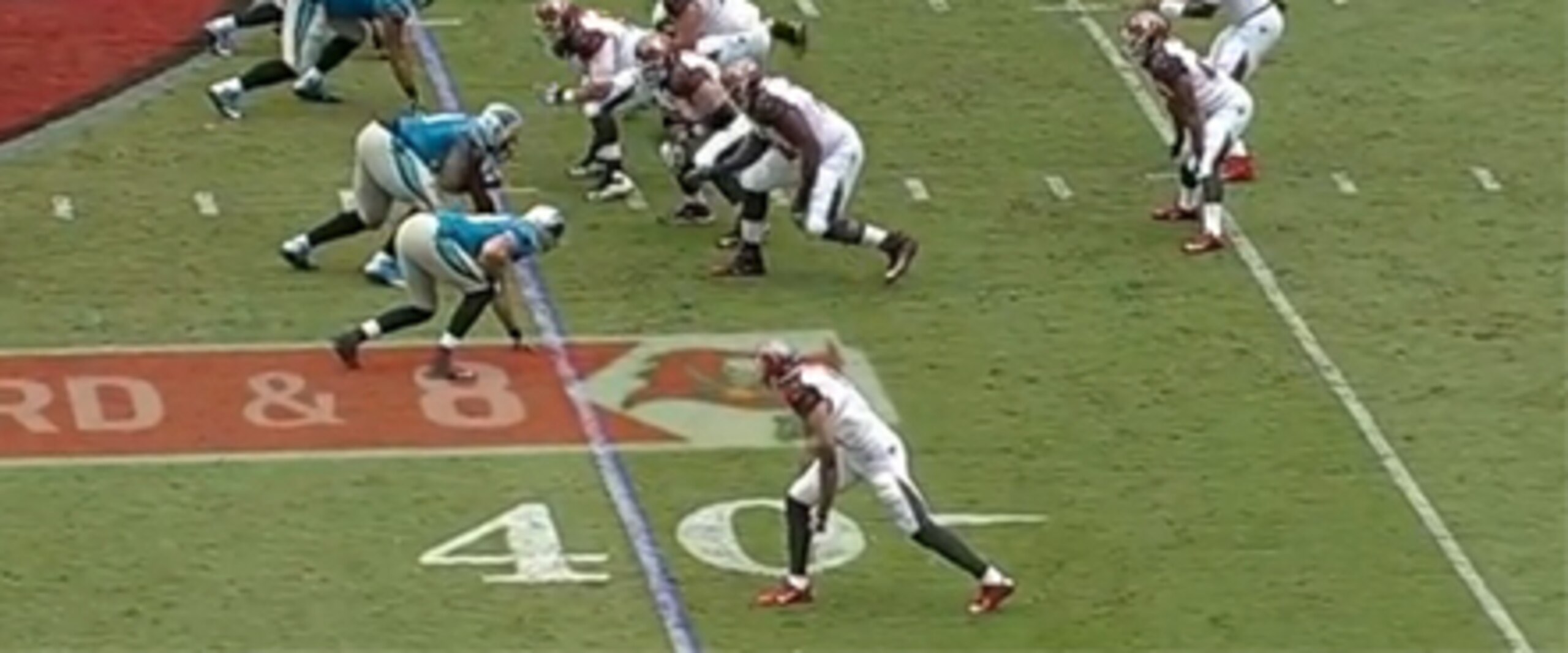
Winston's first interception came on the second drive of the game. He was facing a 3rd-and-8, with three receivers to the right, one to the left and a running back alongside him in the shotgun. The Panthers weren't masking their intentions to play coverage and only rush four.
Based on pre-snap alignment, Winston expected to have time in the pocket and he was going to read the right side of the offense.

Winston gets to the top of his drop cleanly. The Panthers have only rushed four defenders, and the Buccaneers offensive line has established good protection. As he holds the ball in the pocket, Winston should comfortably diagnose the coverage.
He doesn't.
On the outside, the Buccaneers have a receiver running a curl route infield, while the slot receiver just inside of him runs an out route behind him. The outside cornerback, Josh Norman, is sitting in position to play the out route from the beginning of the play.

Not only does Winston make a terrible decision reading the coverage, his pass lacks velocity and arrives too far inside. This means that his intended receiver has no chance of touching the ball, while it's very easy for Norman to run through the ball on his way to the end zone.
This is the kind of error a quarterback who is billed as pro-ready shouldn't be making.
Passing the blame onto a teammate or something that the defense did can't be done here. The defense didn't try to bait him into any throw, it aligned in a soft coverage and played soft coverage. The offensive line gave him time and space, while his receivers ran their routes.
At the beginning of the second quarter, Winston threw his second interception. He appeared to misread the underneath coverage again, but the interception itself was a result of a tipped pass at the line of scrimmage. It would be unfair to be too harsh on the quarterback.
Although you can't completely blame him for that turnover, his elongated throwing motion will give defensive linemen more opportunities to read his intentions and rise up to tip balls out of the air. It was clear that was what happened on this play.
Winston's third interception came early in the third quarter.
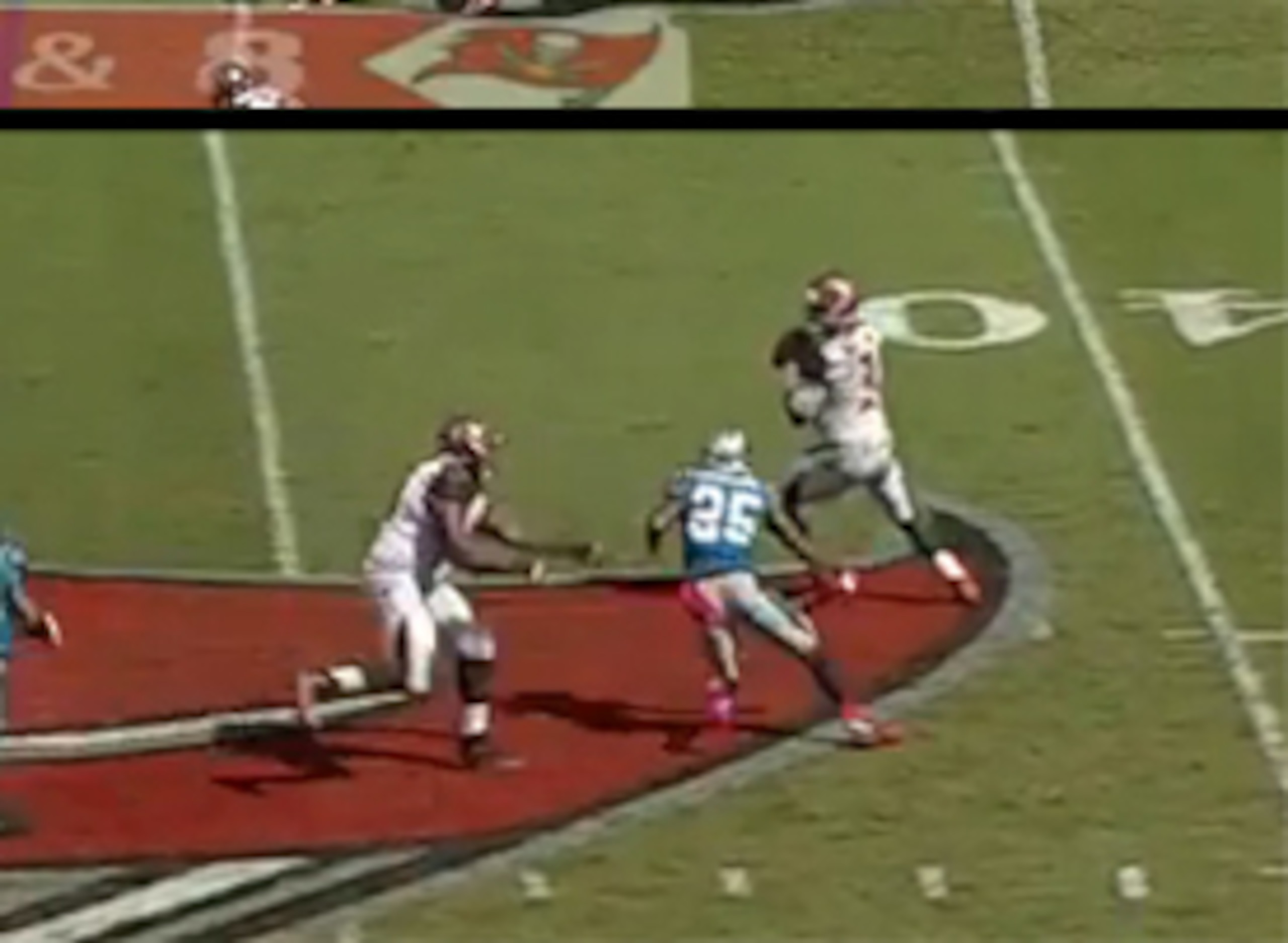
Once again Winston was facing a 3rd-and-8. This time the defense wasn't as passive, though. This time the defense threatened a blitz at the snap and then dropped out of it while blitzing a safety, Roman Harper, who had initially lined up as a cornerback.
Winston recognized the blitz and was able to deliver the ball just before the free defenders arrived.
His timing and recognition on the play was perfect, but his accuracy was woeful. Winston was trying to fit the ball into a tight window, but flung the ball too far behind Vincent Jackson who was running a deep in route.
To complete the pass Winston needed to lead Jackson infield or force him to stop with his ball placement. Instead, the ball once again landed comfortably in Norman's chest.
For his final interception in the fourth quarter, Winston did something he has done consistently throughout his time playing football. He failed to recognize underneath coverage. The quarterback predetermined his throw and directed his pass into the outstretched arms of the underneath linebacker.
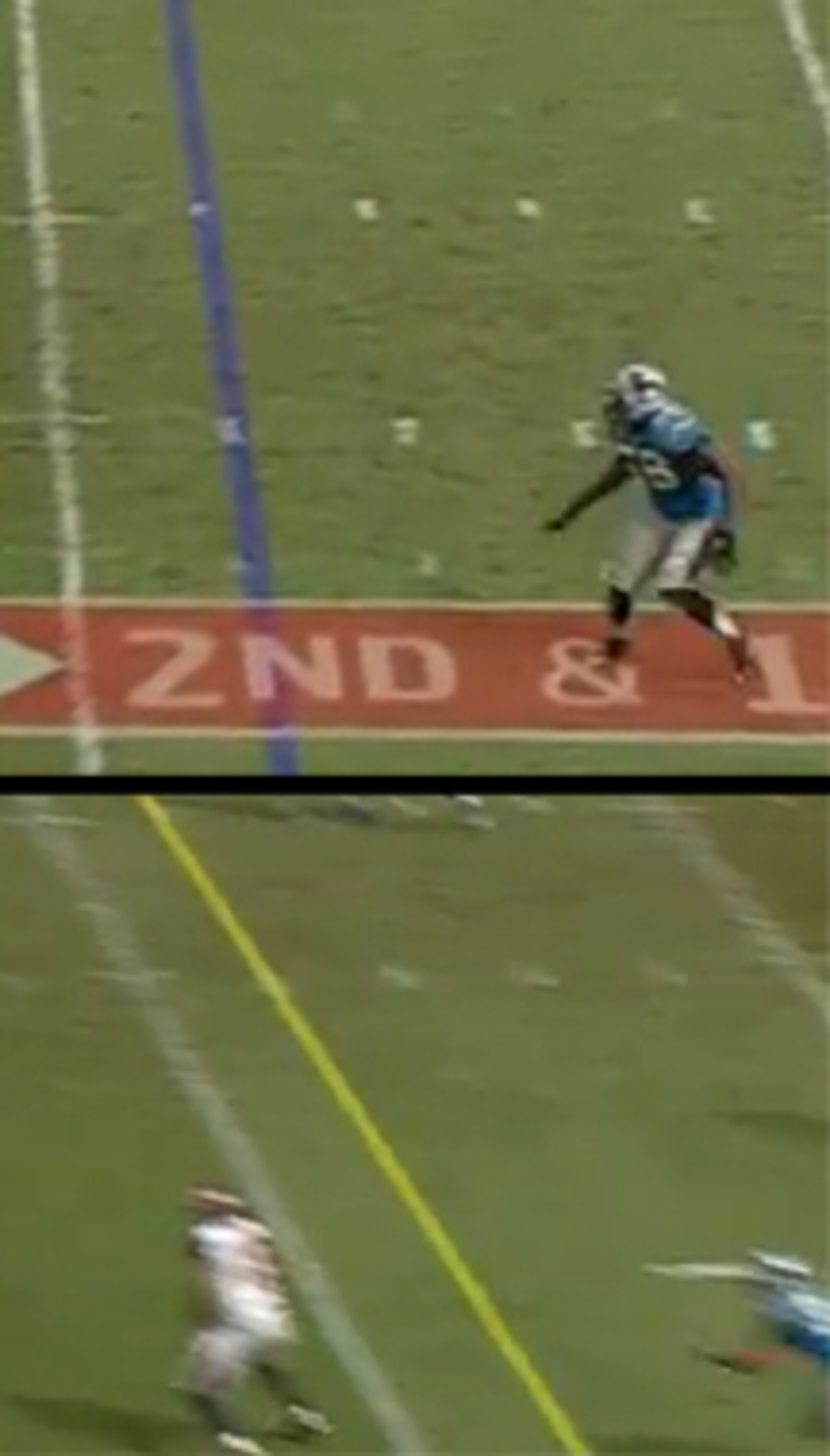
Winston can't blame his pass protection or his receivers. He threw from a clean pocket, and his receivers ran the right routes. He simply had a blind spot with the underneath coverage. This is the kind of throw that the quarterback can't consistently make.
If he is making this type of throw as often as he is, it won't matter how intelligent or accurate he can be.
Against the Houston Texans in Week 3, Winston threw a pass straight to an underneath defender when trying to find Mike Evans on a deep in route. In Week 1 against the Tennessee Titans, he threw two interceptions to underneath defenders.
His first interception came when he checked the ball down to a covered receiver in the flat. The defensive back covering his intended target was able to comfortably undercut the route. His receiver never had a chance.
His second interception came on a screen pass. Winston didn't recognize the unblocked defensive end had read his intentions and stopped his pass rush off the edge. The quarterback threw the ball directly to the defender, even though he was just five yards away from him.
After the game, Winston responded positively.
He said the interceptions hadn't shaken his confidence, and he needed to respond by working harder. Working harder will be important, but Winston has been known as a hard worker since he was in college. It may not be a matter of how much he's working but what he's working on.
So far it seems he's not understanding the mistakes he's making.
You can be an interception-prone passer in the NFL and still be a quality starter. Turning the ball over simply gives you a smaller margin for error with the rest of your skill set. For Winston to continue turning the ball over at this rate and still be a valuable player, he will need to be great at everything else he does.
Winston is on pace for 28 interceptions this season, the same number Peyton Manning threw. He may one day play like a Hall of Famer, but it would be disingenuous to dismiss concerns about his long-term outlook based solely on what Manning did previously.
Manning is/was the exception, not the rule. Following in his footsteps will be exceptionally difficult.
.jpg?w=2560 "Lions Bengals Football")

.jpg?w=2560 "Court Documents: Tiger Plans to Change Plea in DUI Case (AP)")
.jpg?w=2560 "Grading WWE NXT 🔠")