

F1 Must Tweak Penalty System Following Lewis Hamilton, Valtteri Bottas Incidents
A one-race ban for the driver. A season-long pit-lane ban for the team principal. A loss of constructors' championship points. And for good measure, a fine of €200,000.
That, per Motorsport.com's Stefan Ziegler, is the price Audi have been forced to pay for their sins in the second DTM race at the Red Bull Ring, the home of Formula One's Austrian Grand Prix, at the beginning of August.
On the final lap at the wet Spielberg circuit, Audi's Timo Scheider, a two-time champion of the German touring car series, was lining up a move on sixth-placed Robert Wickens at Turn 2, only for both drivers to be passed by the latter's Mercedes team-mate and then-championship leader Pascal Wehrlein.

As the trio accelerated toward Turn 3, Scheider received a radio message from Dr. Wolfgang Ullrich—normally so gracious in both victory and defeat when representing Audi at the Le Mans 24 Hours—who told his driver: "Schieb ihn raus."
According to Motorsport.com's Charles Bradley, that translates to "push him out," and Scheider duly followed the doctor's orders, nudging Wickens under braking and sending both Mercedes cars into the deep, unforgiving depths of the gravel trap.
While Scheider was disqualified from the official results shortly after the race, the retrospective action taken by the German Motor Sports Association was firm and decisive, which is the sign of a well-governed motor-racing series.
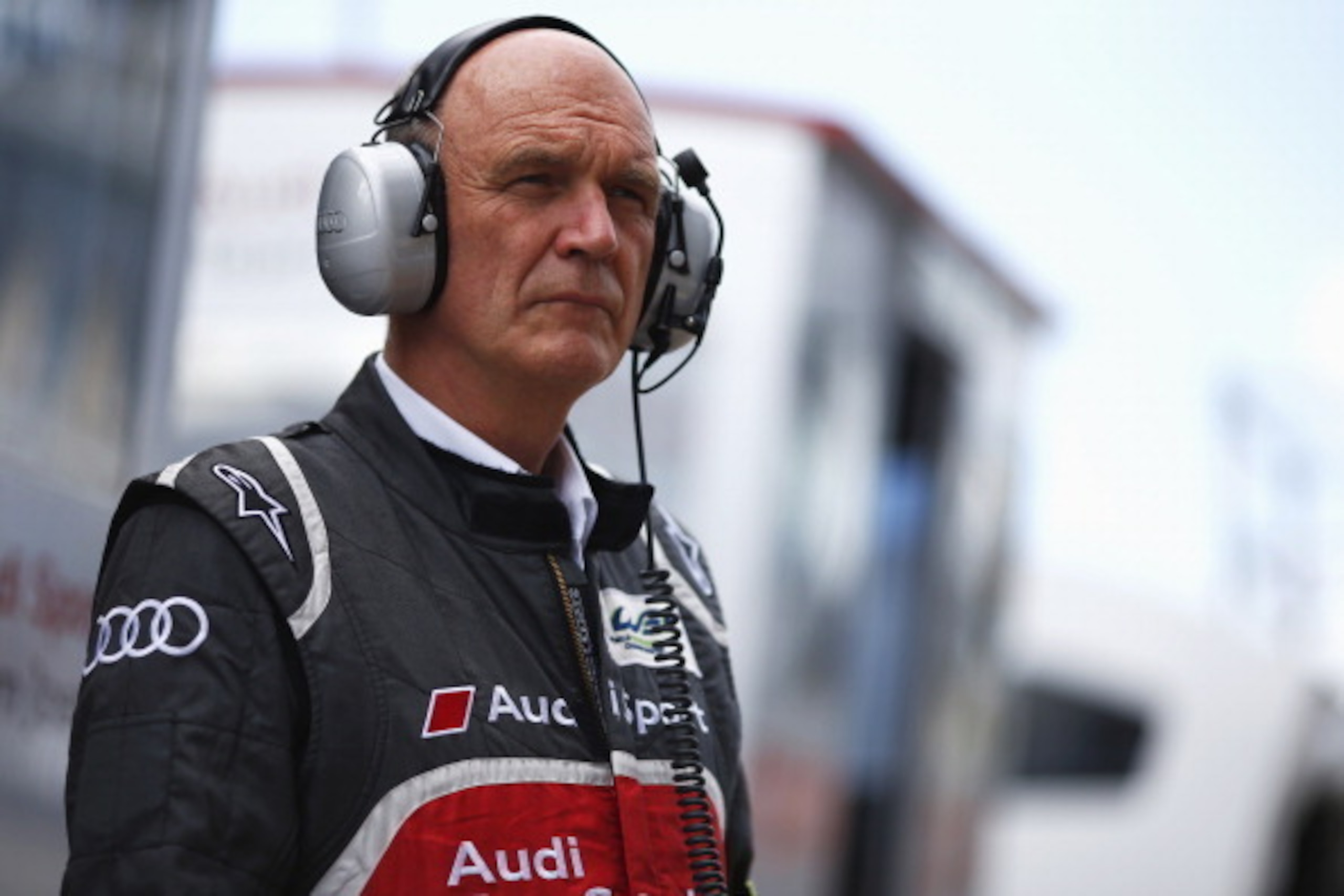
Banning Scheider and Ullrich, as well as hitting the organisation where it hurts, has ensured Audi will not get away with their misdemeanour, deterred other teams and drivers from using similar tricks and preserved the DTM's integrity.
And it has offered a lesson to other categories, including the self-appointed pinnacle of motorsport.
The flaws of Formula One's penalty system have been among the recurring themes of 2015, with McLaren-Honda and Red Bull Racing in particular receiving excessive punishments relating to power-unit component usage.
The former slumped to a new low at last weekend's Belgian Grand Prix, where Fernando Alonso and Jenson Button were given 55 and 50 grid-place penalties respectively—an F1 record, per BBC Sport's Andrew Benson—when only 20 cars make up the F1 grid.
Yet a far more pressing concern than whether Button should start a race in 19th or 20th, in front or behind the other drivers starting at "the back of the grid," is F1's current in-race penalty system.
Since its introduction at the beginning of 2014, the revised penalty protocol has become one of the most popular of the many rule changes in recent times, giving the race stewards the power—or rather, the freedom—to implement a wider range of punishments.
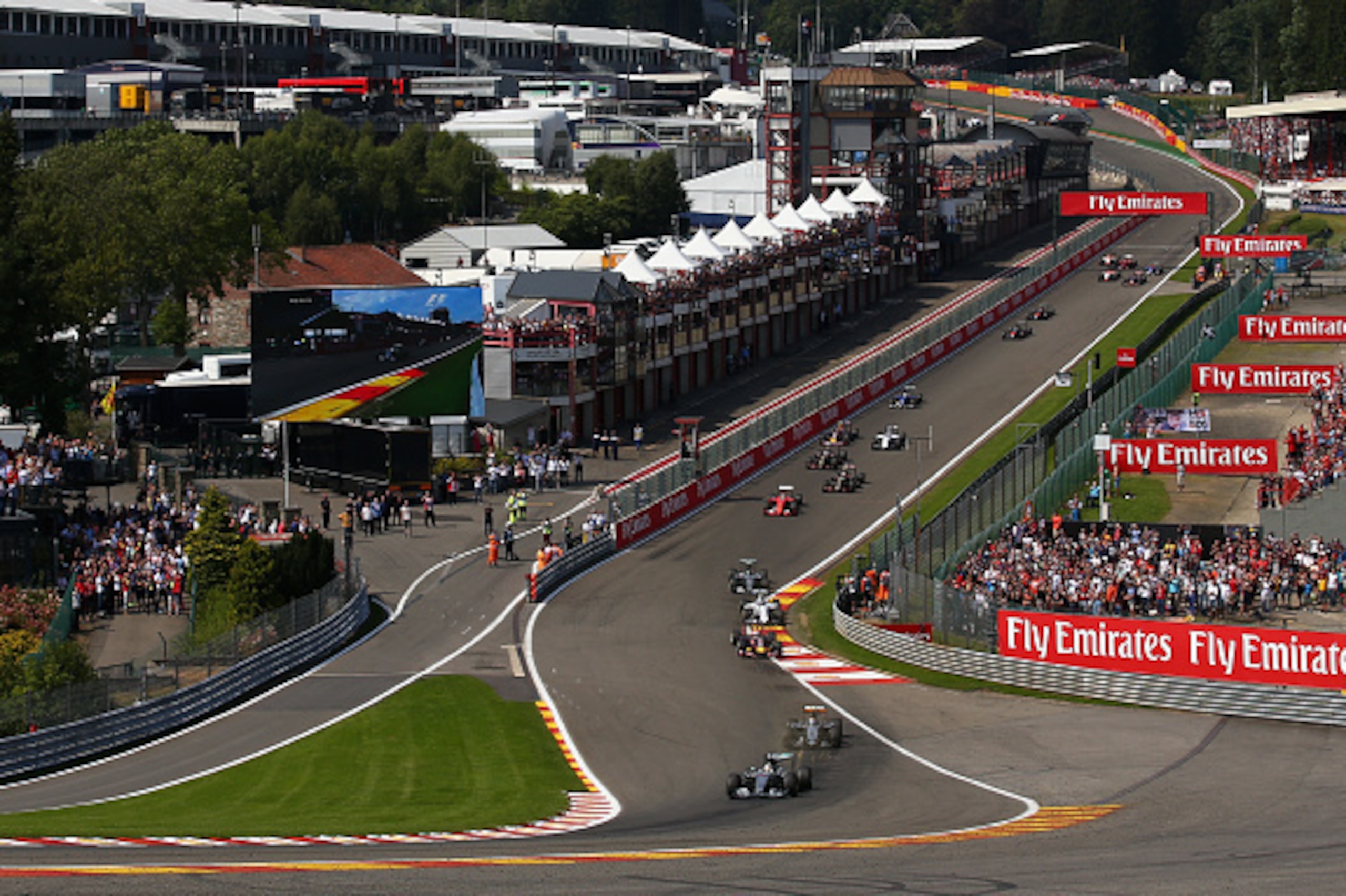
Where the draconian drive-throughs and stop-go penalties were once the order of the day, there are now five and 10-second penalties, which can be taken during a driver's pit stop or added to their race time.
Not only do these lessen the impact of a penalty on a driver's race—improving the show by ensuring an offending driver can still play an influential role in the outcome of a grand prix—they cement the drivers' status as heroes by providing them with the opportunity to overcome setbacks.
That, in essence, is why the late Jules Bianchi's ninth-place finish in last year's Monaco Grand Prix, which saw the Frenchman claim his and the Marussia team's first points despite incurring two penalties along the way, will be eternally revered.
But their response to two fundamental transgressions in recent months have suggested that race stewards, due to the new lenient system, either no longer know how to punish certain incidents, or simply now have the ability to essentially duck decisions for the sake of "the show."
Take, for example, Lewis Hamilton's error in Austria, which saw the reigning world champion suffer a twitch of oversteer and inadvertently cross the white line at the pit exit as he pursued Mercedes team-mate Nico Rosberg.
Rosberg himself was given a drive-though penalty, which he was forced to serve within three laps, after a similar mistake in the 2009 Singapore GP. Hamilton, however? A five-second penalty was deemed appropriate.
At the halfway stage of the race, it was not so much a punishment but a challenge for Hamilton to first catch and pass Rosberg—and then establish a lead of five seconds or more—before the chequered flag to claim victory.
Rather than shadowing his team-mate to the finish in second place, the penalty having had no impact whatsoever, Hamilton should have been fending off Felipe Massa and Sebastian Vettel for a podium in the latter stages.
Most worrying, however, was the authorities' decision after Williams fitted Valtteri Bottas' car with three soft-compound tyres and one medium tyre during the Finn's first pit stop at the Belgian GP.
The drive-through handed to Bottas was lenient enough, especially when instant disqualification, in addition to a heavy fine or a one-race ban, would have sufficed.
But the very fact the car was allowed to continue with a mishmash of tyres until the team saw fit—Bottas spent 13 laps on the rogue set before switching to mediums on Lap 21—set a dangerous example when the FIA should have made an example of Williams.
Although Bottas told Sky Sports of a "strange" feeling within the car, initially suspecting "a bit of a mistake with the tyre pressures," some teams may view a mere drive-through penalty as a worthwhile concession if they have reservations over the suitability of certain tyres on certain tracks in certain conditions.
Given the accidental, innocent nature of both incidents, it perhaps should not be a surprise that the stewards took the easy option, especially when the new penalty system is still in its infancy.
Yet while the new rules encourage close competition, often providing the guilty with a second chance, F1 must not allow teams and drivers to get away with serious breaches of the most basic regulations.
The punishment, after all, must always fit the crime.
.jpg?w=2560 "Steelers Browns Football")
.jpg?w=2560 "Week 1 Waiver Wire Targets")

.jpg?w=2560 "Week 1 Start 'Em, Sit 'Em Plays")
.jpg?w=2560 "Baker, Bucs Agree to Deal 💰")