

Grading Max Verstappen's Start to Life in Formula 1
Max Verstappen became Formula One's youngest-ever driver when he lined up for the 2015 Australian Grand Prix at the age of just 17 years and 166 days.
Some will have expected him to struggle or look out of his depth, but no driver would be given this kind of opportunity unless his team had every confidence in his ability to fit in straight away—and that's exactly what he has done.
Both Verstappen and team-mate Carlos Sainz Jr. have taken to F1 like ducks to water; the fight for supremacy at Toro Rosso this year will be an exciting one indeed.
Looking at four key areas of modern F1, here's how we grade Verstappen's start to his life at the top.
Qualifying: C
1 of 5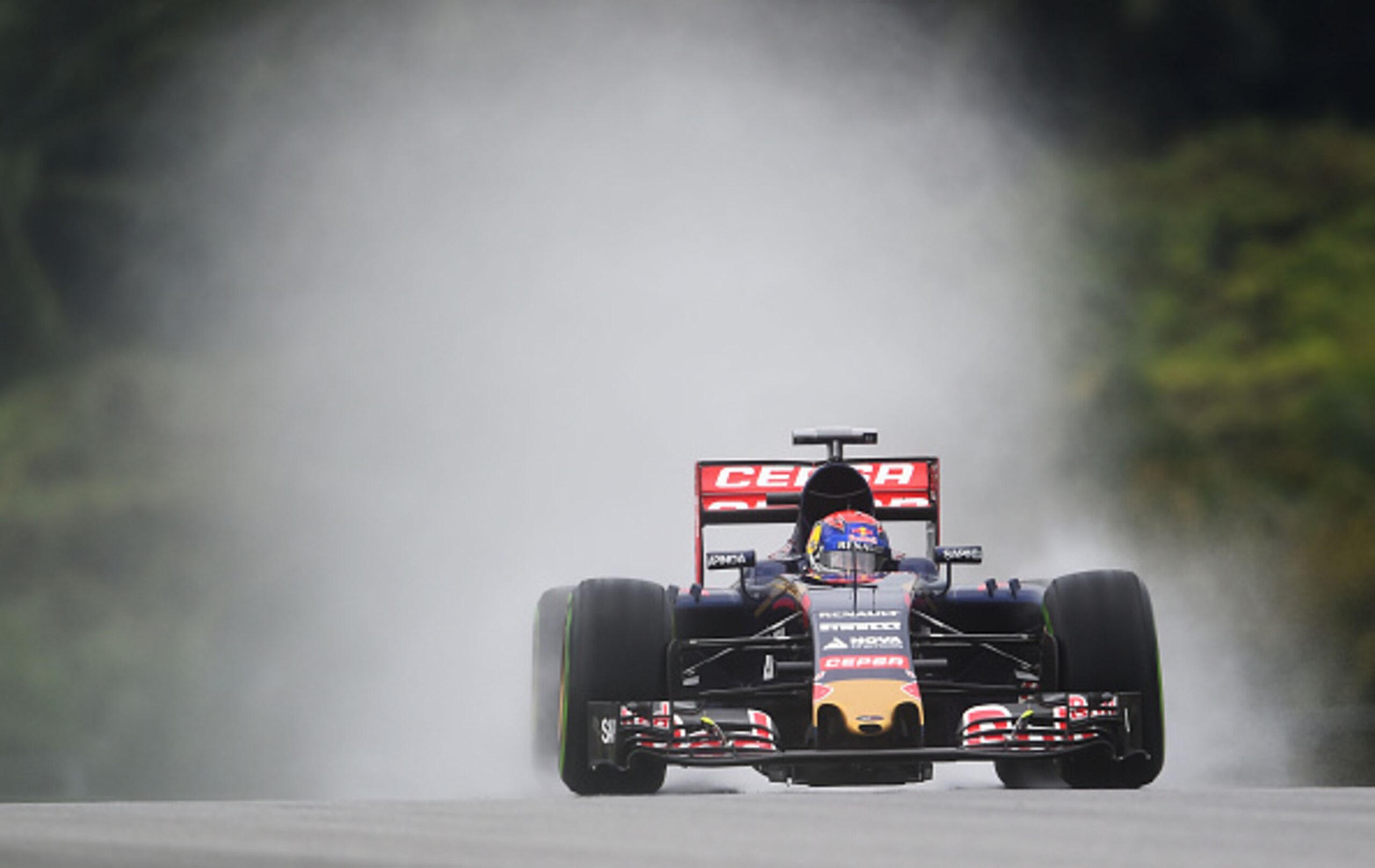
In the fight for single-lap supremacy at Toro Rosso, Carlos Sainz Jr. has tended to have the upper hand.
The score so far is 4-2 in the Spaniard's favour—4-1 if we only take dry sessions into account. Sainz has four Q3 appearances to Verstappen's three and a best starting position of fifth; the Dutchman's best is sixth.
It's difficult to say whether Sainz has been overperforming or Verstappen underperforming. Maybe it's a bit of both, but the temptation is to say it's more of the latter. The STR10 is a good car that deserved to be in Q3 at most of the circuits we've visited so far.
Sainz has done that more often than not, while Verstappen has fallen short.
But the gaps between the two have not been large—their average grid positions have been 9.83 for Sainz and 10.33 for Verstappen—and the youngster's excellent wet-weather sixth in Malaysia deserves special attention.
A C seems fair here—not bad, but with plenty of room for improvement in the dry.
Race Pace: B
2 of 5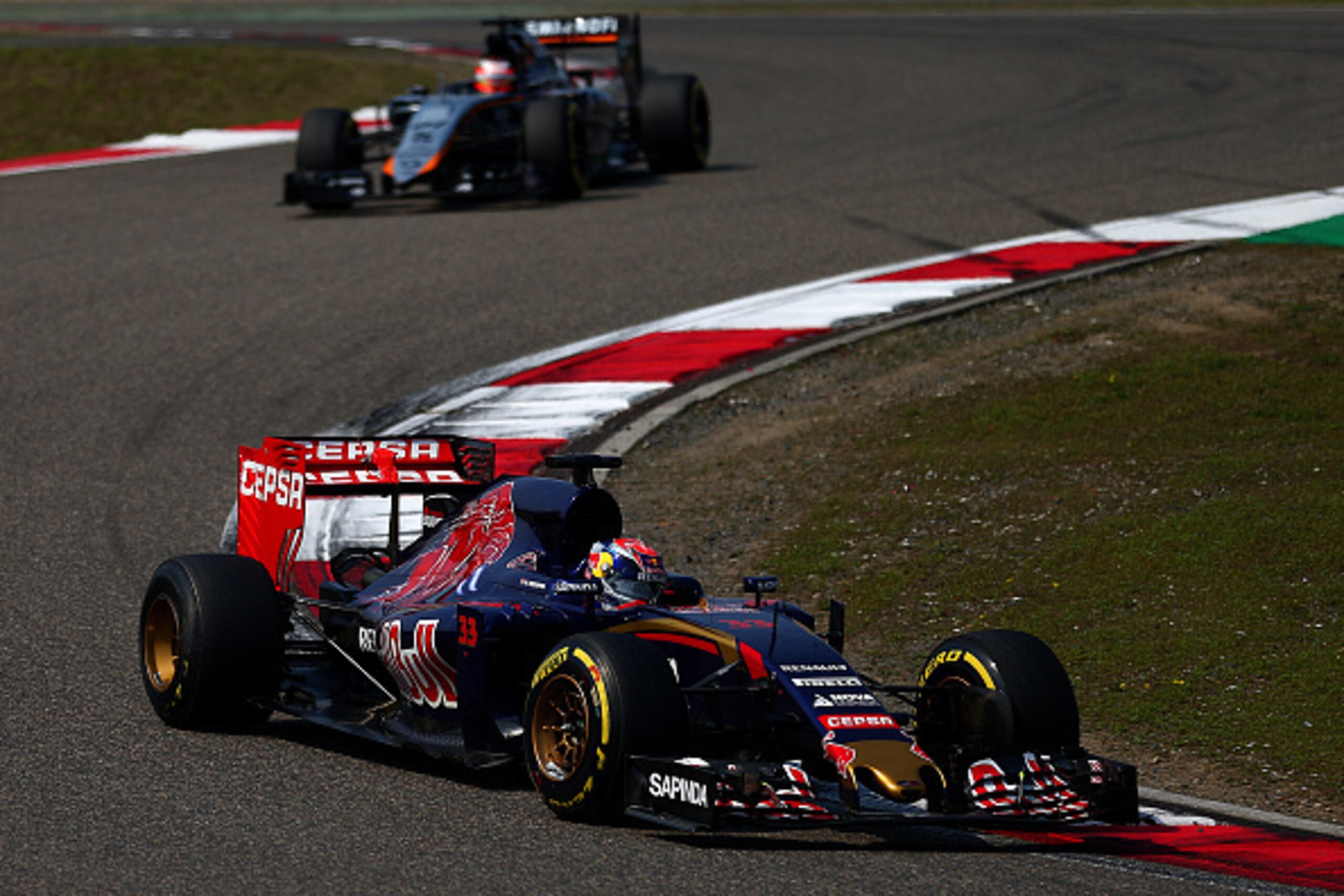
Verstappen has six championship points and lies 14th in the standings. The plain statistics suggest that's a very poor return from a car that has looked capable of scoring points at every race so far, but with better reliability, he'd have more than double his current total.
An almost-certain points finish at the opening race was taken away by an engine failure; another engine problem stole eighth from Verstappen in China.
He was also forced to retire in Bahrain, where he was running well out of the points following a lengthy pit stop due to front-wing damage.
Verstappen's race pace has more than made up for the small qualifying deficit to Sainz. Where both have been running, the Dutchman has been ahead for 197 laps—Sainz for just 98 laps, per F1 Fanatic.
But as with qualifying, there's still some room for improvement—so we award Verstappen a B.
Tyre Management: B
3 of 5
Looking after and getting the most out of the fast-wearing Pirelli tyres was expected to be a major challenge for Verstappen, as he had only previously raced cars with solid and dependable Hankooks in Formula Three.
But there's no evidence at all that he's having any more difficulty than the rest of the field. There's no unusually large drop off in pace toward the end of his stints, and he doesn't make more stops than the other drivers.
In the races he looks equal to Sainz, who is himself doing a fine job. But perhaps Verstappen is yet to get on top of the tyres over a single lap—he blamed his below-par Monaco result on failing to switch the rubber on when he needed it, per GP Update.
Another B seems right here.

.jpg?w=2560 "Cardinals Giants Football")

Overtaking: A-
4 of 5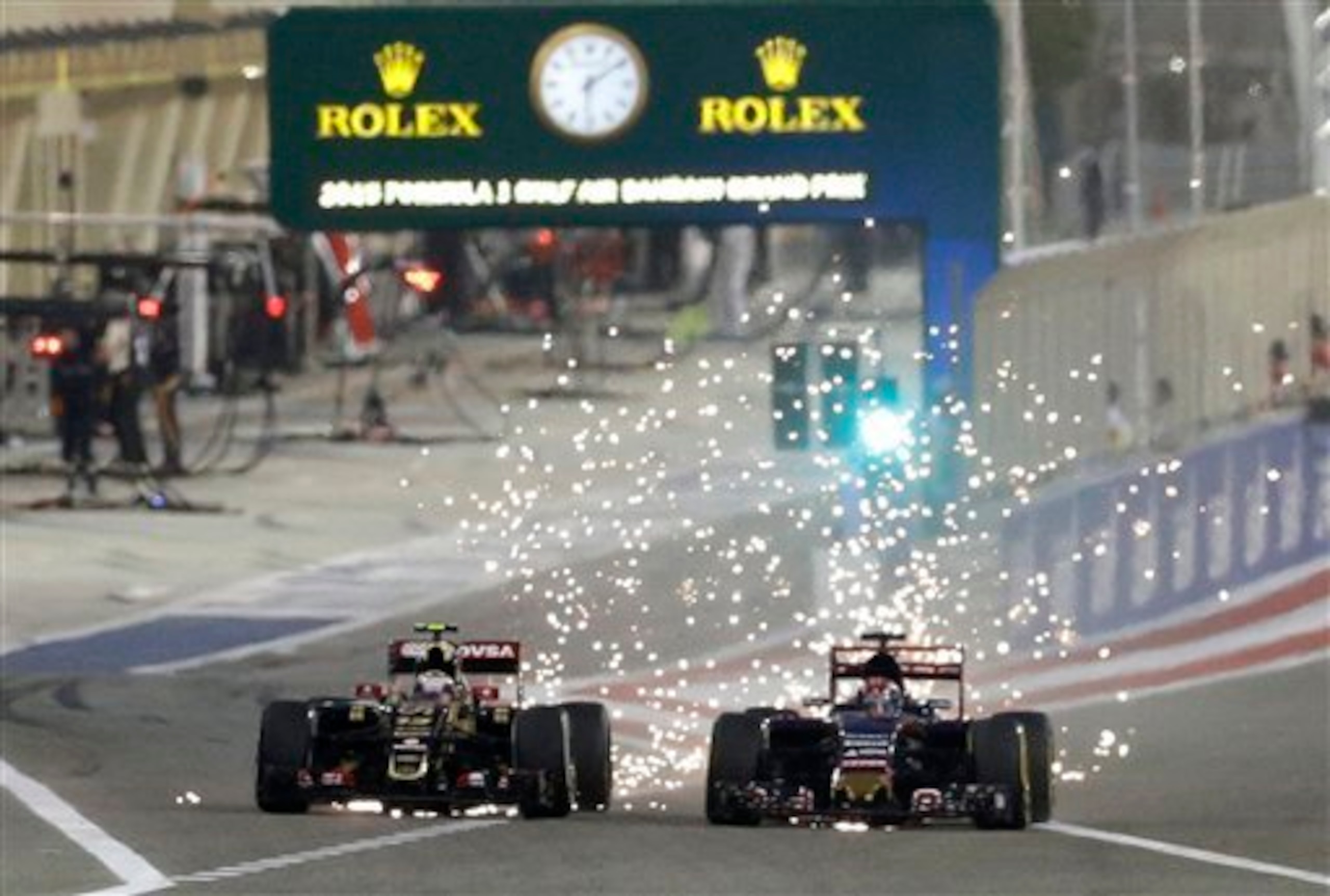
It doesn't matter how good your race pace and tyre management are if you can't stick one down the inside of slower cars—and this is the area in which Verstappen has truly excelled.
We got the first real hint of his abilities in Malaysia, where he cleanly overtook Daniel Ricciardo around the outside of Turn 1. Later in the race he produced a very impressive piece of late braking, mated with excellent car control, to pass team-mate Sainz with nine laps to go.
Then came China, where Verstappen pulled off three truly special moves to dispatch the two Saubers and Sergio Perez. This display moved Sky Sports F1's Martin Brundle to offer the view that Verstappen was "showing all the hallmarks of a Senna, of a Schumacher in my view."
But as much as he deserves praise for the ones he has got right, Verstappen has also made mistakes in this area—most notably at the last race in Monaco, where he ran into the back of Romain Grosjean.
Verstappen blamed Grosjean for braking early, but the stewards found the Dutchman solely to blame. Information released by Lotus trackside operations director Alan Permane confirmed the Toro Rosso man was at fault.
Overall we have to award an A for the good stuff—but it's appended with a minus for the bad.
Overall: B
5 of 5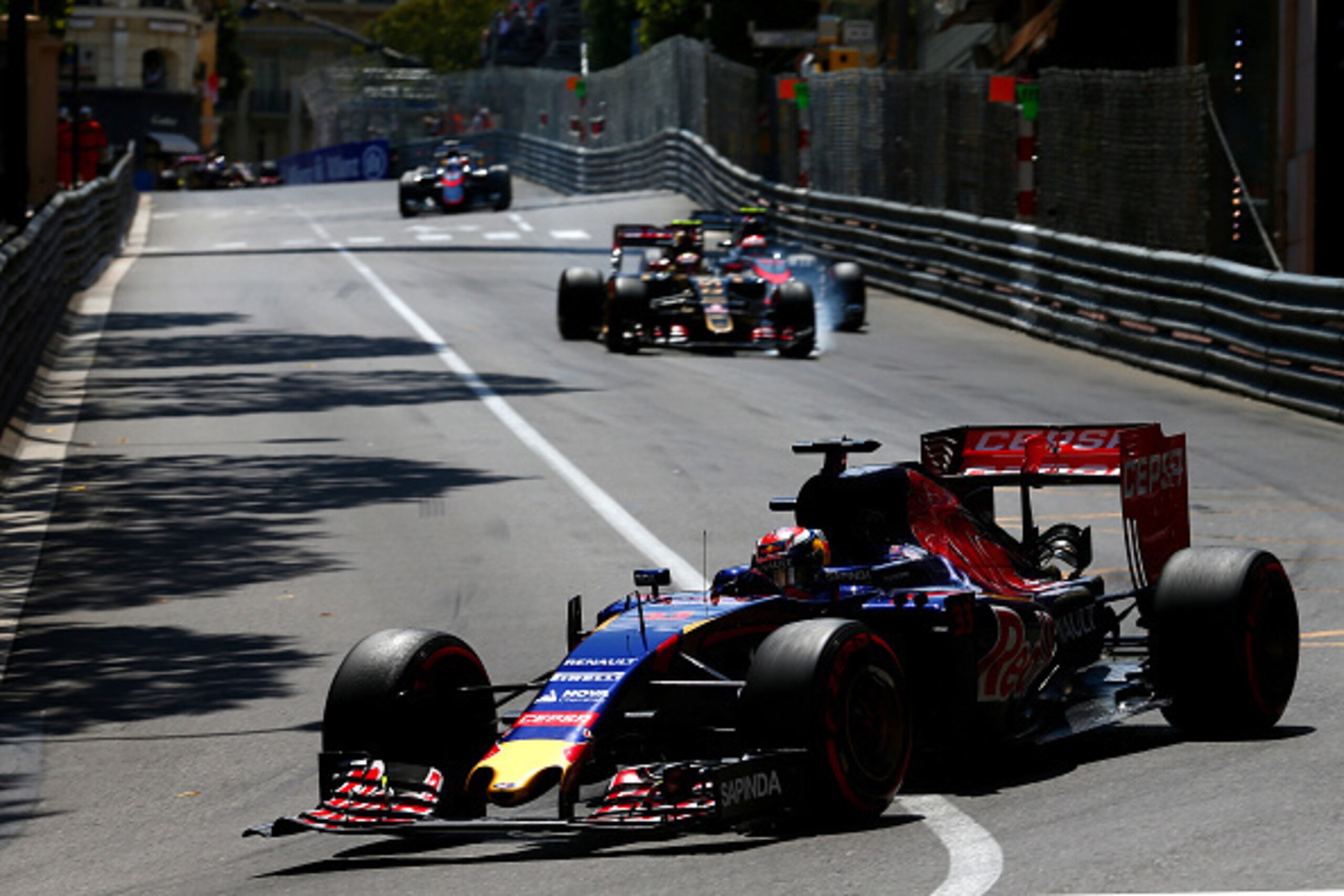
What stands out about Verstappen is that he doesn't stand out. Parked on a grid containing the likes of Fernando Alonso, Lewis Hamilton, Sebastian Vettel and Daniel Ricciardo, Verstappen is just another driver.
Mute the sound and ask even the most skilled psychologist, most experienced driver or most dedicated racing fan to point out the 17-year-old and, unless he watched F1, he wouldn't have a clue.
There are aspects that need improving, but this is true for any rookie—and Verstappen is already demonstrating signs of a car-control ability many of his more experienced peers do not and never will have.
Rated as a 17-year-old, he's a straight-A student.
But rated as he deserves to be rated—simply as a racing driver like any other—a B is a fair overall score.
Timing, qualifying and race data used throughout sourced from the official F1 website, the FIA and Keith Collantine's lap charts at F1 Fanatic.
.jpg?w=2560 "Hill Injury Update Football")
.jpg?w=2560 "Titans Giants Football")
.jpg?w=2560 "Tyreek makes another cryptic post amid Chiefs rumors")



