

F1 Data Analysis: How Quickly Are McLaren-Honda Improving?
It was always going to be a struggle for McLaren this year, taking on a new engine manufacturer one year after Formula One introduced its new V6 hybrid power units.
Yes, Honda had an additional year to observe the other manufacturers and develop their engine, but they were also missing a year of on-track data and race experience. Through four races in 2015, those deficiencies have manifested themselves in McLaren's inability to score a point—the only team other than Manor (using a modified 2014 chassis and engine) yet to to so.
The key question for McLaren is: How quickly can they improve? By comparing some of the lap times from the first four grands prix, maybe we will be able to quantify that improvement—even if it is not always apparent from the final race results.
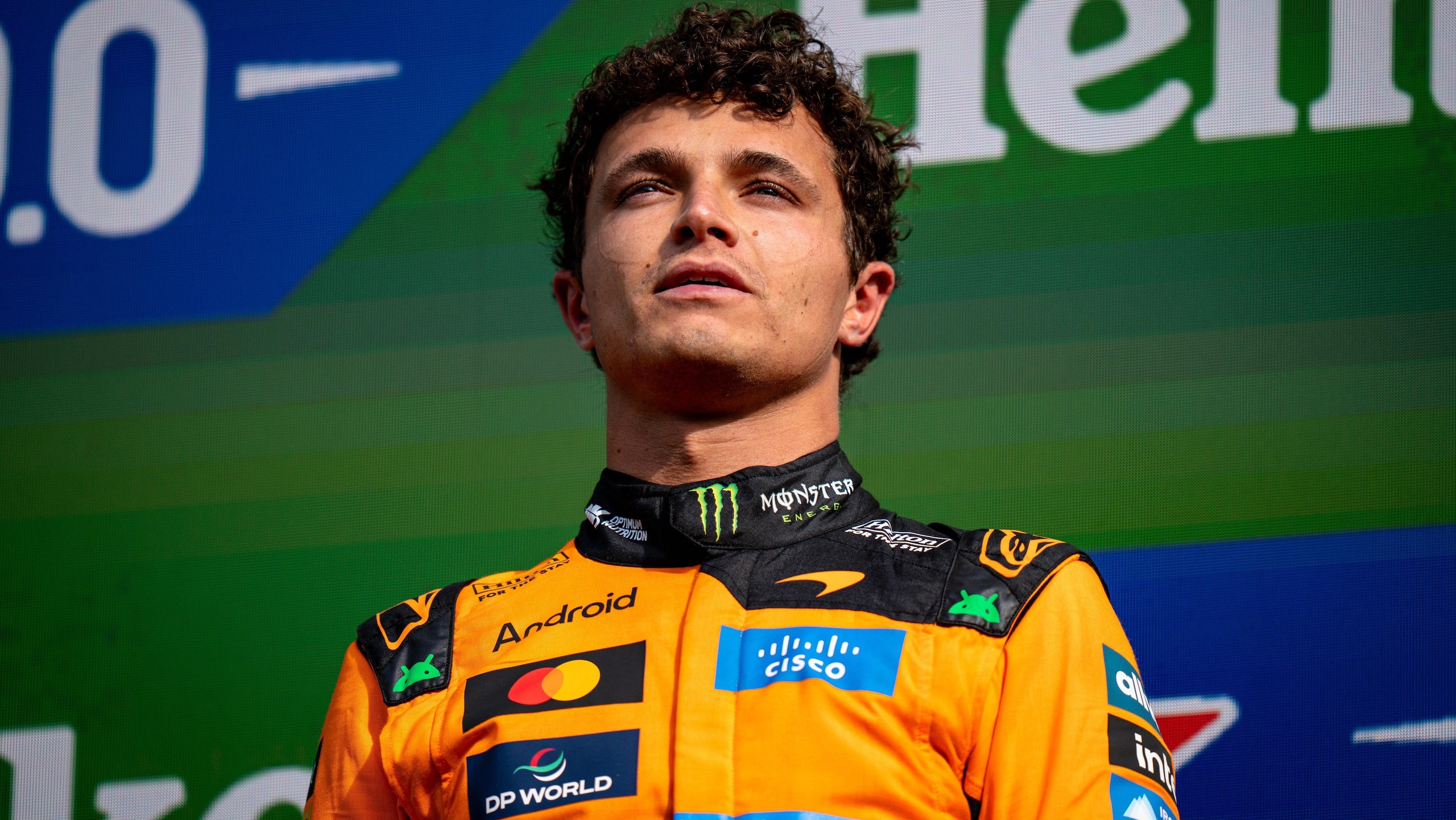


For example, a McLaren has twice failed to make it to the starting grid this season: Kevin Magnussen (filling in for an injured Fernando Alonso) in Australia and Jenson Button last weekend in Bahrain. To put that in perspective, the last time McLaren had two 'Did Not Start' results due to car problems in the same season was 1969, their fourth year in F1.
The team also suffered a double-retirement in Malaysia.
Ironically, McLaren's best results this year also came in Australia and Bahrain—the races where one car did not make the start—where Button and Alonso each scored an 11th-place finish.
Because the team missed so much preseason testing, though, these early races are acting as an extended test session for the team. McLaren have long been targeting the Spanish Grand Prix, the next race, as the one where they would truly be able to battle, at least among the mid-field teams.
Last weekend, per the BBC's Andrew Benson, Alonso said:
"In Barcelona we should see a good step and from that moment we can start enjoying races and doing a normal development phase. This year we started very low but we hope to finish very high.
Hopefully in Barcelona we can enjoy the race a bit more, but when we will fight with the top guys is more long term.
"
In addition to Alonso's almost-top-10 finish, the Bahrain race marked McLaren's best qualifying performance of the year, with the Spaniard making it into Q2 for the first time. After the frenzy of the early fly-away races, the extra week before the Spanish Grand Prix and its close proximity will allow the team plenty of time to develop the MP4-30.
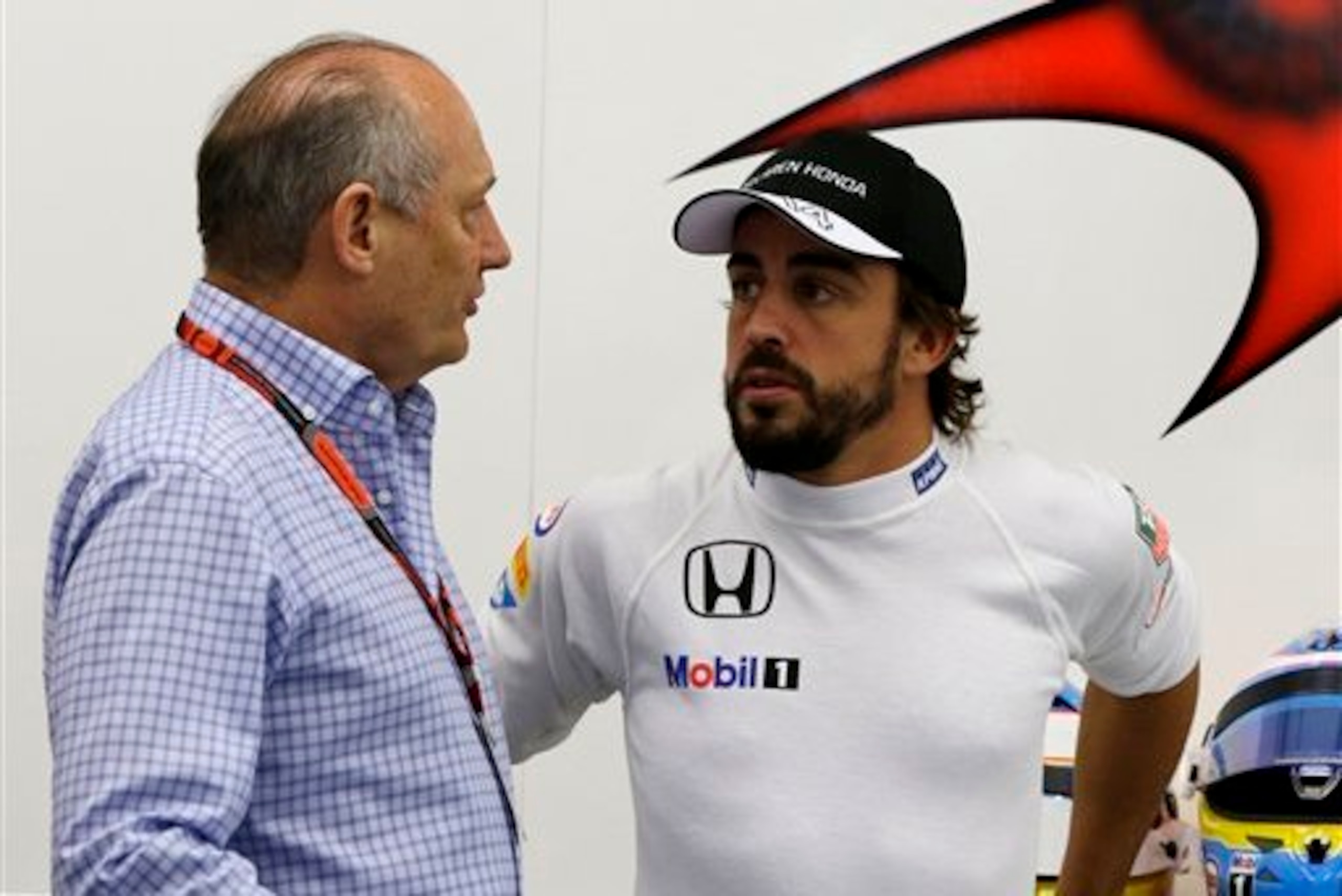
Looking back at the first four grands prix, though, what can we say about McLaren's improvement? Here are the gaps between the best Q1 qualifying laps for McLaren and the worst for the other teams (excluding Manor):
| Gap | +0.046 seconds | +0.328 seconds | +0.060 seconds | -0.595 seconds |
It is not a linear progression, with a much larger gap in Malaysia than in Australia or China, but the improvement in Bahrain is clearly evident. It was not only the first time a McLaren made it to Q2, but the first time they out-qualified anyone other than Manor.
In Spain, could a McLaren make it into Q3? Alonso would have needed to improve his best Q2 lap by almost a full second in Bahrain to have made it to the final qualifying session. In F1, that is a huge amount of time to make up.
Comparing McLaren's fastest lap with the overall fastest lap from each race, there is not the same indication of improvement:
| Gap | +2.393 seconds | +3.994 seconds | +1.520 seconds | +2.681 seconds |
In the end, though, being able to turn in one fast lap in qualifying or in a grand prix is not nearly as important as being able to produce consistently quick laps over a full race distance. In that respect, McLaren have clearly improved, at least relative to the cars they will be fighting in the mid-field this year.
Whereas Button finished a full lap behind 10th-place man Sergio Perez in Australia, Alonso was only four seconds away from Felipe Massa in the final point-scoring position in Bahrain.
Another jump in performance could result in McLaren scoring in Spain, but it is even more likely at the race after that, in Monaco. Last year, only 14 cars finished the race around the tight streets of the Principality. If a similar battle of attrition occurs this year, Alonso and Button will not have to worry about out-racing other cars—they will just need to keep their own out of the barriers.
All timing statistics in this article are taken from the FIA's official timing data.
Follow me on Twitter for updates when I publish new articles and for other (mostly) F1-related news and banter:
.jpg?w=2560 "Falcons Buccaneers Football")




.jpg?w=2560 "Jets RB Taken To Hospital")
.jpg?w=2560 "Grading Every Team's Season 🔠")