Sixers' Losing Ways Bound to Leave Scars on Players, Stunt Their Development
The Philadelphia 76ers aren't the first historically bad NBA team. They're not even the first NBA team to be bad by design. Where the 76ers, who finally gained their first win of the season Wednesday against Minnesota after an 0-17 start, are separating themselves is by believing they can take the detritus of losing and eventually mold a successful team from it, that being awful is as easy to shed as changing into a fresh shirt.
Almost all of those who have worn the stench of a staggeringly awful season beg to differ.
A former player who broke in with the Los Angeles Clippers in the 1990s and requested anonymity for fear his comments may hinder his ability to work in the league said, "You get associated with losing when you're a young player in a situation like the one in Philadelphia and people look at you differently. I truly believe my whole career could've been different if I'd started with a winning team. I was going to be a role player wherever I went, but I saw players with the same talent who went to winning situations and everything was different. They had a much easier time getting jobs after they stopped playing. You don't want to be associated with losing.
TOP NEWS
Dubs to Sign Ex-Mavs Guard
Jayson Tatum's dad blunt about Celtics roster
Offseason Overreactions for Every Team 🫨
"The problem with the Philadelphia situation is that you're teaching your best up-and-coming players how to lose. They're not learning how to win. Five years from now we'll see how this works out."
Few know of the extreme ends of the win-lose spectrum better than former point guard Derek Harper. His 17-year career included an escape by trade from the worst team in the league, a 13-win Dallas Mavericks' squad, to a New York Knicks' one that would go on to the 1994 NBA Finals. He only had to endure a 2-26 start with the Mavs before his rescue, but the previous year he was around for every bit of an 11-71 campaign. It left far more of an impression on him than any of the 10 seasons that resulted in playoff appearances.
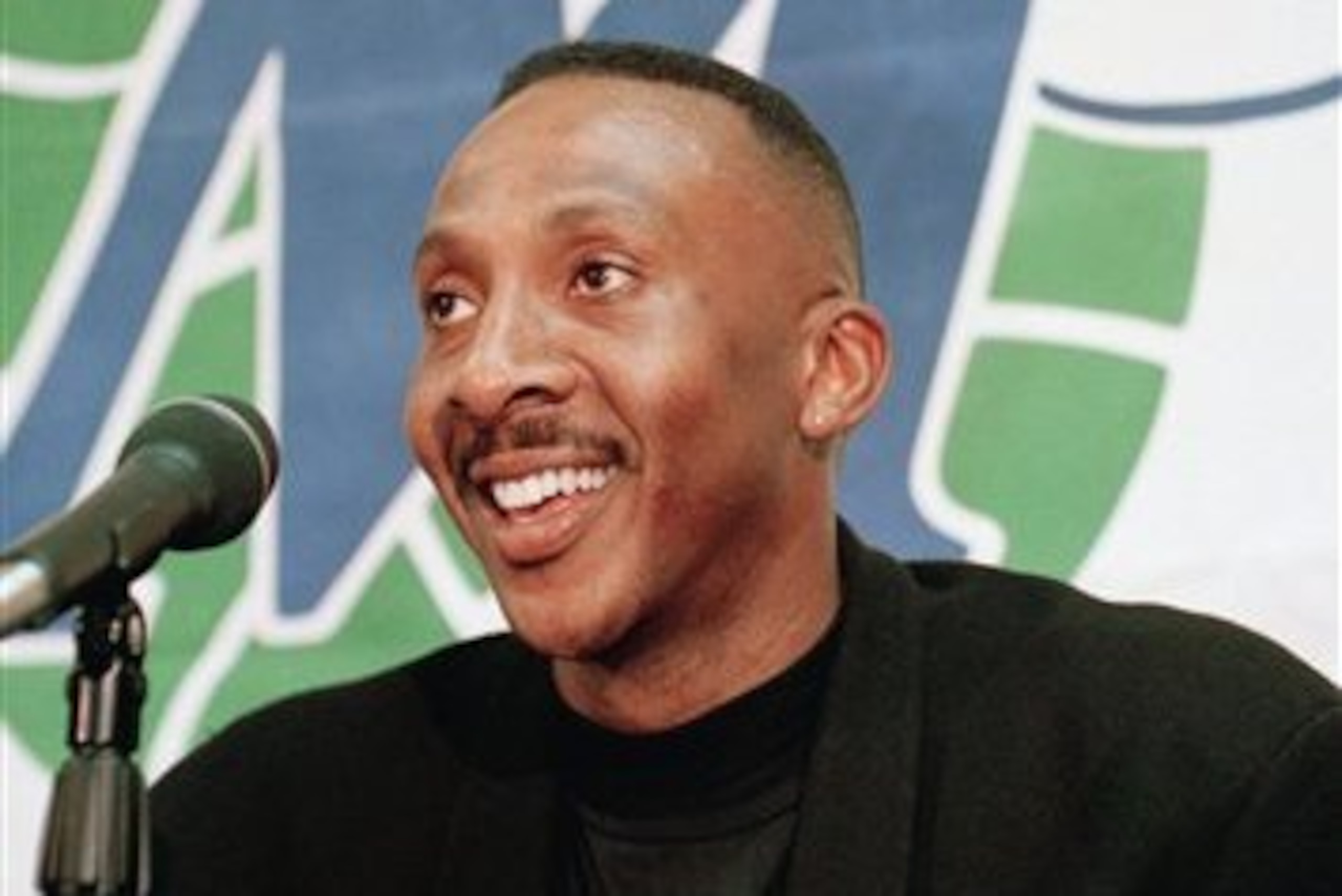
"I remember it like it was yesterday and I wouldn't want to ever go through it again," Harper said. "With all due respect to the Philadelphia management, you've given in to being bad, and what they're not taking into account is the damage done to the psyche of people bred to compete, particularly young players. It's not a fun atmosphere when the people who clean the arena are laughing at you. When you put that vibe out there that you're losing on purpose, it's detrimental, that's the only way I can say it."
Harper believes he survived, in part, because that awful stretch in Dallas wasn't his introduction to the NBA. He arrived a decade earlier, had already been part of six playoff-caliber teams and learned what a successful work ethic truly was before discovering how losing seven out of every eight games for six months felt.
"Veterans know how to work themselves out of a bad situation," he said. "Young players fall prey to 'We're just bad.' When young players come into the league, I don't think they realize the urgency you have to have to get better. In losing situations, there's a tendency to get to practice late and leave early when you really need to be getting there early and staying late no matter what situation you're in."
There's also the issue of daily competition. Chances are on a bad team the talent level inherently diminishes the level of competition in practice or for playing time. Playing in close games affords a different level of physical and mental conditioning as well. The Sixers' state of affairs is that there aren't even veterans on the roster of Harper's caliber.
"When I was traded to New York, I personally wasn't even in shape," Harper said. "It wasn't on purpose. You don't know if you're working hard enough. In most cases like that, you're not working as hard as you think you're working."
Harper, who is an analyst for the Mavericks' television broadcasts, made a point before a recent Mavericks-Sixers game to see how the Sixers' players were dealing with an atmosphere he knew all too well.
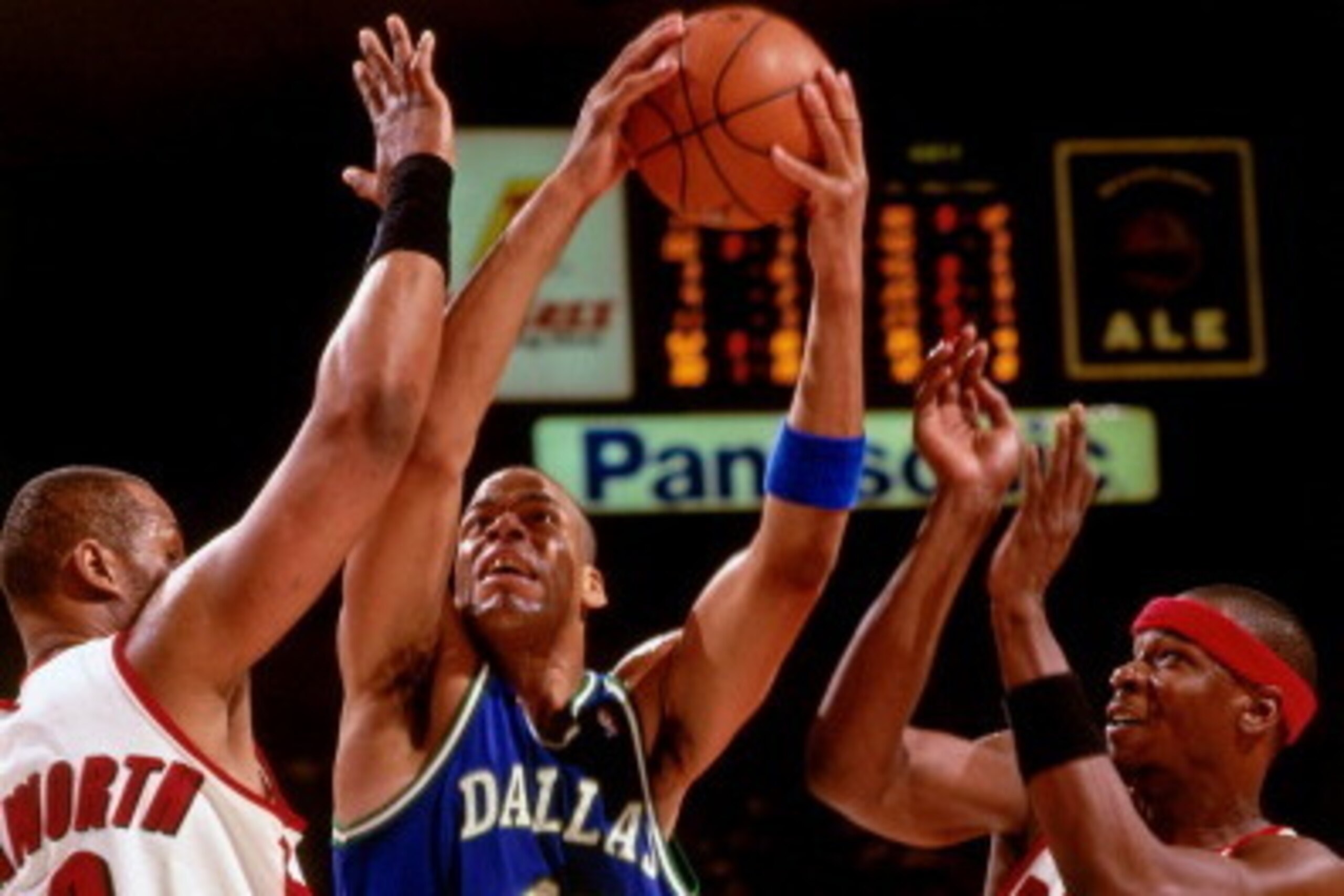
"I got there early to watch them warm up," he said. "The young kids worked their butts off. The coaching staff is working. They were all working at their craft. And they do play hard. They've been in games. But there's a difference between working hard and understanding the nuances of winning games. Some of their young players are picking up bad habits. Winning breeds confidence and losing breeds the opposite."
The starting rookie center on the '93 Mavericks was Sean Rooks, who went on to play 12 NBA seasons, although only the first two in Dallas before being dealt to Minnesota. (He'd return for a one-season stint in Dallas later.) Credit the 76ers for hiring him this season as a player development coach to share what he knows about not allowing a losing atmosphere to affect personal growth. He doesn't believe a young player has to emerge from a bad team as damaged goods.
"I was hungry and very focused on fitting in with my team," Rooks said. "My passion always came from wanting to compete against the next level. It drove me through that year. Not everybody has that mentality."
The difference Rooks sees in the league overall between when he entered and now is that players are coming in so young and undeveloped. Rooks played four years at Arizona and had to work his way to stardom at that level first. Many NBA scouts and GMs believe the prolific number of games on the AAU circuit also have conditioned players coming into the league to put less importance on winning and losing, creating a double load for those charged with developing them.

"You're not only teaching [them] how to win, you're teaching them the game," Rooks said.
LaPhonso Ellis was a six-year veteran on the 1997-98 Denver Nuggets, who also won 11 games. Much like the Sixers, whose oldest active player is Luc Richard Mbah a Moute (28), the Nuggets were on a youth movement with five rookies on the roster, including three first-round picks: Danny Fortson, Tony Battie and Bobby Jackson. Ellis was battling back from a ruptured Achilles tendon and Eric Williams suffered a season-ending knee injury. There wasn't a concerted effort to be the worst team in the league; it simply worked out that way. "I don't understand that approach," Ellis said. "That's why a guy like Michael Carter-Williams has to get out of there."
Carter-Williams may not have to worry about that. Fortson, Battie and Jackson, much like Rooks, all went on to have fairly long careers in the NBA; they all did it, though, someplace else. The aforementioned anonymous Clippers player was part of the '93-94 squad that lost 20 games in a row. The streak ended with a game-winning shot by Pooh Richardson against the Milwaukee Bucks. "I remember that shot, and I almost tongue-kissed Pooh for hitting it," the former Clipper said. "But I don't see Philly having that kind of pressure. We were trying to win. When I see them play, I don't see that sense of urgency."
As hard as the start to this season has been for Philadelphia, every former player interviewed said the greatest challenge lies ahead, when the losing weeks turn into months. "As the season rolls on, that's when you're tested," Rooks said. "That's when you have to keep it professional."
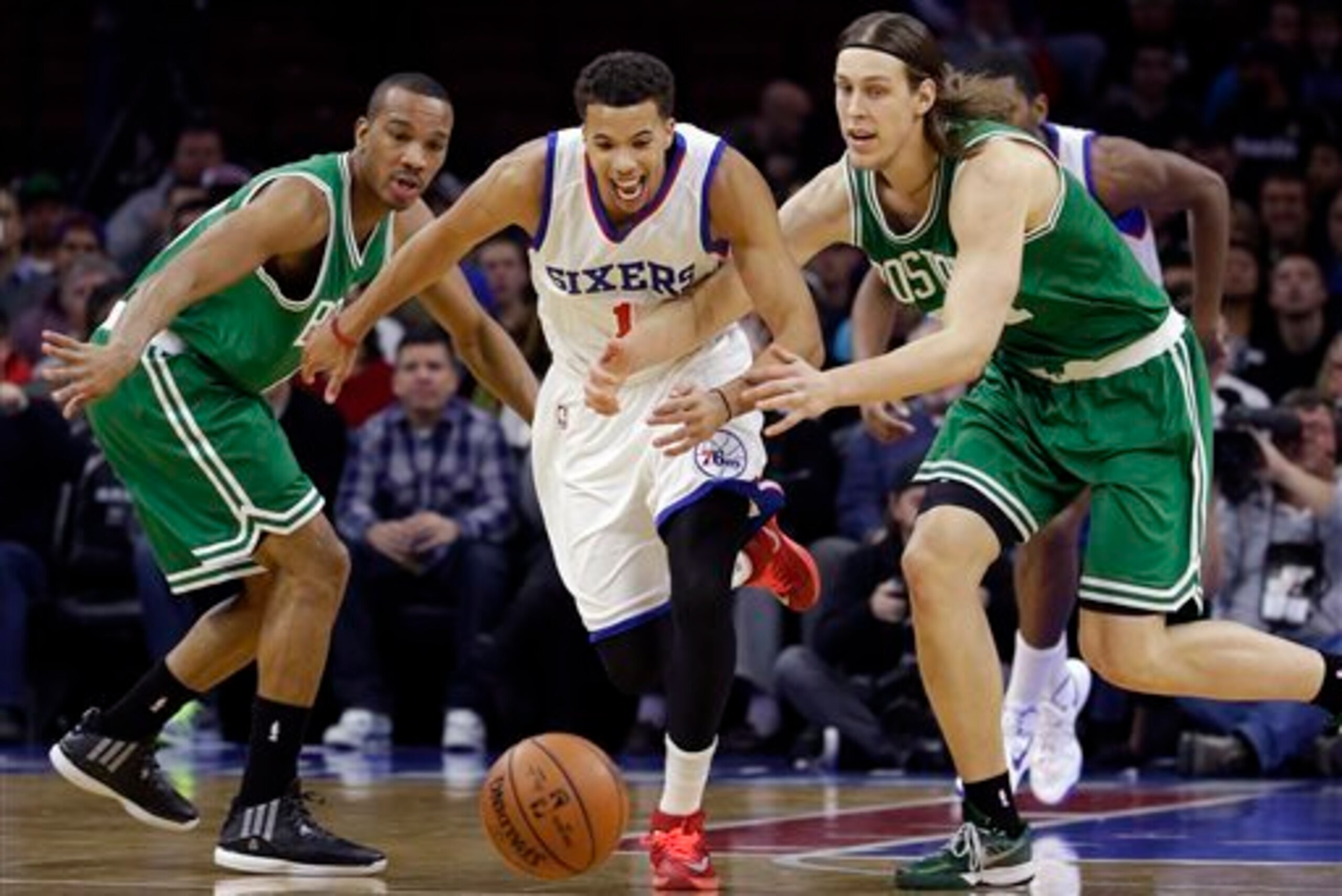
There wasn't much of that with the Clippers. "Guys had made flight arrangements before the last game," the former Clipper said. "Guys were leaving on red-eyes. They couldn't wait to get out of there. But I don't think the Philly guys are feeling it yet. Let it get to January. You don't want to be connected with the worst record ever. That's when the pressure comes."
Another member of the Nuggets' 11-win team who also requested anonymity vividly remembers the relief of avoiding the 1973 76ers' all-time worst record of 9-73. "I remember celebrating," he said. "You just don't want to be part of a record like that."
Dubious records aside, the reality is that if history is any indication, a good number of the players suffering in Philadelphia now will not be around when the good times roll. Some may also be forever inhibited from experiencing good times anywhere.
"This is going to sound strange to some people, but I'm not proud that I played in the NBA that much," said the former Nugget. "Not with the teams I was on. That's why, if I have any advice for the Philly guys, it's to get out of there as fast as they can."
Ric Bucher covers the NBA for Bleacher Report. Follow him on Twitter @RicBucher.




.jpg?w=2560 "Joey Porter Jr. Trade Packages 📦")

.jpg?w=2560 "Players with Shocking Career Earnings 😳")