

USA Grand Prix 2014: 10 Key Facts About Austin Circuit
The Circuit of the Americas in Austin, Texas, will this weekend host the United States Grand Prix, the 17th round of the 2014 Formula One season.
The venue has been a presence on the F1 calendar since 2012 and has very quickly become one of the most iconic tracks in the sport, presenting a challenge for drivers, a conundrum for teams and producing an exciting spectacle for onlookers.
Despite its obvious appeal, grands prix at the Circuit of the Americas have been played out against a relatively meaningless backdrop thus far, with Sebastian Vettel arriving at the 2012 race with one hand on the crown and starting last year's event with the championship already in the bag.
There will be no repeat of that in 2014, with the title battle between Lewis Hamilton, a two-time winner on US soil, and Nico Rosberg, his Mercedes team-mate, still very much alive with just three grands prix remaining.
That will ensure that the United States Grand Prix has all the ingredients to produce a classic, and as race weekend approaches, here are 10 facts about the Austin venue.
Location
1 of 10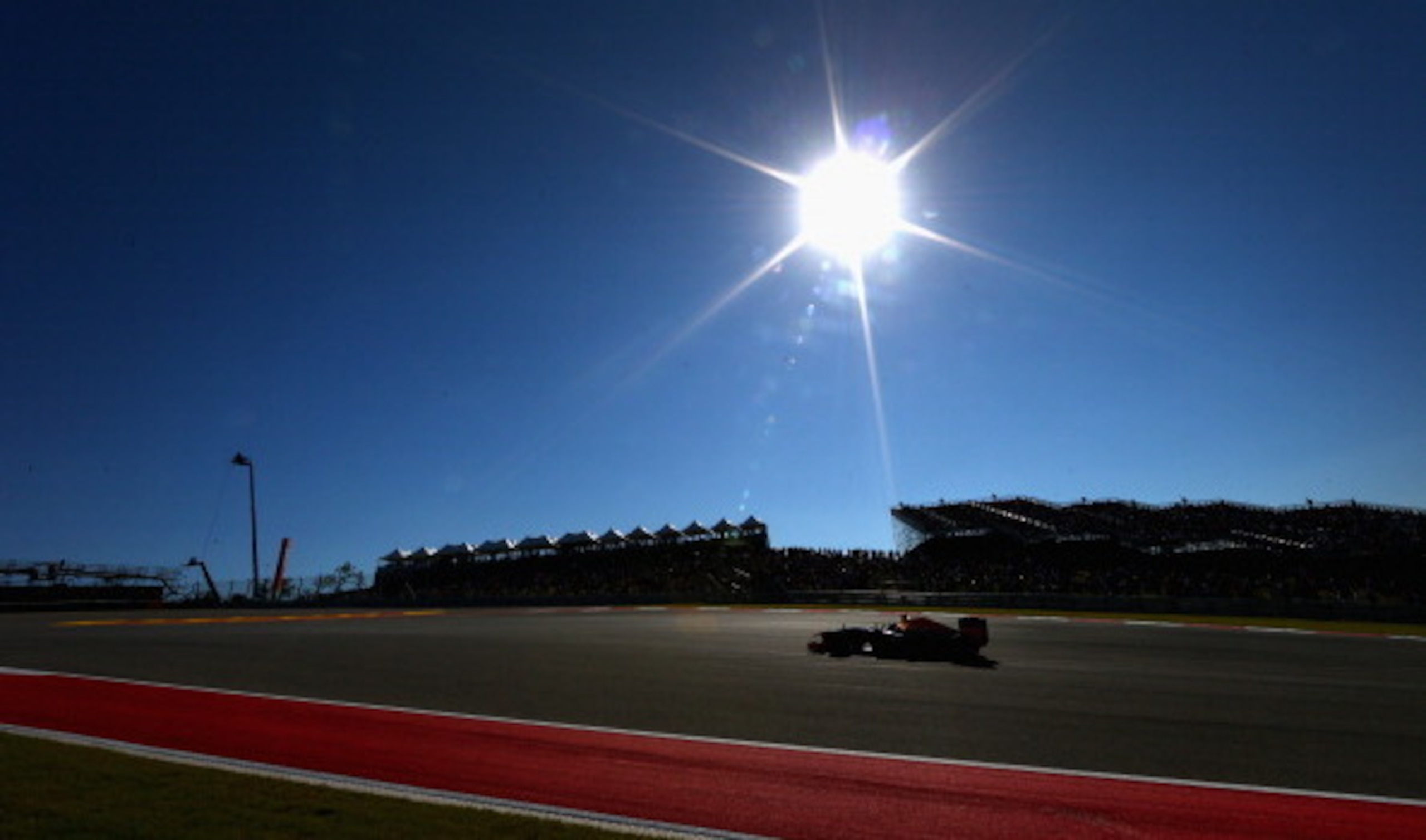
The Circuit of the Americas is located in Wandering Creek in southeast Austin, Texas, and sits around two miles from the Austin Bergstrom International Airport, as per the track's official website.
Texas' close proximity to Mexico means the United States Grand Prix acts as something of a home race for Sergio Perez and his compatriot Esteban Gutierrez, at least until the Mexican Grand Prix returns to the calendar for the first time in more than 20 years next season.
Distance and Lap Record
2 of 10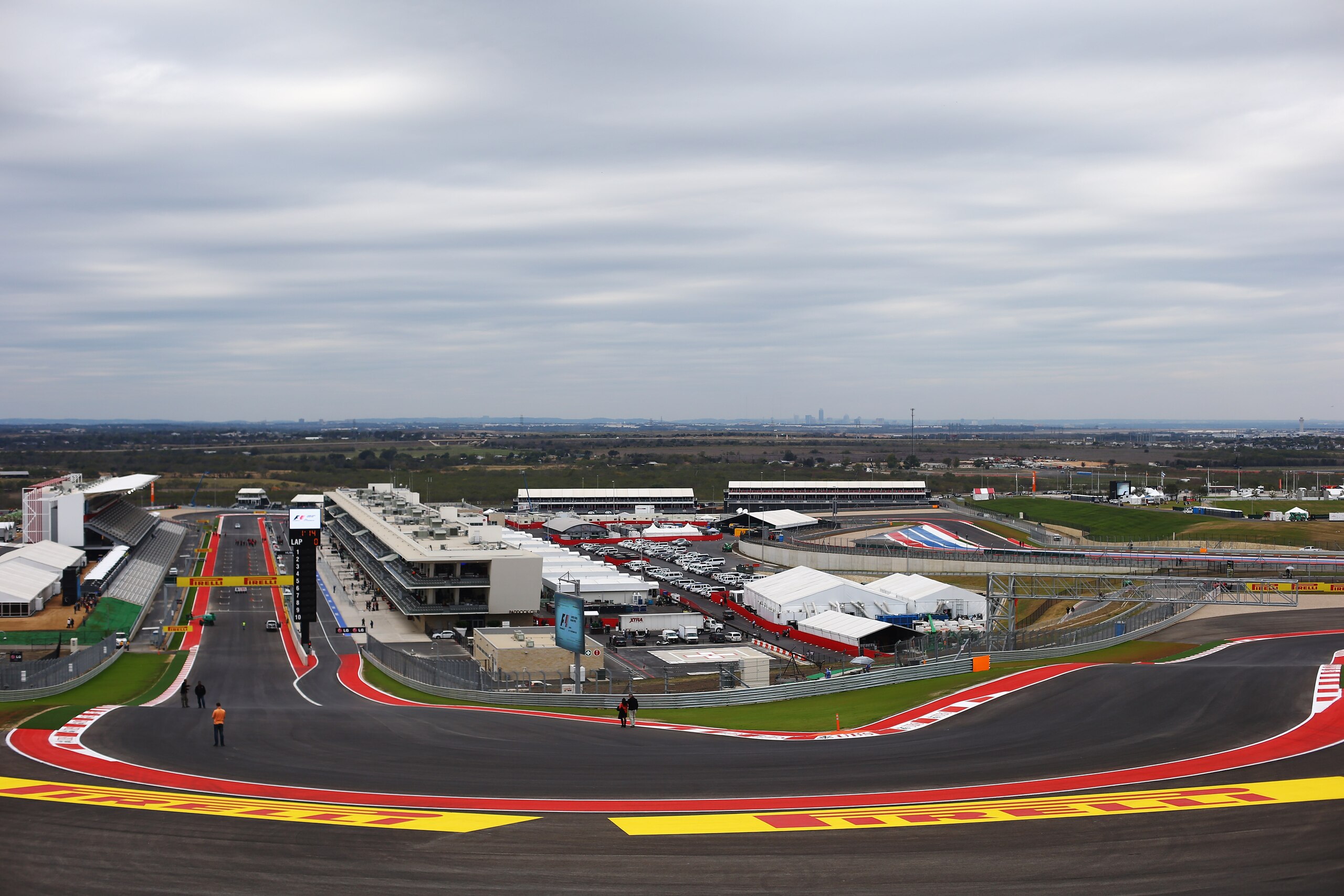
According to the official Formula One website, a single lap of the Circuit of the Americas is spread over 5.513 kilometres, with the grand prix distance of 56 laps seeing cars travel 308.405 km.
The lap record is held by Sebastian Vettel who, despite relinquishing the win to Lewis Hamilton, set a time of 1:39.347 seconds on the final lap of the 2012 event, as per Formula1.com.
Seen That Somewhere Before?
3 of 10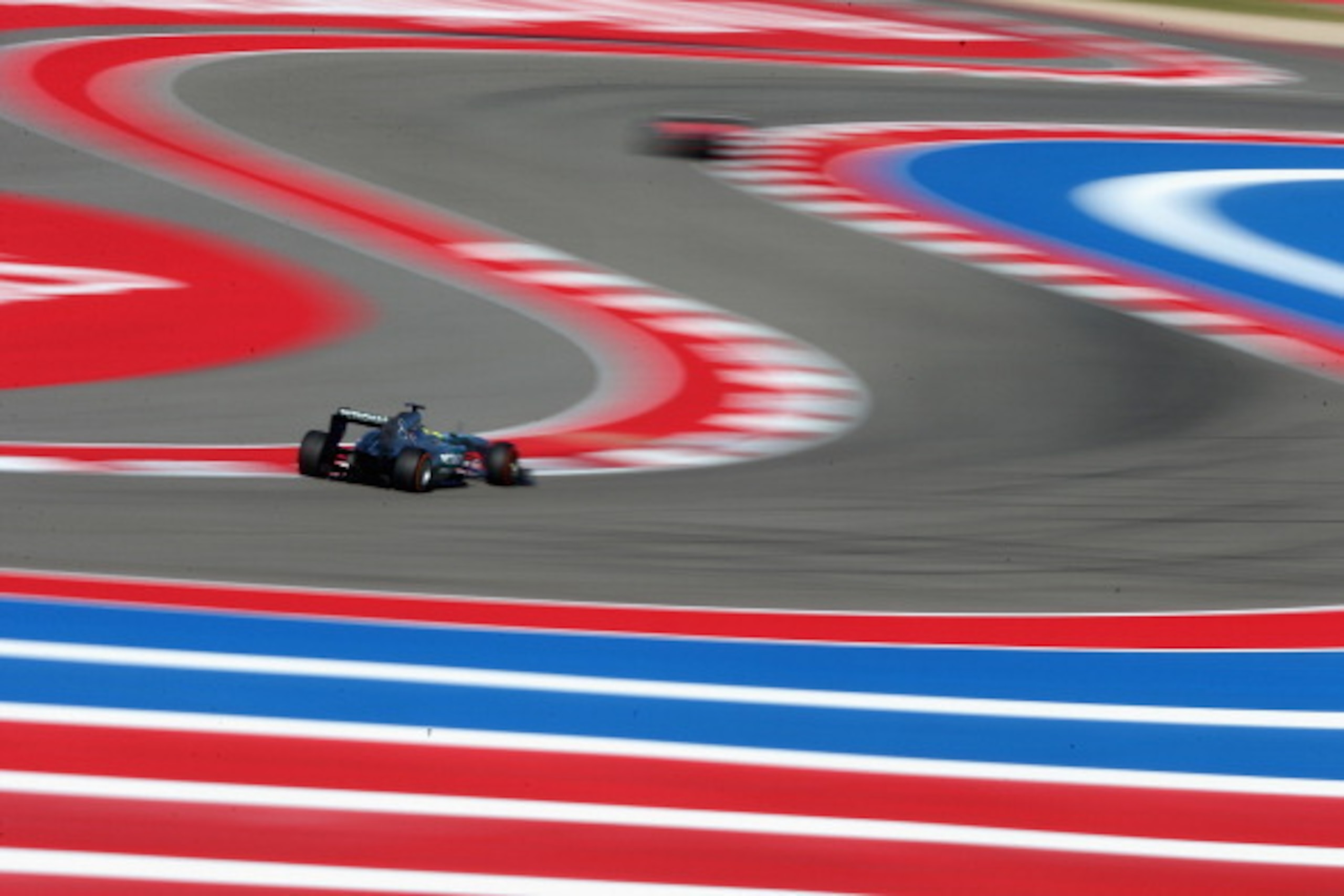
The Circuit of the Americas is widely regarded as the finest track produced by Hermann Tilke, the circuit designer who provided Formula One with the Yas Marina Circuit, the Korea International Circuit and the Valencia Street Circuit.
The main reason behind this is because the latest home of the United States Grand Prix has drawn inspiration from some of the most iconic corners and tracks in motorsport.
The high-speed left-right bends that make up much of the first sector were copied and pasted from Silverstone's Maggots and Becketts complex, while the tight and twisty section that marks the beginning of the final sector resembles Hockenheim's stadium section.
Tilke has even emulated his own tracks, with Turns 16, 17 and 18 effectively a right-handed version of Istanbul Park's Turn 8.


.jpg?w=2560 "Saints Lions Football")
Elevation
4 of 10
The Austin track is defined by its elevation changes, with the run to the first corner, as per the circuit's official website, seeing cars climb 134 feet.
This presents a challenge for the drivers, effectively hiding the apex of Turn 1 until the cars begin to turn towards the left-handed hairpin.
The first corner marks a sharp descent into Turn 2 before the cars gradually rise again to the second most notable elevation change of the lap, Turn 9, from where the cars roll down the hill towards the overtaking opportunity of Turn 11.
Not only is this thrilling for the drivers, it is convenient for the spectators, who can view a number of parts of the lap from a single seat.
10th Time Lucky for F1 in the USA
5 of 10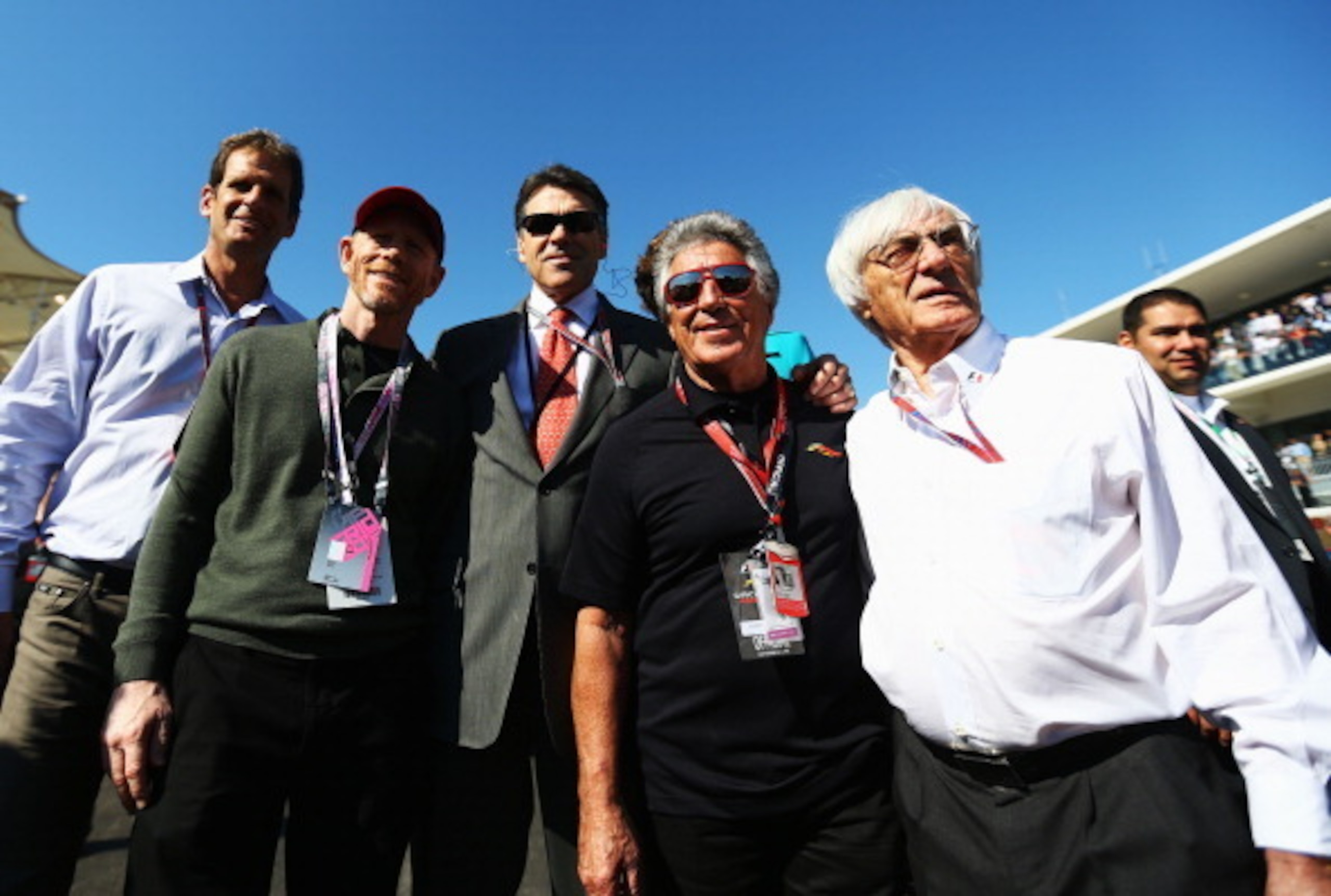
The Circuit of the Americas is the 10th different venue to host the United States Grand Prix.
Formula One's attempts to raise its profile across the Atlantic has seen it visit tracks at Long Beach, Detroit and Watkins Glen over the years, with its popularity reaching an all-time low in the US after a 2005 event which saw just six cars start the grand prix at the Indianapolis Motor Speedway, which hosted its last race in 2007.
The Austin track, in contrast to its predecessors, is the first purpose-built F1 venue in the States and is here to stay, with a deal until 2021 announced in 2010.
Mario Andretti, the 1978 world champion, is an ambassador of the circuit.
Popularity
6 of 10
Despite hosting just two races thus far, the Circuit of the Americas has already established itself as one of the most well-attended tracks on the entire Formula One schedule.
The venue's official website notes that its "three-day attendance in 2013 was 250,325, making it the fourth-highest attendance F1 Grand Prix of the 2013 season."
As per the same source, its Sunday attendance of more than 113,000 people in 2013 was "higher than the race-day attendance of the Monaco, German and Bahrain Grands Prix combined," although that was a slight decrease from the 2012 event, which—according to The New York Times' Brad Spurgeon—took place in front of a crowd of 117,429.
The track's website estimates that "80 per cent of attendees" arrive from outside Texas.
Overtaking Opportunities
7 of 10
The Circuit of the Americas, with its wide track surface, contains two clear overtaking spots, both of which are situated at the end of the two DRS zones.
The hairpin of Turn 1 represents the first opportunity of the lap to make up a position, although the slow left-hand corner at Turn 12, located at the end of the longest straight on the circuit, is arguably the prime overtaking spot.
Forcing drivers into a mistake at the tricky Turns 10 and 19 before nipping past into Turns 11 and 20, the final corner, are also options, while the stadium-esque section also carries potential for overtaking.
Tyres and Setup
8 of 10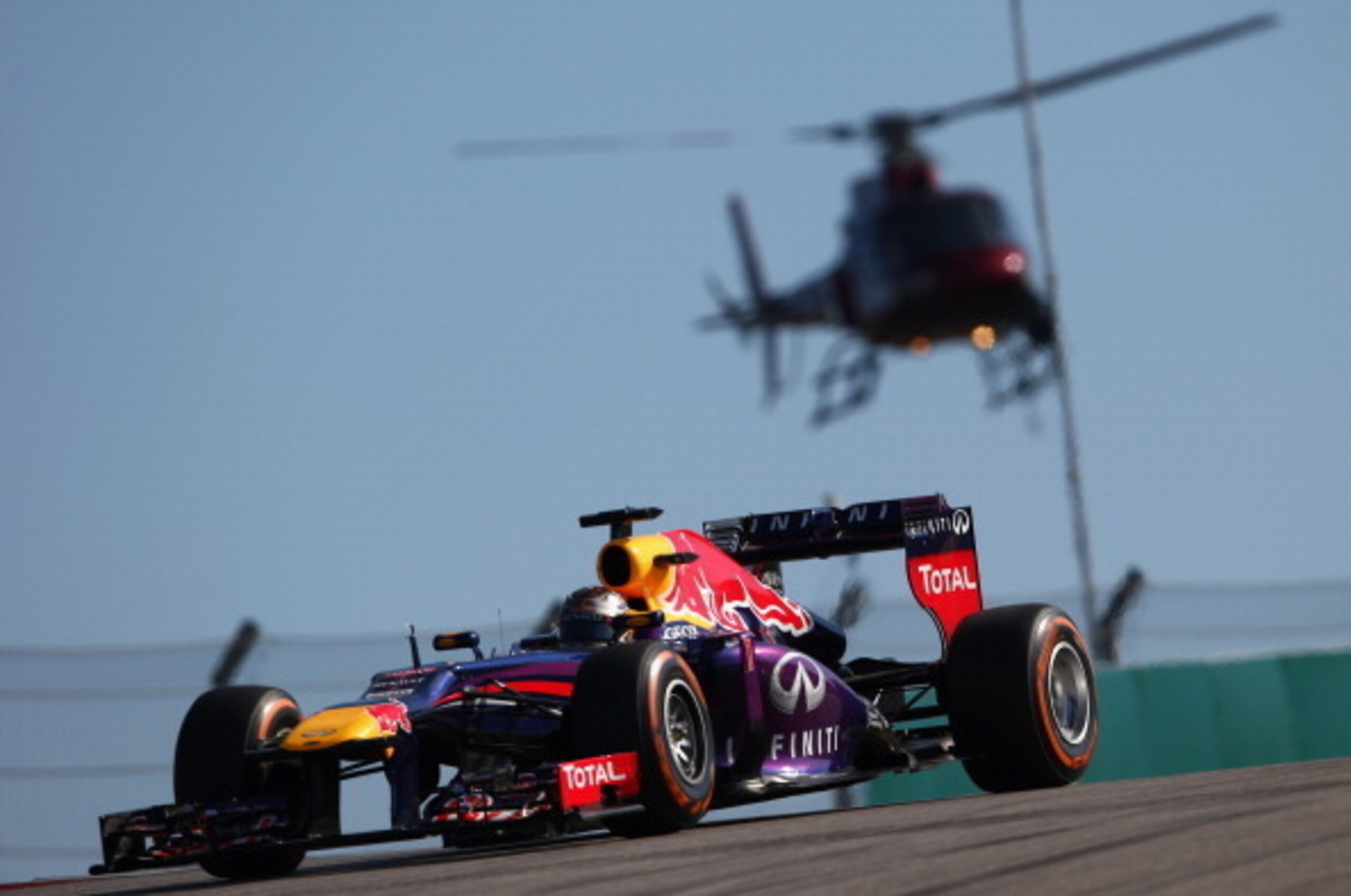
Pirelli's hard and medium compounds were chosen for Formula One's first two visits to the Circuit of the Americas, but the sport's sole tyre manufacturer has opted to take the soft and medium tyres for this year.
As the Italian manufacturer's motor sport director, Paul Hembery, told Pirelli's official website, it is hoped that this move will add a more strategic element to the 2014 race, with two pit stops expected rather than the one-stop strategy that was commonly used in previous grands prix.
The Circuit of the Americas' long straights and mixture of slow and fast corners dictates that teams must compromise their setup.
The Scene of the Fastest Pit Stop Ever
9 of 10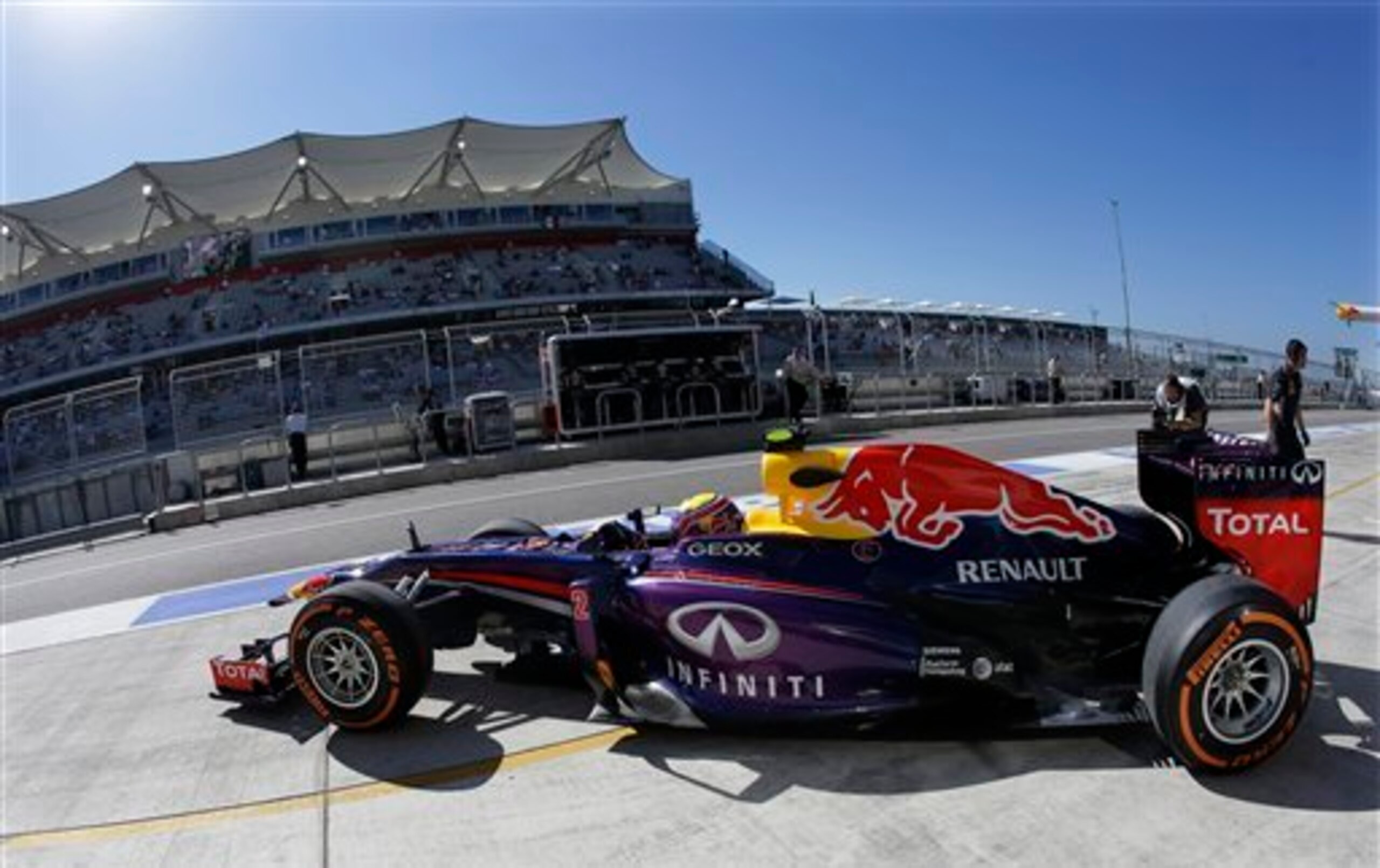
The fastest pit stop in Formula One history was recorded in the 2013 United States Grand Prix, with Mark Webber's crew taking just 1.923 seconds to service the Australian's RB9, as per Red Bull's official website.
The feat was all the more extraordinary given that the Circuit of the Americas is an anti-clockwise track, forcing pit crews to adapt to cars approaching in the opposite direction to most other venues on the calendar.
Such a rapid turnaround in the pit lane, however, could not prevent Webber from a slipping from second on the grid to third by the chequered flag behind Romain Grosjean and race winner Sebastian Vettel.
Previous Winners
10 of 10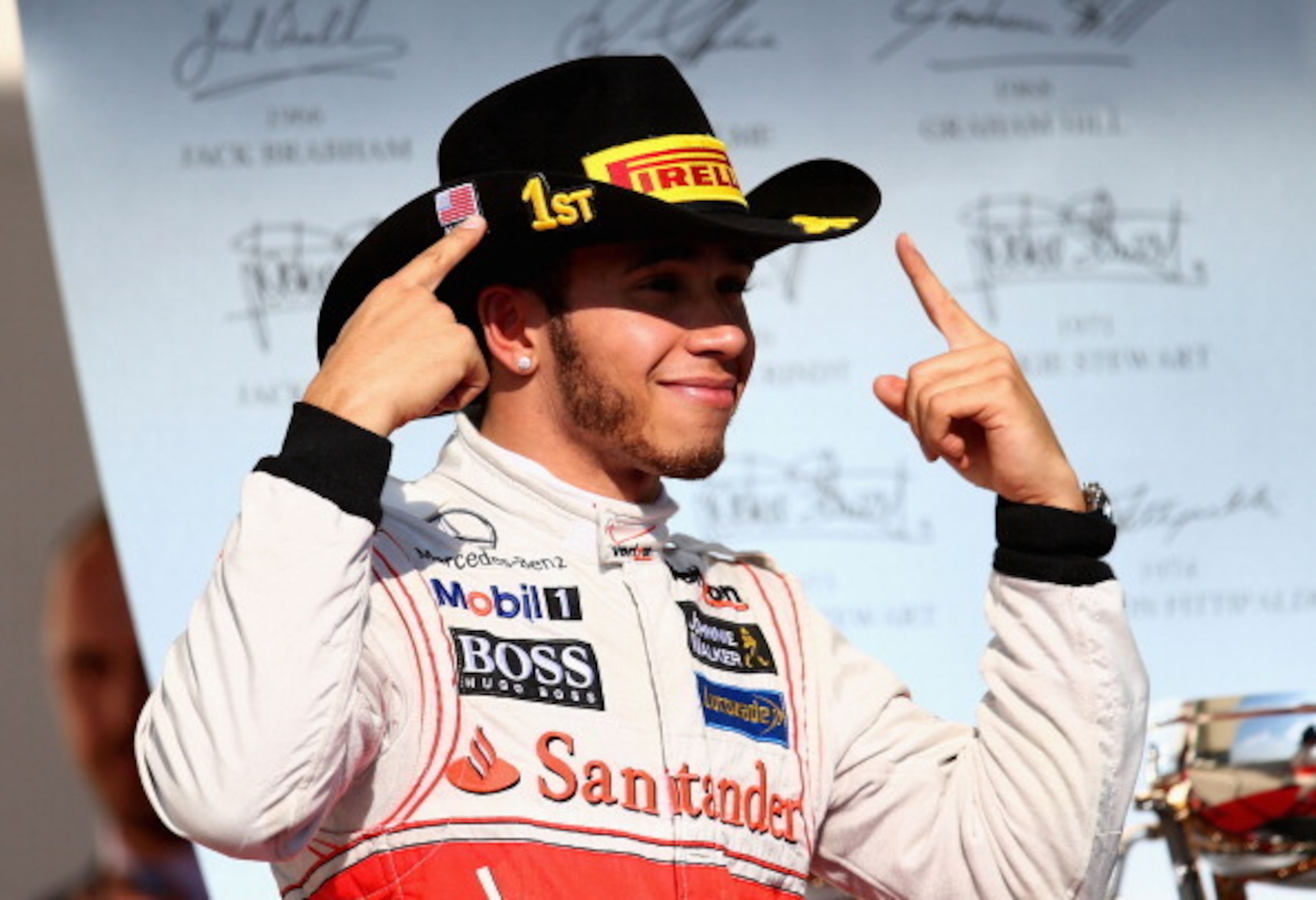
Lewis Hamilton won the first race at the Circuit of the Americas for McLaren in 2012, a grand prix which saw the British driver, Sebastian Vettel and Fernando Alonso share a podium for the first time.
Vettel went one better last year, recording the penultimate victory of his record-breaking nine-race winning streak for Red Bull.
The German is the only driver to claim pole position at the Austin venue, starting from the No. 1 grid slot in both 2012 and 2013, but with the four-time world champion quoted by F1 journalist James Allen as saying that he will not take part in qualifying this weekend due to a power unit-related penalty, Vettel is almost certain to lose his 100 per cent record.
.jpg?w=2560 "Commanders Eagles Football")
_0.png?w=2560)




.jpg?w=2560 "Most Tradeable Players on Every Team")