Singapore Grand Prix 2014: 10 Key Facts About Marina Bay Street Circuit
The European leg of the season is over and Formula One is hitting the road (or, more accurately, the air) again. This week, F1 returns to Asia for the seventh running of the Singapore Grand Prix at the Marina Bay Street Circuit.
Mercedes are riding high again, with the last race, in Italy, marking their first one-two finish since Austria in June. Lewis Hamilton will be looking to build on the momentum from his victory at Monza as he tries to reel in his teammate, Nico Rosberg, for the drivers' championship.
Meanwhile, with just six races left, defending champion Sebastian Vettel is in danger of his first winless season since 2007, his rookie campaign. But he has had great success in Singapore over the years. Can he get his season back on track this weekend?
To help you get ready for the race, we have put together 10 facts about the Marina Bay Street Circuit.
An Eastern Monaco
1 of 10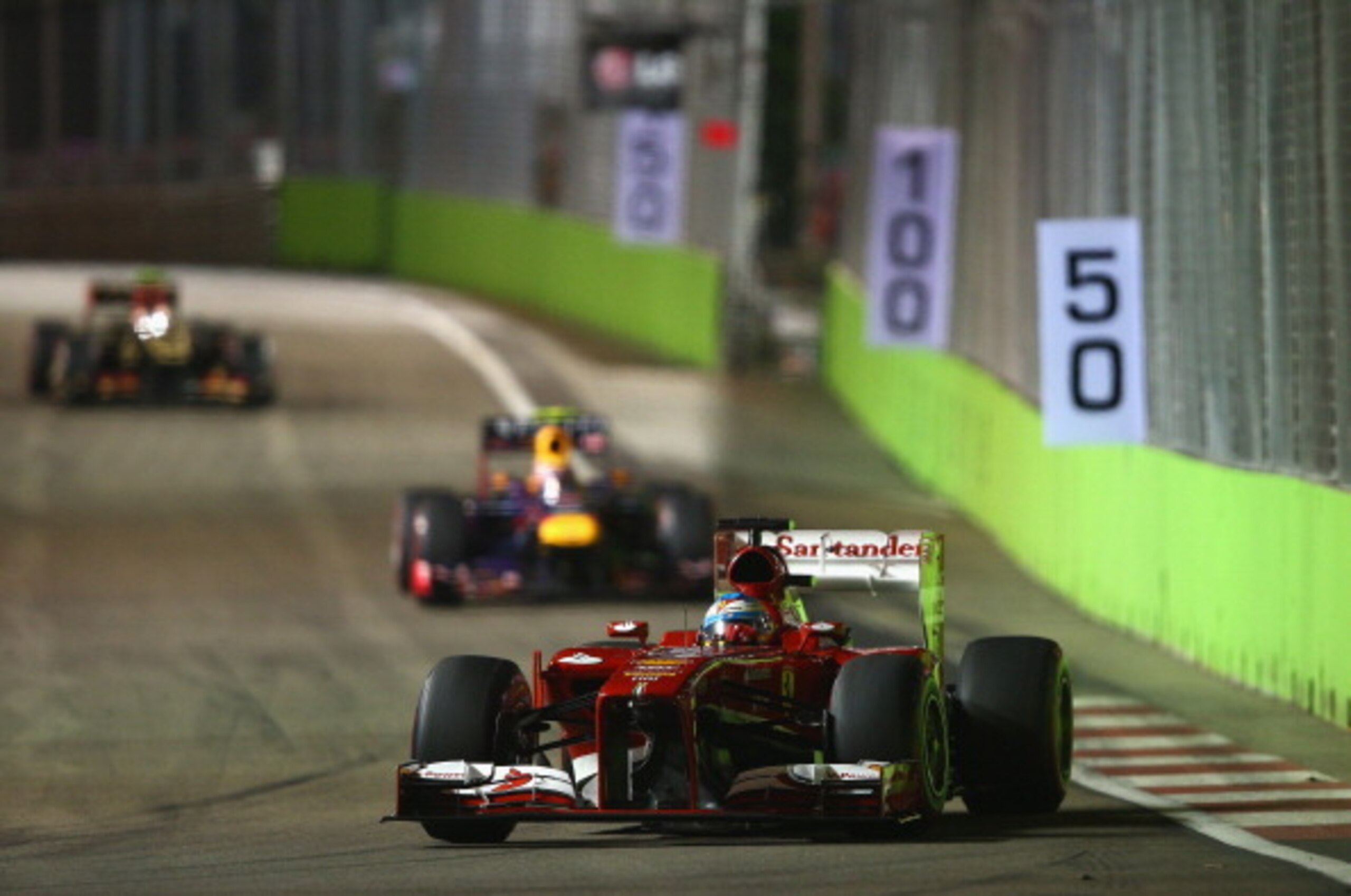
The Marina Bay circuit shares many characteristics with Monaco: a street circuit on public roads around a harbour in a rich, glamorous city-state.
Just like Monaco, the walls are close to the circuit, without large run-off areas. Crashes are inevitable and safety cars are a frequent sight in Singapore, as in its European cousin.
Of course, Singapore does not have the history of Monaco (although there was a non-championship Singapore Grand Prix run on a different circuit from 1966 to 1973), but since the modern race began in 2008, it has become a well-liked race among the drivers.
Sauber's Esteban Gutierrez said, "it is one of my favorite tracks. The fact that the race is held at night brings a great atmosphere, which I really enjoy. Because of the high humidity, racing is a physical challenge there," per a team press release.
First Night Race
2 of 10
In order to maximise the European television audience, the Singapore race has always been run in the evening. It was the first nighttime grand prix, and according to Brad Spurgeon of The New York Times, the track features 1,600 lighting projectors.
Racing at night is not an issue for the drivers, though. Toro Rosso's Jean-Eric Vergne said in a team press release that, "The fact it's a night race has no real effect on how we tackle the race, as visibility is good, in fact the lights are so bright that you don't even use a clear visor, instead I choose a medium tint."
Most Successful Drivers and Teams
3 of 10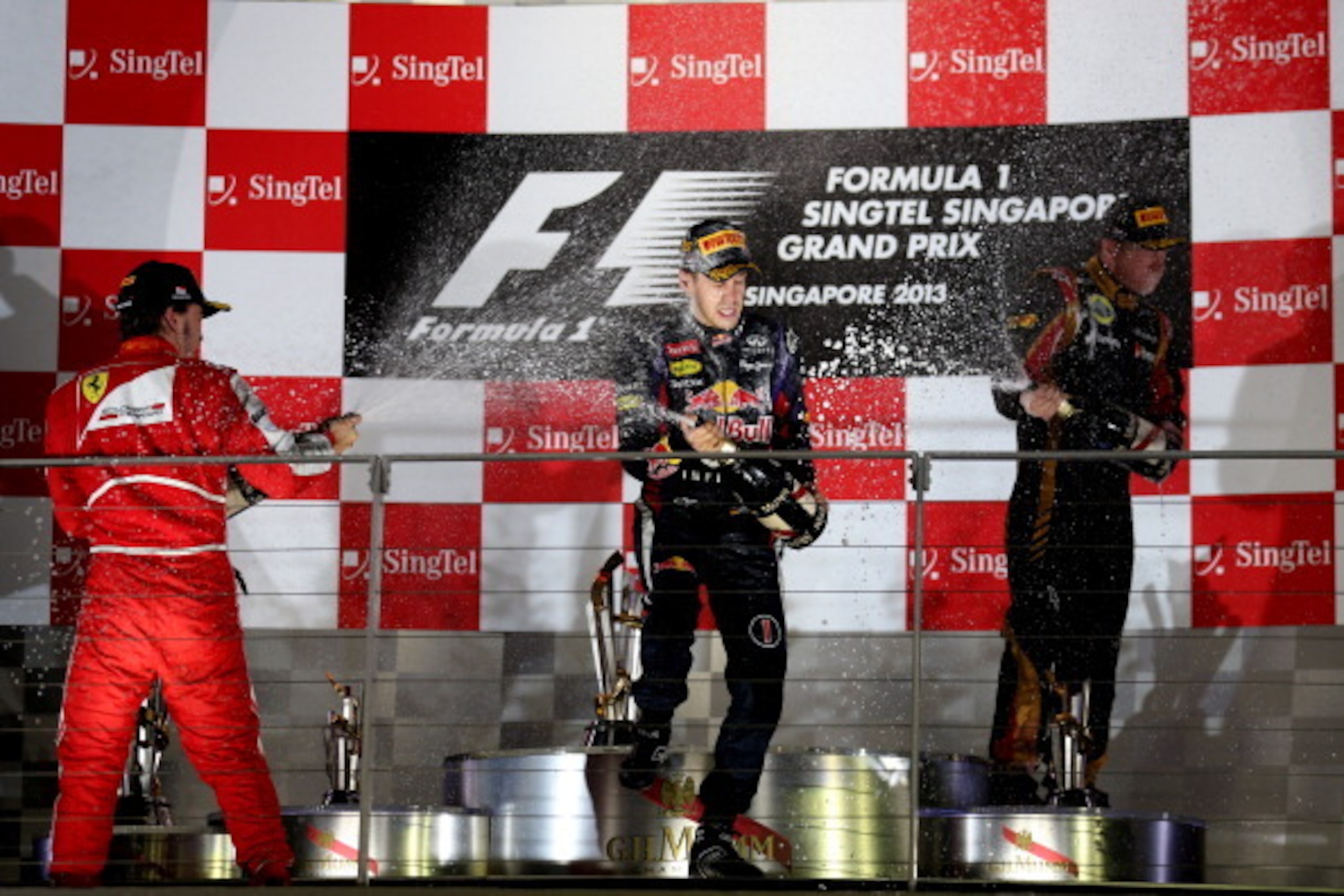
Only three different drivers have won the Singapore Grand Prix in its first six runnings. The last three, unsurprisingly, have been won by Vettel.
Fernando Alonso won the inaugural event in 2008 (thanks to the Crashgate scandal) and in 2010, sandwiching Hamilton's 2009 victory.
Red Bull is the most successful team in Singapore, with Vettel's three wins, while Ferrari, McLaren and Renault have one each.


Weather
4 of 10
Singapore has a tropical rain forest climate, per Wikipedia. It is always hot, with the average high temperature over 30 degrees Celsius every month of the year.
Rain is always a threat at Marina Bay. According to the BBC, wet weather—including the possibility of thunderstorms—is forecasted for every day this weekend.
Importance of Qualifying
5 of 10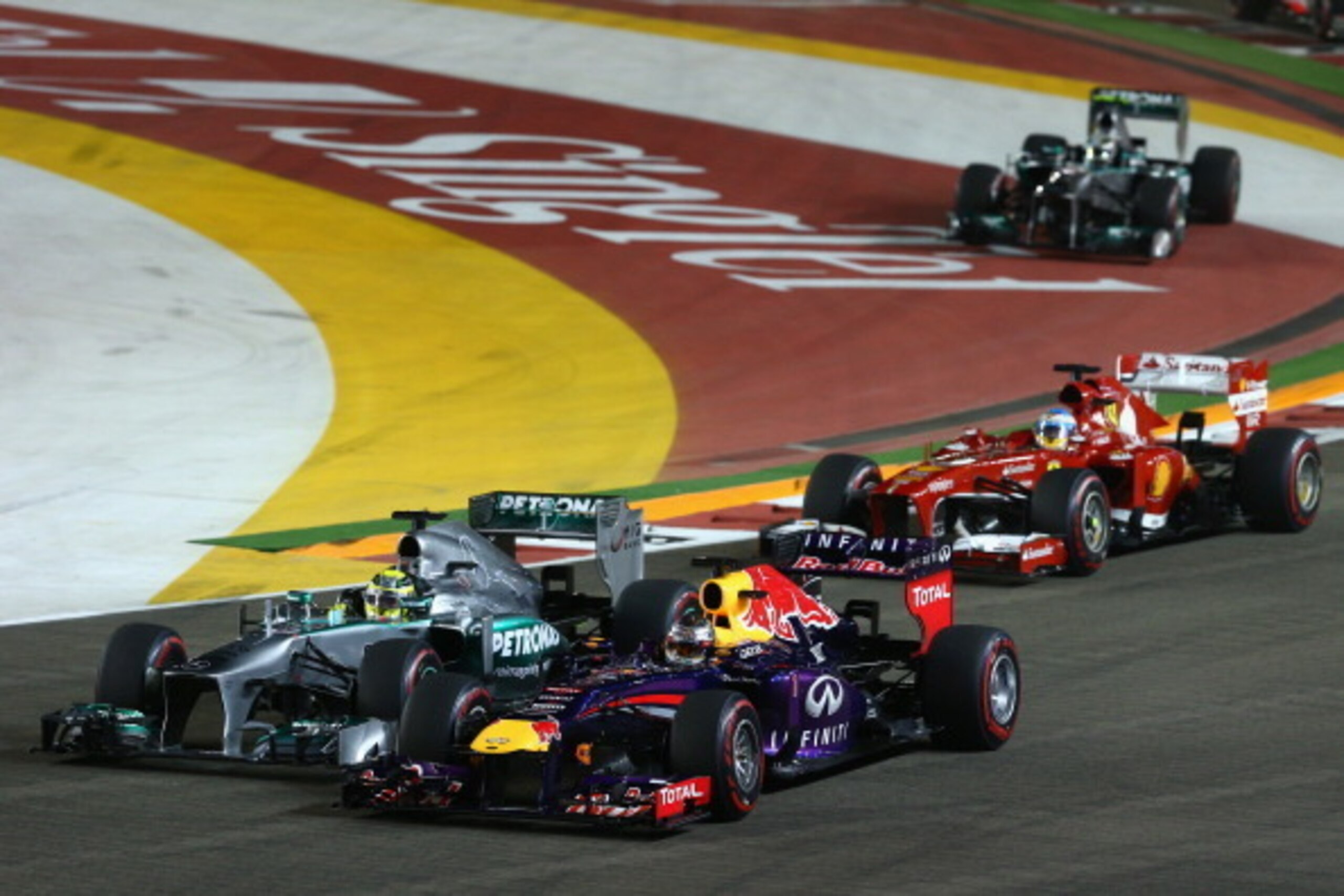
As in Monaco, with passing opportunities at a premium around the tight streets, qualifying well is important in Singapore.
Four of the six winners have come from pole position. In 2012, Vettel won from third on the grid after Hamilton, who started on pole, retired. The 2008 race is the other exception, although Renault's controversial tactics render that result relatively meaningless.
"Corner After Corner"
6 of 10
With 23 turns, the Marina Bay Street Circuit has more corners than any other track on the F1 calendar.
In an interview on the Lotus website, Romain Grosjean said:
"The track is really impressive with some technical parts and some classic street circuit ‘ninety degree’ turns. There are a few decent straights but it is mainly busy, busy, busy for us, with corner after corner. ... As we saw at Monaco, I am sure that the drivers will be working very hard in the cockpit, especially getting the power down out of the tight turns.
"
Slow and Long
7 of 10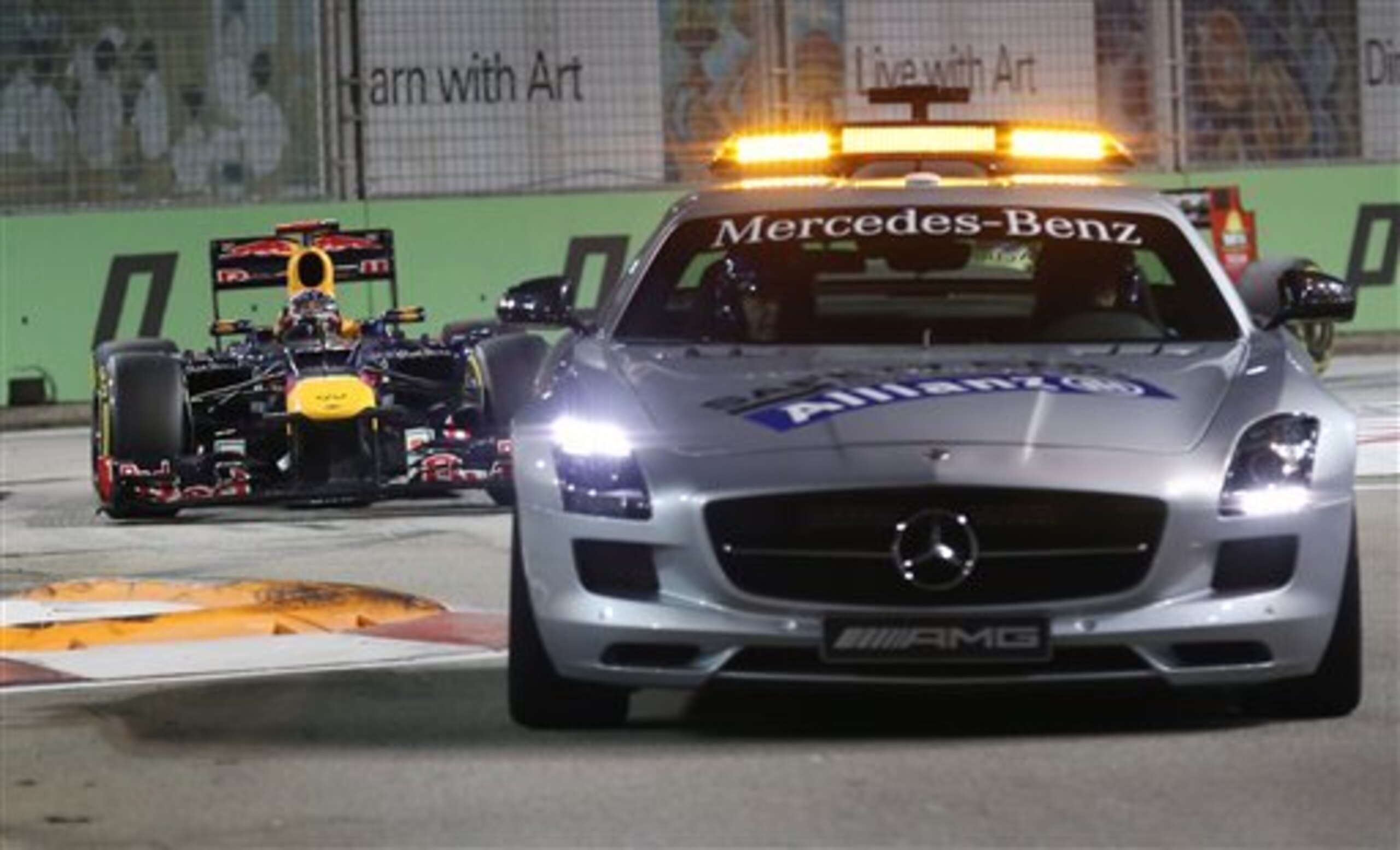
You may remember that last year, the Singapore race barely finished inside the two-hour time limit for a grand prix. That is not unusual for races at Marina Bay.
According to McLaren's race preview, "The track has an average speed of just 170km/h (106mph), making it the second-slowest track of the year after Monaco. Ten of its 23 corners are taken in first or second gear and less than 50 per cent of the lap is spent at full throttle."
The preview also notes that the shortest-ever race in Singapore was in 2009, and it still took one hour and 56 minutes. If it rains for most of the race this year, all 61 laps may not be completed.
Lap Record
8 of 10
The lap record for the 5.065-kilometre Marina Bay Circuit is held by Vettel. He set it during last year's race at one minute, 48.574 seconds.
With so many tight, slow corners, that record should not be in danger this year, as the new hybrid cars are slower through the corners but faster on the straights. Belgium, a high-speed track, was the first race this year to have a faster lap than last season's best time. It will not happen again in Singapore.
No Hometown Favourites
9 of 10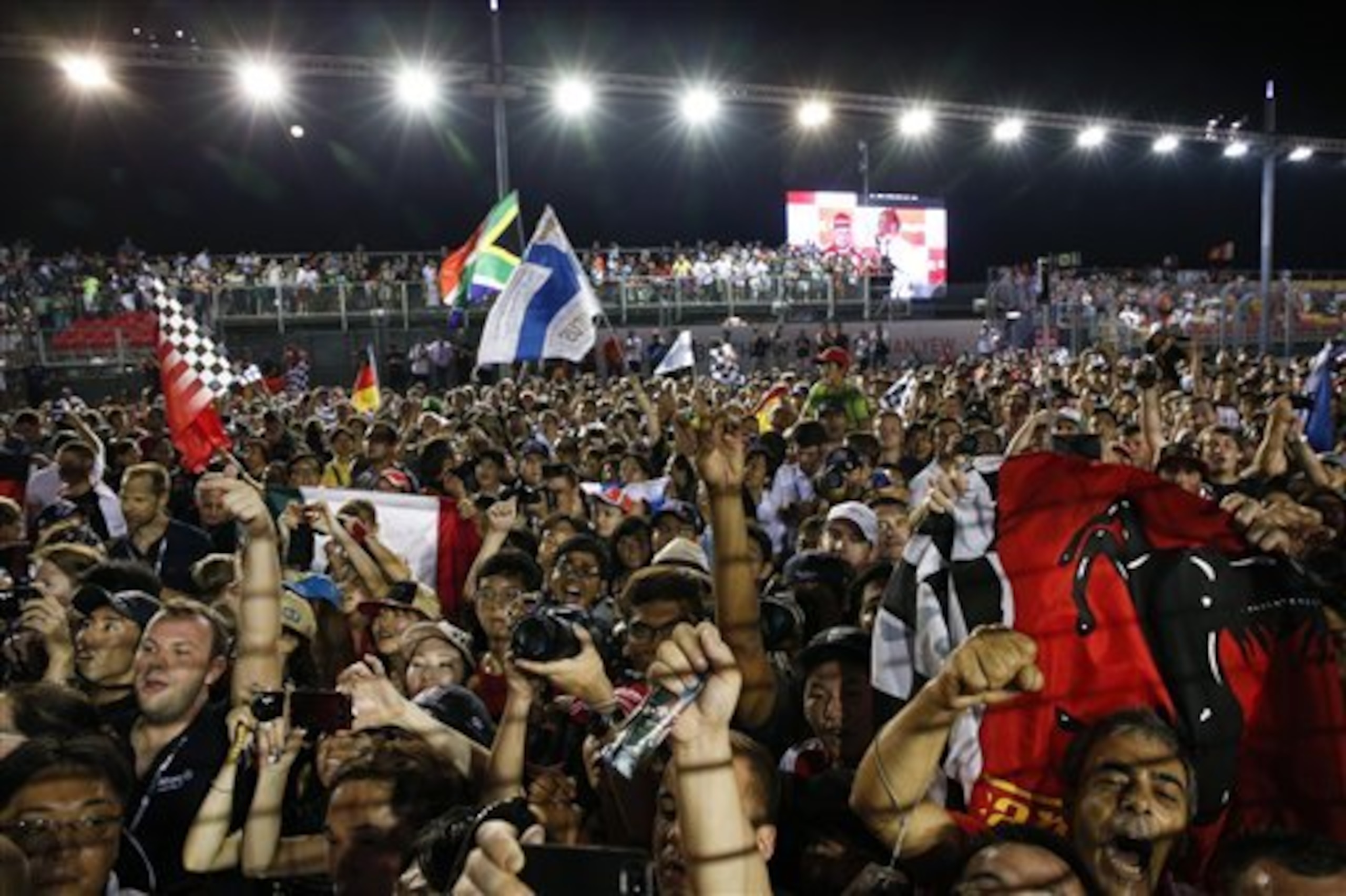
There has never been an F1 driver from Singapore. Andrew Tang, who won the 2014 Toyota Racing Series, is the closest right now—in 2012, McLaren accepted him into their Young Driver Programme, per the Singaporean newspaper Today.
As more young children are exposed to grand prix racing in Singapore, though, and as more Asian sponsors come on board, maybe a home victory for a Singaporean driver is not too farfetched.
A Long-Term Race
10 of 10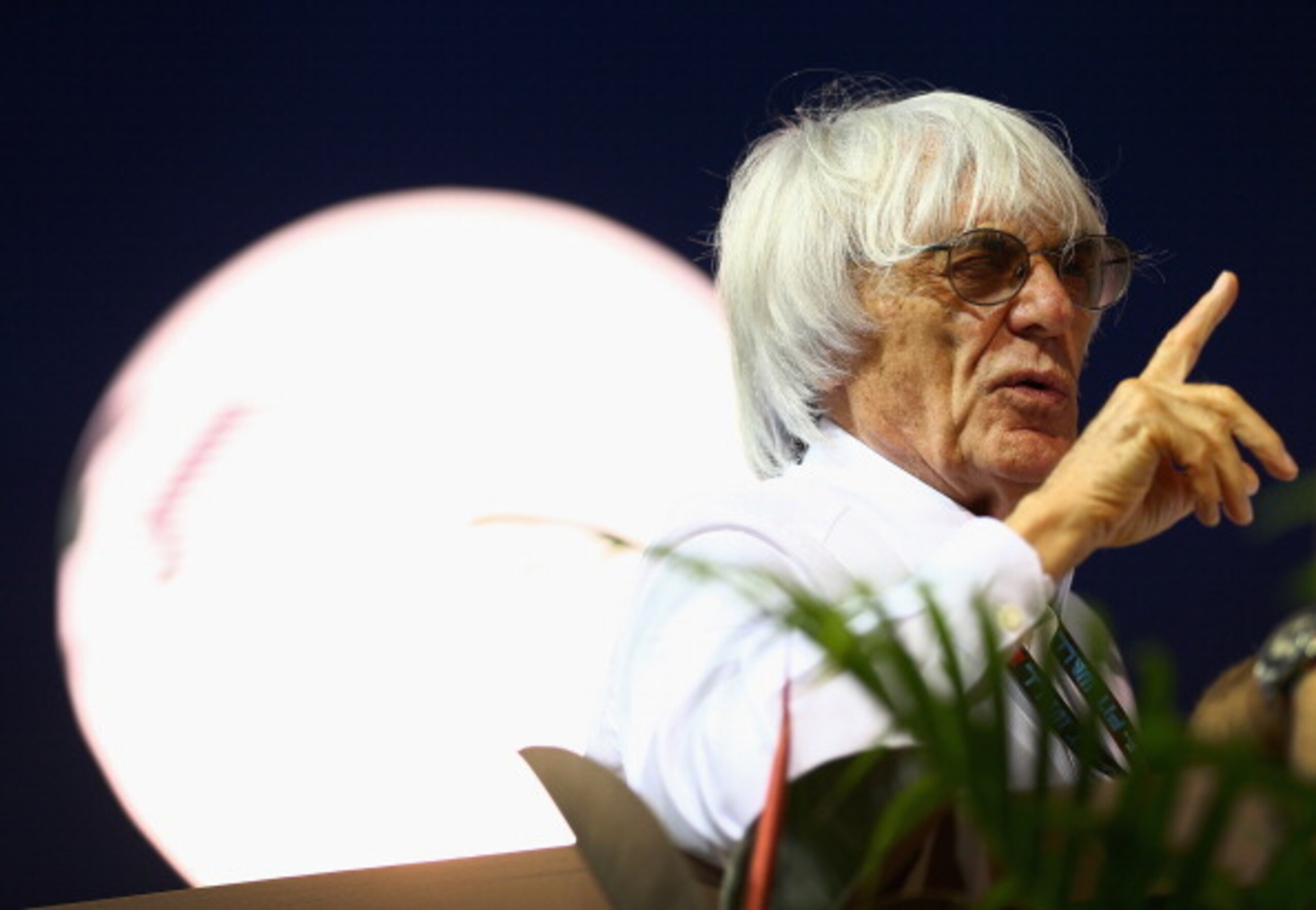
Singapore already has a contract in place to host a race at Marina Bay until 2017, and it does not seem like F1 is leaving any time soon.
The circuit is popular with the drivers and with fans, benefiting from its proximity to a large population (Singapore alone has over five million residents). Meanwhile, as Kate Walker notes for ESPN F1, there is plenty of government support for the race—a necessity when the going rate for a race fee is tens of millions of dollars.
Follow me on Twitter for updates when I publish a new article and for other (mostly) F1-related news and banter, along with a bunch of photos of my kids.


.png?w=2560 "WWE NXT Live Grades 🔠")
.jpg?w=2560 "Top Late-Round Stashes for Your Fantasy Football Roster")
.jpg?w=2560 "Best From 'Hard Knocks' Episode 2 🔥")