
Fantasy Baseball 2011: Examining Players' Split Statistics
One of the keys to winning your fantasy baseball league is maximizing your players' potentials by playing them only in their most ideal circumstances. What do I mean by that?
Many Major League Baseball hitters have strengths and weaknesses, most notably hitting versus right or left-handed pitchers. For a pitcher, an example might be that your pitcher only pitches well at home or on the road. So how can you use this on draft day to your advantage?
When most people create their rankings, they look at a players overall statistics rather than their splits. So somebody might conclude that a .290 hitter is most valuable than a .285 hitter. However, if the .285 hitter hits .310 against righties, that player can be more valuable if you play him only against righties.
These rules do not apply to all players. For example, Albert Pujols should be in your lineup every day regardless of his splits.
In this article, I will provide you with some players who may be overlooked due to their mediocre overall statistics. If you can take advantage of their value on draft day and play them to your advantage throughout the season, you will have a much greater chance of winning.
Catcher
1 of 8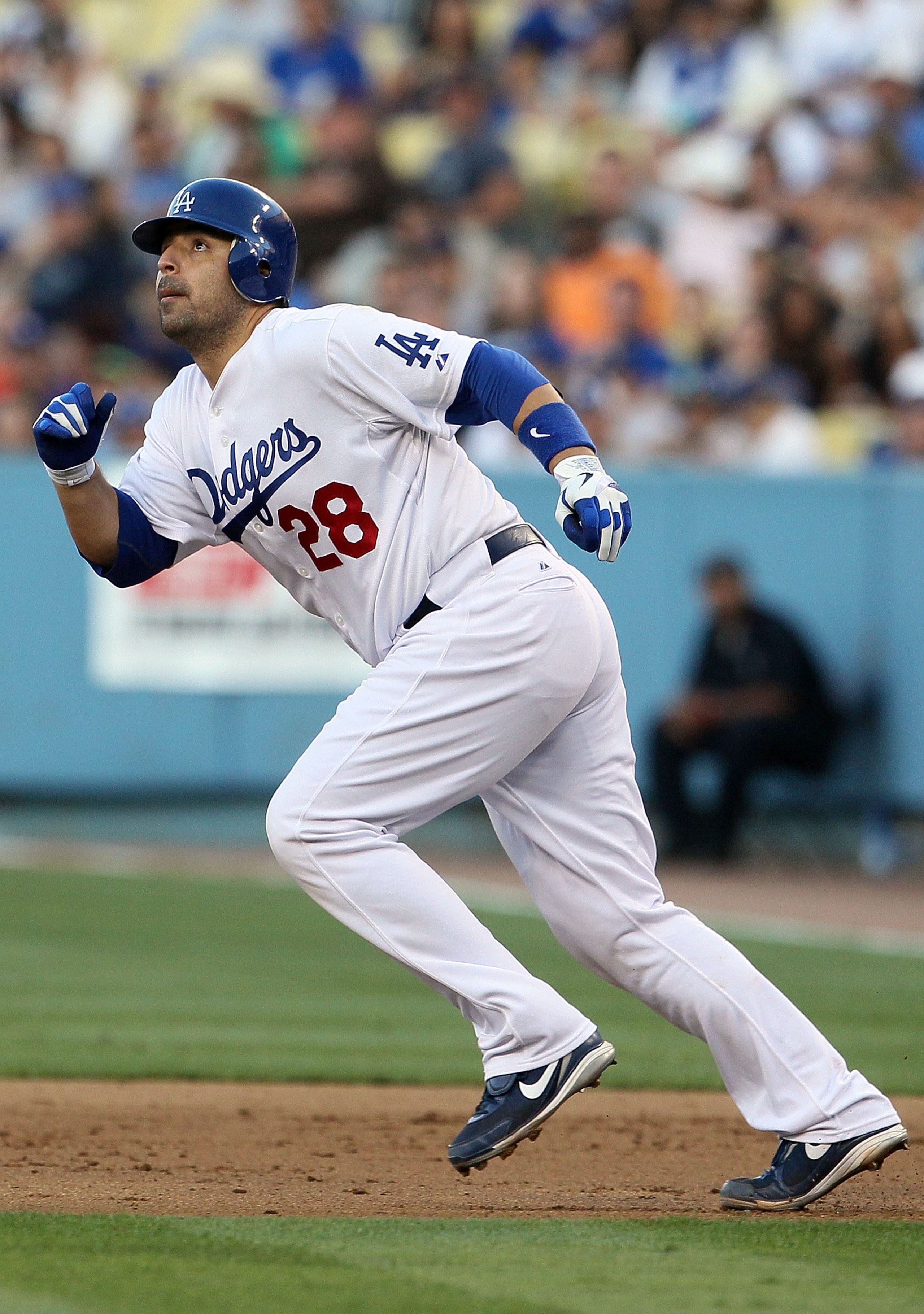
Rod Barajas, Los Angeles Dodgers
Barajas will not be drafted in most standard fantasy baseball leagues, which is a crime. While his overall numbers are so-so, he is an above-average catcher against righties. In 2010, Barajas hit .256 versus righties along with 14 home runs in just 234 at-bats. Brian McCann and Mike Napoli were the only catchers to hit home runs than Barajas off righties, both of whom had 312+ at-bats versus righties.
Geovany Soto, Chicago Cubs
Need someone to pair with Barajas? Soto is the exact opposite hitter of Barajas. His batting average off of left-handed hitters between 2008 and 2010 is .306, whereas his batting average versus lefties is a mere .249. He is also a more efficient power hitter off lefties, though the difference is not too great. Soto has hit one home runs every 20.4 at-bats versus lefties and every 23.3 against righties.
First Basemen
2 of 8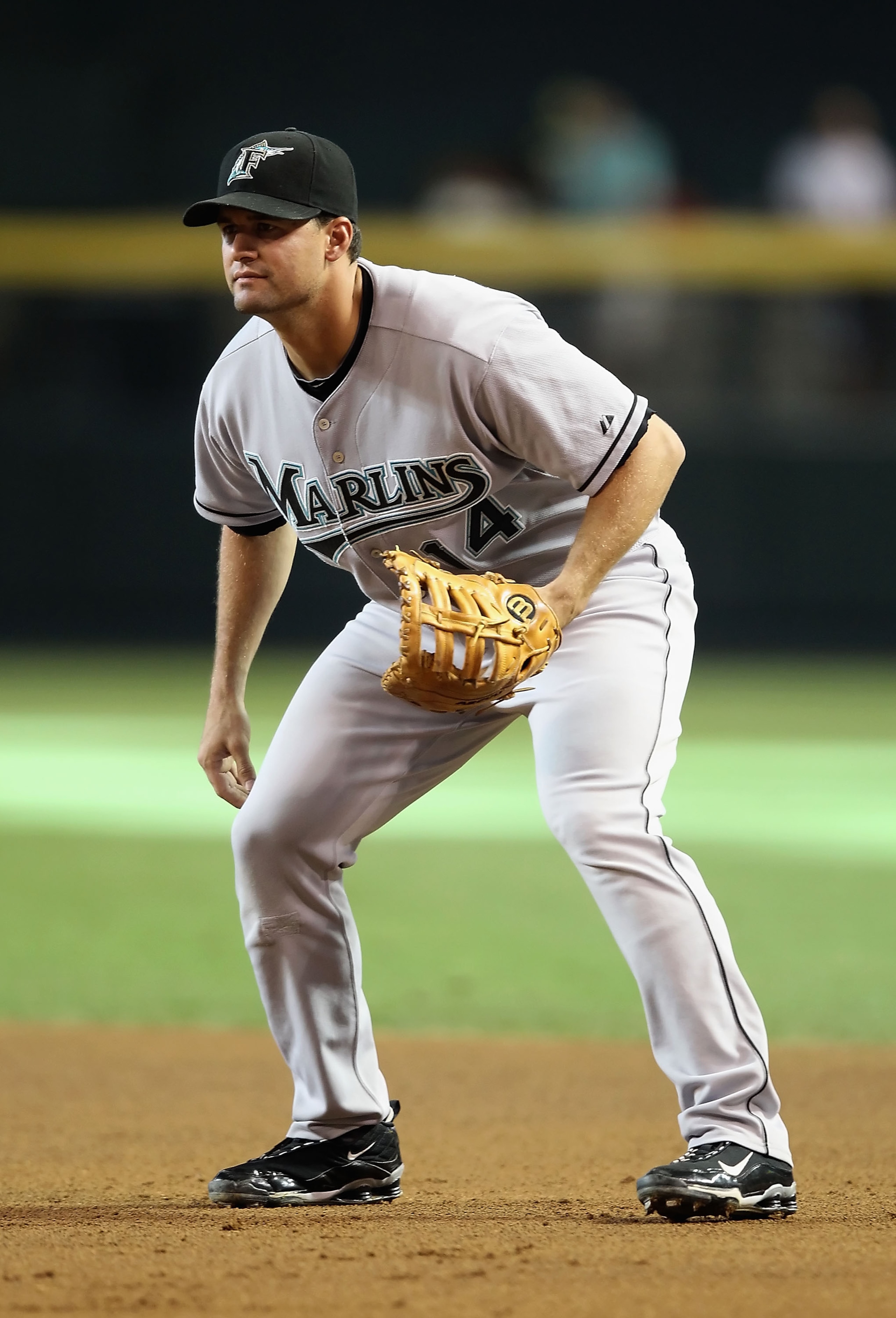
Adam LaRoche, Washington Nationals
LaRoche is notorious for starting slow, though his second-half explosions have been treasured by many fantasy owners. Since 2008, LaRoche has hit only .251 before the All-Star Break, yet his .293 post-All-Star Break batting average is very good. Furthermore, LaRoche seems to magically develop a much more powerful swing after the break. Since 2008, LaRoche has a 25.3:1 at-bat to home run ratio. However, after the break, that ratio has been 17.8:1. In other words, target LaRoche about midway through the season.
Gaby Sanchez, Florida Marlins
Sanchez has only played in the majors for three years, however it seems clear that he has a tendency to hit more efficiently against left-handed pitchers. He has a career .322 batting average against lefties, which is much better than his .273 career batting average overall. His slugging percentage is also much higher against lefties. In his career, he has hit .121 slugging percentage higher versus lefties than righties. Sanchez is not a reliable starter on your team, however if you pair him with someone who hits well against righties, you have yourself a very good platoon.
Second Basemen
3 of 8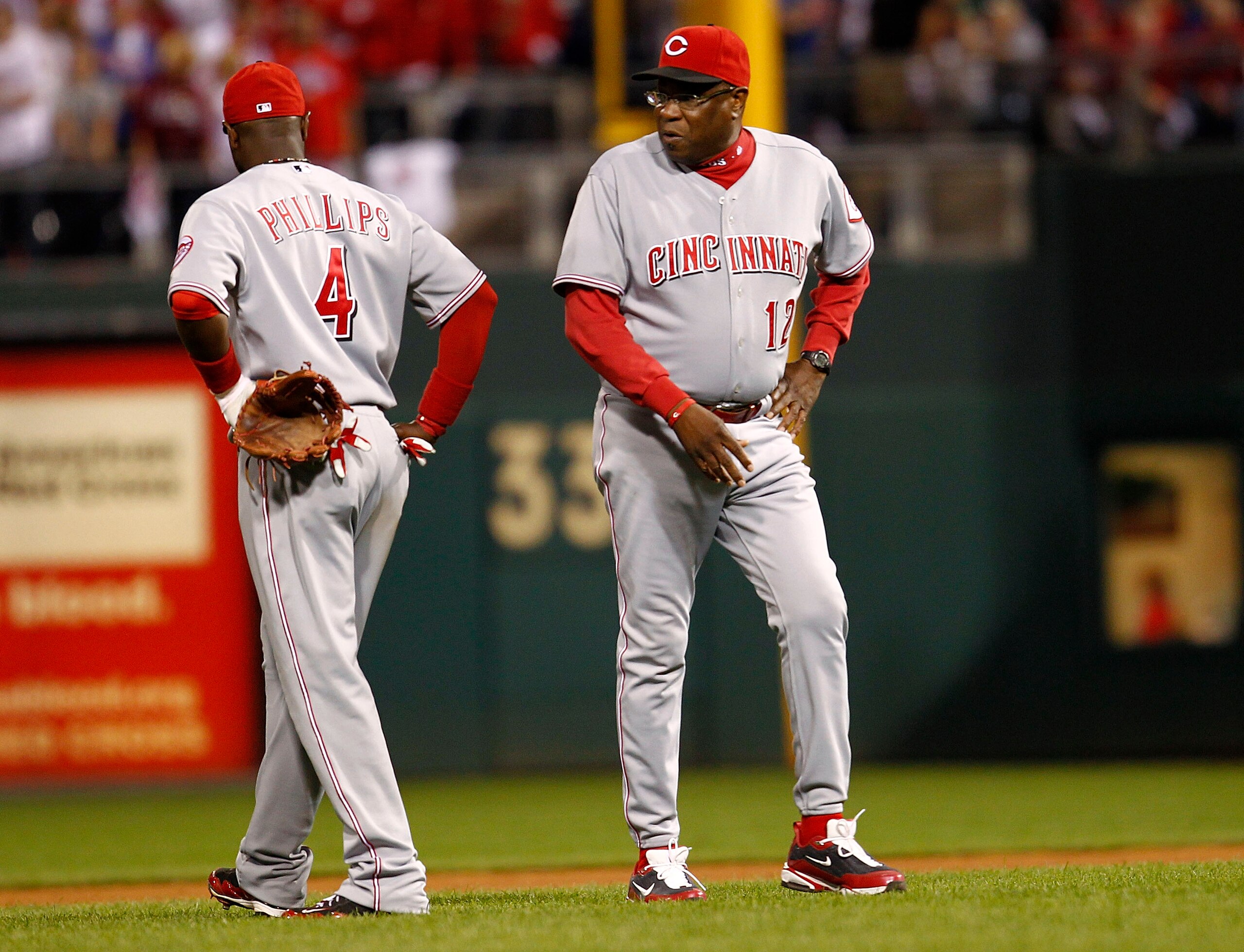
Brandon Phillips, Cincinnati Reds
Few second basemen are better than Phillips before the break. Since 2008, Phillips has a batting average of .282 before the All-Star Break. That number dips to .255 after the break. As for his power and speed, they both appear to disappear after the All-Star Break. In his last 1040 at-bats before the break, Phillips has hit 41 home runs. On the other hand, after the break he has hit only 18 home runs in his last 729 at-bats. Before the break (since 2008), Phillips has stolen 41 bases, whereas he has only stolen 23 after the break. So, draft Phillips now and trade him for a nice package midway through 2011.
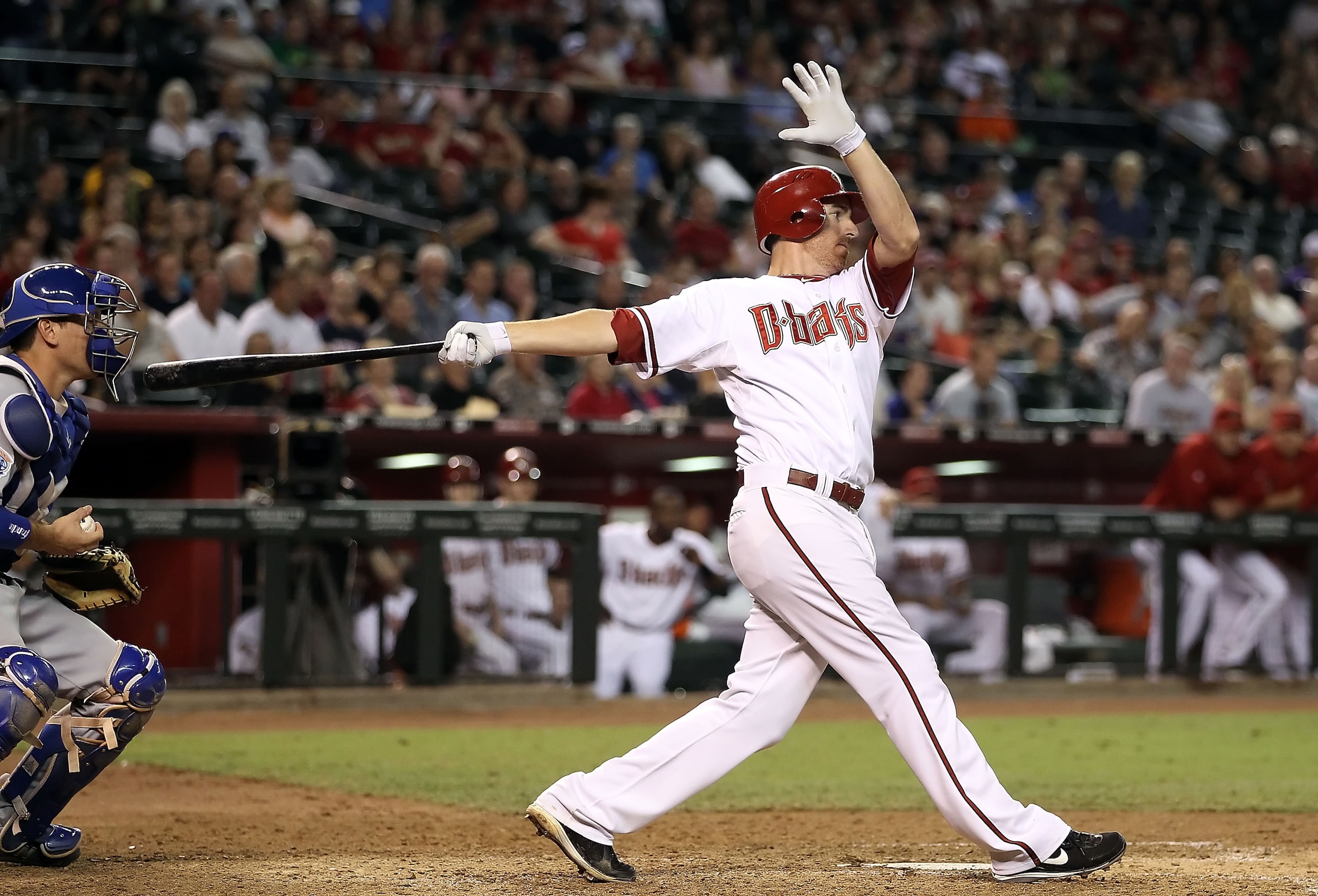
Kelly Johnson, Arizona Diamondbacks
Once you have traded Brandon Phillips, Kelly Johnson is the perfect replacement. Since 2008, Johnson has hit .293 after the break, which is significantly higher than his overall .272 batting average during that span. His power and speed have been similar whether it is pre or post-All-Star Break, so do not expect those numbers to rise all of sudden. However, Johnson's boost in batting average is very important, and if he starts out slowly this season, look for him as a trade target.
_1.png?w=2560)
Third Basemen
4 of 8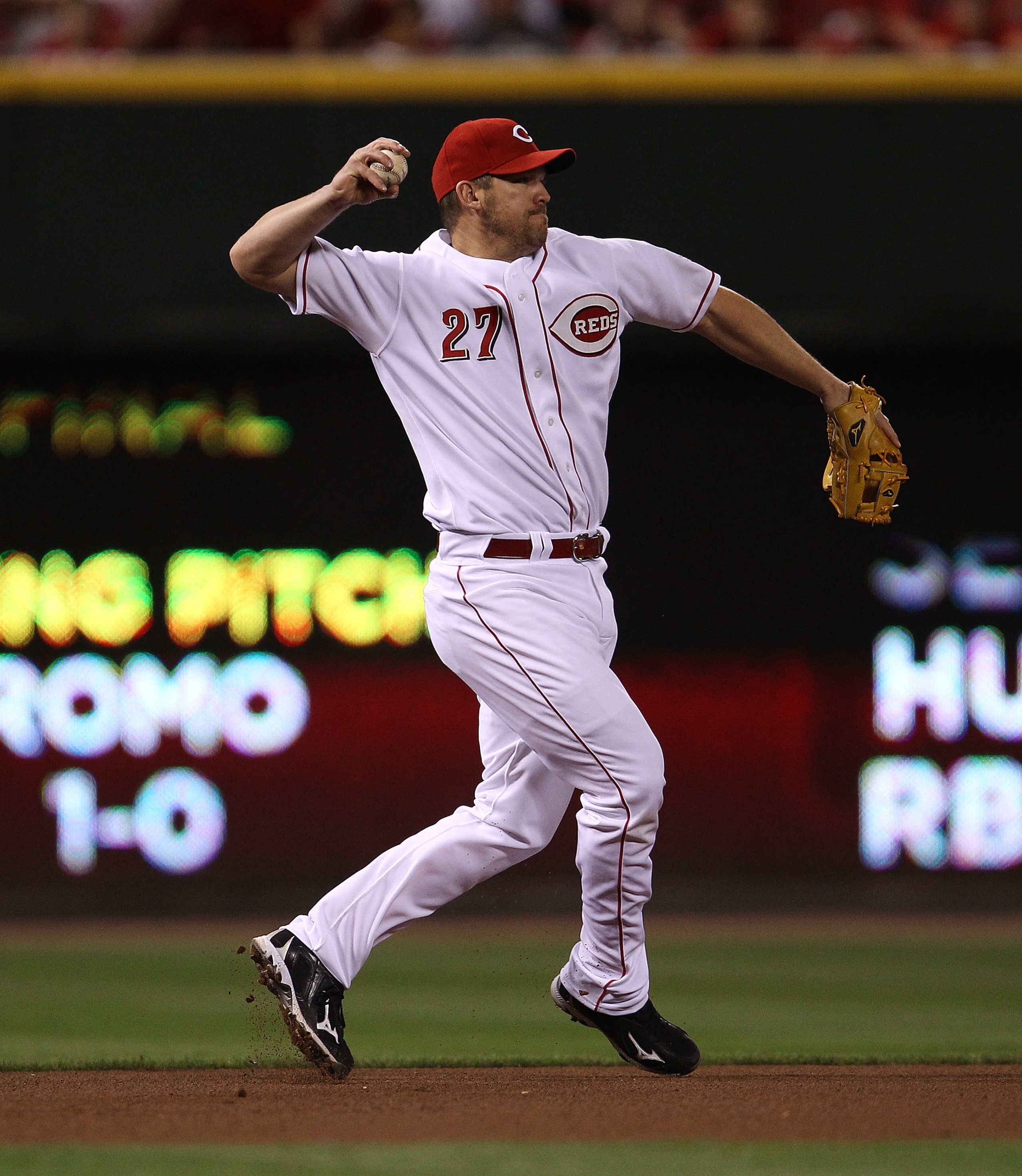
Scott Rolen, Cincinnati Reds
Want to start 2011 well? Then draft Scott Rolen. In 2010, Rolen hit 17 of his 20 home runs before the break. His batting average before the break was a very strong .290, whereas his post-All-Star Break batting average slipped to .277. This power discrepancy was not something that Rolen has experienced throughout his career, though since 2008, Rolen has been a much better batting average candidate before the break. It's amazing that the Reds were able to maintain their winning percentage after the break last season.
Wilson Betemit, Kansas City Royals
This is an interesting split. Betemit has been a much better hitter during the night than the day. Since 2008, Betemit has hit .290 at night, whereas he has hit a measly .247 during the daytime. In 2010, 11 of Betemit's 13 home runs came after dark, despite having only 144 home at-bats at night.
Shortstop
5 of 8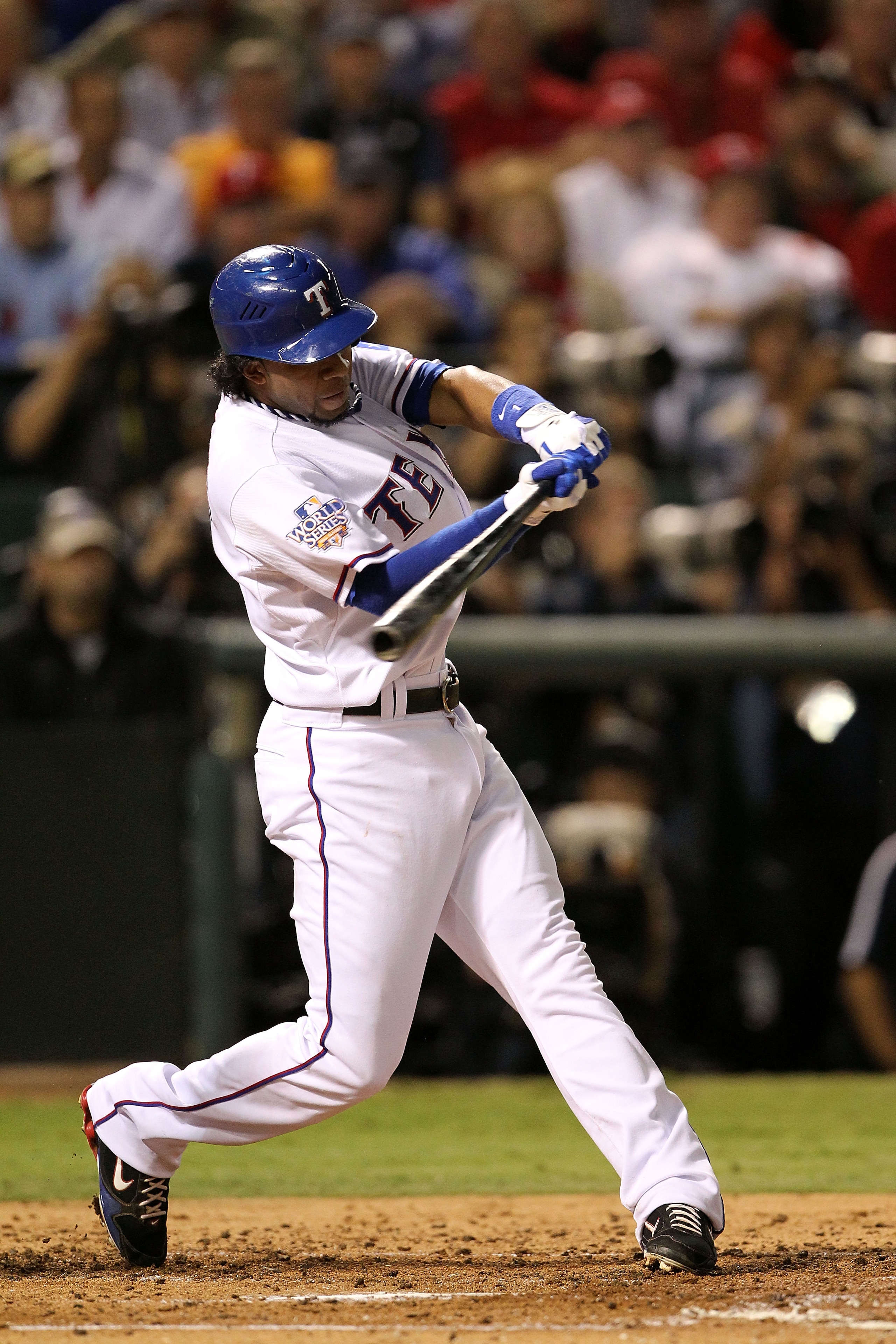
Troy Tulowitzki, Colorado Rockies
There may not be a bigger difference in perfomance after the break than that of Troy Tulowitzki. While 2010 was his most noticeable post-All-Star Break explosion, Tulowitzki has always been a much better hitter after the break. Since 2008, Tulowitzki has hit .332 after the break with 39 home runs compared to his .252 batting average and 28 home runs before the break. There is no question that Tulowitzki is the best shortstop in baseball after the break.
Elvis Andrus, Texas Rangers
Andrus is viewed as one of the most talented shortstops in baseball, however against left-handed pitchers this is not actually true. In 2010, Andrus hit .268 versus lefties, which is very respectable, though he managed only three stolen bases in 153 at-bats. On the other hand, Andrus stole 29 bases against right-handed pitchers in 435 at-bats. His batting average was just .264 against righties, though Andrus' increase in stolen bases against righties is too major to overlook. If you draft Andrus, it is not advised that you start him against lefties.
Outfield
6 of 8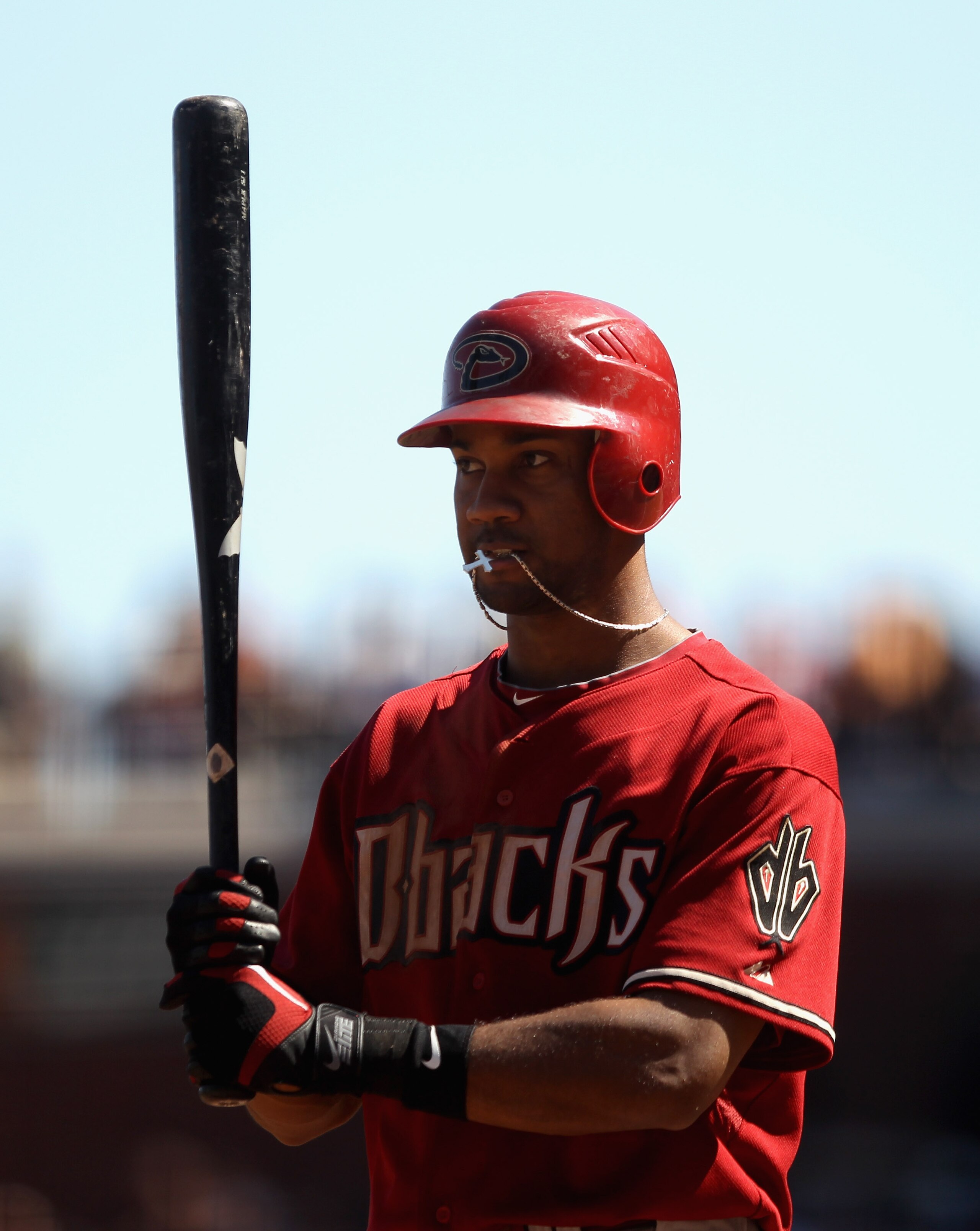
Chris Young, Arizona Diamondbacks
Young is a monster at home. In fact, he is one of the most productive hitters when playing at home in the game. In 2010, Young hit .283 at home with 20 home runs and 17 stolen bases. On the road, his batting average was a weak .230, and his power virtually disappeared as he hit just 7 home runs on the road. While he still has value on the road, Young should only be started on home games to maximize his value.
Carlos Gonzalez, Colorado Rockies
Gonzalez is similar to Tulowitzki in that he is unstoppable after the break. In his three year career, Gonzalez has hit .310 after the All-Star Break, whereas he has hit .286 before it. He has also hit 11 more home runs after the break despite having just 57 more at-bats during that time. 2010 showed how dominant Gonzalez can be after the break, as he hit .363 after the break to compliment his 17 home runs and 14 stolen bases in just 262 at-bats. How Colorado went just .500 after July last season is puzzling.
Starting Pitchers
7 of 8
Cole Hamels, Philadelphia Phillies
There has not been a season during Hamels' career in which his ERA was higher after the break than it was before. Since 2008, Hamels' ERA has been .84 points lower after the break than before. In 2010, Hamels went 5-4 with a 2.23 ERA and 104 strikeouts after the break. Hitters hit just .214 against him during that time. Hamels is a great player to trade for around July.
Trevor Cahill, Oakland Athletics
Cahill does not like to leave his home. At home in 2010, Cahill went 11-3 with a 2.18 ERA. On the road however, his ERA rose to 3.86. This is not necessarily a reason to not start Cahill on the road, however if he is playing a strong offense away from home, you might want to consider benching him.
Closer
8 of 8
David Aardsma, Seattle Mariners
The crowd seemed to rattle Aardsma in 2010. At home, he was a an impressive 20 for 21 on save opportunities, whereas he was a woeful 11 for 15 on the road. The difference in ERA is astonishing: at home his ERA was 2.06 in 2010, whereas on the road it was 6.75, which is unacceptable. If you need a closer late, draft Aardsma and start him whenever the Mariners are at home.

_2.png?w=2560)
.jpg?w=2560 "Bears Shopping Starting DT")

.jpg?w=2560 "Shedeur Out Preseason Finale")
.jpg?w=2560 "Players with Shocking Career Earnings 😳")

.jpg?w=2560 "BTJ Suffers Shoulder Injury")