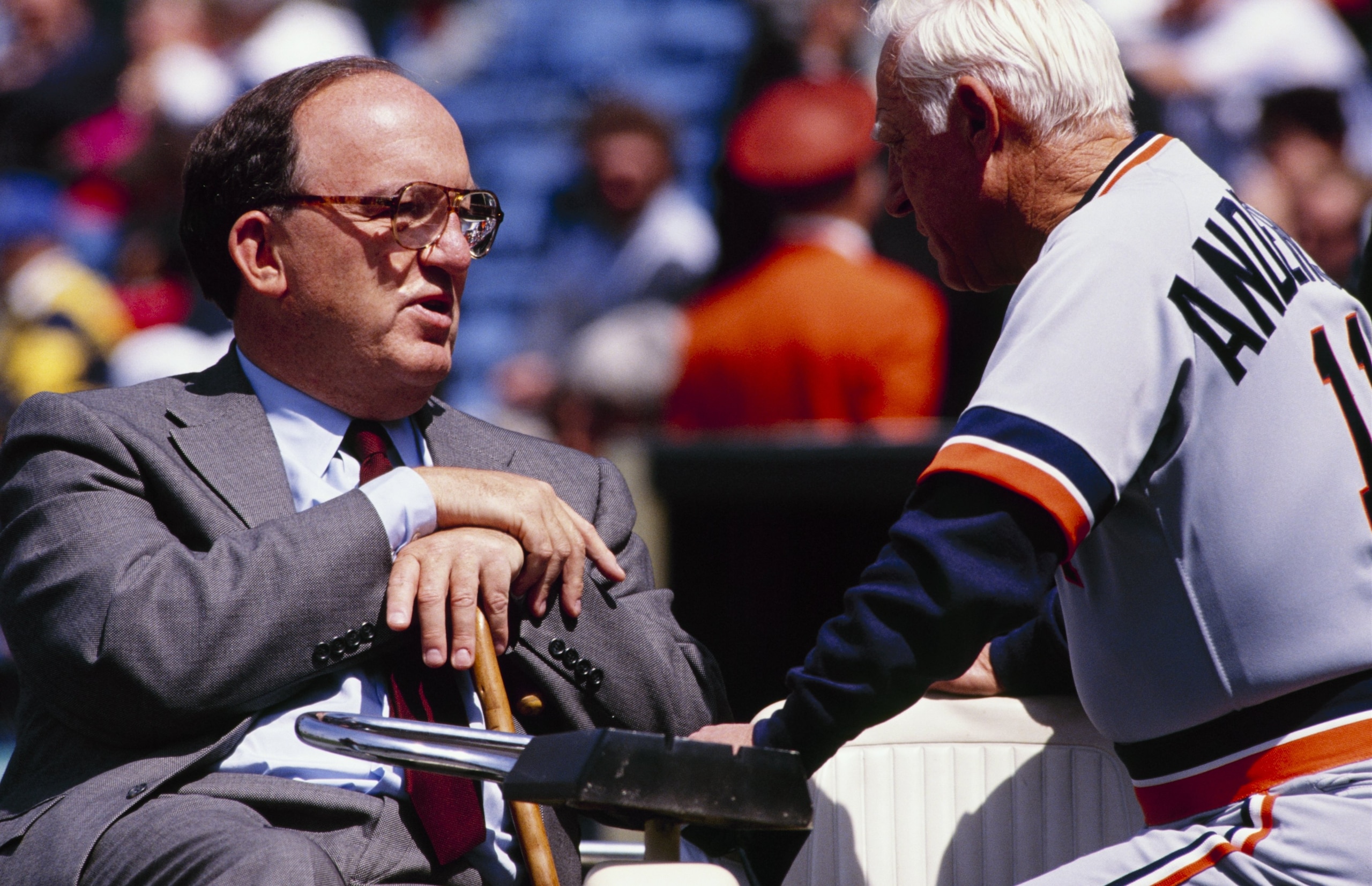

Sparky Anderson and 5 Men Who Changed MLB Baseball Forever
Former Cincinnati Reds and Detroit Tigers manager George "Sparky" Anderson died Thursday at the age of 76. Anderson was a three-time World Series champion and the first manager ever to lead a team from each league to a title.
Anderson went by many nicknames—Sparky became as much his name as any—but was most famous for being "Captain Hook," a moniker given to him by the starting pitchers he made a habit of removing sooner and more readily than any other manager in baseball history. Anderson started a trend in that regard: The rise of relief pitching and beginning of the end for the complete game essentially coincide with the start of his Cincinnati tenure.
Anderson became one of the giants of the game from the early 1970s to the mid-1990s and changed the way the game is played forever. Who else has fundamentally altered the sport during its history? Which men have meant enough to the game to really change the course of its history? Here are five men who made the baseball world spin on new axes.
5. Bob Gibson
1 of 5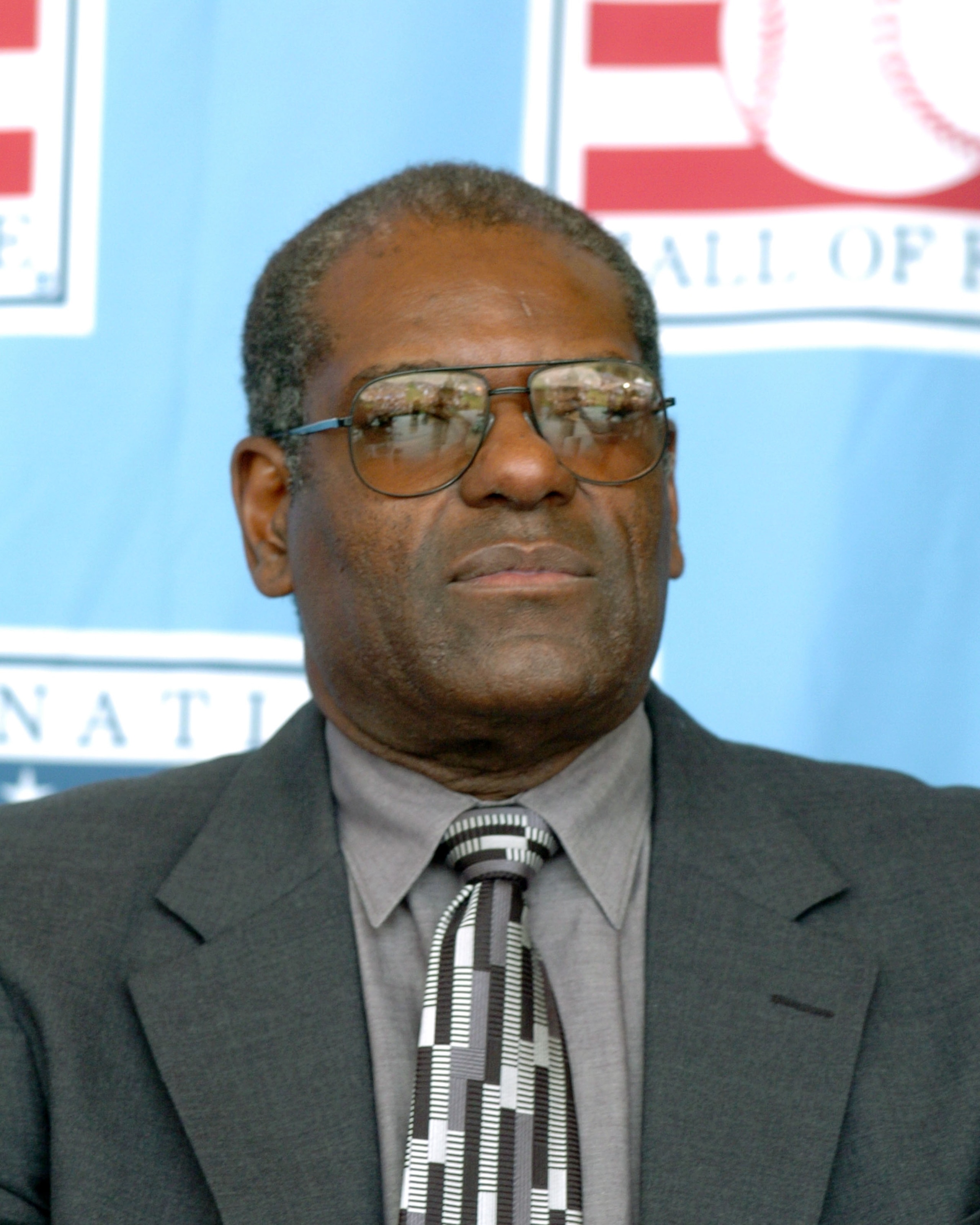
Gibson did not do it alone, but his 1968 season helped force baseball to address the apparent advantage pitchers had gained over hitters. That year, Gibson won 22 games, completed 28 and threw an astounding 13 shutouts. His ERA was 1.12 and his WHIP was an unbelievable 0.85. With batters flailing helplessly against Gibson and others (the league-average OPS that season was .641), the powers-that-were knew the game was out of balance.
The Commissioner's office ordered the mound lowered and the strike zone shrunk, allowing batters a fighting chance again. In 1969, the average OPS leaped to .688.
4. Babe Ruth
2 of 5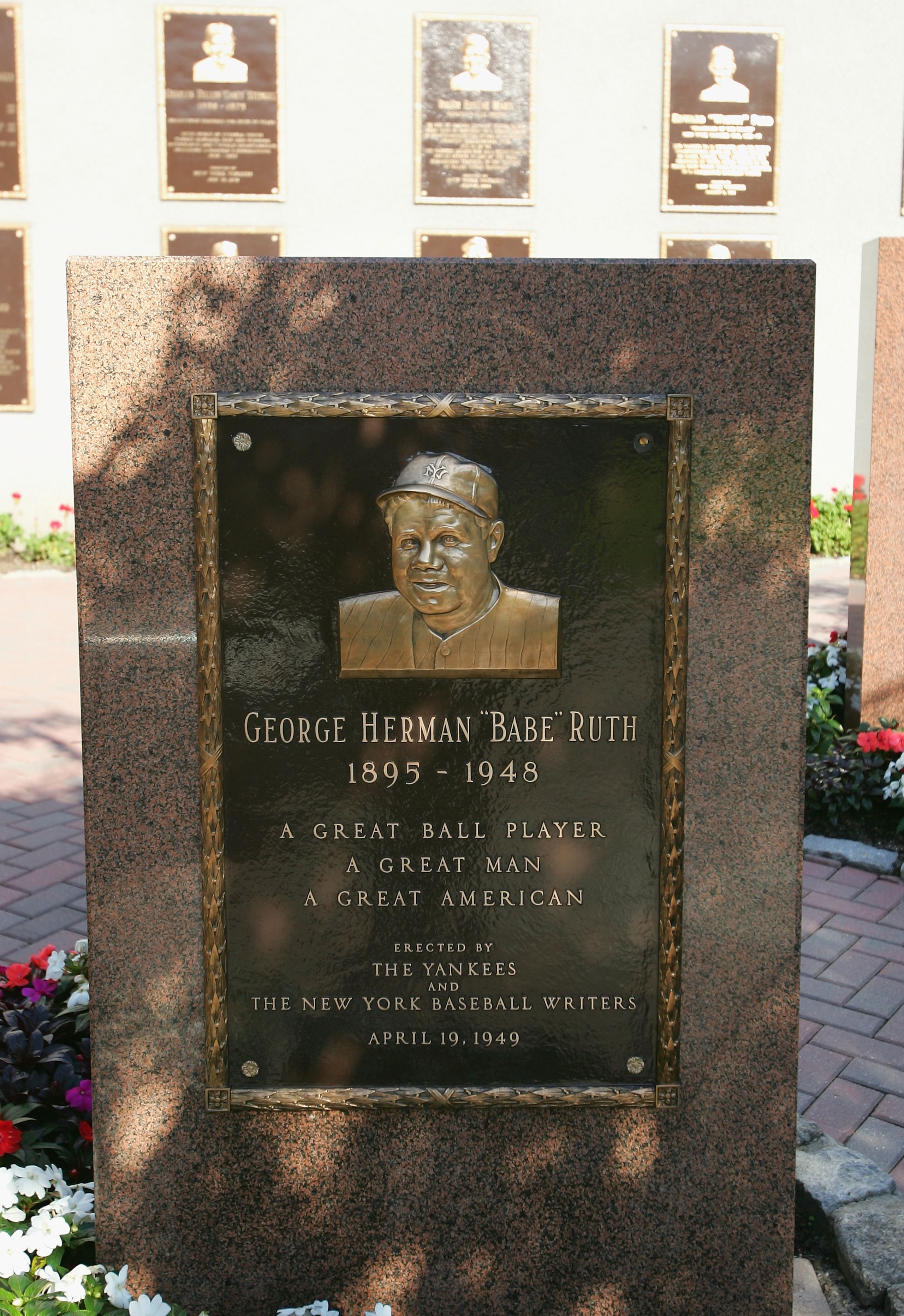
In Babe Ruth's rookie season of 1915, the average American League team hit 20 home runs, scored 615 runs and laid down 197 sacrifice bunts. In his last American League season, 1935, the average club hit 86 homers, scored 788 runs and sacrificed just 101 times. The numbers themselves are stunning, but it is even more remarkable to note how singularly responsible for the transition Ruth really was.
To maximize the value of the first-ever sports celebrity superstar, MLB began winding balls more tightly and producing lighter, better bats. All of it was designed to favor Ruth and men like him, who hit the ball high and far. Moreover, once Ruth became the prototypical baseball star, players like Hank Greenberg became coveted assets for which every team sent their scouts scrambling.
Ruth also changed the game off the field: The increased visibility he gave the league forced them to clean up the game, and gave rise to the phenomenon (now taken for granted) of sports stars as mega-brands reaching all corners of consumer society.
3. Jose Canseco
3 of 5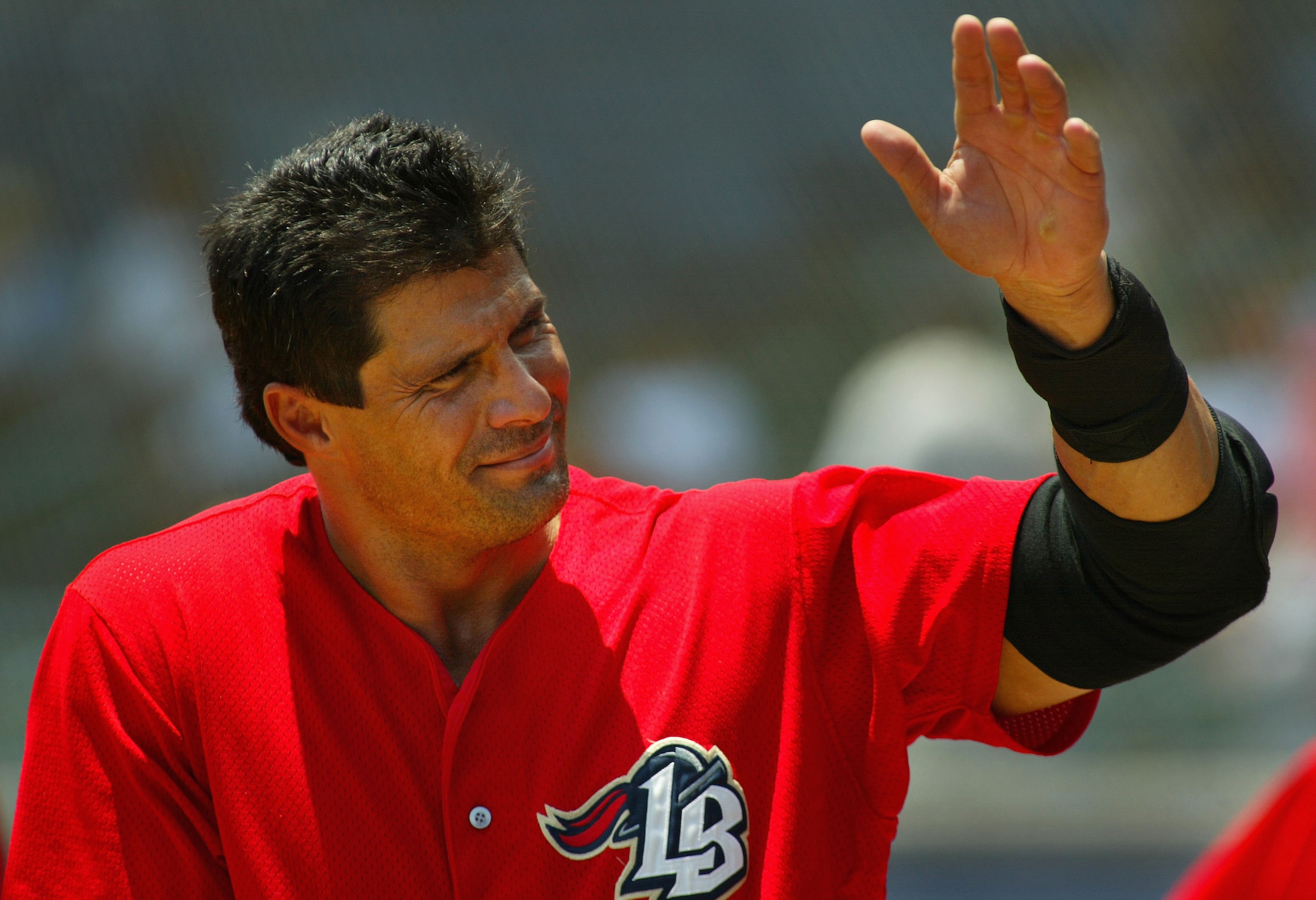
Steroids slightly preceded Canseco's arrival in the majors, but there is no doubt that Canseco gave rise to steroid culture in the game. He made juicing appealing by openly touting the value of bodybuilding in baseball and by putting up monster numbers with skills that seemed to come and go.
As much influence as Canseco might have wielded during his playing days, his greatest contribution to the game was the (admittedly slimy) manner in which he unraveled the wool that the league had thrown over the public eyes. Canseco became the utterly detestable, but relentlessly accurate whistle-blower on two decades of shady performance enhancement.
As much as baseball fans hate him, the steroid scandal would not have gone down as smoothly without him.

2. Sparky Anderson
4 of 5
Anderson had white hair by the time he became manager of the Reds at age 35 in 1970, and he always seemed to be older than he really was. Yet, he brought a young man's energy to the game, and he did several things differently than any man who played his part before him.
Anderson became the first manager in the National League to openly rely on home runs and stolen bases, rather than singles and sacrifices, to score runs. His teams were consistently and commandingly the most aggressive and efficient base-running squads in the league, and often led in home runs as well.
On the other side of the ledger, Anderson's nickname came to be his identity; it was almost as if he embraced the idea that his starters hated being removed. By 1975, Anderson allowed only 22 games to finish with the starting hurler on the mound.
That sounds astronomical by today's standards, but was easily the lowest in the National League that year. Anderson also used Rawly Eastwick and Will McEnaney in the mode of the modern closer beginning in 1975, another semi-established American League tactic with which Anderson revolutionized the National League.
On the diamond, few skippers have ever altered baseball strategy as much as Anderson.
1. Branch Rickey
5 of 5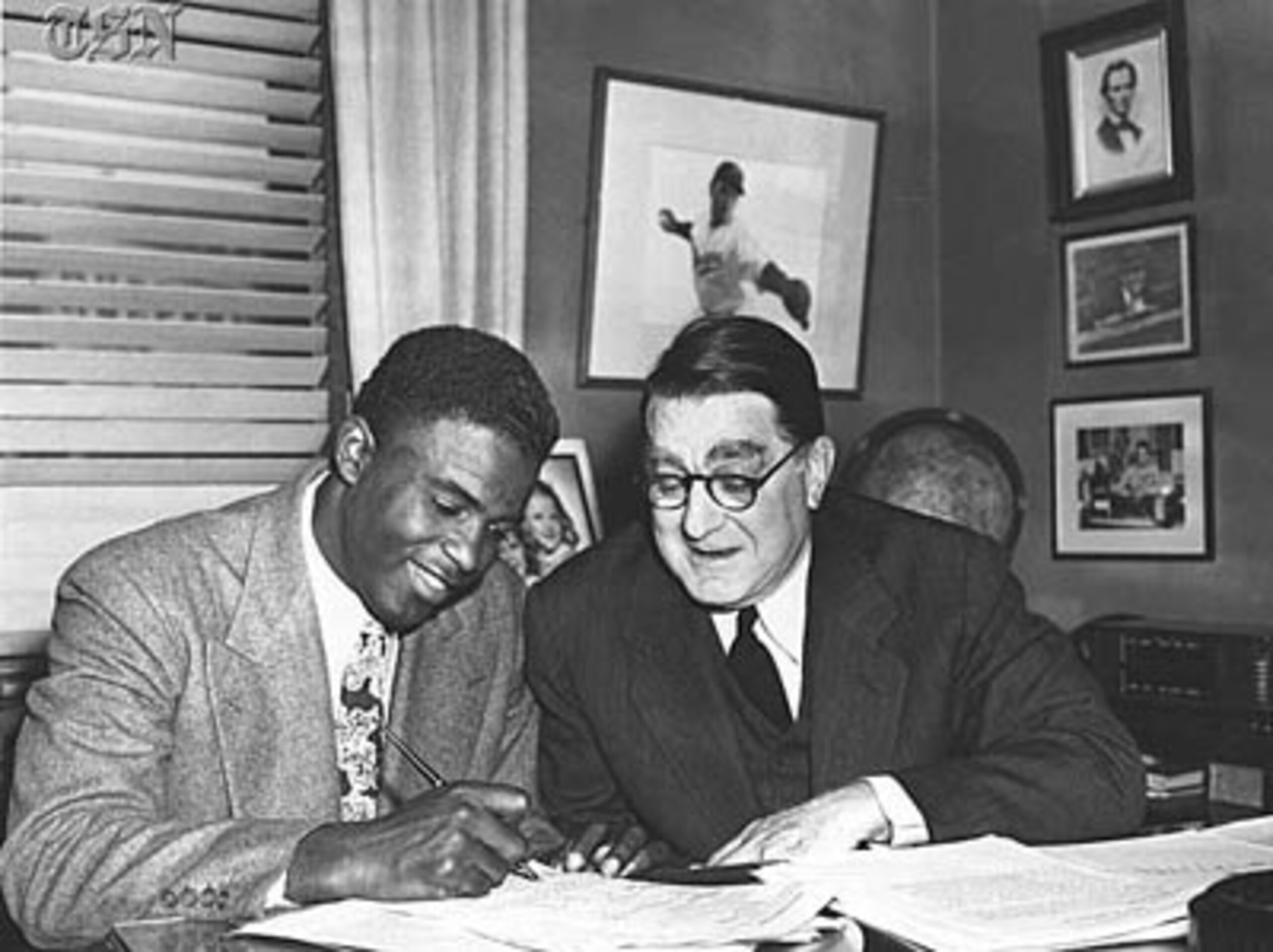
Nobody has ever come close to changing baseball the way Rickey did. He was the mastermind behind the integration of the game, the building of farm systems and modern methodology of trades. Rickey held court with sports writers for hours, famously giving them nothing but witty gibberish, and thought about baseball as a business full of exploitable inefficiencies. That is what led him to sign Jackie Robinson and Roy Campanella, and it made him baseball's greatest innovator.
Historical perspective demands that Rickey's greatest remembered accomplishment be helping to integrate the game, but his decision to begin affiliating his clubs with independent and minor leagues, thereby creating a feeder system that has grown into the minor-league system we know today, also made a remarkable impact upon the game on and off the field. Rickey knew that having somewhere to develop players while retaining their exclusive rights had enormous value, and he found the right framework in which to execute that plan.
It was Rickey's pair of brilliant strokes that allowed baseball to evolve into the far superior product it fielded from World War II onward.

.png?w=2560)

.png?w=2560 "Early 2027 NFL Mock Draft ✍️")
.jpg?w=2560 "Grading Monday Night Raw 🔠")
.jpg?w=2560 "Saints WR Jordyn Tyson Out 2 Months")

.jpg?w=2560 "Colts Sign Keenan Allen")

.jpg?w=2560 "Aiyuk, Tyreek's Top Landing Spots")