LeBron James, Cavs Will Be Faster, Better with Kevin Love at Center
CLEVELAND—Last season the Cleveland Cavaliers had a revolving door at shooting guard and little bench depth, played an isolation-heavy style and were still the third-best offensive team in the NBA.
This year, they should be even better.
Although Kyrie Irving and his 25.2 points per game are gone and Isaiah Thomas (28.9 points with the Boston Celtics) likely won't return from a hip injury until 2018, this is an offense that should eclipse their 110.3 scoring average from 2016-17.
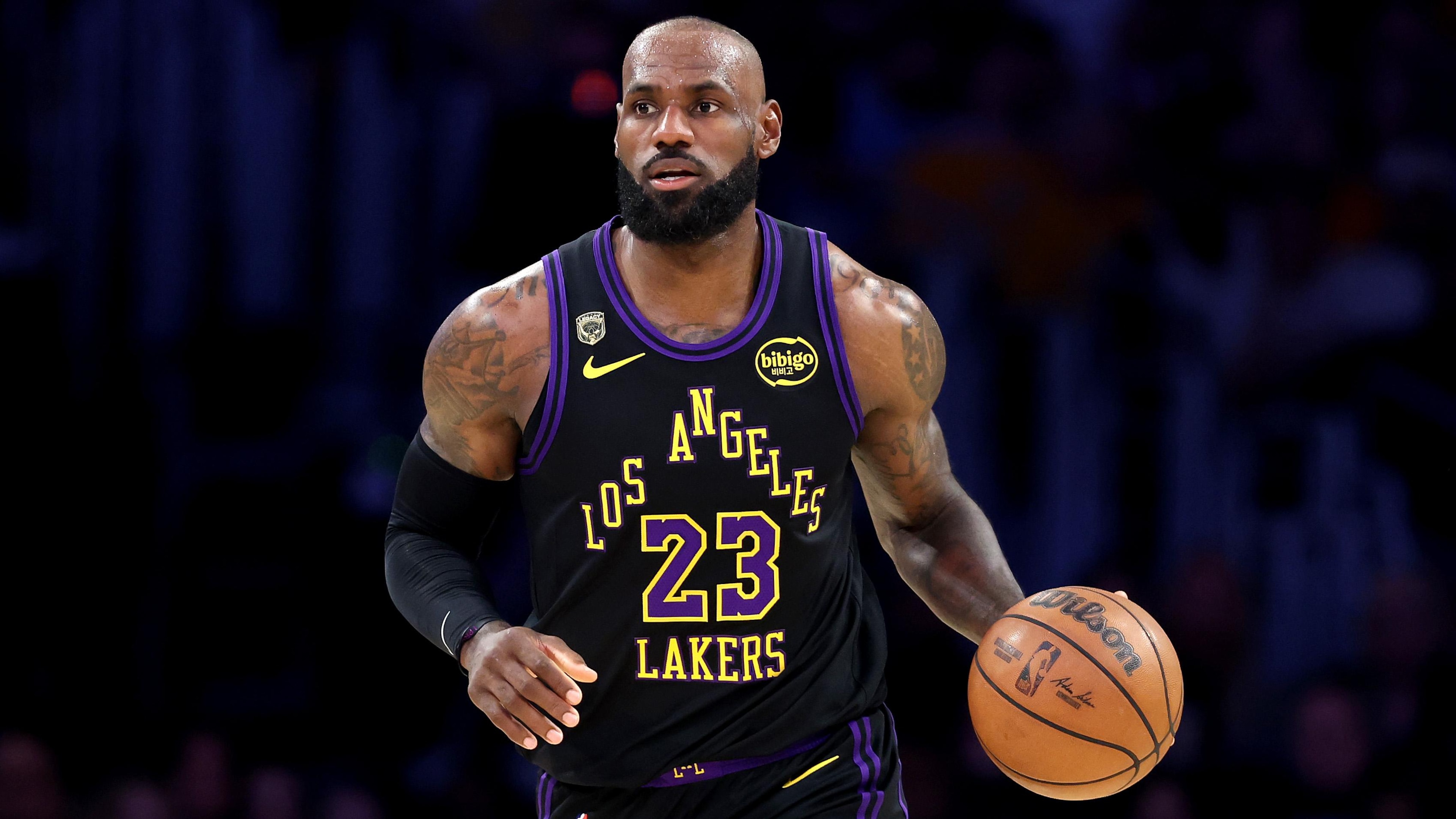
While they wait for Thomas to make his debut, Cleveland still boasts LeBron James and Kevin Love while adding Dwyane Wade, Derrick Rose and Jae Crowder to the mix. Already head coach Tyronn Lue has shuffled his deck, sending last year's starting center, Tristan Thompson, to the bench in favor of a Love-James-Crowder frontcourt.
While this unit could (and likely will) struggle defensively in the paint, there's no denying the Cavs will be faster, more athletic and can space the floor far more with Thompson coming off the bench.
If Thomas returns to full health, the Cavaliers will boast the NBA's third-leading scoring at point guard, with Wade or J.R. Smith checking in next to him.
Without Irving, and with up to three new starters in their opening lineup, Cleveland's offense should still be one of the league's best.
Changing of the (Point) Guards
The Cavs have a wealth of depth at the floor general position with Thomas, Rose, Jose Calderon and Kay Felder. James and Wade will also handle the ball a healthy amount.
Quantity alone won't make up for the quality of play Irving brought to the position over the past six years, but Lue has done a good job of adjusting his roster to the strength of his new guards.
Staring at a possible Rose-Wade backcourt certainly brings excitement—and a frightening lack of shooting.
James-led teams need to have ready and willing shooters around him, able to catch and release in a moment's notice. While Rose claims his lack of three-point shooting (13 makes in 64 games last year) was merely a product of trying to stay efficient, it's clear releasing from long range is not his forte.
What could be overlooked is his passing.
Rose has never been a high-volume assist guy (6.0 per game for his career) but has averaged 7.7 or more per game in two seasons. With so many other scorers around him, we should see a more balanced shoot/pass attack from the former MVP.
"I think playing in Calabasas (for James' minicamp in California), they saw the way that I pass the ball and were surprised with, I guess, my IQ and the way that I did pass," Rose said, noting he's not the same guy that previously occupied Cleveland's starting point guard job. "Kyrie was a hell of a player and the way he played was unique. My job is to get guys open."
Rose has been one of the most-talked-about players during training camp. He's been flying around the court, making devastating cuts and showing off athleticism reminiscent of his MVP days.
"He made a few moves at the rim today that made me go, 'Oh yeah, I've seen that before,'" said former Chicago Bulls teammate Kyle Korver, via Amico Hoops' Ashish Mathur.
Rose won't check all the boxes that Irving did. Neither will Thomas when he returns. Despite this, Lue doesn't think the point guard's job will vary no matter who's running the show:
"It doesn't change a lot. Kyrie was dynamic in pick-and-rolls. Derrick is dynamic in pick-and-rolls. Then Isaiah, he's great in pick-and-rolls also so there's a lot of similarities in terms of having explosive guards who can create off the pick-and-roll and get anywhere they want on the floor. It won't be too much of a difference as far as the pick-and-roll game."
Thomas scored 46.2 percent of the time he was a pick-and-roll ball-handler last season, good for second among all point guards. Rose was ninth at a 44.9 percent rate, while Irving came in 16th at 43.4 percent, per NBA.com.
Cleveland should be able to run 1-3, 1-4 or 1-5 pick-and-rolls with tremendous success with its new frontcourt, no matter which point guard is on the floor.
What's Love Got to Do?
While Love may get beat up defensively as the season wears on, overall he should be thrilled with his new role as a starting center.
"Kevin is going to have the best year that he's had here," Lue told ESPN.com's Zach Lowe, even before officially switching the 29-year-old's position.
The loss of Irving should be a blessing in disguise for Love, who clearly became the third dog when it came to feeding time. Irving spent a team-high 21.4 percent of his possessions in isolation, or more than newcomers Wade (12.0 percent) and Thomas (9.1 percent) combined.
Less "iso ball" means more touches for Love, who should find himself in the paint far more often without Thompson starting alongside.
The key to jump-starting Love isn't in the paint, however. Nor is it at the three-point line. Instead, Lue needs to use Love at the elbows, where he spent so much of his time in Minnesota.
In Love's last season with the Timberwolves in 2013-14, he ranked second in the NBA in elbow touches (11.6 per game). This past season, he received the ball just 2.8 times in the same area, down to 54th overall and even below teammate Thompson.
While he doesn't have Nikola Jokic-like passing skills, Love is still one of the league's best big man when it comes to finding his target. Putting him at the elbow allows for players like James and Crowder to cut to the basket, sealing off smaller, weaker opponents and getting an easy look at the rim. This was too much of an underutilized play, as James made 62.3 percent of his two-point attempts off a Love pass last season.
It also allows the 6'10" center to shoot the mid-range jumper or drive if the opponent is right. Even if his overall shot attempts don't rise this season, more plays need to be run through Love.
LeBron Insurance
The Cavs had one goal in the rare instances that James had to take a break last season: Don't become a complete dumpster fire.
Unfortunately, often the opposite was true.
Cleveland was 17.1 points per 100 possessions better with James on the court, the second-highest mark of his career. During the postseason, this figure jumped to 30.7 points, taking into account both an improved offense and stingier defense in his 41.3 minutes a contest.
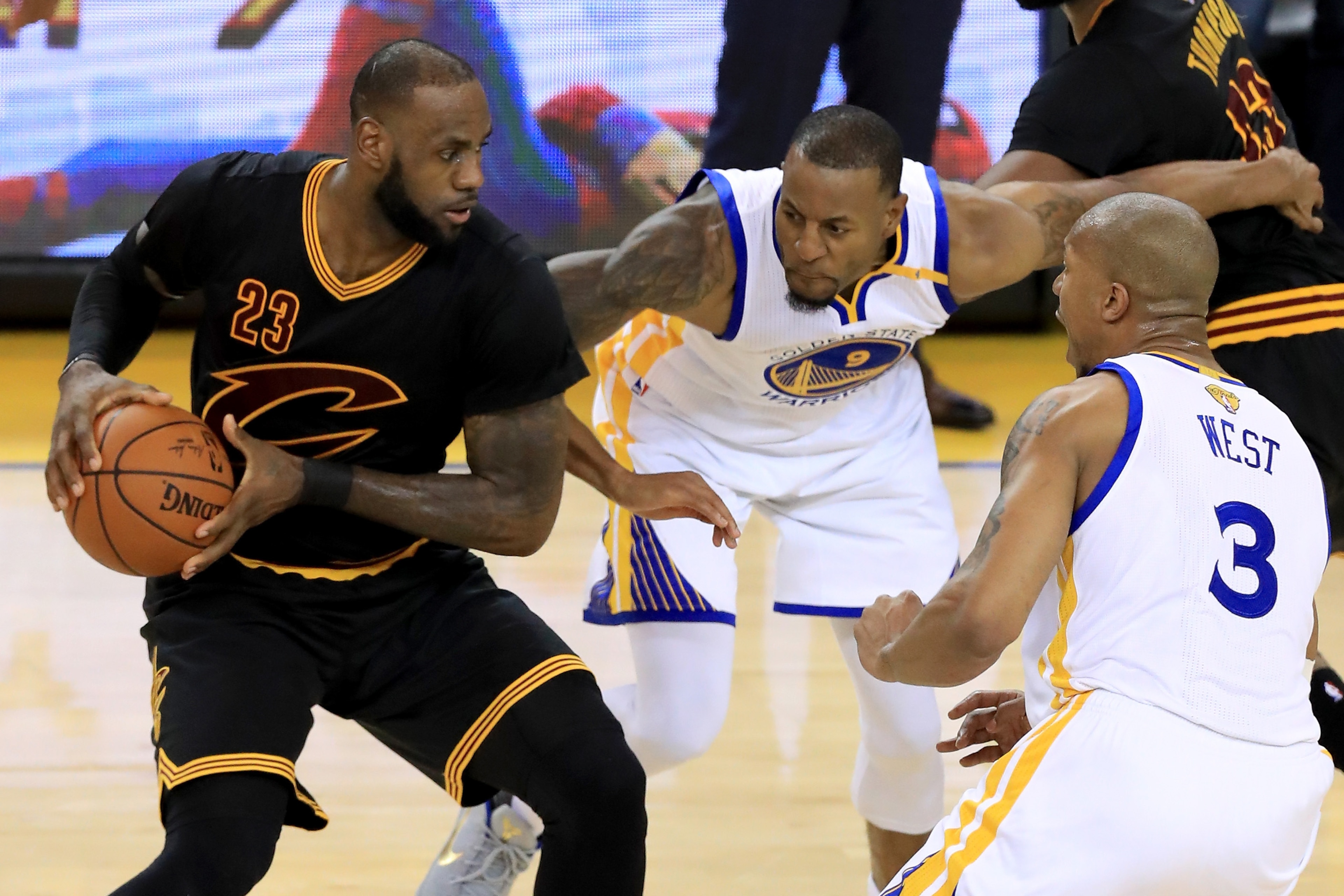
In their most important night of the year, Game 3 of the Finals after going down 0-2, the Cavaliers completely imploded without James. In the 45 minutes and 37 seconds he spent gassed on the floor, the Cavs were plus-seven. In just the two minutes and 23 seconds he sat, the Golden State Warriors outscored Cleveland by 12.
To show how much the Cavs roster has changed over the past few months, Richard Jefferson has gone from James' primary replacement to being in danger of not even making the team. Crowder and Jeff Green can now fill James' forward spot while Thomas, Wade or Rose can orchestrate the offense. While Lue would often rely on James to carry a second unit while Irving and Love got a breather, Cleveland's bench could now consist of Rose, Wade, Iman Shumpert, Green and Thompson come playoff time.
Cleveland doesn't have to build leads with James out, and they likely won't. Simply keeping on/off numbers the same while the four-time MVP rests would be enough.
Greg Swartz is the Cleveland Cavaliers' lead writer for Bleacher Report. Stats provided by NBA.com and Basketball Reference unless otherwise noted. All quotes obtained firsthand unless noted.
.png?w=3840 "B/R")
.jpg?w=3840 "WWE NXT Winners, Live Grades and Reaction From July 14")