WWE WrestleMania 33: How Main Event Has Shifted from Performance to Spectacle
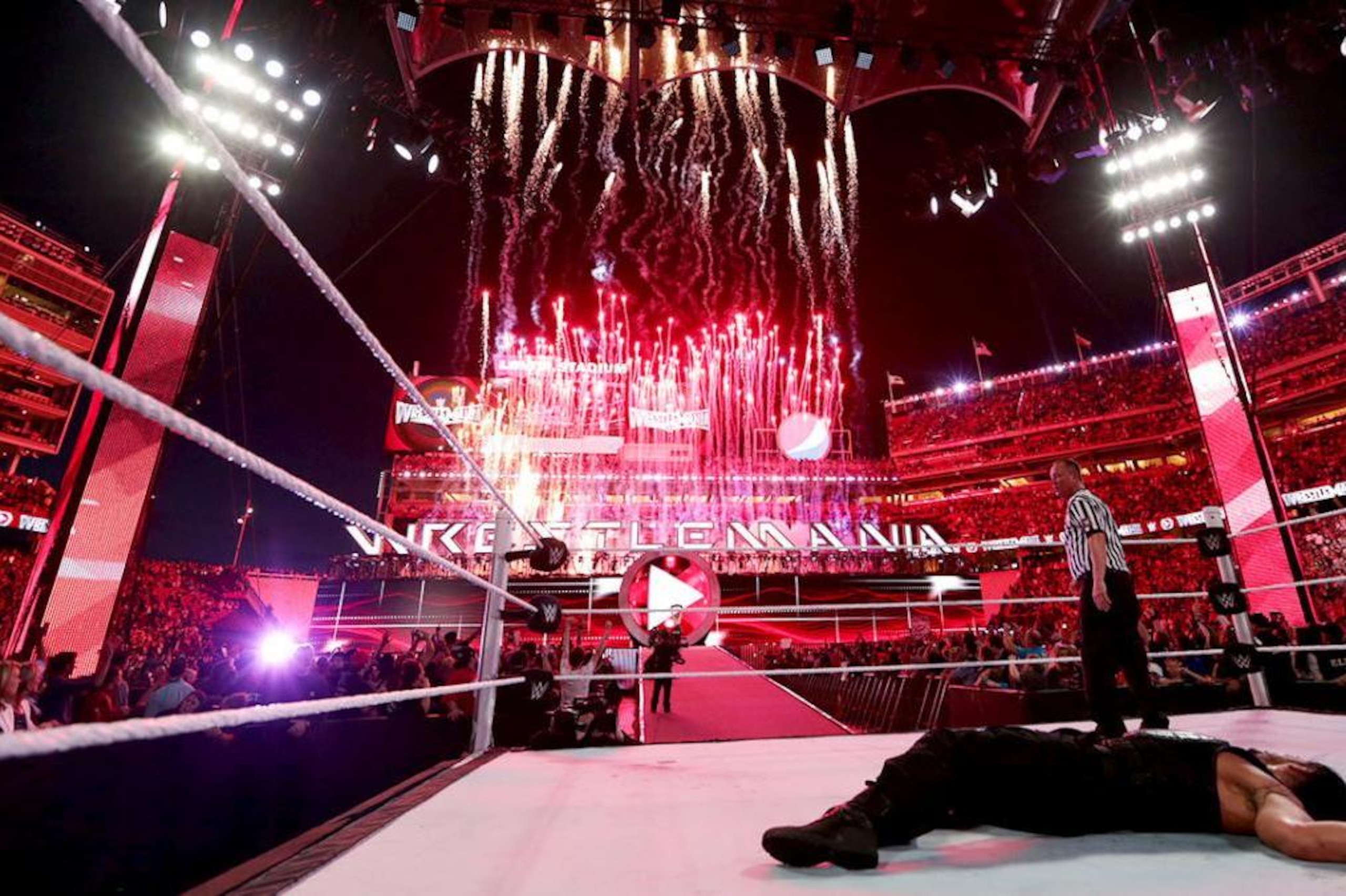
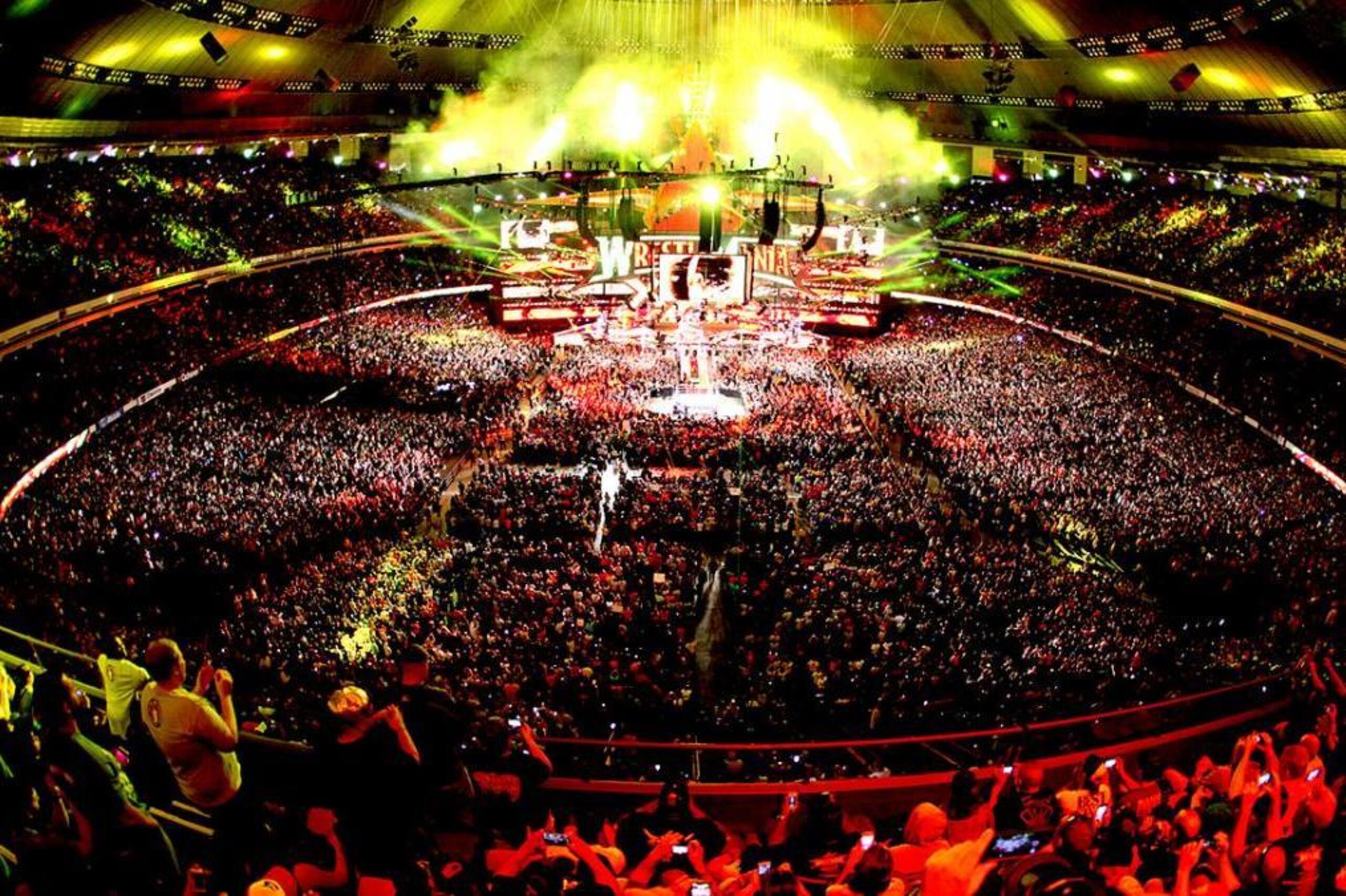
Creating a mainstream wrestling supershow is the toughest task any professional wrestling promotion will ever have, yet the WWE has become the master of the big show. The No. 1 event that the WWE has sold to the point of capturing the attention of the world is WrestleMania, a full night of the biggest matches on the Grandest Stage of Them All.
Over time, the WWE has had to adapt to the changing state of the business and popular culture to continue selling out massive venues all over the United States. This has led to WrestleMania's brand morphing to the point where the event has grown in popularity with each year even as the WWE's own popularity has wavered.
TOP NEWS
2026 PWI Top 500 Released

Buy or Sell WWE Stars Winning a Championship 🤔
10 WWE Forgotten Fall Classics 📊
In order to keep this success, a clear trend has emerged with the WWE's move from a traditional pay-per-view to a pure spectacle. While WrestleMania was once the culmination of a year of build and characters, it has become more of a night for legends and celebrities to emerge and make a one-time impact.
With this year's main event clash on April 2 between Brock Lesnar and Goldberg another example of this trend, it is easy to assume WrestleMania has changed radically from its original concept. It is harder, though, to quantify that evolution, but it is possible.
In order to define just how 'Mania has changed from a night of the best performers in the business putting on their greatest matches to a night of moments foreign to much of the rest of the year, it is important to dive into the fundamental dividing line: performance.
Just focusing on the main events of WrestleMania over the years, this article will break down how many times each performer competed as a member of the WWE roster in the previous year. By quantifying the development of WrestleMania's main events, it is possible to see how much the event has morphed.
Framework for Statistics
Classifying what is a "main event" at WrestleMania has changed over the years to the point of making the definition difficult to pin down. WWE has shifted from 1 single headline match to declaring almost half the card as main events. Therefore, before proceeding, it was important to classify which matches from each show would be called the "main events".
The following list of matches are based upon the television build up to each WrestleMania as well as how the posters represented each match. As the focus is upon the build to WrestleMania not the show itself, placement on the card or match quality are not considerations. Note: WrestleMania IV had no headliners as the focus of the build was a tournament including fourteen wrestlers.
- WrestleMania I: Hulk Hogan and Mr. T vs. Roddy Piper and Paul Orndorff
- WrestleMania 2: Hogan (c) vs. King Kong Bundy, Piper vs. Mr. T
- WrestleMania III: Hogan (c) vs. Andre The Giant
- WrestleMania V: Hogan (c) vs. Randy Savage
- WrestleMania VI: Hogan (c) vs. The Ultimate Warrior (c)
- WrestleMania VII: Sgt. Slaughter (c) vs. Hogan
- WrestleMania VIII: Hogan vs. Sid Justice, Ric Flair (c) vs. Savage
- WrestleMania IX: Bret Hart (c) vs. Yokozuna
- WrestleMania X: Yokozuna (c) vs. Hart, Yokozuna (c) vs. Lex Luger
- WrestleMania XI: Lawrence Taylor vs. Bam Bam Bigelow
- WrestleMania XII: Hart (c) vs. Shawn Michaels
- WrestleMania 13: Sycho Sid (c) vs. The Undertaker
- WrestleMania XIV: Michaels (c) vs. Stone Cold Steve Austin
- WrestleMania XV: The Rock (c) vs. Austin
- WrestleMania 2000: Triple H (c) vs. Rock vs. Mick Foley vs. Big Show
- WrestleMania X-Seven: Rock (c) vs. Austin
- WrestleMania X8: Rock vs. Hogan, Chris Jericho (c) vs. HHH
- WrestleMania XIX: Kurt Angle (c) vs. Brock Lesnar, Rock vs. Austin
- WrestleMania XX: HHH (c) vs. Chris Benoit vs. Michaels, Eddie Guerrero (c) vs. Angle
- WrestleMania 21: HHH (c) vs. Batista, John Bradshaw Layfield (c) vs. John Cena
- WrestleMania 22: Cena (c) vs. HHH, Angle (c) vs. Rey Mysterio vs. Randy Orton
- Wrestlemania 23: Bobby Lashley vs. Umaga, Cena (c) vs. Michaels, Batista (c) vs. Taker
- WrestleMania XXIV: Edge (c) vs. Taker, Orton (c) vs. Cena vs. HHH, Show vs. Floyd Mayweather Jr.
- WrestleMania XXV: HHH (c) vs. Orton, Edge (c) vs. Cena vs. Show, Taker vs. Michaels
- WrestleMania XXVI: Taker vs. Michaels, Batista (c) vs. Cena, Jericho (c) vs. Edge
- WrestleMania XXVII: The Miz (c) vs. Cena, Taker vs. HHH
- WrestleMania XXVIII: Rock vs. Cena
- WrestleMania 29: Rock (c) vs. Cena
- WrestleMania XXX: Orton (c) vs. Batista vs. Daniel Bryan, HHH vs. Bryan, Taker vs. Lesnar
- WrestleMania 31: Lesnar (c) vs. Roman Reigns, HHH vs. Sting
- Wrestlemania 32: HHH (c) vs. Reigns
From here, all statistics were collected from thehistoryofwwe.com, counting the number of matches each wrestler performed in both televised and at house shows in the 364 days between the previous 'Mania and the one the performer main evented.
While the numbers cannot be confirmed as exact due to potential human error, these are close estimates that show clear trends in WWE's representation in its main events.
| Bret Hart: WrestleMania IX | 256 |
| Paul Orndorff: WrestleMania I | 253 |
| The Ultimate Warrior: WrestleMania VI | 229 |
| Yokozuna: WrestleMania X | 224 |
| Daniel Bryan: WrestleMania XXX | 218 |
| Randy Savage: WrestleMania V | 204 |
| Rowdy Roddy Piper: WrestleMania I | 198 |
| The Rock: WrestleMania XV | 196 |
| King Kong Bundy: WrestleMania II | 195 |
| Roman Reigns: WrestleMania 32 | 194 |
Most Dates Performed By Main Eventers
Main eventers often are not the same performers as those who compete the most in the WWE, as the big stars do not wrestle as frequently but rather cut promos and develop their angles. Still, house-show representation often still balances out to the point where the average WrestleMania main eventer performs 115 times in a year.
Any performer who wrestled roughly 200 matches in a year performed at nearly every WWE event in the year, showcasing how much work they did to help aid the company. The abnormally high numbers for early performers showcase the way that the business has evolved, both in terms of total dates as well as types of appearances.
Bret Hart and Paul Orndorff's total matches in their years are a testament to the level of importance they had to WWE as wrestlers, just as Daniel Bryan's recent 218 matches showed his role as a workhorse from 2013-14. These high numbers stand as a reminder of the sharp contrast between them and the special attraction performers.
| Mr. T: WrestleMania I | 0 |
| Lawrence Taylor: WrestleMania XI | 0 |
| Floyd Mayweather Jr.: WrestleMania XXIV | 0 |
| Sting: WrestleMania 31 | 0 |
| Mr. T: WrestleMania II | 1 |
| The Rock: WrestleMania 28 | 1 |
| Andre the Giant: WrestleMania III | 2 |
| Hulk Hogan: WrestleMania X8 | 2 |
| The Rock: WrestleMania 29 | 2 |
| The Undertaker: WrestleMania XXX | 2 |
Least Dates Performed by Main Eventers
Many celebrities have performed at WrestleMania over the years, but only a few select performers were considered worthy of the main event spotlight despite not performing much if any in the preceding year. Most of those stars are legendary wrestlers, who took significant time away from the WWE.
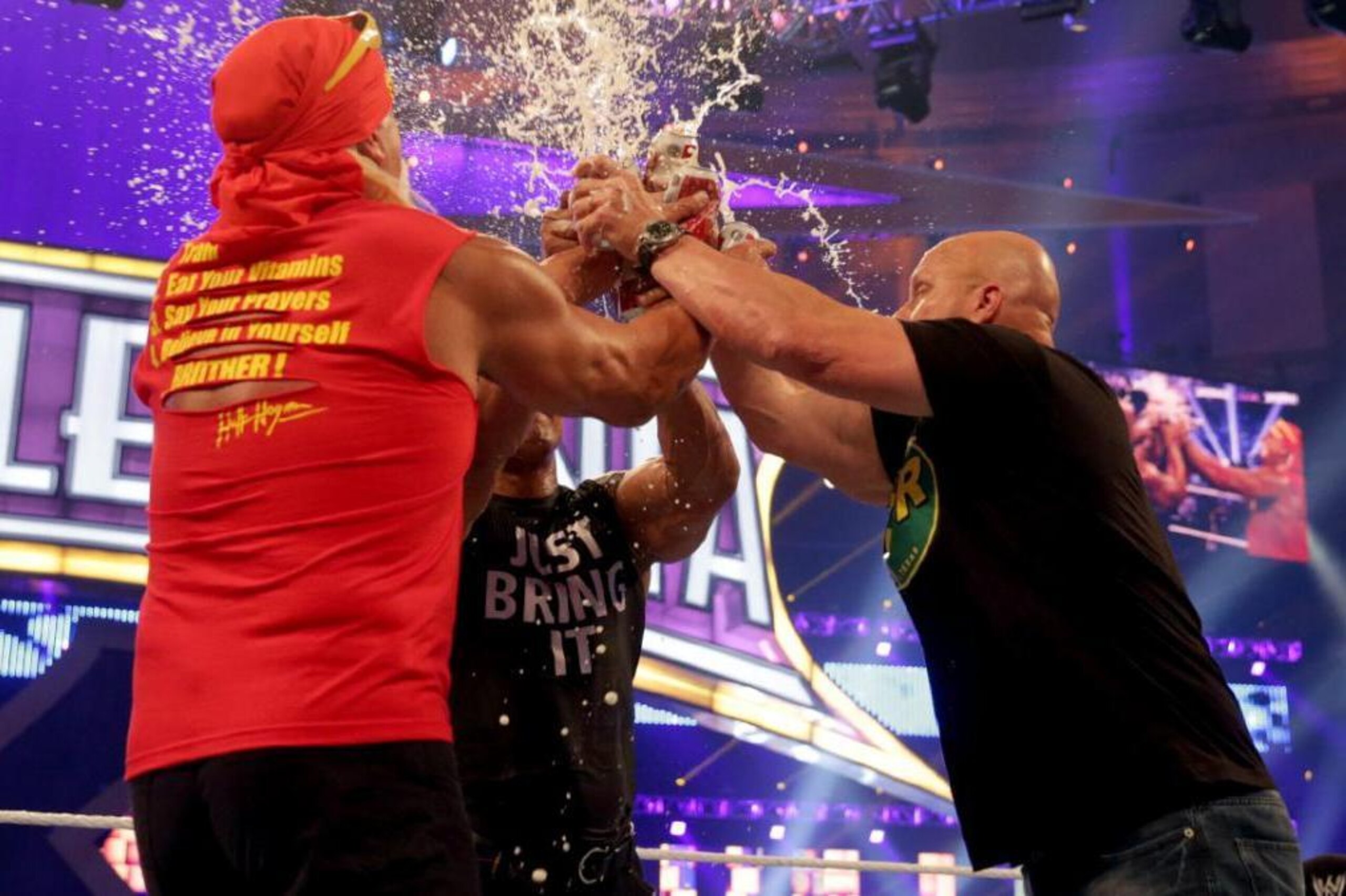
Rock, Taker and Sting had all paid their dues as performers even if they had not done so in the previous year. Mr. T, Lawrence Taylor and Floyd Mayweather Jr. were unique stars, who were willing to put on a match worthy of their high-profile status. Andre The Giant and Hulk Hogan were both in tentative situations with the WWE and their personal health that led to few appearances before their huge match.
While the list covers a great range of performers over the past three decades, the numbers become more startling as you extend the list. In the past five years, the majority of main eventers have wrestled five or fewer dates over the preceding year. In fact, there have been nine performers under this category in the last five years versus the six in the 27 years prior.
Trends of Appearances
Over the 32 years of 'Mania main events, the number of matches wrestled by the performers have steadily decreased. The first 11 'Manias saw an average of 140 performances in the preceding year including WrestleMania X where the three men averaged 195 matches. That number was down to 122 from WrestleMania XII to WrestleMania 21 then tanked to 91 from WrestleMania 22 on.
That average includes WrestleMania 31, which had an abysmal 41 match average among its four main eventers despite Reigns wrestling 157 times that year. It is also the only span of WrestleManias that falls below the median average of 115 matches in a year. Even with a lower number of total house shows in that time, the difference still stands as staggering.
Up to the year 2000, all but three WrestleManias had an average in the triple digits. Since that time, only five WrestleManias have hit triple digits in match count. Thus, since WrestleMania 2000, only five Manias have seen the average main event star work the average number of dates expected of a performer with the last of those 'Manias in 2010.
One positive steady trend over the years has been the representation of the world championships in the main events. Even with a growing focus on past performers, the WWE champion has been in a main event match at all but two 'Manias. In the 11 years the WWE carried two world champions, though, only seven times was the world heavyweight champion also in a main event match.

Consequences of the Trends
These numbers line up with the expectation that the WWE has moved away from rewarding talent for hard work in the previous year through WrestleMania. Main events are now reserved for performers who often have done little in the past year to keep the company moving. This follows the trend of WWE's startling success at Mania each year despite sales figures and ratings over the year dipping with time.
While most of the wrestlers in these top matches have long paid their dues, their spotlight overshadows wrestlers who were once in their position. Would Triple H and Undertaker have found the same success and be main eventing today if they had debuted in 2010, or would they also be overshadowed by former talents returning for huge one-night paychecks?
By having wrestlers like Goldberg and Lesnar this year in the main event yet not performing at house shows (Lesnar did wrestle seven untelevised matches this year, to be fair), the WWE could alienate the roster. Even the fans have to feel disrespected when going to a house show on the Road to WrestleMania where the top stars are those unwilling to compete for them, even leaving the event without a champion.
While disrespect of the talent doing the most work can be a serious problem, an even larger issue is how the WWE has grown to rely on talent at the end of their careers. As Taker and Goldberg are both at least 50 years old and potentially performing at their last WrestleMania, WWE could soon be without two major parts of its 'Mania card this year.
This plan of action lacks sustainability. The only main event performer in the past five years who could perform at the next 10 is Reigns unless Orton and Cena both take on special attraction deals to protect them from the wear and tear of the next decade.
Eventually, the WWE will need to create new stars who can be relied upon to sustain the spectacle of the show or be forced to change the image of the Showcase of the Immortals once more. At this rate, all the WWE will have left are the wrestlers performing 110-plus nights each year, who will continue to put on great matches thanks to their experience.
The current roster is extremely talented and young (for the most part) with many putting in serious work. There are a few highly regarded performers who could take the next step forward if the WWE gives them the spotlight. Dean Ambrose and The Miz are both stars who have been on the verge of taking the next step with true mainstream potential.
Bray Wyatt will be in the main event for the first time, with the opportunity to earn many more. Kevin Owens and Sami Zayn have both become top talent for Raw, but they have not been able to branch out. Every single one of these performers has wrestled over 130 dates in the past year and has the ability to work many more. The question remains, though, if any can be groomed to take the next step.
If these stars are the future of the WrestleMania brand, they will have to continue to improve and branch out beyond the WWE. If they can, the WWE will be able to sustain WrestleMania with a returned focus upon performance. Otherwise, a new style of spectacle will need to be developed as the time of relying upon past stars and celebrities for the sake of grand moments has a fast-approaching limit.

.jpg?w=2560 "LaFleur Criticizes Packers Offense 😡")

.png?w=2560 "Penix Outplays Love on TNF 👀")