

Real Madrid Must Protect Toni Kroos and Should Rest Him in Champions League Game
Injuries are blighting Real Madrid's first half of the season so far, not with long-term absentees or in particularly devastating numbers, but with a rotating cast of players suffering three or four weeks out at a time and giving Zinedine Zidane a headache to keep his side competitive and consistent.
Of course, later on in the season, these enforced rest periods might actually be of benefit to the players, who won't have played quite as much football by March or April as they might usually do. But that is of scant consolation to the boss in the here-and-now with the necessity of picking up consistent results.
TOP NEWS

Sullivan, Hall Lead USMNT to Big Win 💥
.jpg?w=2560 "Titans Giants Football")
OBJ Calls Out Giants After Release

Pic of LeBron's Helicopter Commute 🚁
One of the few who has remained fit throughout the entirety of the season so far and is a key part of Zidane's plans is Toni Kroos, the central midfielder who has already had a big impact in several games this term—including the win over Real Betis to end a run of four draws.
The German is in good form and has just signed a new long-term contract, but that only makes it more important than ever that Madrid protect him and have him available for the fixtures that matter most.
That means the midweek UEFA Champions League game against Legia Warsaw has to be seen as an opportunity to rest him and give others the chance to impress, with bigger tests ahead that Kroos will be needed at full capacity for.
Legia event
Naturally, Real Madrid want to finish top of their Champions League group, which means coming out on top against Borussia Dortmund.
Neither Sporting CP nor Legia should present enough of a challenge over the course of six games to the biggest duo, and in the first head-to-head between Los Blancos and BVB, it was the Spanish side who emerged with the more positive result.
A draw meant they stayed level on points, but the away point gives Madrid the advantage ahead of the second meeting on December 7.
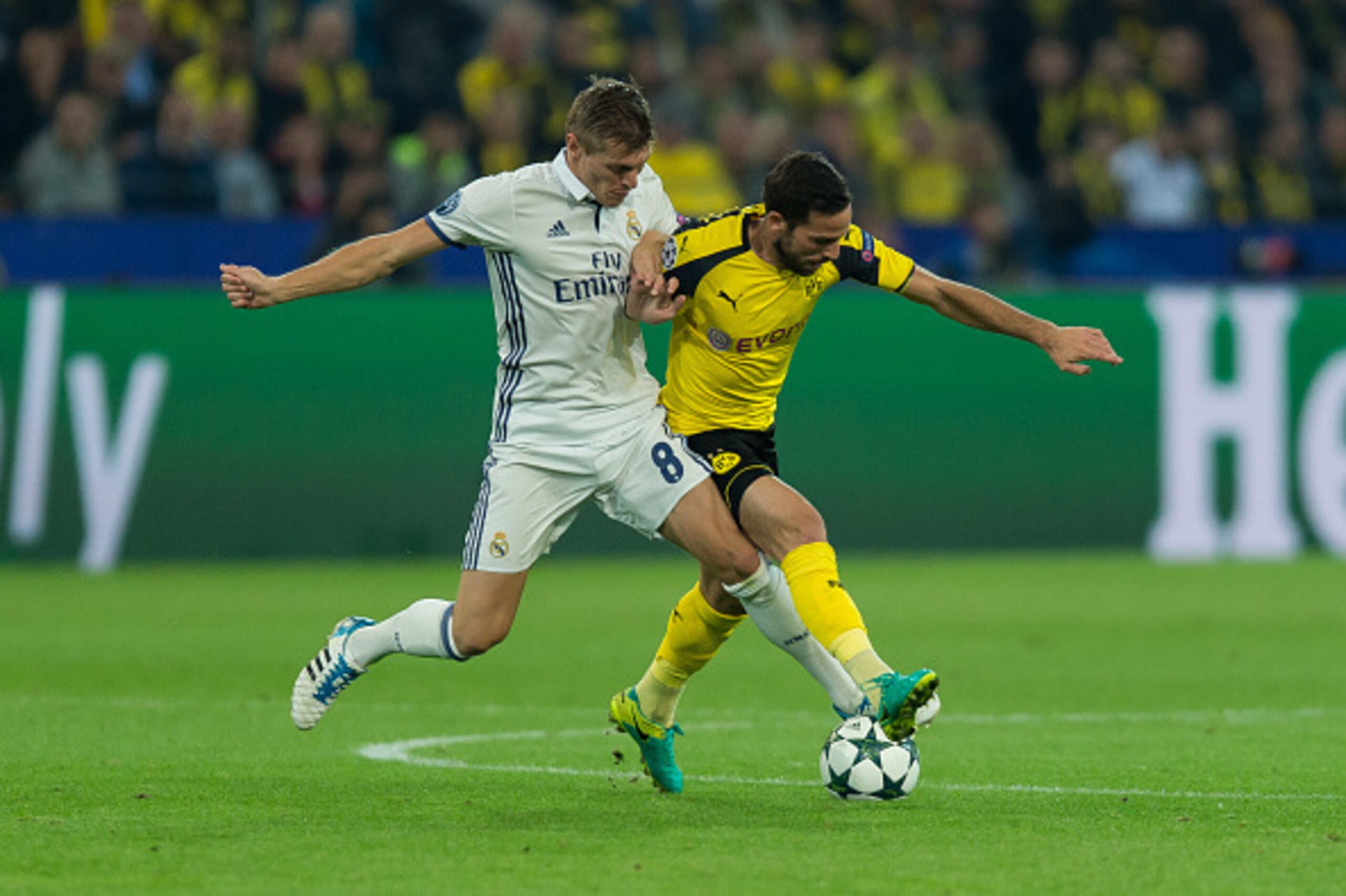
That's the game Zidane and Co. will target as the one that dictates whether they take first or second place—and while that means they'll also have to win the fixtures that come beforehand, in truth, the next two games should be straightforward if the attitude and approach is right, regardless of which players take the field.
Legia are the home side on Tuesday, yet it won't feel that way: The game will be played behind closed doors after crowd trouble against Dortmund, per BBC Sport.
The intimidation factor will be lost, there will be no need for Madrid to quieten a vociferous home support and even any positive start for the home team will not be met with the usual backing and encouragement that can help the players through to half time.
Following the trip to Legia, Real have five days before the next La Liga fixture: at home to Athletic Bilbao, who have made a good start to this term and will present by far the bigger test of the week.
The margin for error in each competition is extremely different at present. Real Madrid can afford—if don't actively want—a slip-up in Europe that can be absorbed and means they can still finish top. However, after a few draws in La Liga, home victories are a must—especially considering how close the top of the table is.
Reliance
There's no doubt Kroos has been a much better player this season already than he was last term, when positional requirements and his own lack of conviction led to many subpar performances.
This year, moved back into the two more forward-thinking central-midfield positions for the most part rather than a holder, he has been a big influence on the team's best displays and provided lots of effective link play in the final third.
But it means he's always on the pitch, just as he has been the past two years, and at some point, it will catch up with him.
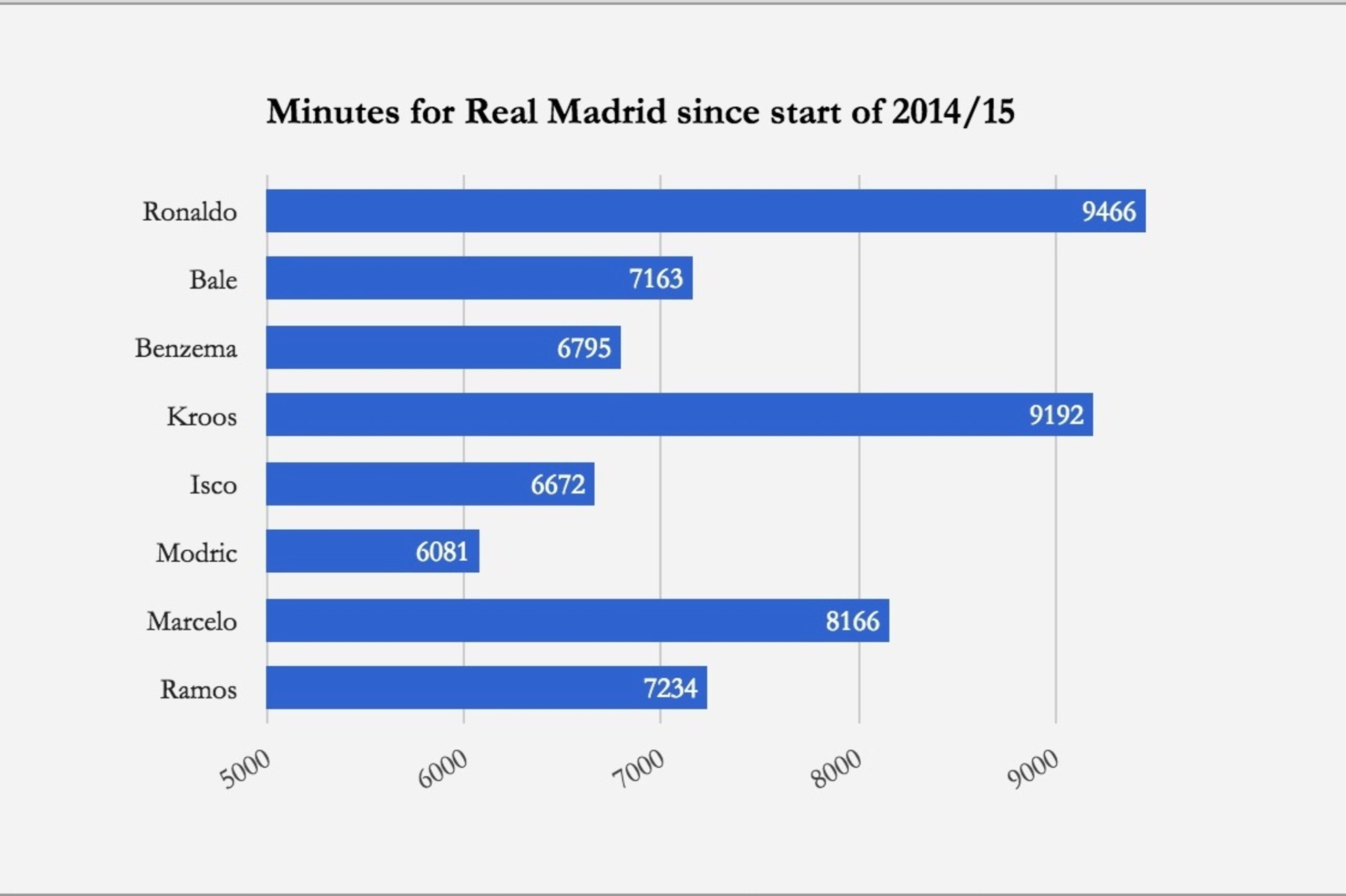
This season, only Dani Carvajal has played more minutes in total than Kroos—885 to 851—and of the top-five players for Madrid in 16/17 in terms of game time, only Kroos and Sergio Ramos played at Euro 2016 this summer. Even there, Kroos played far more: six games and 570 minutes compared to four games and 360 minutes.
It all mounts up, and it's also worth remembering that Kroos won the FIFA World Cup in 2014 immediately before joining Real Madrid, playing every one of the 690 minutes it took to the lift the trophy that summer.
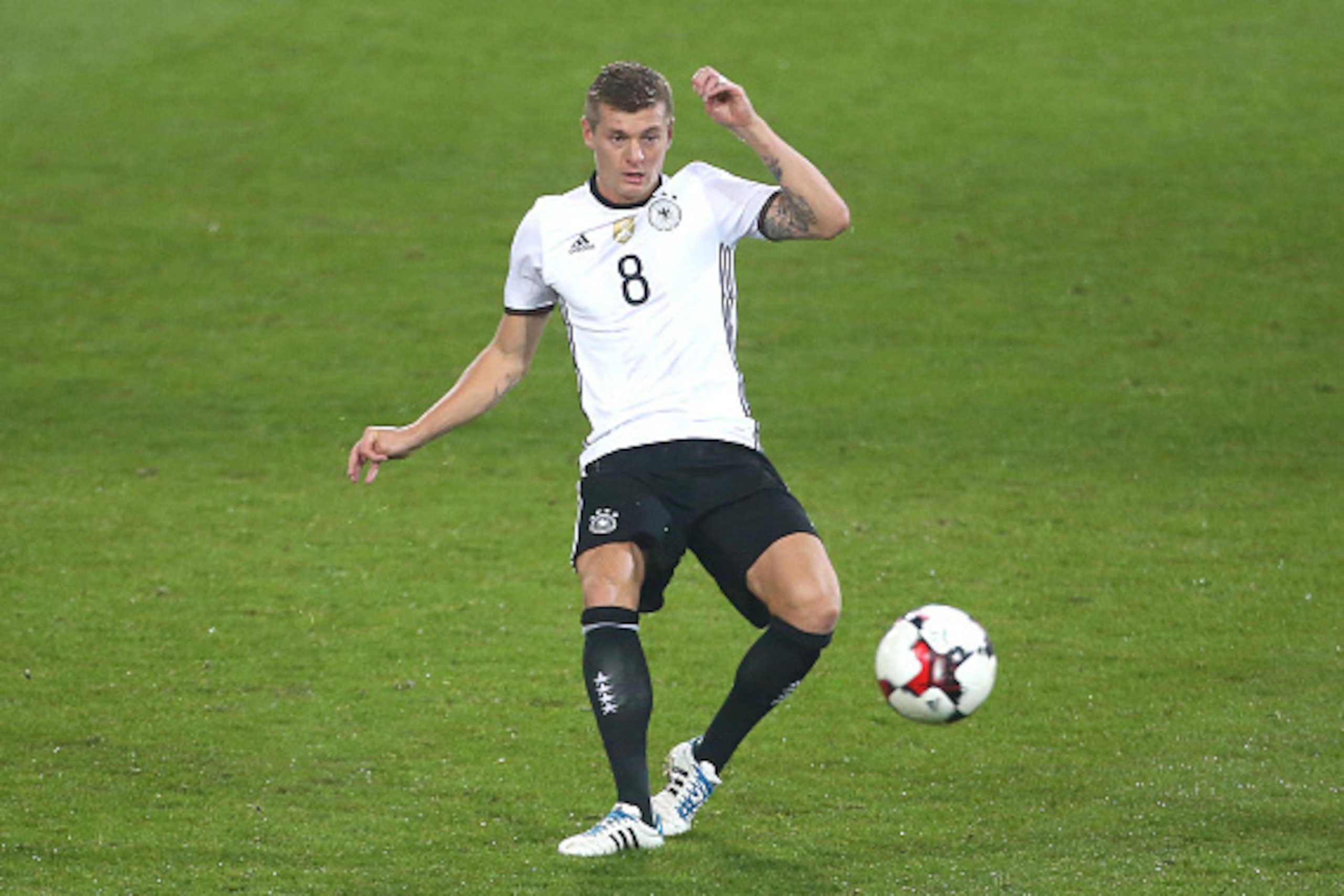
In essence, he has had no break whatsoever since signing, and especially with Casemiro sidelined at present, Madrid must keep him fresh for the bigger challenges ahead, and that means a one-off game in Warsaw is one of few opportunities Zidane will be handed to make the change.
Zidane options
Casemiro's injury does limit Zidane's choices of how to approach the game, though, particularly with Luka Modric also out.
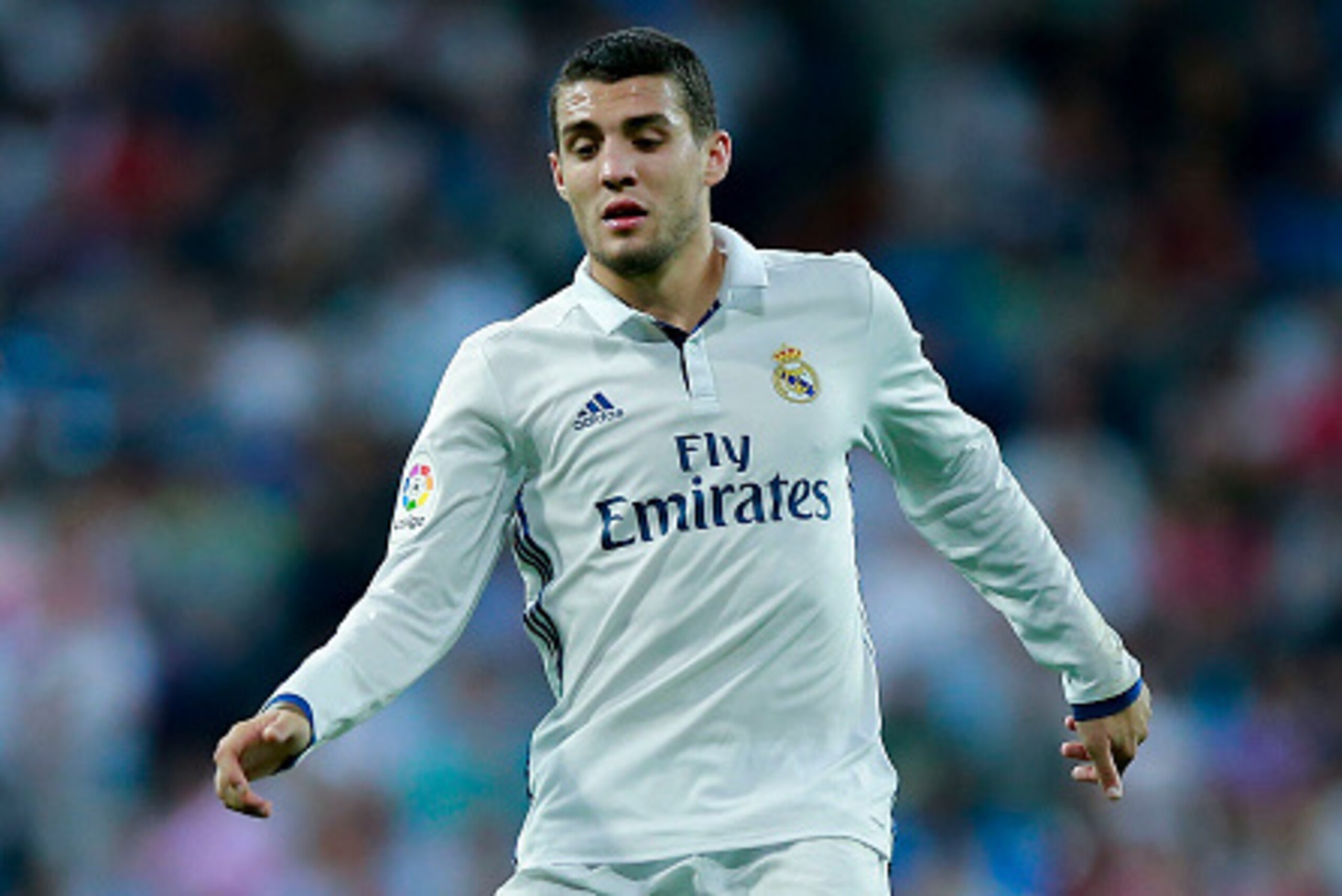
Thankfully for Madrid, one player has been superb this term every time he has been called upon: Mateo Kovacic has been given a much more prominent role under the boss this season and is looking a more mature performer as a result.
The Croatian has the tenacity and discipline to sit in a central role either as a holding option or in a double pivot, as he did against Betis, to make use of the drive and verticality to his play to ensure Modric's influence is not overly missed.
James Rodriguez and Isco would not, perhaps, normally be considered pure central-midfield options without a natural holder in place, but the lower standard of opposition should mean that either one can perform a more than adequate job in the Champions League match, building their own game time and further proving they have a role to play in the squad this season.
A return to 4-4-2 is also a possibility for Zidane, with Lucas Vazquez and Marco Asensio short on game time recently and Alvaro Morata also no doubt a consideration for time on the pitch.
Alternative
The temptation to play Kroos as the senior, reliable man in midfield will be large in the absence of Modric and Casemiro. Zidane will want to do so again when Athletic come to town, especially if the Frenchman feels he can get the result nailed down early in the match in Poland.
One of the criticisms of former boss Rafa Benitez—at both Madrid and previously at Liverpool and Inter Milan—was that he would rotate the stars out of his team for lesser games and trust squad players to stake their claim, bringing the big names on if needed late on to secure the result rather than start strongly and then take the stars off once his team was ahead.
It's possible Zidane could do this, particularly if his team start as fast as they did against Betis and go a couple of goals clear by the break. A 45-minute rest for Kroos would be better than none, but he will still accumulate fatigue, need time to recover and run the risk of injury during his time on the pitch.
In addition, Zidane would have to do this two or three times in matches to make up for simply leaving Kroos out on this occasion.
The German has to get rest at some point, and Zidane will also learn more from his players on the fringes if they have to perform without such a senior midfield leader in a game they are expected to win.


.jpg?w=2560 "Rap: Lions, LaPorta End Contract Talks")


.jpg?w=2560 "Report: Baker May Miss Up to 6 Weeks")