Why Greater Free-to-Air Coverage Is Essential to Secure Formula 1's Future
Following Formula One can be an expensive business in many countries, and the United Kingdom is no exception.
Live coverage of all the races is only available through a subscription to Sky Sports; according to the Guardian, the most basic version of this costs £564 per year.
But UK viewers are fortunate in one respect—some races are shown on free-to-air TV. Channel 4 has taken over from the BBC as the broadcaster providing this service in 2016, and earlier this week, the channel announced the 10 races (of the total of 21) that it will be showing in 2016.
TOP NEWS
.jpg?w=2560 "F1 Ecclestone Auto Racing")
Breaking News

Will a non-QB be 2027's No. 1 pick? New NFL mock draft

Texas WR Warns Ohio State 😈
These will be the Bahrain, Spanish, European, British, Hungarian, Belgian, Italian, Malaysian, Mexican and Abu Dhabi grands prix.
The other 11 races will only be shown live on Sky—meaning fans without any subscription services will be able to watch live coverage of fewer than half of the races that will make up the 2016 season.
To many of them, that isn't enough.
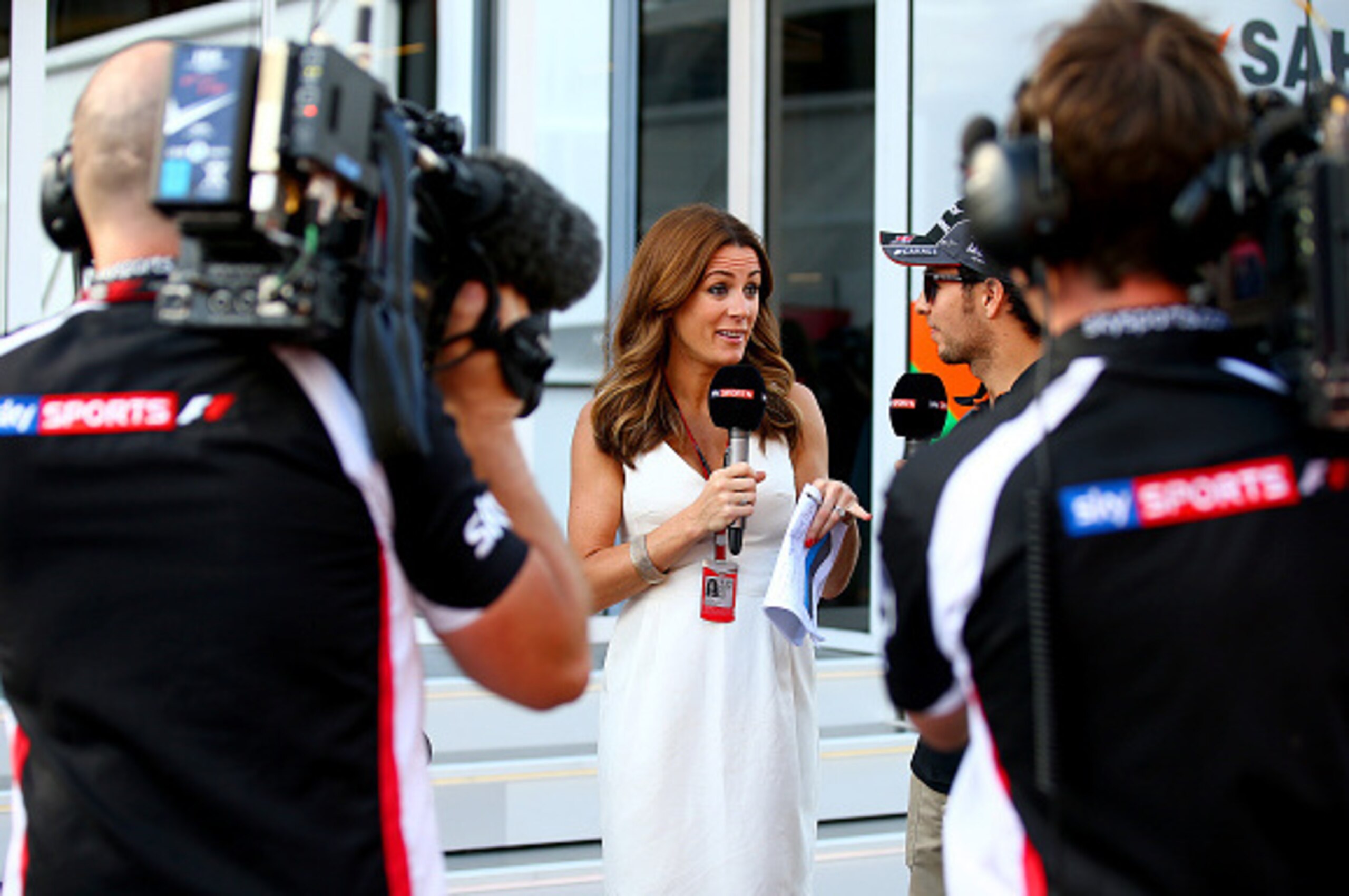
This move away from free-to-air coverage has been mirrored across the world, and viewing figures have dropped as a result. Autosport reported that 2011 saw 515 million fans tune in around the world; by 2014, the Daily Mail's Nick Harris reported the number had fallen to just 425 million.
The primary cause is clear, and those responsible are more than aware of it. Harris' article carried a quote from F1 commercial rights chief Bernie Ecclestone attributing the fall to "the move [F1] has [made] towards pay TV in several markets over the last three seasons."
That pay TV has stopped existing fans from enjoying their favourite sport is bad enough, but it's also doing something worse: It's preventing new fans from discovering F1—and this is going to cause a major problem in the not too distant future.
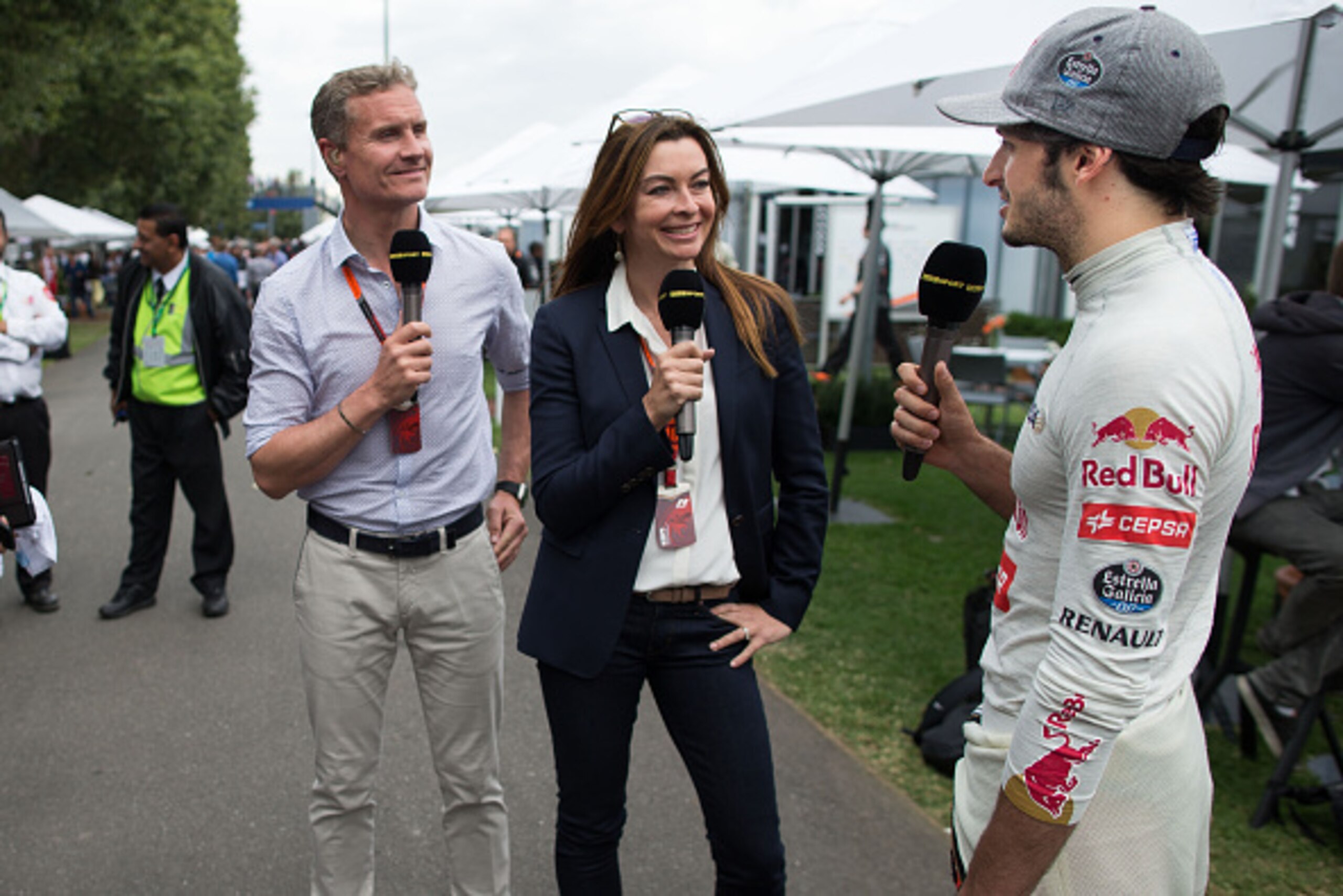
Association Football (soccer to some) can—at least in Europe—get away with not appearing frequently on free-to-air TV.
In much of the continent, football is an unofficial national sport—accessible, cheap to get into and with a gargantuan grassroots network built around it. Children play it from a young age, some as soon as they can walk, and almost every town or city has a professional club.
There are also amateur leagues, children's leagues, five-a-side leagues, leagues for men and leagues for women. Anyone who wants to play can play, and those who want to watch can do so with relative ease—even if they only want to watch the very best.
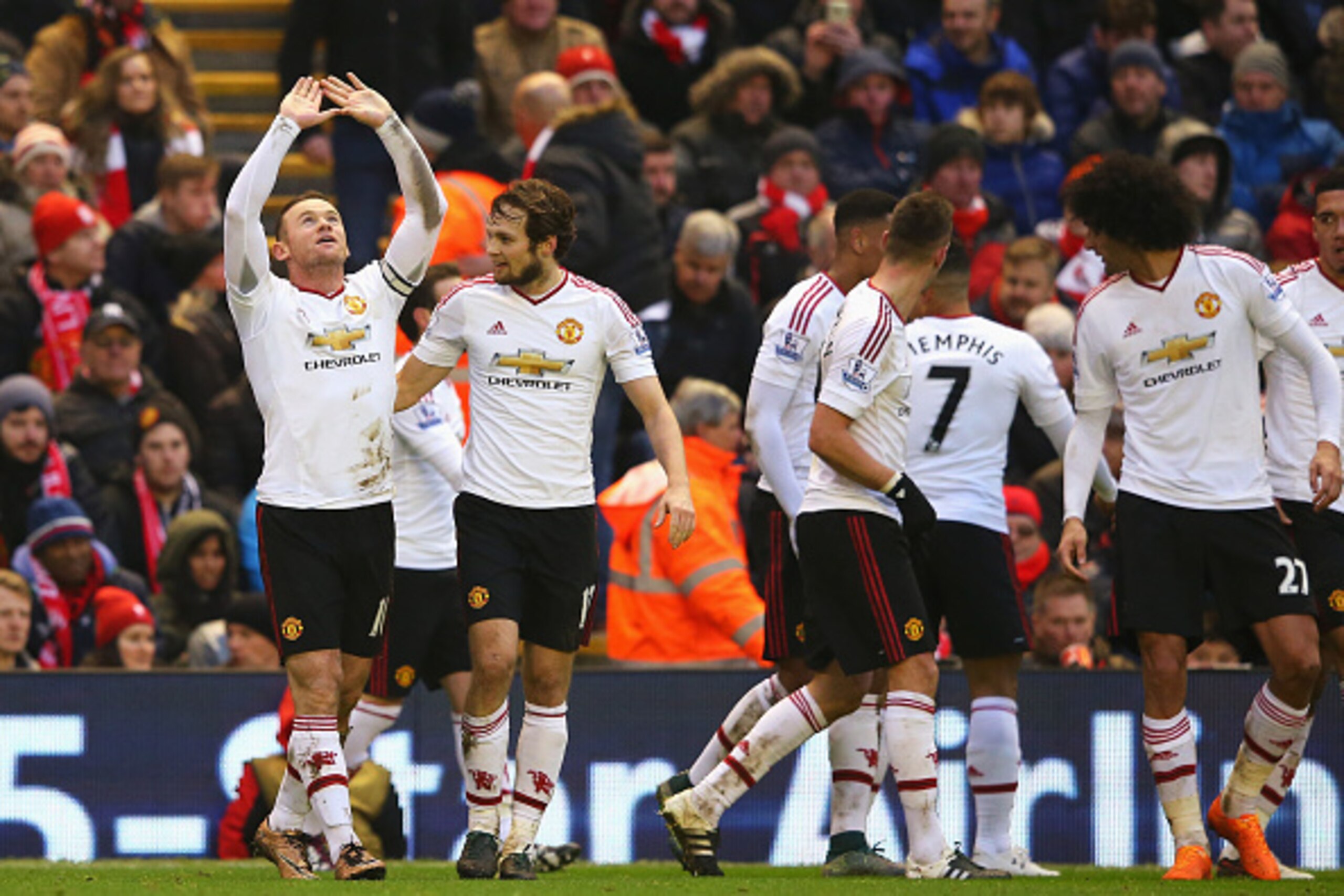
Supporters of any professional team have at least 40 opportunities per year to watch their heroes in action, and such is the popularity of football that they will almost certainly have a group of friends with whom to discuss it, even if they don't actually get to the matches.
They can also go out and play it—the same game, with the same equipment and the same rules. Football is a part of the national psyche in dozens of countries—so much so that anyone who dislikes watching it is often seen as odd.
And when an international tournament comes around, it is a truly national event. Real fans kick their adoration up a notch, and even those with no real interest park themselves in front of a TV in a pub or at a friend's house to watch the games.
Football's place in society means it can get away with its top leagues being shut away behind paywalls. No Premier League matches have been shown live in their entirety on free-to-air TV since the league was formed in 1992, but if anything, the popularity of the sport has grown since then.
Other sports have also seen their top divisions migrate away from free-to-air, but they also benefit from a place in society and, most importantly, from being accessible.
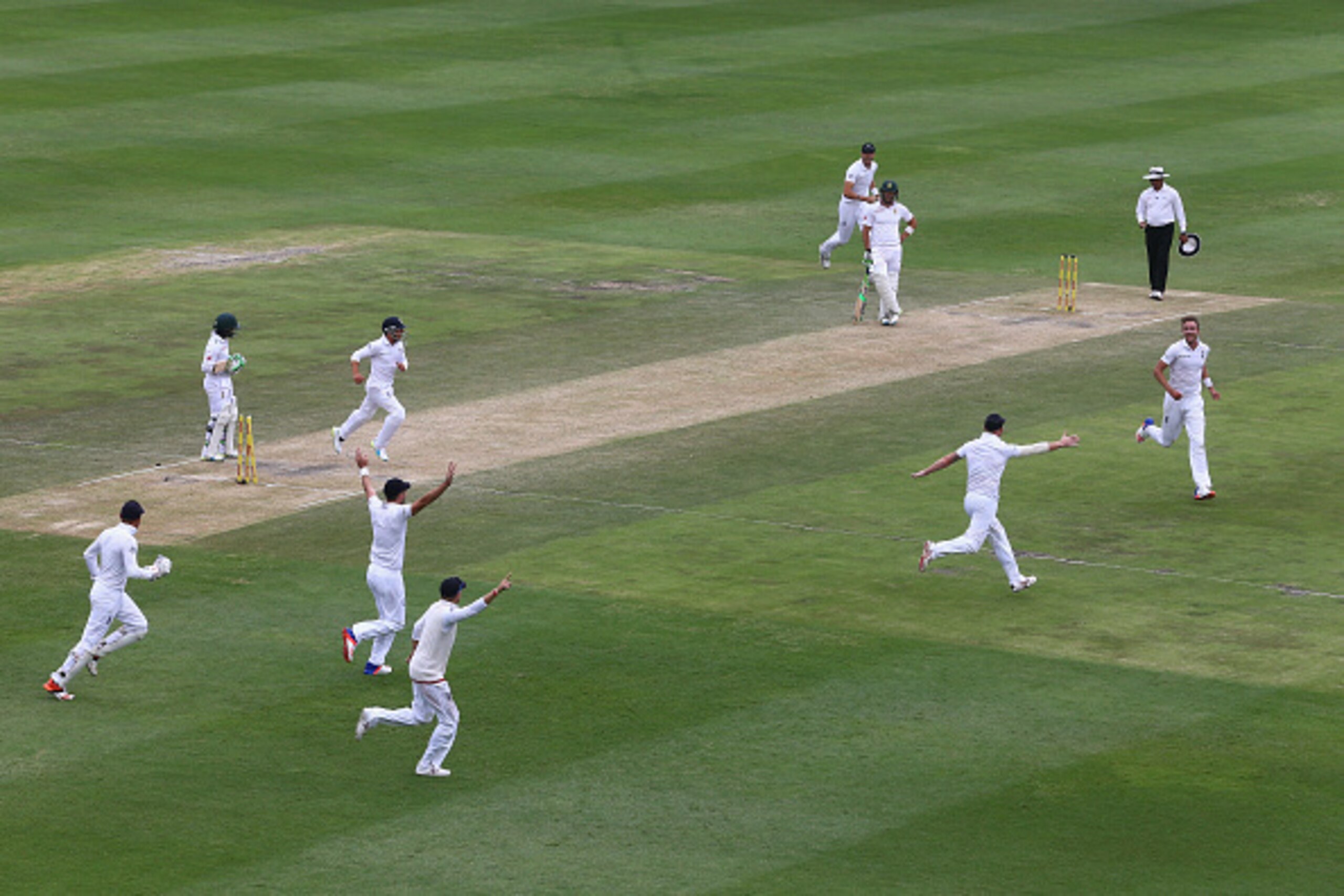
Many of the UK's most popular sports—cricket, rugby union, rugby league, tennis, snooker, golf and darts—have all either totally or partially switched away from live free-to-air broadcasting.
But these are all sports that can be easily accessed away from a TV. They can be played by almost anyone and stumbled upon with remarkable ease, and of them, only golf could be considered unusually expensive to participate in.
And the majority of them also benefit—admittedly to a lesser degree than football—from frequent bouts of patriotic fervour.
Some fans of these sports drift away over time, but their widespread accessibility means they, like football, are constantly churning out new fans. The next generation of cricket fans are already playing it at school—or they might be introduced to the sport when they go on a relatively cheap day out with some friends.
The next generation of rugby fans are already members of local kids' clubs; that, or they'll have at least one friend who supports the local team and convinces them to part with a small sum of money to attend a game.
Snooker and darts fans will stumble upon the games at the local pub or via a friend with a board or table, and the golf lovers of the future live no more than a couple of miles from the nearest course.
But the F1 fans of the future? They're a little harder to identify.

Motorsport remains popular in many of its core markets and receives a moderate amount of news coverage, but it's not something in which the vast majority of the population will ever take part.
Maybe they'll have the odd go in a kart at a small local circuit, but fans wanting to buy their own and get into it in a serious way will very soon discover that even the first rung on the motorsport ladder is extremely expensive.
According to the Association of British Kart Clubs, the very smallest, slowest class of kart costs at least £1,500 to buy new, and there are substantial running costs on top of that. Karting Dad—a blog run by a father whose son races at club level—gives a comprehensive list including tyre costs, travel, entry fees and maintenance; the figures are far outside the budgets of most households.
There is no widespread, accessible grassroots network for motorsport. Spectating, either in person or on TV, is the only way most potential fans are ever going to develop a passion for it; and unless you live close to a circuit, seeing racing in the flesh is unlikely to ever happen by chance.
Even then, people watching touring cars, lightweight GTs or motorcycles might become fans of that form of motorsport—but it won't turn them into overnight F1 fans.
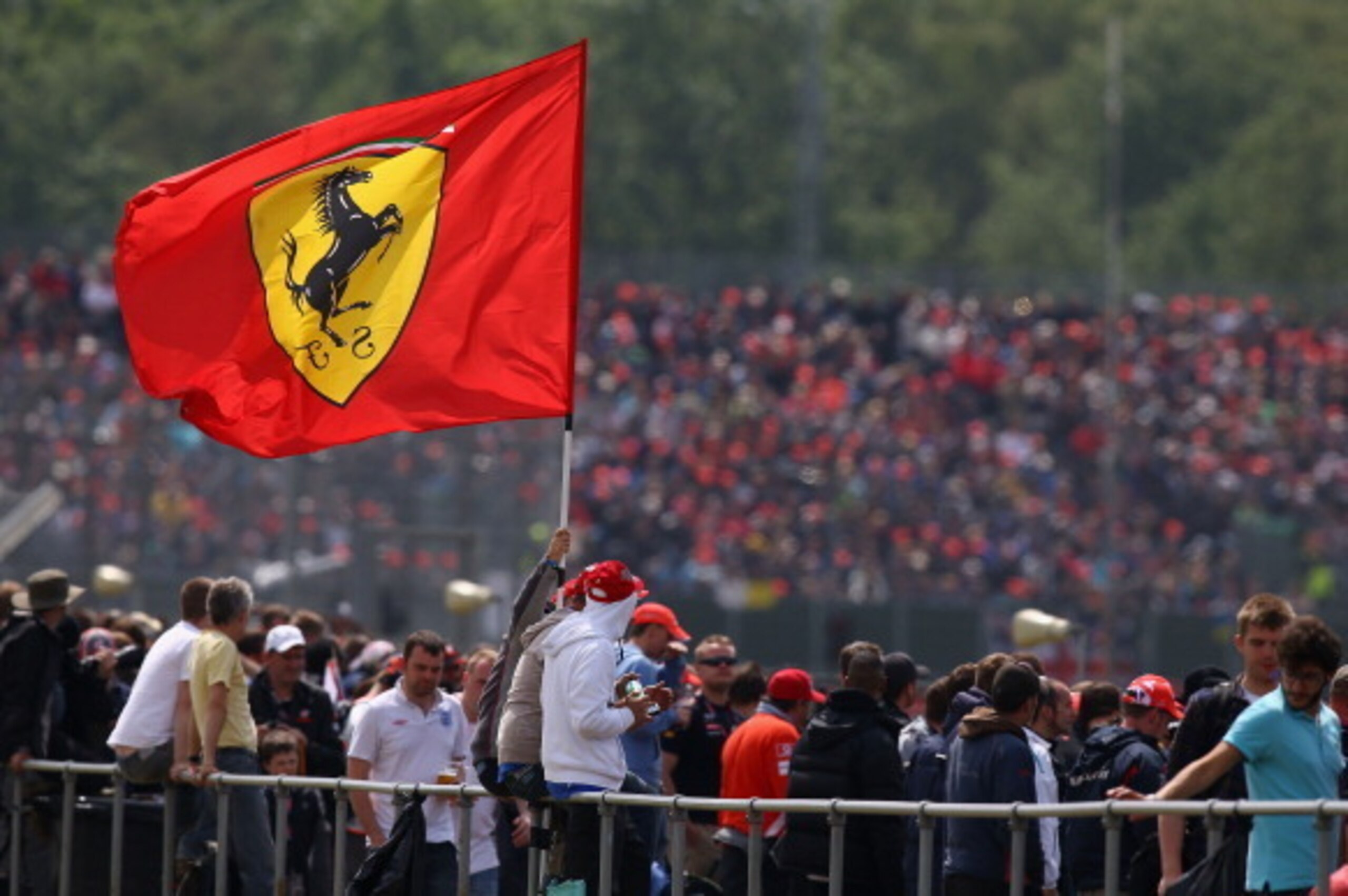
The rules are different, the cars are different, the circuits are different. The only way people develop a love of F1 is by either attending a grand prix—which are held only once per year in each host country and are expensive to attend—or by watching it on TV.
But no one who doesn't already like F1 (or who lacks an obsessed parent with some spare cash for a kids' ticket) would pay the extortionate ticket prices to attend a race in person. The cheapest one-day adult seats in uncovered grandstands for the 2016 British Grand Prix at Silverstone are £199.
Compare that to a one-day seat at a county-level cricket match at Yorkshire, which can be had for £16. The cheapest ticket to watch Premier League side Arsenal is, according to the BBC's Price of Football survey, £27, while watching rugby union side Newcastle Falcons will only cost £17.
Even if you don't know anything about those sports, at those prices they are worth a punt.
And these events are available locally, many times each year. F1 isn't. It isn't just expensive, it's also rare and will probably require a lengthy journey just to get to the circuit.
So for most people, watching F1 on TV will be the only way they'll ever get interested. But who is going to pay a small fortune to knock down a paywall in order to watch a sport they don't even know if they'll enjoy?

Like many sports, F1 is losing fans every day. The switch to pay TV has played its part, but fans also depart for any number of other reasons. A favourite driver or team could leave and the passion could die, and the excessive encroachment of gimmickry and focus on "improving the show" will certainly have turned a number of fans away.
The bland modern circuits and largely characterless drivers will have some switching off, while the lack of competition will be the final straw for others—and some will simply decide they have better things to do with their weekends.
That in itself is not a big deal. Every single fanbase on the planet suffers natural wastage, with disillusioned or disinterested former fans falling off the end of the conveyor belt. Providing that fresh-faced new fans hop on the other end, it doesn't matter.
But when more are falling off than jumping on, it's a problem. It's most evident in the careers of musical acts and reality TV "stars"—one minute they're on the radio or TV, making money and being recognised wherever they go. Six months later, they're opening a small nightclub in some unheard-of town.
Bernie Ecclestone isn't going to be cutting fancy ribbons anytime soon, but the sport he presides over is in danger of totally blocking the on-ramp to its glitzy, exclusive conveyor belt.

F1 attracts most of its fans through TV coverage. To retain or grow its fanbase, it needs to be something any random person can accidentally stumble upon while flicking through the channels. It has to be something that, perhaps on the recommendation of a friend, any given person can tune in to, live, without having to part with a sackload of cash.
But it's heading in entirely the opposite direction.
It used to be easy to accidentally stumble upon a grand prix and end up watching it. You turned on the TV, and the race was right there on one of the few free channels, findable within just one or two clicks.
And that was how many of the fans around today found F1—a happy accident, many years ago, that ended with their making a note of when the next race was on. And the next, and the next.

But without free-to-air coverage, it's very different. In order to accidentally stumble upon one of the live grands prix not being shown free-to-air in the UK, a person needs to first have a subscription to Sky Sports. The Office of National Statistics claimed there are a little over 26 million households in the UK, but according to the Daily Mail, only around five million of them—20 percent—have access to Sky Sports.
People, assuming they are among the lucky few, must then navigate to Sky Channel 407. This is only likely if they had already decided they wanted to watch some form of live sport, as the sport channels start at 401.
On their way to Channel 407, they will almost certainly pass a broadcast of live football, cricket, snooker, golf, tennis, badminton, athletics, cycling or rugby—and, having decided they want to watch sport, they must think to themselves, "No, not that sport. I'll keep looking."
One doesn't need a degree in statistics to realise that the number of potential fans reaching F1 accidentally through pay TV is very, very small compared to the numbers finding it on free-to-air.
The same is true with recommendations. This writer has a long and proud history of repeatedly telling people to watch F1, and in the days of full-season free-to-air coverage, it actually worked.
Young Ayrton—the son of a recommendation—may grow up thinking it worked a little too well.
But now it's different. A suggestion to watch F1 is increasingly met with the response, "I don't have Sky, so I can't." Upon pointing out that some of them are available for free, a variation of, "Well, there's no point only watching a few, I'd miss most of the season" is common.
People won't even give it a chance, and a massive reduction in the number of people either stumbling upon F1 or watching it due to a recommendation means a far smaller number of new fans are hopping onto the F1 conveyor belt.
The old, disillusioned fans falling off the end are not being replaced at anything like the rate needed to maintain the size of the fanbase—and that is going to have serious consequences in the very near future.

Modern F1 teams need a constant and significant income in order to survive, and a lot of this comes from sponsorships. Brands pay teams money to be associated with them, to use their drivers in campaigns and to put their logo in front of fans—be they at the circuit or watching on TV.
But sponsorship only covers some of the costs, so all teams—from Mercedes and Ferrari at the top, all the way down to Manor at the bottom—are grateful for the share of the sport's commercial revenues they receive.
Most of this comes from hosting fees paid by the circuits, track-side advertising and from TV-rights deals. Broadcasters pay vast sums of money to become the home of F1 in their respective countries, recouping the money through advertising and subscriptions.
Or at least they will, if enough people watch the races.
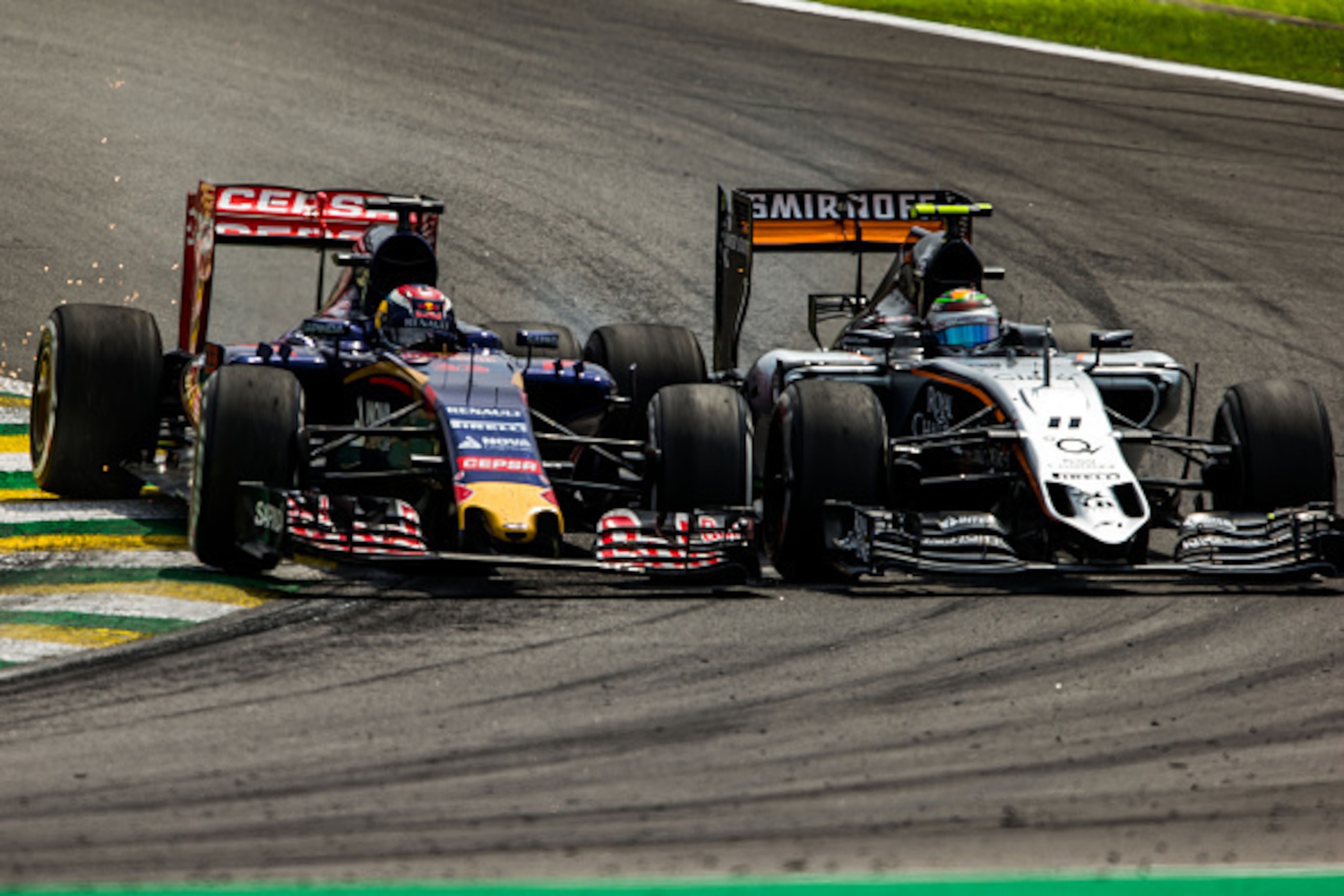
Like sponsors, broadcasters pay for eyeballs. If they're going to reach a large market—if a lot of people are going to be watching them, not their competition—they'll pay a lot of money.
But if the market is smaller, they'll pay less. The fewer fans a sport has, the less attractive it is to a sponsor or broadcaster, and the smaller the sums it is willing to part with in exchange for association or TV rights.
The people in charge of F1—Formula One Management, controlled by Ecclestone and CVC Capital Partners—are not stupid. They know this. They're fully aware that a dwindling fanbase and fewer viewers will impact the amount of money they are able to squeeze out of broadcasters further down the line.
And they know that the teams, already struggling to sell the space on their cars for reasonable sums, would find the task even harder if fewer people were tuning in.
But they don't really care.
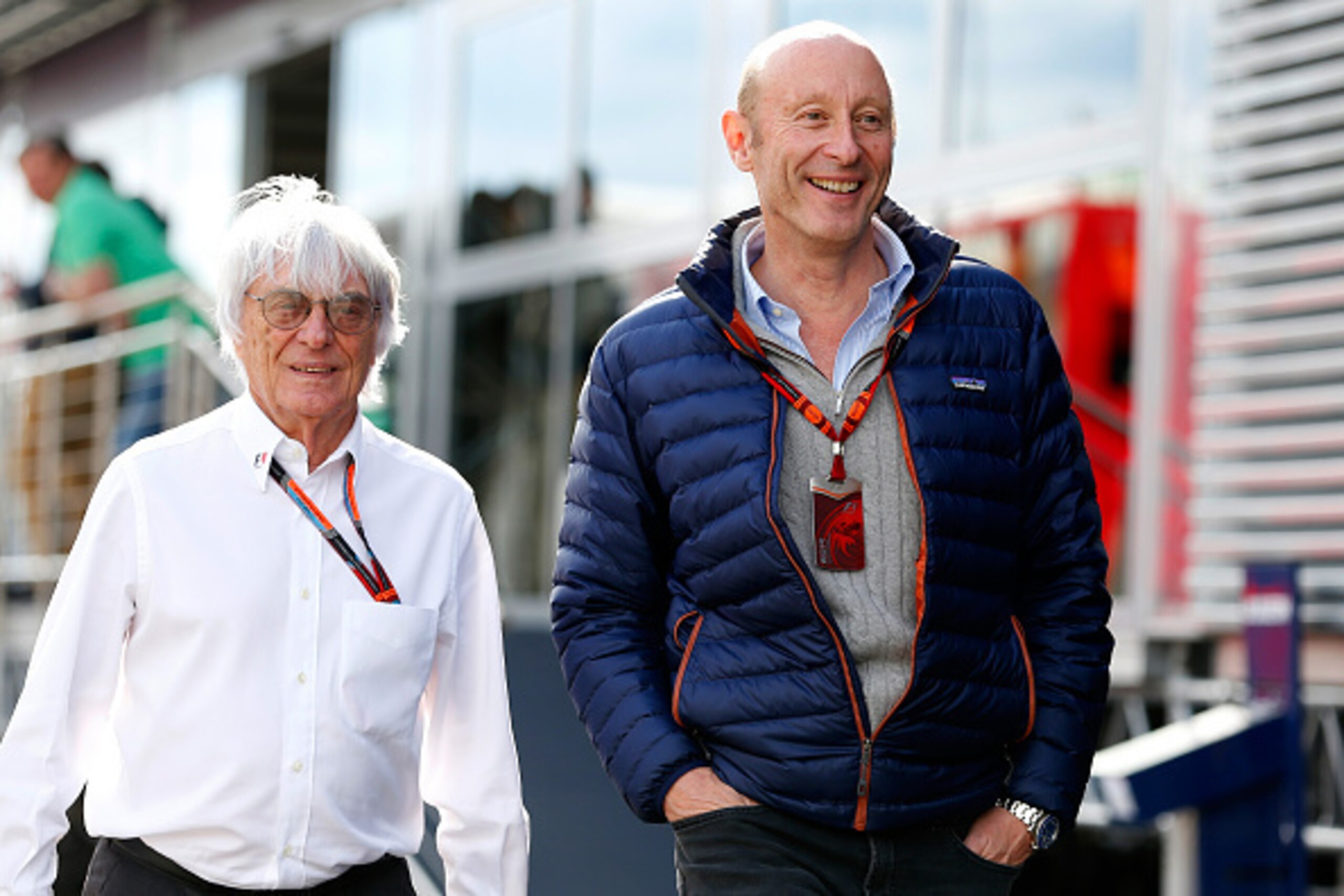
The current owners of F1's commercial rights care little for the sport's future. CVC is a private equity firm that exists for the sole purpose of making as much money as possible, as quickly as possible, and in that sense, their investment in F1 has been a massive success.
According to the Guardian's Christian Sylt, CVC paid around £1.4 billion ($2 billion) for a stake in F1 back in 2006. Since then, it has taken out over £3.1 billion ($4.4 billion) in cash and owns a share now valued by Sylt at £5.64 billion ($8 billion).
Moving away from free-to-air TV has helped to achieve this. Subscription broadcasters such as Sky are willing and able to pay far more for TV rights than their free-to-air rivals, so to a company like CVC, it's a no-brainer.
It takes the fast cash and keeps as much as possible for itself. That it will inevitably damage the sport in the future because the fanbase will decline is of no concern; it wouldn't care if F1 collapsed tomorrow, as long as it made a profit.
It won't come to that, but unless F1 can arrest the fall in fan numbers, its future does not look bright.
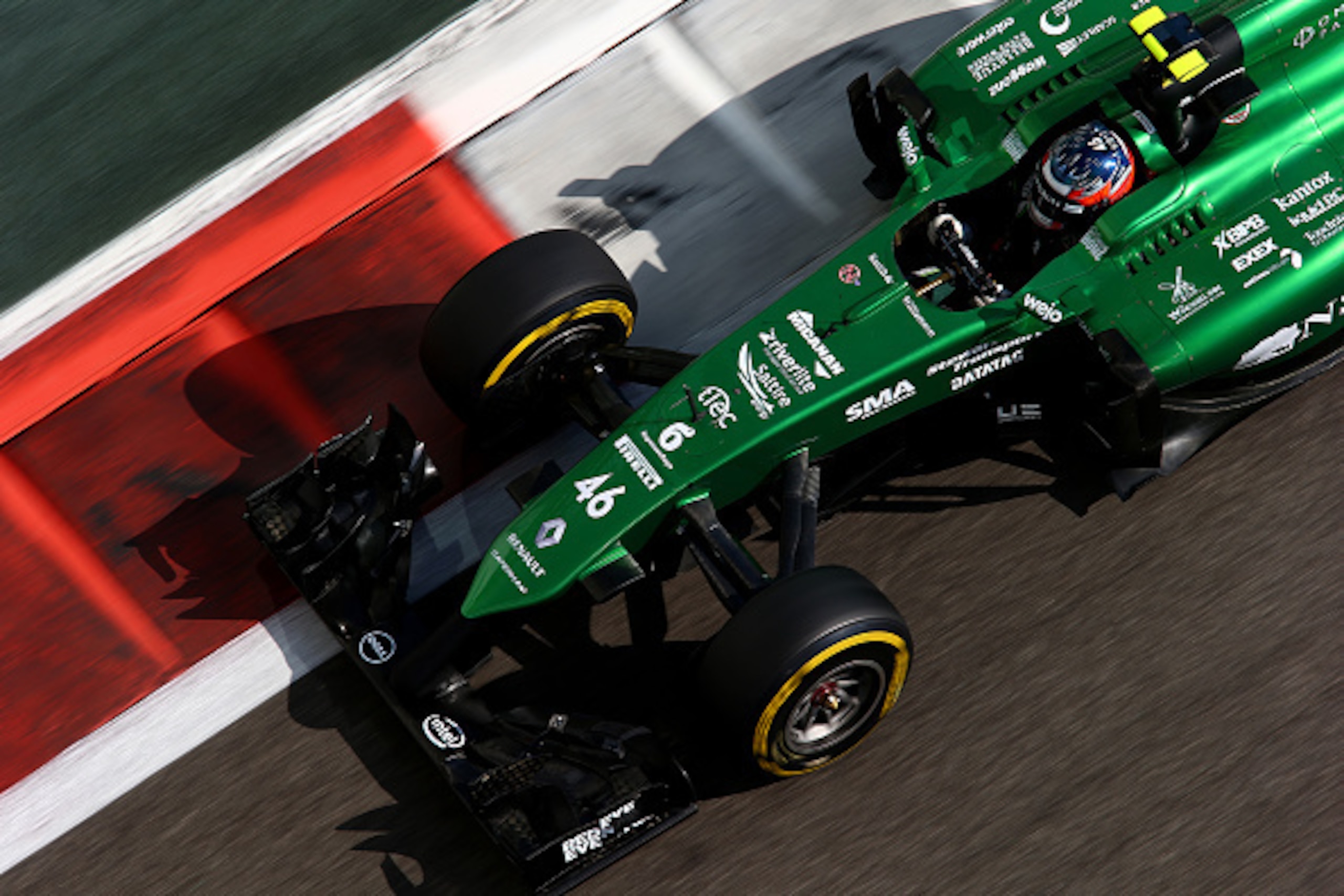
For F1, pay TV is a double-edged sword. Selling the rights to such broadcasters provides a larger hit of short-term income, and right now, that is keeping the teams relatively happy. The big teams can compete with very little cost to their parent companies, while the small ones can afford facilities the likes of which Minardi could only have dreamed.
But the teams are getting used to enjoying a revenue stream that isn't going to last, because the cost of moving away from free-to-air coverage is going to be felt very soon. The teams will probably take a hit first, as sponsors become increasingly unimpressed by falling viewing figures.
The circuits will also struggle. There will be fewer fans to sell tickets to, as fewer and fewer of them will be able to afford the extortionate hosting fees demanded by FOM. Soulless, state-supported tourist-attraction venues in countries with no history in F1 and little interest among the population will take up more and more space on the calendars.
Eventually, it will start to bite the commercial rights holders, as broadcasters, hit by falling viewing figures, negotiate lower fees for the rights when their current deals come to an end. This will further impact the teams—and perhaps hosting fees will rise further to make up some of the shortfall.
CVC will almost certainly be long gone by then; it'll be a problem for whoever ends up replacing it.
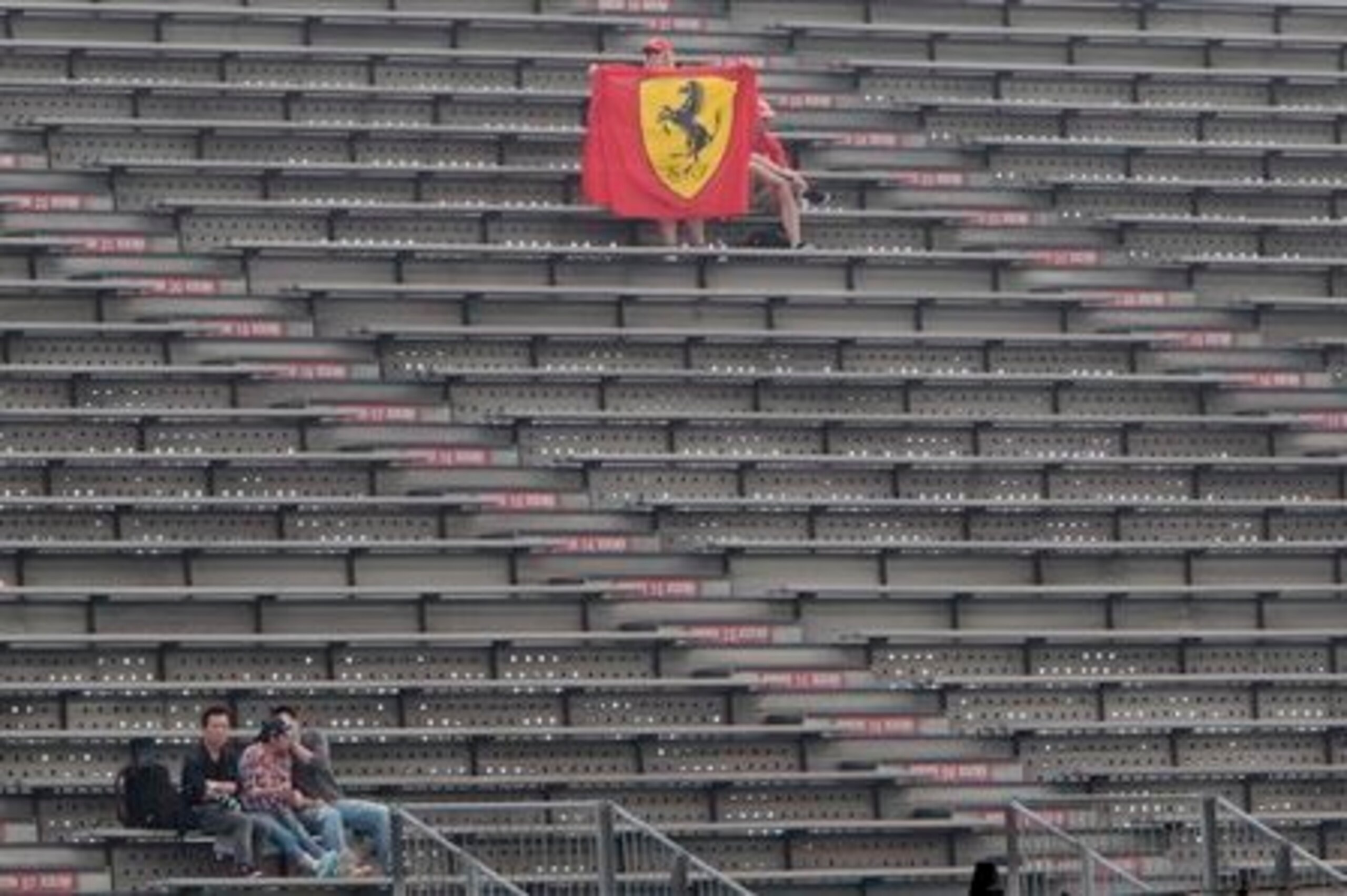
The only way to stop this happening is to rejuvenate F1's fanbase—and the only way to do that is to let people watch it.
A gradual switch back toward more free-to-air coverage would allow the fanbase to stabilise and perhaps even start to grow. Sponsoring a team would become that little bit more attractive, and grandstands would be that little bit easier to fill.
It's perhaps unrealistic to expect universal free-to-air coverage, and that in itself would create a problem. Subscription broadcasters pay more—cutting that avenue of income off entirely in one fell swoop would create a financial black hole of its own.
Pay TV has a place, but a balance must be found—ideally by someone who has the future health of the sport in mind. The F1 fanbase has been treated as a giant cash machine by CVC, but the machine is running out of notes, and refills are becoming less and less frequent.
Whoever takes over control of the commercial rights needs to ensure there is enough free access to F1 to keep the existing fans happy—and just as importantly, to attract the fans of tomorrow.

.jpg?w=2560 "Giants Release Darius Slayton")
.jpg?w=2560 "Waiver-Wire Pickups 👀")
.jpg?w=2560 "NFL coach loses 50th birthday on flight to Australia")
.jpg?w=2560 "Week 1 Rankings 📊")