

Introducing Formula 1 Rookie Jolyon Palmer
Jolyon Palmer's lifelong dream will finally come to fruition on March 20 when he makes his Formula One debut at the 2016 Australian Grand Prix.
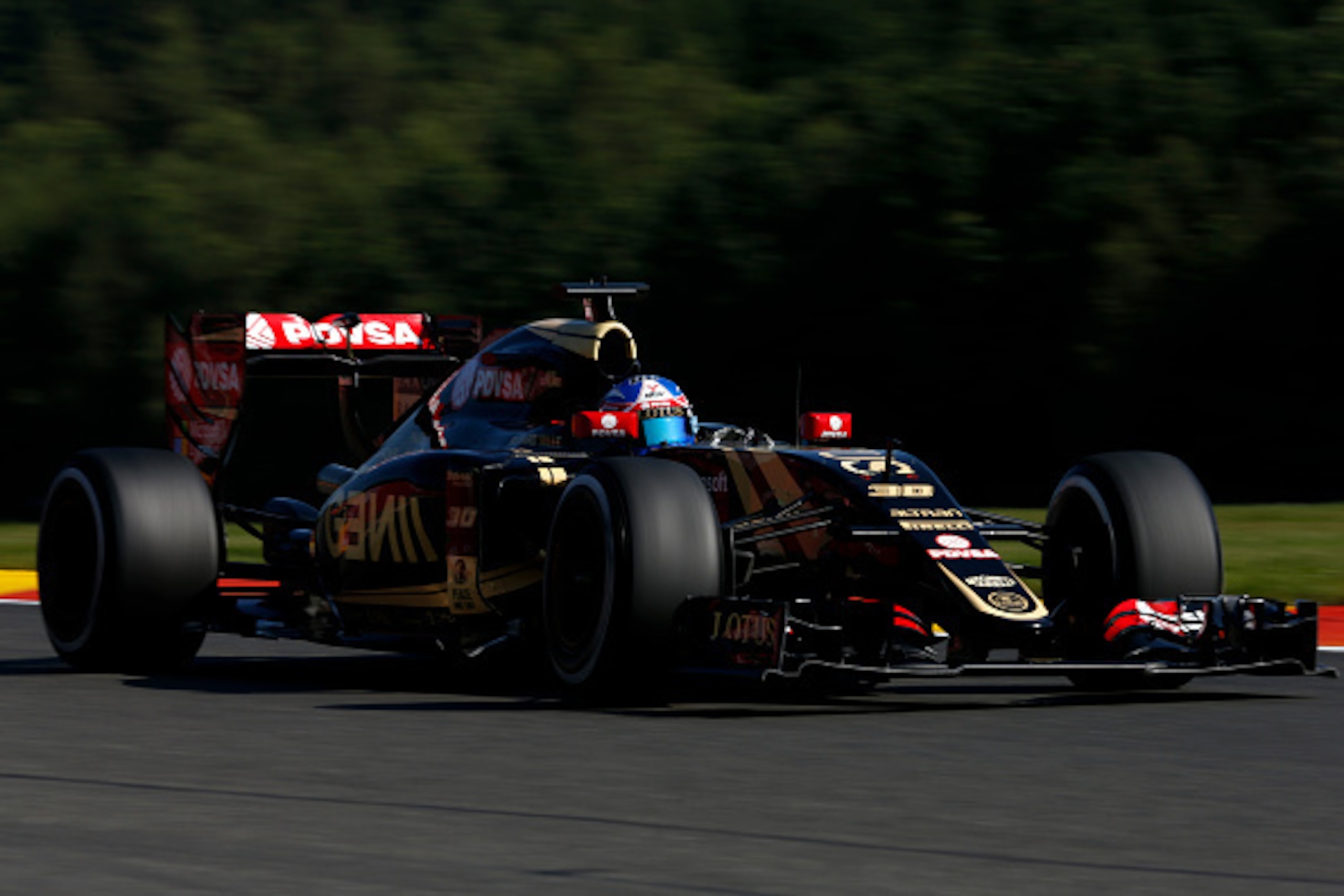
The 24-year-old Brit will partner Pastor Maldonado at the Renault team, having served as the reserve driver for their predecessors Lotus in 2015.
Palmer will become the first GP2 champion since the man he is replacing, Romain Grosjean, to make the step up to F1, and he'll be the sixth graduate of the series on the 2016 grid. New team-mate Maldonado, Nico Hulkenberg, Lewis Hamilton and Nico Rosberg also won the GP2 crown before making their own debuts.
.jpg?w=2560 "F1 Ecclestone Auto Racing")
-(1).jpg?w=2560)
He will also be the 13th son of a former F1 driver to compete at the top level, following in the footsteps of father Jonathan Palmer.
As the son of a former F1 driver, it was almost inevitable that Palmer would give racing a go. But while some famous sons like Max Verstappen and Rosberg kicked off their careers at a very young age—Verstappen started racing when he was four years old; Rosberg started at six—Palmer didn't race competitively until after his 13th birthday.
He spent only a brief period in karting before graduating to the UK-based T Cars Autumn Trophy in 2005. Palmer raced in the saloon car series' full 2006 season, picking up his first pole position, and a dominant showing in the year's T Cars Autumn Trophy brought him his first racing championship.
Parental support is key to the development of all young drivers, and in Jonathan Palmer, young Jolyon had the best possible mentor and guide. Palmer Senior entered 88 grands prix in the 1980s, achieving a best finishing position of fourth in 1987.
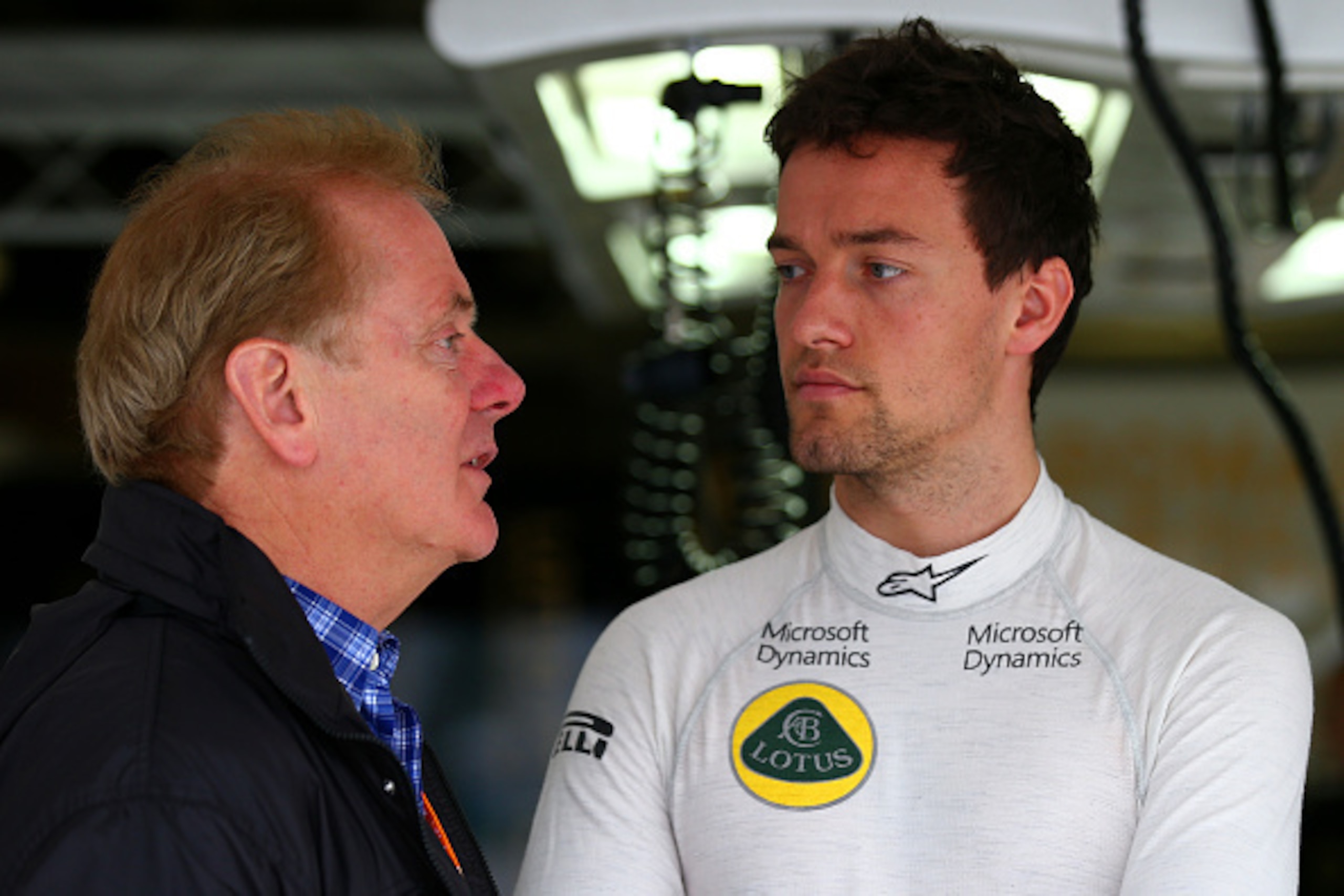
After leaving the sport in 1989 and testing for McLaren until the early 1990s, Palmer—who briefly practiced medicine before opting for a racing career—joined the BBC F1 coverage team. He replaced James Hunt as Murray Walker's co-commentator following Hunt's death in 1993, but when ITV acquired the UK TV rights, Palmer left the BBC to focus on his business interests within motorsport.
He founded Motorsport Vision—now the owner of a number of the UK's top racing venues, including Brands Hatch and Oulton Park—in 1997, and one of his other ventures was Formula Palmer Audi, an entry-level series for young drivers that started in 1998.
It was the natural place for his 16-year-old son to begin his career in single-seaters.

Jolyon finished 10th in the championship in his debut year, with two race wins and a further two podiums. He remained in FPA in 2008, only winning one race but showing excellent consistency to challenge for the title. He ended the year third in the championship.
In 2009, Palmer moved up to another series organised by his father, the newly formed FIA Formula Two Championship. He struggled in his first year, scoring just three points as Spain's Andy Soucek dominated proceedings, but a much-improved outing in 2010 saw Palmer again challenge for a title.
He won the season-opening race at Silverstone and enjoyed a year-long battle with Formula Renault graduate Dean Stoneman. Though Palmer narrowly lost out to his rival, he won five races and stood on the podium a total of 10 times.
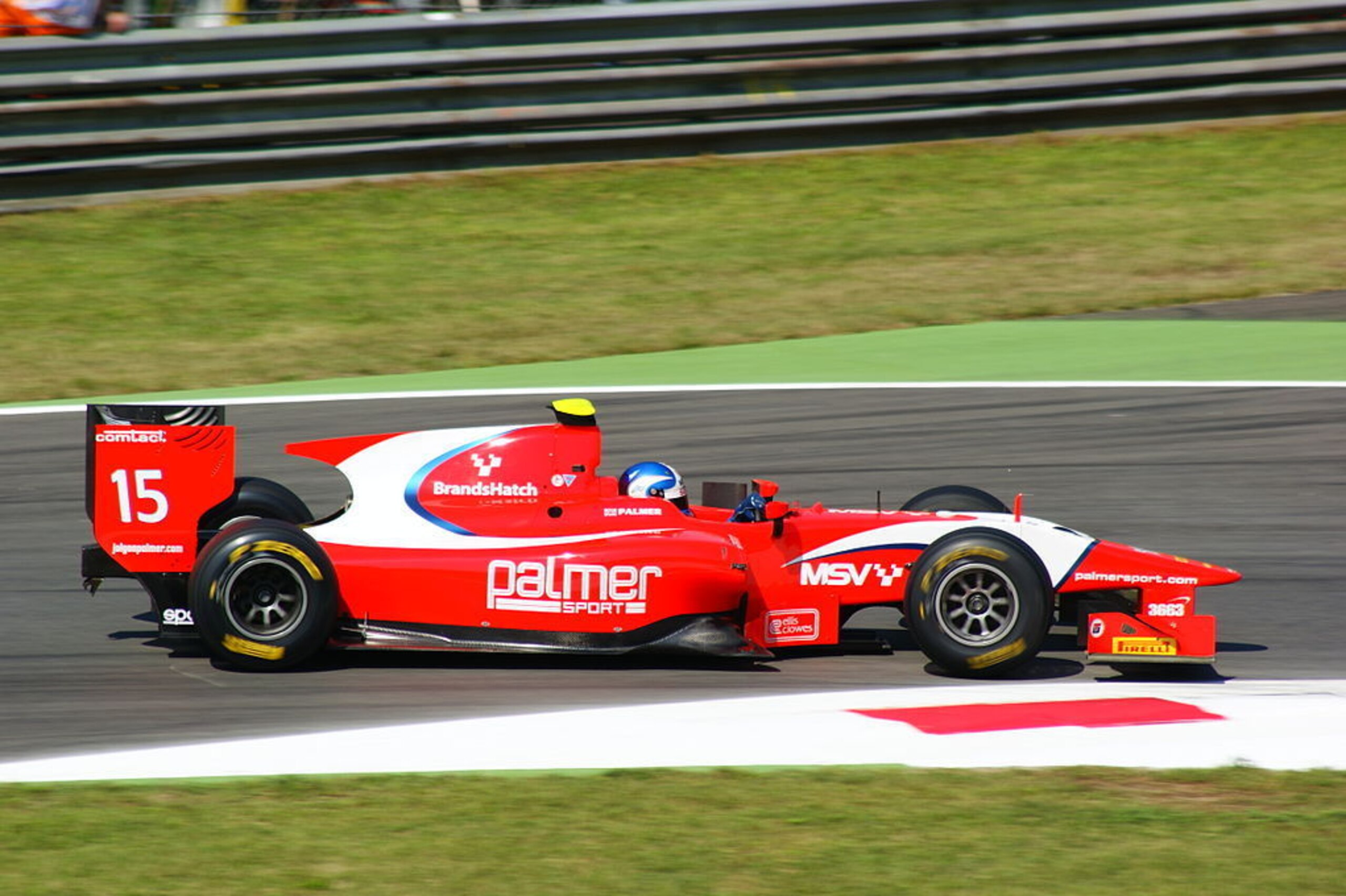
In 2011, Palmer made the step up to GP2 but had a difficult start to life in the series. More-experienced Arden team-mate Josef Kral managed two podium finishes, but Palmer ended the year pointless having finished no higher than ninth in any of his races.
He had a similarly poor form in the GP2 Asia series, but a switch to the Barwa Addax team—which had won the teams' championships in the main 2011 series—for the GP2 Final as Yas Marina saw Palmer finally make a breakthrough.
He qualified fifth and finished third in the feature race, securing his first GP2 podium, and followed it up with fourth in the sprint race. Palmer switched to iSport for the 2012 season and won the Monaco sprint race, adding two further podiums and finishing 11th in the championship, four places behind team-mate Marcus Ericsson.
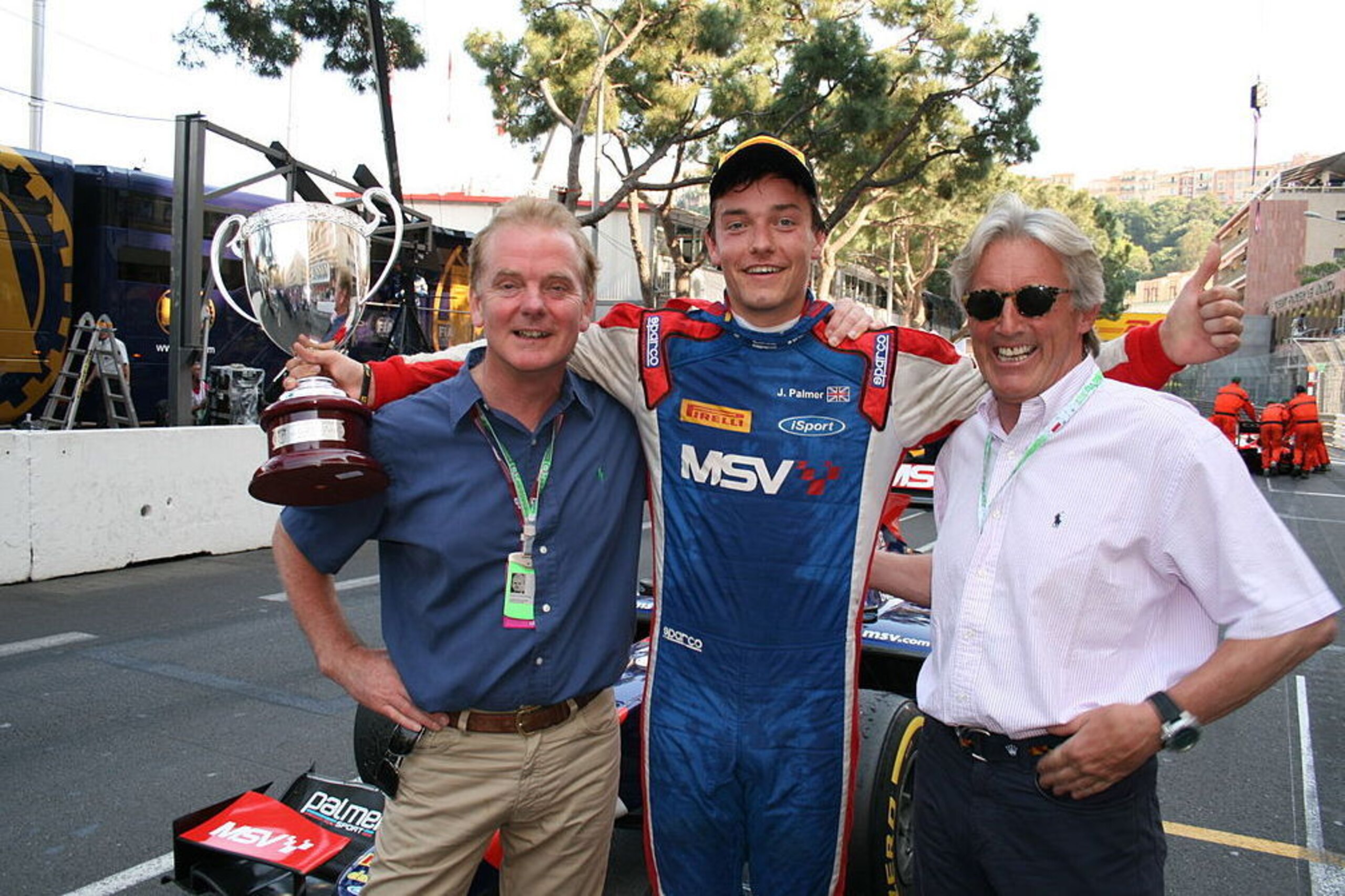
Palmer made another step forward in 2013; though he was again beaten in the standings by his team-mate—this time Felipe Nasr—he won two races and put in a string of impressive drives.
The pick of these was his victory in the Singapore feature race; Palmer started from pole, set the fastest lap and recovered brilliantly from a poor start to overtake Nasr and comfortably take the chequered flag.
A GP2 driver needs to make his mark in the series as soon as possible to give himself the best chance of stepping up to F1, but after three seasons, Palmer's record was mixed. Misfortune had played its part, but being beaten by three different team-mates in three consecutive years did not look good on his CV.
He absolutely had to deliver the goods in 2014—and he did.
Palmer's year got off to a good start with a double podium finish at the opening meeting in Bahrain. Third in the feature race and a win in the sprint gave him the championship lead for the first time in his GP2 career—and he never relinquished it.
The DAMS driver scored points in every one of the first 19 races of the year and clinched the title with victory in the Russian feature race—his fourth and final win of the year. Along the way, he further enhanced his reputation as a top overtaker and tough wheel-to-wheel battler, exemplified by his titanic scrap with Nasr at the Hungaroring.
In an ideal world, he would have liked to move straight into an F1 race seat, but the best available option was a reserve-driver role at Lotus. He had to pay for the privilege of taking Romain Grosjean's seat for 13 Friday practice sessions—the Telegraph's Daniel Johnson reported it worked out at around £250,000 per session—but his foot was in the door.
Furthermore, Autosport reports a clause in the contract guaranteed him a 2016 race seat, should one become available, providing he could raise around £4-5 million in sponsorship.
Despite Lotus being taken over by Renault, a 2016 race seat is exactly what he has got.

Palmer's junior career suggests he is a bit of a slow starter—his first years in FPA, F2 and GP2 were all somewhere between average and poor.
There is, therefore, a danger he'll struggle in 2016 and find it very hard to continue his career in 2017 and beyond. F1 isn't the most forgiving of environments, and drivers often get very little chance to prove themselves, as Kevin Magnussen discovered in 2014.
However, the time Palmer spent with Lotus in 2015, both on and off the track, should prove very valuable. He knows the team, he has been involved in the development of the new car and he is familiar with both the hybrid power unit and the difficult Pirelli tyres.
And once he has found his feet in a series, he is a far more polished and impressive contender—especially when it comes to overtaking.
As with any rookie, we shouldn't expect too much from Palmer in his first year, but as a GP2 champion, he has earned his place on the grid—and he looks more than capable of giving Maldonado some sleepless nights ahead of the 2016 season.
Providing the Venezuelan keeps his seat, that is.


.jpg?w=2560 "Waiver-Wire Pickups 👀")


.jpg?w=2560 "Week 1 Rankings 📊")
.jpg?w=2560 "Monday Night Raw Results 👊")