

3 Changes Nico Rosberg Must Make to Overhaul Mercedes Rival Lewis Hamilton
Where does Nico Rosberg rank among the best drivers on the current Formula One grid?
If we are to presume that Lewis Hamilton, Sebastian Vettel and Fernando Alonso make up the Holy Trinity, and the likes of Max Verstappen, Daniel Ricciardo, Valtteri Bottas, Jenson Button and Romain Grosjean are all scattered somewhere behind them, where exactly does Rosberg fit in?
The problem is that, in the eyes of many, he doesn't.


.jpg?w=2560 "Cardinals Giants Football")
Only Hamilton and Vettel have won more races than him since the beginning of 2012, yet there remains a lingering suspicion that Rosberg—a 41-time podium finisher and the winner of the last three Monaco grands prix—is little more than a good driver who happens to be behind the wheel of an outstanding car.
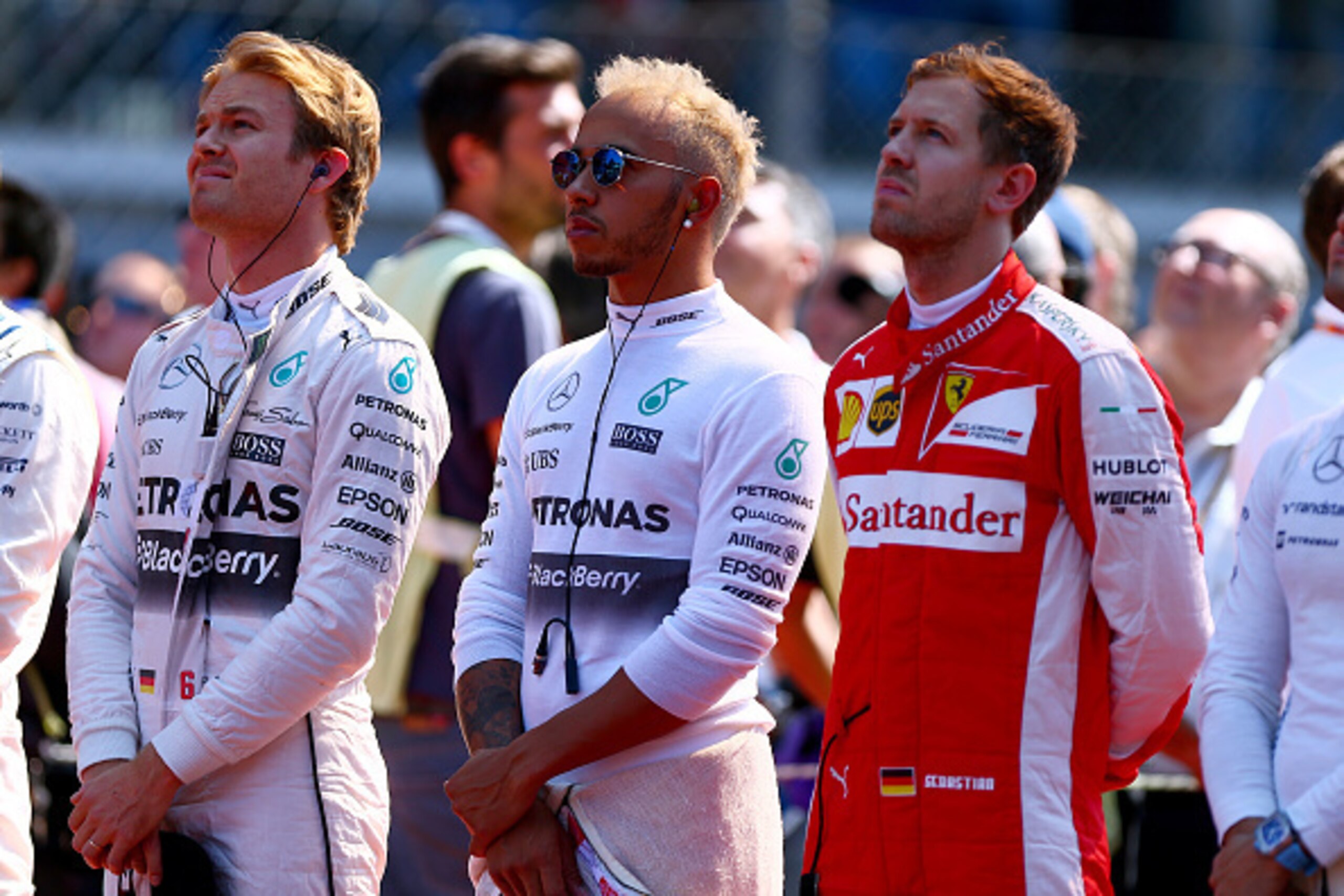
It is a perception he, after two consecutive championship defeats to Mercedes team-mate Hamilton, must change in 2016.
The upcoming season will mark a decade since Rosberg arrived in F1 as a 20-year-old and made an instant impression, scoring points on his debut and matching experienced Williams team-mate Mark Webber, whom he should now try to emulate.
Having missed out to his team-mate at a final-race title decider—sound familiar?—in 2010, Webber was scarred by failure and unable to replicate his form for much of the following season.

But after ending that year on a high, washing away those bad memories, Webber regained his confidence and, despite eventually fading away, challenged for the championship for much of 2012.
If Rosberg, a more naturally consistent driver than the Australian, experiences a similar resurgence—putting into practice the lessons of the last two seasons—and becomes a more complete performer, 2016 could finally be his year. And perhaps then he will be given the credit and recognition he's been searching for.
Here are three things he must do to beat Hamilton in 2016:
Forget about the title battle
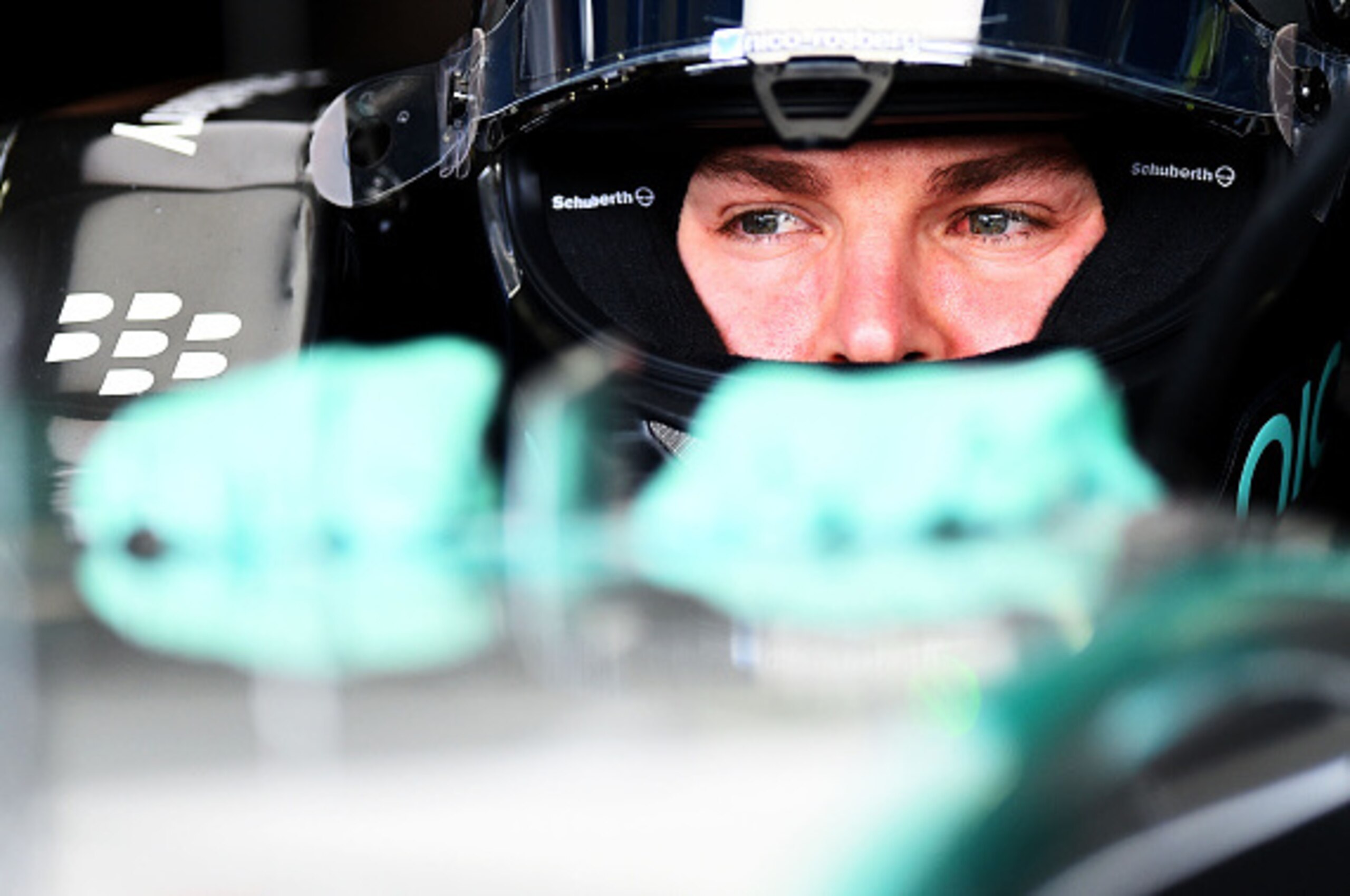
We like to think of our Formula One drivers as all-action, risk-taking superheroes who will do everything in their power to succeed, but there is more than enough room for the calculating, thinking driver.
The worry for the more cerebral performers, though, is that they can sometimes become overly defensive when a title is on the line, which is a trap Rosberg fell into in 2015.
The most notable example came in July's Hungarian Grand Prix, where Hamilton was out of podium contention in the midst of "one of the worst races I've ever had," as he told Autosport's Ben Anderson and Ian Parkes, while Rosberg was on course to take the championship lead with second place.
Rather than adopting an aggressive strategy to hunt down race leader Vettel, Rosberg decided to mirror his team-mate's tyre choice, condemning himself to a final stint defending from third-placed Ricciardo when he should have been challenging for victory.
The puncture he received when Ricciardo forced his way through in the closing laps—which dropped Rosberg to eighth, allowing Hamilton to extend his points advantage—was of his own making, the sign of a driver unable to run his own race and with little confidence in his own abilities.
Now compare that conflicted, numerically driven mess to the driver who won the final three grands prix of the season in commanding fashion.
Competing without the pressures associated without a championship battle for the first time in two years, Rosberg listened to his inner racing driver and expressed himself, driving like a man determined to win rather than someone desperate merely to contain his rival.
Maintaining that race-by-race approach will be difficult when the points tallies reset to zero and all those stresses and strains of the bigger picture return, but it could hold the key to Rosberg's 2016 challenge.
Make Hamilton fight for victory

While the absence of championship-related pressure played a role in Rosberg's resurgence in the closing weeks of 2015, there was also a notable shift in his handling of his team-mate.
Having failed to capitalise upon pole positions in Japan, Russia and the United States—as well as gifting the win and the title to Hamilton with an unforced error at the Circuit of the Americas—the German decided enough was enough and would no longer surrender the lead as meekly as he once did.
After being muscled aside by his team-mate at Turn 1 at Suzuka—where Lewis deliberately eased his pace at the end of the formation lap, causing havoc with Nico's tyre, engine and clutch temperatures—Rosberg responded in subsequent races by slowing his own car, bunching up the field and nullifying Hamilton's plot.
And, particularly in Mexico and Brazil, there was a newfound steeliness to his driving off the start line.
As reported by Motor Sport Magazine's Mark Hughes following the Mexican GP, there was a "feeling within the team before the start" that there would be "no way (Rosberg) would be coming out of Turn 1 in second place."
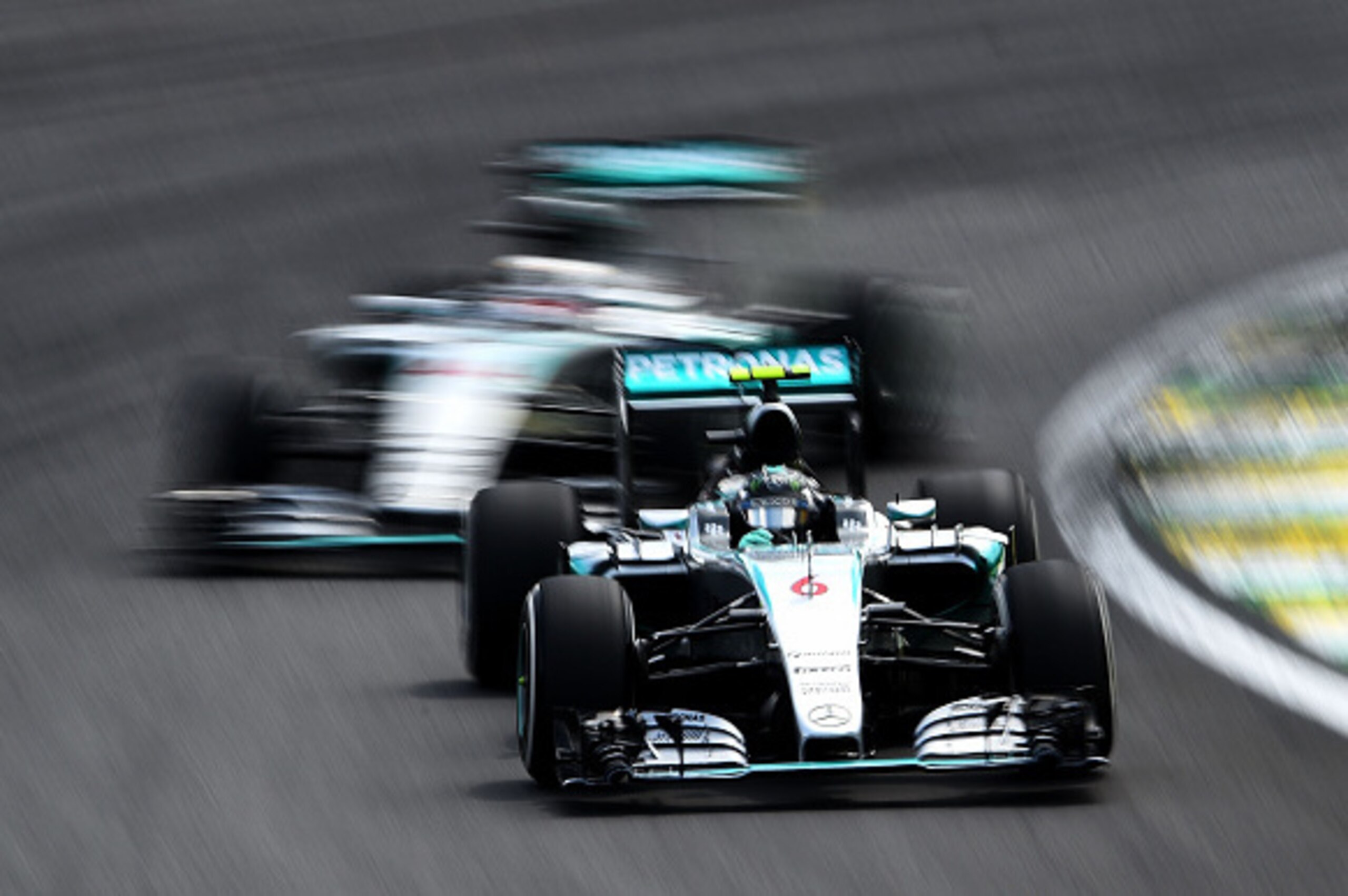
There was a sense that he would sooner send both Mercedes cars into the barriers—regardless of the consequences—than lose the lead to his team-mate, which surely had an effect on Hamilton's side of the garage.
After all, if you were racing against someone you knew would be prepared to punt you out of the race, would you try your luck around the outside of the first corner? As a result, Hamilton was evidently less aggressive and opportunistic than in the preceding grands prix.
We may never find out if Rosberg really would be brazen enough to take out his team-mate against the backdrop of a championship battle, especially now his future is on the line (team boss Toto Wolff has claimed Mercedes will not rush to offer the German a contract beyond 2016, per Autosport's Ian Parkes).
But if he can at least maintain the impression that he would be prepared to go to those extremes, making Hamilton think twice before slinging his car down the inside, he could have a significant psychological advantage.
Stop whining
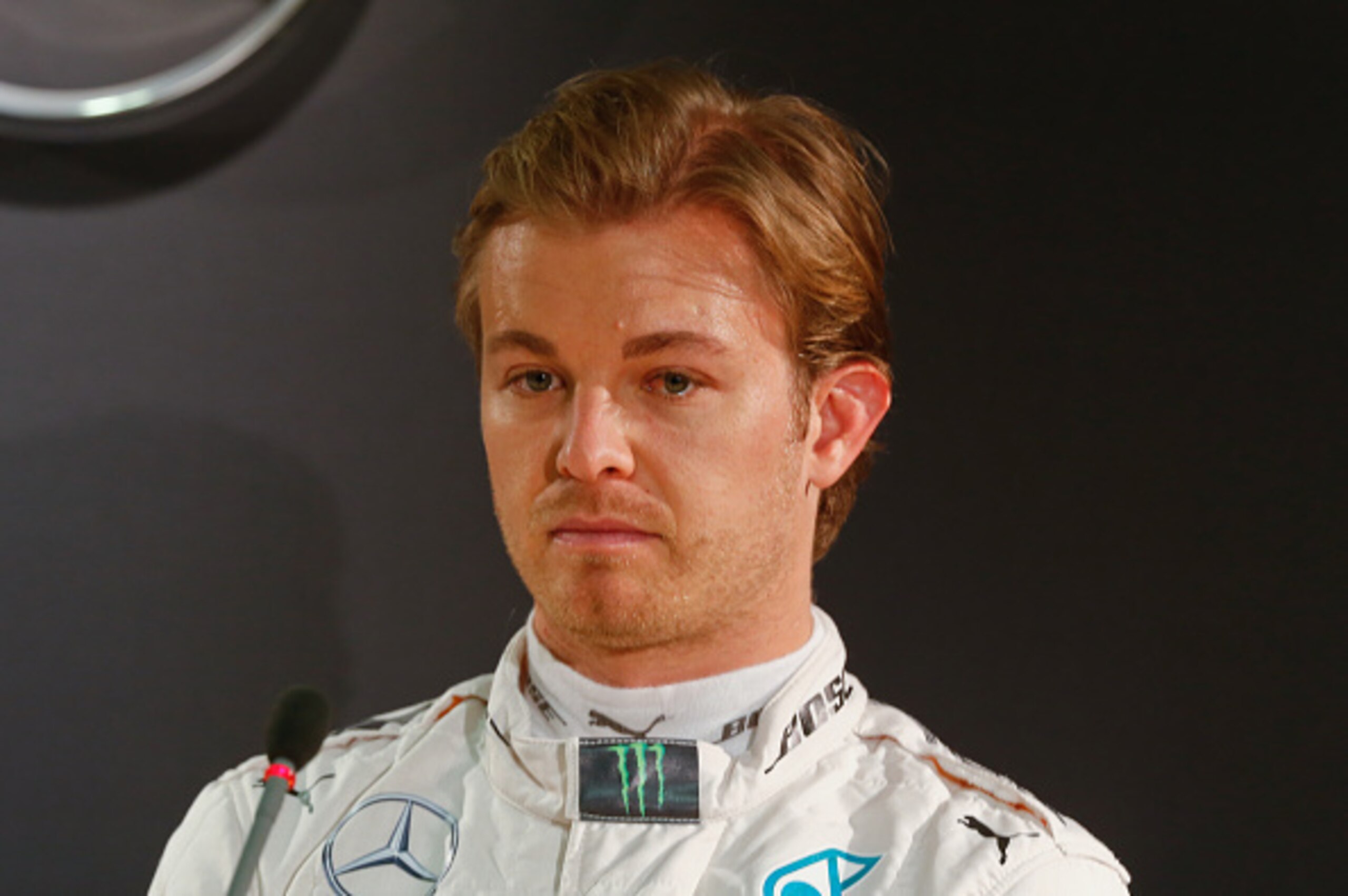
Whenever the Mercedes drivers have come to blows since the beginning of 2014, it always seems to be Rosberg looking for reassurances, calling for crisis talks and demanding clear-the-air discussions.
Following the Duel in the Desert at the 2014 Bahrain GP, where the German was left unimpressed by one of his team-mate's defensive manoeuvres, Rosberg told Sky Sports' Pete Gill how the drivers "sat down and went through everything," only for Hamilton to deny a meeting had taken place.
Everything was "cool" and tranquil on Planet Lewis, while Nico was portrayed as precious and insecure. And he failed to learn his lesson in 2015, making a number of strange post-race comments.
Having spent his Chinese GP complaining about Hamilton's slow pace, Rosberg—convinced that his team-mate had intentionally backed him into the path of third-placed Vettel—told Sky Sports' Gill and Mike Wise how his race was "unnecessarily compromised," overshadowing Mercedes' latest one-two finish.
After the United States GP, Rosberg—frustrated after losing the win with a late error—told the FIA press conference that Hamilton's first-lap pass was "extremely aggressive" and "not good," before telling Autosport's Lawrence Barretto and Mitchell Adam how his team-mate was "trying to drive me off the track."
Wolff went on to tell BBC Sport's Andrew Benson that the sparring between his drivers is "completely normal," and Hamilton now openly pokes fun at his team-mate's needy behaviour, reinforcing his belief that their upbringings are somehow linked to their determination to succeed.
"You've seen he complains about a lot of things. But you kind of let it go over your head because that's just the way he is," the three-time world champion told Benson in a separate BBC Sport article.
"It's kind of the different background we come from, I guess."
The frequent, public and often bizarre nature of Rosberg's complaints only play into Hamilton's hands, and the time has come for him to do his talking on the track.

.jpg?w=2560 "Tyreek Deal May Come Soon")
.jpg?w=2560 "Ward Nearly Walks Out of Presser ▶️")
