

Is the Managerial Life Cycle of Jose Mourinho Coming to an End?
The tendency over the past few weeks, as Chelsea’s season has slipped from bad to worse, has been to speak of three-year cycles and, perhaps with reference to the three-year rule of the great Hungarian coach Bela Guttmann, to note how it always goes wrong for Jose Mourinho in his third season at a club. Which it does.
Even Fabio Capello was at it in October, observing, per the MailOnline, that Mourinho wears his players out after 18 months—a time frame that would explain the sluggish end to last season. But, worryingly for Mourinho, it’s also possible there is a wider cycle at work here.

A handful of examples tend to skew the perception of what managers are capable of. But the likes of Sir Alex Ferguson and Valeriy Lobanovskyi are extremely rare. Very few managers are able to sustain success at the highest level for long. Very few, in fact, find their skills transferable from one club to another.
In the 127-year history of the English league, only four men—Tom Watson, Herbert Chapman, Brian Clough and Kenny Dalglish—have won the league with more than one club. For most managers, success, if it comes at all, comes in a specific circumstance at a specific time.
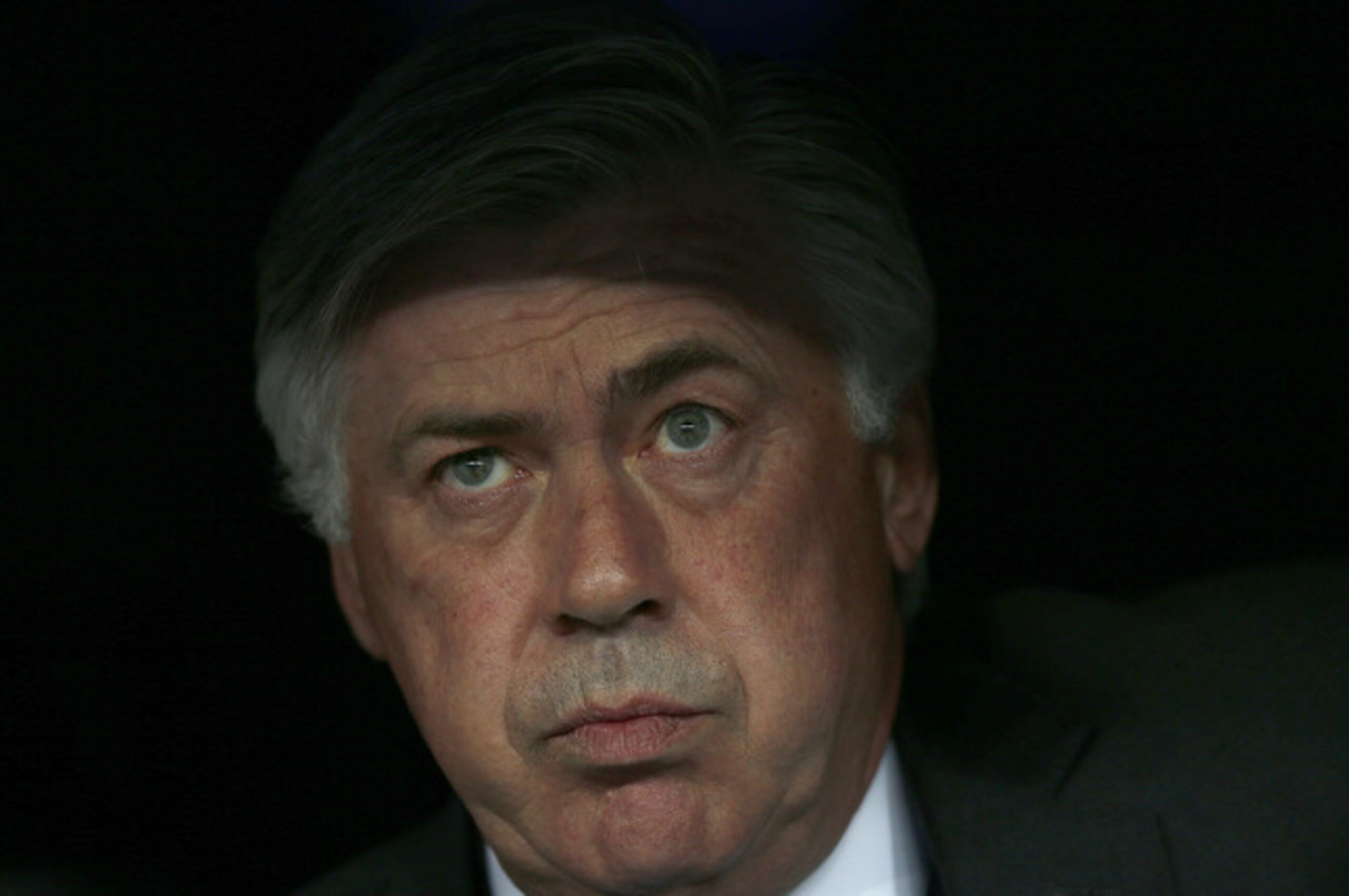
Football, of course, has changed, and with it the dynamics of management. Managers move clubs far more often than they used to, and at the very highest level, there is almost a carousel between the best jobs, which explains why winning the European Cup with more than one club, something only achieved in the first 55 years of the competition by Ernst Happel and Ottmar Hitzfeld, has been achieved in the past five years by Mourinho, Jupp Heynckes and Carlo Ancelotti—and could easily be achieved this year by Rafa Benitez or Pep Guardiola.
That may extend the window of success, but it’s still striking how even those generally considered greats, managers who have shaped the game, often have a short period at the very top. Arrigo Sacchi, for instance, blazed through Parma to Milan, won Serie A in 1988, the European Cup in 1989 and 1990 and was then all but finished.
Rinus Michels won his four Dutch titles and his European Cup with Ajax and his Primera Division title with Barcelona in the space of eight years. Jock Stein’s 10 Scottish titles and European Cup came in a 12-season spell. Marcello Lippi’s seven combined league and European titles came between 1995 and 2003. Clough kept on winning League Cups, but his two league titles and two European Cups came between 1972 and 1980. Johan Cruyff’s 10 major trophies as a manager came between 1986 and 1994.
Louis van Gaal added Dutch and German titles in 2009 and 2010 respectively—perhaps returning refreshed after a lengthy break from front-line management—but his undoubted peak was the six-year golden spell between 1994 and 1999 in which he won a European Cup, three Dutch titles and two Spanish titles.
The reasons why, perhaps, aren’t hard to fathom. A manager will serve his apprenticeship, either working in the background—as Mourinho did at Estrela da Amadora, Ovarense, Sporting CP, Porto and Barcelona, or Bob Paisley did at Liverpool—or at smaller clubs—such as Bill Shankly, who worked at Carlisle United, Grimsby Town, Workington and Huddersfield Town. By the time he gets to a big job, he is likely to be, at the very least, in his late 30s.
Again, here, the dynamic has changed; the likes of Clough and Shankly were able to transform second-tier sides into champions—they didn’t have to wait to be elevated into a pre-selected elite.
The manager then gets to a club that can conceivably be led to glory. It takes a year or two to add the final couple of players to the jigsaw and instil his methods. Sustaining that is difficult.
Success brings its own problems. Players, their popularity enhanced, demand greater rewards while perhaps losing hunger. Opponents start to work out the system and develop means of countering it. Then, there is Guttmann’s point that, after two years, players have heard everything a manager has to say. They know all his tricks. He can’t surprise them any more. That, you suspect, is particularly true of Mourinho.
The process of evolution has to be continual. It’s exhausting. Shankly’s retirement from Liverpool in 1974, at the age of 60, came as a huge shock.
The reasons for his decision to step down remain hotly disputed. He himself said that as he sat in the bath eating a pie after seeing his side win the FA Cup final with a performance of stunning virtuosity against Newcastle United, he simply felt exhausted. There is a theory he recognised he was bequeathing a team on the up to his successor, whereas if he’d hung on for a couple of years, a process of rebuilding—such as Paisley undertook after the 1977 European Cup final—would have been necessary. Some say he felt he owed his wife, Ness, more of his attention. But perhaps the simplest explanation was the truest: He was tired.
Fatigue is one thing, but here is also a more psychological point. When a manager has had success, he naturally tries to repeat the methods that brought success. The problem, though, is that football develops constantly. What was cutting edge five years ago is familiar today.
All managers, like all people in the public eye, risk becoming parodies of themselves; there is a danger not of doing what they think is right but of doing what they feel is expected of them. Although he may have the last laugh this season, Arsene Wenger and his obsession with diminutive creators is perhaps an example of that. So too is Van Gaal, persisting with his methodical possession football in a world of rapid transitions.
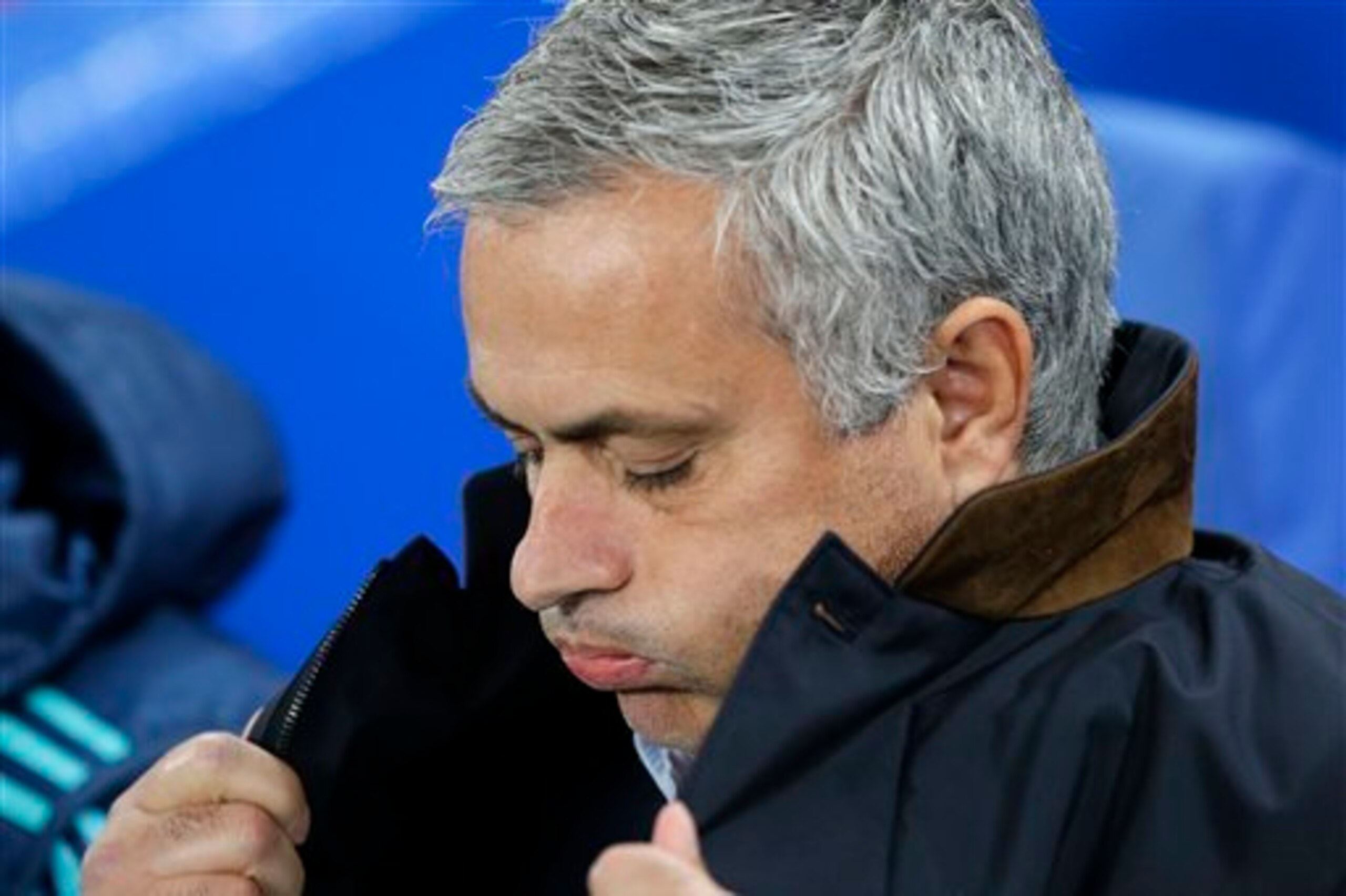
Perhaps Mourinho can keep developing. Perhaps what is happening at Chelsea is an example of Guttmann’s three-year rule. Perhaps it’s simply bad luck—an unusually high number of players losing form simultaneously. But perhaps something deeper is going on. It’s 12 years since Mourinho led Porto to the Portuguese league title and the UEFA Cup in the same season. At 52, he is relatively young in managerial terms, but perhaps the process of evolution has simply worn him down.
Twelve years is a long time at the top.

.jpg?w=2560 "Grading WWE Raw 🔠")



.jpg?w=2560 "Week 2 Start 'Em, Sit 'Em")