Analysing Erik Lamela's Early-Season Form for Tottenham Hotspur
There have been few more complex players at Tottenham Hotspur in recent times than Erik Lamela.
The Argentinian's settling-in process, after his £25 million-plus signing from Roma in 2013, has proven a protracted affair, sashaying between frustrating and brilliant like one of the man's own mazy dribbles.
The 23-year-old's early season form has not completely altered the perception of him as an enigma. However, such descriptions are more positively tinged now than at any previous point in his Premier League stay.
TOP NEWS
Cristiano Ronaldo Frustrated 😬
Live Latest World Football Highlights ⚽
Ranking Season's Worst Kits 🫣
Lamela made his 13th appearance of the campaign in Tottenham's 3-1 win over Aston Villa, crowning it with an assist for Harry Kane's deciding goal.
He had helped initiate the move himself, retaining possession on the right flank as the sweeping build-up began to unfold. It was an effort in keeping with a second half in which the player had injected some welcome energy in his team's attempts to kill off the visitors.

Largely untroubled prior to the interval, Villa left-back Kieran Richardson began being targeted more punishingly by the right-sided midfielder.
Richardson was unable to stop a cross that almost set up unmarked left-back Danny Rose, and he was later booked for illegally stopping the South American as he attempted to escape beyond him into the box.
Lamela's involvement centrally in the first half had been minimal, save for one delightful little flick to aid a square pass to Dele Alli.
After the break, Lamela took it upon himself to give Villa more to think about in these areas, notably sending Kane forward a couple of times, prior to their eventual collaboration for the latter's goal.
Altogether, the Argentina international's performance was typical of his season as a whole so far (and a decent metaphor for Tottenham's, too). Splendid at times and underpinned by a solid work ethic, but just a little too tentative overall than would be ideal.
Lamela entered this 2015-16 campaign with plenty to prove.
His second season with Spurs had been an improvement on his first. He was better prepared than previously for the physicality of the English game, more convincingly holding his own in battles for possession (as emphasised by his 2.4 tackles per game in the Premier League, per WhoScored.com, which was more than any of Spurs' other attacking midfielders managed).
It helped him contribute more confidently and effectively than he had prior to his season-ending injury at the halfway point of 2013-14.
His team-best eight assists in all competitions, per ESPN FC, and five goals were the statistical returns on a season in which head coach Mauricio Pochettino frequently used him alongside Nacer Chadli and Christian Eriksen in a trio behind a lone front man.
There were quieter spells interspersed among these contributions, though, that led to Lamela losing his place to Andros Townsend for a time earlier in 2015. And Spurs are still waiting for the fully fledged emergence of the Serie A sensation they had spent so substantially on two years ago.
Lamela's early showings in the new campaign will not have encouraged more pessimistic Spurs supporters such an improvement was approaching.
Brought off the bench in the season opener against Manchester United, he operated on the periphery as the north London club searched for an equaliser.
A week later at home to Stoke City, his introduction as Spurs sought to maintain a 2-0 lead again did not pay off. The game bypassed him as his team's failure to hold the ball upfield contributed to Stoke earning a draw.
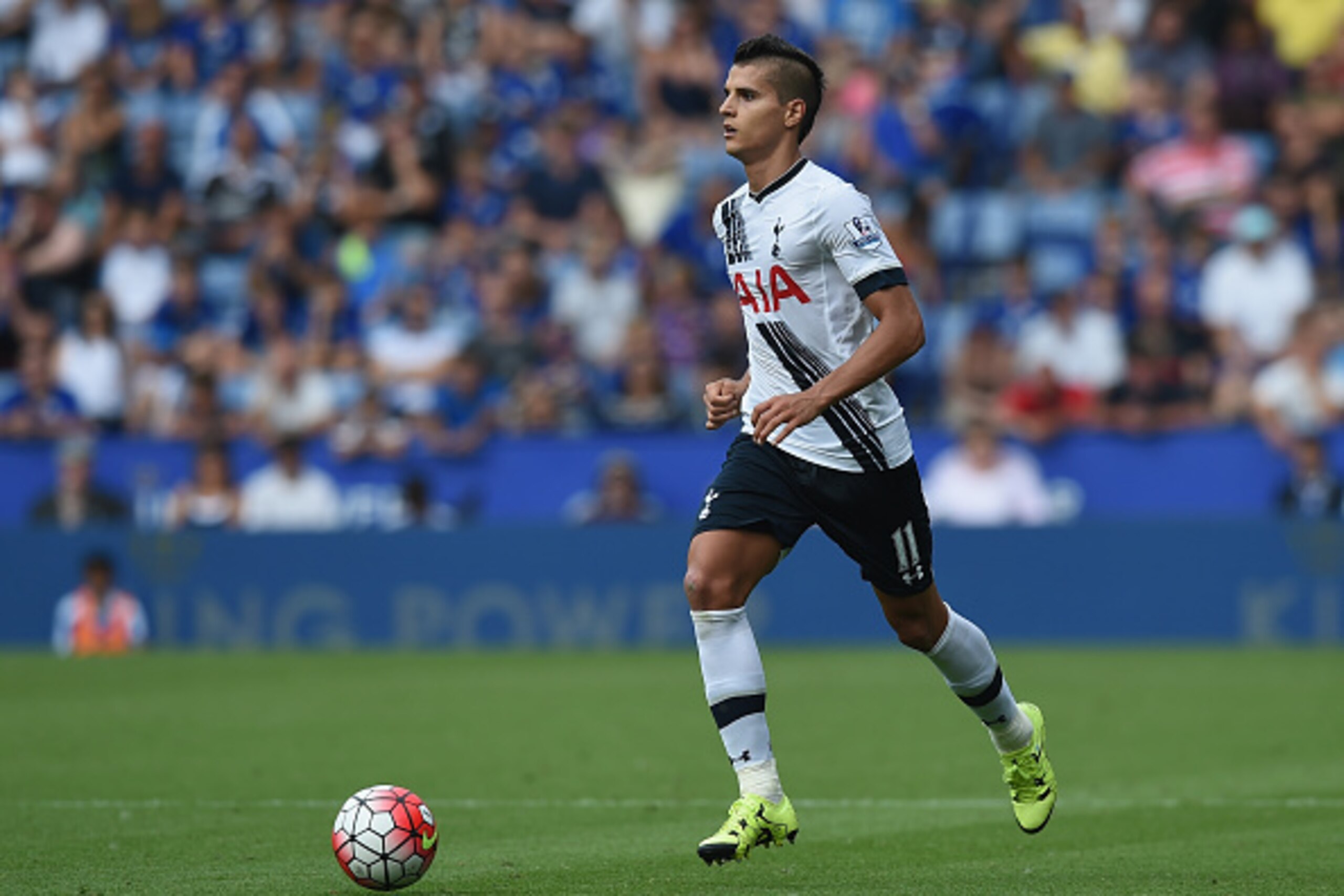
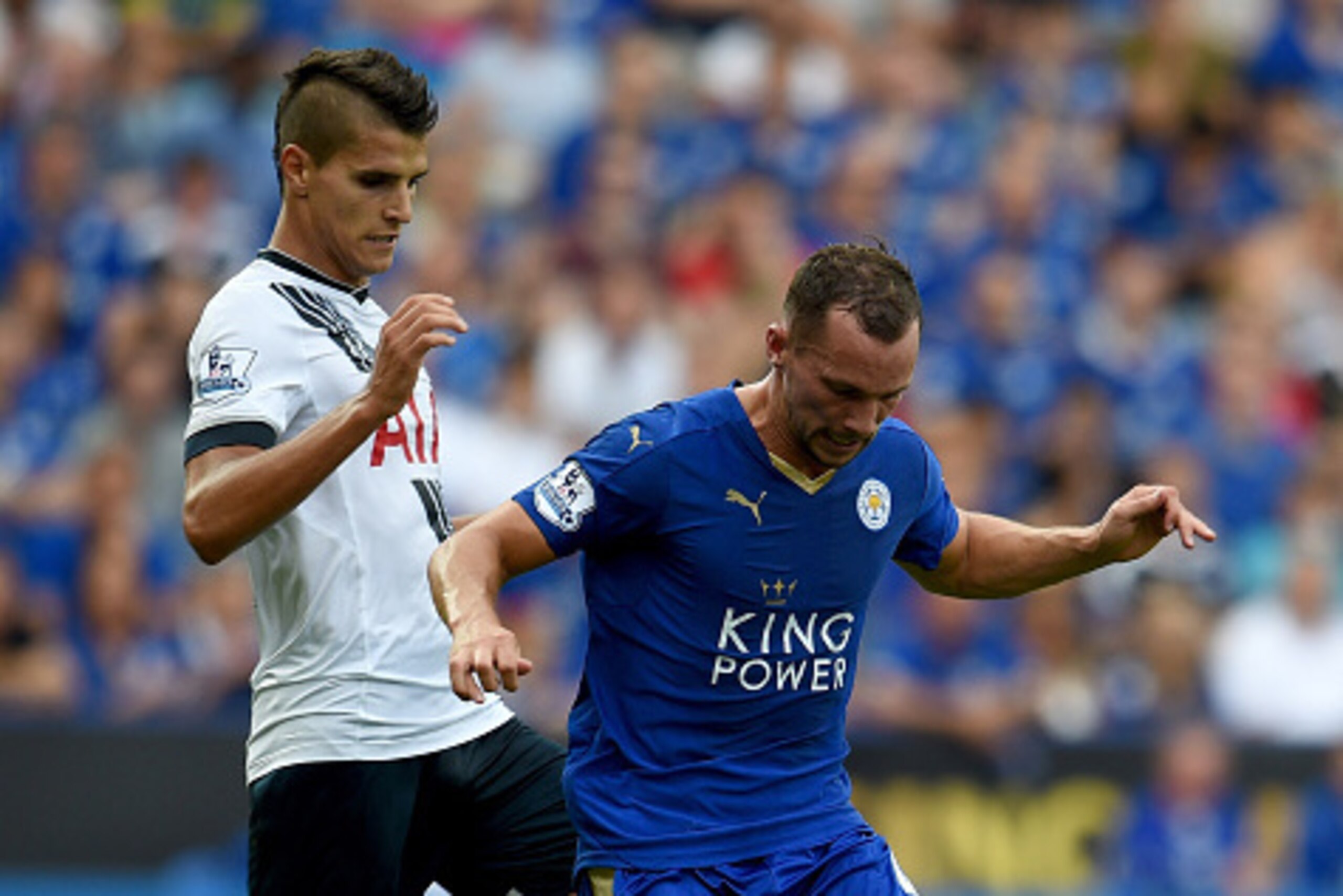
More worrying for Lamela's prospects was the decidedly ineffectual showing in the 1-1 draw at Leicester City that followed.
Given the opportunity to impress in a more central role in Eriksen's absence, he was even more of a passenger. Bearing a resemblance to the more timid performer of his first Premier League campaign, Leicester easily squashed his attempts to impose himself.
Replaced by Alli early in the second half, the more dynamic 19-year-old brought about an immediate improvement that led to Spurs taking the lead.
As the transfer window drew to a close, Pochettino's decision not to bring on Lamela in the following 0-0 draw with Everton could have been interpreted as a sign that his faith in the player was wavering. Alex Pritchard was preferred for the visit of the Toffees.
Looking back, Lamela's initial struggles appear to be, at least partly, a consequence of early season rustiness (not helped by his late return to pre-season following his involvement in the Copa America). More pronounced than some of his team-mates' lacklustre showings, because the pressure on him to improve was that much greater.
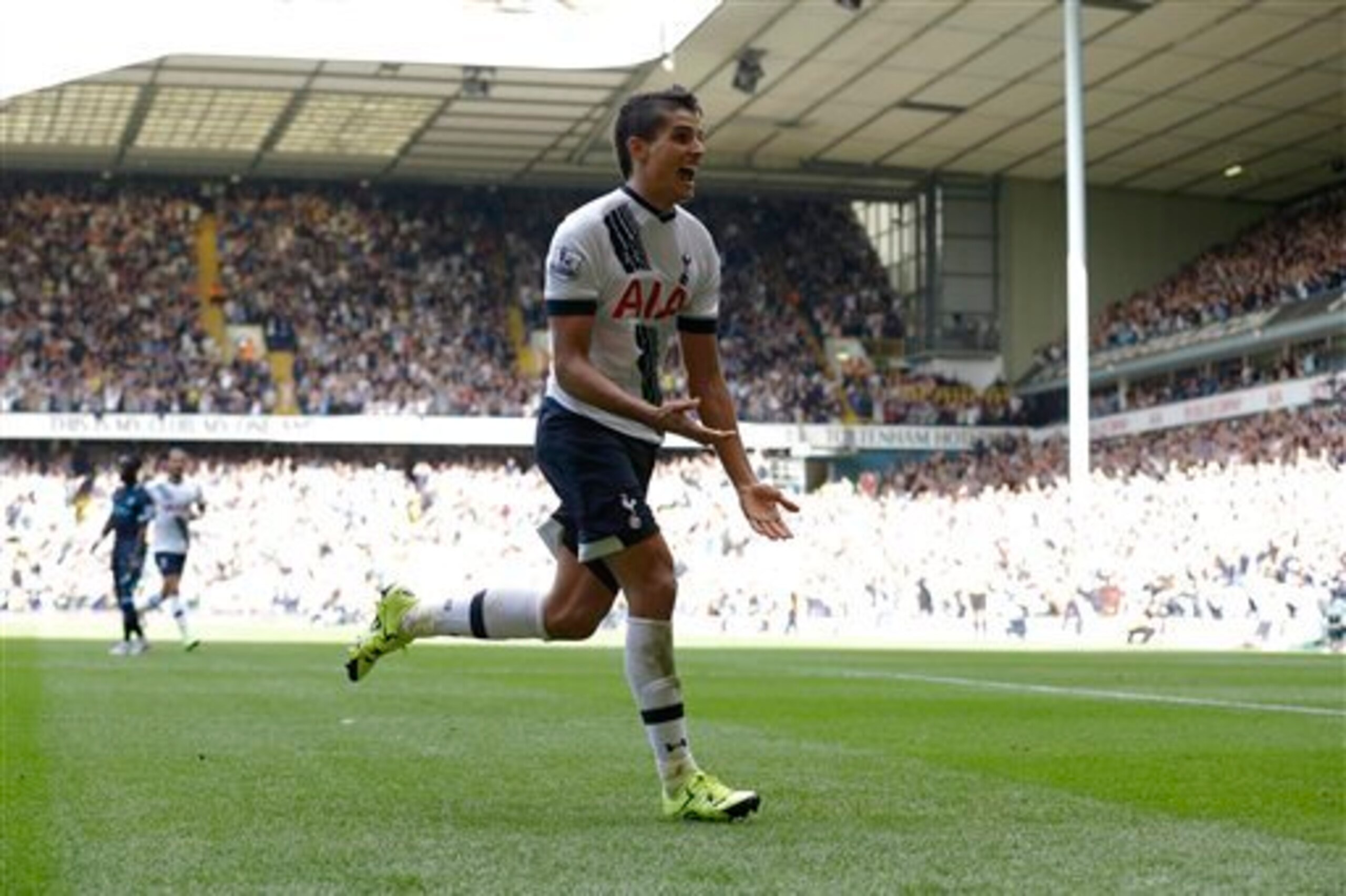
By September's end, Lamela was a player transformed. A widely praised performance in Tottenham's 4-1 win over Manchester City completed a month in which he steadily found a foothold in this make-or-break campaign.
A second-half substitute at Sunderland following the international break, he looked more in tune to the game's rhythm than in any of his previous appearances. His sharpness paying off in the note-perfect assist for Ryan Mason's goal, a strike that secured Spurs' first win of the season.
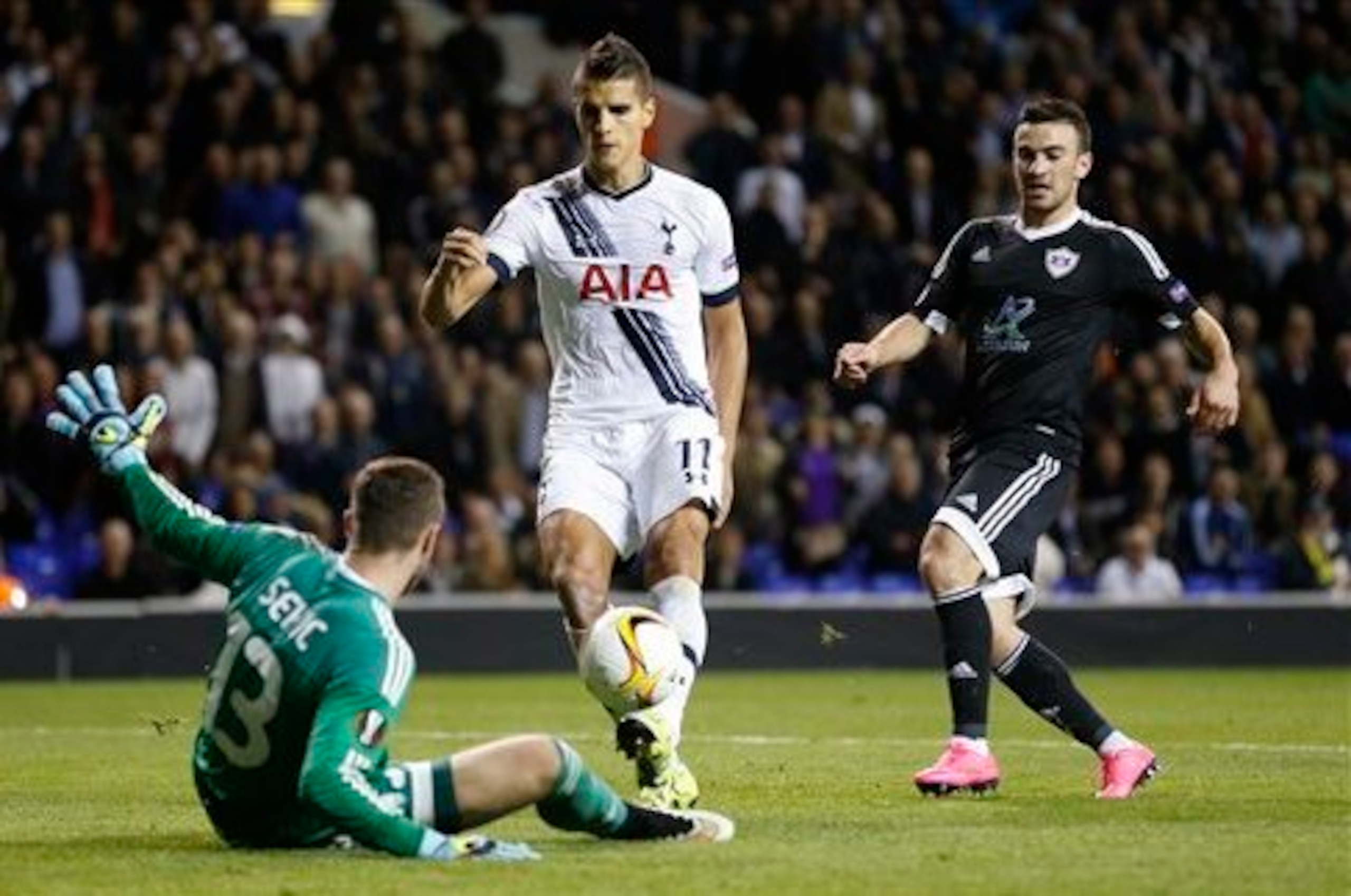
Against Qarabag in the Europa League, Lamela's touch appeared to have deserted him early on, his final-third passing was off-kilter amid the more productive work of others like Alli and Heung-Min Son. Admirably, Lamela did not let his head drop and his resilience would be rewarded with a late goal.
From here, the player began to find an effective balance between industry and creativity. Individual improvement aligning itself to the greater collective understanding of Pochettino's instructions were beginning to emerge in the team's more aggressive performances.
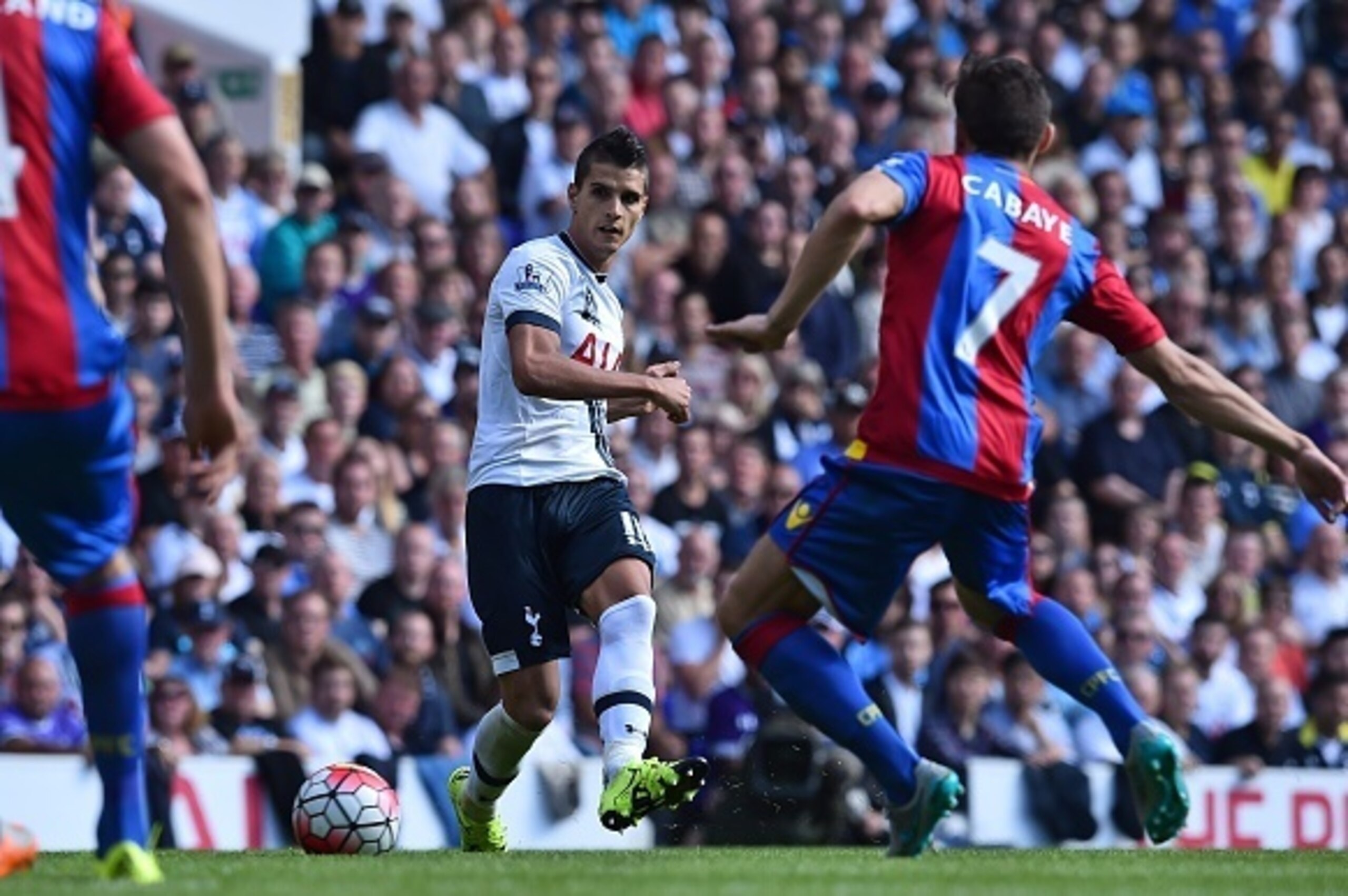
Against Crystal Palace, Lamela's grittiness provided a nice counterpoint to the silkiness of Son and Eriksen, most notably in launching the move that would lead to a combination between the two for the South Korean's goal.
The work rate against Manchester City was no less, but here it manifested itself in a surging confidence that the away side could not contain. Lamela set up Toby Alderweireld's header for the lead and scored Spurs' fourth, but the most eye-catching trait was the way he ran at, and past, the opposition with a delightful lack of fear.
"Players need time, time to believe and time to grow confidence," Pochettino told the club's official website of Lamela after the match. "He was very good and I’m happy for him, he deserves everything and this is a good step."
The run of good form continued at Monaco, but it has tailed off slightly since.
Lamela scored in the team onslaught that ultimately smothered Bournemouth in a 5-1 win, but his October was largely quieter than his stand-out September. Tidy enough, but not delivering a performance as good as in the Man City win, which, again, could be also said about Tottenham in general.

Just as November's important Europa League games and three London derbies are a big test of Tottenham's credentials this season, the challenging sequence should also inform us about where Lamela stands.
Can he be more than a performer capable of an occasional great day? Is he someone who can find ways to consistently contribute in big matches, akin to the likes of Mesut Ozil and Eden Hazard for influence and the guts to yield it in the first place (albeit the Belgian is not showing this much right now).
The form Lamela has shown since September is a useful option for Pochettino, and having teased us with an outing as excellent as that against Manchester City, the hope remains that the Argentinian could be even more for Tottenham—a player whose transfer fee is ultimately not regarded as overpriced, but worth every damn buck.

.jpg?w=2560 "York Responded to Ad on Prostitution Site Before Arrest")

.jpg?w=2560 "Players with Shocking Career Earnings 😳")

.jpg?w=2560 "NFL Panic Meter for Every Fanbase's Anxiety Levels")