

Nico Rosberg, Lewis Hamilton Should Finally Have a Straight Fight in Japanese GP
At this stage of the season, it no longer matters how Nico Rosberg gets the job done.
With six races remaining and just 150 points to play for in his increasingly futile efforts to overturn the 41-point advantage held by Mercedes team-mate Lewis Hamilton in the drivers' standings, winning ugly has emerged as an adequate alternative to losing stylishly.
The pursuit of near-perfect balance, the flawless qualifying lap and the impeccably choreographed race performance is now secondary for Formula One's prized perfectionist, who has "nothing to lose," as he told Sky Sports' Mike Wise.
TOP NEWS
Predicting NFL Roster Cuts ✂️
.jpg?w=2560 "Fever Sky Basketball")
Source: Freedom, White Not Eligible for WNBA Draft (AP)
Jayson Tatum's dad blunt about Celtics roster
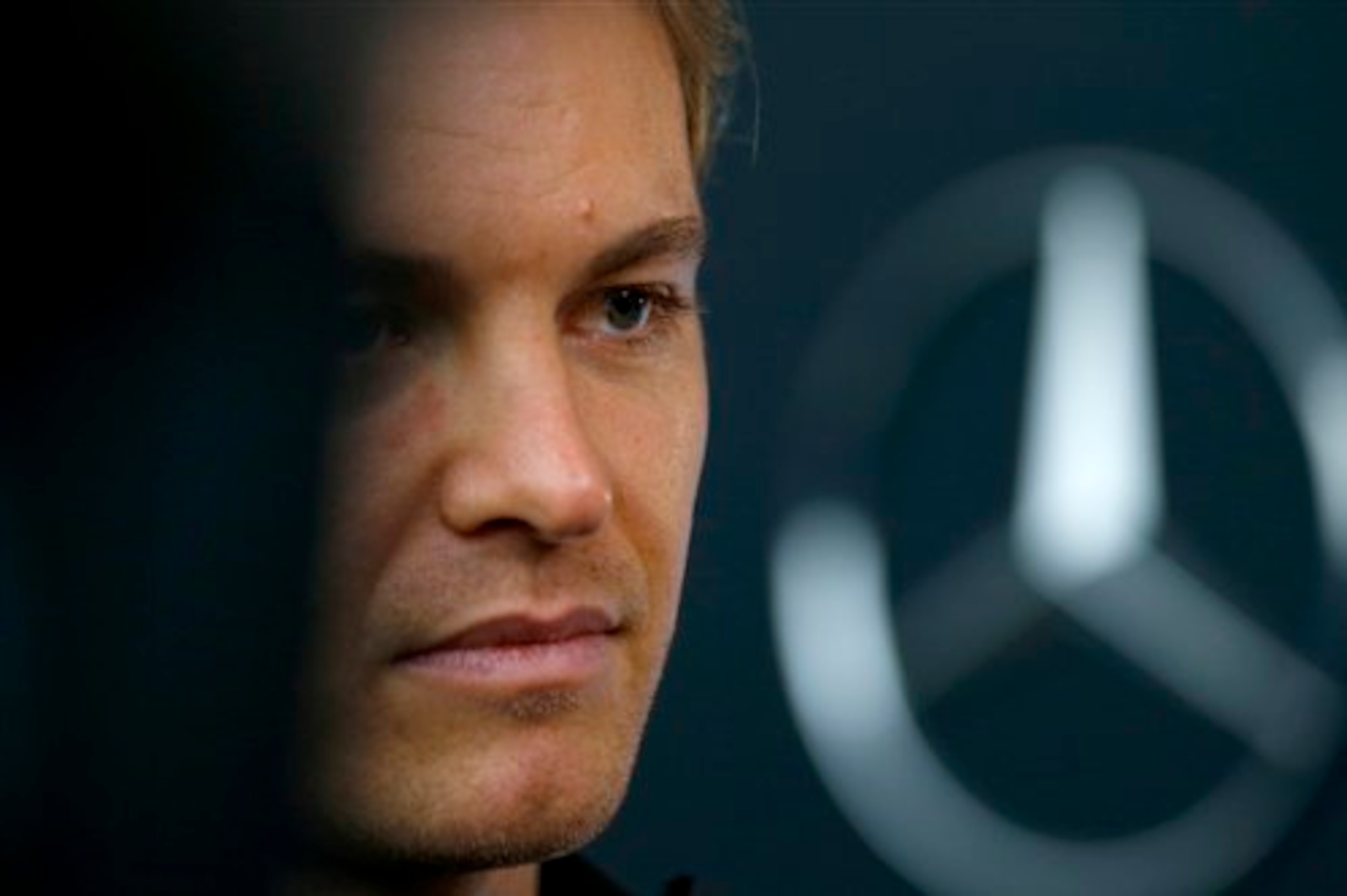
His only priority, as he faces the prospect of a second successive championship defeat to a man with identical machinery, is simply to place his car in front of Hamilton's as often as possible and to hope for the best.
With that in mind, the nature of his pole position ahead of Sunday's Japanese Grand Prix will rank alongside Monaco 2014—where his late off-track adventure led to a yellow-flag period, preventing his rivals from improving their lap times—as one of the sweetest of his career.
After the first runs of Q3 at Suzuka, Rosberg had an advantage of 0.076 seconds over Hamilton, per the official F1 website. The reigning champion had endured a relatively untidy lap, suffering from a bout of oversteer on the exit of Degner 2 before locking up his front-left brakes at the following corner as well as the final chicane.
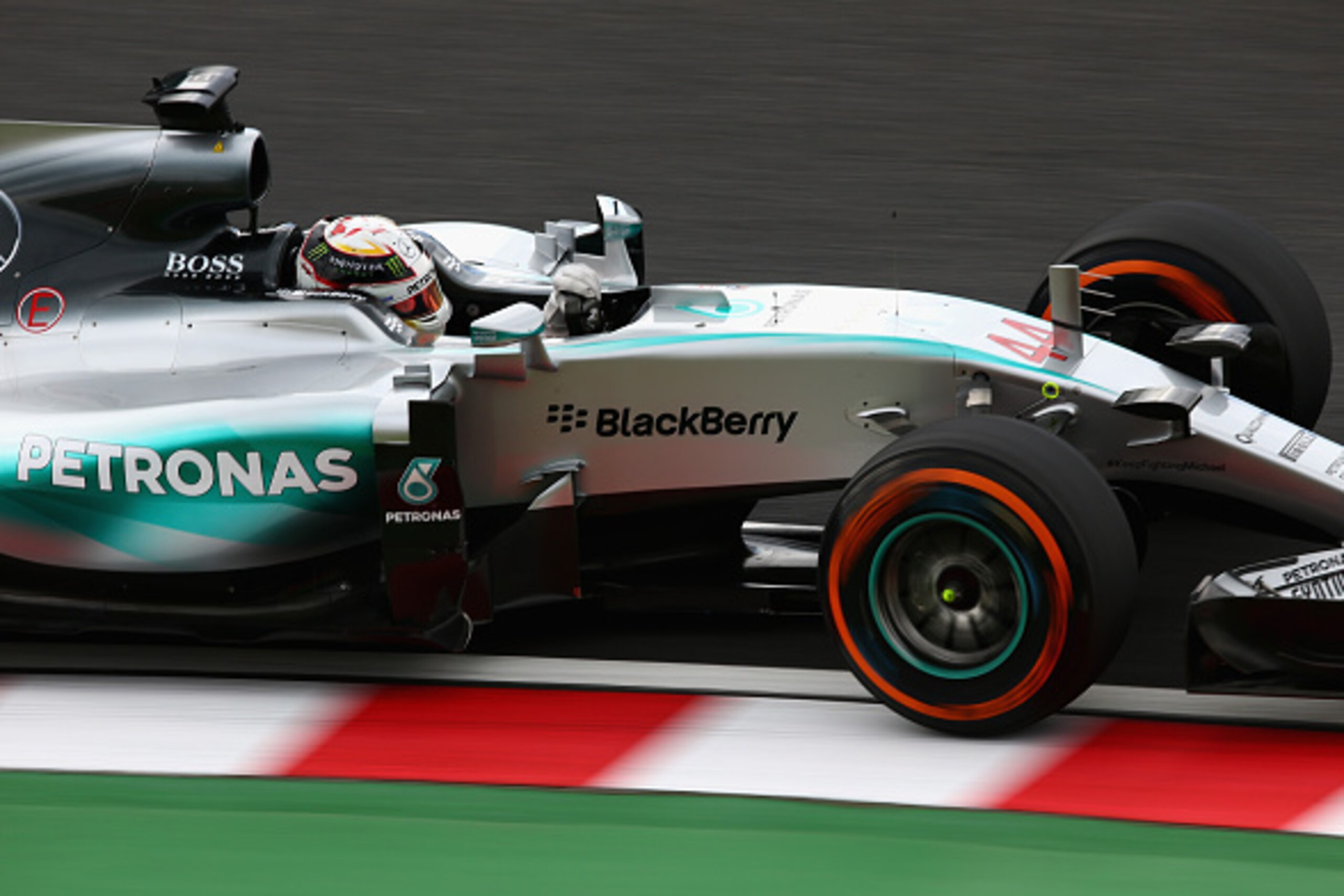
Hamilton later suggested his second effort would have been more than good enough for his 11th pole of the season, telling Sky Sports' Pete Gill: "That final lap had started so well—I was already a tenth and a half up by turn seven and getting excited."
But Daniil Kvyat's crash, and the subsequent red flags, meant his lap had to be aborted and Rosberg's pole was secure. It marked only his second pole of the season and his first since May's Spanish GP,
When it truly mattered, in other words, Rosberg was the one who got the job done.
While Hamilton appeared relaxed over the prospect of starting second—with a points advantage the equivalent of almost two race wins, after all, why wouldn't he be at ease?—Rosberg seemed to take much confidence from his performance, telling Gill his car was "positively on rails."
After an uncharacteristic, prickly first 13 races of the season, in which Rosberg often failed to reach the heights of 2014 and knew it, it felt as if the German—despite claiming a pole he probably wouldn't have held on to in an uninterrupted session—has rediscovered some of his old self-belief and exuberance.
And we can only hope that will result in a long-awaited tight contest between the pair in racing conditions.
One of the most disappointing aspects of the 2015 campaign has been the absence of a head-to-head battle between the two title protagonists.
While 2014 was defined by a number of on-track scuffles between Hamilton and Rosberg, from the "Duel in the Desert" in Bahrain to their collision in the opening stages at Spa-Francorchamps, this season has been something of a cold war.
With the exception of Monaco, where the team's pit-stop blunder cost Hamilton a dominant victory from pole, each Mercedes victory this season has been claimed by the driver who has established an early pace advantage and then maintained it throughout the entire weekend.
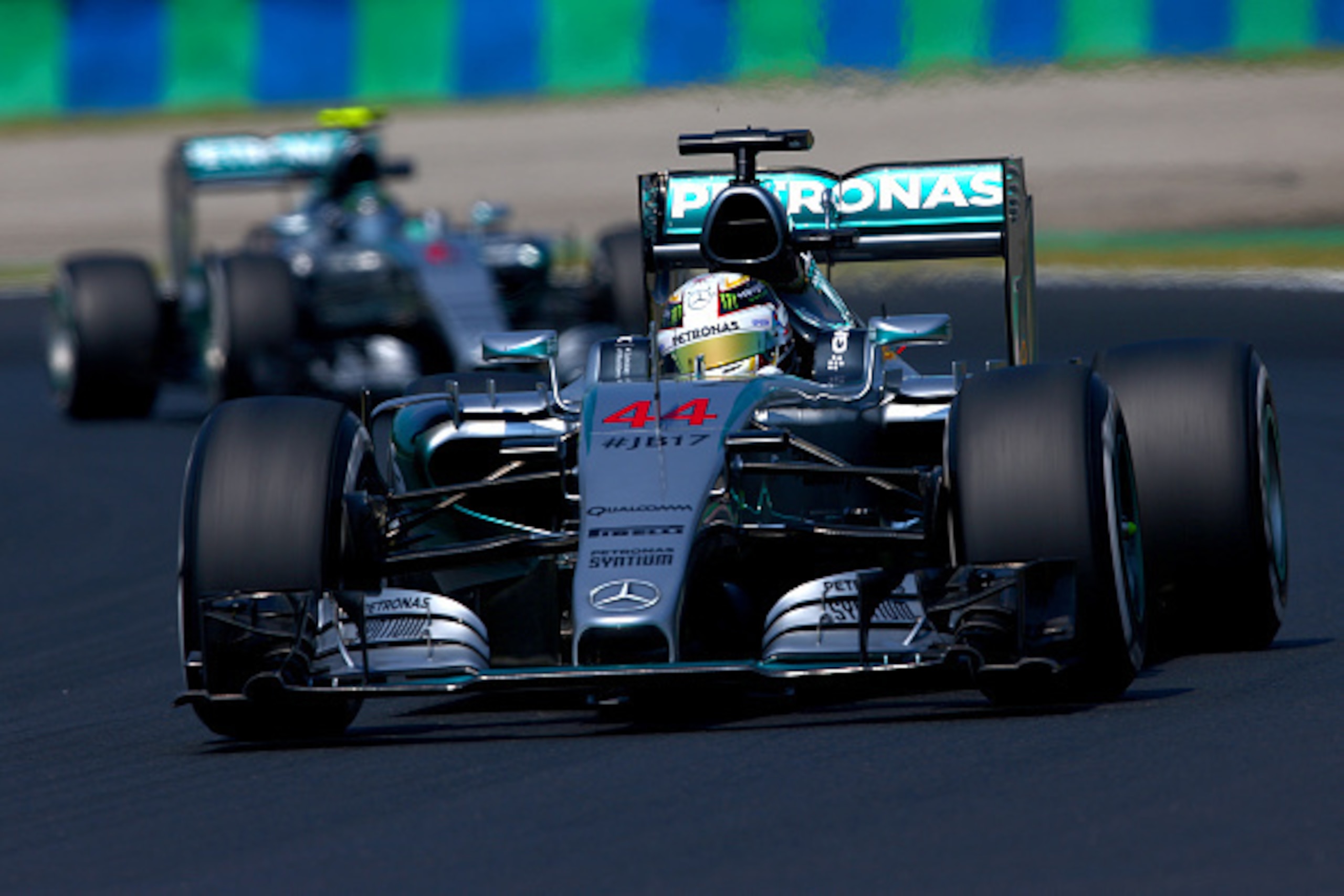
The lack of meaningful running on Friday at Suzuka, however—both FP1 and FP2 were affected by rain—left the drivers unable to gain a head start, which perhaps explains why qualifying was riddled with several errors and why Hamilton and Rosberg are still so close even at this stage.
The Mercedes drivers' agreement, per Sky Sports' television coverage of qualifying, that exploiting the undercut pit-stop tactic is impossible at Suzuka should mean that any overtaking manoeuvre will have to be completed on the circuit.
There is much about Suzuka that suits Hamilton's driving style. F1 journalist Peter Windsor noted that Turns 1 and 2 favour his "feel for the braking against lateral load." Meanwhile, the last chicane, where it is difficult to identify a braking point and even harder to remain loyal to it, plays to the strengths of his aggressive, instinctive use of the brakes.
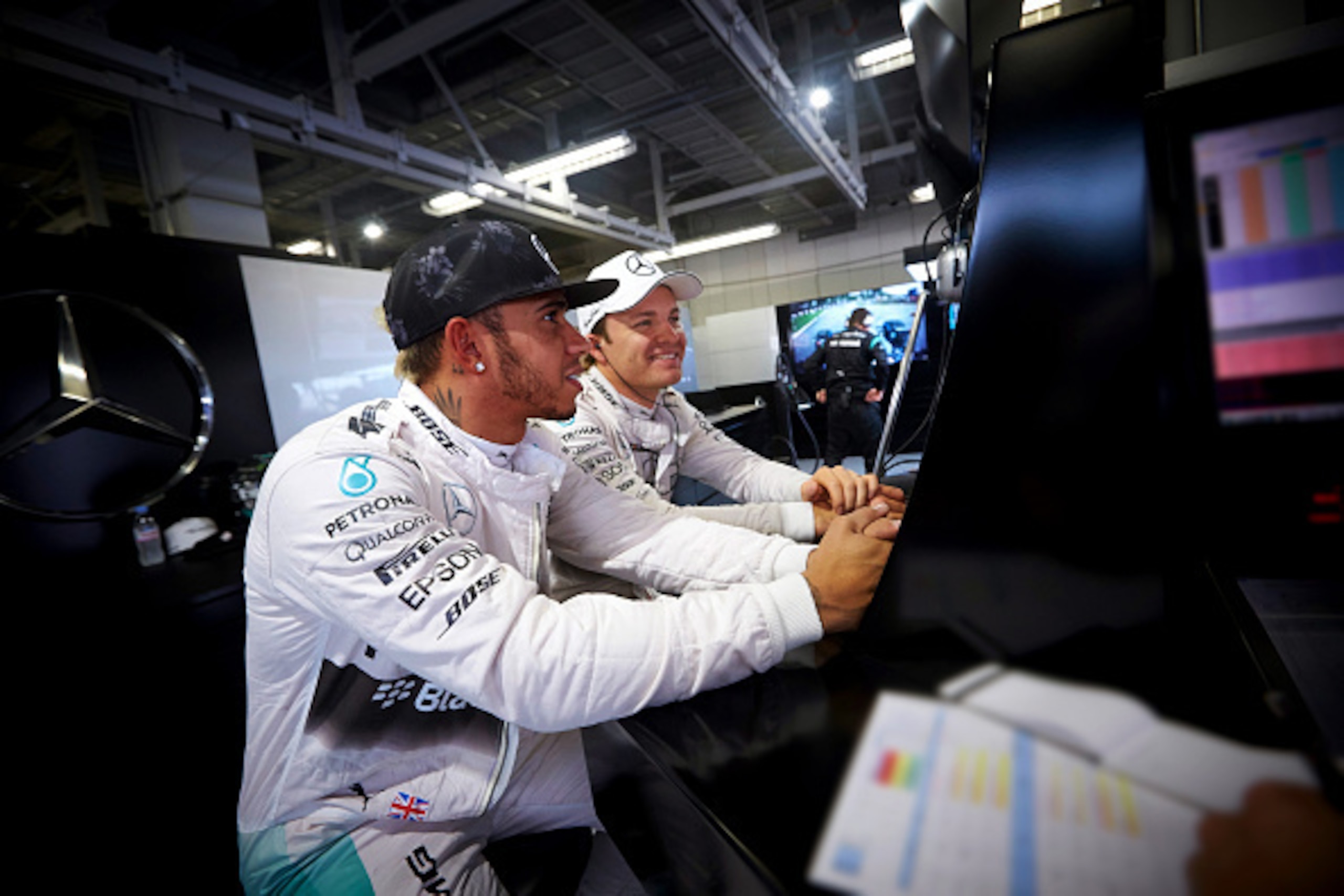
Yet despite his considerable success at other historical "driver circuits" such as Silverstone, the Hungaroring and Spa over the years, Hamilton hasn't achieved the results he should have at Suzuka, with his only win at the track occurring last season.
That, of course, came from second on the grid, with the decisive move taking place on Lap 29 after Rosberg, struggling with oversteer on intermediate tyres, gifted his team-mate the racing line into Turn 1 almost as though he had made a conscious decision to settle for second.
This year, however, Rosberg cannot afford to be quite so tame.
With a rare pole position in his pocket, the man with nothing to lose has the ability to dictate and control the race to his liking, to tempt the driver with everything to lose into a fight he doesn't need to engage in and, finally, to get the job done.
It's now or never.
.jpg?w=2560 "NFL Combine Football")
.jpg?w=2560 "Players with Shocking Career Earnings 😳")
.jpg?w=2560 "Grading WWE Raw 🔠")
.jpg?w=2560 "Shedeur's Reaction to Browns' QB Decision")