Vikings vs. 49ers: What's the Game Plan for Minnesota?
The countdown to the return of Mike Zimmer, Teddy Bridgewater and Minnesota Vikings regular-season football has almost reached its conclusion, as we are now under 24 hours away from kickoff at Levi's Stadium on Monday Night Football. Standing between the upstart Vikings and a Week 1 victory is the San Francisco 49ers, a team that will be featuring a number of new faces both on the sidelines and on the field.
Two characteristics that almost always show when evaluating championship-level teams are strong preparation and pinpoint execution. Simply put, coaches who prepare their players better and execute more consistently than the opposition tend to be on the winning side of the scoreboard more often than not.
.jpg?w=2560 "Panthers Saints Football")
.jpg?w=2560 "Jaguars Saints Football")
Grasping this concept is not difficult, but employing it is a prime example of "easier said than done." If every NFL coaching staff was able to game-plan well week in and week out, there would not be much turnover on a year-to-year basis.
Offenses that quickly diagnose what a defense is planning to do and are prepared with multiple strategies for exploiting Achilles' heels tend to find the end zone more often than not.
Likewise, a defense that is aware of an offense's strengths, adapts hastily to how these are being utilized against its unit's deficiencies and takes advantage of roster weaknesses or the inherent flaws to a specific style of play typically give the opposition fewer reasons to celebrate—despite the NFL's rules being geared toward the offensive side of the ball.
Zimmer and Co. will look to out-coach a new trio of major 49ers coaches, as Jim Harbaugh (Michigan Wolverines), Mark Roman (Buffalo Bills) and Vic Fangio (Chicago Bears) have moved on from San Francisco.
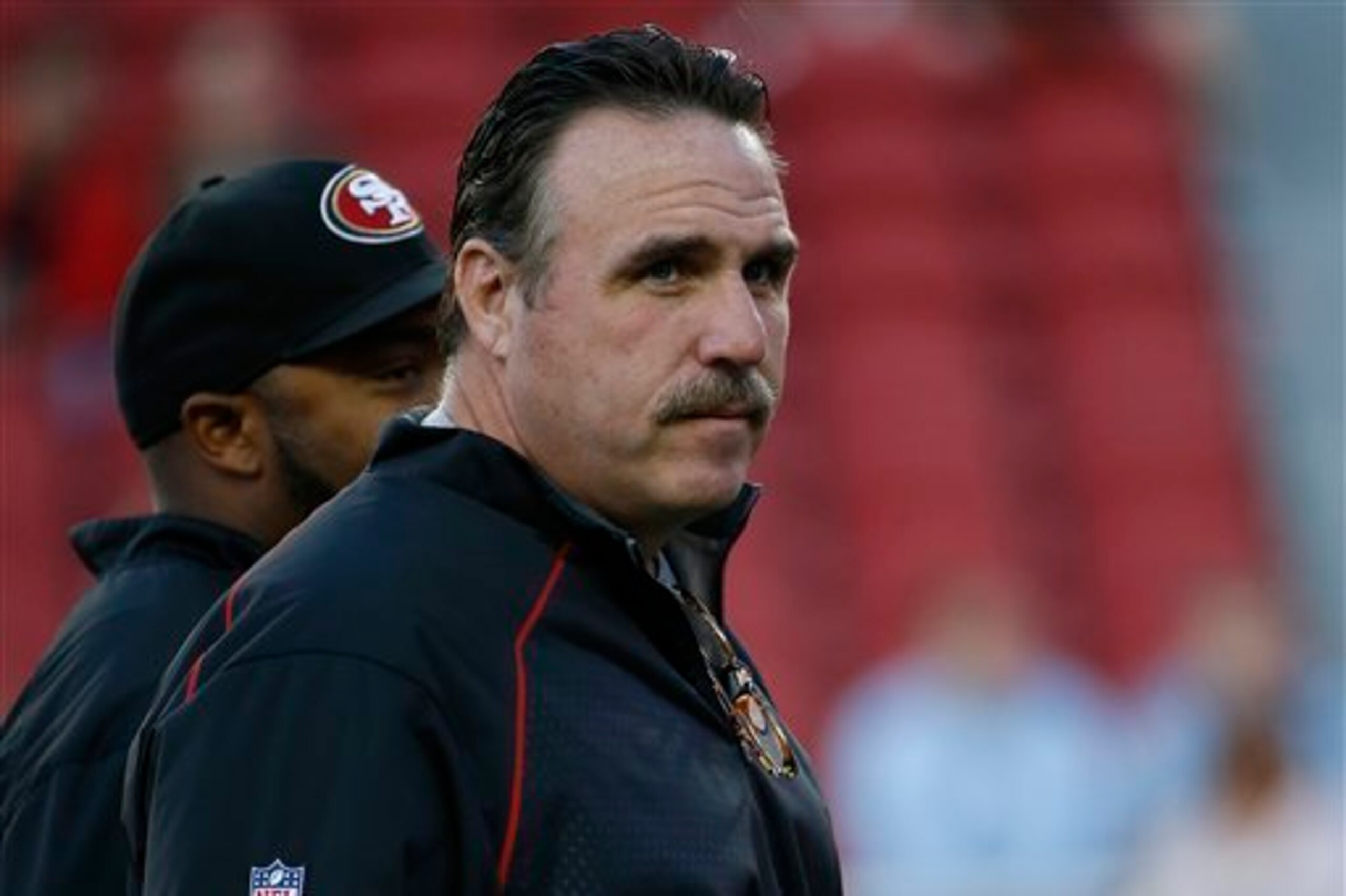
Game-planning against a newly formed coaching staff can be difficult due to a lack of game film, and it should be expected that first-time head coach Jim Tomsula, offensive coordinator Geep Chryst and defensive coordinator Eric Mangini will attempt to take advantage of this.
Offensive Game Plan
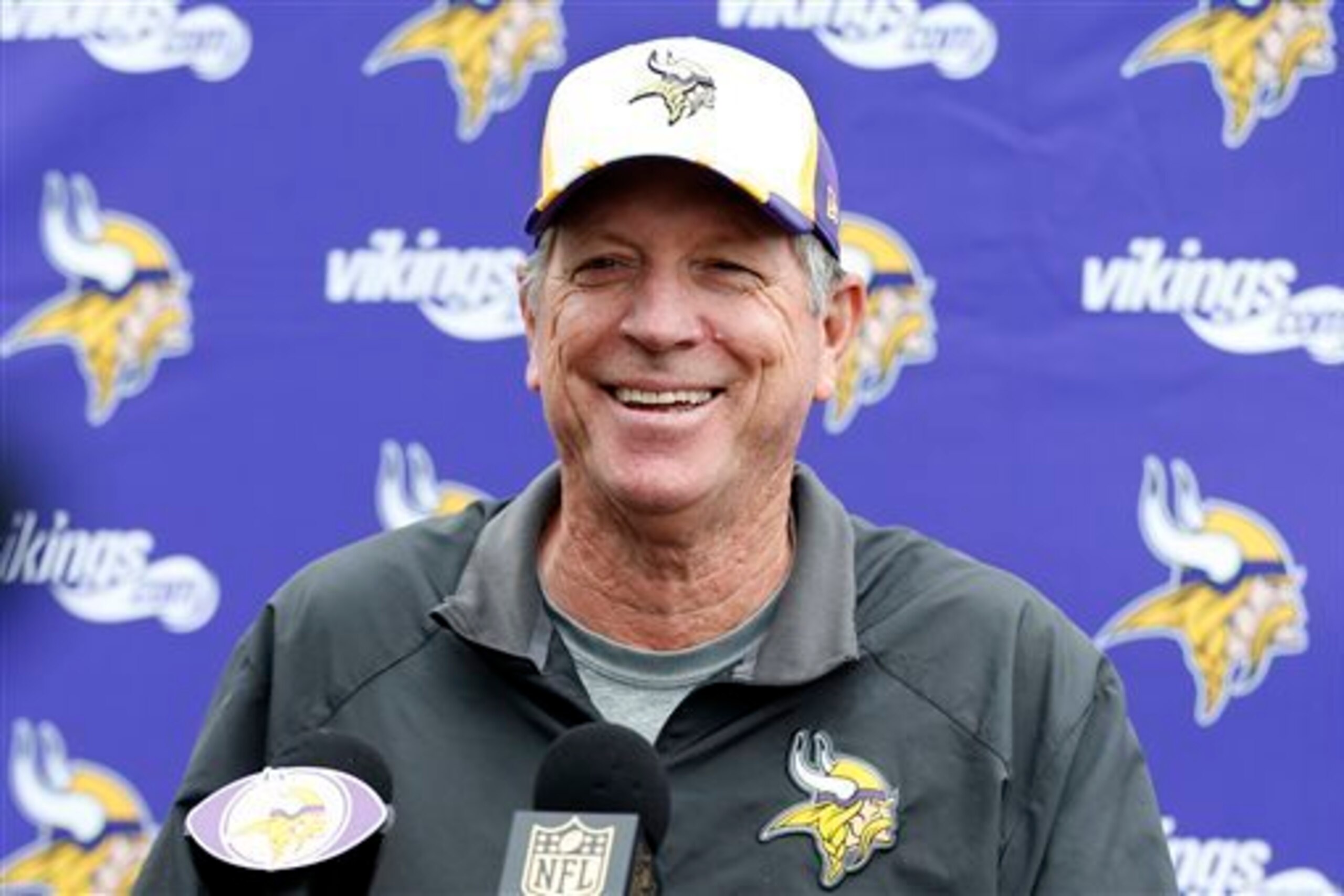
Since it is the beginning of a new year, let's quickly review some of the basics to Turner's offensive system and a few of the strategies that were consistently employed last season.
Turner has featured multiple key attributes in his offenses throughout his long tenure of coaching at the NFL level. Many of such traits are currently reflected on the Vikings' depth chart, and upper management has done an excellent job adding Turner-type pieces since he arrived.
Typically, his system has hinged on four major factors:
- Intelligent, accurate, big-armed quarterback (Troy Aikman, Philip Rivers, Brian Hoyer)
- Powerful, decisive running back (Emmitt Smith, Ricky Williams, Frank Gore, LaDainian Tomlinson)
- Fundamental, fast and lengthy wide receivers (Michael Irvin, Jerry Rice, Randy Moss, Vincent Jackson, Josh Gordon)
- Big, athletic tight end (Antonio Gates, Jordan Cameron)

Note: Turner was not responsible for the best seasons of a 42-year-old Rice or Moss' careers, but he is largely responsible for the most successful years of Aikman, Rivers, Smith, Williams, Gore, Tomlinson, Irvin, Jackson, Gordon, Gates and Cameron.
With these four major positional pieces, Turner attempts to do a few different things with his offense. Some of these strategies were apparent in 2014, while others were not executed effectively due to injuries, adjustment to a new system, lack of a consistent offensive line and general player development.
- Balance between run and pass
- Power running game
- Vertical passing attack
- Designs featuring both intermediate and underneath passing routes
- Play-action fakes
- Timing routes (quick slants, comebacks, curls, digs, etc.)
Based of the above-listed factors, scheme design and play-calling style, it's relatively simple to pick out the focal points of the 2015 Vikings offense based on player characteristics alone. This current group does not hit on every major factor constant in Turner's offenses—most notably the lack of a big-armed quarterback—but his genius offensive mind certainly has plenty to work with.
- Quarterback Teddy Bridgewater (intelligent, accurate)
- Running back Adrian Peterson (powerful, fast, decisive)
- Wide receiver Charles Johnson (fast, lengthy)
- Wide receiver Mike Wallace (fast, fundamental route-running skills)
- Tight end Kyle Rudolph (Big, strong, athletic)
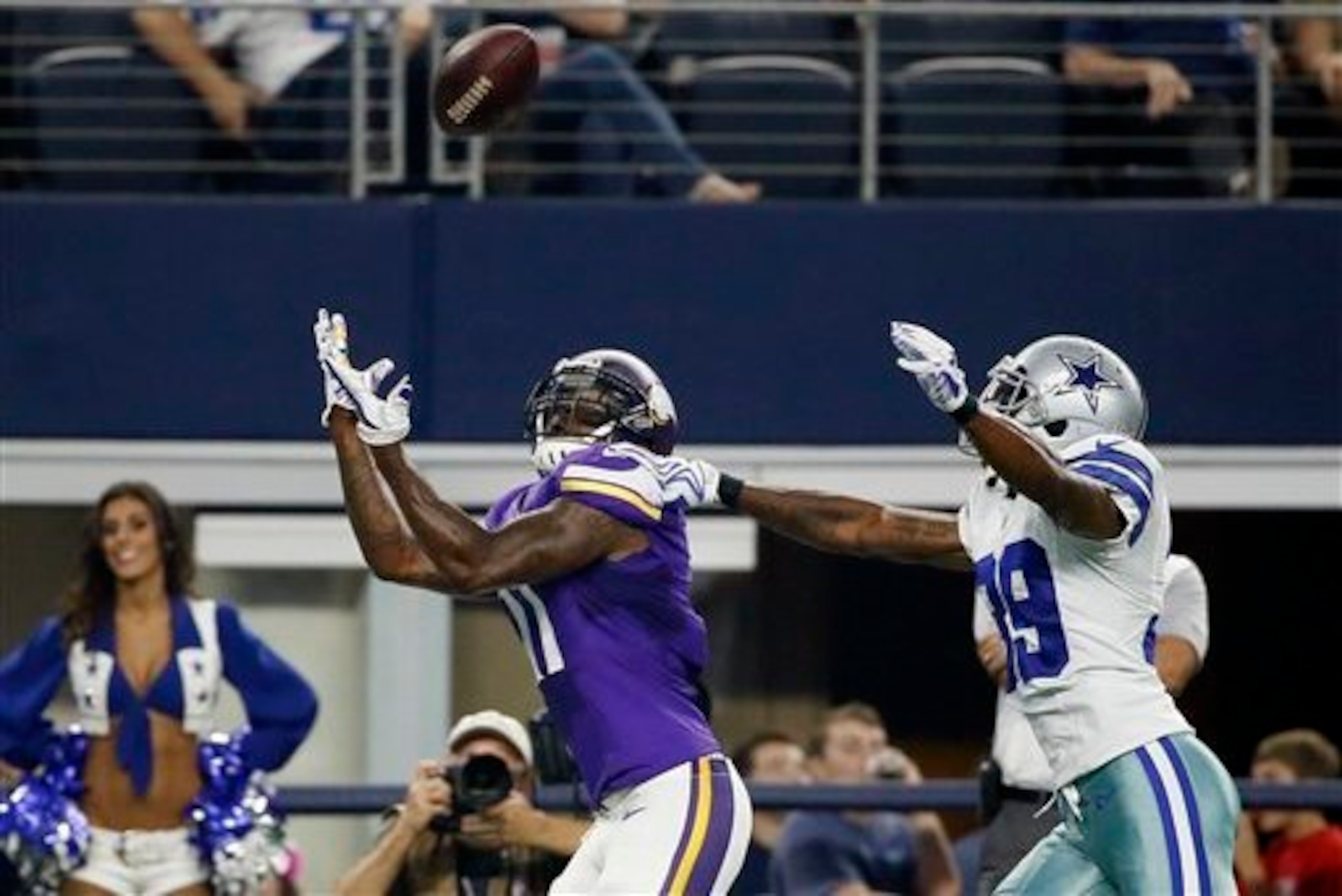
Turner definitely won't lack applicable personnel this Monday against the 49ers. However, being forced to start a pair of second-string offensive linemen (T.J. Clemmings, Joe Berger) will likely affect how frequently he asks Bridgewater to execute five-step drop plays (vertical routes, deep comebacks, post routes, etc.) and the success of Peterson's between-the-tackles rushing attempts.
Plenty of play-action calls represent a logical solution to counteracting this roster deficiency. When executed well, these designs force defenses to "react instead of attack," and Bridgewater has already shown an ability to efficiently execute play-action fakes.
Mangini, who was San Francisco's tight ends coach in 2014, is now back to working on the defensive side of the ball. He has had a very up-and-down career—both as a head coach and as a coordinator—leading and scheming defenses. He has produced defenses that stopped the run well (2007) and shut down aerial attacks (2008).
The peak of Mangini defenses came while utilizing a 3-4 defense as the head coach of the New York Jets. These units hinged on players such as cornerback Darrelle Revis, inside linebacker David Harris, outside linebacker Calvin Pace, safety Kerry Rhodes and defensive end Shaun Ellis.

Historically speaking, Mangini isn't known for exotic blitz packages, instead employing a strong combination of man-to-man coverage with his cornerbacks and asking his safeties to make smart decisions in zone coverage. Given the personnel listed above—namely Revis and Rhodes—it's easy to see how this style was successful.
In his first game coaching defense in San Francisco, however, he will have a Rhodes-like safety in Antoine Bethea, but there isn't anything close to a Revis on this roster. Second-year cornerback Kenneth Acker will likely be tested early and often by Bridgewater and the Minnesota wide receivers, as it will be his first game starting in the NFL.
Additionally, his three-man defensive line (DE Glenn Dorsey, NT Ian Williams, DE Quinton Dial) is mostly unheralded, which could make stopping the run difficult. This will force the 49ers linebackers to play at a high level if slowing down Peterson is to be accomplished.
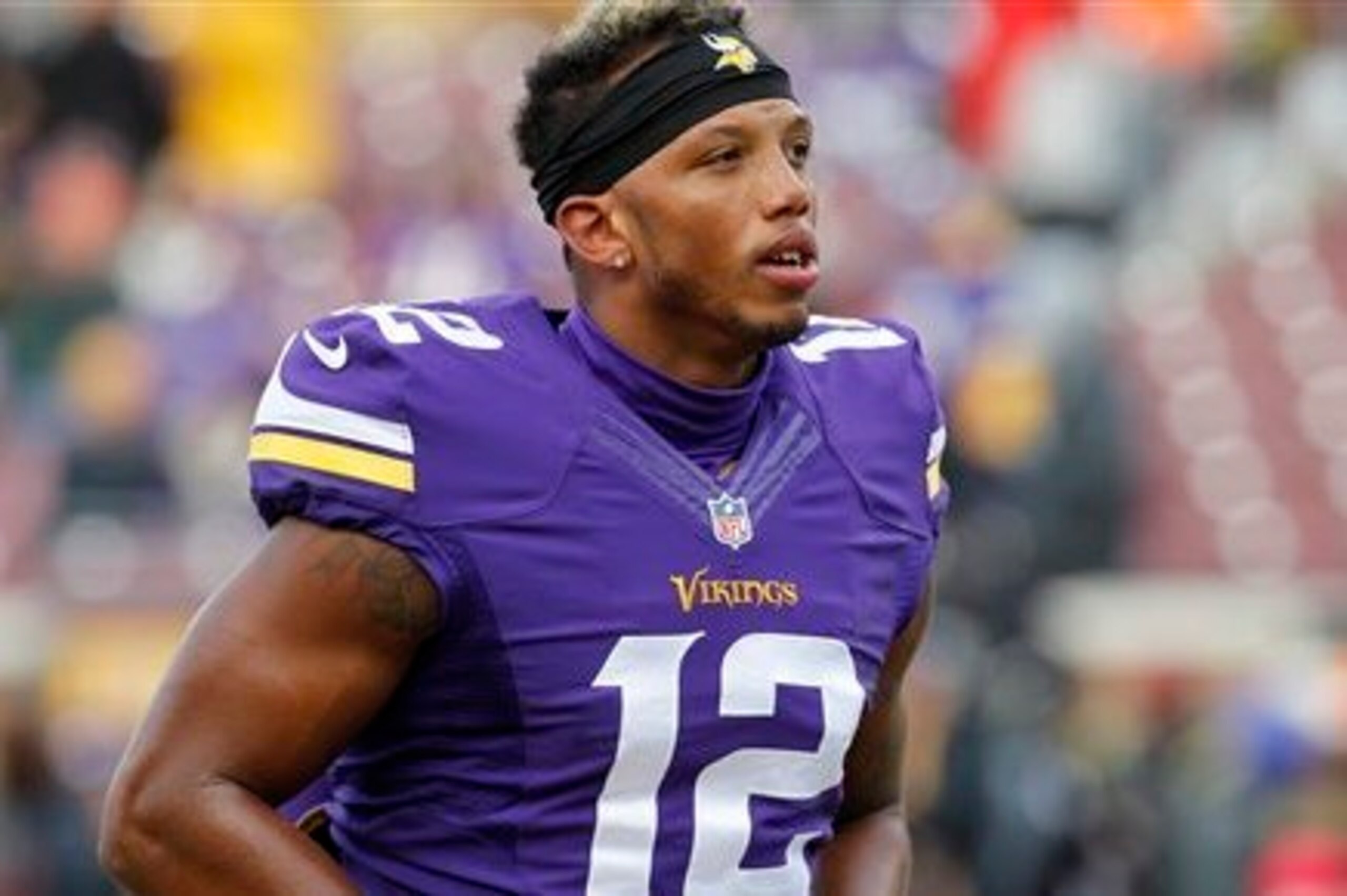
Mangini does have NaVorro Bowman to play the "Harris role" in his defense, and he is certainly capable of doing it much better than any inside linebacker Mangini has ever had at his disposal. Bowman will be the 49ers' key to stopping the run, so Turner will need to find a way to get his lineman to the next level. If this proves difficult, employing fullback Zach Line to, at the very least, make Bowman's assignment more difficult may be necessary.
Simply put, the Vikings' game plan should feature plenty of Peterson, play-action fakes to keep the defense honest and potentially a few deep balls to Johnson and Wallace when facing single coverage on the outside.
Defensive Game Plan
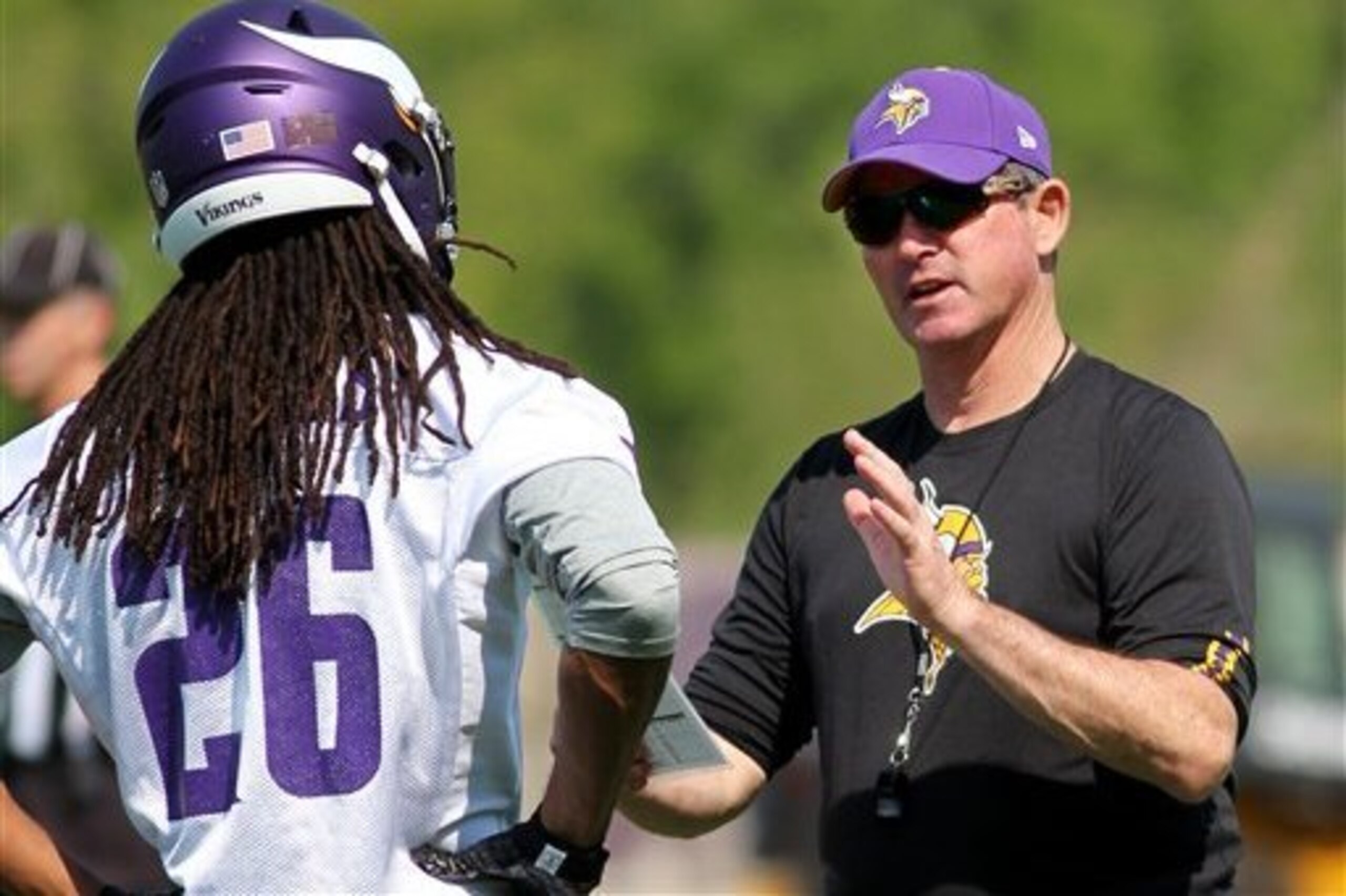
As we did with Turner, let's take a brief moment to review what we know about Zimmer's defensive system.
Similar to his offensive coordinator, Zimmer has spent many years coaching defense in the NFL and has had plenty of success throughout the years with multiple organizations. His units have featured Pro Bowl-caliber players at each level, but like Turner, there are a few trends on his rosters.
- Speed-rusher at defensive tackle (La'Roi Glover, Jonathan Babineaux, Geno Atkins)
- Versatility at linebacker (Dexter Coakley, Michael Boley, Vontaze Burfict)
- Run-stopper at defensive end (Greg Ellis, John Abraham, Michael Johnson)
- Physical, press-man coverage cornerbacks (Terence Newman, DeAngelo Hall, Johnathan Joseph)
- Ball hawk at safety (Darren Woodson, Roy Williams, Lawyer Milloy)
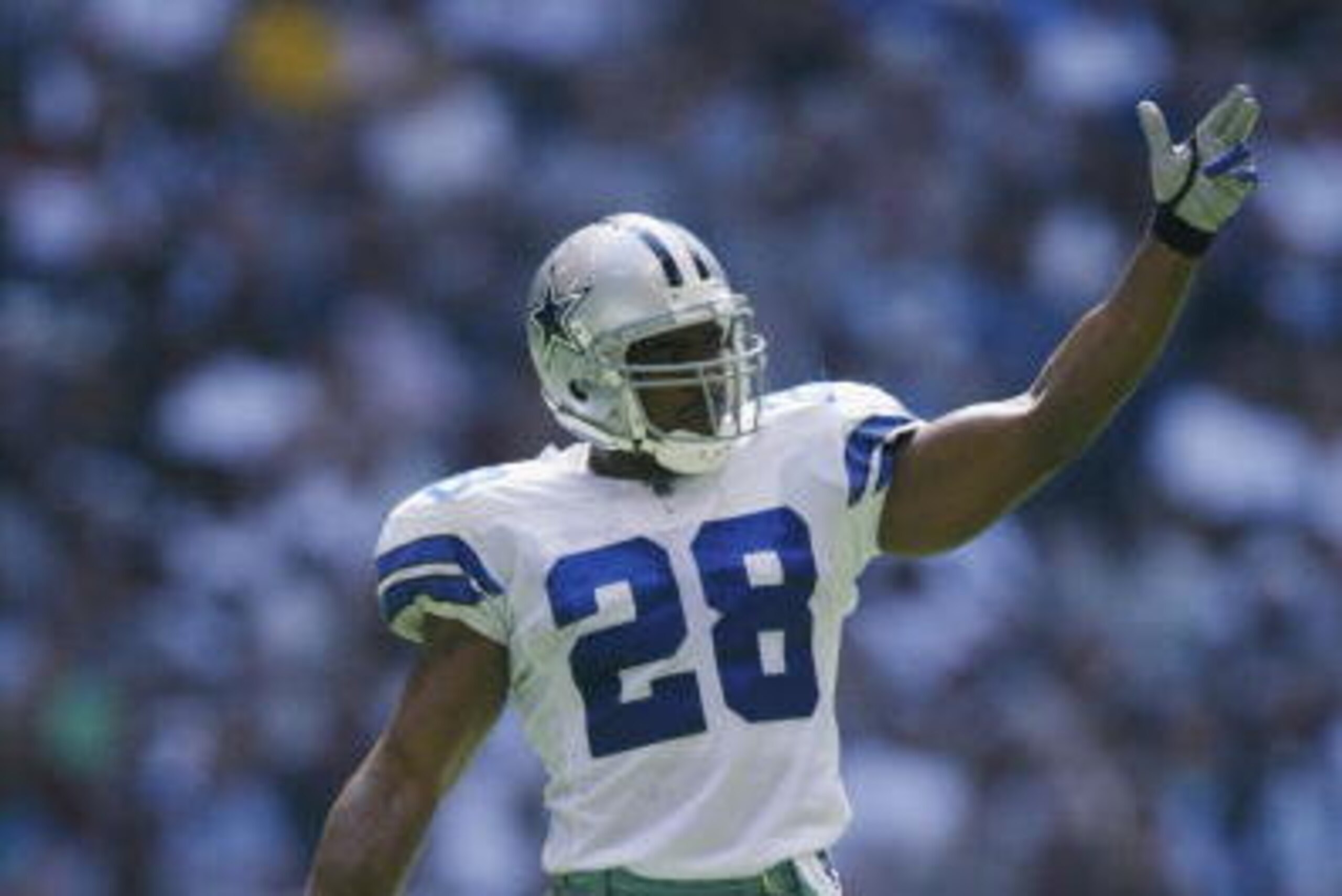
Not every Zimmer defense has featured all of these pieces at once, but this doesn't change the way he attempts to stop offenses. He runs a base 4-3 defense (he has based in a 3-4 in the past), which requires success at each level in order to be successful.
- Successful four-man pass rush
- Needs defensive end to set the edge well
- Double "A" Gap Blitzing
- Linebackers used as pass-rushers and in man coverage
- Cornerbacks in press-man coverage (pattern-matching)
- Safeties with free range in zone coverage
While Zimmer requires more of every player instead featuring one or two, these scheme qualities make it easy to see why he places a premium on certain positions.
- Defensive end Everson Griffen (versatile, elite pass-rusher, run defender)
- Defensive tackle Sharrif Floyd (skilled pass-rusher)
- Linebacker Anthony Barr (versatile, skilled pass-rusher)
- Cornerback Xavier Rhodes (physical, lengthy, one-on-one coverage skills)
- Safety Harrison Smith (versatile, highly intelligent, ball hawk)
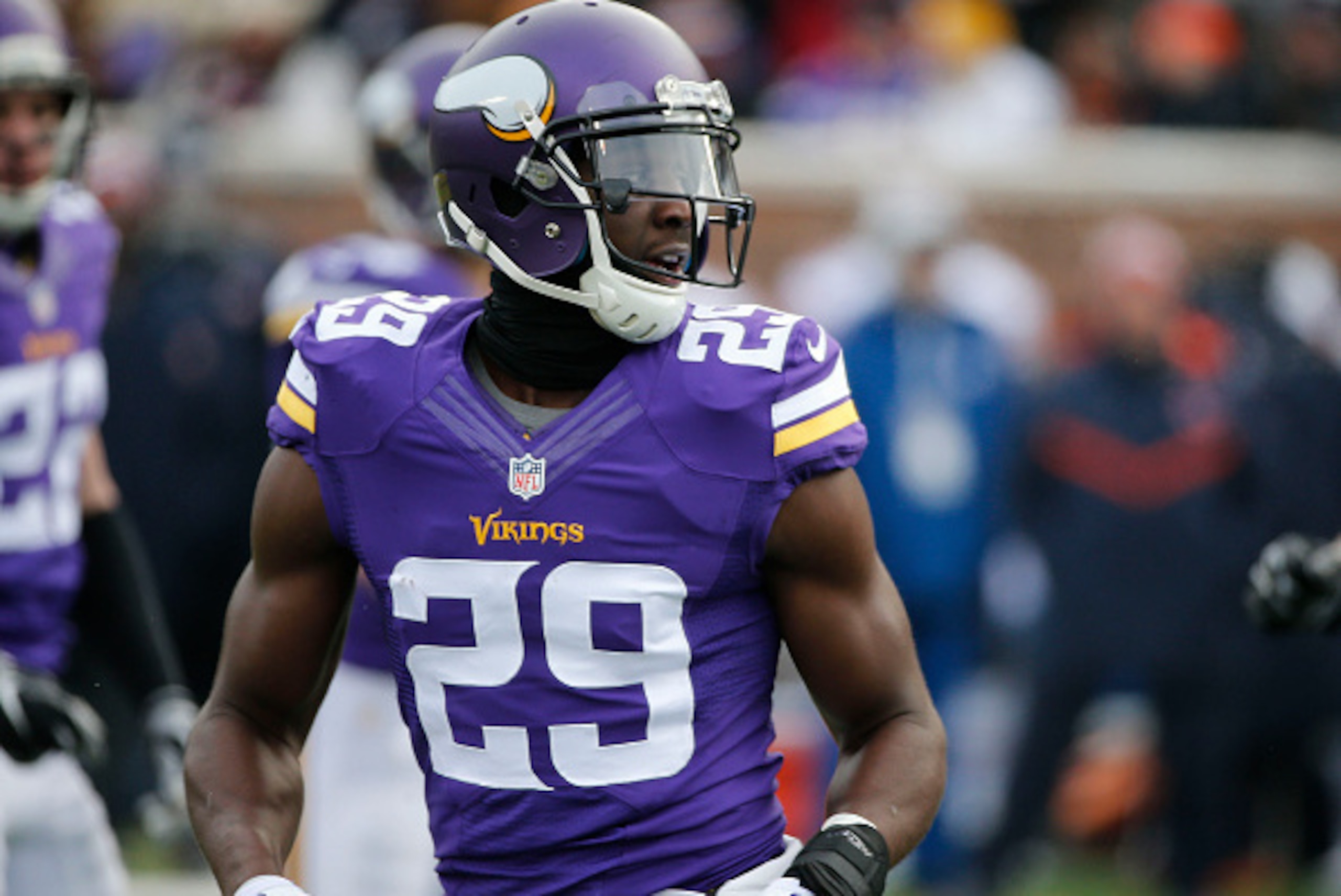
It's no fluke that the word "versatile" shows up three times here. Zimmer utilizes pieces at each level of his defense in many different ways, which requires a well-rounded skill set.
Similar to Turner, Zimmer has all the pieces necessary to run his defense at a high level, but determining what style of offense he is facing may be difficult given that Chryst has not been an offensive coordinator since he paired up with Mike Riley in San Diego back in 2000.
This group didn't do much of anything well, which makes sense given that Ryan Leaf was the head of it. The top rusher (Terrell Fletcher) led the team with 384 yards, while the combination of Leaf and Jim Harbaugh (yes, same one) amassed only 3,540 yards and 19 touchdowns on a 53.8 percent completion rate.
Chryst lasted only two years in San Diego, as he did not have much success, so it seems safe to say he won't be running the same style of offense in San Francisco. Instead, he will most likely run the run-heavy style Roman had success with the past couple of years, given that he has served as the quarterbacks coach throughout the Kaepernick era.
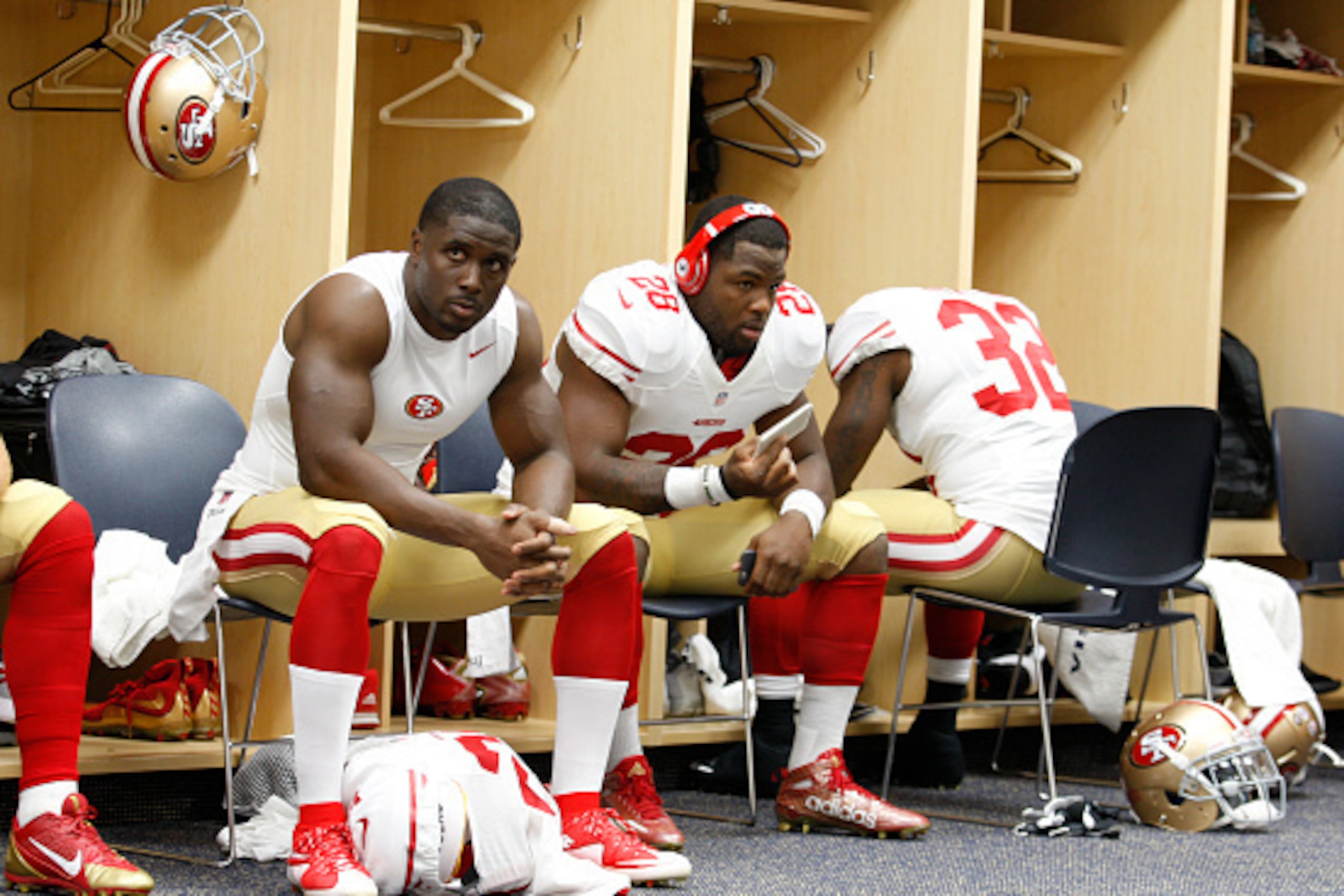
Instead of Gore, however, Chryst's rushing attack will hinge on running backs Carlos Hyde and Reggie Bush in a change-of-pace, third-down role. Additionally, Kaepernick will almost certainly be asked to use his legs on a regular basis—both by play design and when under pressure.
As Vikings fans know, Minnesota has had a terrible time defending mobile quarterbacks over the years, with Michael Vick and Robert Griffin III producing the most memorable highlights a decade apart in 2002 and 2012.
However, this is potentially the most skilled and disciplined defense in recent Vikings history, which should make controlling Kaepernick more likely. Zimmer will likely employ a "quarterback spy" to keep Kaepernick from breaking away downfield. Given his speed and athleticism, Barr seems like the most likely candidate to fulfill this role.
Other than placing a focus on stopping Kaepernick, expect Zimmer to take advantage of an almost completely rebuilt offensive line by utilizing plenty of well-disguised blitz packages. Again, Barr will be the focal point of this part of the game plan, with Smith also being a strong candidate to apply pressure.
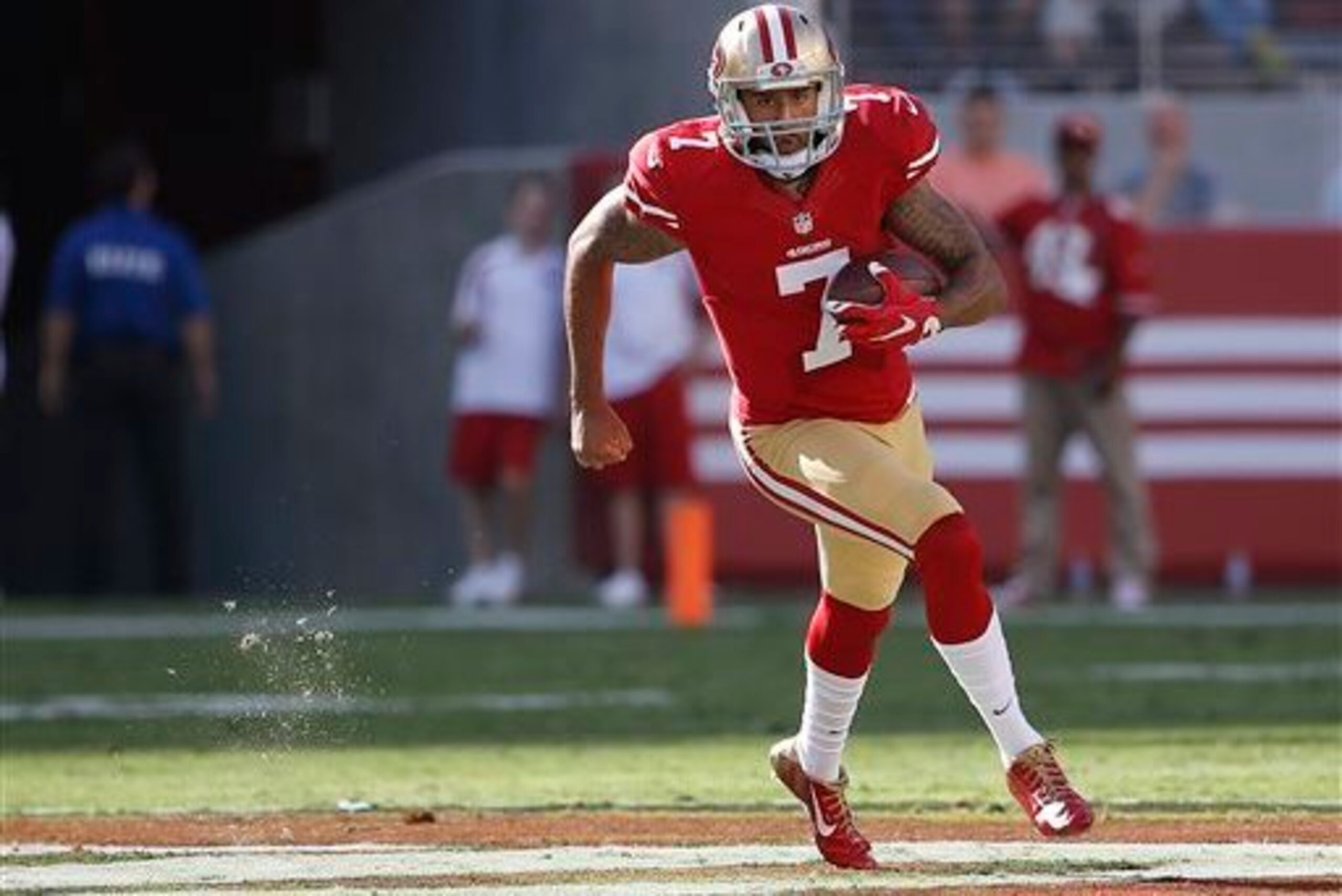
Finally, Minnesota should attempt to make Kaepernick beat it with his arm by shutting down Hyde with nose tackle Linval Joseph and Griffen being the focal points to doing so. Taking Hyde out of the game would force San Francisco to change its game plan as well, given the run-first philosophy San Francisco has shown throughout the years. Naturally, adapting on the fly is far more difficult and less successful than running the same plan consistently throughout.
Simply put, Zimmer's defensive goals will hinge on stopping the run, keeping Kaepernick in the pocket and taking advantage of a young new-look offensive line.
Key Players and Matchups
LB NaVorro Bowman

This isn't in any particular order, but Bowman is potentially the most important player in this game. San Francisco lost a lot of talent on defense this offseason, leaving the depth chart with a lack of impact players. Despite having not played in over a year due to an ACL injury, Bowman is far and away the most dangerous player on this defense, capable of impacting the game as both a pass-rusher and a run defender.
More importantly, if Minnesota is able to keep Bowman in check, one of the young, less threatening members of San Francisco's front seven will be forced to step up if it is to stop the Vikings running attack. Bowman is the type of player best handled by saying, "Stopping him is impossible, so we will just try to slow him down." Unless his ACL gives him issues, this common coaching statement is the best way to describe the Vikings' game plan for the All Pro linebacker.
RB Adrian Peterson
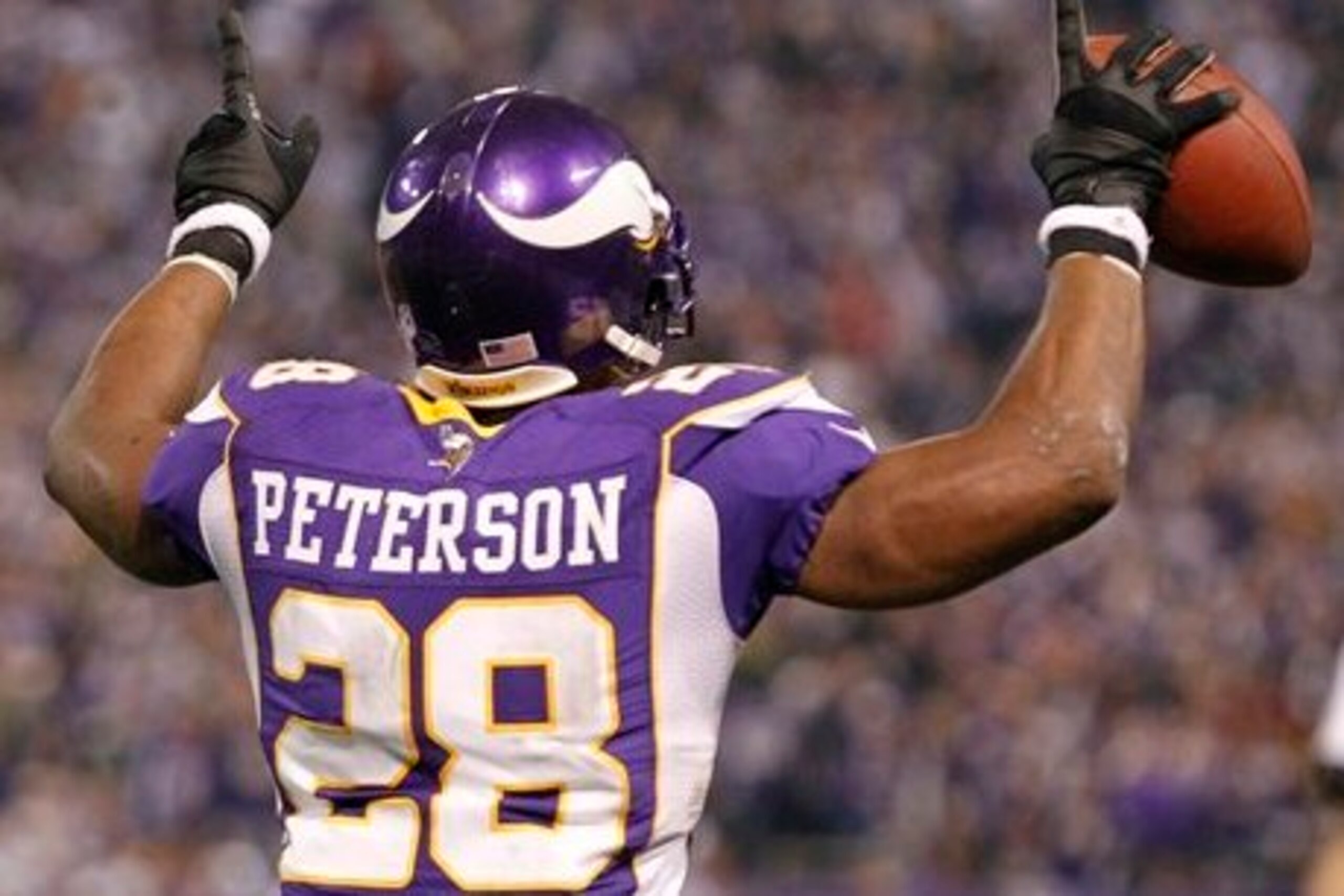
Shocker, I know. Adrian Peterson has been a focal point of the Vikings offense almost since the day his career began, and that's not going to change on a day when Minnesota is scheduled to face a new-look San Francisco front seven.
The Vikings will certainly try to work the ball downfield with Bridgewater and Co., but doing so will be infinitely easier if Peterson forces the 49ers to put eight or nine men in the box to stop him. Furthermore, if No. 28 gets going early, Minnesota can hit the 49ers defense hard with play-action fakes.
Peterson is the Vikings' best player playing against a San Francisco defense adapting to life after run-stoppers Patrick Willis and Justin Smith. It couldn't make more logical sense for Turner to attempt to jam the 2012 NFL MVP down the 49ers' throats.
LB Anthony Barr
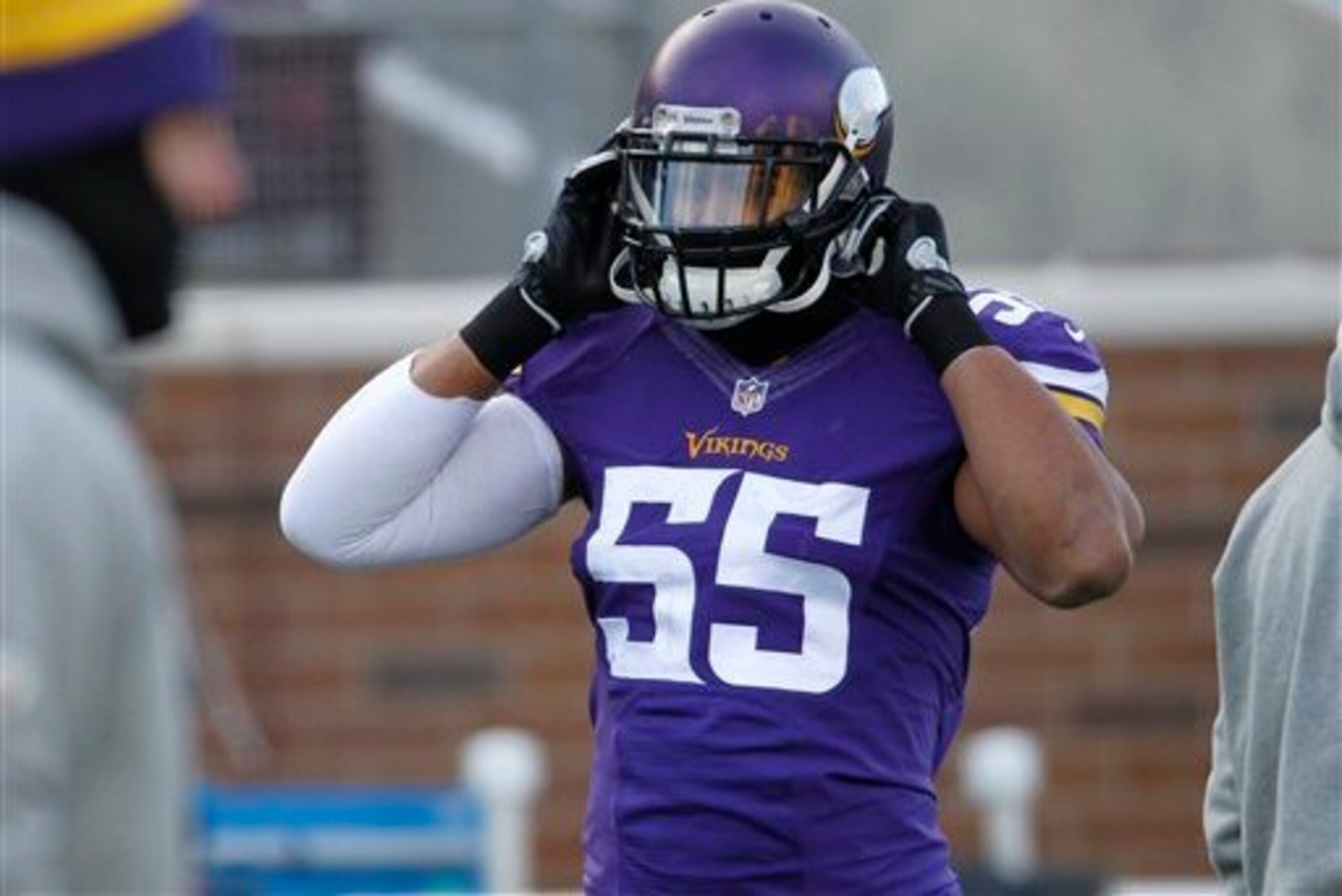
As touched on in the Defensive Game Plan section, Anthony Barr should see action in multiple roles on Monday. He'll be in charge of putting pressure on Kaepernick as a pass-rusher and keeping the mobile quarterback with sprinter speed from breaking loose into Minnesota's secondary.
Similar to Peterson, Barr became a focal point on his side of the football within weeks during his rookie season. His speed, strength and athleticism make him an incredibly versatile and dangerous asset. The Vikings haven't dealt with mobile quarterbacks well in the past, and Barr could prove to be the difference-maker needed against Vick, Griffin III, Russell Wilson, etc.
Simply put, if Barr is able to rack up a couple of sacks and a high number of tackles, there's a good chance that Minnesota will, at the very least, be in position to put a win on the board.
Vikings Defensive Front Seven vs. San Francisco's Rushing Attack
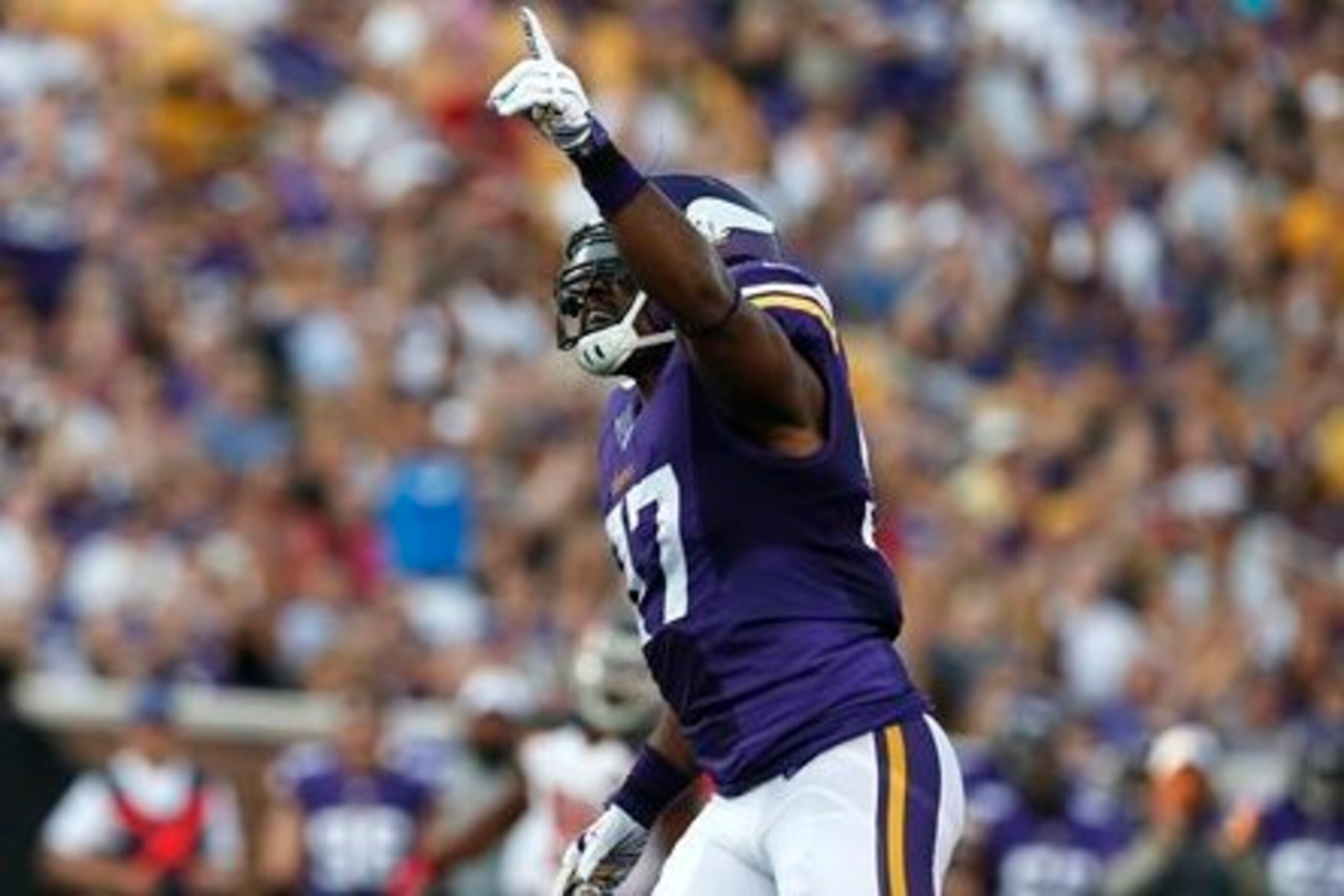
Barr isn't the only player among Minnesota's defensive front seven with an important role. While he should be the man in charge of keeping Kaepernick from beating the Vikings with his leg, stopping the run as a whole is an objective lands more on the shoulders of Linval Joseph, Everson Griffen, Brian Robison and Gerald Hodges.
In order to stop both Hyde and Bush, Minnesota's hulking nose tackle, pairing of defensive ends and first-time starter at middle linebacker will need to clog interior running lanes and set the edge well consistently from start to finish. If Joseph can eat up blockers, Hodges should get a few clean shots at Hyde, forcing San Francisco to attempt runs to the outside—the area where Bush does his best work.
Griffen showed he was one of the best run-stopping defensive ends last year and proving this again against the 49ers—turning them into a one-dimensional offense and a situation Kaepernick has struggled in throughout his career—makes him a definitive game-changer.
Without a consistent rushing attack, San Francisco will be forced to throw the ball and give Smith and Co. and opportunity to create turnovers. The 49ers didn't lose many games playing under Harbaugh and Roman, but when they did, it was almost always due to a weak running game. The Vikings have the necessary pieces to make the transition from Gore to Hyde a challenge in Week 1 and executing well would put Minnesota in the driver's seat.
Prediction: Vikings 31, 49ers 13
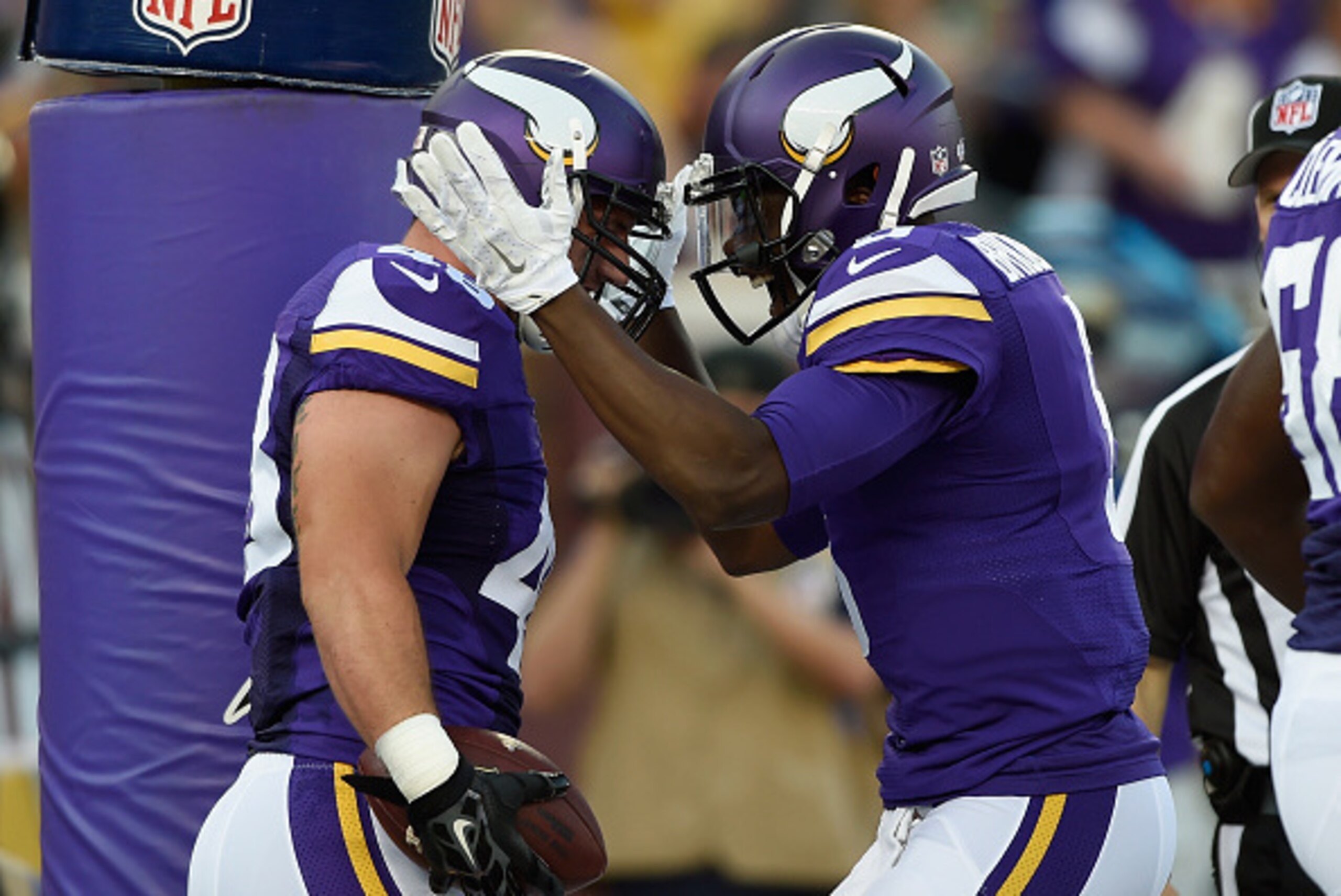
I've tacked on a field goal to the 49ers' scoring total since making my last prediction, but the result of the game remains very much the same. Minnesota and San Francisco are two teams heading in different directions, and the score should reflect this.
Attempting to rebound from losing Harbaugh, a pair of Hall of Fame defenders and multiple other key players is a tall task to ask of any organization. The 49ers are staring down the barrel of having to stop the best running back of this generation without Willis and Smith—two of league's best run defenders over the past half-decade—while having to be conscious of an infinitely improved Minnesota passing attack.
Furthermore, it's the first time many of San Francisco's starters will share the field together in a meaningful game, and team chemistry—especially on defense—is an intangible quality that should never be overlooked.
The Vikings have more firepower on both offense and defense than they have had in years. With Peterson returning to the backfield, Bridgewater expected to be much improved during his second year under Turner, the addition of field-stretcher Mike Wallace and what has become a vastly improved defense under Zimmer, Minnesota has more than enough talent in its corner to make this one a laugher.
All statistics courtesy of Pro-Football-Reference.
Robert Reidell is the Vikings Gameday Correspondent for Bleacher Report. Find him on Twitter @RobertReidellBT.
.jpg?w=2560 "Raiders Football")


.jpg?w=2560 "NFL Clarifies CFB Return Rules")