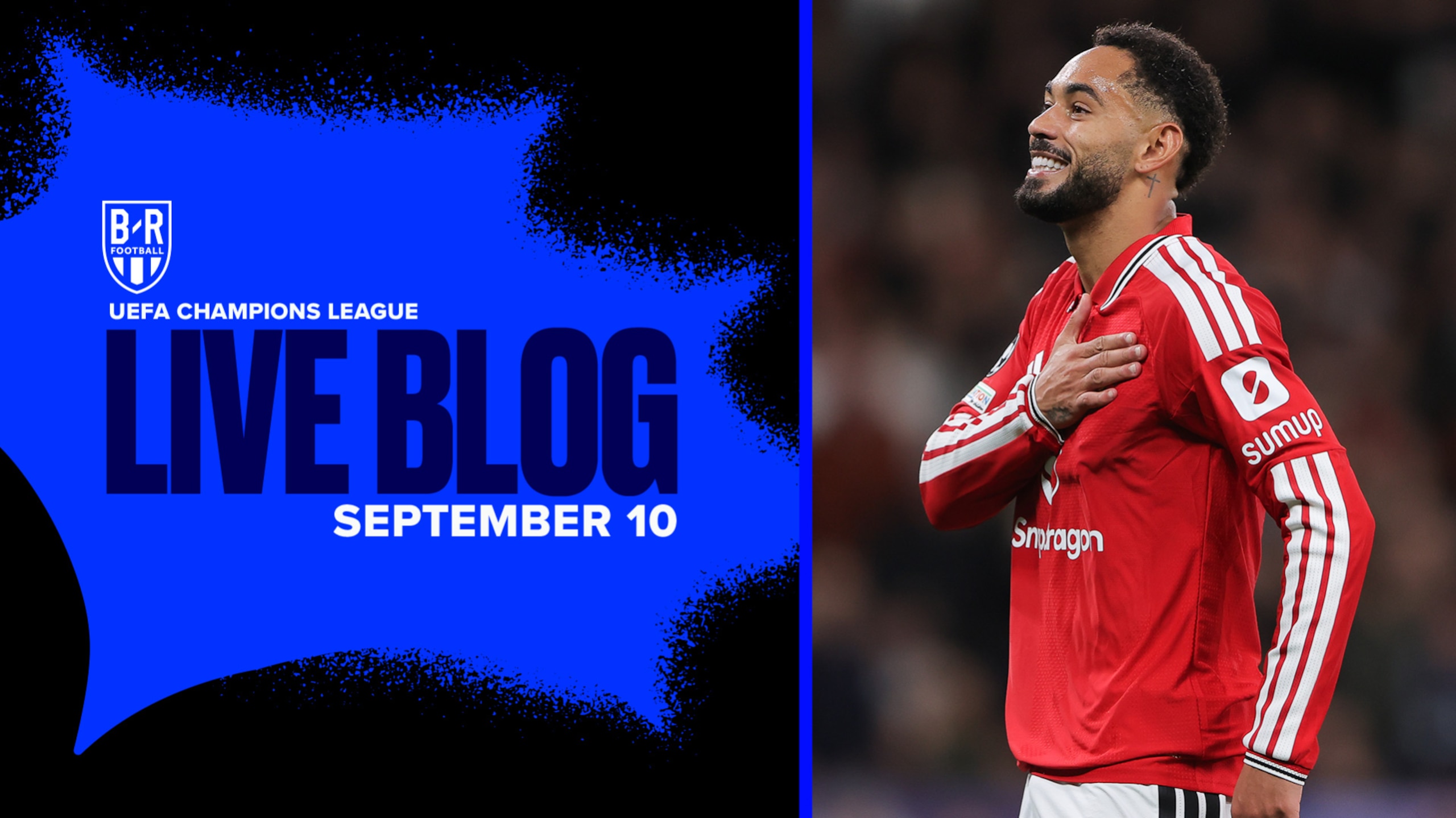
Daley Blind's Passing Has Helped Manchester United Improve in Defence and Attack
Although Manchester United have looked unconvincing in attack so far this season, one positive feature of their build-up play has been Daley Blind’s excellent passing from defence, which is proving to be a dangerous weapon and one that opponents can do very little about.
The Dutchman’s performances for United in the UEFA Champions League play-off matches against Club Brugge demonstrated how his quick passing increases the tempo of the game and creates goalscoring opportunities.
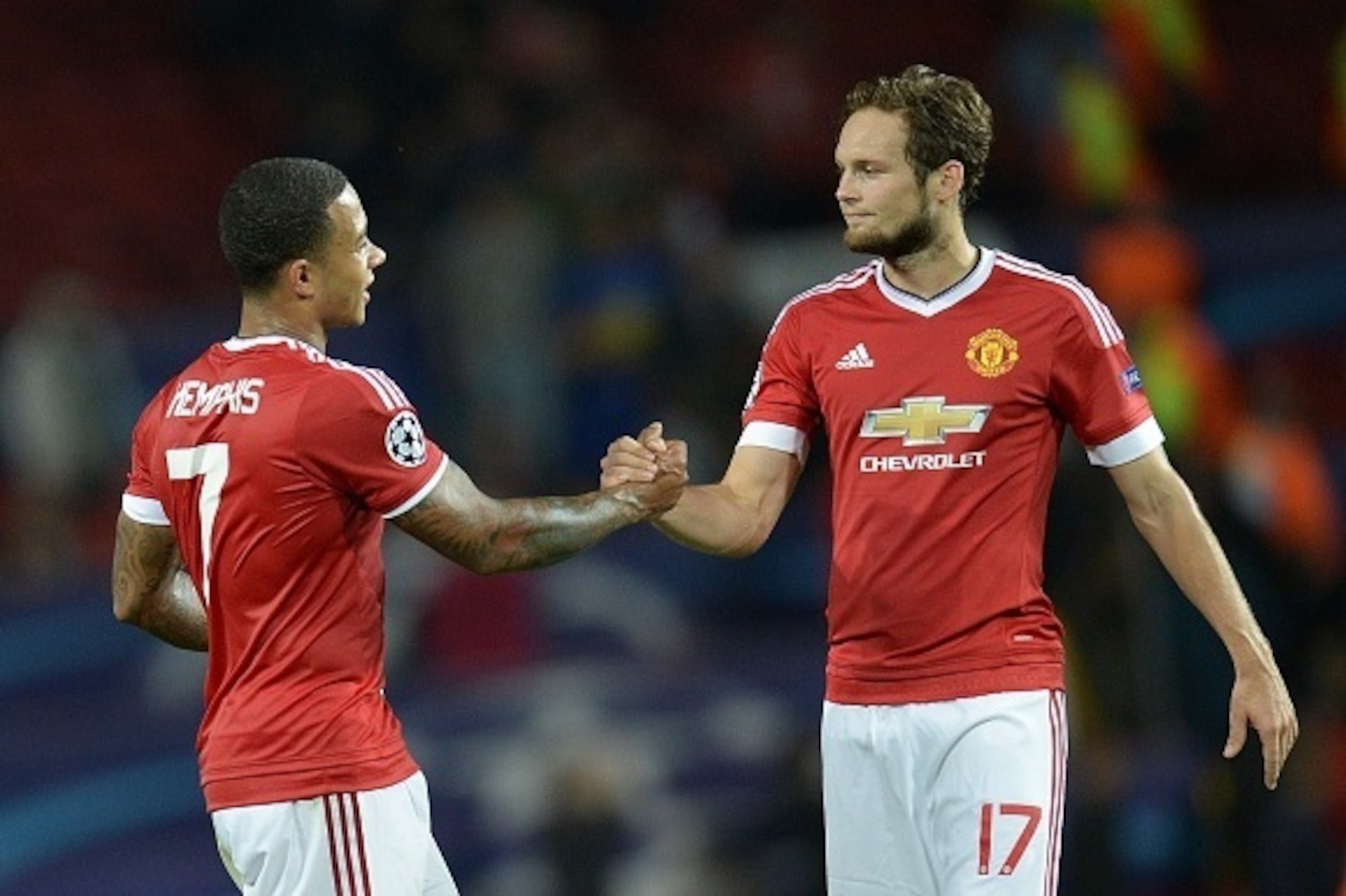
In the home leg, it was his stunning through ball for Memphis Depay that led to United's second goal, which gave United the lead in the tie. Not only was it a perfectly weighted pass, but it exposed the gap between the centre-back and the full-back, which often leads to goals.
.jpg?w=2560 "Falcons Camp Football")
In the away leg, he repeated the trick, this time feeding the ball wide on the left to Memphis, who cut in and found Wayne Rooney to score the goal that ensured United qualified for the group stage of the competition.
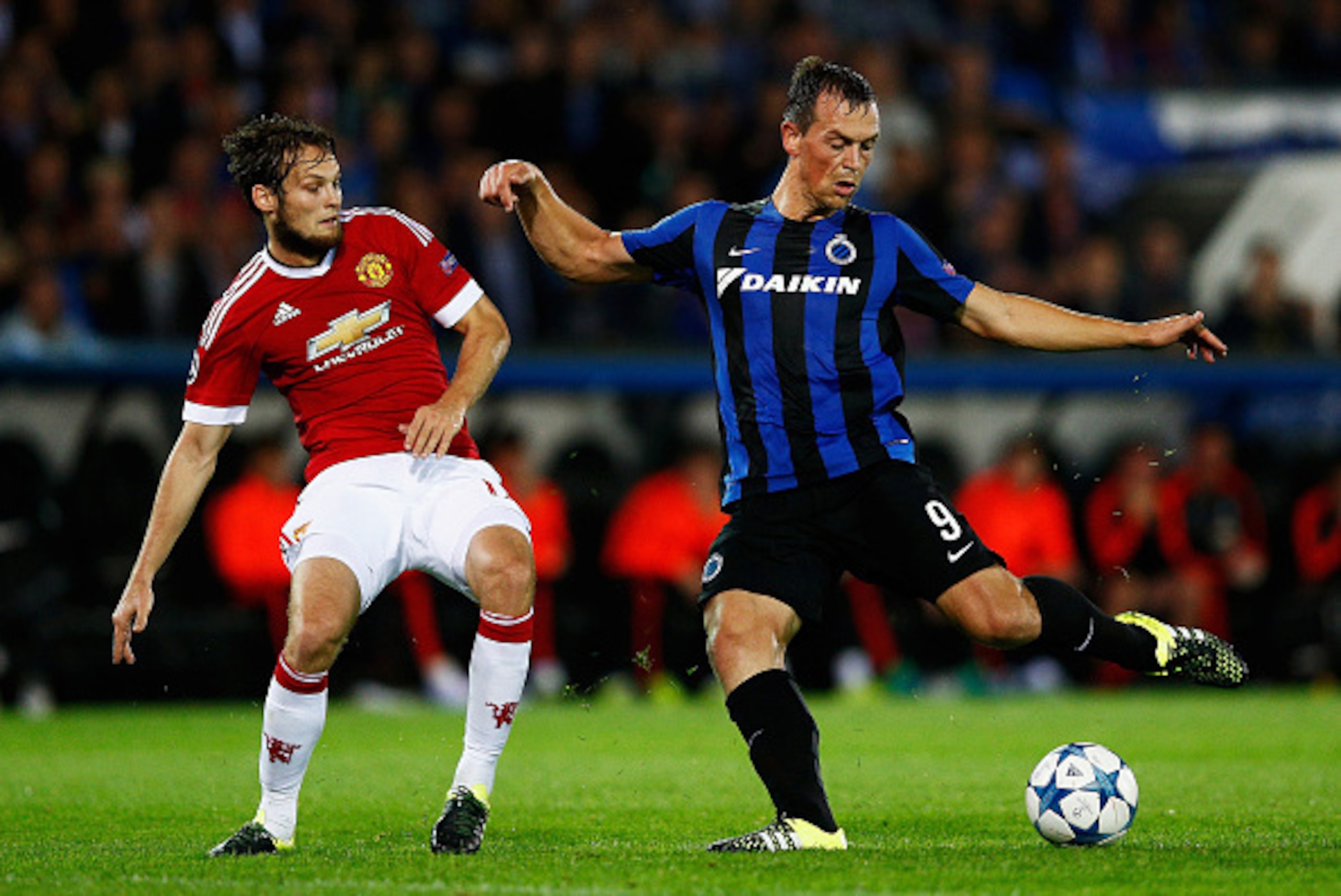
What was notable about the two passes was Blind’s positioning. For both goals, he stepped into midfield and played a pass to a team-mate in an attacking position.
If United are able to replicate that move over the course of the season—or at least until they sign a left-sided, ball-playing centre-back—then opposing teams will find it difficult to stop the Dutchman from making key passes.
The way he becomes a third central midfielder in that sense is superb. Rarely are centre-backs thought of as attackers, especially from open play, but Blind is helping United dominate teams in the middle of the pitch by providing another passing option.
And it’s his style of passing that is proving particularly dangerous. Where most defenders sacrifice some power for accuracy, the Dutchman is able to provide both without compromise. The extra bit of quickness he offers in his distribution speeds up United’s play.
One criticism aimed at Blind last season was his lack of attacking passes in a forward direction, but the space he gets in defence affords him the time he craves to play penetrative balls further up the pitch.
Although passing-accuracy statistics often count for very little, in Blind’s case they prove rather telling. During his first season at United, playing mainly as a defensive midfielder, he was successful with 88 per cent of his passes. So far in this campaign, that total stands at a quite extraordinary 93 per cent.
What’s significant is that, in addition to playing more attacking passes, he is adding a measure of control to United’s defence and bringing a semblance of calm that was often missing last season.
Time after time in 2014/15, United came to rely on David De Gea’s brilliance following costly errors made by the defenders in front of him. This season, however, Blind’s technical prowess means fewer mistakes are being made, because he rarely gives the ball away.
Unlike most defenders, his first touch, close control and short passing are at a level unsurpassed by the majority of players in the Premier League. Using a player so technically assured as Blind in defence therefore improves United from a defensive standpoint, largely because there’s less defending to do.

There will likely come a time, however, when Blind’s defensive weaknesses are exposed. His lack of pace, strength and power will be challenged by opposing teams’ wingers and strikers, which will ultimately determine whether his spell in defence is a short-term experiment or a long-term solution.
What will help him is being protected by Matteo Darmian, Chris Smalling and Luke Shaw—three excellent tacklers who will alleviate some of the pressure. The presence of two deep-lying midfielders will also ensure the amount of work he has to do is minimal.
The real test will be of his defensive positioning. There have been times in the first few weeks of the season when he has stepped forward too early and left himself susceptible to through balls in the space behind. If teams can exploit that flaw in his game and move him out of position, they will likely enjoy success against a player who is a midfielder by trade.
And yet, perhaps he’s not a midfielder at all. Blind’s greatest strength, after all, is his versatility. Being able to use him as a defensive midfielder, centre-back and left-back is incredibly valuable. Every team can do with such a player in their squad.
The point is that Blind’s performances in United’s back line have illustrated he is a competent defender. What was thought of as a makeshift defence at the start of the season is now a functional, balanced unit that has conceded just one goal in five games.
So far in his relatively short tenure, manager Louis van Gaal has encouraged a style of play that is built around passing. Where the likes of Smalling, Jonny Evans, Phil Jones, Marcos Rojo, Paddy McNair and Tyler Blackett have, to varying degrees, struggled at times with the demands of possession-based football in defence, Blind has excelled.
From a deeper position, he is able to use his best attribute—his passing—to great effect. There’s no doubt he is controlling the tempo of United’s build-up play in an attacking sense and ensuring the defence looks less nervy than it did last season.
It remains to be seen whether Blind can hold down a spot in defence throughout the campaign, and bigger tests lie ahead, but thus far he has been quietly impressive and central to United’s defensive improvement at this early stage of the season.
All statistics via Squawka.com.

.jpg?w=2560 "Josh Jacobs Pleads No Contest to Misdemeanor Charges (AP)")