

AC Milan Must Put Aside Squabbling to Get New Stadium Done
Since the calendar turned to 2015, there have been few things for AC Milan fans to truly get excited about. Between a team performing badly and a front office that doesn't seem to have a clue, almost everything that has happened this year has had them tearing out their hair in either anguish or fury.
There is one thing, however, that has happened that Milan fans can get amped up about: plans for a new stadium. But even that looks to be in jeopardy, and fans must hope it doesn't die.
Milan has been playing at the Stadio Giuseppe Meazza—known to the entirety of the soccer world by its colloquial name, the San Siro—since it first opened on September 19, 1926. Inter joined them as co-tenants two decades later, and since then, it has been the most recognizable arena in Italy.
TOP NEWS
Live World Football Goals and Highlights 🍿
USMNT Rides Youth Movement to Win 👏
B/R 99: Best Football Players Ever 🐐
Italy is one of a few countries in Europe that has no national stadium that acts as the permanent home of the national team. Instead, the Azzurri play across the country in venues from Turin to Palermo and everywhere in between.
But when an important qualifier comes around, Italian soccer's governing body, the FIGC, always turns to the San Siro—their biggest ground—to host it. Last October, it was selected for a crunch qualifier against Croatia. Two years before that. Denmark was subjected to the seething cauldron the 80,000-seat stadium can be when it's full.
The stadium has served Italy, Milan and Inter well over the years. Milan has won all but three of its scudetti here—Inter all but five. The stadium has also hosted games at two World Cups (1934 and 1990) and will this May host its fourth Champions League final.
All that history, of course, comes at a price. At 89 years old, the San Siro is a little rough around the edges. It's been renovated twice. The first makeover took place in the 1950s and gave it a stated capacity of roughly 100,000. The second was a thorough modernization in the late '80s to bring it up to scratch for the World Cup in 1990. The work removed standing room and gave it a seating capacity of about 88,000—the number trickled down as luxury boxes were added in the decades since.
The stadium's age has made it difficult to give fans the kind of amenities newer stadiums around Europe, such as the Allianz Arena in Munich and Emirates Stadium in London, can offer. Its older design doesn't lend itself to effective policing of the crowd, either.
As far as Milan and Inter are concerned, its size can also be a problem. When close to capacity, the San Siro is as imposing as any place in Europe. But size is a double-edged sword. The stadium can be too large. It's difficult for the two clubs to get 80,000 people into the place for 19 league games apiece each year.
The Derby della Madonnina last November, officially a Milan home game, attracted 79,179 fans—the largest crowd in the league last season—but according to this chart from Stadia Postcards, neither team's average even half-filled the stadium. Inter drew slightly more than 37,000 on average—Milan about a thousand less.
Those numbers can, of course, be chalked up to the team playing badly, but playing in a stadium the team will be hard-pressed to fill affects the team on the field—and the bottom line. Both clubs are realizing it's time for a change.
With that in mind, Milan unveiled plans for a new stadium. To be built in the city's Portello district, the expansive project—spearheaded by director Barbara Berlusconi—would include attached restaurants, a hotel and a sports academy. It would also be closer to the team's new headquarters, Casa Milan, which opened a year ago.
The designs, done by the same firm that produced the Allianz and the Bird's Nest in Beijing, would also include the latest soundproofing to minimize disturbance in the urban area and have a profile half as tall as the San Siro's six stories. The playing surface would be recessed into the ground—much like the floor in Brooklyn's Barclays Center.
The capacity of this new space would be a much more manageable 48,000. The size of the stadium would likely preclude it from hosting the Champions League final—UEFA doesn't often hold their showpiece event in an arena that holds anything less than 60,000—but the San Siro could still be in play for the future, especially if Inter take over the old building and modify it.

After the announcement, the club went about the business of securing the right to the land it wanted in Portello. There were several other bids competing with them, but a month ago, Fondazione Fiera Milano, the group that held the land, chose Milan's project as its favorite. It seemed all that was left to do was to take the plans to the city council and, once that was done, decide when to start digging.
Unfortunately, things are never that simple with Milan these days.
Recently, news items began popping up that the project so vital for the club's future—perhaps more so than anything they do on the field—might already be on the rocks.
The issue comes down, as things so often do, to money. Fondazione Fiera president Benito Benedini said in an interview with Il Corriere della Sera (h/t Football Italia) that the team had reneged on some promises his group considered fundamental to the bid, particularly the pledge to cover the cost of clearing the land on which the stadium is to be built.
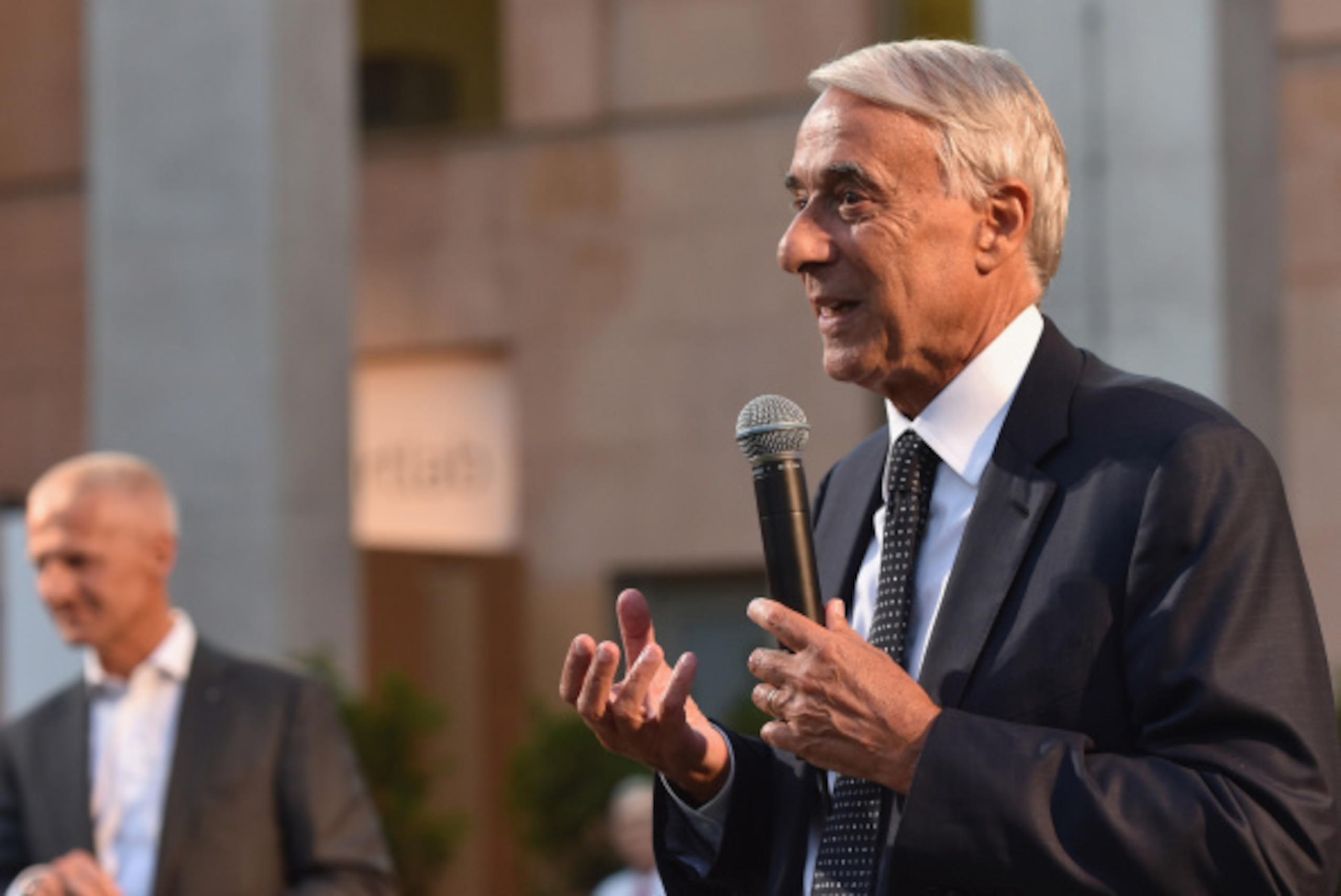
Benadini even intimated legal departments could get involved and that the fate of the area could be revisited when the Fondazione's executive committee meets again.
Milan responded to the interview in a statement that said the club "does not turn back on its commitments" but that it did have "legitimate requests for clarification" and is expecting to receive documents to that effect.
They also said that they had not yet been able to examine the land thoroughly enough to know what they could commit to. While they ended hoping the dialogue could "return to being constructive," they couldn't help but take a shot of their own, claiming the time it took the Fondazione to make their decision—there were several delays—caused them a significant financial loss.
But some think the situation has already reached a point of no return. The day after Benedini's interview in the Corriere was published Milan mayor Giuliano Pisapia told Telelombardia (h/t Football Italia) that based on his knowledge of the dispute—which he admitted was confined to what he read in the papers—he was of the opinion the plan wouldn't even be presented to the city council for final approval.
The same Football Italia item referred to a Tuttosport report claiming Silvio Berlusconi himself would meet with the Fondazione in the coming days. Based on the available information, the project's fate may truly be in the balance right now.

If the plan does fail, it will be the biggest indictment yet against AC Milan's current leadership. For all the times they say they are committed to bringing the Rossoneri back to the forefront of the Italian game, they always seem to take one step forward and two steps back.
Of course, failing to build the new stadium would be much more than a few steps back. It would be more like backing into a moving bus.
It is almost universally acknowledged the state of Italian football's infrastructure is one of the biggest things holding it back. The stadiums are not conducive to crowd control and, in some cases, are physically dangerous.
Of the 16 stadiums that will be used by Serie A teams this year, 11 of them were built in 1936 or earlier. The oldest, the Stadio Luigi Ferraris in Genoa, opened in 1911.
Five of the stadiums currently in use hosted World Cup games the first time Italy hosted in 1934, and four of them still hosted games in 1990. The one that didn't, the Stadio Olimpico di Torino was replaced on the roster by a purpose-built stadium in Turin, the Stadio delle Alpi.
The Stadio delle Alpi, occupied by Juventus and Torino after the tournament, was an abject failure as a football ground, but it gave rise to a shining beacon of hope.
After the Winter Olympics in 2006, Juventus bought the land the Stadio delle Alpi stood on from the city of Turin. Both Juve and Torino moved into the Olimpico, which had been heavily renovated for the Olympics, and they razed their controversial home.
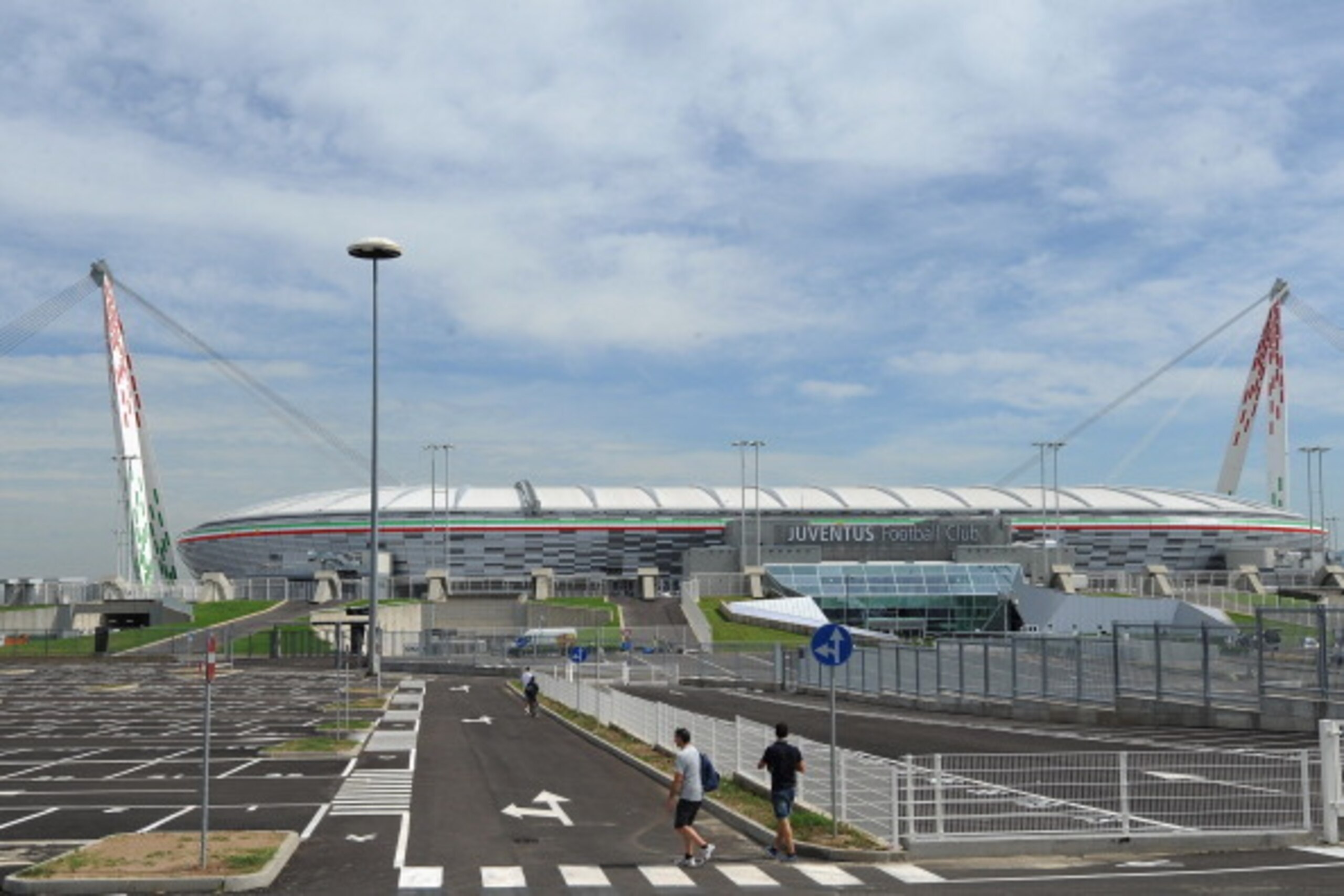
Five years later, the palatial Juventus Stadium opened. It represented a fundamental change. At full voice, it is the most imposing place to play in in Italy. It took more than a year for a team to beat Juve there, and they haven't lost at home since dropping a dead rubber against Sampdoria on the last day of the 2012-13 season. More than that, though, were the financial implications.
Juve doesn't have to pay rent to a municipality to use the stadium. Added to those savings are the additional matchday revenue and tickets that used to go almost entirely to the city. The result is evident. The Bianconeri are the financial titans of Italy, a status that will only be cemented when they redevelop the nearby Continassa district.
Juventus has been the leader in the effort to upgrade Italy's crumbling sports infrastructure. Since the Juventus Stadium opened, Sassuolo and Udinese have both bought their stadiums. The latter are giving the Stadio Friuli a major facelift that has left it a construction site on matchdays the last few years but will significantly improve the venue.
Sassuolo, who play at Reggio Emilia's Stadio Citta del Tricolore—renamed the Mapei Stadium after the purchase—don't have to do as much work, considering the fact the arena is the only one in Serie A other than the Juventus Stadium to be built after the 1970s. But the increased revenue is most certainly beneficial to the Neroverdi, who are already one of the best-run outfits in the top flight despite only having been there for the last two years.
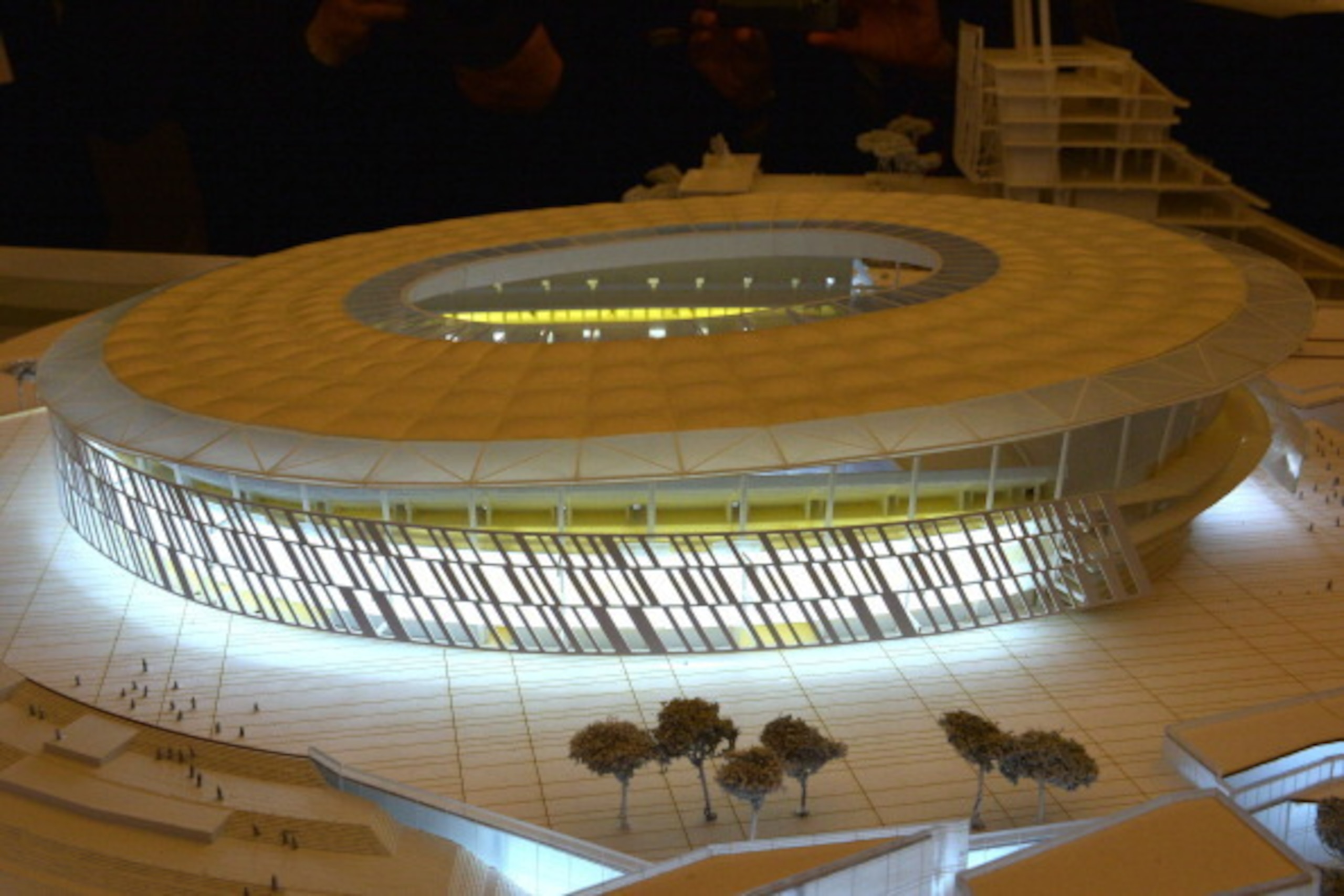
Additionally—and perhaps even more significantly—Roma has announced the construction of a new ground of their own. Like the Juventus Stadium, it will be privately owned and will be only the second stadium financed by the team that plays in it. The stadium is scheduled to open for the 2017-18 season, and it will likely provide just the sort of boon to the Giallorossi as such a move gave Juventus.
If Silvio Berlusconi is serious about bringing Milan back to the forefront of Italian soccer, the club absolutely needs to join the vanguard when it comes to stadium building. The San Siro holds many, many memories, but the financial benefits and matchday improvements of a new stadium far outweigh any sentimental attachment.
Approval from the city is likely a formality. Pisapia has spoken favorably about new stadiums for both Milan clubs before and emerged amiably from a discussion with Erick Thohir about Inter's plans not long after the Indonesian bought Massimo Moratti's majority stake in the team.
Given the absurd amount of money Berlusconi received from Bee Taechaubol this summer, when the Thai magnate bought a 48 percent stake in the club, this is no time for him to be squabbling with the Fondazione over euros.
Milan needs to mend fences and get this project off the ground. Juve and Roma are already far ahead of them. If the teams that have stepped into their place that the top of the table such as Napoli and Lazio get ahead of them too, it could be years before they can recover.
The new stadium is the keystone of Milan's future. It has to be done. It has to be done now.

.jpg?w=2560 "Giants' QB Targets 🎯")


.jpg?w=2560 "EVERY Fantasy Update")
.png?w=2560 "New Top 5 in CFB Rankings 👀")
.jpg?w=2560 "WILD Weather for NFL Games 🌧️")
.jpg?w=2560 "Report: Caleb May Miss 3-4 Weeks")