
What We've Learned About the Los Angeles Dodgers Near the Halfway Mark
The Los Angeles Dodgers' lead in the National League West is just 1.5 games, which can be seen as both a positive and a negative at this point of the season. On one hand, the team has suffered massive injuries to key contributors and remains in first place. On the other hand, though, it has gotten some surprisingly positive performances but has been unable to build any kind of lead on San Francisco.
Thus we have learned that this team is flawed. Its flaws are not irreparable, nor are they necessarily damning. The team certainly has many positives as well. The following sections will touch on the main takeaways from the first half of the season—both positively and negatively.
The Pitching Staff Needs Help
1 of 4
Zack Greinke and Clayton Kershaw have been their usual excellent selves, and Brett Anderson has been both healthy and reasonably effective. Aside from them, however, the rotation leaves a bit to be desired. Brandon McCarthy and Hyun-jin Ryu are both out for the season with injuries, and their replacements are uninspiring youngsters Mike Bolsinger and Carlos Frias.
Bolsinger has actually been decent, as his 2.87 ERA in 53.1 innings suggests. However, he does not have a long track record of success, and the Dodgers will not want to depend on him for important games down the stretch and potentially in October.
Trade options exist. Pitchers such as Johnny Cueto and Scott Kazmir are on teams that are currently out of the playoff race, and the short-term nature of their contracts means that they may be available for relatively cheap.
The Offense Is Quite Good
2 of 4
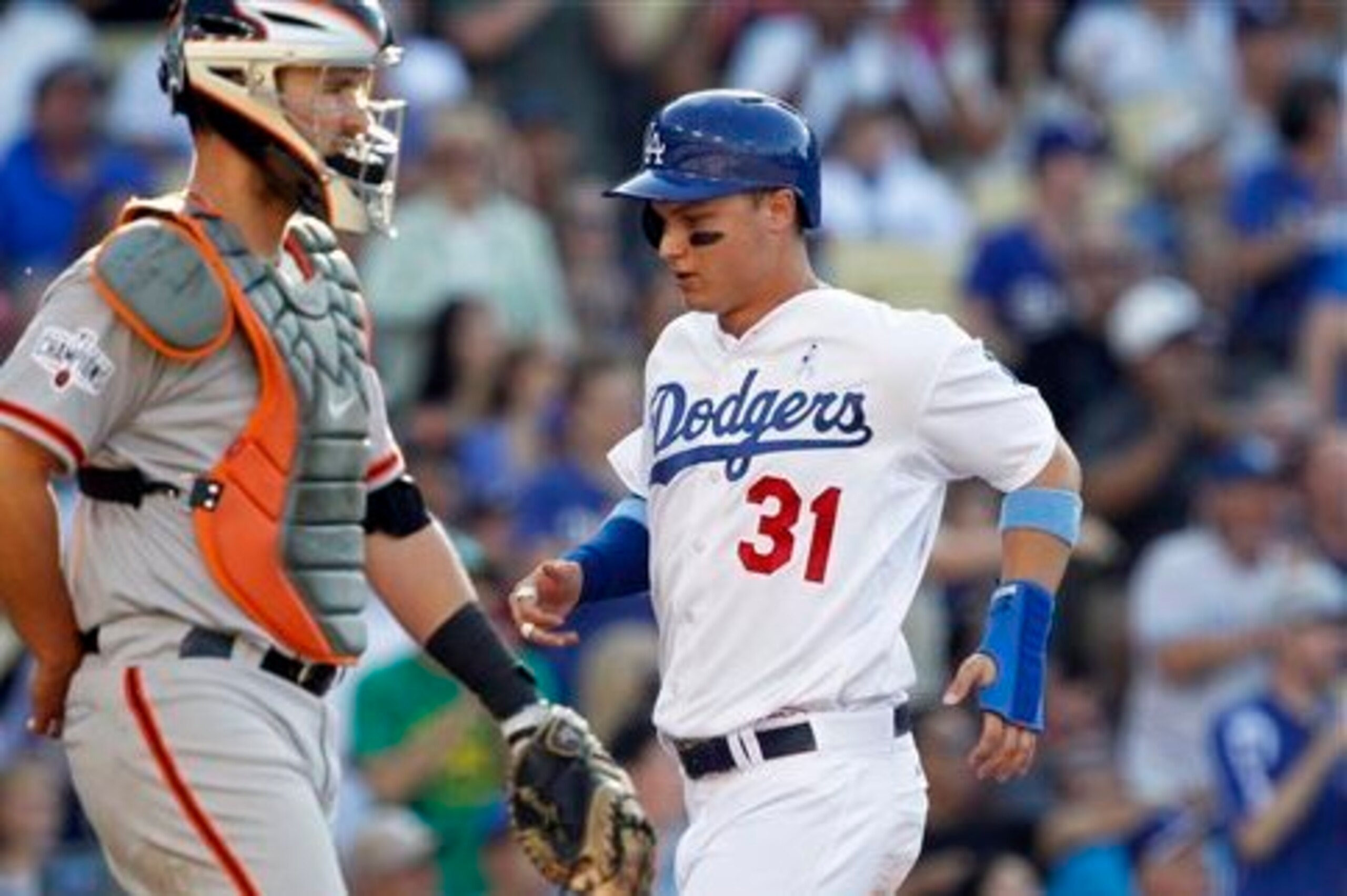
For a good chunk of the season, the Dodgers lineup looked as formidable as any NL lineup in recent memory. It's tailed off recently—most notably during a sweep versus the Giants in which the team didn't score a run—but its overall numbers are still incredible.
The Dodgers rank 10th in baseball in runs scored despite not having the designated hitter and playing in a pitching-friendly park. Their 116 wRC+ is second in all of baseball behind Toronto despite having one virtually automatic out every time through the order.
Only one of their regular starters has an OPS+ below 109, which is incredible. New additions Howie Kendrick and Yasmani Grandal have strengthened a lineup that previously saw light-hitting A.J. Ellis and slap hitter Dee Gordon getting significant plate appearances. Ultimately, even though the team has struggled at the plate recently, the outlook is quite bright.
Joc Pederson Is Great
3 of 4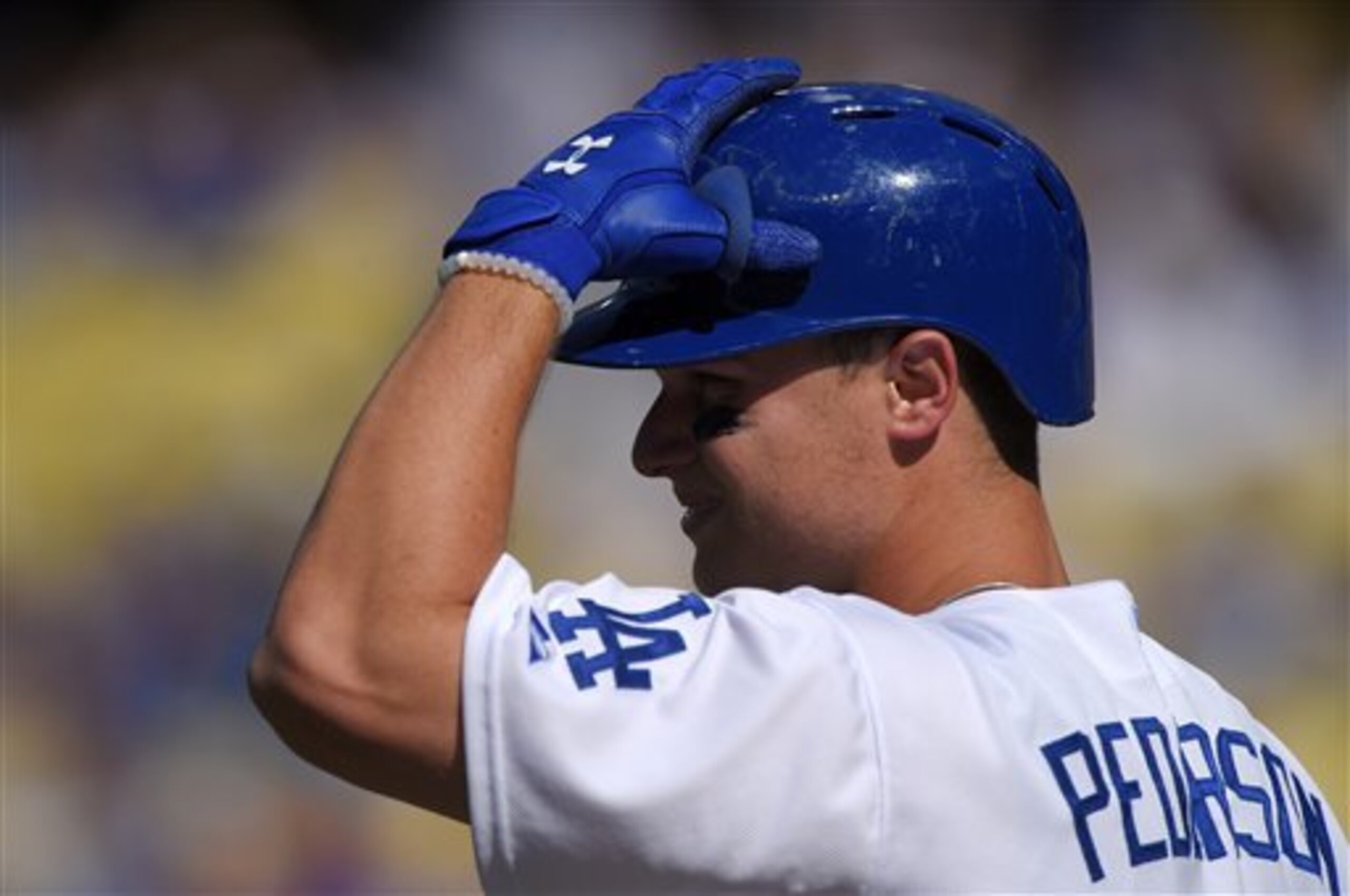
The offseason trade of Matt Kemp was due to many different factors. It enabled the organization to unload an outfielder on an unfavorable contract with arthritic hips. It brought back an excellent offensive catcher who could gently force A.J. Ellis into reduced playing time.
Equally significantly, though, it cleared a place for Joc Pederson to play. Shifting Andre Ethier and Yasiel Puig back to their more natural corner outfield spots opened up center field for Pederson, and he has filled the void well.
Pederson sits atop the rookie leaderboard in many offensive categories—both rate stats and counting ones. He is first in wRC+, first in WAR, second in wOBA and first in home runs. He has done all of this with his bat while also playing fantastic, highlight-reel defense in center. Both the metrics (UZR, via FanGraphs, and Total Zone, via Baseball-Reference.com) and the video agree on this.
We May See Corey Seager Before September 1
4 of 4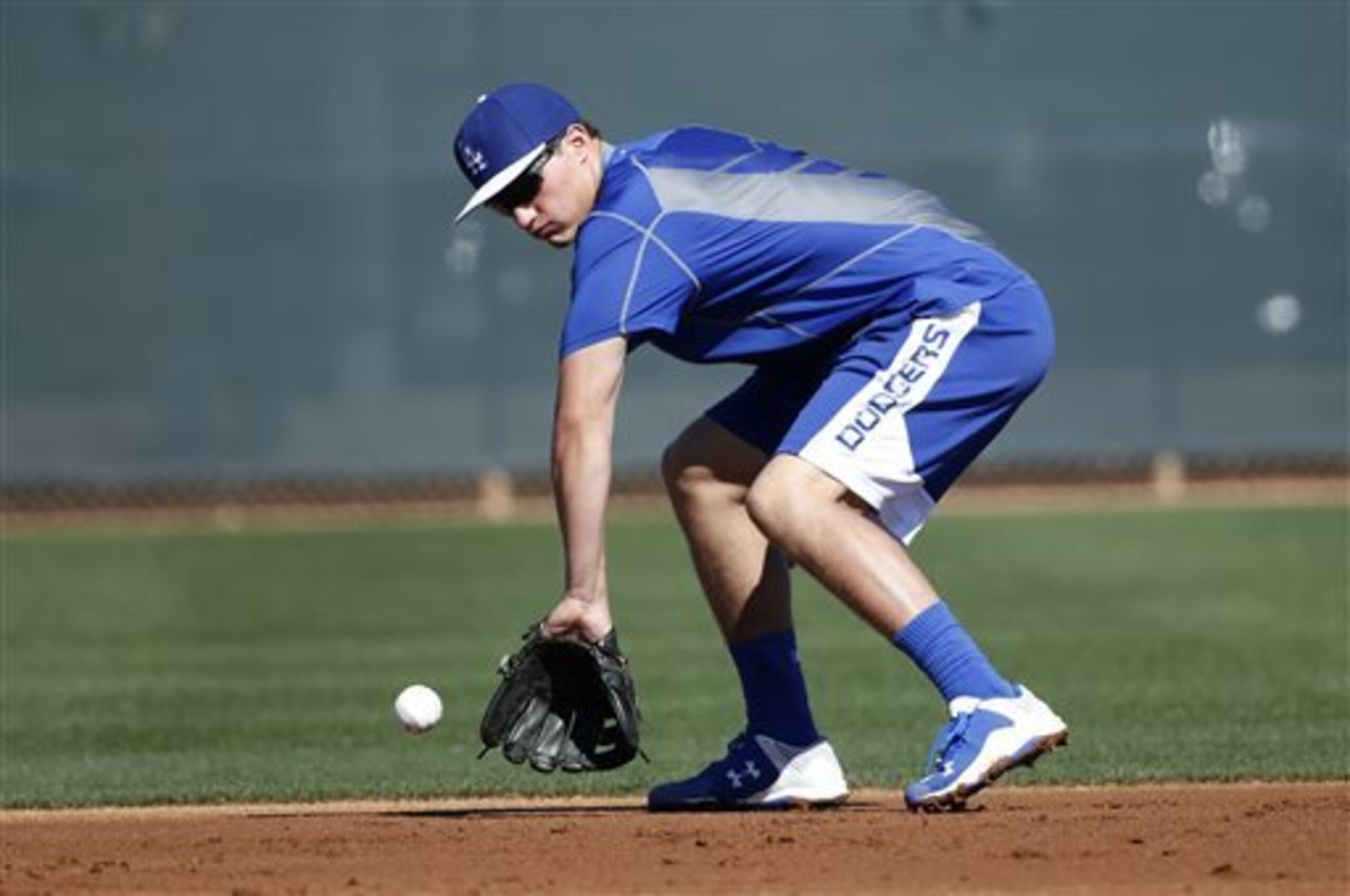
Coming into this season, many expected to see the young phenom as a September call-up. The Dodgers signed Jimmy Rollins to bridge the gap between the departed Hanley Ramirez and Corey Seager's eventual arrival in the big leagues, but the veteran has been a disaster.
Rollins' 72 wRC+ would be the worst of his career, and he has simply not brought the kind of offensive production the team expected. He is walking less and striking out more than he has both recently and for his career, but his biggest problem is an inability to make hard contact.
We generally expect indicators such as BABIP to return to a player's career norms, but that is contingent on the player still having major league-quality talent. Whether or not Rollins' bat speed has slowed so significantly as to prevent him from being a capable hitter is a legitimate question. This article from Dodgers Digest provides in-depth analysis of the situation.
We know the problem, though. Rollins has struggled. The question is whether Seager is the solution. He well might be. Despite a recent quote from President of Baseball Operations Andrew Friedman, via Mark Saxon of ESPN.com, claiming that a Seager promotion is "not imminent," the 21-year-old provides an obvious, cheap, in-house replacement if Rollins never improves.
I do actually believe the front office when it says it would like Seager to improve his defense before he gets the call to the majors; however, Rollins' struggles may force it into a decision sooner than it wants to make it.
.jpg?w=2560 "Surprises That Could Shake Up Season")
.jpg?w=2560 "Skattebo Considered Retirement")
.jpg?w=2560 "Cards Extend Michael Wilson")
.jpg?w=2560 "New Fantasy Mock Draft ✍️")