Chicago Bulls Navigating Uncharted Territory with Jimmy Butler Free Agency
This much we know: Jimmy Butler will be in a Chicago Bulls uniform next season. How long beyond that is another story.
Butler turned down the Bulls’ contract extension offer in October, preferring to bet on himself ahead of restricted free agency. His gamble paid off in a big way, earning his first career All-Star appearance, winning the NBA’s Most Improved Player award and establishing himself as a legitimate go-to scorer in addition to his lockdown defense.
One thing became clear as his fourth NBA season progressed: While the Bulls might have been able to sign him at a discount in the fall, that wasn’t going to happen when he hit the market in July. He was going to command a max deal from somebody, and he’s well worth it, as Bleacher Report's Jared Dubin explained.
TOP NEWS
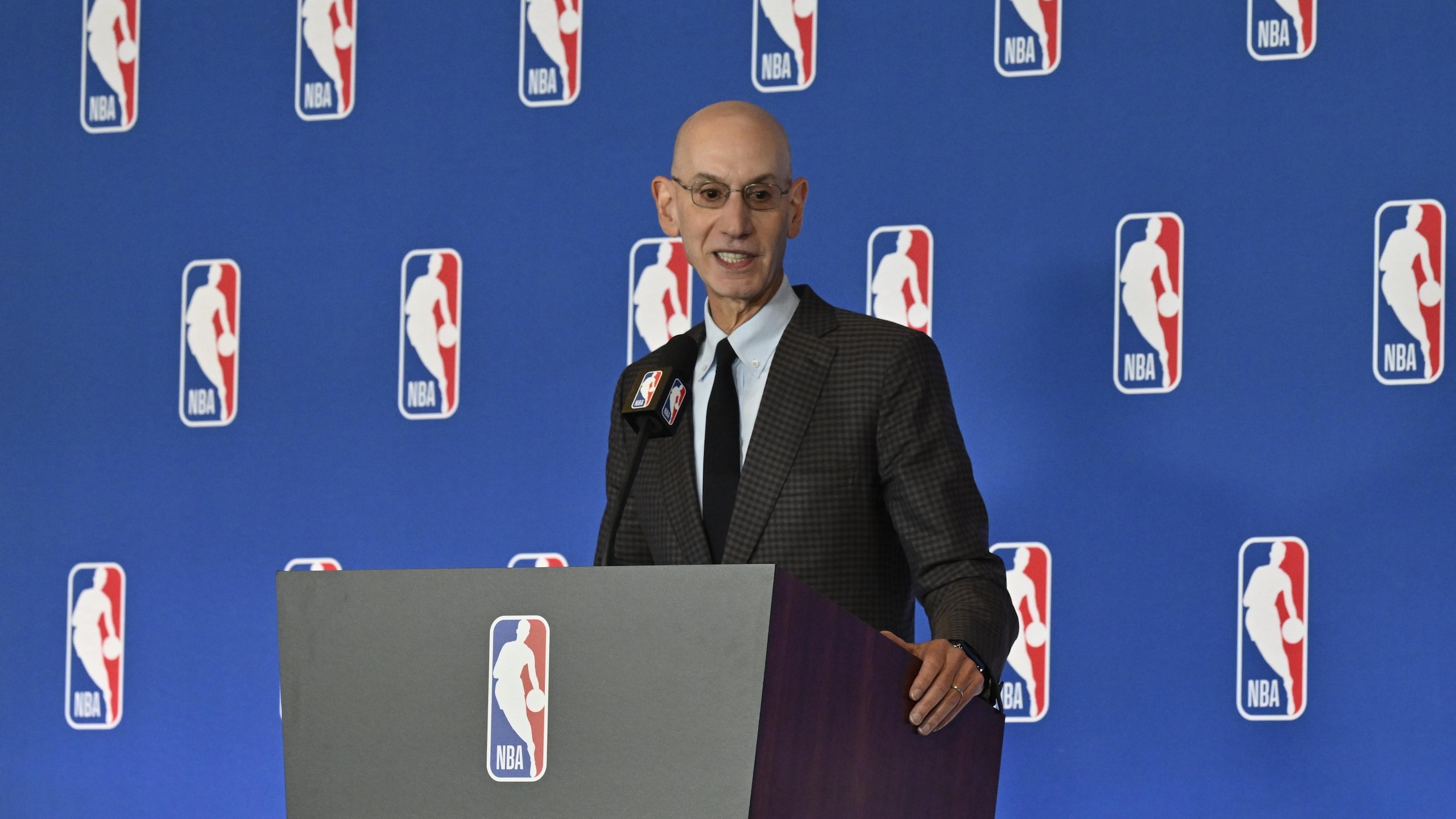
NBA Vegas expansion bids nearing $10B
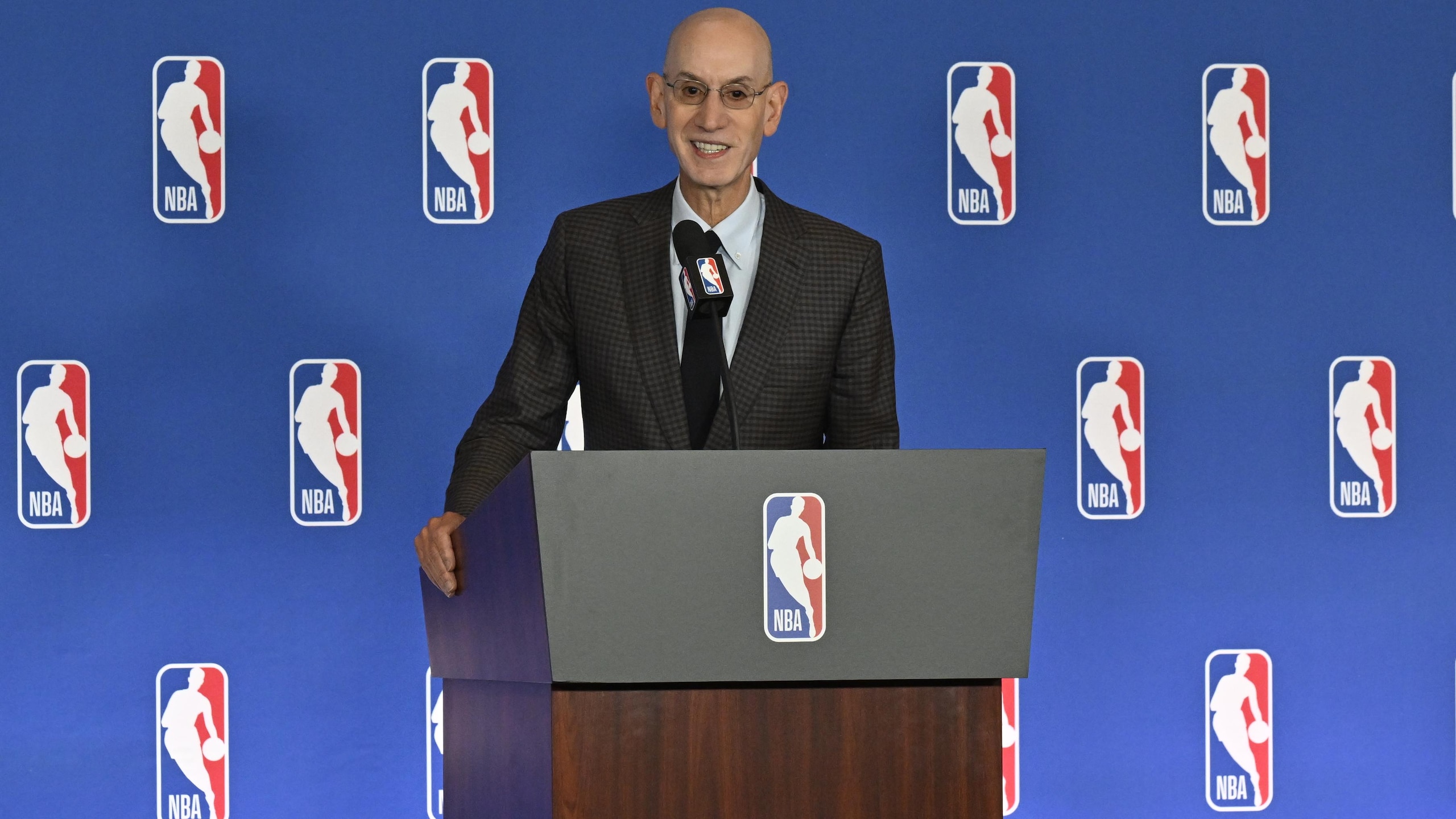
Silver Wants Team in Portland 📍
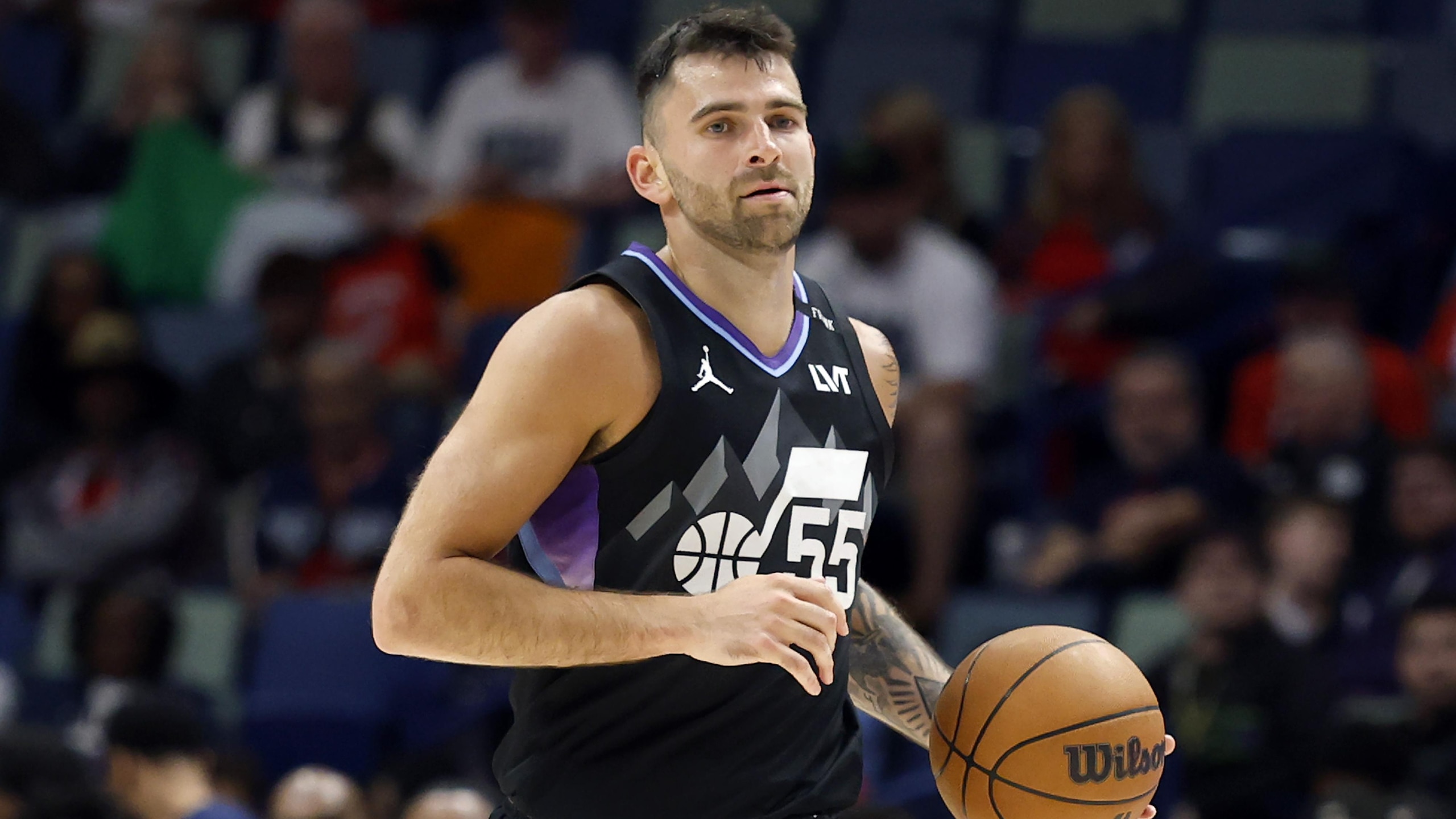
Knicks Signing John Konchar
It seemed pretty cut-and-dried what will happen on July 1. The Bulls will proactively offer Butler a five-year max deal worth between $80 and $90 million, hoping to lock him up before he can even field offer sheets. And if he chooses to sign an offer sheet with another team, the Bulls will simply match it.
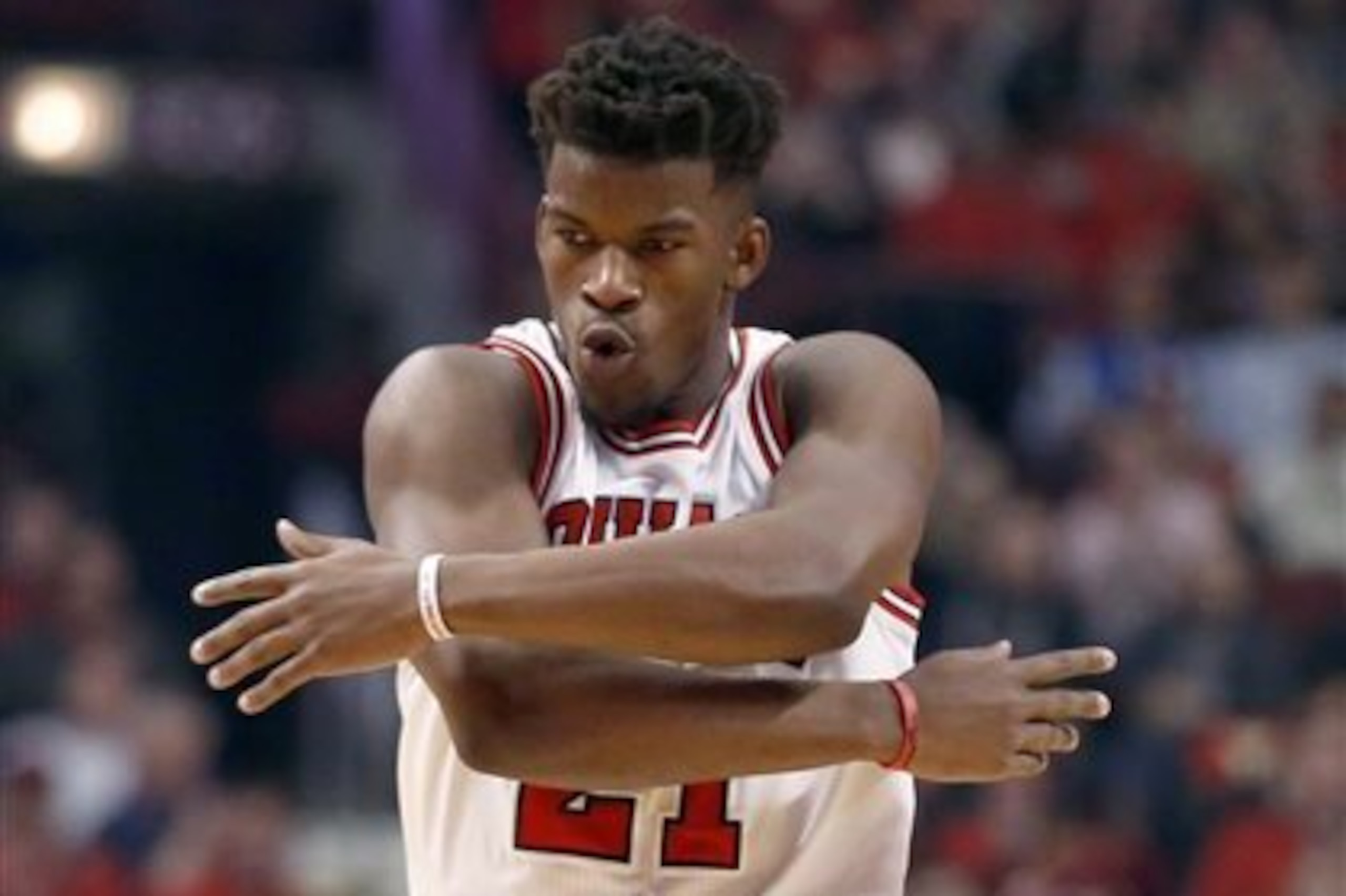
But this is where things get complicated. A report from Yahoo’s Adrian Wojnarowski indicates Butler isn’t interested in a five-year max deal. He wants to hit free agency again in 2016 or 2017, when the salary cap is much higher due to the NBA’s influx of money from the new TV deal. And this is where the Bulls have to be prepared for a situation that could have been a lot easier if they’d simply upped their offer before the extension deadline passed on October 31.
There are two nightmare scenarios for the Bulls in Butler’s restricted free agency. One of them can be avoided—the other not so much. If he’s really set on becoming a free agent again sooner rather than later, Butler could simply sign the Bulls’ one-year qualifying offer, worth about $4.4 million.
It’s extremely rare for a player of Butler’s caliber to take that route—the most notable recent example is Greg Monroe with the Detroit Pistons last summer—but it’s an option that’s on the table, and the Bulls couldn’t do anything about it if he decides to go that route.
If Butler wants to get paid now and hit the market sooner to take advantage of the TV money, his best bet is to seek an offer sheet like the three-year, $46 million deal Chandler Parsons signed with the Dallas Mavericks last summer, which gives him an opt-out after two years. Plenty of teams will be lining up to give Butler this kind of offer sheet, if that’s what he wants.
Even if they won’t get him this summer—there’s no reason to believe the Bulls won’t match any offer sheet Butler signs, no matter the length—it would allow him to hit the market sooner and give that team some built-in goodwill for his next crack at free agency, while killing the Bulls’ long-term stability.
Bulls general manager Gar Forman can take this option off the table if he wants to, but it will require some outside-the-box thinking. There’s an obscure clause in the collective bargaining agreement that has never before been used, but it could be exactly what the Bulls need to make sure Butler stays in Chicago for the foreseeable future.
In addition to the one-year qualifying offer the Bulls have to give Butler to keep his matching rights, they also have the ability to extend a second qualifying offer, which is essentially a five-year max contract with the largest allowable yearly raises and no player or team options.
Per Larry Coon’s CBA FAQ, if a team extends the so-called “maximum qualifying offer,” another team’s offer sheet must start at three years, not counting any options. This would mean any offer sheet Butler signs could not make him a free agent again until the summer of 2018 at the earliest.

It would be an unorthodox step for the Bulls to take. No team has ever found itself in this situation before. Then again, there’s never been any reason to extend the maximum qualifying offer in the past. The new TV deal is an absolute game-changer for free agents all over the league. It’s why LeBron James signed a two-year deal with a second-year player option when he decided to return to the Cleveland Cavaliers, rather than a longer max deal.
In summers past, players have desired the longest guaranteed deals possible in order to lock up their long-term security. But with the TV money coming in next summer, the calculus changes, and it has become an advantage to be a free agent again sooner.
This is exactly what Butler should be doing, especially given that he played at an All-Star level while making just over $2 million. He’s not inclined to do the Bulls any favors in this round of negotiations after their reported October offer of $11 million annually, well below the max, according to the Chicago Tribune's K.C. Johnson. If they had come with a better offer at the time, Butler would be locked up through 2019, and the Bulls wouldn’t be preparing for life without their brightest young star as soon as next summer.
At the minimum, if Butler signs the standard qualifying offer, he’ll be in Chicago next season. Beyond that, his future will depend on the willingness of teams around the league to give him a shorter offer sheet and the willingness of the Bulls to take an unconventional step to prevent that from happening. Everybody is in uncharted territory here, and how each party navigates it will be crucial in determining the Bulls’ fortunes in the coming years.
Sean Highkin covers the Chicago Bulls for Bleacher Report. Follow him on Twitter @highkin.
.jpg?w=2560 "Report: Darnold Could Miss 3-6 Weeks")