

Split Backfield Ideal for Chip Kelly to Get Most of DeMarco Murray, Ryan Mathews
The combined talents of DeMarco Murray and Ryan Mathews have the potential to make the Philadelphia Eagles backfield truly special. And it will take both runners for the organization to take the next step in the NFC East and as a playoff contender.
It's not an either-or situation where one back needs to become a workhorse in order for the team to be successful.
"It's going to be great, I think this backfield will be special," Mathews said during his introductory press conference after he signed a free-agent contract with the Eagles, per NJ.com's Mark Eckel. "You have the rushing champ, the MVP (AP Offensive Player of the Year), and (Darren) Sproles I know from my rookie year in San Diego. That's going to be nice."
TOP NEWS

Peyton Manning's son sidelined with injury
Each Team’s 53-Man Roster📋
.jpg?w=2560 "Falcons Buccaneers Football")
Bijan Accepts Godfather Offer ✅
Sproles is the forgotten man at running back at times, because he's become a third-down specialist and a veteran who will turn 32 years old later this month.
The bulk of the offense, though, will run through the previously mentioned Murray and Mathews.
Many often overplay Murray's importance in this rotation due to his success last year as the NFL's leading rusher.
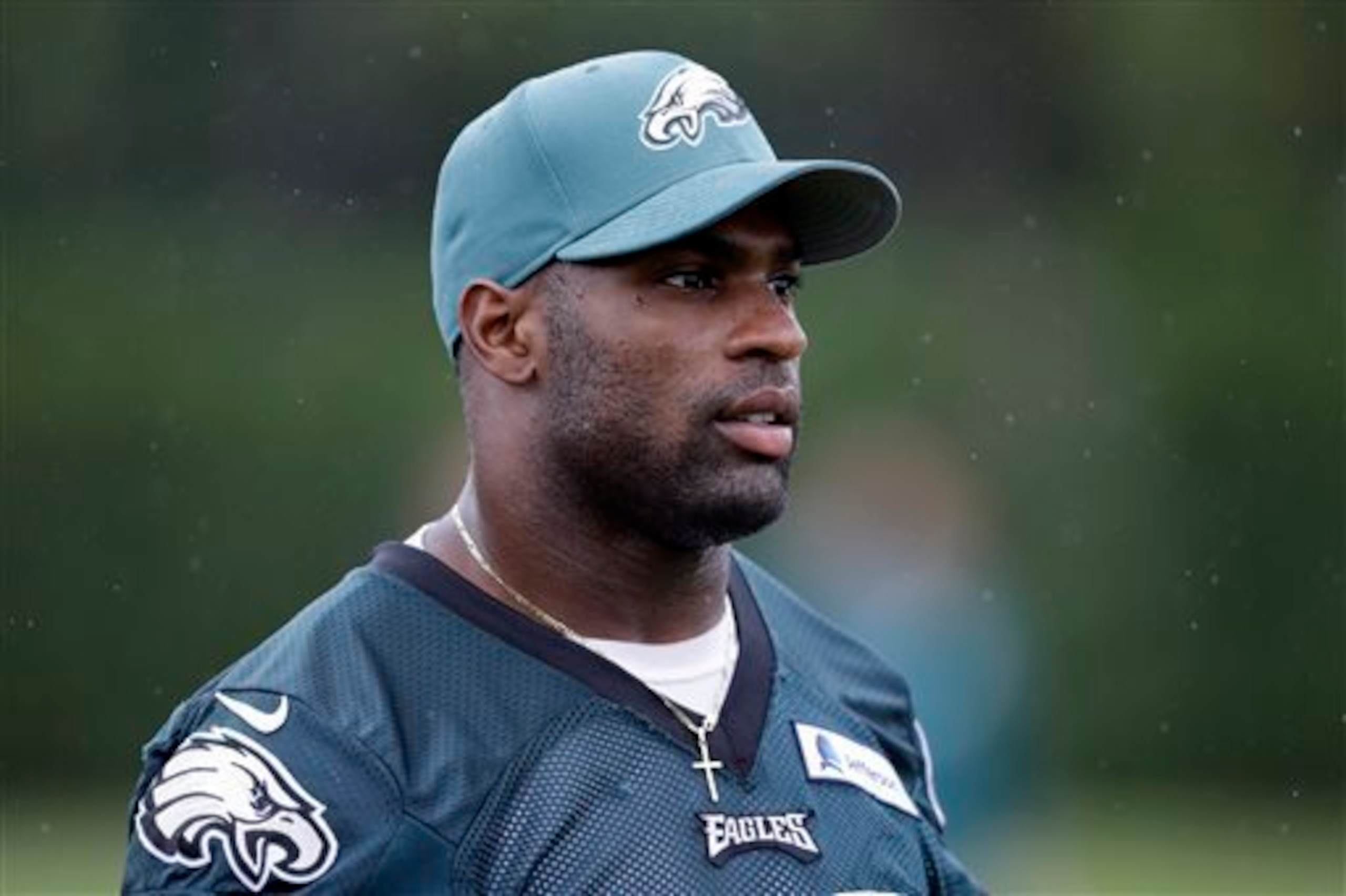
There is no doubt that the former Dallas Cowboy is a special talent. After his first 1,000-yard season in 2013, Murray finally realized his full potential by rushing for 1,845 yards last year. The Oklahoma product was a true workhorse in every sense of the word.
Due to Murray's prominence, Mathews' potential role in the offense is downplayed when it shouldn't be. As a member of the San Diego Chargers, the running back produced a pair of 1,000-yard seasons. He's also still in his prime at 28 years old.
The Eagles front office could have easily shifted gears once it brought Murray into the fold with a five-year, $40 million deal and decided to spend its money elsewhere instead of signing another running back. Mathews still inked a three-year, $11 million contract with the team.
But Mathews' acquisition wasn't an indictment of either back. It was a carefully calculated move to get the most out of the team's running game.
Increase the Tempo
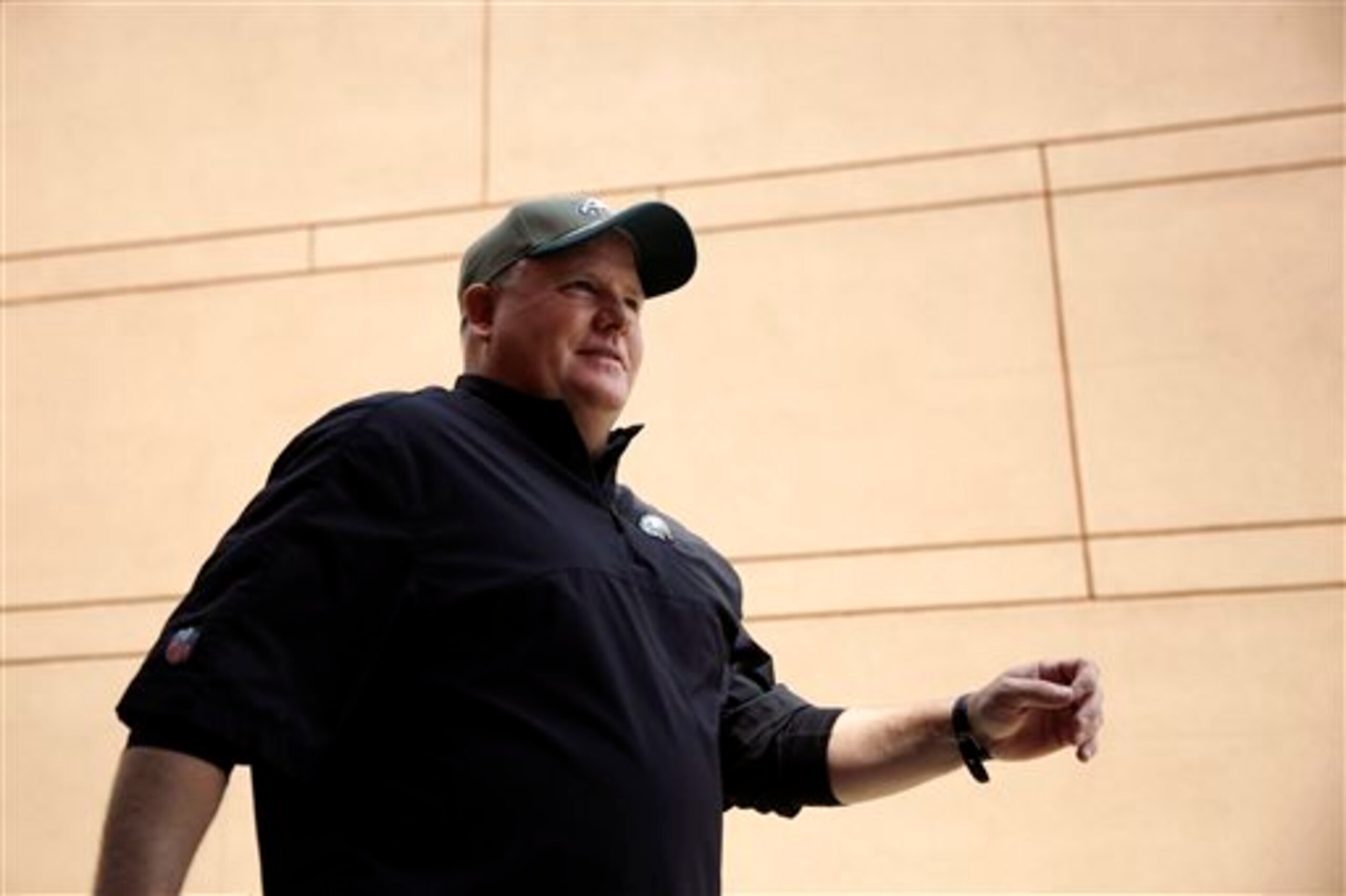
A common misconception regarding head coach Chip Kelly's offense is that it's zone-read reliant.
In reality, Kelly's scheme doesn't require a mobile quarterback to be successful. The system is based on the ability to establish the run, creating mismatches or overloads and then dictating the game's pace by varying tempo.
Everything is built off the inside and outside zone run plays.
If Kelly wants to operate at a breakneck pace, a need arises for more than one capable running back.
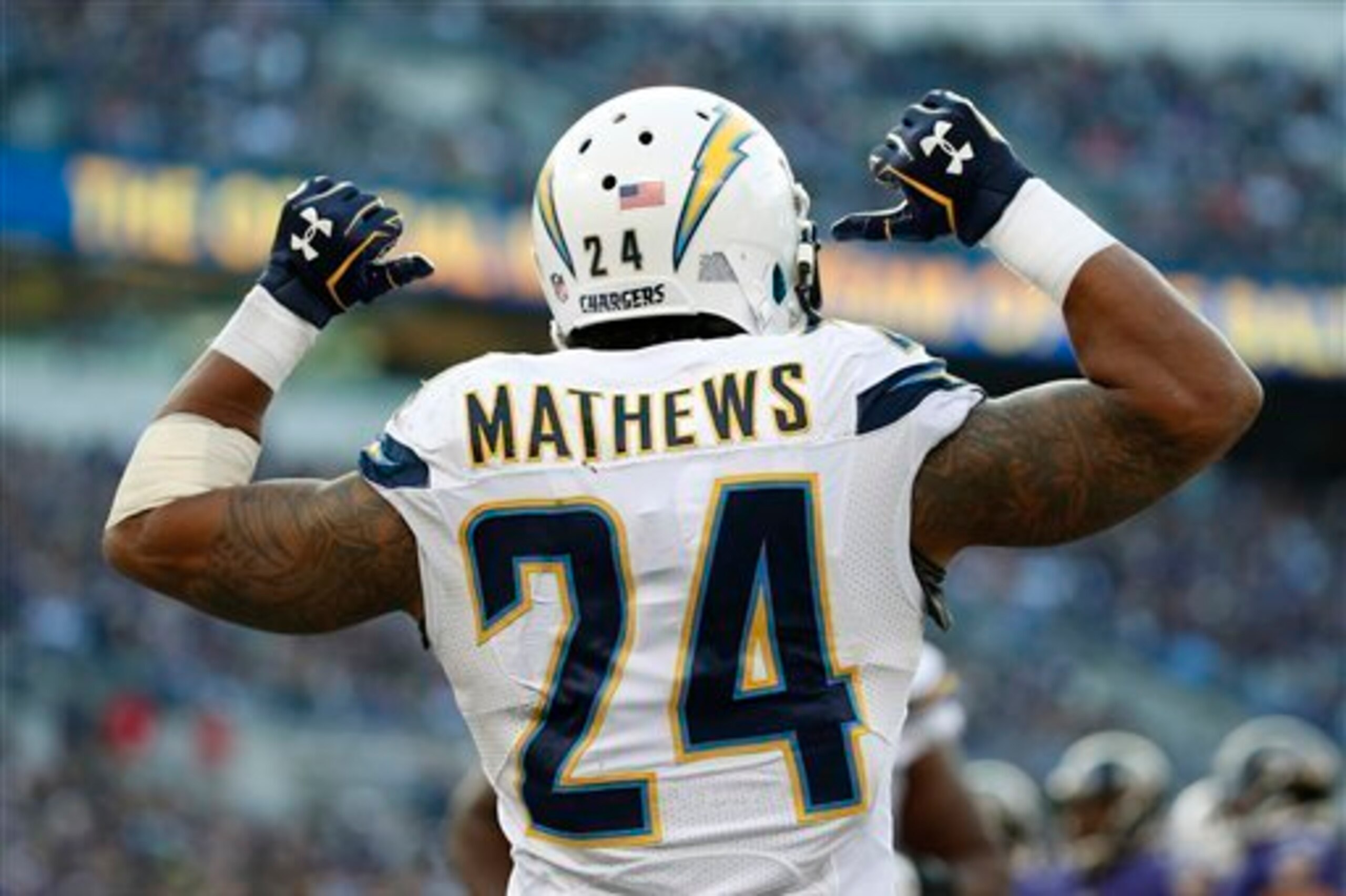
"I'm looking forward to getting back on the field," Mathews said, per Eckel. "I'm looking forward to starting over here. Chip [Kelly] likes to run the ball and likes to use his backs a lot."
Last season, the Eagles ran an offensive play every 22.9 seconds. That number actually decreased on average by 1.3 seconds compared to the previous season, but it's yet to reach the same speed he once employed during his time with the Oregon Ducks.
In Kelly's final season in Eugene, the Ducks offense snapped the ball every 20.76 seconds. Kelly also called a running play 65 percent of the time that year.
The primary difference between his stay in college and the professional ranks is his ability to rely on multiple backs when he was with the Ducks compared to LeSean McCoy shouldering the load over the last two seasons with the Eagles. Despite McCoy's production, the organization still traded him this offseason before signing either Murray or Mathews.
| Player | Year | Carries | Rushing Yards | Average |
| Kenjon Barner | 2012 | 278 | 1,767 | 6,4 |
| DeAnthony Thomas | 2012 | 92 | 701 | 7.6 |
| LaMichael James | 2011 | 247 | 1,805 | 7.3 |
| Kenjon Barner | 2011 | 152 | 939 | 6.2 |
| LaMichael James | 2010 | 294 | 1,731 | 5.9 |
| Kenjon Barner | 2010 | 91 | 551 | 6.1 |
| LaMichael James | 2009 | 230 | 1,546 | 6.5 |
| Kenjon Barner | 2009 | 61 | 366 | 6.0 |
While the Oregon offense clearly established a lead back, there was also a legitimate second option, and the offense didn't take a step back once they were on the field.
This hasn't been the case during the past two seasons in Philadelphia. McCoy was the overwhelming presence in the team's running game. He carried the ball over 300 times in each of the two campaigns under Kelly's supervision. No other running back managed more than 75 carries during the aforementioned time span.
Players can remain fresh if they are rotated on a series-by-series basis. Murray should become the primary ball-carrier, but Mathews is a far superior second option to what the Eagles have had since Kelly arrived.
As such, the decline won't be as drastic when Murray is resting, and it will allow the offense to play at a much faster tempo overall.
It's also a way to extend Murray's career while continuing to get the most out of him.
Inevitable Decline
Expectations for Murray should be held at a minimum during the 2015 campaign.
It's unrealistic to ask him to perform at the same level as last season. In 2014, the Cowboys rode Murray to the tune of 392 carries.
Once a running back eclipses 350 or more carries in a previous season, a decline in production almost always follows.
As WalterFootball.com perfectly illustrated, 19 different running backs eclipsed 350 carries during a single season over the previous 26 years.
Only two running backs, Emmitt Smith and Edgerrin James, exceeded expectations the following season. Production precipitously dropped off for the other 17 ball-carriers.
Pittsburgh Steelers running backs coach James Saxon oversaw two running backs, Larry Johnson and Adrian Peterson, during ultra-productive seasons when he was with the Kansas City Chiefs and then the Minnesota Vikings.
"I used to tell those guys, every time you carry the ball in the NFL, every time, you take one day off your life," Saxon told NFL.com's Conor Orr. "So, you should try to minimize the number of people that tackle you."
Murray may be in for a similar drop-off this year, though his decline actually began over the second half of the 2014 season.
| Games | Carries per game | Yards per game | YPA | TDs |
| 1-8 | 25.6 | 131.8 | 5.1 | 7 |
| 9-16 | 23.4 | 98.9 | 4.2 | 6 |
While the Cowboys started to use their workhorse back slightly less during the second half, he was clearly not as effective.
A running back's body simply can't hold up to the rigors of such an immense workload. Murray and the Eagles needed a legitimate second option on the roster to take pressure off him if and when he wears down due to his increased workload over the past year.
Health Concerns
Neither of the running backs Philadelphia acquired this offseason are considered iron men. Between them, Mathews and Murray have combined to play two 16-game seasons.
It wasn't until Murray finally played a full slate last year that he morphed into the NFL's leading rusher. When Mathews participated in all 16 games during the 2013 season, he set career highs in carries (285) and rushing yardage (1,255).

Unlike Murray, Mathews wasn't completely healthy last year. He missed seven games due to a sprained MCL before spraining his ankle in Week 14, which forced him to miss the final three games of the season.
During their combined nine campaigns in the NFL, the running back duo has missed 31 total games.
It wouldn't come as much of a surprise if Murray started the year as the team's lead back only to give way to Mathews or even Sproles due to some sort of injury.
The odds are actually far more in favor of one or even both of the team's free-agent acquisitions getting injured at some point during the upcoming season than not.
M & M—It's That Kind of Party
The NFL is no longer dominated by single-back offenses. Instead, a stable full of running backs is now the preferred choice for most organizations. Murray proved to be the exception to the rule last season.
Only two runners eclipsed 300 carries last year—those two either played for the Eagles last year or currently reside on Philadelphia's roster (Murray and McCoy).
But Kelly shouldn't be expected to treat his offense and his starting running back the same way he did when McCoy was on the roster. At that time, the Eagles didn't have a legitimate second option.
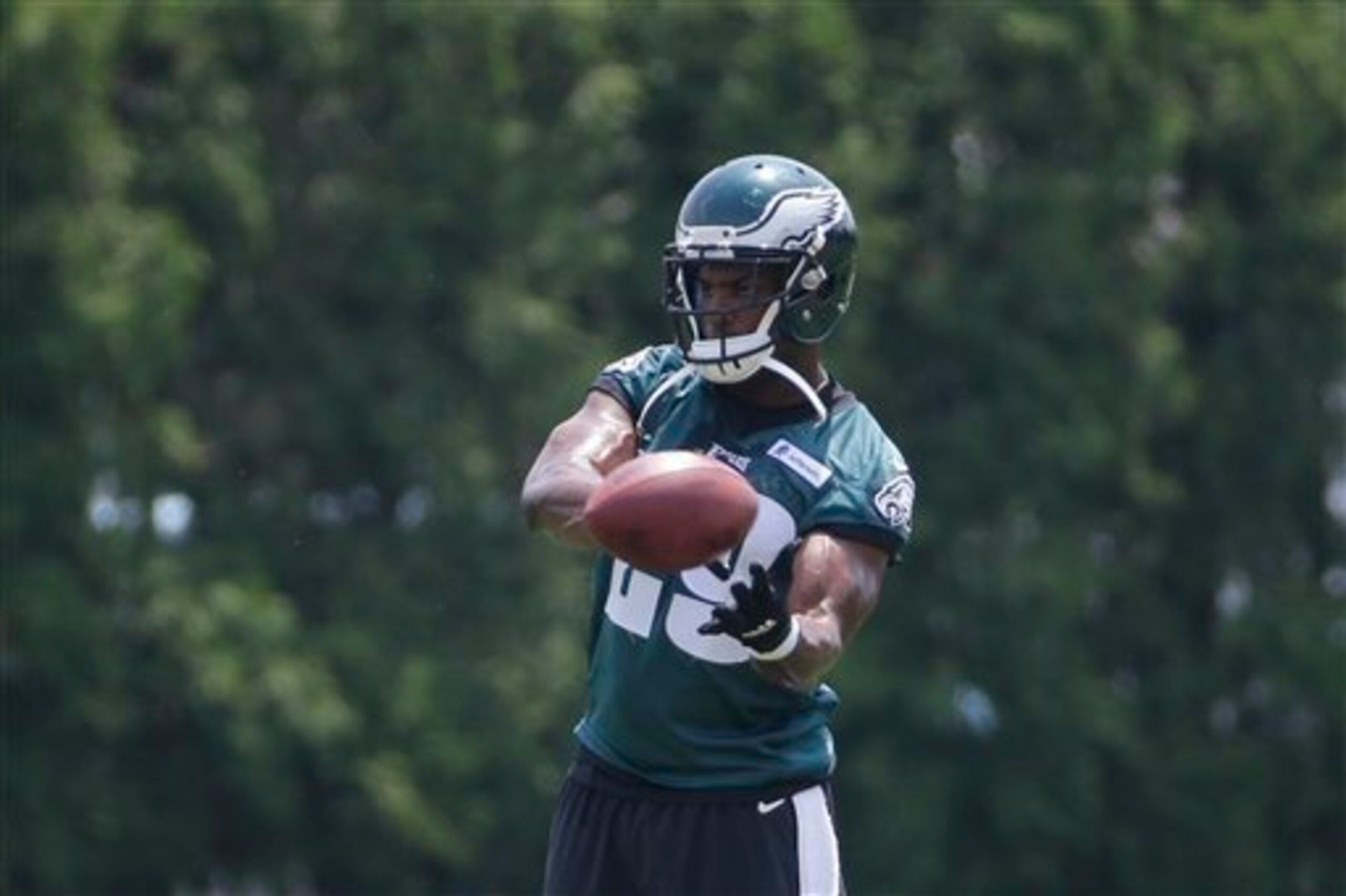
In order to keep the offense rolling, the Eagles added crucial depth to the position in the form of Mathews, who is a legitimate starting running back if healthy (which is always in question).
Despite Murray's success last year, fewer carries should provide far more impact than the team running him into the ground.
During Kelly's first season in the NFL, his offense finished No. 1 overall in rushing yardage. It fell to ninth a year later.
With the combination of Murray and Mathews, the Eagles have more than enough at running back to increase tempo and production. As a result, Philadelphia should be considered legitimate contenders in the NFC.
Brent Sobleski covers the NFL draft for Bleacher Report. Follow him on Twitter @brentsobleski.

.jpg?w=2560 "Jets RB Taken To Hospital")
.jpg?w=2560 "Grading Every Team's Season 🔠")