

Blackhawks Provide Winning Model for Tampa Bay Lightning's Talented Young Team
The Stanley Cup Final is nothing new for the Chicago Blackhawks—2015 marks the third time in six seasons the team will compete for hockey’s ultimate prize. For the Tampa Bay Lightning, it’s a different story, as the franchise has been overhauled top-to-bottom since it last won a postseason contest in 2011.
Back then, it was the heroes of 2004—Martin St. Louis and Vincent Lecavalier—who were the leading lights as the Guy Boucher-coached team took Boston to seven games in the Eastern Conference Final. Only Steven Stamkos and Victor Hedman remain from that team; every other player on the roster has changed in the span of just four years.
TOP NEWS
Early Scouting Report on Projected No. 1 Pick

Will Kraken Finally Trade Wright? 🤔
Trades That Should Have Happened
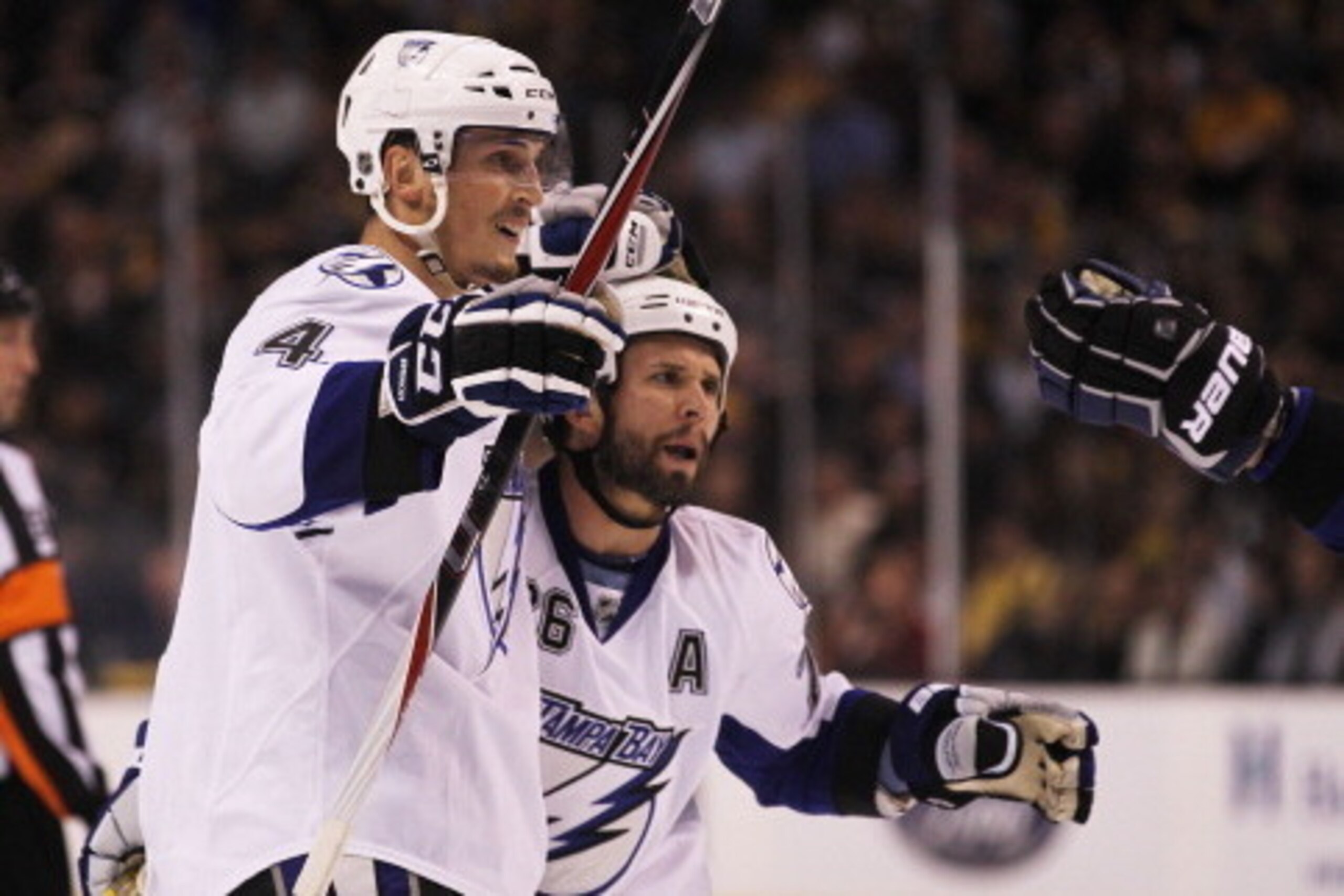
The result is a hockey club that bears a lot more in common with a younger version of its opponent than it does its own prior iteration.
When the Jonathan Toews/Patrick Kane Blackhawks won for the first time in 2010, the team had a young forward core leavened with some older players. Six of the club’s top-nine forwards were 25 years of age or younger. Marian Hossa and Patrick Sharp provided experience on the top two lines, while young veteran Dustin Byfuglien (then a forward) did much the same further down the depth chart.
The Lightning could draw inspiration from that example. Six of Tampa Bay’s top-nine forwards are under the age of 25, with the youth brigade providing the bulk of the scoring. One line is built around Tyler Johnson and a second around Steven Stamkos, with that distribution creating matchup problems for opponents the same way that Toews and Kane have for years now.
Team speed is something else the groups have in common.
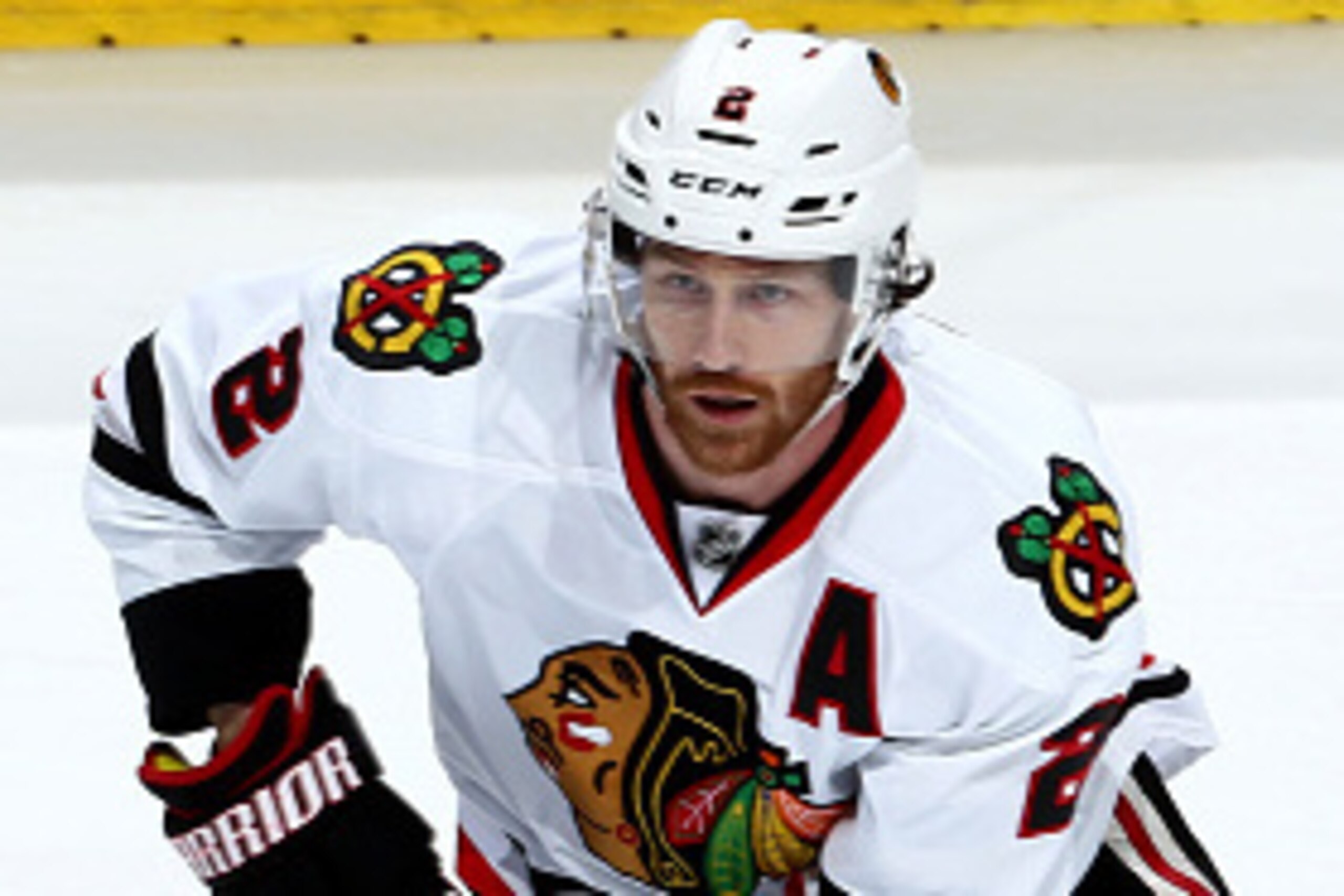
"I think the thing that stands out to me is their team speed and their skill level up front," Blackhawks defenseman Duncan Keith told reporters. "... As a team we've got a lot of respect for them. They're there for a reason."
Coach Jon Cooper leans less on his veterans than Joel Quenneville did in 2010, but the trio of Valtteri Filppula, Ryan Callahan and Brian Boyle all have important roles and provide the same kind of stiffening element on a young team that Hossa and company did for the Blackhawks then.
Both teams served youth at forward but leaned on an older defence corps. The top tandems of the two clubs, 2010’s Keith/Brent Seabrook and 2015’s Victor Hedman/Anton Stralman have some similarities in that both feature a young veteran puckmover next to a big banger, though in Chicago’s case, Keith was the anchor point for the whole defence, while Stralman is decidedly the No. 2 to Hedman in Tampa Bay.
There is no Lightning equivalent to then 22-year-old Niklas Hjalmarsson, but Tampa Bay has its versions of Brian Campbell and Brent Sopel in the veteran trio of Braydon Coburn, Jason Garrison and Matt Carle.

There are even parallels in net, where each team employed a mid-20’s goalie in his first postseason action. Ben Bishop is a more distinguished goalie than Antti Niemi was in 2010, but like Niemi was, he is looking at a massive raise next season. He also has a top prospect waiting in the wings who may supplant him in the not-too-distant future, much like Niemi did in 2012.
This stroll through memory lane is important in that it establishes the similarities in roster construction between the Lightning and the Blackhawks, but Tampa Bay general manager Steve Yzerman didn’t consciously model the demographics of his lineup on something that happened half a decade ago in Chicago, even if the teams play a similar style.
"The Tampa Bay Lightning have been, in terms of construction, modeled after the Detroit Red Wings but their on-ice play might resemble the 'Hawks more," wrote SB Nation's Kyle Alexander. "Speed, skill, and control of the puck are thing that both teams rely heavily on.
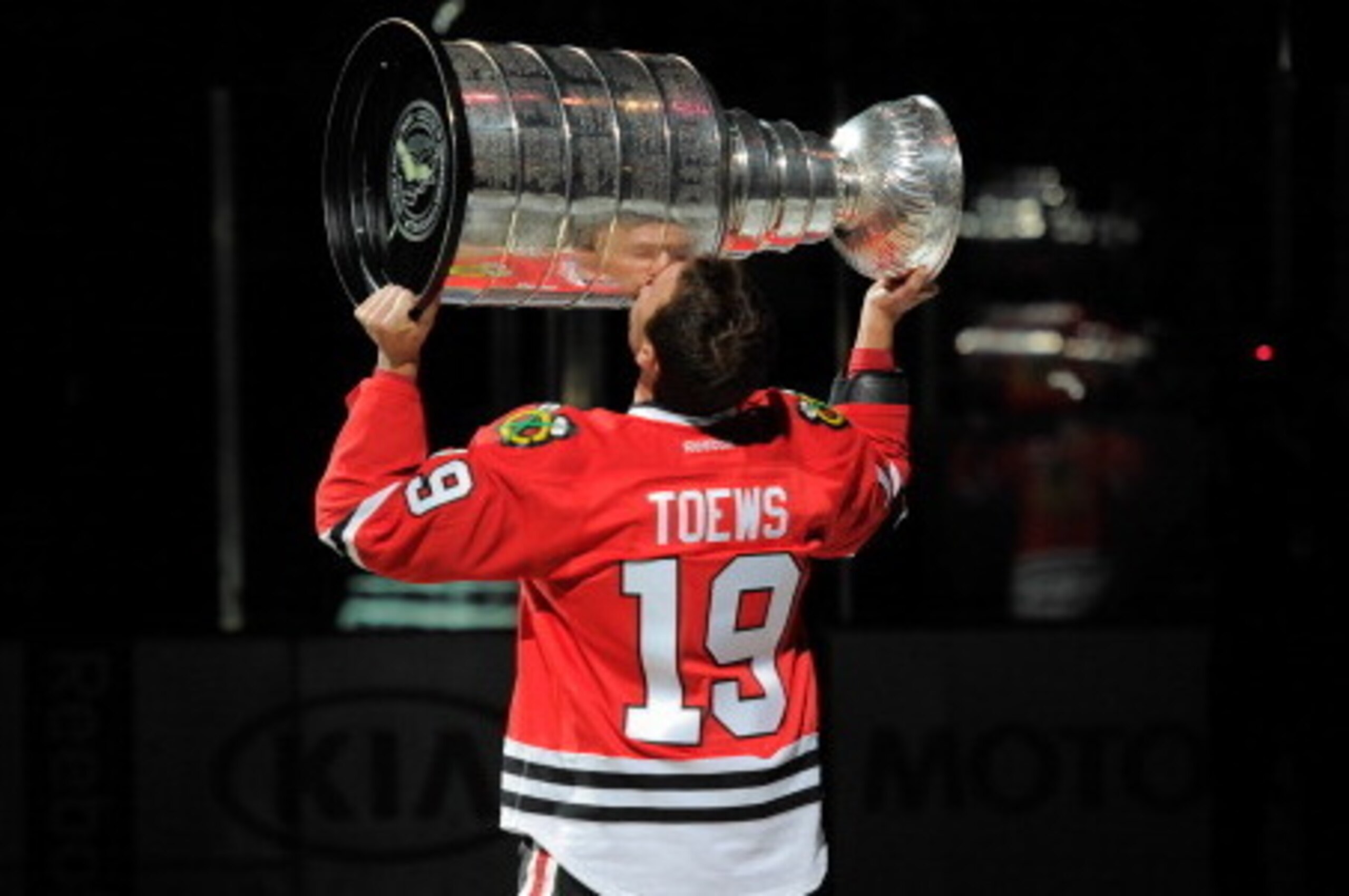
The Lightning will be looking to imitate the Blackhawks in an even more substantive way. They want to win, and no team has been better at winning the last few seasons than the ‘Hawks.
That’s where the true similarity lies, and the real divergence from Tampa Bay’s 2011 team.
The Lecavalier/St. Louis-led run four years ago was a last gasp for the key pieces who led the Lightning to a Cup in 2004, a final try that came just short and was destined not to be repeated. In contrast, the 2015 version of the team is consciously built for the long haul, to win not just this time but in future campaigns, too.
Like the Blackhawks in 2010, it isn’t hard to see salary-cap storm clouds on the horizon, to see Hedman and Stamkos slated for unrestricted free agency over the next couple of seasons, to wonder at how the Lightning will cope once bargain contracts to their “Triplets” line come to an end. Yzerman will need to weather those storms and make sacrifices along the way, but as Chicago has shown, a well-directed ship can finds its way through the waves.
The critical point is that 2015 could be the first chapter in an ongoing saga. The key ingredients are in place for Tampa Bay to be dangerous, even dominant, for years to come.
That all comes later. For now, of course, the focus is on getting clear of Chicago. The Blackhawks are still a formidable team and will exert all their energies into quashing the Bolts’ first big run. They won’t quietly hand over the Stanley Cup to a young team with ambitions; winning championships has only fueled the desire to win more championships.
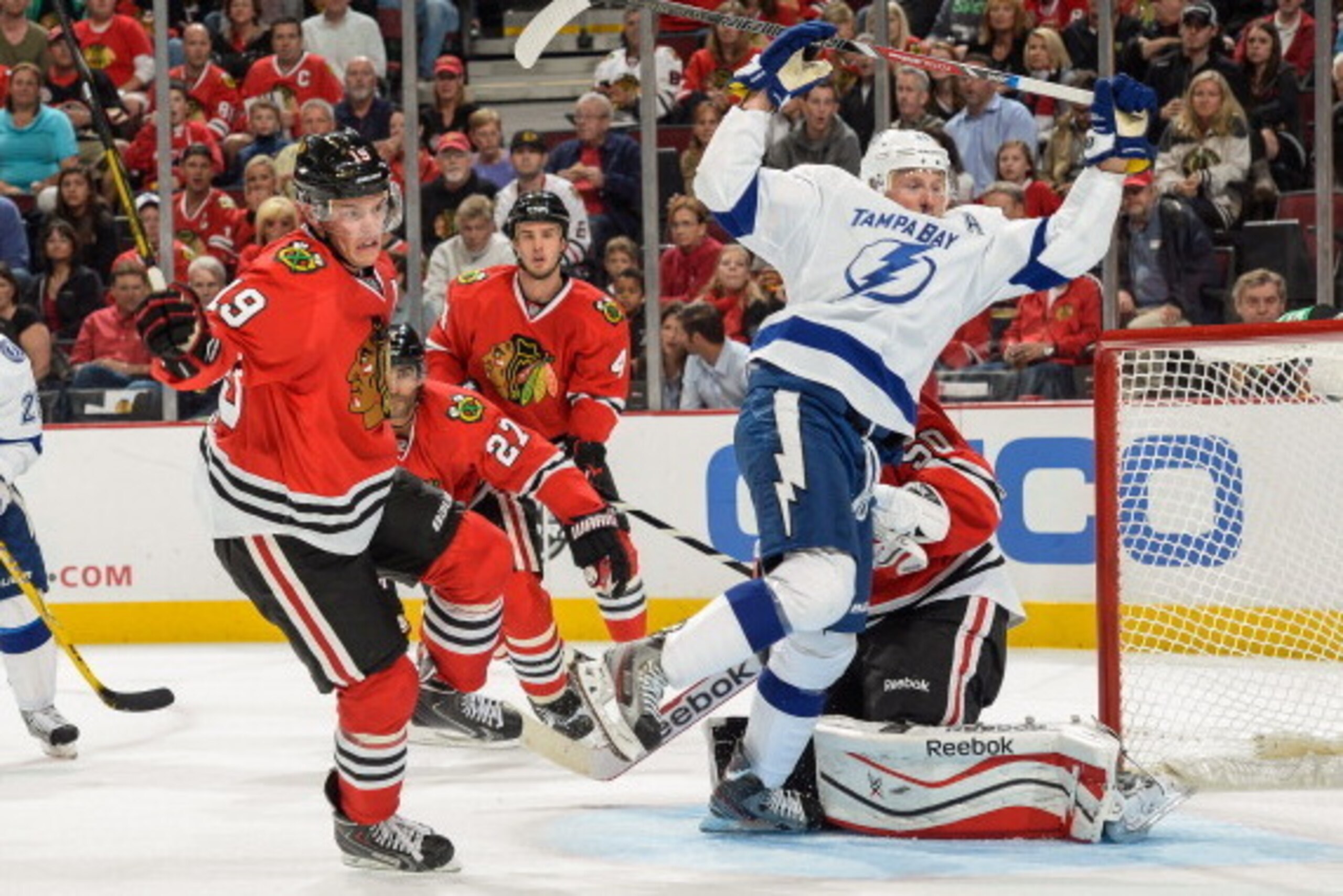
That’s as it should be. Tampa Bay has had no easy series in this playoff run. If the Lightning are, in fact, the next great NHL team, they should have to go through the NHL’s current great team to get there.
Statistics courtesy of NHL.com.
Jonathan Willis covers the NHL for Bleacher Report. Follow him on Twitter for more of his work.
.jpg?w=2560 "Seahawks Camp Football")
.jpg?w=2560 "Ranking Every Team's Path to Playoffs 🗺️")

.png?w=2560 "Dillon Brooks Wants to Box Jimmy 🥊")

.jpg?w=2560 "Grading SmackDown Before SummerSlam")